Aim for Stars, Land on Trust: Overshooting Goals to Reach Great
By Pesa Shayo ·

If you aim only for “fine,” resistance will make it “meh.” The days get long, someone gets sick, a package runs late, the sitter cancels, and suddenly your “good enough” standard isn’t enough. Aim for Stars, Land on Trust is a practical translation of the “aim higher” cliché into weekly behavior. You overshoot goals on purpose—assuming life won’t cooperate—so your landing is at least good, often great. This cornerstone will show you how to set standards that survive real life, convert good intentions into intensity, and build a rhythm resilient enough to carry you through busy seasons without losing closeness.
If you want the why behind this entire mindset, start with the site’s core idea that “normal weeks” push against connection: The Headwind Principle. That headwind is exactly why overshooting goals works.
Why Overshooting Works: The Math of Real Life
 You’re not broken because your plans get disrupted; you’re human. In aviation, pilots don’t set a fuel plan for perfect conditions. They plan reserves for headwinds, alternate airports, and delays. In marriage, you do the same: you choose standards that assume resistance. When you aim for stars, you’re not chasing perfection—you’re compensating for the drift you know is coming.
- Probability beats hope. If you rely on one monthly “special night,” one snag erases the month. If you schedule four weekly dates with two backups, a miss still leaves three wins.
- Consistency compounds. Frequent small contacts beat rare spectacular ones.
- Safety grows with predictability. When your spouse can count on a few simple touchpoints—no matter the week—trust deepens.
Overshooting isn’t intensity theater; it’s math. It’s also a key link in turning ideals into action—something you’ll operationalize with the weekly rhythm in From Intention to Intensity.
Aim for Stars, Land on Trust: A Plain-Language Definition

- Aim for Stars = Set standards and supports that are higher than “barely enough,” knowing life will chip away at them.
- Land on Trust = Because your standards assume resistance, you actually meet (or exceed) good. Reliability builds trust.
In practice, that looks like this:
- Weekly date night (with two backups you actually like)
- Weekly check-in (10 minutes; same simple agenda)
- Micro-connections most days (5 minutes)
- Small buffers around all of the above (time, logistics, energy)
- A gentle expectation that Plan B is honorable, not lesser
You don’t need dozens of habits—just a few that always happen. If you crave the “floor before ceiling” logic, visit Raise the Floor, Not Just the Ceiling to see how protective minimums steady the whole house.
The Overshoot Ladder: Four Levels of Standards
 Overshoot is easiest when you climb in small steps. Use this ladder to pick your level and move up one rung at a time.
Level 1 — Survive the Week (Floor)
- 1 date attempt (90 minutes) with a named backup
- 1 check-in (10 minutes) with a fixed agenda
- 1 act of service for your spouse
- 1 specific thank-you each day
If this is new, stay here for four weeks. This alone raises your average week.
Level 2 — Steady Connection
- Weekly date, weekly check-in, and 3 micro-connections (5 minutes each)
- Two phone-down wind-downs per week (first 15 minutes)
- 15-minute buffer built around your date night\
This is where “land on trust” starts to show up in tone and repair speed.
Level 3 — Resilient Rhythm
- Two enjoyable backups for date night
- Walk-and-talk twice a week
- Celebration drawer (cards, small gifts) + a “reveal night” plan for late deliveries
- Repair ritual (one-sentence apology + 20-minute reset option)
At Level 3, your system survives a lot of turbulence. For exactly why multiple touchpoints beat a single grand gesture, explore The Power of Redundancy.
Level 4 — Aim High, Land Soft
- Quarterly special night/day (tickets, class, or mini-getaway) scheduled in advance
- Shared growth (one-page reading together, faith practice, or service project)
- Small monthly review at the end of a check-in (“What lifted us most?”)
This is overshoot done gently: high aims, soft landings.
Design Your Weekly Plan: Standards that Assume Resistance
 Here’s a practical, overshoot-friendly weekly system. Notice how it assumes things will go wrong—so you still land on good.
1) Date Night (90 minutes, recurring).
- Primary: Friday 7–9 PM near home.
- Backups: Saturday 11 AM brunch; at-home picnic after bedtime.
- Buffer: Book 2.5 hours on the calendar; extend sitter 30 minutes.
- Energy: Ten-minute solo reset before you meet.
2) The Check-In Habit (10 minutes).
Agenda: Calendar, Money, Mood, Gratitude, Next Steps.
This is your weekly de-icing: you spot friction before it builds. If you’ve never used a simple agenda, borrow the script in From Intention to Intensity.
3) Micro-Connections (5 minutes).
- A two-question text at 3 PM: “How’s your energy? What would help tonight?”
- A voice note after a tough meeting: “I’m proud of you.”
- A 30-second blessing before sleep.
4) Build Slack Everywhere.
- Keep a celebration drawer.
- Order gifts early; run a reveal night (note + dessert + “promise date”) if late.
- Maintain two backup sitters (plus a teen neighbor for short windows).
Scripts That Lift Standards Without Starting Fights
Standards rise one sentence at a time. Try these:
- Aim for Stars ask: “I want our default to be strong even on heavy weeks. Could we protect Friday 7–9 and add Saturday brunch as our standard backup?”
- Plan-B honor: “Let’s call it—switch to brunch so we keep the promise.”
- Energy honesty: “I’m at a 2/5 tonight. Could we do a 10-minute dessert date so we still get us?”
- Repair ritual: “I’m sorry for snapping. It makes sense you felt dismissed. Can we reset in 20 and finish the conversation?”
- Micro-ask: “High/low/thank you before we crash?”
If skepticism shows up (“Isn’t this overkill?”), remember: headwind is built in. That’s the whole point of The Headwind Principle—and why Aim for Stars, Land on Trust isn’t perfectionism; it’s humility about reality.
Turn Complaints Into Commitments
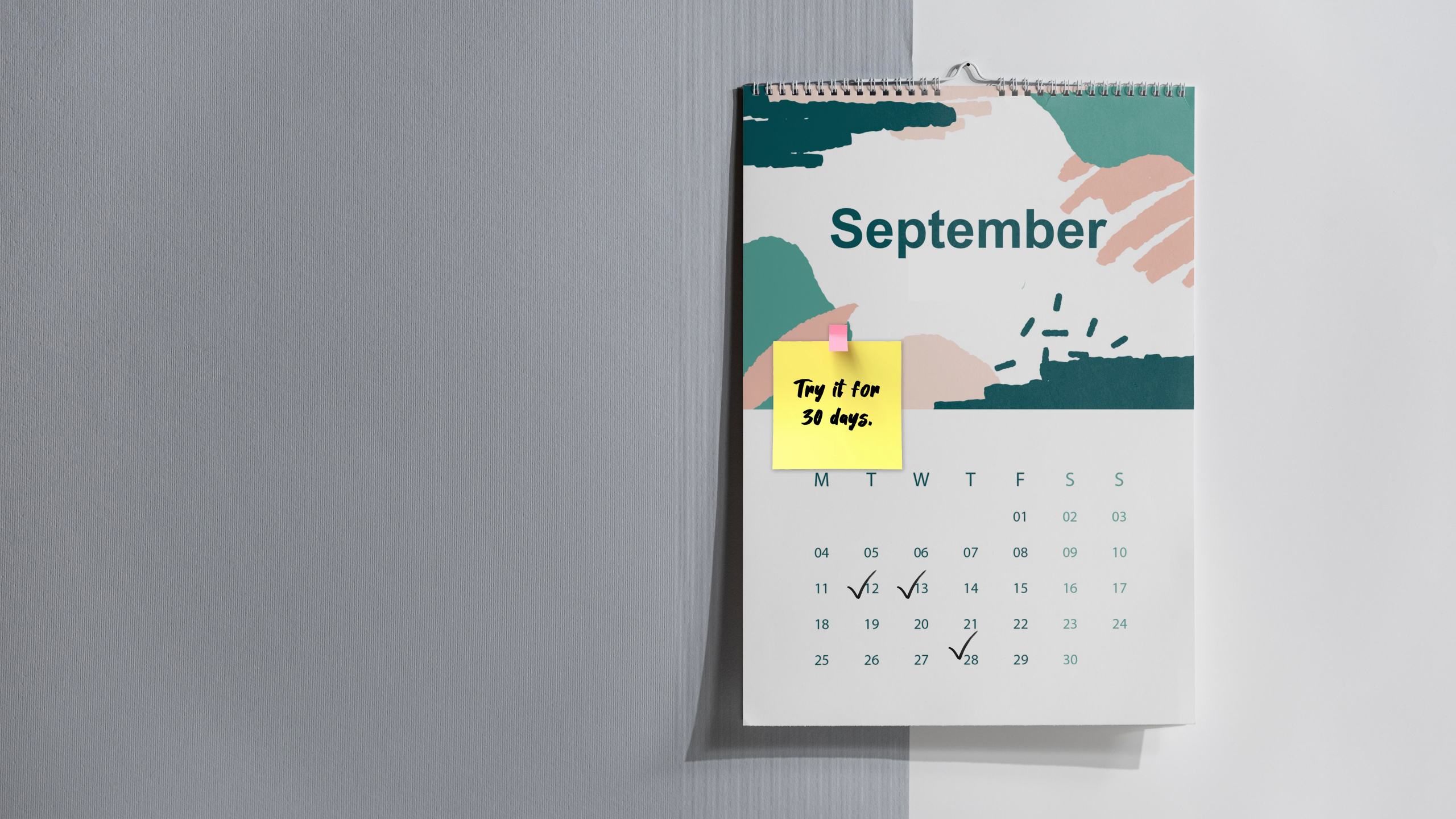
Overshoot fails when you drag old complaints into new standards. Move from “do we really need this?” to “let’s try this for 30 days and measure how it feels.” If you want a bridge for the skeptical spouse (or the skeptical part of you), use the gentle conversion tools in Complaints → Commitments. It shows you how to test tiny commitments that prove the payoff.
Case Studies: Overshoot Applied to Real Weeks
 Case Study 1: The Cancelled Friday
- Old pattern: Friday dinner planned; sitter cancels; month feels ruined.
- Aim for Stars standard: Friday dinner + Saturday brunch + at-home picnic.
- Outcome: Two of three touchpoints land; tone stays warm; no distance spiral.
Case Study 2: Parallel Scrolling Evenings
- Old pattern: Exhausted, both scroll for an hour; arguments increase.
- Overshoot move: Two nights with phones in a bowl for first 15 minutes, plus a micro-ritual at bedtime.
- Outcome: Rested tone, kinder repairs, more playful moments.
Case Study 3: Cultural Script Clashes
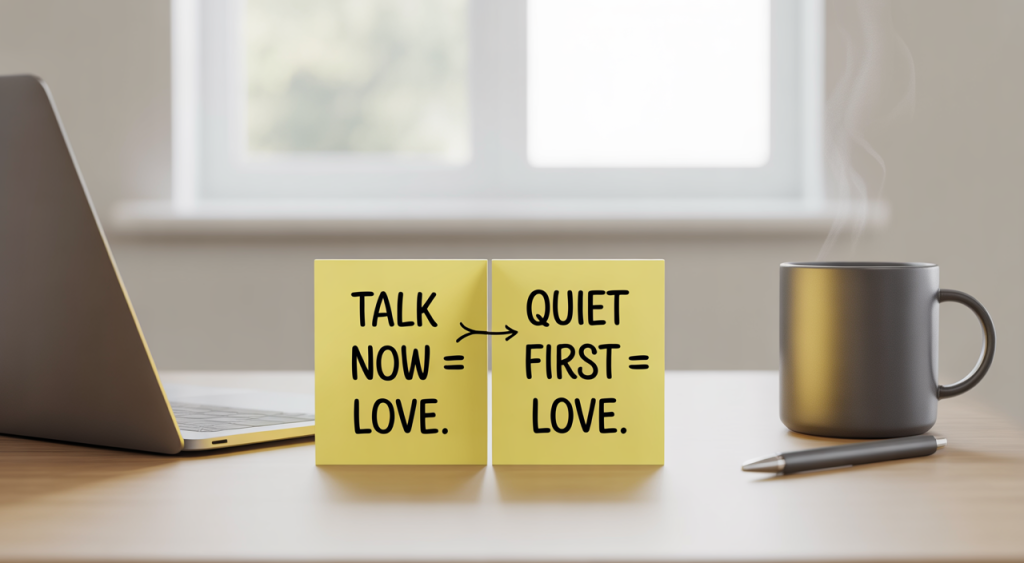
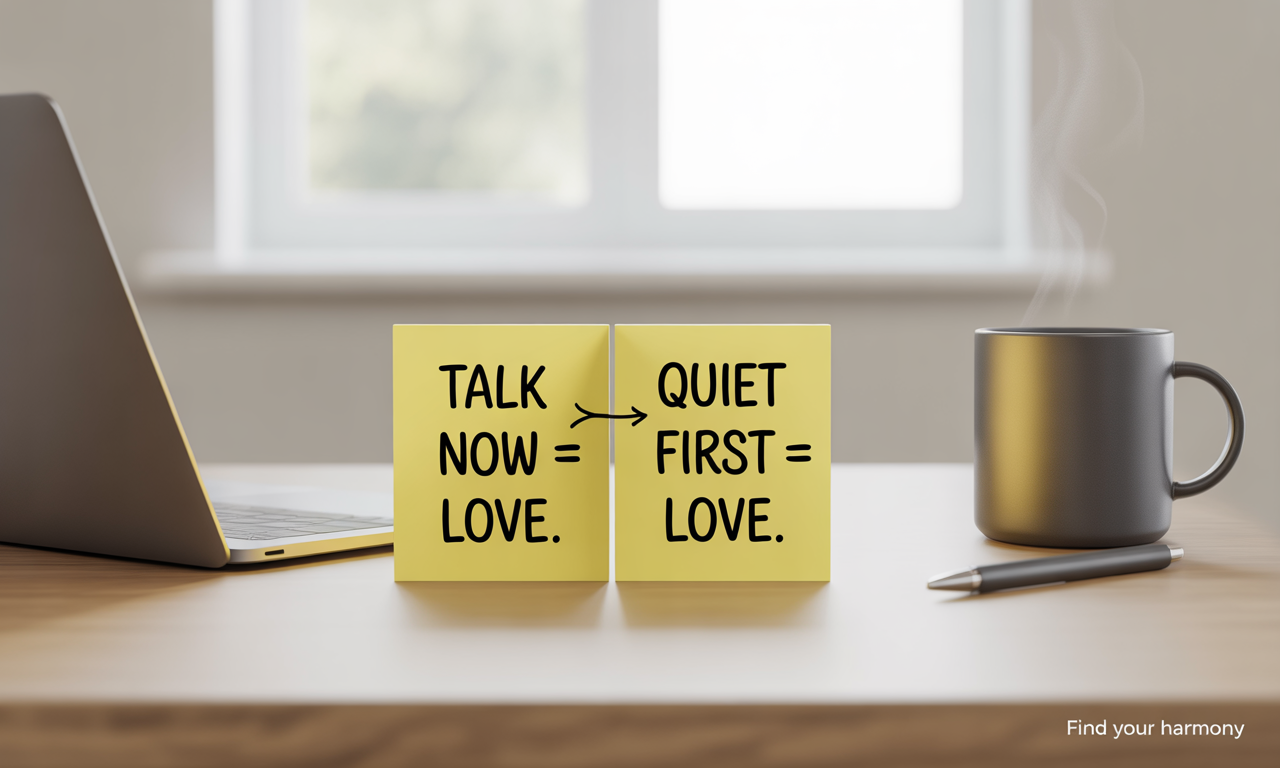
- Old pattern: One wants to “talk it out now,” the other needs a pause. Escalation follows.
- Overshoot move: A Love Translation Guide discussed during the check-in and a 20-minute reset rule.
- Outcome: Fewer escalations; mutual respect grows; dates regain fun.
Metrics That Keep You Honest (Without Killing Romance)
You don’t need a spreadsheet—just a dashboard you can glance at during the check-in:
- Date attempts kept (out of 4). Aim for 3/4.
- Plan-B activations. High early is normal; adjust buffers to trend down.
- Micro-connection days (goal: 5+).
- Repair speed (minutes from strain to a repair attempt).
- Energy rating (1–5 each evening).
Metrics aren’t grades; they’re gauges. If the needle drops, don’t panic. Increase margin, simplify the plan, or switch to the bare-minimum beautiful version for a stretch.
The 12-Week Overshoot Project

A gentle, three-month plan to make Aim for Stars, Land on Trust your marriage operating system.
Weeks 1–4: Install the Core
- Date night on a recurring day/time; add two backups you enjoy.
- Check-in (10 minutes) with the same agenda.
- Micro-connection menu (five options you genuinely like).
- Two phone-down wind-downs each week.
- Measure: date attempts kept; micro days.
Weeks 5–8: Add Slack & Language
- Build a celebration drawer and write your reveal night plan.
- Maintain two backup sitters + one teen neighbor.
- Draft a simple Love Translation Guide (three lines each).
- Measure: plan-B activations; repair speed.
Weeks 9–12: Lift the Ceiling, Protect the Floor
- Plan one quarterly special (tickets, class, day trip).
- Keep minimums steady even if week 10 is messy (proof of system).
- Do a mini review in the last check-in: what helped most, what needs a 1-point improvement?
- Measure: overall tone; number of “we’re on the same team” moments you noticed.
Sprinkle support where it fits: strengthen your minimums with Raise the Floor, Not Just the Ceiling and keep the engines humming through weekly friction with From Intention to Intensity.
Energy and Attention Hygiene: Fuel for Overshoot
Overshoot doesn’t mean “try harder when exhausted.” It means fuel the things that matter:
- Micro-recovery (10 minutes solo) before date/check-in.
- Walk-and-talks (15–20 minutes) twice weekly.
- Bounded shows (one episode + 10-minute cuddle) to avoid “oops we watched three.”
- Social diet (notice who drains/fills your tank and choose accordingly).
These quiet decisions are the fuel lines that keep standards from sputtering. If you want a friendly weekly blueprint, the system in From Intention to Intensity matches perfectly with overshoot goals.
When Plans Change: Keep the Promise, Change the Plan

Overshoot isn’t rigidity. It’s flexibility with a spine. The promise (connection) stays; the path flexes. If Friday dies, Saturday lives. If sitter cancels, the living room lights up. If both fail, five minutes of bare-minimum beautiful still says, “We matter.”
Treat plan changes with dignity—no eye rolls, no shame. That tone is what lets you land on trust, even when you’re landing in an unexpected place.
Gentle Boundaries that Protect Standards
You don’t need to become a calendar tyrant. Just be the kind of couple who politely guards what you’ve already given each other.
- “We have a standing Friday plan. Could we join the group next week?”
- “Let’s be home by eight; we’ve got our check-in.”
- “If the gift runs late, we’ll still do dessert and a letter Friday.”
Boundaries aren’t about saying no to people; they’re about saying yes to your promise. That’s how overshoot becomes culture, not just a checklist.
Quick Upgrades to Make Overshoot Feel Like Play
- Date add-ons: a two-question card, a shared playlist, a 10-minute photo walk.
- Check-in sweetener: start with a one-word mood and end with a specific thank-you.
- Micros: seasonal swaps (hot cocoa walks in winter, porch chats in spring).
- Celebrations: take one photo each time you keep a promise; create a simple “kept promises” album.
None of this is required, but tiny touches make higher standards feel joyful, not heavy.
Frequently Asked Pushbacks
 “Isn’t this just more to do?”
No—this is the right little things to do. Overshoot reduces the waste of canceled plans, repeated arguments, and repair marathons. Ten minutes of planning saves hours of friction.
“Shouldn’t love be spontaneous?”
Spontaneity blooms when essentials are covered. When your floor is high and your backups are real, play returns.
“We tried weekly before and missed.”
Missing is data. Increase buffer, pick better backups, shrink the ritual for a season. The point of Aim for Stars, Land on Trust is that you keep landing even when you miss.
“My spouse isn’t into systems.”
Lead softly. Start with one micro-connection daily and a 10-minute check-in. Results are persuasive. If skepticism becomes a stall, convert it using the tools in Complaints → Commitments.
Putting It All Together: A Week in the Life (Overshoot Edition)

Sunday 7:30 PM — Check-in, 10 minutes. Calendar, money, mood, gratitude, next steps.
Monday — Micro-connection: a 30-second hug that lasts past the awkwardness; two-question text in the afternoon.
Wednesday — Walk-and-talk after dinner; decide date details.
Friday — Date night, 90 minutes. If work runs late, call it by 5 PM and pivot to Saturday brunch.
Daily — One specific thank-you.
Any day needed — Plan B or bare-minimum beautiful (couch dessert, 10 minutes).
It’s not a lot. It’s enough. And it’s designed to hold when life pushes back.
If you’re just starting, pick one thing to do tonight: schedule a 10-minute check-in this week. That single move makes space for every other move. Then, when you’re ready to shore up your minimums and make those weekly touchpoints almost automatic, let these two friendly guides help: Raise the Floor, Not Just the Ceiling and The Power of Redundancy.
A Final Word: Aim for Stars, Land on Trust
There’s nothing wrong with wanting epic love. Just don’t make epic the only way love counts. Aim for Stars, Land on Trust is the art of setting standards that expect headwinds and still deliver warmth. You aim higher not to flex, but to arrive—at reliability, kindness, and the feeling of being safely chosen on ordinary weeks.
For your very next step, choose one small overshoot move that protects the promise you’ve already made to each other. Add a buffer. Name a backup. Send the voice note. Little by little, landing on trust will feel like the most natural thing in the world.
Image suggestion: A couple clinking tea mugs on their porch under early stars; phones face-down beside them.
Alt text: “Under the stars—small, steady standards landing on trust.”
Subtle next reads if you’re continuing the journey tonight: nudge your weekly system with From Intention to Intensity, keep your minimums reliable with Raise the Floor, Not Just the Ceiling, and multiply your odds of connection using The Power of Redundancy.