From Intention to Intensity: Matching Energy to the Marriage You Want
By Pesa Shayo ·
 Good intentions are beautiful—but they underperform against real resistance. Busy calendars, tired bodies, missed texts, and small misunderstandings act like a headwind on your best days. From Intention to Intensity is the move that aligns time, energy, and follow-through with the future you say you want—so your practices survive rough patches, not just highlight reels. If you haven’t set your standard yet, begin with the big picture in Aim for Stars, Land on Trust. Once you’re clear on “where we’re going,” turn that vision into a weekly operating system using The Check-In Habit.
From Intention to Intensity: The Core Shift
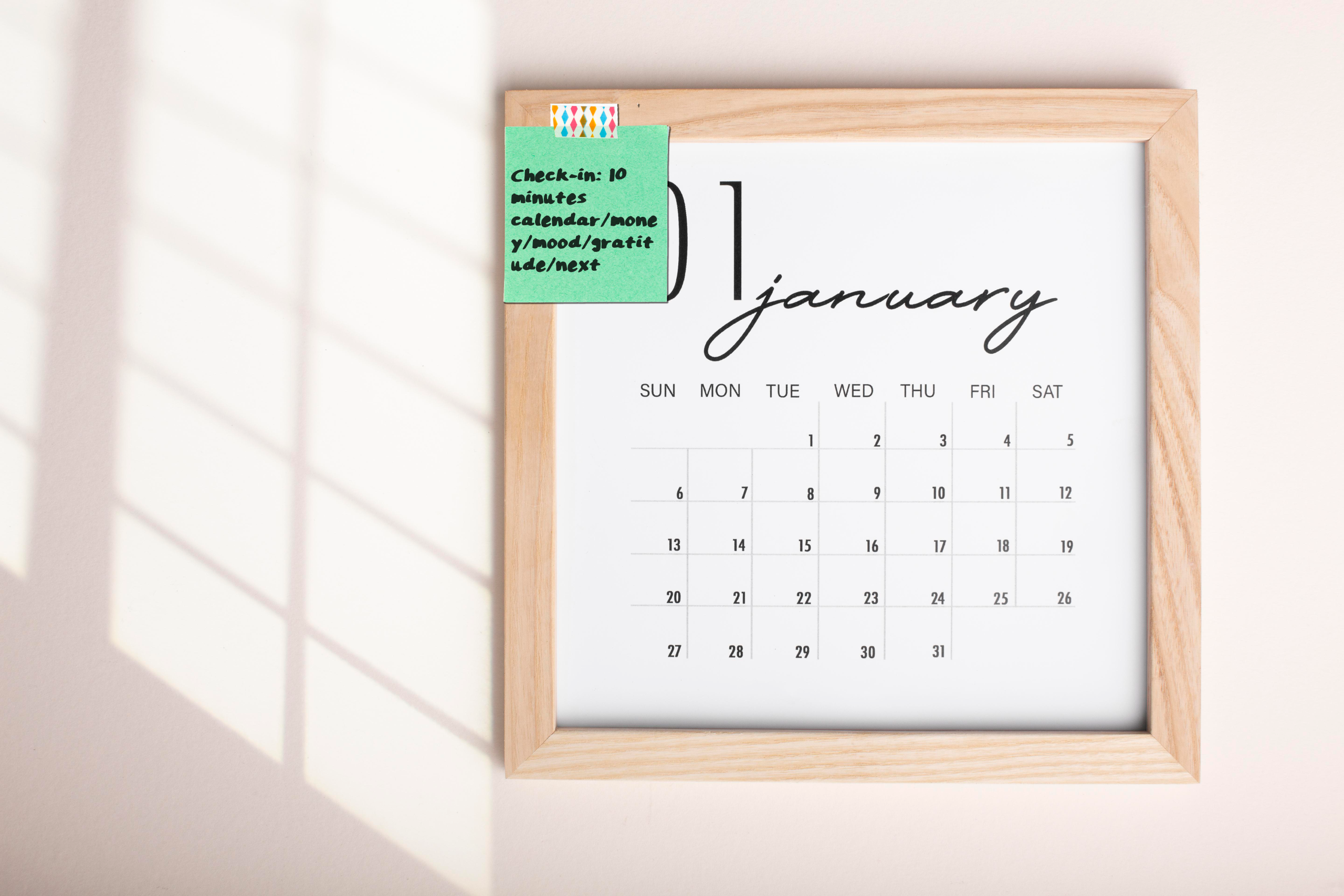
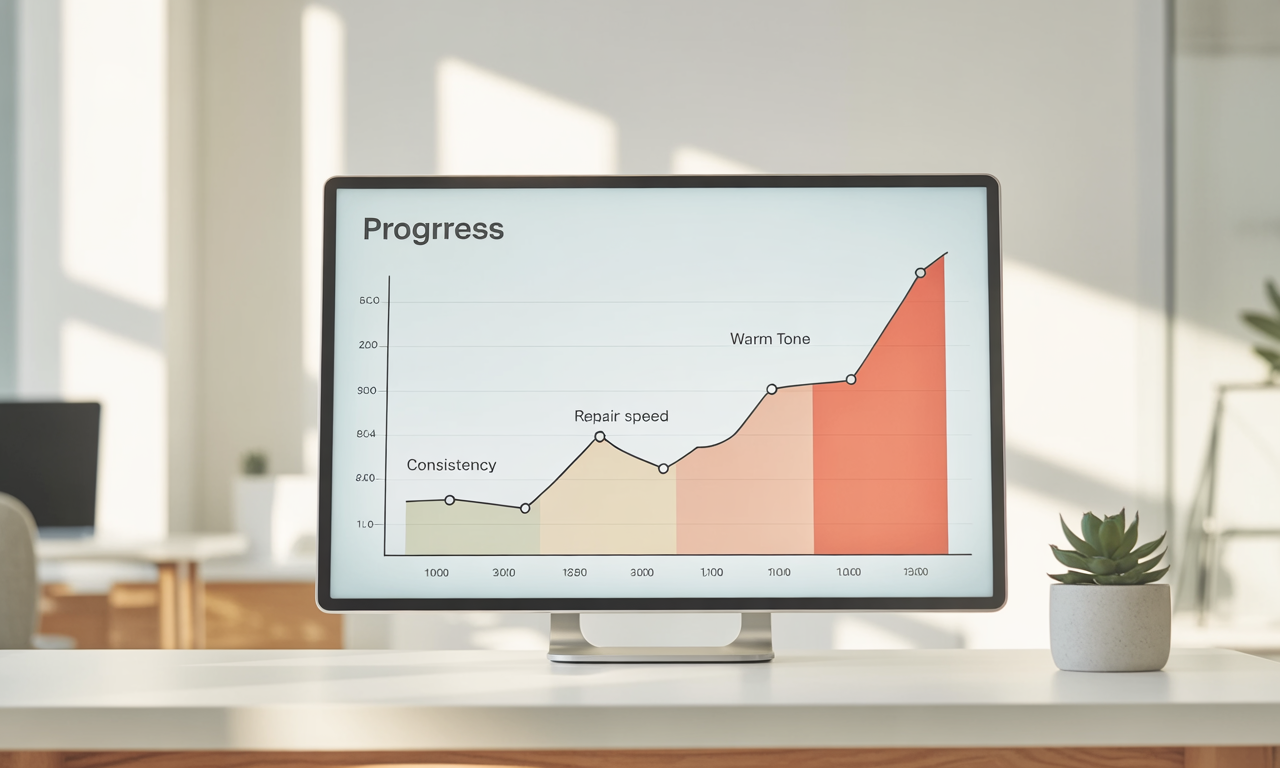
Intentions are feelings and hopes; intensity is structure and stamina. When you move from intention to intensity, you stop waiting for ideal conditions and start designing for real ones. Instead of “We should talk more,” you commit, “Sunday at 7:30 PM we do a 10-minute check-in.” Instead of “Let’s make time for us,” you anchor a weekly date with a pre-decided backup. The shift is small in words and huge in results: consistent connection, faster repairs, and a warmer tone across your week.
Match Energy to the Marriage You Want
The love you envision requires fuel: time, attention, and margin. If most of your best energy goes to work, chores, or scrolls, your marriage gets leftovers—and leftovers rarely feed intimacy. Matching energy means asking: “What is the tone we want, and what energy will it cost us to show up like that—this week?”
Practical ways to match energy:
- Two-night rule: Choose two evenings to put phones away during wind-down.
- Micro-recovery before connection: Ten minutes of solo quiet prior to your check-in or date so you arrive kind, not frayed.
- Walk-and-talks: Combine movement with conversation twice a week; it lifts mood and lowers defensiveness.
- Sleep windows: Agree on a bedtime window three nights a week—rest is romance infrastructure.
If you feel skeptical that this much planning is necessary, the why lives in the site’s master cornerstone: The Headwind Principle.
Overshoot Standards to Survive Real Life

If you aim at “good,” everyday headwinds push you below target. The remedy is to overshoot—choose standards that assume resistance. That’s the heart behind Aim for Stars, Land on Trust. For example:
- Weekly beats monthly. With four attempts, one miss still leaves three wins.
- Two backups beat one fragile plan. If Friday dinner dies, Saturday brunch lives; if the sitter cancels, the home-date kit promotes to Plan A.
- A high floor beats rare highs. One weekly check-in and one daily micro-connection keep warmth even when the week is heavy.
Design a Weekly System That Delivers Under Pressure
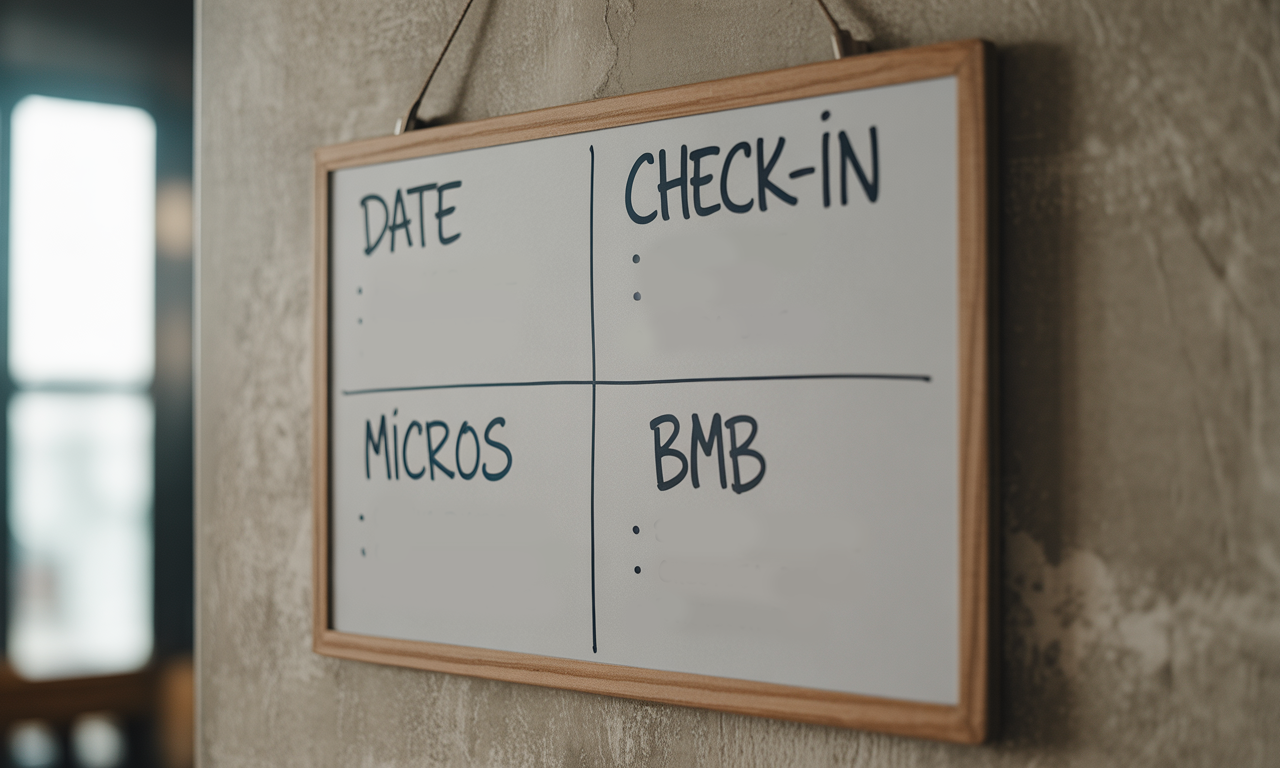
Systems make intensity doable. Think in four parts—date night, check-in, micro-connections, and bare-minimum beautiful (BMB)—and protect each with buffers and backups.
Date night (90 minutes): Put it on the same day/time every week. Add two backups you enjoy (Saturday brunch, living-room picnic). For nuts-and-bolts setup, use Weekly Date Night Works Because Life Won’t.
Check-in (10 minutes): Follow a repeatable agenda—calendar, money, mood, gratitude, next steps. This is your cockpit instrument panel. The simple template is in The Check-In Habit.
Micro-connections (5 minutes): A 30-second hug that lasts past the awkwardness, a voice note after a tough call, a two-question text (“How’s your energy? What would help tonight?”), tea drop-off with a sticky note.
Bare-minimum beautiful: Your simplest version that still feels like love—a couch dessert date, 10-minute cuddle with one honest question, or a bedtime handhold with a one-line prayer. BMB prevents “all-or-nothing” collapses.
Operational Intensity with The Check-In Habit
Most weekly conflicts are just surprises you could have seen coming. Ten minutes each week prevents ten hours of cleanup. The check-in is where intensity becomes visible:
- Calendar: What’s coming that will strain us?
- Money: Any unusual expenses or decisions?
- Mood: One-word check-in each (tired, hopeful, stretched).
- Gratitude: One specific thank-you.
- Next steps: Who will do what by when?
When you answer these together, you catch friction early, place buffers where needed, and decide which nights get screens off. If you’re building this from scratch, the script and structure sit here: The Check-In Habit.
Intensity Needs Slack: Buffers, Backups, and Rain Dates

Intensity without margin becomes brittle. Give your rituals room to breathe:
- Time buffers: Reserve a 2.5-hour block for a 90-minute date; commute and delays won’t steal your connection.
- Logistics slack: Keep a home “date kit” ready—snacks, playlist, candle, blanket.
- Celebration slack: Order gifts early; create a “reveal night” (dessert + letter + promise date) for late deliveries.
- Backup sitters: Maintain two names on speed dial plus a teen neighbor for short windows.
For a step-by-step padding plan, see Build Buffers, Not Excuses and the mindset behind margin in Life Happens—Love Plans.
Own the Route When Plans Change

Keeping connection sacred doesn’t mean keeping a particular plan. The promise is the priority; the route flexes. If the restaurant falls through, the promise can still land—at your kitchen table. If Friday dinner dies, Saturday brunch lives. If both fail, BMB keeps the heartbeat.
Natural helpers:
- Keep the Promise, Change the Plan: Treat plan shifts as honorable, not lesser.
Link: https://blog.liveyourbestmarriage.com/resilience/keep-promise-change-plan - Stop Blaming the Weather: Choose routes that still land you together.
Link: https://blog.liveyourbestmarriage.com/intensity/own-your-route
Energy and Attention Hygiene Fuels Intensity
Engines need fuel. A brilliant plan without energy is just paper.
- No-phone window: Two nights per week, phones in a bowl for the first 15 minutes after kids are down.
- Micro-recovery: Short solo reset before your check-in or date.
- Bounded shows: One episode + a 10-minute cuddle instead of auto-play.
- Social diet: Notice who drains or fills your tank this week; choose accordingly.
These small guards are what make From Intention to Intensity sustainable. You’re not white-knuckling; you’re stewarding energy toward what matters.
Cultural Differences and Hidden Load: Align Expectations
Many “us” problems are two different maps. One partner’s love language is acts of service; the other’s is words. One wants immediate processing; the other needs a quiet pause. Without translation, intensity feels like pressure. Translate:
- Love Translation Guide:
“When I say ‘I need a minute,’ it means I want to give you my best response.”
“When you bring me coffee without asking, I feel loved.” - Hidden Load List:
Make the invisible visible in your check-in—birthdays, school forms, car service—then redistribute one or two items.
Clarity reduces drag. It’s not about winning; it’s about alignment.
Metrics That Matter (Because What You Measure Improves)
Track a few signals each week:
- Date attempts kept (out of 4). Missing one is normal; 3/4 is healthy momentum.
- Plan-B activations. High early is fine; aim to trend down as buffers improve.
- Micro-connection days (goal: 5+).
- Repair speed (minutes from rupture to repair attempt).
- Energy rating (1–5 each evening).
Metrics aren’t grades; they’re gauges. If connection dips, you’ll know whether to add buffer, adjust timing, or clarify expectations.
30-Day Ramp: From Intention to Intensity
A one-month sprint to install habits that hold:
Week 1: Choose Your Engines
- Put date night on a recurring day/time; add two backups you like.
- Schedule The Check-In Habit (10 minutes, same slot each week).
- Decide your bare-minimum beautiful for tough nights.
Week 2: Add Slack
- Install time buffers (arrive early, sitter booked 30 minutes longer).
- Stock a connection drawer for celebrations and repairs.
- Start a no-phone window two nights this week.
Week 3: Energy & Translation
- Try two walk-and-talks.
- Draft a Love Translation Guide (just three lines per partner).
- Identify one item from the hidden load to transfer.
Week 4: Tune & Prove
- Review your metrics in the check-in; adjust buffers/backups.
- Keep one Plan-B date on purpose to normalize flexibility.
- Write one-paragraph notes to each other: “What helped most this month.”
By day 30, you’ll feel the difference: less arguing with weather, more arriving together. That’s the lived effect of moving from intention to intensity.
Scripts to Shift From Intention to Intensity
- Buffer ask: “Could we add a 15-minute settle-in before our check-in so we both arrive kind?”
- Plan-B pivot: “I want to keep our promise even if tonight’s plan won’t work—brunch tomorrow?”
- BMB request: “Energy’s low. Can we do a 10-minute dessert date so we still get us?”
- Repair starter: “I’m sorry for snapping. It makes sense you felt dismissed. Can we reset?”
- Hidden-load share: “Three things are on my mind—could you own one this week?”
Keep these in a shared note so the words are ready when you need them.
Common Pushbacks, Gentle Reframes
“This feels like too much structure.”
Structure isn’t punishment; it’s protection. Ten minutes of planning saves hours of friction.
“Shouldn’t love be spontaneous?”
Spontaneity thrives when essentials are covered. You can play more when your base is steady.
“We tried weekly before, and we missed.”
That’s not failure—that’s data. Increase buffer, pick better backups, and keep the promise by changing the plan. For the mindset, see Stop Blaming the Weather: Owning Your Route Through Resistance.
“We’re too busy.”
Busy is why intensity matters. A high floor (one date attempt, one check-in, daily micro) lets you succeed even on heavy weeks. If you’re building a sturdier base, read Raise the Floor, Not Just the Ceiling.
Quiet Power: What Consistent Intensity Feels Like
When you commit to From Intention to Intensity, your marriage starts to feel different: warm by default, not only on special nights; repairs happen faster; the room feels safer; small joys return. None of this demands perfection. It asks for a clear destination and just enough thrust to reach it—especially on ordinary weeks that used to push you off course.
If you want a simple next step, pick one change that gives your week breathing room. Add a buffer before your check-in. Choose a rain-date you’d actually enjoy. Send the voice note. Intensity is not loud; it’s faithful. And faithfully applied, it quietly changes everything.
Image suggestion: A couple clinking tea mugs on the couch, soft lamplight, phones face-down on the table.
Alt text: “Consistent small rituals—quiet intensity that keeps love warm.”
Subtle next reads that fit where you are right now:
- If your plans keep getting disrupted, build margin with Life Happens—Love Plans.
- If weekly friction sneaks up on you, notice the patterns in When “Normal” Isn’t Neutral.
If you need padding around your practices, put cushions under them in Build Buffers, Not Excuses.