Don’t Let Your Spouse Label You: Reclaiming Your Identity in Marriage
By Pesa Shayo ·
Introduction
Marriage is a sacred space where vulnerability and love are meant to thrive. But when conflict arises—as it inevitably does—words can be wielded like weapons. In moments of frustration, fear, or fatigue, labels are thrown: “You’re lazy,” “You’re selfish,” “You never listen,” or “You always make things worse.”
If we’re not careful, these labels can sink deep into our hearts, distorting how we see ourselves and even how we relate to God.
But here’s the truth: just because your spouse says something doesn’t make it true.
This blog post explores how to recognize when you’re being mislabeled, how to avoid internalizing false narratives, and how to reclaim your God-given identity—even in the middle of marital strife. You’ll walk away with clarity, confidence, and tools to protect your peace while staying rooted in truth.
1. When Words Become Weapons
 Disagreements are part of every relationship. But in the heat of an argument, it’s easy to shift from addressing issues to assigning identities.
Instead of saying, “I felt hurt by what you did,” a spouse might say, “You’re impossible to talk to.”
That shift—from behavior to identity—is subtle but damaging. It creates lasting wounds because it goes beyond the moment and starts to define who you are.
Over time, repeated labels from a spouse can lead to:
- Internalized shame
- Low self-esteem
- Chronic self-doubt
- Emotional withdrawal
This isn’t just miscommunication—it’s identity confusion. And it’s vital to break the cycle.
2. Blame as a Distraction
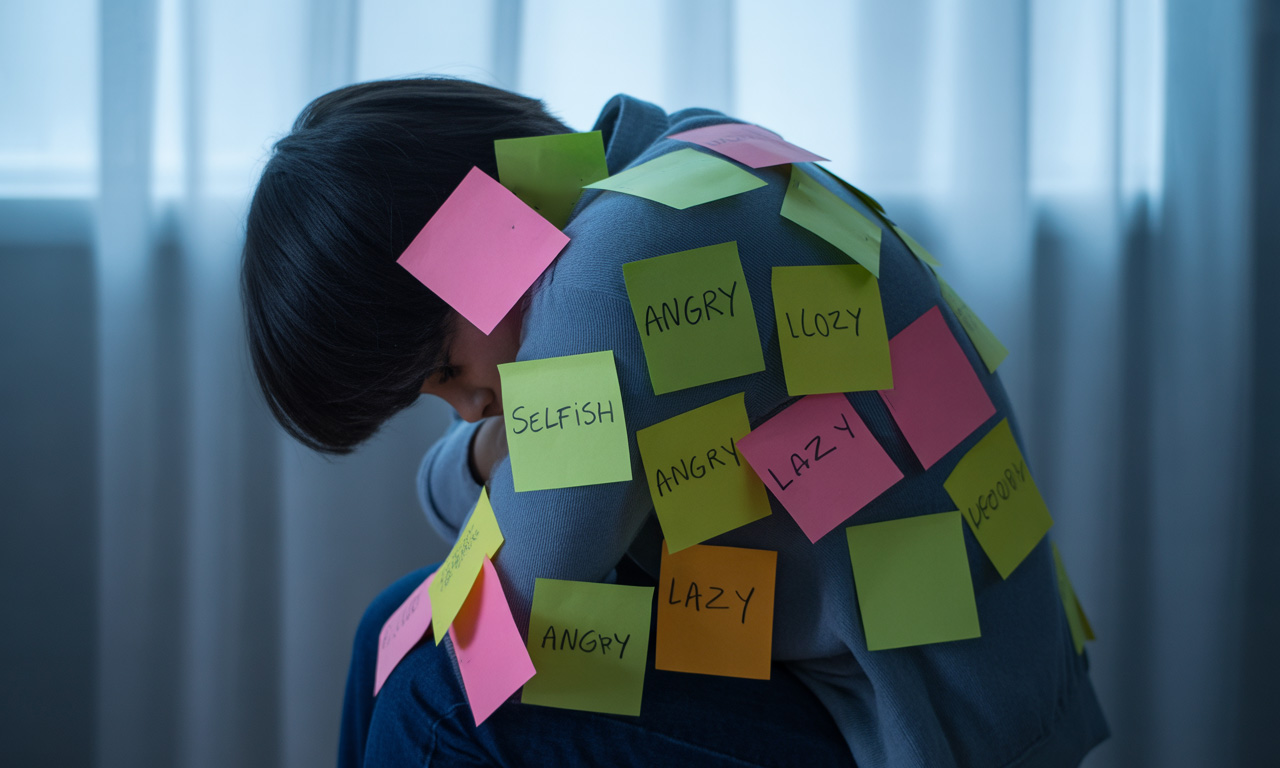 Sometimes, blame is less about truth and more about distraction.
When a spouse is uncomfortable with their own emotions, they may project blame onto you to avoid dealing with their inner conflict. Instead of owning their anger, fear, or disappointment, they shift responsibility:
- “This is your fault…”
- “You always…”
- “If you would just…”
Recognizing this pattern is critical. It helps you separate your identity from their emotion. You don’t have to accept the blame that isn’t yours.
Blame is often about control and deflection—not clarity or resolution.
3. The Danger of Internalizing False Labels
 The problem isn’t just what your spouse says—it’s what you start to believe.
When you hear something long enough, you may start to adopt it as truth:
- “Maybe I really am too emotional.”
- “Maybe I am the reason things aren’t working out.”
- “Maybe I’m just not lovable.”
But these aren’t revelations—they’re lies. And once you accept a false label, it begins to shape your thoughts, your behavior, and even your faith.
This is how people lose themselves in marriage—not from love, but from eroded identity.
But here’s the good news: you can unlearn the lies and return to the truth.
4. What God Says About You
 God’s Word is the ultimate authority on who you are. No person—not even your spouse—can override that.
Here’s what Scripture says about your identity:
- You are chosen – “He chose us in Him before the creation of the world.” (Ephesians 1:4)
- You are loved – “I have loved you with an everlasting love.” (Jeremiah 31:3)
- You are redeemed – “I have called you by name; you are mine.” (Isaiah 43:1)
- You are not condemned – “There is now no condemnation for those who are in Christ Jesus.” (Romans 8:1)
No matter what your spouse says in anger, these truths remain unchanged. Your identity is safe in Christ—even when your relationship feels unstable.
5. How to Reclaim Your Identity in Marriage
 Reclaiming your identity isn’t about arguing back—it’s about anchoring your heart in truth.
a. Refuse to Accept False Labels
When a label is spoken over you, pause. Ask yourself:
- Is this true?
- Does this align with what God says about me?
- Is this a reaction, or a reflection of my actual character?
Silently reject what doesn’t serve your spirit.
b. Speak Truth to Yourself Daily
Make a habit of affirming your true identity:
- “I am loved by God.”
- “I am worthy of respect.”
- “I am growing, learning, and healing.”
Speak these out loud—even if your emotions haven’t caught up yet.
c. Establish Emotional Boundaries
You don’t have to absorb everything your spouse says. It’s okay to set boundaries around disrespectful communication.
Examples:
- “I’m willing to talk about this, but not if we’re going to attack each other.”
- “Let’s revisit this when we’re both calm.”
Boundaries are not walls. They’re doors that allow love in—and keep toxic behavior out.
6. Communicating Without Losing Yourself
 You can still seek reconciliation in marriage without losing your voice.
Here are a few tips:
- Use “I” statements instead of accusations. (“I felt hurt when…”)
- Stay focused on specific behaviors—not personality traits.
- Don’t mirror their labeling. Stay anchored in love and truth.
This doesn’t guarantee their tone will change—but it guarantees that you won’t become what you’re being accused of.
7. Healing After Verbal Hurt
 Words can hurt deeply—especially from someone you love.
If you’ve been wounded by false labels, it’s important to grieve. Acknowledge the pain. Bring it to God. Talk to a counselor or trusted mentor. Write it out.
Then, allow God to remind you of who you are:
- You are not broken beyond repair.
- You are not the sum of someone else’s projections.
- You are seen, known, and loved by your Creator.
Let His voice be louder than theirs.
8. When Change Isn’t Immediate
 It’s possible that your spouse may not change right away—or at all. But that doesn’t mean you’re stuck in emotional captivity.
You can:
- Grow spiritually
- Heal emotionally
- Thrive personally
— even in the midst of relational struggle.
Pray for your spouse. Seek support. But most importantly, don’t wait for someone else’s behavior to give you permission to be whole.
9. Who You Are (And Are Not)
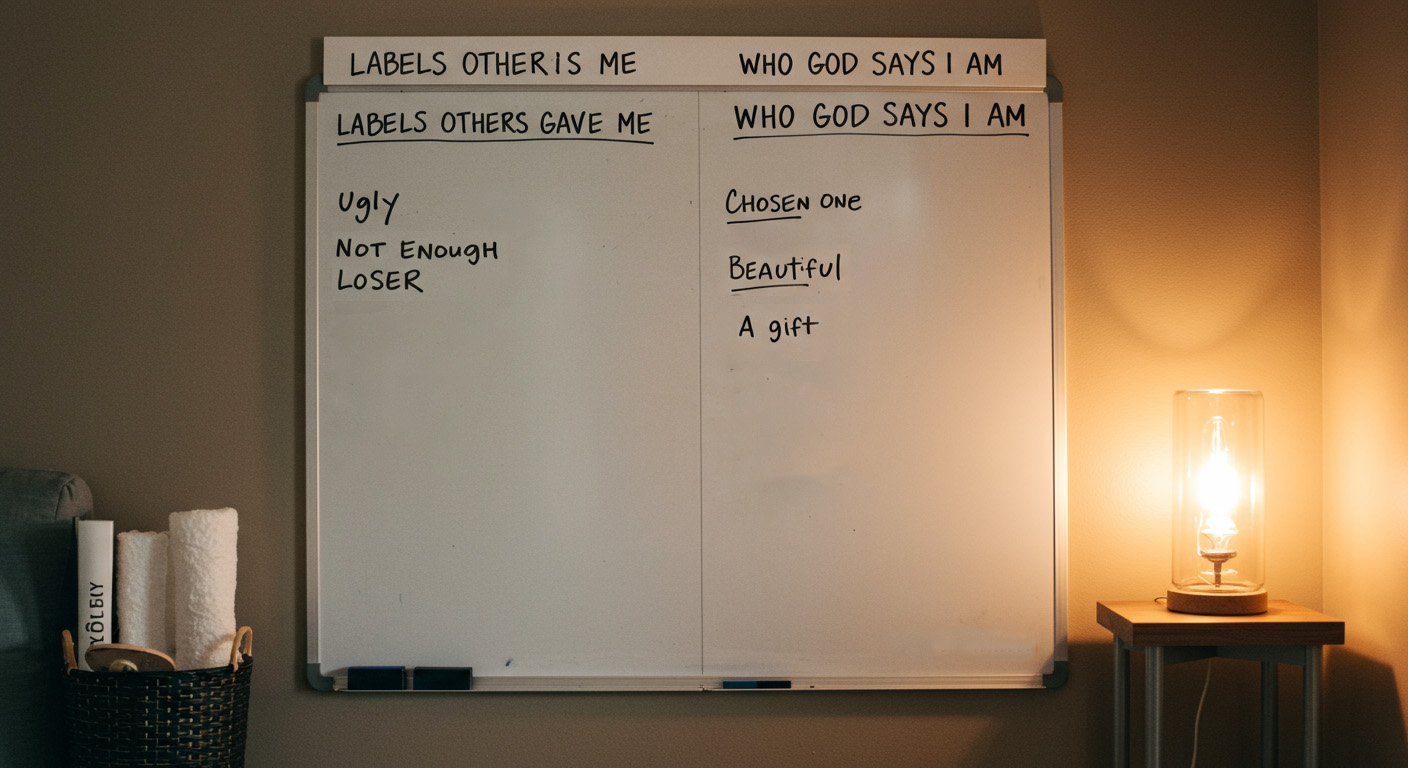
Here’s a helpful comparison to keep visible:
| Label | Truth in Christ |
| Too sensitive | Compassionate and emotionally attuned |
| Controlling | A leader who cares deeply |
| Not enough | Fearfully and wonderfully made |
| Always the problem | Capable of growth, grace, and humility |
| Unlovable | Loved with everlasting love (Jeremiah 31:3) |
Don’t let temporary words shape eternal truths.
10. You Are Not Alone
 If you’ve been emotionally affected by harsh words in marriage, know this: You’re not alone.
So many others have walked this path—and found healing.
Reach out. Pray with others. Join a small group. Talk to a Christian counselor. Isolation doesn’t help.
Final Thoughts: A Declaration of Truth
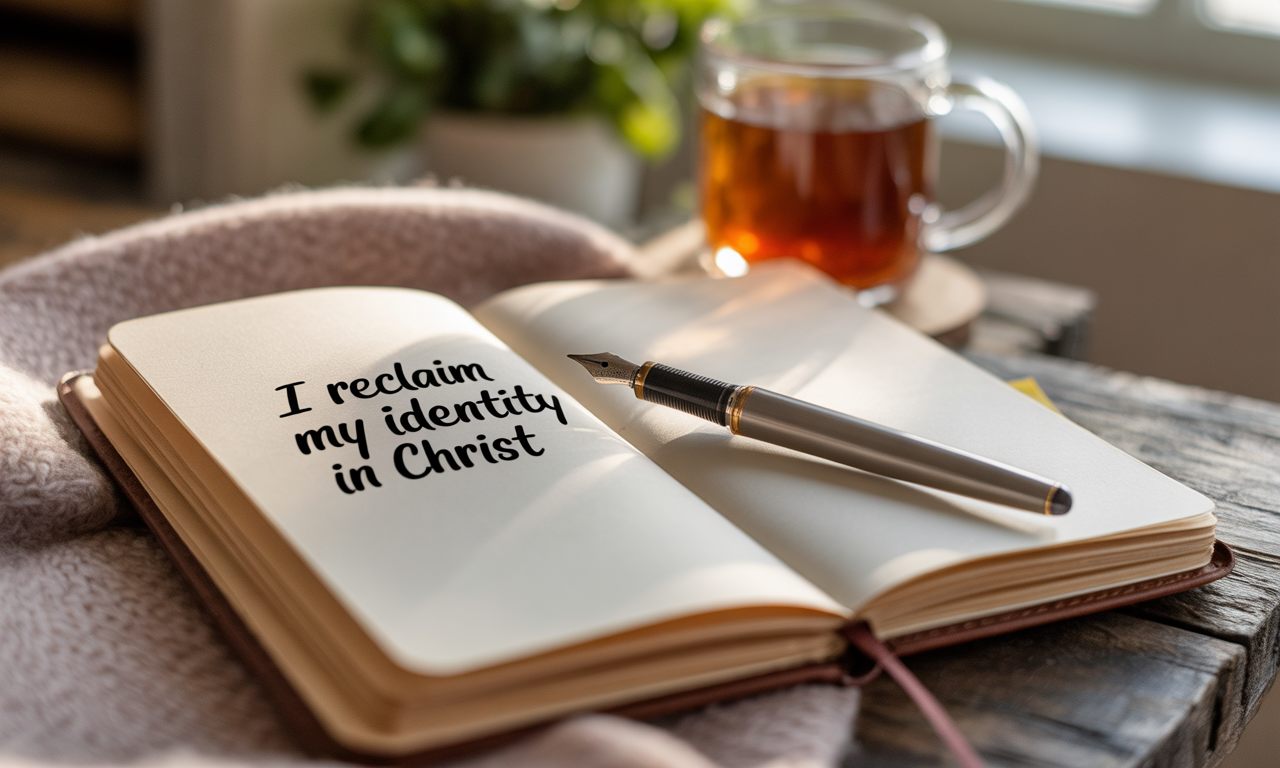 Marriage should be a space for love and growth—not labels and identity theft.
So today, make a new declaration:
“I will no longer accept false labels. I am not what frustration says. I am who God says I am. And in Him, I am free.”
Your spouse’s opinion might shift. But God’s truth remains constant.
So walk in that truth. Speak it. Believe it. Live it.