
Designing a Home That Pulls You Together, Not Apart

In This Article
- Why Designing a Home That Pulls You Together Matters More Than You Think
- From Autopilot to Intention: Seeing Your Home as a Trigger System
- The Four Key Zones in Designing a Home That Pulls You Together
- Designing a Home That Pulls You Together in the Living Room
- Designing a Home That Pulls You Together Around the Table
- Designing a Home That Pulls You Together in the Bedroom
- Designing Transitions: Entryways, Doorways, and Hallways That Welcome Connection
- Silent Sermons: What Your Home Is Preaching Without Words
- Trigger Stacking for Good: Designing Cues That Make Connection Easy
- When You Don’t Agree on How to Design a Home That Pulls You Together
- A Step-by-Step Plan for Designing a Home That Pulls You Together, Not Apart
- Designing a Home That Pulls You Together in Real Life (Kids, Budget, and Mess Included)
- Let Your Home Become Part of Your Love Story
You can have all the best intentions in the world.
You can promise, “We’ll talk more.”
You can decide, “We’ll put our phones down.”
You can even commit, “We’re going to be more intentional about our marriage this year.”
But if you’re trying to have deep connection while:
- The couch points straight at a giant TV,
- The dining table is buried under clutter,
- The bedroom revolves around screens and laundry piles,
…then every night you’re asking your willpower to fight against your environment.
And most of the time, your environment wins.
Designing a Home That Pulls You Together, Not Apart is about changing that.
Instead of treating your home as a neutral background, this cornerstone post invites you to see it as a powerful, quiet partner in your marriage-a partner that can either:
- Nudge you toward distance, distraction, and “we’ll connect later,” or
- Gently pull you toward eye contact, conversation, laughter, and shared rest.
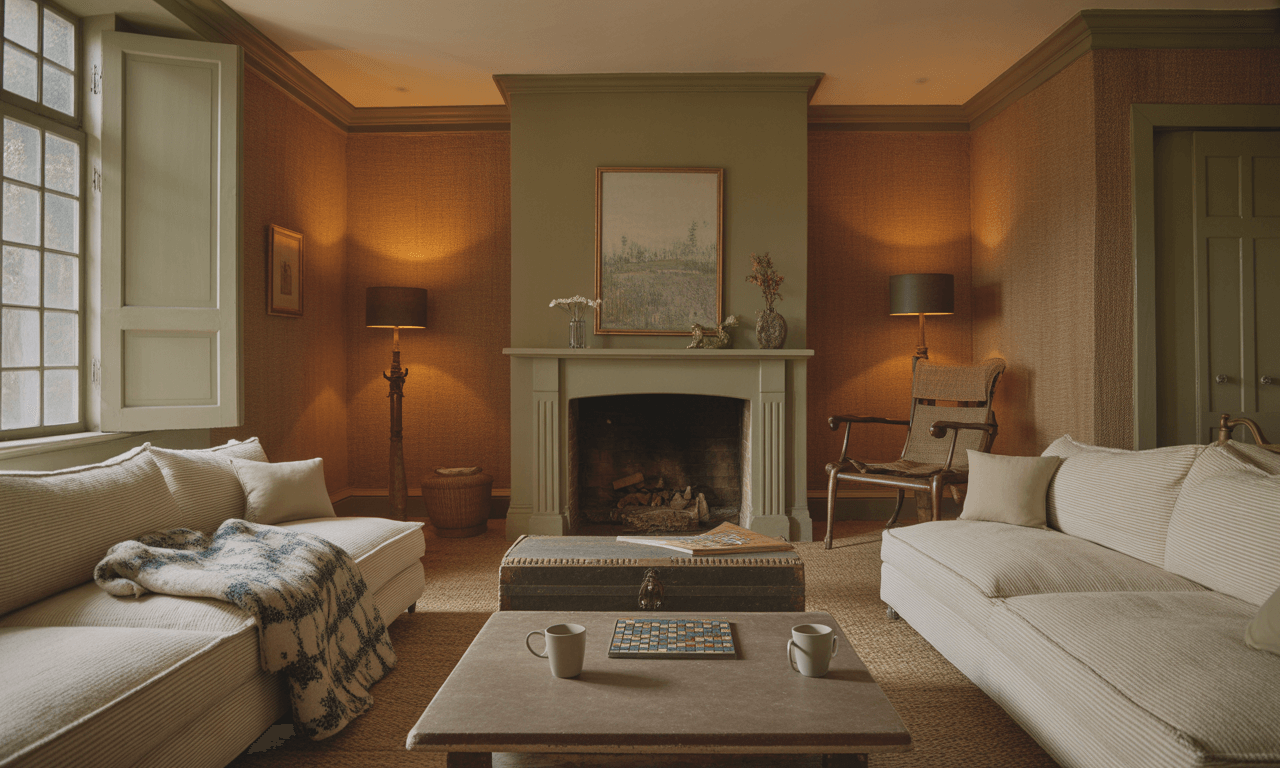 In When the House Sets the Tone: What Your Environment Is Teaching You About Love, you learned to walk through your space with new eyes and notice how each room sends a message. Here, we’re going a step further: Designing a Home That Pulls You Together, Not Apart gives you practical ways to reshape those messages-so your house becomes an ally, not an enemy, of connection.
We’ll build on the mindset of Be the Trigger: How to Stop Letting Your Environment Run Your Marriage and show you how small layout shifts, visual cues, and simple setups make it easier to:
- Sit close instead of defaulting to separate corners
- Talk without always competing with screens
- Actually enjoy each other-without having to fight your surroundings every single night
Your home doesn’t have to be perfect. It just needs to lean in the same direction you do: toward each other.
Ready to identify your next best step?
The United Front Audit gives you a personalized picture of what needs work - and a clear path forward as a couple.
Take the Audit - It's Free →Why Designing a Home That Pulls You Together Matters More Than You Think
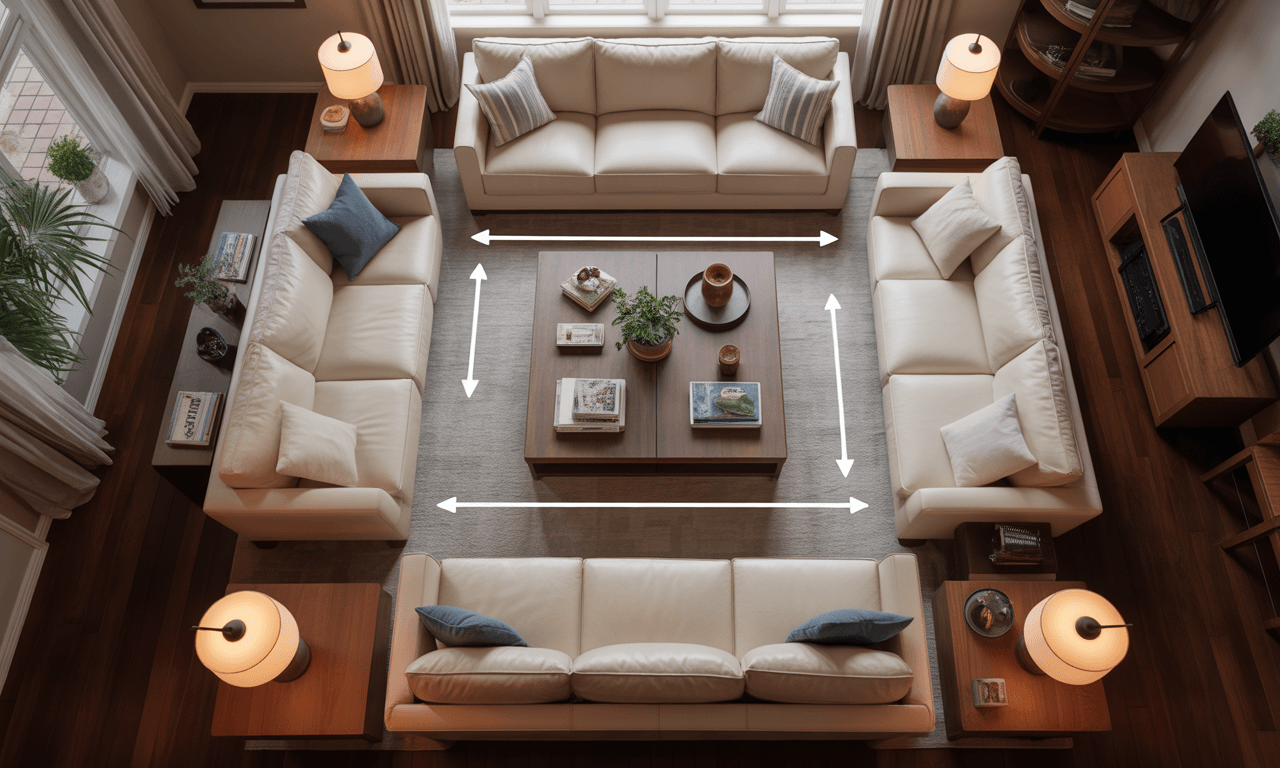 Before we talk about furniture and layouts, let’s talk about why designing a home that pulls you together matters so much.
Most couples underestimate how powerful their surroundings are. We assume:
- “If we really wanted to talk, we would.”
- “If our marriage was strong enough, the TV wouldn’t matter.”
- “If we were more disciplined, we’d just put the phones down.”
But here’s the truth: your environment is constantly whispering instructions to your brain.
- A couch facing a huge TV says, “Sit here and watch, not here and talk.”
- A cluttered table says, “This isn’t a place to sit and connect; it’s a dumping ground.”
- A bedroom where both nightstands have chargers and screens says, “End the night side by side but not really together.”
In Are You Living on Autopilot- How Everyday Triggers Shape Your Marriage Without You Noticing, we saw how tiny, repeated habits quietly script your evenings. Designing a home that pulls you together is about re-writing that script-not with huge renovations, but with thoughtful, targeted changes that make connection the easiest option, not the hardest.
When your home supports your values:
- You need less willpower to make good choices.
- You slip into connection more naturally.
- You’re not fighting your surroundings every time you want to talk, pray, laugh, or be close.
Think of your house like a river. Right now, it might be flowing toward distraction. We’re going to redirect the current so it naturally flows toward “us.”
From Autopilot to Intention: Seeing Your Home as a Trigger System
 Every room in your house is full of triggers-cues that nudge you to behave in certain ways.
- The TV remote on the coffee table triggers “turn something on.”
- The laptop on the bed triggers “check email one more time.”
- The pile of mail on the dining table triggers “we’ll eat on the couch again.”
In Be the Trigger, you explored how triggers are neutral by themselves; they’re just things that pull responses out of you. Most of us are living in houses designed by accident, not intention-so our trigger system is working against intimacy instead of for it.
Designing a Home That Pulls You Together, Not Apart starts with this shift:
“My home is not just where I live. It’s a system of triggers that can either reinforce the distance we hate… or support the connection we long for.”
So instead of thinking:
- “I should want to talk more,”
you start thinking, - “How can I set up this room so that talking is the most natural thing to do-”
And instead of:
- “We should stop matching each other’s distracted energy,”
you can draw from Matching Energy vs Setting the Tone: Why Mirroring Your Spouse Keeps You Stuck and ask, - “What can we adjust so the room itself sets a calmer, more connected tone-”
Your home becomes a silent partner in your growth: a place where the triggers push you toward each other, not away.
The Four Key Zones in Designing a Home That Pulls You Together
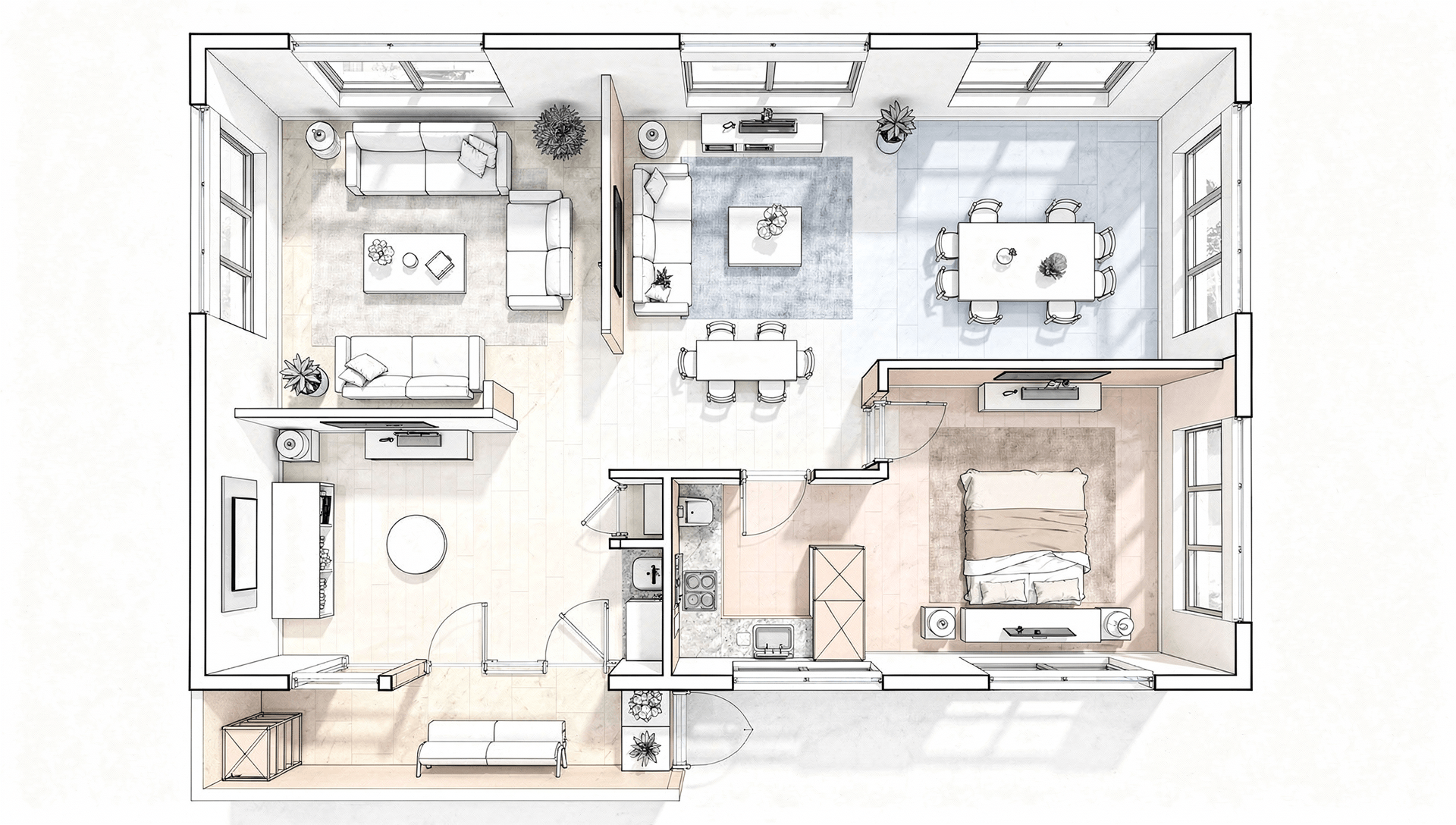 It’s easy to feel overwhelmed and think, “We’d have to change everything.”
You don’t.
For most couples, four zones have outsized influence on whether the home pulls you together or apart:
- The Living Room / Main Sitting Area
- The Kitchen and Dining Table
- The Bedroom
- Transition Spaces (entryway, hallways, doorways)
When you focus on designing these zones as connection-friendly, you’ve already made massive progress in Designing a Home That Pulls You Together, Not Apart.
We’ll walk through each:
- What it currently “preaches”
- How to read its Silent Sermons
- Simple, realistic tweaks that support closeness-even in small or busy homes
Along the way, we’ll connect to other habits and ideas from posts like Silent Sermons: How Your Daily Actions Preach Louder Than Your Words and Trigger Stacking for Good: How Tiny Cues Can Build Big Intimacy Over Time so you can see how space and habits work together.
Designing a Home That Pulls You Together in the Living Room
 The living room (or your main sitting area) is where many marriages either connect… or slowly drift into parallel lives.
Ask yourself:
- What’s the first thing your eyes go to when you walk into your living room-
- Where is the most comfortable seat pointing-
- If someone walked in and took a photo, what would they assume this room is for-
If the honest answer is, “This room is dedicated to entertainment,” your living room is probably pulling you outward (toward screens) more than inward (toward each other).
Small Shifts That Change the Living Room Story
You don’t have to get rid of the TV to start designing a home that pulls you together. But you can:
- Rotate or rearrange seating.
- Try angling the couch slightly so you can see both each other and the TV-not only the screen.
- Add a small loveseat or two chairs facing each other for “conversation mode.”
- Create a connection “landing pad.”
- A coffee table with a simple puzzle, card game, or question cards.
- A cozy throw and two pillows at one end of the couch to invite closeness.
- Give the remote an “away home.”
- When the remote is always on the table, the default trigger is “turn it on.”
- Put it in a small basket or drawer so turning the TV on becomes a choice, not a reflex.
- Layer in soft light.
- A lamp beside the couch or a string of warm lights can make the room feel inviting for conversation, not just bright for watching.
Now imagine this difference:
- You walk into a room where the biggest thing you see is a dark TV.
- You walk into a room where the first thing you see is a couch with a soft blanket and a book or game on the table.
Same room, different Silent Sermon.
In the language of Silent Sermons, your living room begins to preach: “This is a place where we sit together, talk, laugh, and rest-not only a place where we stare at a screen.”
Discover what's fueling tension in your marriage
It's rarely just one thing. The United Front Audit maps the pressure points so you know exactly where to focus.
See Your Results →Designing a Home That Pulls You Together Around the Table
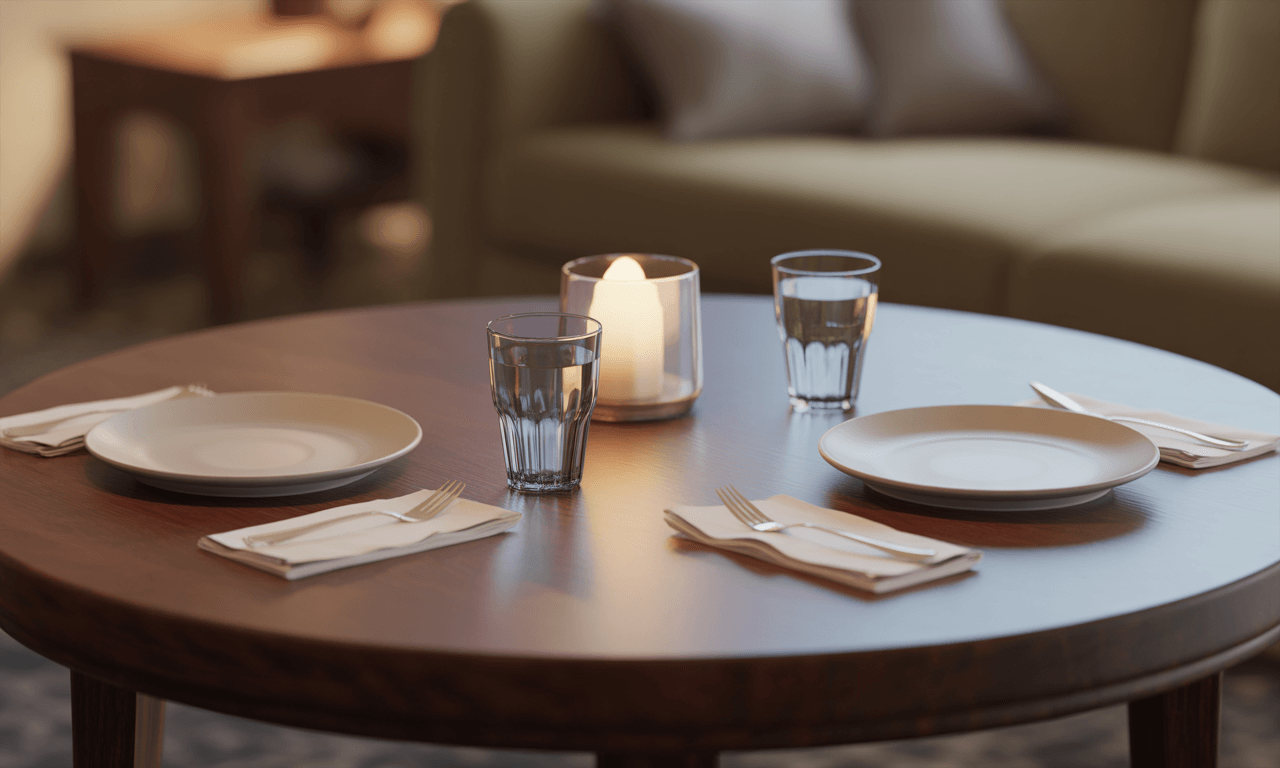 The kitchen and dining table are often the heart of a connection-focused home-but only if you use them.
Think about your table:
- Is it clear enough to sit down and eat, or always covered in mail and stuff-
- How many meals a week do you actually share there, even if they’re simple-
- When you sit, are phones out and on, or put away-
If your table is permanently buried or rarely used, the Silent Sermon is:
“This is storage, not a gathering place.”
Turning the Table Back into a Connection Hub
Here’s how designing a home that pulls you together can start right there:
- Choose your “together meals.”
- Maybe you can’t do every dinner-but could you pick 2–3 meals a week (breakfast, Sunday lunch, or one weeknight) to protect-
- Clear a small “connection zone” on the table.
- Even if the rest is messy, declare a small island that is always ready for two plates and two drinks.
- Create a simple table ritual.
- One question each time: “What made you smile today-”
- A quick prayer holding hands if that fits your faith.
- Phones in a basket rule.
- It doesn’t have to be forever. Even 20–30 minutes of “no devices” at the table can shift the tone significantly.
The goal is not Pinterest perfection. It’s to let your kitchen table start preaching a new Silent Sermon in your home that pulls you together:
- “This is where we slow down, even for a few minutes.”
- “This is where we are fully present.”
- “This is where we remember that we’re not just co-workers, we’re partners.”
If you want help creating simple rituals around these moments, pairing this article with Pre-Deciding Your Evenings: Simple Rituals That Trigger Closeness on Busy Days can give you practical ideas for what to actually do at the table once you sit down.
Designing a Home That Pulls You Together in the Bedroom
 The bedroom isn’t just about sleep and sex. It’s also where you end your day-with or without each other.
Ask yourself:
- What’s the last thing you usually see before closing your eyes-
- Do you and your spouse talk at all in bed, or mostly scroll side by side-
- Does the room feel like a sanctuary or a storage unit-
If your bedroom’s main energy is clutter and screens, your home is likely pulling you apart right at the time of day when intimacy could grow.
Simple Bedroom Shifts for Closeness
To start designing a home that pulls you together, especially in this room:
- Nightstand audit.
- What’s within reach- Phone always charging- Tablet open-
- Could you swap one device for a book, small notebook, or a shared devotional-
- Screen curfew experiment.
- Try a 3–4-night experiment: no scrolling in bed.
- You don’t have to talk for hours. Even 5–10 minutes of “How was today really-” is a huge shift.
- Softening the space.
- A small lamp, a cleaner floor around the bed, and a made bed can subtly support relaxation.
- You’re not redecorating; you’re just reducing chaos.
- Create one bedtime ritual.
- A short prayer together.
- One gratitude each: “I’m thankful for you because…”
- Or simply a habit of physical closeness-a hug or hand-hold before turning over.
This is where the ideas from The Lighthouse Spouse: Becoming a Steady Source of Safety and Calm really shine. When you turn the bedroom into a gentle, stable landing place, you’re telling your spouse:
“No matter what today was, this is where we can breathe and reset together.”
Over time, the bedroom’s Silent Sermon becomes:
“This isn’t just where we crash. This is where we reconnect.”
Designing Transitions: Entryways, Doorways, and Hallways That Welcome Connection
 Some of the most powerful connection moments in a home aren’t full sit-downs; they’re transitions:
- Walking through the front door after work
- Passing each other in the hallway
- Moving through the kitchen to another room
Right now, those transitions might be sending Silent Sermons like:
- “I’m too busy to notice you.”
- “We’re just two people sharing a hallway, not a life.”
When you’re designing a home that pulls you together, you can repurpose these micro-moments.
Creating “Connection Triggers” in Transition Spaces
- Entryway signals.
- A small hook or tray for phones right by the door says, “We arrive here as humans first, not as scrolling devices.”
- A simple sign, photo, or verse that reminds you: “This house is our safe place.”
- Doorway habits.
- Agree that when one of you arrives home, you’ll stop for a 10–30 second hug or touch-even if you’re both busy.
- Doorways become tiny altars of “I see you.”
- Hallway check-ins.
- When you pass each other, train yourself to make brief eye contact, touch a shoulder, or say a simple, “You good-” instead of rushing past.
This is classic trigger stacking for good, the idea you’ll go deeper into in Trigger Stacking for Good: How Tiny Cues Can Build Big Intimacy Over Time. You’re pairing physical spots with simple connection behaviors so your home literally pulls you into micro-moments of warmth without needing big conversations every time.
A hallway can preach:
“We are just roommates passing by.”
Or it can preach:
“Every time our paths cross, there’s a chance for us to remember we’re on the same team.”
Silent Sermons: What Your Home Is Preaching Without Words
 In Silent Sermons: How Your Daily Actions Preach Louder Than Your Words, we explored how your habits themselves send powerful messages.
Your home does this too.
Ask yourselves:
- What does our living room preach about what we do here-
- What does our bedroom preach about how we end our days-
- What does our table preach about how we share life-
Imagine your home could talk. Would it say:
- “We rush, we scroll, we survive-but we rarely see each other”-
or - “We laugh, we pause, we breathe-we are allowed to be fully here”-
Designing a home that pulls you together is essentially rewriting those sermons. You’re asking:
“How can we make our home tell the truth about the kind of marriage we want-”
So when you choose:
- A lamp instead of just overhead glare,
- A chair angled toward your spouse instead of only the screen,
- A small cleared corner at the table instead of letting clutter reign forever,
…you’re not just decorating. You’re discipling your environment to preach:
- “This is a place where we see and hear each other.”
- “This is a place where we don’t have to perform.”
- “This is a place where there is time for us.”
Trigger Stacking for Good: Designing Cues That Make Connection Easy
 You don’t need huge chunks of free time to feel closer; you need reliable, repeated cues that make closeness the most natural next step.
That’s what trigger stacking is all about: lining up small prompts so one good choice easily leads to another. In Trigger Stacking for Good: How Tiny Cues Can Build Big Intimacy Over Time, we look at this from a habit angle. Here, we’ll look at it through the lens of space.
Examples of trigger stacking in a home that pulls you together:
- Sofa + lamp + blanket + no remote in sight
→ triggers “sit close and talk,” not “channel surf separately.” - Dining table cleared + two placemats always ready
→ triggers “we could eat here together,” not “this is just storage.” - Nightstand with a shared devotional or question cards
→ triggers “we could have a 5-minute connection before sleep,” not “we should both scroll until we pass out.” - Entryway basket for phones
→ triggers “we arrive as partners,” not “we arrive as distracted individuals.”
Each of these is tiny. But when you layer them, designing a home that pulls you together becomes less about trying harder and more about making it easy to follow through on your intentions.
Your home stops shouting, “Sit apart, stare outward, scroll alone,”
and starts whispering, “Sit closer, look inward, be here.”
Not sure what's really going wrong?
The United Front Audit helps you pinpoint exactly where your marriage unity is breaking down - in just 3 minutes.
Take the Free Audit →When You Don’t Agree on How to Design a Home That Pulls You Together
 What if you’re excited about this and your spouse… isn’t-
Maybe they love the big TV exactly where it is.
Maybe they hate the idea of putting phones in a basket.
Maybe they think this is “overthinking the house.”
This is where emotional patterns like Matching Energy vs Setting the Tone and relational skills from Go First: What Happens When You Stop Waiting for Your Spouse to Change come into play.
A few tips:
- Lead with your heart, not just your plan.
- “I’ve been thinking about how our home could help us feel closer. Would you be open to trying one small change-”
- Share your longing, not just your idea.
- Ask what matters to them.
- “When you picture a home that feels peaceful and connected, what comes to mind for you-”
- Let them influence the design, not just react to yours.
- Start with experiments, not ultimatums.
- “Could we try no phones in bed for three nights and see how it feels-”
- “What if we made Tuesday dinners at the table our thing for a month-”
- Respect their non-negotiables where you can.
- Maybe the TV stays, but you add one “TV-off” night.
- Maybe the bedroom can’t be perfectly clear, but you agree on one clutter-free corner.
You can be 100% committed to designing a home that pulls you together without bulldozing your spouse. In fact, modeling a calm, steady tone-like we talk about in The Lighthouse Spouse-may be the very thing that makes them more open to trying your ideas.
A Step-by-Step Plan for Designing a Home That Pulls You Together, Not Apart
 Let’s make this actionable. Here’s a simple framework you can follow over a few weeks.
Step 1: Walk-Through with New Eyes
Together or alone, walk through your home and ask:
- “What does this room make easy-”
- “What does this room make hard-”
- “What Silent Sermons is this space preaching about our relationship-”
You can use When the House Sets the Tone as a companion, using its reflective questions while you walk.
Step 2: Choose One Zone to Focus On
Pick the zone that feels both important and manageable:
- Living room
- Table
- Bedroom
- Entryway/hallway
Don’t try to transform everything in one weekend. Designing a home that pulls you together is more about consistent small changes than big one-time overhauls.
Step 3: Decide Your New Sermon and Triggers
For that zone, write:
- “Right now, this space preaches…”
- “We want it to preach…”
Then pick 2–3 small changes:
- Move a chair
- Clear a surface
- Add a lamp
- Create a phone basket
- Place a game or book where the remote used to be
Step 4: Pair Space Changes with Micro-Habits
Once the space is set up, choose one small habit to stack onto it:
- “When I sit here, I will reach for my spouse’s hand before the remote.”
- “When we come to the table, we’ll put phones in the basket.”
- “When we get in bed, we’ll ask one simple question.”
This is where Pre-Deciding Your Evenings and Trigger Stacking for Good can give you practical ideas to match your space.
Step 5: Review and Celebrate
After 2–4 weeks, ask:
- “What’s different in how we feel in this room-”
- “Which changes have helped the most-”
- “What’s one more tiny shift we want to make next-”
Celebrate even small wins. “We ate at the table twice this week instead of zero” is a win. “We talked in bed for five minutes instead of just scrolling” is a win.
You’re not just rearranging furniture. You’re re-architecting the story your home is telling about your marriage.
Designing a Home That Pulls You Together in Real Life (Kids, Budget, and Mess Included)
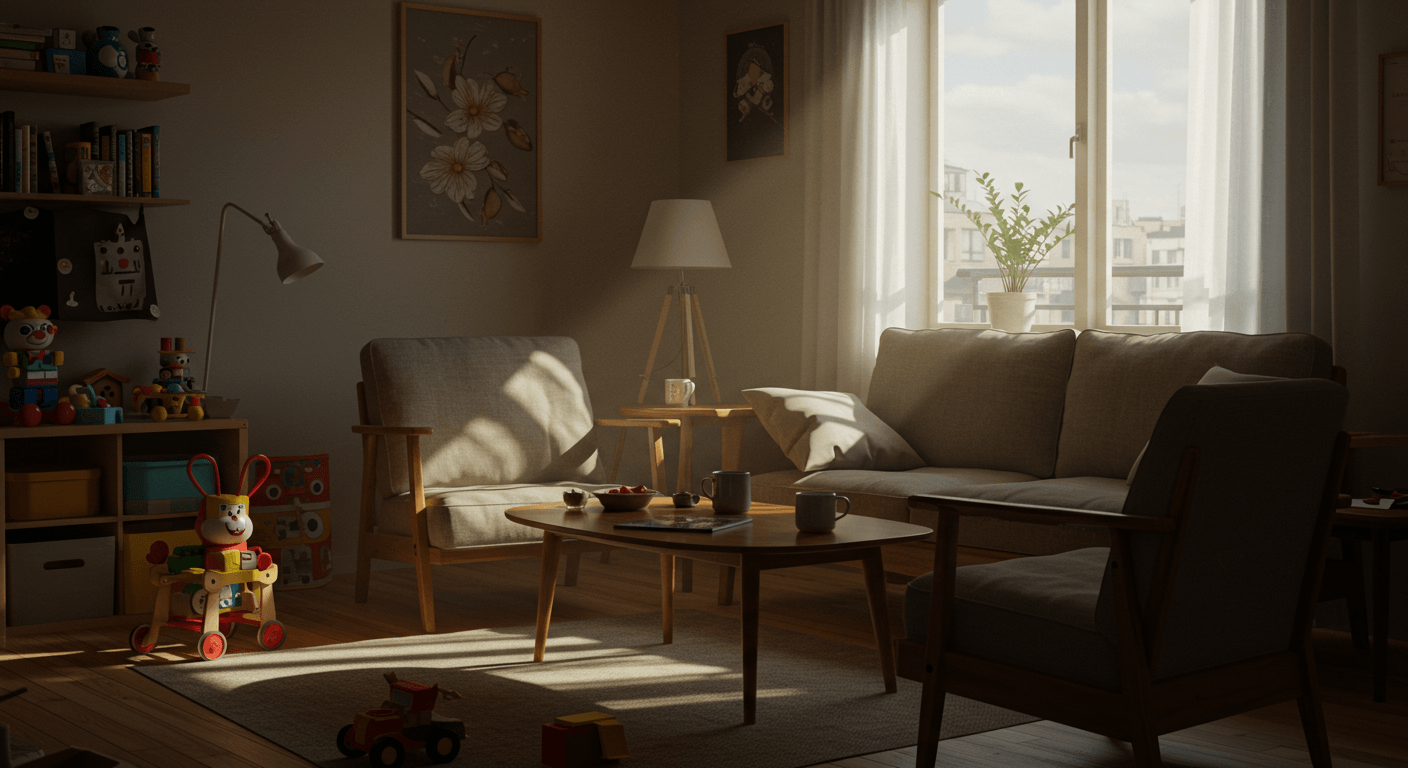 You might be thinking, “This all sounds great, but we have kids… a small place… a tight budget… a real life.”
Good. Because designing a home that pulls you together is for real life, not for Instagram.
A few grounding reminders:
- You don’t need new furniture.
Repositioning existing pieces can completely change a room’s flow. - You don’t need a spotless house.
You just need 1–2 tiny connection-ready zones that can be cleared quickly. - You don’t need hours of free time.
You need small moments where your space makes it easier to choose each other.
With kids:
- A “parent corner” in the living room where they know, “When mom and dad sit here together, we’re talking for a few minutes.”
- A simple family meal once or twice a week where everyone sits together, even if the rest of the week is chaos.
With a small space:
- A single lamp and two chairs pulled closer together can transform a studio layout into a connection-friendly zone.
- Folding screens or rugs can visually separate “screen area” from “talk area” even within one room.
With tight finances:
- Your biggest tools are movement, removal, and repurposing, not purchases.
Move chairs. Remove clutter. Repurpose existing items (a basket for phones, an old table as a game corner).
Remember, the heart of Designing a Home That Pulls You Together, Not Apart is not perfection-it’s alignment:
“We want our walls, our couches, our tables, and our doorways to support what we say matters most: us.”
Let Your Home Become Part of Your Love Story
 One day, you may look back and realize:
- It wasn’t one big vacation that changed everything.
- It wasn’t the perfect date night or a dramatic speech.
It was the way:
- You started sitting on the same side of the couch more often.
- You reclaimed your table, even for simple meals.
- You turned your bedroom back into a sanctuary.
- You used your entryway, hallways, and routines as triggers to say, “I see you.”
It was the way you slowly, faithfully committed to Designing a Home That Pulls You Together, Not Apart-and how that home, in turn, quietly supported you in becoming the kind of couple you always hoped to be.
If you want to keep weaving this into a bigger journey, these posts are natural next companions:
- When the House Sets the Tone to deepen your awareness of what each room is already teaching you.
- Be the Trigger to strengthen the mindset that you can influence your environment, not just react to it.
- Silent Sermons to align your daily actions with the marriage you say you want.
- Trigger Stacking for Good to layer tiny, powerful cues into your new connection-friendly spaces.
Your home will always be preaching something.
Let’s make sure it’s preaching this:
“Here, in this ordinary place, we are learning how to love each other on purpose.”


Keep Reading

Trigger Stacking for Good: How Tiny Cues Can Build Big Intimacy Over Time
Your brain already knows how to do this. Coffee + email = work mode. Running shoes + playlist…

Pre-Deciding Your Evenings: Simple Rituals That Trigger Closeness on Busy Days
Most couples don’t decide their evenings. Their evenings decide them. You get through a long day. You walk…

From Scroll to Soul Talk: Turning Distraction Moments into Conversations
It happens almost the same way every night. You both sit down. You exhale. One of you reaches…