
Serve, Listen, Sacrifice: The Unromantic Actions That Rekindle Love

In This Article
- Actions That Rekindle Love vs. Actions That Only Look Romantic
- Why Hollywood’s Version of Love Can Quietly Hurt Your Marriage
- Serve, Listen, Sacrifice: Why These Actions Rekindle Love
- Actions That Rekindle Love: Serving Without Scorekeeping
- When Service Feels One-Sided: How to Serve Wisely Without Burning Out
- Actions That Rekindle Love: Listening Without Defending
- Why Defensiveness Feels Necessary (And How to Replace It)
- Actions That Rekindle Love: Sacrificing Without Applause
- The “Unromantic” Actions That Rekindle Love in Specific Seasons
- A Practical “Three-Action” Plan Couples Can Start This Week
- Why These Actions Rekindle Love Even When Your Spouse Offends You
- The Big Picture: Love Isn’t a Highlight Reel – It’s a Culture
Hollywood highlights passion. Real marriage runs on service.
Movies sell the idea that love is proven by fireworks: chemistry, surprise trips, dramatic apologies, perfectly timed soul-level conversations. But most real marriages don’t fall apart because the fireworks stopped. They fall apart because daily life slowly crowded out the small, unglamorous actions that make love feel safe.
That’s why some couples look up one day and say, “We’re not close anymore,” even though nobody cheated, nobody left, and nobody hates each other. They’re just tired. Busy. Pressured. Stressed. A little resentful. A little guarded. A little numb.
 The good news is that emotional closeness can be rebuilt. Not usually through one grand romantic gesture – but through the unromantic actions that rekindle love over time:
Listening without defending
Serving without scorekeeping
Sacrificing without applause
These aren’t flashy. They’re faithful. They create relational safety. They soften the atmosphere. They rebuild trust and warmth in a marriage that’s gotten cold.
This post will break down what these actions look like in real life, why they work, and how to practice them without becoming a doormat or losing yourself.
Ready to identify your next best step?
The United Front Audit gives you a personalized picture of what needs work - and a clear path forward as a couple.
Take the Audit - It's Free →Actions That Rekindle Love vs. Actions That Only Look Romantic
 A big romantic moment can be meaningful. But if the daily environment stays harsh, distant, or transactional, the moment won’t last.
That’s because love isn’t sustained by highlights. It’s sustained by habits.
A weekend getaway can’t compensate for: daily criticism
cold tone
avoidance
constant defensiveness
lack of appreciation
silent resentment
unrepaired conflict
So when we talk about actions that rekindle love, we’re not talking about performance. We’re talking about practices that rebuild the emotional climate.
This connects directly to the cornerstone idea that love is a verb. The feeling of love is often the fruit of love the verb – daily actions that cultivate warmth and safety: https://blog.liveyourbestmarriage.com/connection/love-is-a-verb-marriage.
Why Hollywood’s Version of Love Can Quietly Hurt Your Marriage
 Hollywood teaches us: If it’s real, it’s effortless
If it’s real, you always feel it
If it’s real, the spark stays automatic
If it’s real, your spouse always “gets you”
If it’s real, you don’t have to practice
But real marriage requires practice because real life applies pressure.
Bills. Kids. Fatigue. Careers. Family drama. Health. Aging parents. Disappointment. Miscommunication. Old wounds.
If you expect love to feel effortless, you’ll interpret normal effort as failure. And when love starts to require discipline, you may assume the relationship is wrong.
That’s why so many people say, “I don’t feel it anymore,” and treat it as a final verdict. Often, it’s not a verdict. It’s a signal that the daily love actions have faded. If you want the deeper framework for that, this post pairs naturally: https://blog.liveyourbestmarriage.com/mindset/i-dont-feel-it-anymore.
Serve, Listen, Sacrifice: Why These Actions Rekindle Love
 These three actions are powerful because they do something many couples desperately need:
They restore relational safety.
When a spouse feels safe, they soften. When they soften, they open. When they open, connection returns.
Serving says: “I’m with you.”
Listening says: “You matter.”
Sacrificing says: “I value us over my comfort.”
None of these are about losing yourself. They’re about building something stable.
This is exactly what the “love before you feel it” cornerstone article teaches – actions often come before feelings: https://blog.liveyourbestmarriage.com/connection/love-before-you-feel-it.
Actions That Rekindle Love: Serving Without Scorekeeping
 Service can heal a marriage. But service can also poison a marriage – if it’s done with a hidden contract.
Scorekeeping service sounds like: “I did this, so you owe me.”
“Notice what I do.”
“I’m always the one.”
“I guess I’ll do it since you won’t.”
Even if you never say it out loud, your energy communicates it.
Serving without scorekeeping is different. It says: “I’m contributing because I value our life together.”
“I’m serving because love is a verb.”
“I’m showing up because this marriage matters.”
That doesn’t mean you serve endlessly. It means your service is rooted in values, not leverage.
What serving looks like in real marriage
Taking initiative on household tasks without being asked
Helping your spouse when they’re overwhelmed
Lightening their load in parenting, work, or errands
Doing the small things that make life smoother
Being dependable in the unglamorous responsibilities
Service rebuilds trust because it communicates consistency.
If your marriage has been shaped by reactive patterns – kind when things are easy, cold when stressed – service is one of the fastest ways to change the climate. That’s why this mindset post supports the practice: https://blog.liveyourbestmarriage.com/mindset/reactive-love.
Discover what's fueling tension in your marriage
It's rarely just one thing. The United Front Audit maps the pressure points so you know exactly where to focus.
See Your Results →When Service Feels One-Sided: How to Serve Wisely Without Burning Out
 One reason people resist service is because they’ve tried it – and it became resentment.
If you feel like you’re the only one: initiating
helping
planning
repairing
carrying the mental load
Then service can feel like self-betrayal.
Serving without scorekeeping does not mean serving without boundaries.
Wise service asks: What is sustainable for me-
What am I doing out of love vs. fear-
What conversations do we need about balance-
What boundaries protect me from burnout-
Sometimes the most loving action is a boundary: “I’m willing to contribute, and we need a better plan.”
“I can’t keep carrying this alone.”
“I want teamwork, not a parent-child dynamic.”
If this is a major pain point, you’ll find clarity and balance in the uneven effort post: https://blog.liveyourbestmarriage.com/connection/uneven-effort-marriage.
Actions That Rekindle Love: Listening Without Defending
 Nothing makes a spouse feel more alone than being “heard” only long enough to be corrected.
Many couples don’t actually listen. They wait to respond. They listen for flaws. They listen to defend themselves. They listen like lawyers building a case.
Listening without defending is one of the most powerful actions that rekindle love because it restores dignity.
It says: “You don’t have to fight to be understood.”
“You don’t have to prove your feelings.”
“You’re safe to speak honestly.”
What listening without defending sounds like
“Tell me more about that.”
“That makes sense.”
“I can see why that hurt.”
“I didn’t realize it landed that way.”
“What do you need from me right now-”
“Help me understand what this meant to you.”
Notice: none of these are admissions of guilt. They are acknowledgments of impact.
You can validate your spouse’s experience without agreeing with every detail.
If emotional thinking has been hijacking conversations – turning feelings into verdicts – this listening skill brings the marriage back into reality and safety: https://blog.liveyourbestmarriage.com/mindset/i-dont-feel-it-anymore.
Why Defensiveness Feels Necessary (And How to Replace It)
 Defensiveness usually comes from fear: fear of being blamed
fear of being wrong
fear of being judged
fear of losing control
fear of not being enough
So the goal isn’t to shame defensiveness. The goal is to replace it with a safer pattern.
Here’s the replacement: Instead of defending, clarify.
Instead of correcting, reflect.
Instead of arguing details, acknowledge feelings.
Instead of proving your point, protect the relationship.
Try this phrase: “I want to understand before I explain.”
That one sentence can change the temperature of a conversation.
And if you want a deeper framework for leading emotionally without becoming a doormat, this article supports the whole approach: https://blog.liveyourbestmarriage.com/leadership/emotional-leadership-marriage.
Actions That Rekindle Love: Sacrificing Without Applause
 Sacrifice can sound heavy, but it’s one of the most honest words for marriage.
Marriage requires giving up some comfort for something bigger: choosing patience when you want to snap
choosing humility when you want to win
choosing repair when you want to withdraw
choosing kindness when you feel irritated
choosing honesty when you want to avoid
choosing maturity when you feel triggered
Sacrificing without applause means you don’t perform love for recognition.
You choose love because love is who you are.
This doesn’t mean you never communicate needs. It means your love isn’t driven by a constant demand for validation.
What sacrifice looks like in daily marriage life
Taking the first step toward repair after tension
Letting go of the last word
Doing the hard conversation instead of avoiding it
Choosing tenderness when your ego wants distance
Giving your spouse the benefit of the doubt
Making room for your spouse’s growth process
These are the quiet sacrifices that rebuild relational safety.
They also align with the builder mindset: builders take responsibility for the next step, even when it’s uncomfortable. If you want that mindset shift, it’s here: https://blog.liveyourbestmarriage.com/mindset/victim-or-builder-marriage.
Not sure what's really going wrong?
The United Front Audit helps you pinpoint exactly where your marriage unity is breaking down - in just 3 minutes.
Take the Free Audit →The “Unromantic” Actions That Rekindle Love in Specific Seasons
 Different seasons of marriage require different love actions. Let’s name a few common ones.
When you’re busy and overwhelmed
The action is presence, not perfection. Short check-ins. Quick hugs. Small teamwork.
When you’re emotionally disconnected
The action is consistency. Gentle attention every day instead of big emotional pressure.
When conflict is repeating
The action is repair. Stop letting arguments linger. Reset faster.
When the past is loud
The action is healing. Truth + safety + time.
If old hurts keep showing up in present conversations, you can’t fully rekindle love without addressing history. That’s why this healing post fits naturally: https://blog.liveyourbestmarriage.com/healing/past-doesnt-control-marriage.
A Practical “Three-Action” Plan Couples Can Start This Week
 If you’re ready to rebuild closeness, here’s a simple plan based on the three actions in this post.
Action 1: Serve once a day
One small thing that makes your spouse’s day easier: make coffee
handle a chore
take a task off their plate
prep something for tomorrow
Action 2: Listen once a day
Ask one question and reflect back what you heard: “What was the hardest part of your day-”
“What’s been on your mind lately-”
Then respond with understanding, not a solution.
Action 3: Sacrifice once a day
Give up one ego-driven impulse: the last word
the sharp tone
the silent treatment
the scorekeeping thought
the assumption
Replace it with a value-driven choice: respect
clarity
patience
repair
gentleness
Do this for seven days, and you’ll start to feel the climate shift.
Not because your marriage is magically fixed – but because your spouse will feel something most marriages starve for:
reliability
Why These Actions Rekindle Love Even When Your Spouse Offends You
 This is where the work gets real.
It’s easier to serve, listen, and sacrifice when your spouse is kind. It’s harder when you feel offended.
But mature love is not measured only in easy seasons. It’s measured in hard ones.
That doesn’t mean tolerating harm. It means not letting offense turn you into someone you don’t want to be.
Sometimes love looks like: “I’m hurt, and I will still speak with respect.”
“I disagree, and I will still listen.”
“I’m frustrated, and I will still seek repair.”
This is love grounded in values.
And values-led love is exactly what creates emotional safety.
If you want the cornerstone framework behind this concept – actions before feelings – this post fits perfectly as the “hub” above all these practices: https://blog.liveyourbestmarriage.com/connection/love-before-you-feel-it.
The Big Picture: Love Isn’t a Highlight Reel – It’s a Culture
 At Live Your Best Marriage, we talk about marriage as a culture, not just a feeling.
A culture is what becomes normal: how you speak
how you repair
how you show appreciation
how you handle stress
how you treat each other when you’re tired
These “unromantic” actions rekindle love because they reshape what’s normal.
Over time, your spouse starts to relax. Your home starts to feel safer. Your conversations start to soften. Your affection starts to return.
Not because you forced feelings – but because you rebuilt the conditions where feelings grow.
And that’s what lasting love actually looks like.


Keep Reading

Kindness Is Not Weakness: Why Courtesy Is a Marriage Skill, Not a Personality Trait
Many couples abandon small kindnesses once life gets busy or conflict becomes chronic. They stop saying please. They…

Replacing Control With Care: The Shift That Restores Safety and Trust
Control is often a reaction to fear. Fear of being unheard. Fear of being dismissed. Fear of repeating…
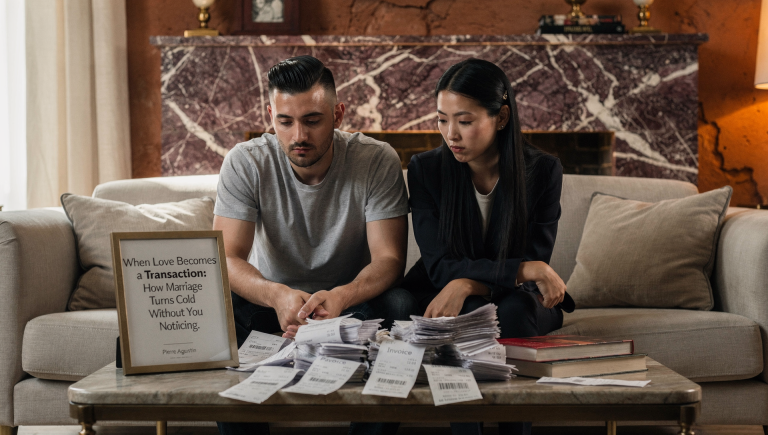
When Love Becomes a Transaction: How Marriage Turns Cold Without You Noticing
You don’t wake up one day and decide, “From now on, I’m going to treat my spouse like…