
Stop Waiting for Time: Create It Together (A 90-Day Identity Reset)

In This Article
- Why “Stop Waiting for Time” Works (identity → rhythms → proof)
- “Stop Waiting for Time”: The 90-Day Identity Reset at a Glance
- Anchor #1: A Weekly Date-because Date Night Is a Decision
- Anchor #2: A Weekly Micro-Adventure-small firsts, major signals
- Anchor #3: A Weekly Check-In / Retro-ten minutes that steer the ship
- Stop Waiting for Time by Installing Cues (rituals that raise the standard)
- Month 1 (Install): Make It Real, Make It Visible
- Month 2 (Stabilize): Shrink to Fit, Remove Friction
- Month 3 (Compound): Make Momentum Do the Heavy Lifting
- Daily Micro-Behaviors That Support the Three Anchors
- The “Create Time Together” Toolkit (scripts you can copy)
- The 90-Day Identity Reset Calendar (week-by-week guide)
- Metrics That Matter (light, visible, encouraging)
- Troubleshooting: When Real Life Collides with Good Intentions
- Case Studies: Three Couples, One Quarter
- Frequently Asked Questions About the 90-Day Identity Reset
- Other Articles Across the Series
- The “Stop Waiting for Time” Starter Pack (printable checklist)
- Bring It Home: Choose Your Night, Choose Your First, Choose Your Seat
Time isn’t found; it’s made. Most couples keep hunting for a mythical free weekend, a calmer quarter, or a magical burst of motivation-and lose another season to logistics. Stop Waiting for Time flips that script. This 90-day identity reset installs three anchor rhythms-a weekly date, a weekly micro-adventure, and a weekly check-in/retro-so your calendar broadcasts a new identity: we are the couple that shows up for us. You won’t add heavy routines or complicated systems. You’ll design small, repeatable moves that fit your tired days, survive real interruptions, and steadily create time together.

Ready to identify your next best step?
The United Front Audit gives you a personalized picture of what needs work - and a clear path forward as a couple.
Take the Audit - It's Free →Why “Stop Waiting for Time” Works (identity → rhythms → proof)
 Waiting to feel ready is a trap. Feelings are lagging indicators; proof is the lead domino. When you stack tiny proofs-“we kept date night,” “we tried one new thing,” “we checked in for ten minutes”-your nervous system updates its forecast: this is who we are now. If you want the mindset model behind this (belief → behavior → proof → stronger belief), it helps to ground your strategy in the cornerstone on self-signaling; many couples start by skimming the loop in Who We Think We Are: Self-Signaling and Your Marriage Identity and then come back here to install the 90-day cadence.
“Stop Waiting for Time”: The 90-Day Identity Reset at a Glance
 The 90-day reset is intentionally light. It creates time by installing and protecting three anchors:
- Weekly Date (60–120 minutes): A standing appointment that says “we chose us.”
- Weekly Micro-Adventure (30–90 minutes): One low-cost “first” that wakes up your connection.
- Weekly Check-In / Retro (10 minutes): A brief steering wheel that prevents drift.
The reset unfolds in three phases:
- Month 1 – Install: Put the anchors on repeat and run the simplest versions.
- Month 2 – Stabilize: Remove friction, shrink to fit, and protect the cadence.
- Month 3 – Compound: Add variety and track a few small metrics so momentum starts carrying you.
Anchor #1: A Weekly Date-because Date Night Is a Decision
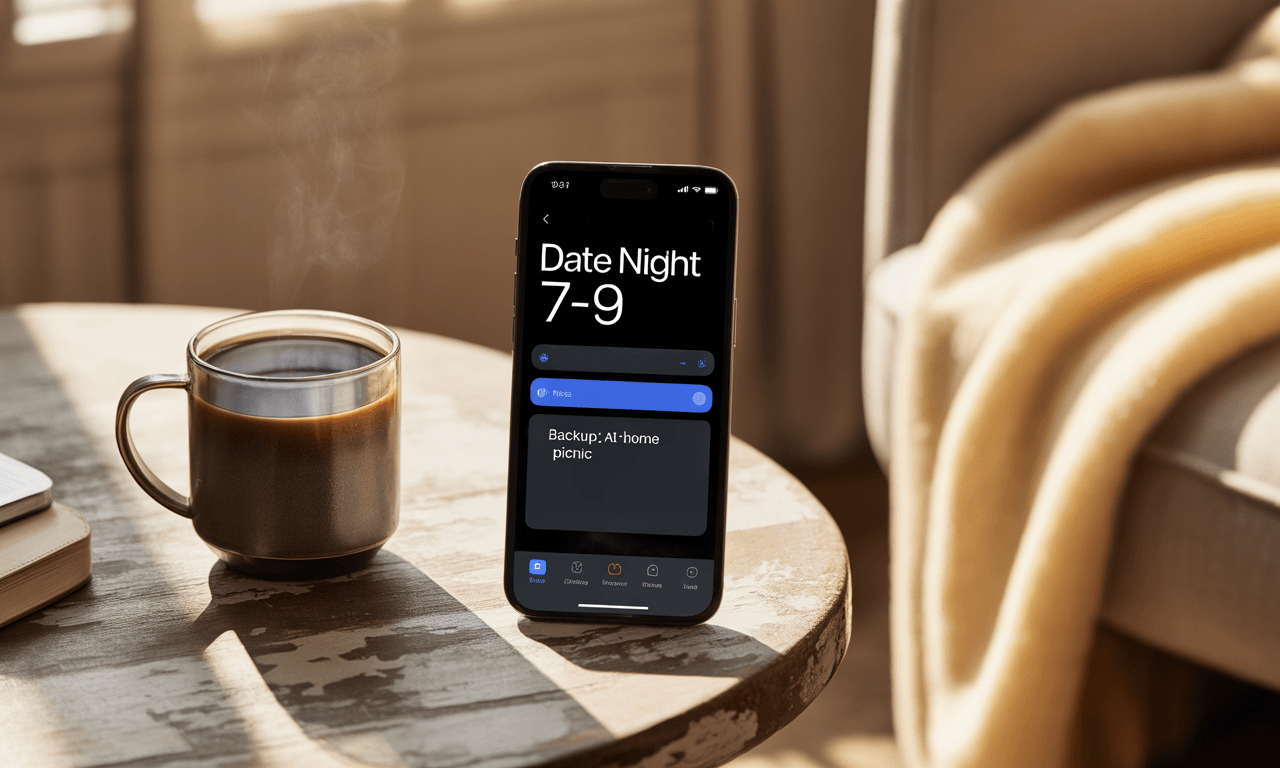 A weekly date is not a reward for having margin-it’s how you create margin. Treat it as a decision, not a vibe. Pick one night, set it to repeat, and protect a simple template plus a clear backup.
- Night: Choose the least conflict-prone evening; lock it for 12 weeks.
- Template: Decide the shape once-walk + dessert, appetizer hop, at-home picnic + two questions.
- Backup: If childcare or energy collapses, trigger the at-home version (blanket on the floor, playlist, phones away).
- Budget: Set a cap for the quarter (even $0). Constraints create creativity.
If you want a step-by-step friction-removal guide so this anchor never turns into a debate, you can adopt the system we outline in Date Night Is a Decision; couples often say, “we used the exact four pre-decisions in Date Night Is a Decision: Building a Weekly Signal of ‘Us’ and then plugged that decision back into our 90-day reset.”
Anchor #2: A Weekly Micro-Adventure-small firsts, major signals
 Novelty trains your identity to expect growth. One 30–90 minute “first” each week-new pastry, new path, new room-adds energy without blowing the budget. Keep it local, time-boxed, and specific (“Fri 6:30–7:30: tom yum at Noon Thai → mural on Cedar”).
Quick menu ideas:
- New foods: Share one appetizer you’ve never ordered; talk textures for two minutes.
- New routes: Two-stop transit loop; window-shop one side of the street out, the other back.
- New rooms: Free library author talk; pick one “staff pick” and swap one-sentence reactions.
To keep novelty easy all quarter, some couples borrow ideas-and a two-minute debrief-from Micro-Adventures, Major Signals, saying things like, “we scheduled two ‘firsts windows’ per month using the menu in Micro-Adventures, Major Signals: New Foods, New Cities, New Us, and the quarter flew by in the best way.”
Anchor #3: A Weekly Check-In / Retro-ten minutes that steer the ship
 A short, kind conversation keeps little problems little. Run it the same day every week (many couples choose Sunday evening).
Four-question script (10 minutes total):
- What worked this week- (name it, keep it)
- What didn’t- (facts, not blame)
- One tweak for next week- (shrink it until it’s a sure win)
- One appreciation to close- (specific effort + impact)
Tip: Sit side-by-side facing the room; phones face-down and out of reach. You’re on the same team, literally looking in the same direction.
Stop Waiting for Time by Installing Cues (rituals that raise the standard)
 Tools beat willpower. A few environmental cues make your anchors almost automatic:
- Timer on the counter (normalize 5–10 minute efforts).
- Shoes by the door (erase friction before walks).
- Date-night drawer (cloth napkins, tealights, lighter, tiny speaker).
- Phone tray on the sideboard (tech-free meals become easy).
- Conversation nook with two chairs and a soft lamp (weekly retro has a home).
If you want simple rituals that elevate the atmosphere so your anchors feel special-without spending more time or money-you can lift two or three ideas from Dressed for the Marriage You Want; readers often note, “after adding a greeting routine and a five-minute evening reset from Dressed for the Marriage You Want: Rituals That Raise the Standard, our 90-day cadence became second nature.”
Discover what's fueling tension in your marriage
It's rarely just one thing. The United Front Audit maps the pressure points so you know exactly where to focus.
See Your Results →Month 1 (Install): Make It Real, Make It Visible
 Goal: Put the three anchors on your calendar, run the easiest versions, and collect early proof.
Week 1 – Decide & Display
- Choose the date night; set it to repeat 12 weeks.
- Schedule one micro-adventure window (30–60 minutes).
- Add a weekly retro (10 minutes).
- Post a quarter scoreboard on the fridge with three rows: Dates, Firsts, Retros.
Week 2 – Run the Simplest Templates
- Date: at-home picnic + two napkin questions.
- First: dessert-only at a new bakery + 10-minute walk.
- Retro: four-question script with a timer.
Week 3 – Add Backups & Budgets
- Write your at-home date backup steps on a card.
- Confirm childcare or create a “movie kit” for kids.
- Set a per-date budget cap (even $0 counts).
Week 4 – Capture the Wins
- Take one photo each week (bench selfie, napkin questions, scoreboard checkmarks).
- Read the “keep list” aloud: one small thing to repeat next month.
Month 2 (Stabilize): Shrink to Fit, Remove Friction
 Goal: Keep the cadence alive by making everything smaller, faster, and clearer.
- Shrink time boxes: If energy is low, run a 30-minute at-home date, a 20-minute “bench + bakery” first, and an 8-minute retro.
- Move admin off date night: Park chores/budget for a separate 15-minute “ops slot.”
- Pre-pack the date drawer: Napkins, candle, lighter, playlist card, pens.
- Upgrade the environment: Angle the chairs, set the lamp, add the phone tray.
- Install language guards: Replace “we never” with “tonight we will.” If “we never” keeps creeping in, many couples defuse that trap by running the catch–count–commit swap as described in The “We Never” Script: How Labels Become Loops in Love, then immediately choosing a tiny step that keeps the week hopeful.
Checkpoint at Day 45:
- How many Dates so far-
- How many Firsts–
- How many Retros–
- What friction can you remove this week (childcare, shoes, timer, playlist)-
Month 3 (Compound): Make Momentum Do the Heavy Lifting
 Goal: Keep the cadence and lightly layer variety + measurement so momentum takes over.
- Add one “themed month” idea: Outdoor June (walk + bench), Bookstore February (browse + cocoa), Gallery September (free nights).
- Track repair speed during the quarter: minutes from tension to first repair attempt (aim for faster).
- Celebrate half-doses: Late isn’t never; a smaller version still counts.
- Run one novelty “triangle”: appetizer at Spot A → stroll → postcard at Spot C.
- Do a 20-minute Month-End Retro: What we’ll keep, what we’ll tweak, what we’ll try next.
Daily Micro-Behaviors That Support the Three Anchors
 Small daily moves make weekly anchors easier to keep.
- One-minute morning check-in: “One most / one constraint / what makes today 10% easier-”
- 30-second appreciation: “Thanks for ___; it helped ___.”
- Five-minute evening reset: Timer on; clear surfaces; set tomorrow’s mugs; dim lights.
The “Create Time Together” Toolkit (scripts you can copy)
 Date ask: “Could we lock Thursdays 7–9 for the quarter- If sitter falls through, let’s trigger the at-home picnic so we don’t lose the signal.”
Backup switch: “Weather just turned-calling the backup: blanket + two questions at 7:30.”
Boundary: “I want to give us attention; can we park logistics for tomorrow’s ops slot-”
Retro open: “Two minutes-what worked- one tweak- one appreciation-”
Micro-adventure invite: “Sat 10–11: new bakery + mural, then bench debrief-game-”
The 90-Day Identity Reset Calendar (week-by-week guide)
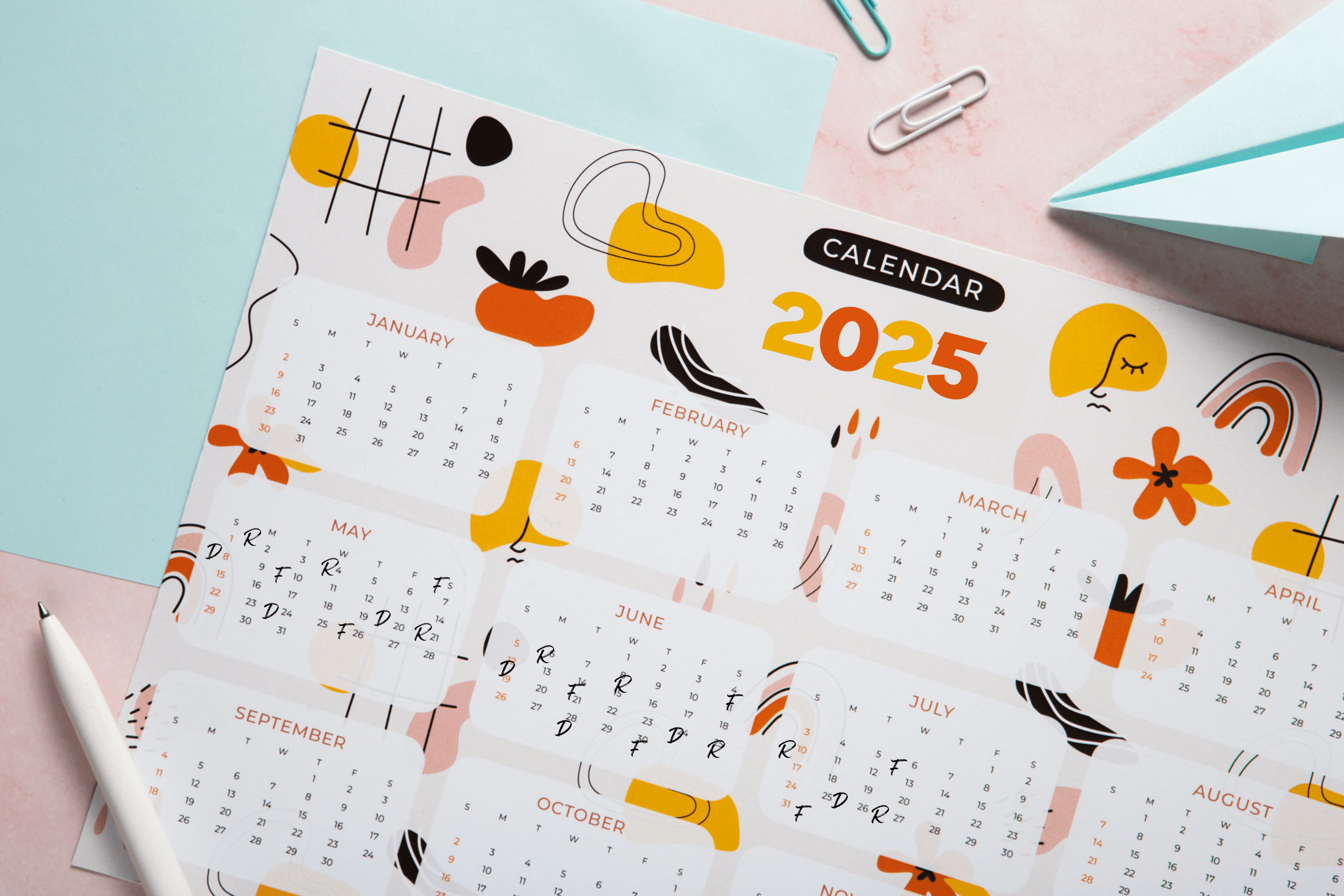 Weeks 1–2 (Install): Decide & display; run simplest templates; start the scoreboard.
Weeks 3–4 (Install): Add backups/budgets; try one at-home date on purpose; capture a bench selfie.
Weeks 5–6 (Stabilize): Shrink times; add the date-night drawer; start tracking repair speed.
Weeks 7–8 (Stabilize): Protect date night from admin; test a new “first” (library talk or river path).
Weeks 9–10 (Compound): Pick a theme; add a triangle itinerary; celebrate any half-dose.
Weeks 11–12 (Compound): Read your “keep list” aloud; choose one gentle upgrade for next quarter.
Metrics That Matter (light, visible, encouraging)
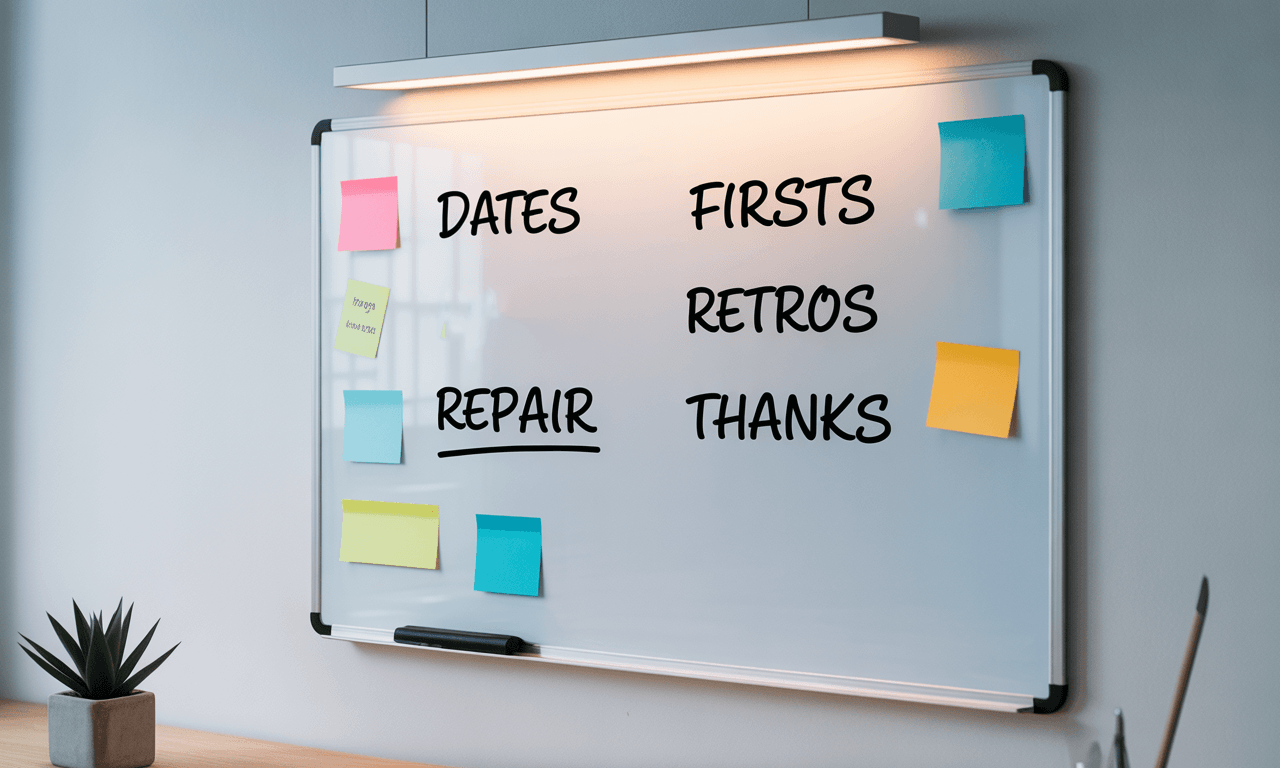 Measure actions, not vibes:
- Date streak: consecutive weeks with any form of date (backup counts).
- Firsts count: micro-adventures completed this month.
- Retros completed: ten-minute check-ins done.
- Repair speed: average minutes from friction to first repair attempt.
- Appreciations/day: target 1+.
Post the numbers on your fridge. Snap a photo at month’s end. Those checkmarks are identity bricks.
Not sure what's really going wrong?
The United Front Audit helps you pinpoint exactly where your marriage unity is breaking down - in just 3 minutes.
Take the Free Audit →Troubleshooting: When Real Life Collides with Good Intentions
 “We’re exhausted.”
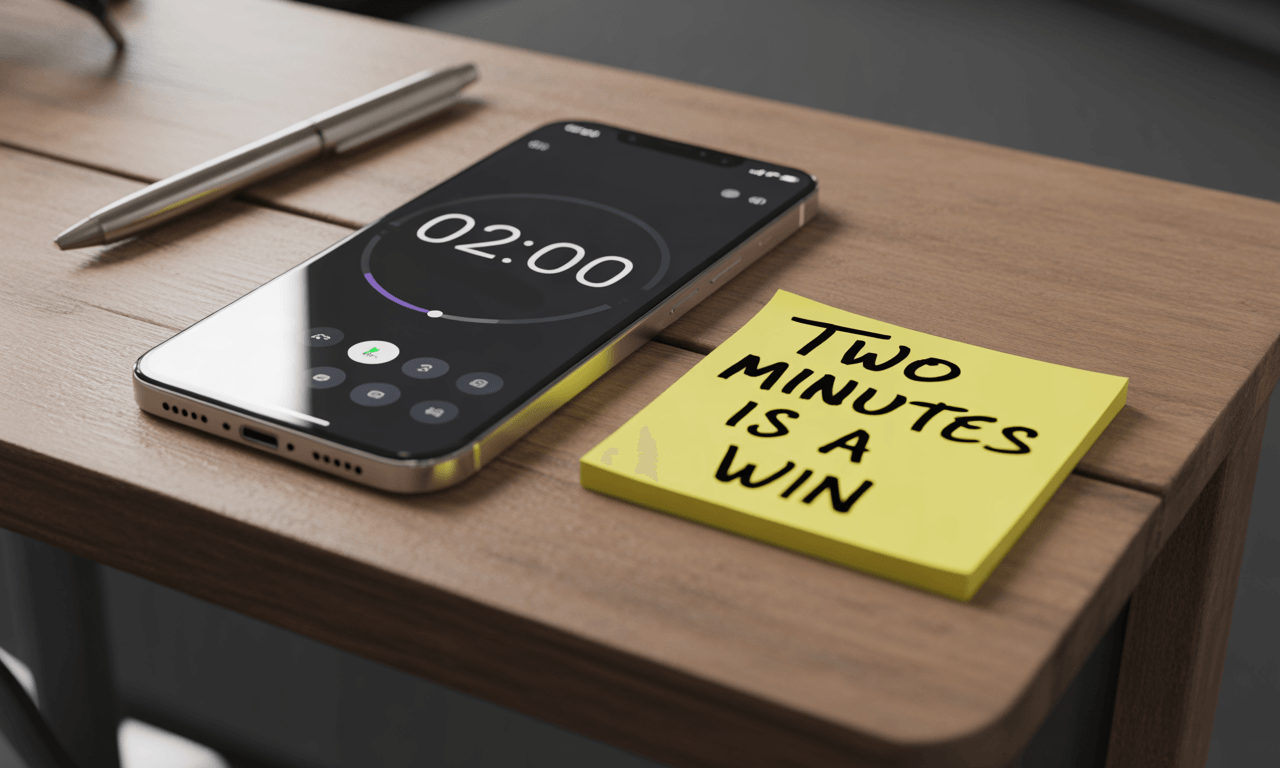
Shrink to half-doses: 30-minute date at home, 20-minute first, 8-minute retro. Small counts.
“Childcare fell through.”
Trigger the backup instantly-floor picnic, candle, playlist. Put a “movie kit” (popcorn + blanket) in the kids’ room.
“We fought right before date night.”
Run a two-minute pause: breathe, summarize the other once, own one slice, decide one small next step. If tense language pops up, redirect it with the catch–count–commit swap you practiced from the We Never Script article.
“We missed a week.”
Late isn’t never. Do a half-dose tomorrow and mark it as kept. Streaks survive with grace.
“It feels cheesy.”
Cheesy for a week beats resentful for a year. Rituals feel authentic once your body associates them with relief.
Case Studies: Three Couples, One Quarter
 Cam & Jae (shift work, two kids)
They locked Thursday 7–9 with an at-home backup. Their firsts were dessert-only and park benches. Retros ran Sunday 8:30pm with the four questions. Day 45: fewer Sunday meltdowns. Day 90: eight dates, six firsts, ten retros, and a calmer tone.
Ish & Priya (money stress, little margin)
Budget cap: $10. Date templates: walk + share one plate. Firsts: library talk and coffee crawls. They tracked repair speed, celebrating any repair under five minutes. By quarter’s end, “we never have time” had become “we create time in small doses.”
Lena & Drew (awkward with ‘romance’)
They used two-napkin questions for structure and the date-night drawer to make setup fast. When energy dipped, a 30-minute at-home date still counted. Weekly firsts were bookstore bingo and a transit two-stop loop. They finished with a photo strip and a “keep list” taped to the fridge.
Frequently Asked Questions About the 90-Day Identity Reset
 Do we need money for this to work-
No. Some of the best versions are free: walk + bench + two questions, free museum nights, library talks.
What if one of us is hesitant-
Offer two yeses and an out: “Bench + bakery or river + cocoa- ‘Neither’ is okay; we’ll try a half-dose at home.” Model a calm tone, own your intensity, and celebrate attempts.
Can we do this with babies or teens-
Yes. Shorten windows (30–45 minutes), lean into at-home backups, and involve kids with roles (“candle lighter,” “napkin captain”) so the house culture lifts everyone.
How do we keep logistics from hijacking date night-
Create a separate 15-minute ops slot (paper calendar + two bullet points) and protect the date for presence and play.
What happens after 90 days-
Keep the anchors. Change the flavor (themes, new firsts), and continue tracking light metrics. Many couples keep running the next quarter with one gentle upgrade.
Other Articles Across the Series
 This is your cornerstone for cadence. Use it like a hub, and let the other guides deepen specific skills at the moment you need them:
- When you want the mindset for why small actions change identity, it’s easy to say “we’ll run the loop exactly as described in” Who We Think We Are: Self-Signaling and Your Marriage Identity and then implement the loop with this 90-day calendar.
- When you’re ready to lock the weekly date as a non-negotiable heartbeat, you can install the four pre-decisions from Date Night Is a Decision: Building a Weekly Signal of “Us” so this anchor never depends on mood.
- When you want easy novelty that fits your budget, you can pull two “firsts windows” a month from Micro-Adventures, Major Signals: New Foods, New Cities, New Us and drop them straight onto your quarter calendar.
- When you’d like your home to feel the way your new identity sounds, you can borrow two or three rituals from Dressed for the Marriage You Want: Rituals That Raise the Standard so your environment cues the behaviors you’ve chosen.
The “Stop Waiting for Time” Starter Pack (printable checklist)
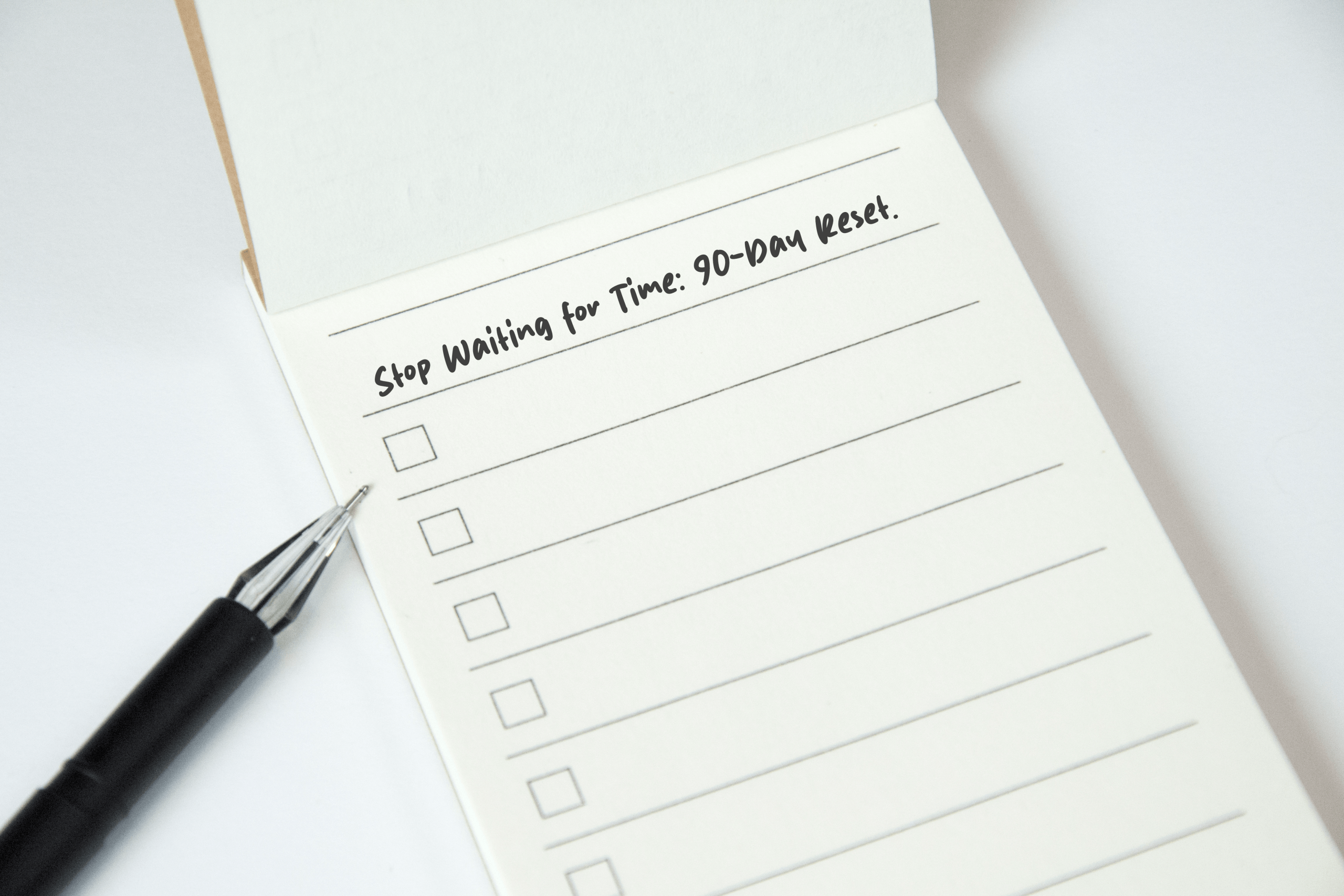
- Choose the night; set “Date Night 7–9” on repeat for 12 weeks.
- Add “Firsts Window” (30–60 minutes) and “Retro 10:00” every week.
- Create a date-night drawer (napkins, candle, lighter, pens, tiny speaker).
- Place a phone tray on the sideboard; add a kitchen timer.
- Post the quarter scoreboard; mark ✔️ for any half-dose.
- Learn two scripts (ask + backup) and two questions (kind + 10% easier).
- Schedule a 20-minute Month-End Retro; read the “keep list” aloud.
Bring It Home: Choose Your Night, Choose Your First, Choose Your Seat
 Open your calendar. Pick the night you’re most likely to keep. Add your at-home backup to the event notes. Choose one micro-adventure that fits this week-dessert-only + bench is plenty. Put two chairs side-by-side and a soft lamp where you’ll do the retro. That’s Stop Waiting for Time in action: three small anchors that teach your marriage to expect connection-and then deliver it, week after week.


Keep Reading

Momentum > Motivation: The 75-Day “Do First, Feel Later” Plan
Stop waiting to feel ready. The couples who grow aren’t powered by big feelings; they’re powered by tiny,…

Dressed for the Marriage You Want: Rituals That Raise the Standard
You’re always signaling-to each other. Even on ordinary Tuesdays, the way you greet at the door, the way…

Micro-Adventures, Major Signals: New Foods, New Cities, New Us
Novelty trains your identity to expect growth. When you and your spouse explore something new for 30–120 minutes-a…