The In-Law Culture Clash: Why Understanding Traditions Matters
By Pesa Shayo ·
In-laws can be a source of wisdom, warmth, and support. But let’s be honest—they can also be a source of serious stress.
This is especially true in cross-cultural marriages, where differing backgrounds, traditions, expectations, and communication styles create a unique dynamic that many couples don’t see coming. While navigating marriage itself can be challenging, dealing with in-laws from a different cultural context introduces a whole new level of complexity.
You might be asking:
- Why does it feel like my spouse is caught between me and their parents/relatives all the time?
The answer often lies in cultural expectations—those invisible rules we grow up with that feel normal to us, but strange or even disrespectful to others.
This post is your guide to navigating the in-law culture clash with grace, clarity, and strength. Whether you’re newly married or years into your relationship, these insights will help you find peace, build understanding, and protect your marriage without dishonoring your family roots.
1. Acknowledge That In-Law Stress Is Real—And Often Cultural
 Many couples feel blindsided when in-law tensions arise. They expect that everyone will just “get along,” especially if there’s love and respect between the spouses. But even the most loving families can hit roadblocks when cultural assumptions collide.
Here are a few common areas where cultural traditions can cause misunderstandings:
- Hospitality norms: In some cultures, it’s expected that parents live with their children later in life. In others, independence is valued.
- Decision-making: One family might emphasize elders’ opinions, while another expects that a husband and wife will decide things for themselves.
- Gender roles: Expectations about who cooks, cleans, or disciplines children may vary widely.
- Holiday and religious observances: Different traditions can create pressure or confusion around whose customs to follow.
The key is not to label one culture as “right” and the other as “wrong.” It’s to recognize that these tensions are often cultural—not personal.
2. Help Your Spouse Be the Bridge—Not the Referee
 In any marriage, especially cross-cultural ones, it’s important that each spouse handles their own family. That means if your parents are creating tension, it’s your job to speak with them, not your partner’s.
It’s easy for couples to slip into the “you tell them” trap, where one spouse feels cornered into confronting in-laws directly. But this rarely ends well. Instead, use this rule of thumb:
The spouse with the relationship is the one responsible for the conversation.
When each partner advocates lovingly but firmly to their own parents, it avoids power struggles and prevents one spouse from being painted as the “outsider” or “bad guy.”
3. Have Honest Conversations About Cultural Norms
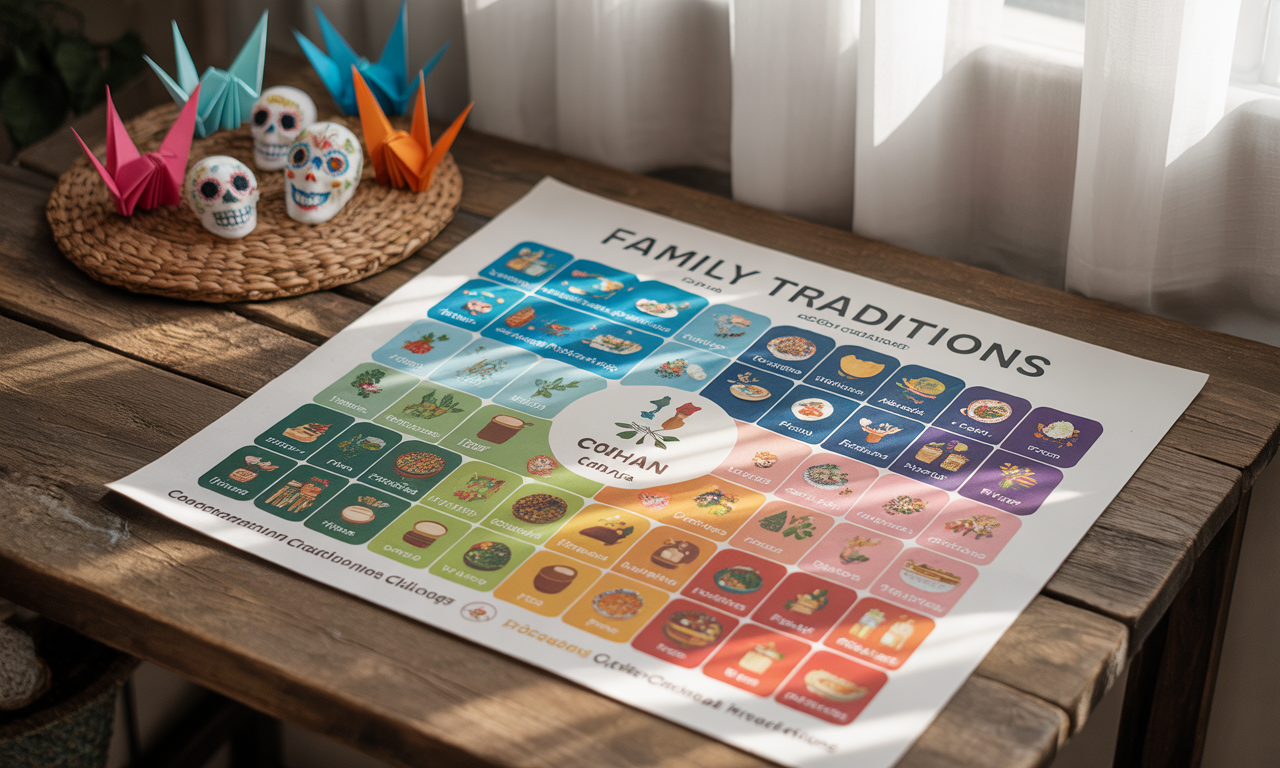 Sometimes what seems rude or unreasonable to you is completely normal to your in-laws—and vice versa. The only way to uncover these differences is through open, honest conversations with your spouse.
Ask each other:
- What role did your parents play in your life growing up?
- What’s your family’s view on privacy, boundaries, and involvement?
- How are holidays typically celebrated in your family?
- Are there family traditions or customs that are non-negotiable for you?
These conversations help each spouse understand not just the “what,” but the why behind their family’s behavior.
4. Set Boundaries—With Respect and Clarity
 Boundaries are not about rejection. They’re about protection—of your peace, your relationship, and your shared values.
It’s important to discuss and set limits early in your marriage, especially if in-laws tend to be involved or opinionated. Examples include:
- “We’d love short visits, but we aren’t comfortable with unannounced overnight stays.”
- “We’re the ones making parenting decisions, and we appreciate support without interference.”
- “Our holidays will alternate between both sides of the family to keep things fair.”
Boundaries should always be presented calmly, clearly, and respectfully—and ideally, by the spouse whose family is affected.
5. Include Both Cultures in Family Traditions
 Instead of choosing between “his way” and “her way,” consider blending both.
Creating shared traditions that draw from both cultures is a powerful way to honor your roots without compromising your future. Examples include:
- Cooking dishes from both backgrounds for holidays
- Celebrating cultural festivals from each side
- Teaching kids greetings or songs in both family languages
When both sides feel seen and honored, tensions tend to decrease—and your new family gains a beautifully blended identity.
6. Stand United—Always
 Even when you disagree behind closed doors, it’s vital to present a united front in front of family.
This doesn’t mean being fake—it means showing that you respect each other and won’t let outside opinions drive a wedge between you. When families sense division between spouses, they often push harder to influence or “take sides.”
Make it clear that:
- You are one team.
- Decisions are made together.
- You support each other—even in differences.
When in-laws know that they can’t pit you against each other, they often step back and give you more space to lead as a couple.
7. Practice Empathy—Even When It’s Hard
 Some in-law tensions come from fear, not control.
For many parents, their child’s marriage—especially to someone from a different culture—represents change, uncertainty, or even loss. They may worry about losing connection, cultural continuity, or influence.
Practicing empathy doesn’t mean accepting disrespect—but it does mean pausing to consider what’s behind the behavior.
Try to ask yourself:
- What might my in-law be afraid of?
- Are they feeling left out, unheard, or disrespected?
- How can I extend kindness without sacrificing boundaries?
Empathy creates space for healing—even when agreement isn’t possible.
8. When Needed, Get Outside Help
 If in-law tension is affecting your mental health, relationship satisfaction, or family peace, don’t be afraid to seek support:
- Marriage counseling
- Intercultural coaching
- Faith-based mentors or therapists
- Support groups for multi-ethnic families
Outside perspective can help both spouses process their experiences, communicate more effectively, and create action plans without being caught in emotional loops.
Final Thoughts: Protect the Marriage, Honor the Families

Every couple—regardless of background—faces challenges with in-laws. But cross-cultural couples often walk a thinner tightrope between honoring tradition and protecting their own path.
The secret? Mutual respect, healthy boundaries, and clear communication.
When you and your spouse commit to understanding each other’s family dynamics and lead with empathy, you create a culture of your own—one that honors the best of both backgrounds without letting outside pressure define your home.
Remember:
- You don’t have to choose between your partner and your family.
- You can love your in-laws and still have limits.
- You are allowed to protect your peace.
And most importantly—you are allowed to build a marriage that works for YOU.
💬 Conversation Starters for Couples:
- What was your family’s approach to conflict, holidays, and hospitality?
- What in-law dynamics are hardest for you to navigate?
- How can we set boundaries together that honor both families without sacrificing our peace?