
The “We Never” Script: How Labels Become Loops in Love

In This Article
- What Exactly Is the We Never Script- (We Never Script 101)
- Why Labels Become Loops (identity model + label loops)
- The Three-Step Swap That Breaks the Loop (catch • count • commit)
- Step 1: Catch the Forecast in Your Words (spot the We Never Script)
- Step 2: Count the Cost (what the label steals)
- Step 3: Commit to a Tiny Contradiction (micro-commitment beats mood)
- The Language Swap Kit (from negative forecasting to design)
- Five Common We Never Loops-and How to Break Each
- Environmental Design That Makes “Yes” Easier (disarm the script)
- Make the Invisible Visible (measure tiny wins)
- The 7-Day We Never Reset (guided practice)
- When Your Partner Isn’t On Board Yet (solo starts still work)
- When “We Never” is Actually About Safety (wise boundaries)
- Turn the Words Into a Weekly Win (operationalize your new language)
- Troubleshooting: “But our situation is unique…”
- Bring It Home: From Forecast to Footsteps
“We never have time” sounds practical, but it’s actually a forecast your brain tries to fulfill. Say it often enough and your calendar will cooperate, your mood will match, and your choices will quietly shrink to fit the story. This post gives you a three-step swap-catch the phrase, count its cost, and commit to a tiny next step-so the two of you can break the We Never Script in real time and change what happens next, not next month.
Ready to identify your next best step?
The United Front Audit gives you a personalized picture of what needs work - and a clear path forward as a couple.
Take the Audit - It's Free →What Exactly Is the We Never Script- (We Never Script 101)
 The We Never Script is any repeating phrase that pre-decides your future and collapses possibilities: “We never have time,” “We never agree,” “We never travel,” “We never finish what we start.” It sounds harmless, even honest. But underneath, it’s a binding contract with your nervous systems: “Please automate this result.”
When you repeat a forecast, your brain goes to work proving it. You notice confirming evidence, skip opportunities that contradict it, and feel relief when the day ends in the way you predicted. That relief is sneaky-it’s the comfort of being right, even when “right” means small.
Why Labels Become Loops (identity model + label loops)
 Labels become loops because identity wants consistency. We behave like the kind of couple we think we are. If we believe “we’re too busy for us,” then saying no to new plans feels congruent, missing date night feels inevitable, and conflict becomes a foregone conclusion. Conversely, when you act like a couple who makes room for connection, those actions signal a new identity-and your brain updates the story.
If you want the full engine behind this, see the identity model here: Who We Think We Are: Self-Signaling and Your Marriage Identity. That cornerstone explains how repeated actions teach your relationship what kind of couple you are.
The Three-Step Swap That Breaks the Loop (catch • count • commit)
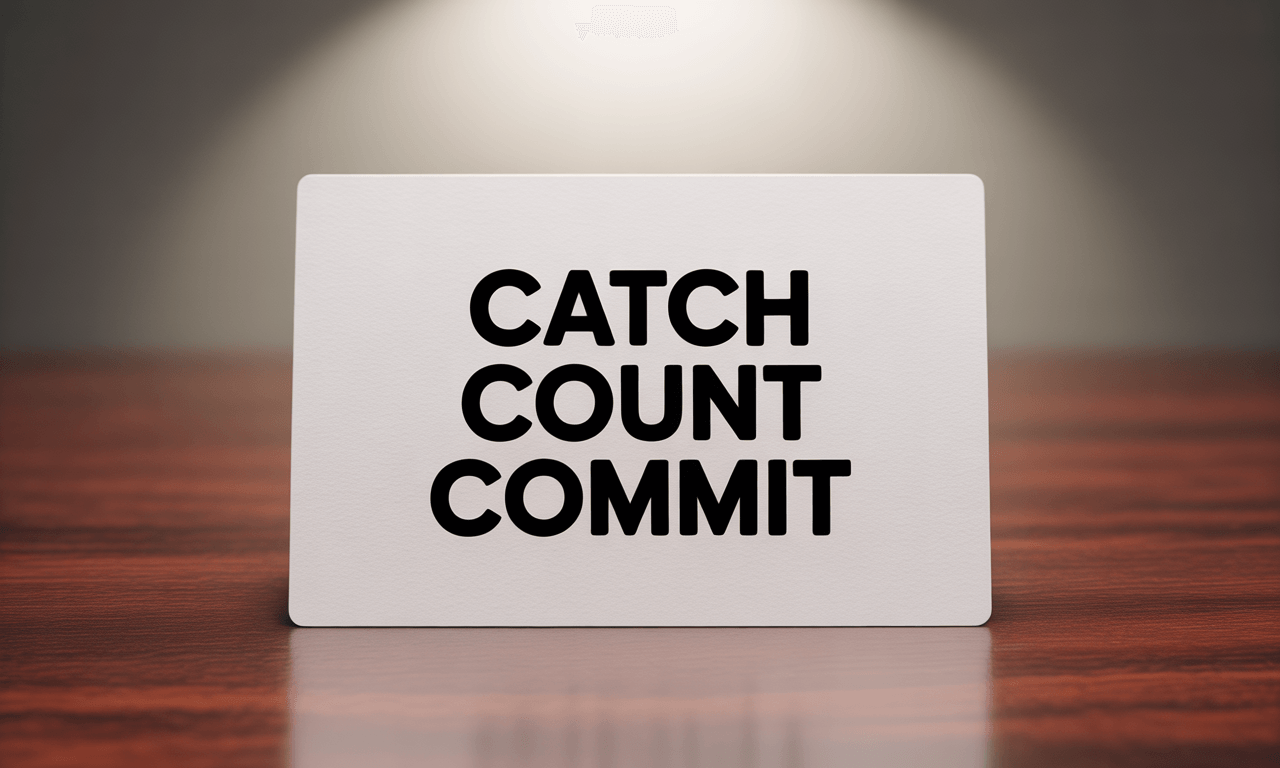 The We Never Script unravels with one small, kind sequence you can run in under two minutes:
- Catch the phrase (out loud or in your head).
- Count the cost (name what this label is stealing right now).
- Commit to a tiny step that contradicts the forecast today.
That’s it. Not a lecture. Not a five-point plan. Just a one-breath pivot from negative forecasting to tiny commitments that change your next ten minutes.
Step 1: Catch the Forecast in Your Words (spot the We Never Script)
 Practice catching any sentence that starts with “We never…,” “We always…,” “I’m just not the kind of person who…,” or “That’s just how we are.” You’re not shaming yourself; you’re noticing a forecast masquerading as a fact.
Try these everyday catches:
- “We never have time for date night” → caught.
- “We always fight on Sundays” → caught.
- “We never agree on money” → caught.
- “We never meet new people” → caught.
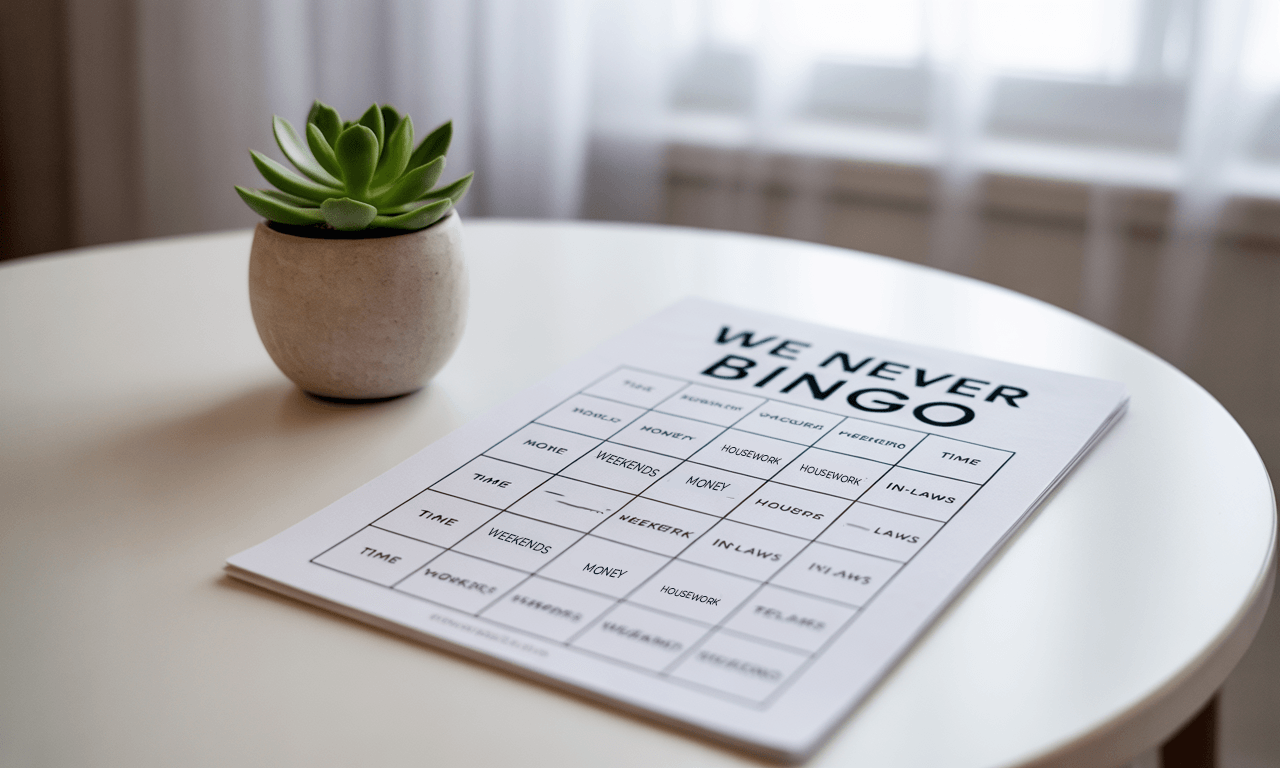
Make it playful. Create a “We Never Bingo” for a week and tally occurrences. You’re building awareness, not collecting guilt. Awareness is oxygen for change.
Step 2: Count the Cost (what the label steals)
 Labels charge interest. Every time you say “we never,” you pay in:
- Options: You stop seeing the one or two steps that are possible today.
- Energy: Predicting disappointment drains initiative.
- Closeness: Blame or resignation replaces teamwork.
- Creativity: The brain shuts down idea-making once the verdict lands.
Ask out loud: What is this phrase costing us in the next 24 hours- You might realize it’s just stealing a 20-minute walk you could take tonight, a five-minute budget check-in, or a two-minute appreciation you could offer after dinner.
Discover what's fueling tension in your marriage
It's rarely just one thing. The United Front Audit maps the pressure points so you know exactly where to focus.
See Your Results →Step 3: Commit to a Tiny Contradiction (micro-commitment beats mood)
 Now make a tiny commitment that contradicts the forecast within the next hour. Not next week. Not “sometime soon.” Now or tonight.
Examples:
- “We never have time” → “We will walk around the block at 7:40 for 12 minutes.”
- “We never agree on dinner” → “We will flip a coin tonight: winner picks mains, loser picks dessert.”
- “We never talk without fighting” → “We will try a five-minute timer and take turns summarizing the other before responding.”
- “We never finish what we start” → “We will set a 10-minute tidy timer for the hall closet and stop when it rings.”
Make it visible (calendar, sticky note, timer). Visibility makes promises easier to keep.
The Language Swap Kit (from negative forecasting to design)
 Here are precise swaps you can use today:
- From “We never have time.” To “We create time in small doses. Tonight: 12-minute walk at 7:40.”
- From “We never agree on money.” To “We practice a 3-minute nightly money touchpoint this week.”
- From “We always melt down on weekends.” To “We schedule one hour of nothing on Saturday morning.”
- From “We never meet new people.” To “We’ll attend one free community event for 25 minutes this month.”
Notice the pattern: specific, small, soon. That’s how you turn language into life.
Five Common We Never Loops-and How to Break Each
1) “We never have time” (time scarcity → micro-time)
 Catch: You said it again.
Count: It’s stealing 15 minutes we do have tonight.
Commit: Set a 12-minute walk timer after dinner.
Pro tip: When “time” is the villain, attack transition time-those 10–15 minute gaps that get lost to scrolling.
2) “We never agree on money” (money dread → tiny touchpoints)
 Catch: Negative forecast.
Count: It steals calm; bills get avoided.
Commit: A three-minute nightly balance peek for five days.
Pro tip: Use a script: “One number that matters, one decision or none, high five for showing up.”
3) “We never connect without fighting” (conflict spiral → structure)
 Catch: Identity label.
Count: It steals confidence and curiosity.
Commit: Try the 5–5 rule: five minutes each to summarize the other before offering a solution.
Pro tip: Sit side-by-side facing the room, not each other. Same team, same horizon.
4) “We never plan anything fun” (fun drought → micro-adventures)
 Catch: Deflating script.
Count: It steals novelty and laughter.
Commit: Choose one 30–60 minute micro-adventure this week (new bakery, neighborhood, or class) and book it now.
Pro tip: Keep an “Idea Jar” on the counter with simple, local, short options.
5) “We never get date night to stick” (hope → decision)
 Catch: Forecast of failure.
Count: It steals intimacy and rhythm.
Commit: Choose one night and protect it like a standing appointment. Pre-decide babysitter, backup plan, and budget.
For a complete playbook to turn this new language into a rhythm that lasts, read: Date Night Is a Decision: Building a Weekly Signal of “Us”.
Environmental Design That Makes “Yes” Easier (disarm the script)
 You don’t need more willpower; you need fewer obstacles.
- Timer on the counter. Everything is easier when it’s only 5–12 minutes.
- Shoes by the door. Walking readiness erases excuses.
- Two chairs angled together. A conversation nook normalizes short talks.
- “Idea Jar” within reach. Micro-adventures stop requiring creativity on tired days.
- Fridge commitments. “Tonight at 7:40-walk.” “Fri 7:00-date.” Visibility wins.
Make the Invisible Visible (measure tiny wins)
 Track what’s changing for two weeks. Not to judge-just to see.
- We Never count: Tally how often you catch the phrase (aim for fewer by week two).
- Commitments kept: Mark a ✔️ each time you complete a tiny action.
- Repair speed: Minutes from friction to first repair attempt.
- Appreciations: One specific thank-you per day.
A simple whiteboard on the fridge is plenty. Let the numbers tell a hopeful story.
The 7-Day We Never Reset (guided practice)
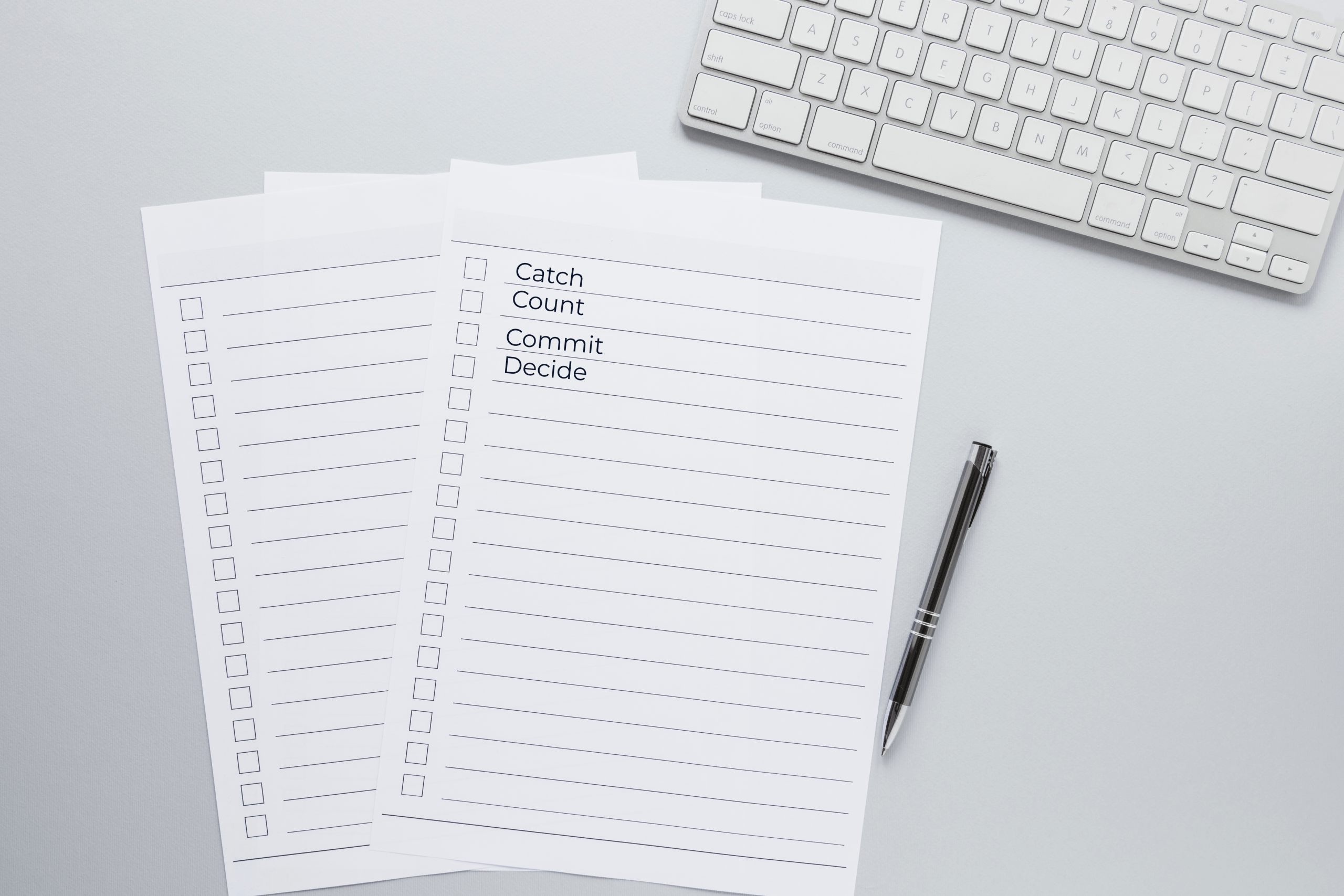 Day 1: Catch
Listen for your top two “we never” phrases. Write them down without judgment.
Day 2: Count
Name what each phrase costs you today. Pick one desired feeling you want instead (calm, fun, closeness).
Day 3: Commit (Time)
Contradict “no time” with one 12-minute walk. Put it on the calendar.
Day 4: Commit (Talk)
Try a 5–5 conversation: five minutes each, summarize-before-respond.
Day 5: Commit (Money)
Run one three-minute budget touchpoint after dinner.
Day 6: Commit (Fun)
Pull one slip from the Idea Jar and go for 30–60 minutes.
Day 7: Decide (Date Night)
Choose your standing weekly night. Put the event on repeat with a backup plan (at-home version if childcare falls through). Then read the next step here: Date Night Is a Decision: Building a Weekly Signal of “Us”.
Not sure what's really going wrong?
The United Front Audit helps you pinpoint exactly where your marriage unity is breaking down - in just 3 minutes.
Take the Free Audit →When Your Partner Isn’t On Board Yet (solo starts still work)
 You can still lower the temperature and raise the bar without nagging.
- Model the swap out loud: “I almost said we never… Catching it. It would cost us a nice evening. I’m setting a 12-minute walk for 7:40-join if you want.”
- Shrink the experiment: “Two minutes on the timer, then done.”
- Invite without pressure: “I’ll be on the porch at 7:40. No worries if you’re tired.”
- Celebrate attempts, not outcomes: “Thanks for trying that budget check-in with me.”
You’re changing the atmosphere. Most people breathe easier and join sooner than you think.
When “We Never” is Actually About Safety (wise boundaries)
 Sometimes “we never” hides a real boundary (“we never travel because of medical needs,” “we never host because I don’t feel safe”). Respect true limits. The point is not to bulldoze your life; it’s to stop letting negative forecasting decide for you. If safety, abuse, addiction, or severe financial strain is in play, seek qualified support and set clear, protective boundaries.
Turn the Words Into a Weekly Win (operationalize your new language)
 The fastest way to lock in your progress is to convert one swap into a repeatable rhythm. The easiest- Date night. Stop waiting for free time and decide a night, a budget, a backup plan. Make it visible; protect it. The We Never Script dissolves quickly when your calendar becomes a billboard for “we chose us.”
Get the exact setup here: Date Night Is a Decision: Building a Weekly Signal of “Us”.
Troubleshooting: “But our situation is unique…”
 Every couple is unique; human brains are not. They obey the same rules of forecasting, attention, and habit. If your life is unusually complex, shrink the commitments further:
- 6-minute walk, not 12.
- 90-second budget peek, not three minutes.
- Two-question conversation, not five.
- 25-minute micro-adventure once a month, not weekly.
Small is not a consolation prize. Small is sustainable-and sustainability is how loops get rewritten.
Bring It Home: From Forecast to Footsteps
 The We Never Script feels like honesty. It’s actually autopilot. The moment you catch it, count its cost, and commit to a tiny contradiction, you’ve changed your direction. Do that three times this week and you’ll feel it-less heaviness, more options, a touch of pride that you kept a promise to “us.”
For a deeper understanding of how your actions re-educate your identity, circle back to the cornerstone: Who We Think We Are: Self-Signaling and Your Marriage Identity. Then put your new words to work with a real rhythm here: Date Night Is a Decision: Building a Weekly Signal of “Us”.


Keep Reading

Review, Reset, Repeat: A Weekly Debrief That Builds Momentum
Growth sticks when you keep it in view. A 10-minute weekly debrief turns last week’s friction into next…

Align Without Agreement: Set Shared “Good Enough for Now” Standards
You don’t need consensus on everything to move forward today. Instead of arguing ideals, define “good enough for…

The 24-Hour Repair Rule: Come Back Together Before Distance Hardens
Arguments aren’t dangerous; distance is. The 24-Hour Repair Rule keeps little ruptures from becoming long-term stories. You’ll learn…