Culture vs. Commitment: When Environments Reward What Hurts Your Marriage
By Pesa Shayo ·
 You said “I do” with every intention to honor your spouse, protect your vows, and fight for your connection. But what happens when the culture you live in—your workplace, your friend group, or even your online community—starts rewarding behavior that contradicts that commitment?
You might not even notice it at first. A joke here. A complaint there. A laugh from someone at work when you roll your eyes about something your partner did. It feels harmless. But over time, these moments can form a dangerous pattern: a subtle but powerful clash between culture and commitment—and if you’re not careful, culture will win.
This post will help you recognize when your environment is pulling you away from the love you promised to nurture, and how to stand your ground with grace, courage, and conviction.
Culture vs. Commitment in Everyday Life
 Culture is more than what’s on your newsfeed—it’s the unspoken rules of the spaces you move through. Some cultures say:
- “Marriage is a trap.”
- “Real freedom is found in autonomy, not sacrifice.”
- “It’s normal to talk trash about your partner—it’s just how we vent.”
If you hear this often enough, you begin to believe that mockery is humor, sarcasm is strength, and disconnection is normal.
But that culture directly conflicts with your commitment. Marriage is built on trust, vulnerability, and mutual respect—three things most environments rarely celebrate.
And the problem is this: we all want to fit in. So if the culture around you rewards behavior that erodes your relationship, you’ll be tempted to trade intimacy for approval.
When Culture Rewards What Hurts Your Marriage
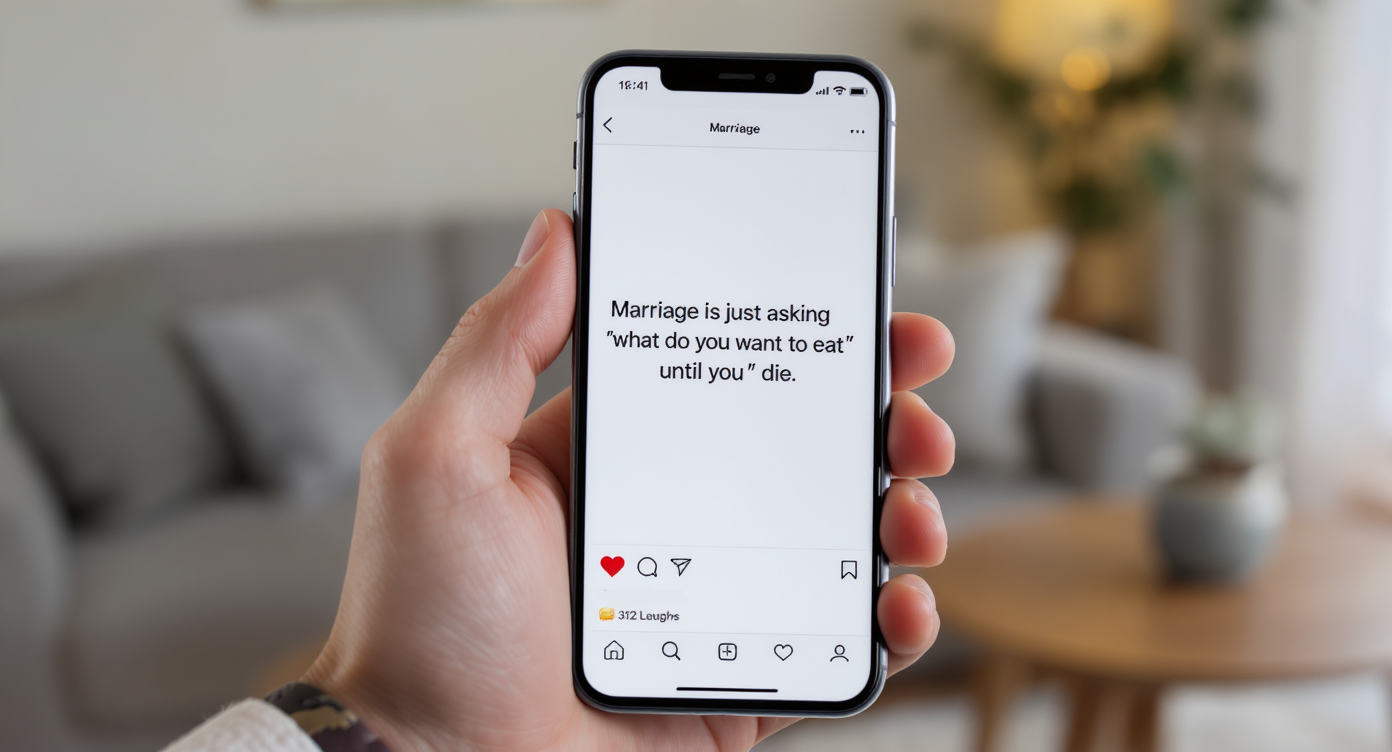 Let’s get specific. These are a few ways culture vs. commitment plays out in modern life:
- Workplace sarcasm: Jokes about “the old ball and chain” or how your partner never listens get laughs—but they chip away at honor.
- Online validation: Posting about your spouse’s flaws or “funny” dysfunctions earns likes, but trains others to see your relationship as weak.
- Group venting: Friend circles that thrive on negativity about marriage normalize contempt rather than commitment.
- Entertainment choices: Shows and movies that portray marriage as boring, restrictive, or toxic can skew your expectations over time.
The common denominator? These cultures reward disconnection. And they do it without asking your permission.
Why It’s So Easy to Betray Your Vows Without Realizing It
 Betrayal doesn’t always look like cheating. Sometimes, it’s a series of small, seemingly harmless choices:
- Laughing at a story that paints your spouse as foolish.
- Nodding along when coworkers belittle marriage.
- Choosing to share more with a friend than your partner.
- Staying silent when others disrespect your relationship.
These moments seem minor, but they accumulate. Every time you choose the culture over your commitment, you reinforce a new emotional alliance—one that slowly replaces the bond you were meant to protect.
The scariest part? It’s easy. Culture makes it feel good. But feeling good doesn’t mean it’s building something good.
Standing Up for Commitment Without Shame or Judgment
 You don’t need to preach or shame others to defend your marriage. But you do need to be clear and kind about what you value.
Here’s how to push back when culture vs. commitment shows up:
- Redirect with grace: “We’ve definitely had our moments, but I’m working hard to stay grateful for what’s good.”
- Speak life: Compliment your spouse in public. Let honor become your reputation.
- Set boundaries: If a group or individual constantly trashes marriage, it’s okay to step back.
- Change the script: Share what’s working in your relationship, even if it’s imperfect.
You don’t have to have a perfect marriage to speak with dignity. You just need to care enough to protect what you’ve promised.
Recognizing the Cost of Cultural Approval
 So many couples sacrifice peace at home for approval in public. They become more animated in group chats than in real-life conversations. They save their best energy for their followers instead of their spouse.
But that approval has a cost.
The cost is:
- Fewer vulnerable conversations.
- Less eye contact.
- Diminished trust.
- Dry intimacy.
- Emotional fatigue that makes it easier to give up than grow.
If culture constantly rewards your lowest version of marriage, you’ll eventually stop reaching for the higher one.
What Commitment Looks Like in a Culture of Disrespect
 Real commitment looks like:
- Speaking well of your spouse when they’re not in the room.
- Choosing presence over performance.
- Turning off your phone to have a real conversation.
- Saying “I’m sorry” without needing to win.
- Walking away from conversations that feed contempt.
It’s not flashy. It doesn’t trend. But it builds something unshakable.
You might not get applause. But you’ll get something far more valuable: trust, safety, and a love that your environment can’t destroy.
Changing the Culture Starts With You
 You don’t have to be loud to be influential. The way you live, love, and speak about your marriage sends a message.
You can:
- Celebrate loyalty in your social spaces.
- Share posts that honor love, not belittle it.
- Support others who are working hard to stay connected.
- Speak truth to your friends when they spiral into toxic conversations.
When you live out commitment in a culture that rewards compromise, you give others permission to do the same.
Final Thoughts: Don’t Let Culture Set the Standard
 Your marriage isn’t supposed to reflect the world. It’s supposed to redefine it.
You don’t need to bash your partner to fit in. You don’t need to downplay your love to seem relatable. And you don’t need to adopt toxic “norms” just because the culture says so.
What matters is your commitment. The promises you made. The quiet acts of love when no one’s watching. The words you speak when your spouse isn’t in the room.
Because when culture and commitment clash, the strongest marriages choose love—even when it’s countercultural.