
Tired Isn’t a Personality: Managing Energy So Love Gets Your Best

In This Article
- Why “Tired Isn’t a Personality”-It’s a Signal You Can Use
- An Energy Audit You Can Do in 7 Minutes
- Managing Energy Starts With Attention Hygiene (Not Willpower)
- Tired Isn’t a Personality: It’s Often a Routing Problem
- The 10–10–10 Energy Rule for Couples
- Managing Energy With Predictable Minimums
- Menu of Micro-Recovery (Recharge in 2–10 Minutes)
- Energy Swaps That Turn Drift Into Presence
- Tired Isn’t a Personality-It’s Often an Environment
- Weekly Date Night: The Energy Advantage of Frequent Small
- Scripts for Low-Energy Nights (Steal These)
- How to Share Energy When You’re Mismatched
- When Kids and Work Eat the Day-Still Give Your Best 15
- A 30-Day Energy Sprint (Because Tired Isn’t a Personality)
- Metrics That Encourage (Not Shame)
- When Fatigue Is Chronic-Make Gentle Agreements
- If You’re the Skeptic-Test, Don’t Debate
- Tired Isn’t a Personality-It’s a Design Problem You Can Solve
 We’re all tired. The real question is: what gets your best energy-your spouse or your scroll- Tired Isn’t a Personality is a reminder that fatigue doesn’t have to run your marriage. You can audit where your energy goes, make a few strategic swaps, and give the best minutes-not the leftover minutes-to each other. This isn’t about becoming a productivity machine; it’s about choosing presence over drift. By the end of this guide, you’ll have simple energy audits, low-effort recovery rituals, and a 30-day plan that fits busy, beautiful, normal life.
Ready to identify your next best step?
The United Front Audit gives you a personalized picture of what needs work - and a clear path forward as a couple.
Take the Audit - It's Free →Why “Tired Isn’t a Personality”-It’s a Signal You Can Use
 When we call ourselves “just tired,” we’re naming a state like it’s an identity. But Tired Isn’t a Personality; it’s a dashboard light. The light is telling you: fuel, friction, or flight plan needs attention. In normal weeks, life pushes against closeness-deadlines, errands, alerts, kid chaos, and mismatched moods. If you treat “tired” like destiny, connection is the first thing to get cut. If you treat “tired” like data, you adjust the plan so love still gets your best.
If that sounds familiar, it’s the same logic behind our site-wide cornerstone: when there’s headwind, you plan more thrust. A quick refresher lives in The Headwind Principle: Why Good Marriages Need Extra Thrust.
An Energy Audit You Can Do in 7 Minutes
 Before we talk about strategies, see where the watts are going. This light-weight audit fits on a sticky note.
1) List today’s biggest drains (≤3).
Examples: decision overload, constant notifications, clutter, “just one episode,” tense meeting.
2) List today’s quick chargers (≤3).
Examples: 10-minute walk, hot shower, stretch, jazz track, prayer, quiet porch, 2-minute tidy.
3) Name your “best 30.”
Which 30 minutes of your day are most alive (morning coffee, lunch lull, post-kid-bedtime)- Circle them.
4) Allocate your “best 15” to your spouse.
Pick 15 minutes from that best window. Use it tonight for a mini-ritual (ideas below).
This tiny audit proves the thesis: Tired Isn’t a Personality; energy can be directed-gently-on purpose.
Managing Energy Starts With Attention Hygiene (Not Willpower)
 If your attention is scattered, your energy leaks. Try these attention hygiene swaps that cost almost nothing:
- Phones-in-a-bowl for the first 15 minutes after kid bedtime, twice a week.
- Bounded shows (one episode + 10-minute cuddle), not a three-episode slide.
- Notification fences: Silent mode for the first 15 minutes of your weekly date and check-in.
- Single-task the good stuff: Tea + talk; walk + handholding; dessert + “high/low/thank you.”
If you want five-minute plays that reconnect you on the busiest days, keep the menu handy: Micro-Connections: 5-Minute Plays for Busy, Tired, or Stressed Days. Micro-gestures stretch small reserves a long way.
Tired Isn’t a Personality: It’s Often a Routing Problem
 You might not need more energy. You might need to route the energy you already have. Three routing rules:
1) Spend your first good minutes on each other.
Give your spouse the first 10 of your best window, not the last 10. A quick couch dessert before the show beats a half-asleep “we should talk.”
2) Shrink, don’t skip.
On low-energy days, do the 20-minute version of your date (kitchen-island dessert) instead of canceling. Keep the promise; change the plan. For pivot language that makes this feel kind, skim Keep the Promise, Change the Plan.
3) Make home-based backups feel equal.
Build a simple date kit (snacks, candle, playlist). When Plan A fails, Plan C is cozy, not “lesser.” If you want rain dates that feel good, see Build Buffers, Not Excuses.
The 10–10–10 Energy Rule for Couples
 Here’s a rhythm that works even when you’re beat:
- 10 minutes solo before connection (each does a micro reset: shower, stretch, journaling, prayer, or silence).
- 10 minutes together (phones down: high/low/thank you or a two-song slow dance).
- 10 minutes of buffer around your date/check-in (arrive and end gently).
These thirty minutes don’t require a free evening; they require a friendly container. If you’re building a weekly structure, the container is your 10-minute check-in-agenda and scripts live in The Check-In Habit: Small Meetings that Prevent Big Messes.
Managing Energy With Predictable Minimums
 Dreams are inspiring; minimums are protective. When you’re tired, decisions feel heavy. Pre-deciding keeps connection safe. Use this three-point floor:
- One weekly date (90 minutes) with two backups you actually like (Saturday brunch, at-home picnic).
- One 10-minute check-in (calendar, money, mood, gratitude, next steps).
- One weekly act of service (named during the check-in) + daily specific thank-you.
These minimums ensure that Tired Isn’t a Personality doesn’t become an excuse. The full framework is here: Raise the Floor, Not Just the Ceiling.
Discover what's fueling tension in your marriage
It's rarely just one thing. The United Front Audit maps the pressure points so you know exactly where to focus.
See Your Results →Menu of Micro-Recovery (Recharge in 2–10 Minutes)
These are small, legal “cheats” that make you more human before you connect:
- Hot/cold contrast: 90-second cold rinse at the end of your shower; or a hot washcloth on your face + deep breaths.
- Walk-and-breathe: 8–10 minutes outside, preferably with a short hill or a loop.
- Music shift: One song while you close your eyes; a second song while you tidy five items.
- Body-talk: 60 seconds of shoulder/neck release; 15 slow shoulder rolls together.
- Tea & tiny carbs: Half a banana or a few crackers + warm tea-just enough to smooth your mood.
Decide one go-to and make it automatic before your connection time. You’ll feel the difference within a week.
Energy Swaps That Turn Drift Into Presence
 Swap one thing in each category for 14 days and watch your evenings change.
Swap 1: Screen → Scene
- Replace “one more scroll” with “light the candle and sit.”
- Replace “auto-play” with “two-song slow dance.”
Swap 2: Snack → Stack
- Put a sticky note on the kettle: “Brew + two lines of appreciation.”
- Place a small notebook by the couch: “Tonight’s micro: high/low/thank you.”
Swap 3: Noise → Notes
- Turn off background TV and play your shared playlist during cleanup.
- Add a 30-second blessing before bed.
If you like structured experiments, convert these to tiny two-week trials (we show how in From Complaints to Commitments).
Tired Isn’t a Personality-It’s Often an Environment
Some rooms make you tired fast. Tune the stage so your nervous systems calm down:
- Visual noise: Clear one horizontal surface (coffee table or kitchen island). Fewer objects = less decision fatigue.
- Light: Warm lamplight after 8 PM. Overhead glare keeps your brain in “task.”
- Sound: Use one shared playlist; predictability soothes frayed edges.
- Temperature & touch: Soft throw blanket, socks, or a weighted throw nearby.
Design beats willpower. A calmer room costs less energy to enjoy.
Weekly Date Night: The Energy Advantage of Frequent Small
 Weekly beats monthly because life cancels things-and energy does too. With four attempts each month, you’ll land three even if one misses. Also, practice uses less energy than performance. Weekly dates become easy reps; a monthly gala demands rare energy and perfect conditions. For a complete rhythm (templates, backups, $0 menus), see Weekly Date Night Works Because Life Won’t: Rhythm Over Romance.
Scripts for Low-Energy Nights (Steal These)
- Honest start: “I’m at a 2/5. Could we do our 20-minute kitchen dessert so we still get us-”
- Plan B dignity: “Let’s keep the promise and switch to the living-room picnic.”
- Gentle praise: “Thank you for letting us shrink the plan and still connect.”
- Repair micro: “I’m sorry I snapped; I was spent. Reset and try again-”
Words lower activation energy; keep these in a shared note titled “Low-Energy Scripts.”
How to Share Energy When You’re Mismatched
If one of you is revved and the other is fried:
- Bridge ritual (3–5 minutes): Shoulder touch + deep breaths + one song you both like.
- Menu of options: “Walk, couch dessert, or warm shower then talk-” The fried partner chooses.
- Trade time: The revved partner takes a short solo walk while the fried partner showers; reconvene for 10 minutes.
You’re not forcing a match; you’re building a bridge that costs little.
Not sure what's really going wrong?
The United Front Audit helps you pinpoint exactly where your marriage unity is breaking down - in just 3 minutes.
Take the Free Audit →When Kids and Work Eat the Day-Still Give Your Best 15
 You can’t always give your spouse your best hours, but you can give your best minutes. Here’s how:
- Mornings: Doorway hug + “What’s the one win you’re aiming for today-”
- Midday: Two-question text at 3 PM (energy 1–5; what would help tonight-).
- Evening: Five-minute couch date (high/low/thank you).
- Bedtime: One-sentence blessing or gratitude.
These micro-touchpoints are the scaffolding for bigger moments. The full menu’s here: Micro-Connections.
A 30-Day Energy Sprint (Because Tired Isn’t a Personality)
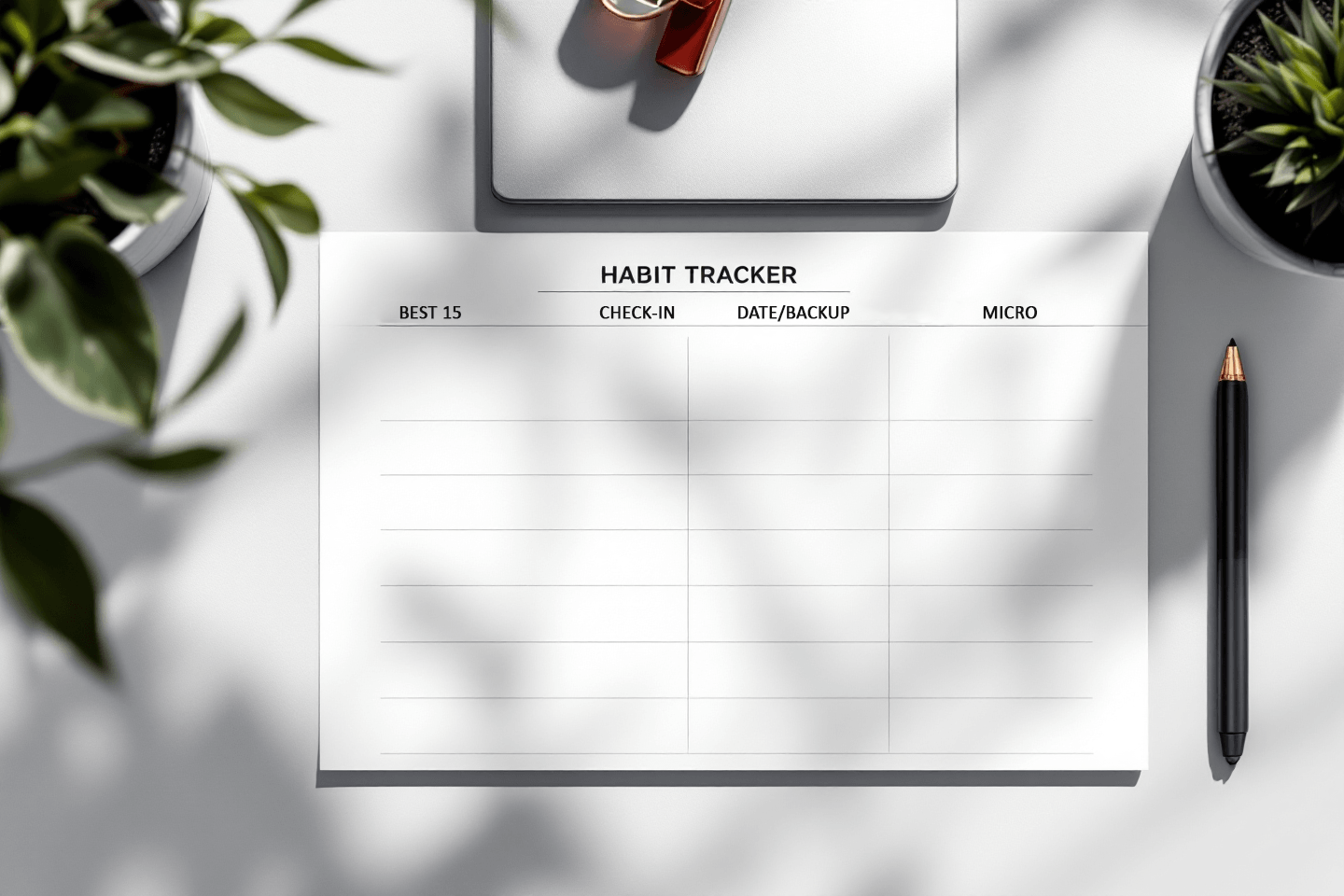 A gentle, four-week plan to get your best minutes where they matter.
Week 1 – Audit & Anchor
- Do the 7-minute energy audit.
- Choose one anchor time for your best 15 (after kid bedtime, lunch lull, or morning coffee).
- Install the 10–10–10 rule one night this week.
Week 2 – Protect With Minimums
- Schedule one weekly date (add two backups you like).
- Add a 10-minute check-in (calendar, money, mood, gratitude, next steps).
- Decide one act of service each this week. Learn the minimums in Raise the Floor, Not Just the Ceiling.
Week 3 – Build Slack
- Add buffers around the date (2.5-hour window, 30-minute sitter overage).
- Prep a home date kit and a celebration drawer.
- Normalize Plan B with the sentence, “Same promise, different path.” Playbook here: Build Buffers, Not Excuses.
Week 4 – Tune & Celebrate
- In your check-in, rate: energy fit (1–5), ease (1–5), afterglow (1–5).
- Keep one change that scored 4–5; make one snag 1 point easier.
- Snap a “kept promise” photo for your private album.
By day 30, you’ll feel less hostage to the day’s mood. That’s the quiet proof that Tired Isn’t a Personality-it’s manageable when you design for it.
Metrics That Encourage (Not Shame)
Track just a few signals in your 10-minute check-in:
- Best-15 kept (days you spent your best 15 together). Aim for 4–5/week.
- Date attempts kept (out of 4): 3/4 is success.
- Plan-B activations: Early on, higher is normal; trend down with buffers.
- Repair speed: Minutes from tension to a micro-repair.
- Evening energy rating: 1–5 each; use to choose the right date version.
If the numbers dip, don’t scold; adjust the design. Move the time, lighten the version, add buffer, or drop a task that’s draining you both.
When Fatigue Is Chronic-Make Gentle Agreements
For seasons of medical, postpartum, or chronic stress:
- Shrink the plan: 20-minute dates count; asynchronous check-ins (voice notes) work.
- Share the load: Name “hidden tasks” in your check-in and reassign one each week.
- Name the pace: “For this month, the goal is warmth, not wow.”
- Keep prayer or gratitude tiny: One sentence each night.
You’re not lowering love; you’re right-sizing it to real life.
If You’re the Skeptic-Test, Don’t Debate
Not sure this matters- Run two tiny trials:
- Trial 1 (14 days): Phones in a bowl for the first 15 minutes after bedtime, twice a week.
- Trial 2 (14 days): Two-song slow dance + one appreciation before Netflix.
Grade ease and afterglow at your check-in. Keep what works. This “proof first” approach is the heart of From Complaints to Commitments.
Tired Isn’t a Personality-It’s a Design Problem You Can Solve
 In the end, this isn’t about squeezing more from yourself. It’s about gently re-allocating what you already have so your spouse gets the best of you more often than the rest of the world does. One micro-connection, one weekly window, one buffer, one pivot. That’s enough to shift the tone of a household.
If you want a simple next step, send the two-question text at 3 PM (“Energy 1–5- What would help tonight-”), then open your calendar and lock a 90-minute date with two backups. To keep that rhythm steady, use the practical template inside Weekly Date Night Works Because Life Won’t. And for five-minute wins that fit any day, keep Micro-Connections close.


Keep Reading

100% Responsibility Doesn’t Mean 100% Blame: A Healthier Way to Show Up After Conflict
Taking responsibility in marriage doesn’t mean taking the fall for everything. It means owning your contribution - your…

“They Don’t Appreciate Me”: Loving Well When You Feel Invisible
Few things sting like pouring yourself out and feeling like your spouse barely notices. You cook, you clean,…

“I’m Tired” and Other Reasons That Quietly Kill Connection
Of course you’re tired. Life is full. Work is demanding. The kids need rides, homework help, snacks, emotional…