
What Your Marriage Is Teaching Your Children About Love
In This Article
- Children Learn Love by Watching, Not by Listening
- What Your Marriage Teaches When Love Feels Conditional
- What Children Learn When Marriage Uses Control Instead of Care
- Emotional Safety in Marriage Creates Emotional Security in Children
- What Children Learn When Parents Proof Hunt Instead of Repair
- Children Learn More From Repair Than From Perfection
- Courtesy Between Parents Teaches Children What Respect Feels Like
- Your Marriage Is Teaching Your Children How Power Works
- How Your Marriage Shapes Your Children’s Future Relationships
- How to Change What Your Marriage Is Teaching Without Being Perfect
- Model Respectful Tone, Even When Upset
- Name Repair Out Loud
- End Withdrawal as Punishment
- Practice Daily Courtesy
- Choose Care Over Control
- What to Say to Children After Conflict
- Conclusion: Your Marriage Is Writing Their First Love Story
Children don’t learn what love is from a single conversation.
They learn it from an environment.
They learn it from tone more than words. From patterns more than promises. From what happens after conflict more than what happens before it. From what is repaired, what is ignored, and what is repeated.
Long before your children ever date, marry, or build relationships of their own, they are already being trained.
 They are being trained by your marriage.
Not in a dramatic, obvious way. But in quiet, daily, formative ways that shape how their nervous system understands connection, safety, trust, and intimacy.
This is why your marriage is not just a private relationship between two adults. It is the emotional classroom your children live in every day.
And whether you realize it or not, your marriage is teaching them something about love.
The question is not whether they are learning. The question is what they are learning.
Ready to identify your next best step?
The United Front Audit gives you a personalized picture of what needs work - and a clear path forward as a couple.
Take the Audit - It's Free →Children Learn Love by Watching, Not by Listening
 Most parents care deeply about what they say to their children.
They want to teach values. They want to give good advice. They want to model respect. They want to guide wisely.
But children don’t primarily learn love from lectures.
They learn it from observation.
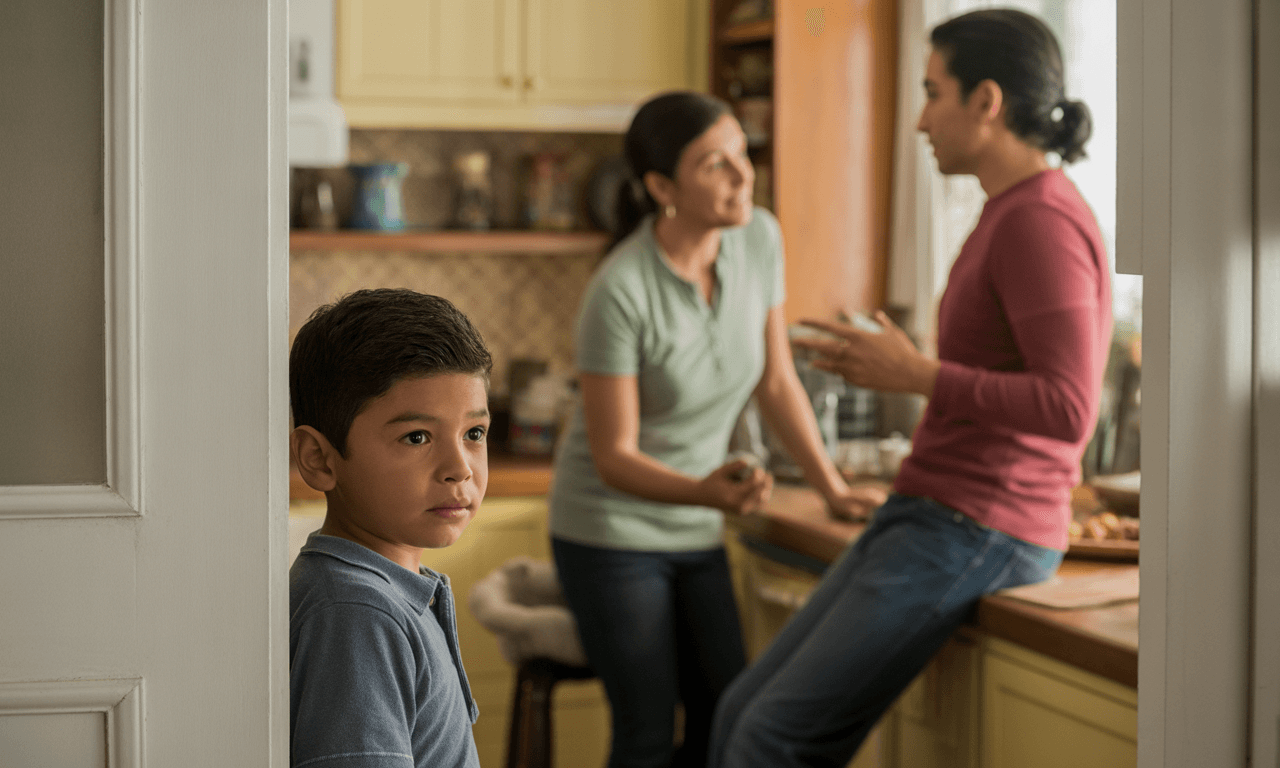
They watch how you speak to each other when you are tired. They watch how you respond when plans fall apart. They watch how you handle disagreement. They watch how you repair after harsh words. They watch how affection is given or withheld. They watch how safe it feels to make a mistake.
And they absorb those moments as truth.
They don’t think, “This is my parents’ conflict style.” They think, “This is what relationships are like.”
That belief settles deep. It becomes familiar. And familiarity often becomes destiny.
What Your Marriage Teaches When Love Feels Conditional
 When a marriage becomes transactional, children notice.
They may not know the word transactional, but they feel it.
They feel when affection depends on behavior. They feel when kindness is earned. They feel when warmth disappears after conflict. They feel when silence becomes punishment. They feel when love feels fragile.
In transactional marriages, children learn subtle lessons:
Love must be earned. Mistakes cost connection. Conflict is dangerous. Safety depends on performance. People withdraw when they are disappointed.
Some children respond by becoming people-pleasers, constantly scanning for approval. Others respond by pulling away emotionally, deciding that closeness is too costly.
Neither response is a failure of the child. It is an adaptation to the environment.
If transactional patterns have crept into your marriage, it often happened quietly, under stress, without intention. The post “When Love Becomes a Transaction: How Marriage Turns Cold Without You Noticing” explains how easily this happens and why it matters so much.
What Children Learn When Marriage Uses Control Instead of Care
 Control in marriage often comes from fear.
Fear of being unheard. Fear of losing influence. Fear of repeating pain. Fear of chaos.
But when control becomes the dominant way parents interact, children internalize powerful lessons.
They learn: Power matters more than understanding. Silence is safer than honesty. Strong emotions lead to punishment. Authority wins, not connection. Love can be withdrawn.
Children raised in controlling relational environments often become hyper-aware of emotional shifts. They learn to read moods. They learn to manage tension. They learn to stay small or stay guarded.
Others grow up modeling what they see, using control in their own relationships because it feels familiar.
If control shows up in your marriage through silence, pressure, urgency, withholding, or emotional withdrawal, those patterns are not just affecting your spouse. They are shaping how your children understand relationships.
The post “Control Levers in Marriage: The Hidden Ways We Manipulate Instead of Connect” explores these behaviors in depth and why they damage emotional safety.
Emotional Safety in Marriage Creates Emotional Security in Children
 Emotional safety is the sense that you can be human without being punished.
When children grow up in a home where emotional safety exists between parents, they feel it even if they cannot articulate it.
They feel: The house is stable. Conflict does not mean abandonment. Love does not disappear when things get hard. Repair is possible. Feelings are allowed.
Emotional safety between parents becomes emotional security for children.
They relax. They regulate more easily. They explore more freely. They trust more deeply.
This is why protecting the marriage relationship itself matters so much.
When parents protect emotional safety in their marriage, they are not just investing in their relationship. They are shaping the emotional climate their children live inside.
The foundation of this idea is explained deeply in “Protect the Goose: How to Put Your Marriage Before the Benefits It Produces,” which shows why relationship preservation comes before outcomes.
What Children Learn When Parents Proof Hunt Instead of Repair
 Proof hunting happens when parents stop listening to understand and start listening to confirm.
Every mistake becomes evidence. Every disagreement becomes a case. Every conversation becomes a trial.
Children who grow up in this environment learn:
Being wrong is unsafe. Admitting mistakes is dangerous. Honesty leads to shame. Defense is necessary. Love is fragile under scrutiny.
They may become secretive. They may avoid accountability. They may struggle to apologize. They may fear conflict deeply.
Not because they are dishonest, but because they learned that mistakes cost connection.
If proof hunting has become part of your marriage dynamic, it doesn’t just affect intimacy between spouses. It shapes how children relate to truth, responsibility, and vulnerability.
The post “Proof Hunting: Why Looking for Evidence You’re Right Is Poisoning Your Marriage” explains why this habit is so damaging and how to replace it with curiosity and repair.
Children Learn More From Repair Than From Perfection
 Many parents believe the goal is a conflict-free home.
It is not.
The goal is a repair-filled home.
Children do not need parents who never disagree. They need parents who know how to come back together.
Repair teaches children:
Conflict does not destroy love. Apologies are possible. People can change. Humility is strength. Relationships can heal.
When children see parents say, “I’m sorry,” they learn accountability. When they see parents restart conversations, they learn resilience. When they see parents soften tone, they learn emotional regulation.
Repair builds hope.
It tells children that relationships are workable, not disposable.
Repair is also a central part of emotional leadership in marriage. Emotional leadership means choosing connection over pride and repair over ego, without absorbing all the blame.
The post “Emotional Leadership in Marriage: Caring First Without Becoming a Doormat” explores how this leadership looks in real life.
Discover what's fueling tension in your marriage
It's rarely just one thing. The United Front Audit maps the pressure points so you know exactly where to focus.
See Your Results →Courtesy Between Parents Teaches Children What Respect Feels Like
 Courtesy is not fluff.
Courtesy is structure.
When children see parents speak with basic respect, even during stress, they learn:
Respect is normal. Tone matters. Kindness does not disappear under pressure. Love has manners.
Small courtesies teach powerful lessons:
A warm greeting. A gentle tone. A thank you. A respectful request. A soft touch.
These moments may feel insignificant to adults, but they create emotional safety for children.
When courtesy disappears, children feel it as tension.
If kindness has faded in your marriage because life is busy or conflict has become chronic, that does not mean love is gone. It means structure has weakened.
The post “Kindness Is Not Weakness: Why Courtesy Is a Marriage Skill, Not a Personality Trait” explains why courtesy is one of the strongest stabilizers in both marriage and family life.
Your Marriage Is Teaching Your Children How Power Works
 Children are always learning about power.
Who has it. How it is used. What happens when someone disagrees. Who gets heard. Who gets dismissed.
If power in marriage looks like control, dominance, or punishment, children learn that power is something to fear or wield.
If power in marriage looks like responsibility, restraint, and care, children learn that strength can be safe.
Replacing control with care does not make parents weak. It models maturity.
Care says: We can address issues without harming each other. We can set boundaries without cruelty. We can protect connection while holding truth.
The post “Replacing Control With Care: The Shift That Restores Safety and Trust” explores why this shift is so transformative for both marriages and families.
How Your Marriage Shapes Your Children’s Future Relationships
The patterns your children see at home often become their default expectations later.
They may not consciously choose them, but they recognize them as familiar.
Children raised in emotionally safe marriages often grow into adults who: Communicate openly. Repair quickly. Set healthy boundaries. Value mutual respect. Trust that love can handle conflict.
Children raised in emotionally unsafe marriages often struggle with: Avoidance or anxiety. Fear of conflict. Difficulty trusting. Harsh self-criticism. Repetition of familiar but unhealthy patterns.
This is not destiny, but it is influence.
And influence matters.
The good news is that change in the present reshapes the future. Children are incredibly adaptive when the environment shifts.
How to Change What Your Marriage Is Teaching Without Being Perfect
Many parents feel guilt when they read something like this.
They think: We’ve already messed up. They’ve already seen too much. It’s too late.
It is not too late.
Children benefit more from visible growth than from a flawless past.
Here are practical ways to shift what your marriage is teaching starting now.
Model Respectful Tone, Even When Upset
You do not need to suppress emotion. You do need to protect tone.
Say: I’m upset, but I want to speak respectfully. I need a moment to calm down. Let me restart that.
This teaches emotional regulation.
Name Repair Out Loud
Let children hear you repair.
Say: I didn’t like how I spoke earlier. I’m sorry. We had a disagreement, but we’re okay. We’re working through it together.
This reassures them.
Not sure what's really going wrong?
The United Front Audit helps you pinpoint exactly where your marriage unity is breaking down - in just 3 minutes.
Take the Free Audit →End Withdrawal as Punishment
If you need space, explain it.
Say: I need a break to calm down. I’ll be back.
This teaches that space is for regulation, not abandonment.
Practice Daily Courtesy
Courtesy stabilizes the home.
Warm greetings. Thank yous. Gentle touches. Respectful requests.
These moments rebuild warmth.
Choose Care Over Control
Ask: What protects our relationship right now- What keeps this home safe-
This single question can shift the environment dramatically.
What to Say to Children After Conflict
Children often don’t need details. They need reassurance.
Say: Mom and Dad disagreed, but we love each other. We’re learning how to handle hard moments better. It’s okay to have big feelings. It’s not okay to hurt each other. Our relationship is safe.
These statements protect their nervous system.
Conclusion: Your Marriage Is Writing Their First Love Story
Your children are learning love at home.
They are learning what safety feels like. They are learning how conflict works. They are learning whether mistakes cost connection. They are learning whether repair is possible. They are learning what strength looks like.
When you protect your marriage, you protect your children’s emotional world.
When you replace control with care, you teach safety. When you practice repair, you teach resilience. When you show courtesy, you teach respect. When you lead emotionally, you teach courage.
Your marriage is teaching your children about love.
And the lessons you model today shape the relationships they build tomorrow.


Keep Reading

Raising Kids With Purpose, Not Pressure: Choosing What’s Right Over What’s Trendy
Introduction Here’s the truth: Trends fade. Your child’s future doesn’t. Parenting with purpose means zooming out. It’s choosing…

You’re Not a Villain for Protecting Your Kids
Introduction If you’ve ever walked away from a family gathering with a lump in your throat, wondering whether…

Boundaries Are Love: Saying No to Overbearing Grandparents and Relatives
Introduction You love your family. You’re grateful for their support, their love for your kids, and their willingness…