Tag: communication tools

  • Compatibility Is Not a Feeling: How Shared Skills Beat “We’re Not Compatible”

    Compatibility Is Not a Feeling: How Shared Skills Beat “We’re Not Compatible”

    “We’re not compatible.”

    It’s one of the most common sentences people say when marriage feels hard-and one of the most dangerous, because it sounds final. It sounds like a diagnosis. Like a stamp. Like proof that the struggle means the relationship was a mistake.

    But most of the time, “we’re not compatible” is just a fancy way of saying something else:

    “We don’t know how to handle conflict without hurting each other.”
    “We don’t know how to stay connected when life gets busy.”
    “We don’t know how to repair after disappointment.”
    “We don’t have shared skills for stress, communication, and closeness.”

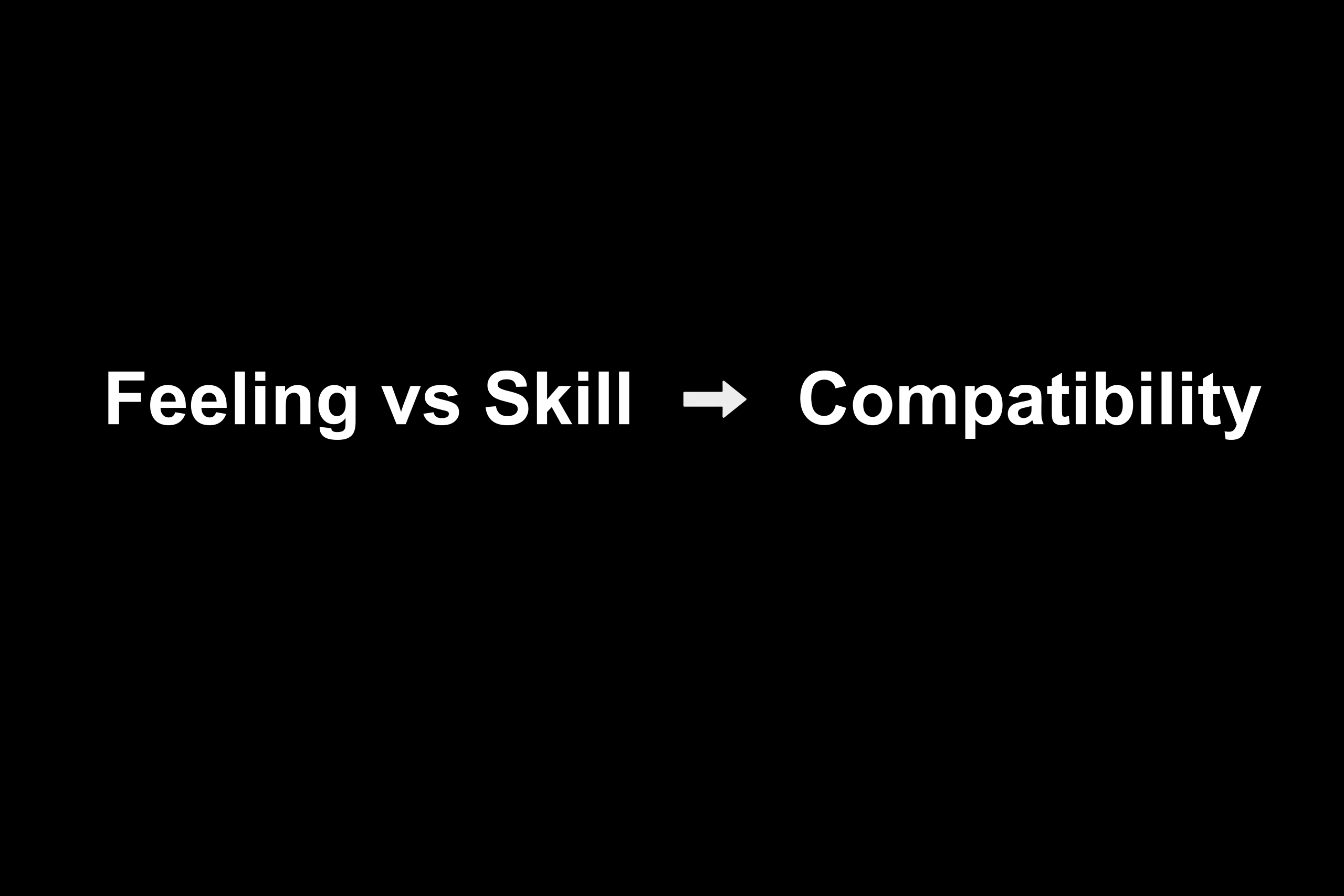
    Compatibility is not a feeling-building shared skills through teamwork in marriage.

    In other words, the issue isn’t always compatibility as a feeling. The issue is compatibility as a skill set-and skills can be learned.

    Compatibility isn’t only something you find. In a healthy marriage, a lot of it is something you form. This post challenges the quick label and replaces it with a more hopeful question:

    What skill are we missing-and what would it look like to practice it together-


    Compatibility Is Not a Feeling: Why “We’re Not Compatible” Feels So Convincing
    Compatibility is not a feeling-shared skills create the experience of compatibility in marriage.“We’re not compatible” often comes after a series of moments that feel discouraging:

    • you argue about the same thing again
    • you can’t get on the same page about money, parenting, or intimacy
    • your spouse reacts in a way that feels foreign to you
    • your stress levels don’t match
    • one of you wants to talk and one of you shuts down
    • you feel unseen or misunderstood

    Eventually, your brain looks for an explanation that makes the pain make sense. A label feels comforting because it reduces uncertainty. It gives your mind a clean reason:

    “Oh… we’re just not compatible.”

    But what if the real reason is simpler (and more hopeful)-

    What if you’re not incompatible-you’re just untrained in the same set of marriage skills-

    In sports, two talented players can lose if they don’t run the same plays. In business, two smart partners can fail if they don’t have shared systems. In marriage, two good people can feel “incompatible” if they don’t have shared skills for:

    • conflict
    • stress
    • emotional connection
    • repair
    • communication
    • expectations

    This is why compatibility is not a feeling. Feelings are real, but they’re not always accurate predictors of what’s possible.

    Skills are learnable. Skills create stability. Skills create the experience that people call “compatibility.”


    The Compatibility Myth: Chemistry Without Skills Can Still Collapse

    Compatibility is not a feeling-marriage skills are trained like muscles through practice together.A lot of couples start with chemistry. Attraction. Similar values. Shared faith. A sense of “We just click.”

    Then real life arrives:

    • kids
    • finances
    • career pressure
    • health issues
    • grief
    • stress
    • exhaustion
    • differences that weren’t obvious early on

    And suddenly the relationship doesn’t feel effortless anymore.

    Some couples interpret that as incompatibility: “If we were compatible, it would be easier.”

    But that’s the myth: that compatibility means it’s always smooth.

    The truth is: compatibility isn’t proven when life is easy. Compatibility is formed when life is hard-and you learn how to face it together.

    This is builder thinking. And it connects directly to the cornerstone framework at https://blog.liveyourbestmarriage.com/agency/victim-or-builder because “victim posture” says, “This is happening to us; we can’t do anything,” while builder posture says, “We can learn what we’re missing and practice it.”


    Compatibility Is Not a Feeling: The Better Question to Ask

    Compatibility is not a feeling-asking what skill is missing to build a stronger marriage.Instead of asking: “Are we compatible-”

    Ask: “What skill are we missing-”

    That question changes everything, because it turns a verdict into a plan.

    Here are examples:

    “We’re not compatible because we fight a lot.”
    → Missing skill: conflict de-escalation + repair

    “We’re not compatible because we never feel close.”
    → Missing skill: daily connection rituals + emotional bids

    “We’re not compatible because we’re different with money.”
    → Missing skill: shared budgeting system + values conversations

    “We’re not compatible because they shut down.”
    → Missing skill: safe communication structure + pacing

    “We’re not compatible because I feel like I do everything.”
    → Missing skill: clear agreements + follow-through + appreciation

    Compatibility isn’t just “Do we like the same things-”
    It’s “Can we handle life in a way that protects love-”

    That’s why compatibility is not a feeling. It’s a formed pattern.


    The 5 Shared Skills That Create Compatibility in Real Marriages


    If you want practical clarity, start here. Most “compatibility problems” are skill problems in one (or more) of these five categories:

    1) Conflict Skill: How we disagree without damaging trust

    This includes:

    • lowering tone
    • staying on one topic
    • not using absolutes (“always/never”)
    • taking breaks with a return plan
    • listening to understand

    Couples who lack conflict skill don’t feel compatible because every disagreement becomes a threat.

    2) Connection Skill: How we stay close in normal life

    This includes:

    • daily check-ins
    • affection that isn’t transactional
    • shared laughter
    • intentional time
    • noticing bids for attention

    Without connection skill, you start living like roommates.

    3) Repair Skill: How we reset after a hard moment

    This includes:

    • apologizing without blaming
    • naming impact
    • reconnecting quickly
    • making a new plan for next time

    Without repair, old pain becomes “evidence.”

    4) Stress Skill: How we handle pressure without taking it out on each other

    This includes:

    • naming stress honestly
    • asking for support
    • adjusting expectations
    • building calming routines

    Without stress skill, seasons feel like incompatibility.

    5) Meaning Skill: How we interpret each other fairly

    This includes:

    • questioning assumptions
    • giving the benefit of the doubt
    • staying curious
    • not turning one moment into identity

    Without meaning skill, you react to stories instead of reality.

    You don’t need perfection in all five areas to feel compatible. You need growth and shared practice.

    Image suggestion: A simple “5 Skills of Compatibility” graphic.
    SEO alt text: “Compatibility is not a feeling-five shared marriage skills that create lasting connection and teamwork.”


    Compatibility Is Not a Feeling: How Marriage Identity Shapes What You Practice

    Marriage identity and compatibility-building shared skills by naming who you want to become together.Every marriage has an identity, even if you’ve never named it.

    Some couples unconsciously adopt an identity like:

    • “We’re just not a match.”
    • “We’re always fighting.”
    • “We can’t get it right.”
    • “We’re too different.”

    But identity is powerful. What you believe about “who we are” shapes what you attempt.

    A more helpful marriage identity sounds like:

    • “We’re learners.”
    • “We’re builders.”
    • “We don’t quit-we adjust.”
    • “We practice skills.”
    • “We can grow through hard seasons.”

    If your marriage identity is “incompatible,” you stop practicing.
    If your marriage identity is “we’re growing,” you keep learning.

    That’s why it’s so important to connect this topic to your Marriage Identity post. You can interlink it naturally like this: “If you want to shift the story your marriage is living in, the Marriage Identity framework at https://blog.liveyourbestmarriage.com/identity/marriage-identity helps you replace labels with a shared vision of who you’re becoming.”

    Compatibility is not a feeling-because identity and practice create the feelings over time.


    The “We’re Not Compatible” Label Often Hides One of These 3 Real Issues

    Compatibility is not a feeling-‘not compatible’ often hides expectations, skill gaps, and emotional safety issuesLet’s get specific. In many marriages, incompatibility language covers up a deeper pattern.

    1) Unspoken expectations

    One spouse expects:

    • initiative
    • affection
    • spiritual leadership
    • more help
    • more conversation
    • more responsibility

    But it’s never clearly requested. Then resentment grows.

    That’s not incompatibility. That’s unclear agreements.

    (If this is common in your relationship, it pairs perfectly with the clarity tools in https://blog.liveyourbestmarriage.com/agency/assumptions-to-requests because requests prevent assumptions from turning into “proof.”)

    2) Skill mismatch, not value mismatch

    You may share values (faith, family, commitment), but you don’t share skills (repair, conflict, connection).

    That’s trainable.

    3) Emotional safety issues

    If one partner feels criticized, mocked, or dismissed, they will pull away. Then the other partner feels rejected and pushes harder. The cycle repeats.

    That’s not incompatibility. That’s a safety breakdown.


    Compatibility Is Not a Feeling: Repair Over Replay Builds Real Trust

    Repair over replay in marriage-building compatibility through quick repair and emotional safety.When couples feel incompatible, they often replay the same fights:

    • same trigger
    • same tone
    • same shutdown
    • same defensiveness
    • same unresolved ending

    That replay creates a sense of doom: “We always end up here.”

    But the way out isn’t a new spouse. It’s a new skill:

    Repair over replay.

    That means you stop letting conflict become a loop and start training repair as your normal response.

    Repair looks like:

    • “I don’t like how I said that. Let me try again.”
    • “I got defensive. You didn’t deserve that.”
    • “I want to understand. Can you say it slower-”
    • “Can we reset and come back calmer-”

    This is why compatibility is not a feeling. Repair creates safety. Safety creates closeness. Closeness creates the felt sense of compatibility.

    If you have a dedicated post on this concept, interlink it naturally here: “If your marriage keeps replaying the same conflict script, the Repair Over Replay framework at https://blog.liveyourbestmarriage.com/conflict/repair-over-replay gives you a practical way to stop the loop and rebuild trust.”


    The Skill-Builder’s Toolkit: What to Practice When You Feel “Incompatible”

    Compatibility is not a feeling-practicing daily connection and repair habits as shared skills.Let’s turn this into a plan.

    If you’ve been saying “compatibility is not a feeling” (or you want it to become true in your own marriage), here are skill practices that work.

    Practice 1: The One-Topic Rule

    When conflict starts, choose one topic and stay there. Say: “Can we stay on the schedule issue first, then talk about the tone after-”

    This prevents overwhelm and spirals.

    Practice 2: The 10-Minute Connection Ritual

    Every day, set a timer for 10 minutes. Ask two questions:

    • “How are you really-”
    • “What’s one thing you need from me today-”

    This builds emotional compatibility.

    Practice 3: The Clean Request Switch

    Replace: “You never help.” With: “Could you do bedtime tonight and tomorrow- It would help me breathe.”

    Skills beat complaints.

    Practice 4: The Fast Repair Habit

    Within 24 hours, repair the moment. “I regret how I said that. I want to do better.”

    Compatibility grows when repair becomes normal.

    Practice 5: The Weekly Review

    Once a week ask:

    • “What worked this week-”
    • “What didn’t-”
    • “What’s one thing we want to practice next week-”

    This is how couples form shared rhythm.


    Compatibility Is Not a Feeling When Stress Exposes Differences

    Some couples feel compatible when life is calm, but “incompatible” when stress hits.

    That’s not a sign you married wrong. It’s a sign stress is revealing your default coping styles.

    Common coping style differences:

    • one talks, one withdraws
    • one wants solutions, one wants empathy
    • one needs space, one needs closeness
    • one moves fast, one processes slow
    • one gets energized by planning, one gets overwhelmed by planning

    These differences don’t mean you’re incompatible.

    They mean you need a shared stress skill: “How do we handle pressure as a team-”

    Try this script: “When stress hits, I tend to ______. You tend to ______. What would help us stay connected during that-”

    Then agree on one simple plan:

    • a daily check-in
    • a code word for “I’m overwhelmed”
    • a scheduled talk time
    • a permission slip to pause and return
    • an agreement not to problem-solve late at night

    Compatibility is not a feeling. It’s a shared plan.

    Image suggestion: A photo of a couple looking at a calendar together, calm and collaborative (no “busy calendar” vibe-just planning).
    SEO alt text: “Shared stress skills in marriage-compatibility is not a feeling when couples plan teamwork during hard seasons.”

    What If We Really Are Different- Yes. And Skills Still Matter.

    Some couples are genuinely different:

    • different backgrounds
    • different personalities
    • different emotional wiring
    • different communication styles
    • different interests

    But difference is not the enemy of compatibility.

    Unskilled difference is.

    A skilled couple can be very different and deeply connected. An unskilled couple can be very similar and still miserable.

    That’s why compatibility is not a feeling. It’s the ability to honor difference without treating it like a threat.

    Builder posture says: “We’re different-and we can build bridges.”

    Victim posture says: “We’re different-so we’re doomed.”

    If you want the cornerstone lens that keeps you out of doom-thinking, revisit https://blog.liveyourbestmarriage.com/agency/victim-or-builder because it trains you to respond to reality with agency instead of conclusions.

    Image suggestion: A photo of two different colored ropes woven together.
    SEO alt text: “Compatibility is not a feeling-building connection by weaving differences into teamwork through shared skills.”

    A 14-Day Compatibility Skills Challenge (Simple and Real)

    If you want momentum, try a short challenge. Not to “fix everything,” but to prove something important:

    Skills create change.

    Day 1–3: Clean requests
    Each day, make one clear request instead of a complaint.

    Day 4–6: Connection ritual
    Do 10 minutes of face-to-face time daily.

    Day 7–9: Fast repair
    Repair one moment within 24 hours. No excuses.

    Day 10–12: Stress check-ins
    Ask: “What pressure are you carrying today-”

    Day 13–14: Weekly review
    “What worked- What do we practice next-”

    This will feel small. But small is how you build. And building is how compatibility becomes real.

    Image suggestion: A clean “14-day challenge” checklist graphic.
    SEO alt text: “Compatibility is not a feeling-14-day shared skills challenge for conflict, connection, and repair.”

    The Hopeful Bottom Line: Compatibility Can Be Formed

    If you’ve been discouraged, here’s the hopeful truth:

    Many couples aren’t incompatible. They’re just under-skilled in the areas life is currently testing.

    You don’t need a perfect spouse to build a strong marriage. You need shared skills and a shared commitment to practice them.

    So the next time the thought shows up-“We’re not compatible”-pause and ask the builder question:

    What skill are we missing-and what would it look like to practice it together-

    That question turns despair into direction.

    And direction is where marriages start winning again.

    Image suggestion: A photo of a couple walking forward on a path, side-by-side.
    SEO alt text: “Compatibility is not a feeling-forming compatibility by practicing shared skills and moving forward together.”

  • Momentum Killers: Stopping Conflict Before It Snowballs

    Momentum Killers: Stopping Conflict Before It Snowballs

    Once you start down the road of frustration, it’s easy to keep going. But what if you could install speed bumps-emotional “pause points” that keep things from spiraling- This post reveals the signs that your marriage momentum is shifting-and how to stop it before it slides into disconnection.


    Understanding Emotional Momentum in Marriage

    Visual metaphor of a snowball representing building conflict in a marriage.Emotional momentum is real. One tone, one look, one sarcastic remark-and suddenly, your whole evening has shifted. What started as a small annoyance becomes a full-blown argument. This chain reaction doesn’t happen by accident. It happens because the emotional momentum in your marriage shifted-and neither of you knew how to stop it.

    Just like physical momentum makes a rolling ball hard to stop, emotional momentum builds quickly and feeds itself. That’s why stopping conflict before it snowballs isn’t just helpful-it’s essential for preserving peace, connection, and intimacy.


    How to Spot the Early Signs of Momentum Shifts

    Early signs of emotional disconnect in marriage caused by unchecked conflict momentum.The earlier you spot a shift in emotional momentum, the easier it is to redirect. Here are common signs your marriage is heading into negative territory:

    • Passive aggression replaces kindness.
    • Conversations grow shorter and colder.
    • You assume the worst about your spouse’s intentions.
    • You start rehearsing past arguments mentally.
    • You stop making eye contact or using affectionate language.

    These signs don’t always feel urgent, but they are powerful indicators that your connection is drifting. Recognizing them early lets you intervene before frustration becomes full-blown conflict.


    Momentum Killers That Prevent Escalation

    Emotional momentum killer concept-choosing to pause instead of reacting during conflict.Momentum killers are tools or habits that interrupt a spiraling pattern before it takes over. Think of them as emotional speed bumps-simple actions that slow things down just long enough for you to regain control.

    Some powerful momentum killers include:

    • The One-Minute Rule: Pause for 60 seconds before responding when tension starts rising.
    • Name the Shift: Say aloud, “I feel like we’re heading in the wrong direction-can we stop for a second-”
    • Switch the Environment: Suggest stepping outside, moving rooms, or taking a walk together.
    • Ask Instead of Assume: Say, “Can I clarify what I heard you say-” before jumping to conclusions.
    • Offer Reconnection: Use physical touch like a hand on their shoulder or simply say, “I want to stay connected.”

    These aren’t dramatic moves. That’s the point. They’re small enough to feel doable-even in the heat of the moment-but powerful enough to redirect the emotional tone.


    Why Emotional Momentum Matters More Than Who’s Right

    A spouse focusing on being right rather than staying connected during conflict.In a marriage, being right isn’t the ultimate goal-staying connected is. When you’re in the middle of an argument, your emotional momentum will often push you toward proving your point rather than preserving the relationship.

    Here’s why momentum matters more:

    • It sets the tone for the rest of the interaction.
    • It determines whether your spouse feels heard or attacked.
    • It either builds emotional safety or shatters it.

    Even if you’re right factually, emotionally you’re losing if you’re building resentment or isolation. Stopping the conflict before it snowballs means choosing the relationship over your ego.


    The Danger of Letting Frustration Grow Unchecked

    Symbol of the danger in letting unresolved conflict grow too long in a relationship.Every unresolved frustration adds a layer to your emotional wall. Over time, those layers become harder to break through. If you don’t install momentum killers, the slope gets slippery fast.

    Letting frustration snowball can result in:

    • Frequent misunderstandings.
    • Decreased emotional intimacy.
    • Avoidance of important conversations.
    • Passive-aggressive behaviors.
    • Eventual emotional numbness.

    Many marriages don’t end because of one explosive fight-they dissolve under the weight of accumulated micro-conflicts that were never stopped or healed. It’s not the snowball-it’s the avalanche it creates.


    Momentum Killers Start with Awareness

    Self-awareness is a key to stopping negative momentum in marriage conflict.You can’t interrupt a pattern you don’t see forming. So step one in stopping conflict before it snowballs is becoming hyper-aware of your own internal signals.

    Pay attention to:

    • Your body. Are your shoulders tight- Is your breathing shallow-
    • Your tone. Has it shifted from curious to critical-
    • Your thoughts. Are you cycling through past offenses-
    • Your heart. Are you still hoping for connection or aiming to hurt-

    Self-awareness doesn’t make you weak-it makes you powerful. It gives you the upper hand against conflict because it allows you to redirect yourself before your emotions control the moment.


    Using Momentum Killers During Arguments

    Mid-conflict moment of connection using emotional tools to pause and reconnect.When you’re already in an argument, it may feel like it’s too late to reverse course. But momentum killers can be used even mid-conflict to slow the descent and bring you both back to connection.

    Try these:

    • Call a time-out. “I need 5 minutes to calm down so I don’t say something I regret.”
    • Name your own emotion. “I’m feeling really defensive right now and I don’t want that to guide this conversation.”
    • Validate before continuing. “I hear that you’re upset. Let’s figure this out together.”
    • Interrupt the pattern. Sit down if you’re standing. Lower your voice if it’s rising. Switch to humor or vulnerability.

    These responses aren’t always natural-but with practice, they become powerful tools that can bring emotional stability back when conflict threatens to spiral.


    What Happens When You Don’t Install Momentum Killers

    The cost of not addressing growing conflict and emotional disconnect in marriage.Without intentional tools to redirect conflict, many couples slide into unhelpful relational cycles that become hard to break:

    • Criticism → Defensiveness → Withdrawal → Resentment.
    • Assumption → Reaction → Mistrust → Silence.

    Over time, these cycles become normal-and they can destroy the sense of safety and intimacy in the marriage. You stop fighting for each other and start just fighting each other.

    That’s why momentum killers matter. They don’t just prevent blowups-they preserve connection. They give your marriage a chance to thrive rather than just survive.


    Creating a Culture of Pause Points in Your Marriage

    Creating intentional pause points through emotional check-ins in marriage.One of the most effective ways to stop conflict before it snowballs is to proactively create a culture of emotional “pause points” in your relationship. These are agreed-upon practices that both spouses commit to, so that redirection feels like teamwork-not control.

    Some ideas:

    • Establish a pause phrase. Something like “Let’s reset” or “This matters too much to ruin it right now.”
    • Plan regular emotional check-ins. Weekly or bi-weekly times to talk about how you’re doing, outside of conflict.
    • Celebrate when momentum killers work. “I’m so glad we paused earlier. That really helped me feel safe.”
    • Commit to grace, not perfection. The goal isn’t to never mess up-it’s to repair quickly.

    By normalizing these practices, you build a marriage that naturally resists snowballing into disconnection.


    Final Thoughts: Connection Is Always Worth the Pause

    Married couple reconnecting emotionally after using momentum killers to prevent escalation.In marriage, conflict is inevitable-but escalation is not. If you’re willing to be intentional, you can stop emotional momentum before it takes over. You can preserve your peace without silencing your voice. You can prioritize love over being right.

    And it doesn’t take massive change. It just takes a series of small, faithful steps.

    A deep breath.
    A gentle word.
    A pause when everything in you wants to push forward.

    These are the momentum killers that protect your marriage.

    Because what you’re building together is worth protecting.

  • Why Your Arguments Keep Repeating-and What You’re Really Committed To

    Why Your Arguments Keep Repeating-and What You’re Really Committed To

    Introduction

    Repeating arguments in marriage causing emotional distance.Every couple fights. But when the same arguments keep happening-over the same topics, with the same outcomes-it’s not just a disagreement. It’s a pattern. And patterns don’t form out of nowhere. They form around commitments-many of which we’re not even aware we’ve made.

    If your conversations keep escalating into shouting matches, silent treatments, or cold wars, it’s time to ask yourself: What am I really committed to in these moments- Is it peace-or power- Connection-or control- Am I trying to be heard-or trying to win-

    In this post, we’ll unpack the real reason arguments keep repeating in marriage and how to uncover the hidden loyalties that keep you stuck. More importantly, we’ll explore how to shift your commitment-from being right to building peace, from blaming to healing, and from fear to intimacy.


    Repeating Arguments Are Signals, Not Just Symptoms

    Repeated conflicts in marriage over surface-level issues with deeper emotional roots.When you and your spouse fight about the same things-again and again-it can feel maddening. You start to wonder: Why can’t we get past this- But those recurring arguments aren’t just surface-level problems. They’re signals.

    They often point to:

    • Unmet emotional needs
    • Unhealed wounds
    • Unspoken expectations
    • Deep-seated fears

    The issue might look like the dishes, finances, or bedtime routines for the kids-but underneath, it’s often about feeling disrespected, unheard, or unimportant.

    Until the real issue is addressed, the cycle continues. And the longer it repeats, the more emotionally charged it becomes.


    Your Arguments Reveal What You’re Actually Committed To

    Arguments in marriage reflecting hidden personal commitments and emotional defenses.Most people assume arguments happen to them. But in reality, we all play a role-and that role is rooted in what we’re committed to in the heat of the moment.

    Ask yourself:

    • Am I more committed to being right than being close-
    • Do I protect my pride instead of protecting our connection-
    • Do I always need to have the last word-

    We like to believe we’re committed to love, healing, and unity. But our patterns tell the truth. If every disagreement ends in shutdown or blow-up, something deeper is driving that behavior.

    And here’s the hard truth: sometimes we’re more committed to comfort, ego, or old defense mechanisms than to actual resolution.


    The Unspoken Loyalties That Keep You Stuck

    Unspoken emotional patterns fueling recurring marital conflict.Many repeating arguments are fueled by loyalties we haven’t even acknowledged. Maybe you’re still loyal to:

    • A belief from childhood that emotions aren’t safe
    • A fear that speaking calmly makes you weak
    • An identity built around never being “wrong”

    These loyalties show up as:

    • Interrupting instead of listening
    • Withholding affection until your point is made
    • Escalating conflict to feel seen

    Until these inner loyalties are exposed and challenged, you’ll keep circling the same emotional terrain-even if the topics change.


    Why Winning the Argument Feels Good (But Ends Badly)

    The destructive cost of trying to win arguments in marriage.Winning feels powerful in the moment. You out-argue, out-maneuver, or outlast your spouse in the heat of battle. But what do you really win-

    If your spouse feels belittled, dismissed, or emotionally shut down-you lose intimacy. You lose trust. You lose the space where vulnerability once lived.

    Arguments that end in one person “winning” and the other retreating in defeat actually erode the core of the relationship. Long-term love isn’t about conquering-it’s about understanding.


    How Fear Drives Repeating Conflicts

    Hidden fear and emotional tension during marital conflict.Fear often hides behind the masks of anger, sarcasm, and defensiveness. And fear-when unacknowledged-turns conversations into battlefields.

    Common hidden fears include:

    • Fear of being wrong
    • Fear of being vulnerable
    • Fear of abandonment
    • Fear of not being enough

    When fear is in the driver’s seat, your brain moves into fight-or-flight mode. That’s when your tone sharpens, your heart rate spikes, and your capacity to listen disappears.

    Learning to recognize fear-without judging it-can be the first step to breaking the cycle.


    The Cost of Repeating Arguments on Your Marriage

    Repeated arguments leading to emotional disconnection and avoidance in marriage.It’s easy to brush off repetitive arguments as “just how we are,” but over time, they come at a steep emotional cost:

    • Trust begins to erode
    • Emotional safety disappears
    • Intimacy dries up
    • Small issues start triggering disproportionate reactions

    Eventually, couples begin to avoid meaningful conversations altogether, fearing another fight. The relationship becomes transactional instead of transformational.

    If conflict avoidance becomes your new norm, disconnection becomes the quiet killer of your marriage.


    What It Looks Like to Commit to Peace Instead

    Rebuilding connection through intentional commitment to peace in marriage.You can’t eliminate conflict, but you can commit to handling it differently.

    Commitment to peace looks like:

    • Choosing curiosity over defensiveness
    • Listening for what’s underneath the words
    • Regulating your tone even when emotions run high
    • Being more interested in resolution than rebuttal

    When both partners prioritize emotional safety, conflict becomes a place of growth-not destruction.

    Peace doesn’t mean passive. It means present. It means choosing connection even when it’s hard.


    Shifting Your Commitment from Rightness to Resolution

    Shifting focus from individual victory to shared resolution in marriage.Instead of asking, “How do I prove my point-” try asking:

    • “What am I feeling right now-”
    • “What does my spouse need to feel safe in this conversation-”
    • “How can we move forward without tearing each other down-”

    That shift-from being right to being real-is the foundation of mature communication.

    You may still disagree. But you’ll do so with mutual respect, grounded tone, and shared responsibility for the emotional climate between you.


    Practical Steps to Break the Cycle

    Practical steps to break repetitive argument patterns in marriage.Here are a few steps you can start today to end the loop of repeating arguments:

    1. Call it out: Acknowledge when a pattern is repeating. “Hey, we’ve been here before-let’s try something different.”
    2. Pause and regulate: If things escalate, pause. Step away to calm down instead of pressing harder.
    3. Name the real need: Ask, “What do I really need right now-connection, clarity, safety-”
    4. Use repair language: After tension, say things like, “That didn’t go well. I want to try again.”
    5. Get curious, not critical: Ask, “What made you feel that way-” instead of “Why would you say that-”
    6. Invest in healing: Consider counseling to break deeper cycles and explore hidden commitments.


    What You Choose in the Heat of the Moment Becomes Your Pattern

    Choosing new emotional patterns during conflict in marriage.In every argument, you’re not just reacting-you’re choosing. Even silence, sarcasm, or walking away is a choice. And over time, these choices form a pattern-a pattern that either builds love or breaks it down.

    So the next time you find yourself in a familiar fight, ask:

    • What am I choosing right now-
    • What am I protecting-
    • What could I choose instead-

    Then make a new choice. Even a small one. Because every moment you choose humility, kindness, or softness-you’re rewriting the story of your marriage.


    The Marriage You Want Is on the Other Side of the Argument You Keep Having

    Hope and healing after breaking recurring argument cycles in marriage.That fight you keep circling might not be your enemy. It might be the very place where intimacy is trying to grow-if only you’d stop defending and start listening.

    Your repeated arguments aren’t just problems to solve. They’re invitations. Invitations to grow, to heal, to see yourself and your spouse more clearly.

    Don’t waste another year in the same cycle. Choose differently. Speak differently. Love differently.

    What you’re really committed to will always show up in your patterns. So choose patterns that lead to peace. And build a marriage that’s not just about surviving the hard moments-but transforming through them.

  • Don’t Let One Bad Moment Write the Whole Evening

    Don’t Let One Bad Moment Write the Whole Evening

    A long day. A missed text. A misunderstood tone. That’s all it takes to set a whole night off course. But it doesn’t have to end that way. This post gives you tools to course-correct quickly, so one bad moment doesn’t turn into an unnecessary war.


    How One Bad Moment Gains Momentum

    Small conflict in marriage sparking emotional tension if left unchecked.It often starts small: one partner comes home tired, the other misreads a tone, someone forgets to do something important-or doesn’t respond the way the other hoped. That single moment becomes the spark. And unless it’s checked, it snowballs.

    Suddenly, the evening shifts.

    What could have been a peaceful night becomes an icy silence or an emotional standoff. Why- Because we let that one bad moment dictate the entire direction of the evening.

    In marriage, it’s not the bad moments that do the damage. It’s our failure to interrupt their momentum.


    Recognizing the Turning Point Before the Spiral

    Visual reminder to pause and change direction when conflict arises in marriage.One of the most powerful tools in your marriage is awareness. Recognizing the exact moment when a conversation is going south gives you the chance to shift the entire dynamic.

    Signs you’re at the tipping point:

    • Your voice or your spouse’s voice starts to get short or cold.
    • You find yourself mentally rehearsing a comeback.
    • One of you stops making eye contact or retreats emotionally.
    • You hear yourself say, “Forget it,” or “Whatever.”

    That’s your turning point.

    It’s not too late in that moment. In fact, it’s the best moment to pause, reassess, and decide to pivot.


    Don’t Let One Bad Moment Become the Whole Story

    Choosing to rewrite the emotional tone of your evening after a bad moment.Bad moments are inevitable. But they don’t have to become the whole story of your evening-or your relationship.

    The truth is, one moment only becomes the whole story if you keep writing in the same tone. You can stop. You can turn the page. You can rewrite the rest of the night.

    Here’s how:

    • Acknowledge the shift: “I think we got off track.”
    • Take ownership: “I was short with you earlier. I’m sorry.”
    • Ask for a reset: “Can we start this evening over-”
    • Use physical cues: Reach for their hand, move closer, smile.

    These may seem small, but they are the emotional punctuation marks that signal a shift. They interrupt the downward spiral and invite a better narrative.


    The Danger of Letting Emotion Hijack the Evening

    Accumulated unresolved emotions building walls in marriage over time.When you let one bad moment dictate the emotional tone of the rest of the night, you surrender to temporary emotion rather than lasting commitment.

    Here’s what’s at stake:

    • Emotional safety
    • Trust
    • Connection
    • Physical intimacy
    • Respect

    Allowing frustration or disappointment to set the agenda for the evening trains your brain-and your partner-to expect tension, not restoration. Over time, these unresolved moments pile up and define your relationship dynamic.

    Interrupting the pattern shows your marriage that grace still leads the way.


    How to Reset the Mood in Real Time

    Using humor and affection to reset the mood in marriage.Resetting the mood doesn’t mean pretending nothing happened. It means choosing connection over conflict-even when it’s uncomfortable.

    Here are practical ways to reset the atmosphere after a bad moment:

    1. Use humor. A light joke (that’s not passive-aggressive) can relieve tension.
    2. Change your environment. Suggest taking a walk, stepping outside, or moving to a different room.
    3. Use touch intentionally. A hand on the shoulder, a hug, or sitting near each other helps reset emotional energy.
    4. Acknowledge the awkward. “This evening started weird. Can we redirect-”

    These micro-actions carry macro power when done consistently.


    Don’t Let One Bad Moment Define Your Connection

    Choosing connection over tension by refusing to let one bad moment define the evening.When you let one bad moment define your evening, you send an unspoken message: that negative emotions have more authority in your home than love does. That hurt wins over healing. That reaction wins over relationship.

    Instead, imagine if your default response was:

    • “This matters too much to ruin over that.”
    • “I don’t want this night to end with distance between us.”
    • “We’re stronger than this moment.”

    Letting love-not hurt-have the final say changes everything.


    What Happens When You Don’t Reset

    Emotional and physical disconnection in marriage caused by unresolved bad moments.If you consistently allow one bad moment to write the script of your night, it becomes a pattern. And patterns become habits. Eventually:

    • You start avoiding evenings altogether.
    • One of you disconnects emotionally to avoid the next spiral.
    • Intimacy suffers-not just physically, but mentally and spiritually.
    • You both start assuming the worst in each other.

    This is how marriages drift-not with huge fights, but with small, repeated decisions to disengage rather than reconnect.

    The good news- That pattern can be broken today.


    How to Create a Shared Reset Language

    Developing a shared language for resetting the mood in marriage.One powerful tool for couples is to create a shared “reset language.” This is a word, phrase, or gesture you both agree to use when things start going off track.

    Examples:

    • “Let’s hit reset.”
    • “Time out. Can we start again-”
    • A peace sign or hand squeeze as a cue to pause.

    This shared cue becomes a team tool, not a weapon. It’s not used to dismiss or silence, but to unify and redirect.

    Discuss and choose your reset language ahead of time-not in the middle of a conflict. Make it a part of your culture.


    When Your Spouse Doesn’t Want to Reset

    Offering peace and emotional safety to a spouse not yet ready to reconnect.Sometimes you’re willing to reset-but your spouse isn’t there yet. What then-

    • Don’t force it. Pushing for reconnection can feel manipulative if your partner isn’t ready.
    • Model calmness. Create space by stepping back emotionally, not shutting down.
    • Express your heart. “I want to reconnect when you’re ready. I love you.”
    • Don’t mirror their mood. Stay steady, and leave the door open for peace.

    Resetting is a dance-and sometimes it takes one person leading in vulnerability for the other to follow.


    Final Thoughts: Your Night Deserves a Better Ending

    Reigniting warmth and connection after a moment of emotional darkness.Every marriage has tough days. But the real test isn’t whether bad moments happen-it’s whether you let them control the rest of the story.

    Don’t let one bad moment write the whole evening.

    You’re allowed to pause. To say, “That’s not how I want this night to go.” To choose softness instead of sarcasm. To repair before the damage spreads.

    Because your night-and your marriage-deserves more than being shaped by fleeting frustration.

    It deserves intention. Grace. And love that knows how to start again.

  • Different Backgrounds, Different Expectations: Learning Each Other’s Language of Love

    Different Backgrounds, Different Expectations: Learning Each Other’s Language of Love

    Introduction

    Maybe you expect birthday getaways-and your spouse thinks working overtime is the best gift. These disconnects aren’t personal attacks. They’re clashing frameworks shaped by how you were raised. Recognizing the root of your disappointment can create empathy and clarity, helping you both build new, shared rhythms rather than silently resenting unspoken ones.


    When Love Feels Misunderstood

    Married couple missing each other emotionally due to differing love languages and expectations.Love should be simple, right- You give. You receive. You feel seen. But for many couples, what starts as romance turns into confusion. Why- Because your spouse may not love the way you were taught to receive it.

    You might crave words of affirmation while your spouse offers acts of service. You plan candlelit dinners, and they come home with groceries. You want hugs-they offer advice. It’s not wrong. It’s different.

    Different backgrounds produce different expectations-and unless those are acknowledged and explored, love begins to feel like a misfire rather than a mutual gift.


    Different Backgrounds, Different Expectations in Marriage

    Illustration of differing family environments that shape emotional expectations in marriage.Our expectations aren’t random. They’re inherited. Shaped by:

    • What we saw growing up
    • The kind of affection we did or didn’t receive
    • Cultural, religious, and economic influences
    • Past relationships that left a mark

    If one partner grew up in a family that celebrated every milestone with a party, and the other was raised to quietly work hard without much fanfare, their ideas of “love” and “celebration” will naturally collide.

    These collisions aren’t failures. They’re invitations to understand each other more deeply.


    Learning to Translate Each Other’s Language of Love

    Spouses learning each other’s language of love through shared discovery and intention.Just because your spouse doesn’t speak your love language fluently doesn’t mean they don’t love you. It just means they may not know how to say it in your dialect.

    Five love languages are often referenced:

    • Words of affirmation
    • Acts of service
    • Receiving gifts
    • Quality time
    • Physical touch

    But beneath each of these lies a deeper truth: everyone wants to feel seen and significant. The method varies-but the need is universal.

    Learning your partner’s language means:

    • Observing what makes them light up
    • Asking what makes them feel cherished
    • Being willing to step outside your own habits to meet their needs


    When Expectations Go Unspoken

    Married couple expressing emotional needs and clearing up assumptions in a vulnerable moment.One of the most common reasons couples disconnect isn’t betrayal-it’s assumption. You assume your spouse should know what you need. You assume that if they loved you, they’d do it naturally. But unspoken expectations are dangerous. They create invisible scorecards and silent disappointments.

    To avoid this:

    • Speak your needs clearly and gently.
    • Clarify your preferences.
    • Don’t expect your spouse to read your mind-train them in your heart instead.

    Vulnerability is a risk, but it’s also the bridge between your background and theirs.


    From Resentment to Rhythm: How to Rebuild Trust After Misunderstandings

    Husband and wife creating new shared rhythms after emotional misunderstanding.When you feel consistently misunderstood, resentment can build. You might start telling yourself:

    • “They don’t care about me.”
    • “They’re doing this on purpose.”
    • “I’ll just stop trying.”

    But most of the time, the issue isn’t apathy-it’s misalignment. Rebuilding trust and emotional rhythm takes intentional effort.

    Start with:

    1. Curiosity over criticism: Ask questions before jumping to conclusions.
    2. Grace for each other’s past: Your spouse’s wiring wasn’t created yesterday.
    3. New agreements: Decide together how you want to celebrate, rest, reconnect, and express love going forward.

    You’re not trapped in inherited scripts. You can write new ones-together.


    What Your Frustration Might Actually Be Saying

    Married couple building emotional intimacy by speaking from the heart during conflict.When your spouse disappoints you, it can feel like rejection. But underneath that frustration may be something much more tender:

    • “I want to feel important to you.”
    • “I need to know you see me.”
    • “I wish we were on the same page.”

    Instead of focusing on what they failed to do, try asking, What is my heart really aching for- And then share that-not as a complaint, but as an invitation.

    For example:

    • Instead of “You never do anything for my birthday,” say, “I feel really loved when we make special memories together-can we plan one this year-”


    The Power of Empathy in Closing the Expectation Gap

    Symbol of empathy and effort to understand different expectations in marriage.You don’t need to agree with your partner’s upbringing to empathize with it. You just need to be willing to see through their lens. Empathy doesn’t require full understanding-it requires presence.

    Try this:

    • “I didn’t grow up that way, but I can see why that matters to you.”
    • “I’m not used to showing affection like that, but I want to learn.”
    • “Even though I don’t feel the same way, I see how important it is to you-and that makes it important to me.”

    Empathy transforms tension into connection. It takes you from blame to belonging.


    Creating a Shared Culture From Two Different Pasts

    Married couple blending traditions to build a shared family culture.You and your spouse came from two entirely different worlds. But now you’re creating a new one together.

    Ask:

    • What rhythms will we choose-
    • What traditions do we want to keep or discard-
    • How do we want to raise our children to understand love-

    Instead of seeing your pasts as obstacles, see them as ingredients. Your shared culture can be more beautiful because of the blending-not in spite of it.


    Learning Each Other’s Language of Love Is a Lifelong Process

    Older married couple showing the fruit of a lifelong commitment to learning each other.Don’t expect fluency overnight. Learning to love across differences is ongoing. It requires:

    • Regular check-ins
    • Patience through missteps
    • Willingness to keep asking, learning, and trying

    This isn’t about getting it right once. It’s about getting better-bit by bit-over a lifetime.


    Final Thoughts: Love That Speaks Clearly Across the Divide

    Couple united in heart and rhythm despite different backgrounds, showing emotional fluency in marriage.When love feels lost in translation, it’s easy to give up. But if you stay curious-if you remain open-you can build something far more powerful than convenience or compatibility.

    You can build understanding.
    You can build emotional safety.
    You can build a love that speaks in many dialects-and still feels like home.

    Your different backgrounds don’t have to divide you. They can deepen you. And your different expectations- They can become the beginning of a new, shared language-one you create together, word by word, day by day.