Tag: conflict resolution

  • The Scorekeeping Trap: How Waiting for an Apology Turns Conflict Into a Power Struggle

    The Scorekeeping Trap: How Waiting for an Apology Turns Conflict Into a Power Struggle

    When conflict hits, it’s tempting to keep score – who started it, who said what, who owes whom. But scorekeeping doesn’t protect you; it quietly poisons connection. Waiting for your spouse to apologize first often turns small disagreements into long emotional standoffs. And over time, those standoffs don’t just delay peace – they reshape your marriage into a place where vulnerability feels risky and repair feels like losing.

    At Live Your Best Marriage, we see this pattern all the time: two good people, two tired nervous systems, one conflict… and then a silent battle begins. Not always loud. Not always dramatic. But deeply costly.

    And the cost isn’t just “we argued again.” The cost is what happens inside the relationship when scorekeeping becomes normal:

    Warmth gets replaced by watchfulness.
    Curiosity gets replaced by case-building.
    Softness gets replaced by pride.
    Repair gets replaced by waiting.

    Before we go further, an important note on safety and scope.

    Scorekeeping in marriage after conflict while waiting for an apologyThis post is intended for healthy, non-abusive marriages navigating everyday conflict and communication challenges. It does not apply to situations involving physical abuse, emotional abuse, coercive control, intimidation, manipulation, or untreated severe mental health conditions. If you are experiencing fear, harm, threats, or ongoing emotional damage in your relationship, taking responsibility or initiating repair attempts is not the solution. In those cases, we strongly encourage you to seek help from a licensed therapist, counselor, pastor, or a trusted professional trained in abuse dynamics. Growth requires safety. Repair only works where mutual respect exists.

    Now let’s talk about the scorekeeping trap – what it is, why it happens, why it feels justified, and how to replace it with something stronger.


    The Scorekeeping Trap in Marriage: Why It Feels So Reasonable

    Scorekeeping in marriage often begins as an attempt to stay sane.

    You feel hurt.
    You feel dismissed.
    You feel like you’re always the one who repairs.
    You feel like you apologize more.
    You feel like your spouse never admits fault.

    So your brain starts tracking the data.

    It remembers what happened last time.
    It notices patterns.
    It tallies effort.
    It stores examples.

    On the surface, scorekeeping can feel like wisdom: I’m just noticing what’s real.

    But here’s the twist: scorekeeping is rarely about truth. It’s about protection.

    When you keep score, you’re trying to prevent one thing: being the only one who cares.

    You’re trying to avoid being the “soft one” who always bends first.

    So you wait.
    And your spouse waits.
    And now you’re not two teammates solving a problem – you’re two opponents guarding their pride.

    That’s the trap.

    And it’s why waiting for an apology can become less about accountability and more about power.


    Waiting for an Apology Turns Conflict Into a Power Struggle

    Waiting for an apology creates emotional distance and power struggle

    A power struggle isn’t always yelling. Sometimes it’s silence.

    In the scorekeeping trap, the conflict shifts from what happened to who will surrender first.

    Who will text first.
    Who will apologize first.
    Who will acknowledge first.
    Who will soften first.
    Who will walk into the room and act normal first.

    And the longer it lasts, the more loaded it becomes.

    Because now, apologizing isn’t just repair – it’s a verdict.

    If I apologize first, I lose.
    If I apologize first, I’m admitting I’m the problem.
    If I apologize first, I’m confirming I care more.

    So neither person moves.

    You might still live in the same house, share the same schedule, even parent the same kids – but emotionally you’re in separate countries.

    This is why the cornerstone post in this series is essential reading: Who Should Apologize First in Marriage- Why the Question Itself Keeps You Stuck at https://blog.liveyourbestmarriage.com/communication/who-should-apologize-first explains how the “first apology” question quietly turns marriage into a courtroom.


    Scorekeeping in Marriage Creates “Hidden Rules” That Poison Connection

    Every couple has rules – spoken or unspoken.

    In healthy marriages, the rules protect connection:

    “We can talk things through.”
    “We can cool off and return.”
    “We don’t punish each other.”
    “We repair quickly.”

    In scorekeeping marriages, hidden rules form:

    “I’m not going first this time.”
    “You started it, you fix it.”
    “If you don’t apologize, I’ll withhold warmth.”
    “I’ll stay distant until you pay.”

    These rules rarely get discussed because both partners think they’re obvious.

    But hidden rules don’t create clarity. They create confusion.

    One spouse thinks they’re holding a boundary.
    The other thinks they’re being punished.
    Both feel misunderstood.
    Both feel justified.

    And the marriage becomes a system of silent retaliation.


    The “Fairness” Myth: Why Scorekeeping Feels Like Justice (But Isn’t)

    Scorekeeping often disguises itself as fairness.

    You tell yourself:

    “It’s only fair they apologize first – because they started it.”
    “It’s only fair I don’t chase them again.”
    “It’s only fair they feel what I felt.”
    “It’s only fair I protect myself this time.”

    But fairness, when filtered through pain, becomes a dangerous compass.

    Because pain doesn’t lead you toward repair. Pain leads you toward control.

    And control is not the same as safety.

    Control says: “I’m okay only if you do what I need.”
    Safety says: “We can face hard things without attacking each other.”

    Scorekeeping tries to create safety through fairness.

    But it usually creates the opposite: resentment.


    How Scorekeeping in Marriage Quietly Kills Emotional Safety

    A marriage can survive conflict.

    What it can’t survive long-term is the loss of emotional safety.

    Emotional safety is the sense that:

    I can be honest without being punished.
    I can be imperfect without being shamed.
    I can apologize without it being used against me.
    I can try without it being mocked.

    Scorekeeping undermines that safety because it makes everything feel transactional.

    If you apologize, it becomes a currency.
    If you soften, it becomes leverage.
    If you repair, it becomes “evidence” you were wrong.

    Soon, both spouses start protecting themselves from vulnerability.

    And that’s when you see these patterns:

    Sarcasm instead of sincerity
    Distance instead of dialogue
    Defensiveness instead of ownership
    Silence instead of repair

    If you’ve been in that place, you’re not alone. Many couples get there without meaning to. But you can come out of it – without one person having to carry the whole marriage.


    Why “I’m Not Apologizing Until They Do” Is So Addictive

    Let’s call it what it is: waiting can feel powerful.

    It can feel like reclaiming dignity.
    It can feel like self-respect.
    It can feel like you’re finally not being the “one who always fixes it.”

    There’s a rush in thinking:

    “This time they’re going to feel it.”
    “This time I’m holding my ground.”
    “This time I’m not chasing.”

    But what feels like strength in the moment can become weakness over time.

    Because the goal of marriage is not “who can hold out longer.”

    The goal is closeness.

    And closeness requires movement.

    If neither person moves, the relationship becomes a standoff – two people wanting love but demanding it be delivered on their terms.


    The Two Types of Scorekeeping in Marriage

    Scorekeeping shows up in different styles. Recognizing your style helps you change it.

    Type 1: The Loud Scorekeeper

    This spouse keeps score out loud:

    “You never apologize.”
    “I always have to fix it.”
    “You did this last time too.”
    “I’m not doing this again.”

    This style turns conflict into a debate about the relationship itself.

    Type 2: The Quiet Scorekeeper

    This spouse keeps score internally:

    They withdraw.
    They go cold.
    They get “busy.”
    They stop engaging.
    They punish with silence.

    Quiet scorekeeping can feel more “controlled,” but it can be just as damaging – because it teaches the other person that conflict leads to emotional abandonment.

    Both styles need the same solution: a shift from scorekeeping to responsibility.


    What Healthy Couples Do Instead of Scorekeeping

    Replacing scorekeeping in marriage with responsibility and calm repairHealthy couples don’t pretend hurt didn’t happen.

    They don’t avoid accountability.

    But they also don’t turn repair into a competition.

    They practice something more mature:

    100% responsibility for their part.

    Not 100% blame.
    Not excusing the other person.
    Not doing all the work alone.

    Just owning their part fully.

    If that phrase triggers you – if it sounds like being walked on – read 100% Responsibility Doesn’t Mean 100% Blame: A Healthier Way to Show Up After Conflict at https://blog.liveyourbestmarriage.com/mindset/100-percent-responsibility-marriage. It’s designed to help couples step into ownership without stepping into self-erasure.


    The Key Shift: From “Who Owes Who-” to “How Do We Repair-”

    Scorekeeping asks: “Who owes who-”

    Repair asks: “How do we reconnect-”

    That one shift changes the entire atmosphere.

    Because the moment you switch from debt to repair, you stop treating your spouse like an opponent and start treating them like a partner again.

    Even if you’re still hurt.
    Even if you still need to talk about the issue.
    Even if you still disagree.

    Repair doesn’t require agreement.

    Repair requires humility.


    Repair Attempts: The Shortcut Out of the Scorekeeping Trap

    Repair attempt message to stop scorekeeping in marriage and reconnectMany couples stay stuck because they think repair must start with a full apology.

    But repair can start smaller.

    A repair attempt is a small move toward connection – even when emotions are still high.

    Examples:

    “Can we reset-”
    “I don’t want to fight.”
    “I’m overwhelmed – can we pause and come back-”
    “I’m sorry for my tone.”
    “I’m not against you.”

    Repair attempts work because they interrupt the standoff.

    They create an off-ramp from pride.

    If you need practical tools here, the companion post You Don’t Have to Say “I’m Sorry” First: 7 Ways to Start Repair Without Escalating Conflict at https://blog.liveyourbestmarriage.com/communication/repair-without-sorry gives specific phrases and actions that work even when “sorry” feels hard.


    The Truth About “Going First”: It’s Leadership, Not Losing

    One of the biggest lies in the scorekeeping trap is this:

    If I go first, I lose.

    In healthy marriages, going first is leadership.

    It’s emotional adulthood.
    It’s courage.
    It’s commitment to the marriage over the moment.

    And here’s what’s powerful: when one spouse goes first consistently (with healthy boundaries), it often changes the emotional climate.

    Not always immediately.
    Not always perfectly.

    But it breaks the standoff pattern and shows a different path.

    If you’re afraid going first will make you a doormat, this post will help: Why Healthy Couples Apologize Even When They Feel Wronged at https://blog.liveyourbestmarriage.com/connection/apologizing-when-hurt explains how to repair without surrendering your voice.


    What to Do When You Feel the Urge to Keep Score

    Let’s make this practical.

    When you feel the urge to keep score, try this three-step reset.

    Step 1: Name the real fear

    Ask yourself: What am I afraid will happen if I soften-

    Common answers:

    “I’ll be the only one who cares.”
    “They’ll get away with it.”
    “I’ll look weak.”
    “I’ll be blamed.”
    “I’ll lose power.”

    Naming the fear reduces its control.

    Step 2: Own your part

    Even if it’s small:

    “I was sharp.”
    “I assumed.”
    “I interrupted.”
    “I escalated.”
    “I withdrew.”

    This is where the scorekeeping trap breaks – because responsibility restores your agency.

    Step 3: Make a repair attempt

    Not a speech. A step.

    “I’m sorry for my tone. Can we restart-”
    “I want to understand you. Can we talk again-”
    “I’m still upset, but I don’t want distance between us.”

    This is how you trade a standoff for a bridge.


    When Scorekeeping in Marriage Becomes a Habit

    If you’ve been scorekeeping for years, you might think:

    “This is just how we are.”

    But marriage culture is built through repetition. What gets repeated becomes normal.

    That means you can change the “normal.”

    But it requires replacing the old reward.

    Because scorekeeping has a reward:

    It gives you a sense of control.
    It protects you from vulnerability.
    It lets you feel “right.”

    To replace scorekeeping, you need a better reward:

    Connection.
    Peace.
    Repair.
    Emotional safety.
    Mutual growth.

    If you’re noticing that your “normal” is keeping you stuck, you’re exactly the kind of couple who can grow – because awareness is the first door out.


    What If Your Spouse Is the One Keeping Score-

    You can’t force someone to stop scorekeeping. But you can stop feeding the cycle.

    Here are three things that help:

    1. Don’t meet scorekeeping with scorekeeping
      If they go cold, don’t punish back. That doubles the distance.
    2. Invite a process, not a verdict
      Try: “I want us to repair better after conflict. Can we work on that together-”
    3. Set a gentle boundary around stonewalling
      Try: “I’m open to space, but I don’t want days of distance. When can we come back to this-”

    This is not about controlling them. It’s about protecting the marriage from a pattern.


    The Long Game: The Marriage You’re Building With Each Conflict

    Leaving scorekeeping behind and building connection after conflictEvery conflict teaches your marriage something:

    Do we punish-
    Do we withdraw-
    Do we escalate-
    Do we repair-

    If your marriage repeatedly learns “we wait and hold out,” it becomes a marriage that delays closeness.

    If your marriage repeatedly learns “we repair and return,” it becomes a marriage that builds trust.

    That’s the long game.

    And it’s why this series exists – not to make you conflict-free, but to make you repair-strong.


    A Simple Weekly Practice to Break the Scorekeeping Pattern

    Try this once a week for four weeks:

    Set a 15-minute “repair check-in.”

    Each spouse answers two questions:

    1. “One way I made things harder this week was…”
    2. “One way I want to repair or improve is…”

    Keep it short. Keep it honest. Keep it kind.

    This practice does two things:

    It normalizes responsibility.
    It reduces the drama around apologies.

    When repair becomes a routine, you stop treating it like a surrender.


    Closing: Scorekeeping Doesn’t Protect Love – It Delays It

    If you take one thing from this post, let it be this:

    Scorekeeping in marriage doesn’t protect you. It isolates you.

    It protects your pride while starving your connection.

    And the way out is not “try harder.”

    The way out is a new framework:

    Stop asking, “Who owes who-”
    Start asking, “How do we repair-”

    If you want to continue the guided journey, go next to 100% Responsibility Doesn’t Mean 100% Blame: A Healthier Way to Show Up After Conflict at https://blog.liveyourbestmarriage.com/mindset/100-percent-responsibility-marriage and keep building the skill of ownership without shame.

    You’re not doomed to repeat the same standoffs.

    You can build a marriage where repair is safe – so love doesn’t have to wait.

  • The Silly Reset: When Arguments Need a Comic Break

    The Silly Reset: When Arguments Need a Comic Break

    The Comic Emergency Brake Every Marriage Needs

    Married couple laughing together after using humor to break tension.Every marriage needs a “comic emergency brake”-a simple, lighthearted way to stop arguments before they spiral into something bigger. Not by ignoring the problem, but by changing the emotional temperature of the room. When tension starts to rise, a playful interruption-a funny face, a goofy voice, or a spontaneous dance-off-can remind both of you of something deeper: you’re on the same team.

    This isn’t about minimizing what matters; it’s about remembering what matters most. Because no argument, no matter how serious, is more important than the bond you’re protecting beneath it.

    The Silly Reset is a practical extension of The Humor Habit: How to Build Joy into Your Daily Marriage Routine. It’s about using humor strategically-not as distraction, but as connection. When you learn to laugh in the middle of conflict, you’re not being childish. You’re being emotionally wise. You’re choosing unity over ego.


    Why Arguments Need Interruptions

    Married partners using playful humor to de-escalate conflict.Every argument has a moment when it could still go either way-toward understanding or escalation. That’s the split second when a well-timed silly reset can change everything.

    Conflict activates your fight-or-flight response. Your heart races, your muscles tighten, and your brain prepares for defense, not listening. Once that chemical flood hits, reasoning becomes almost impossible. Humor, however, short-circuits that reaction.

    When you laugh, your body releases endorphins and oxytocin-the same chemicals that create calm and trust. You physically can’t stay in fight mode and laugh at the same time. The silliness becomes a reset button for both your nervous systems.

    Instead of talking about calming down, you actually do it-together.

    It’s not about avoiding the issue. It’s about saving the relationship from collateral damage while you work through it.


    What the Silly Reset Looks Like in Real Life

    Married couple using a dance-off to bring humor back during conflict.A silly reset doesn’t have to be elaborate. It just has to be authentic and safe for both of you. It could be as simple as:

    • Making a dramatic sigh followed by a funny face.
    • Pretending to call an imaginary “Marriage Referee Hotline.”
    • Switching to accents mid-argument (“Excuse me, ma’am, did you just raise your voice at me-”).
    • Turning on your favorite song and having a 30-second dance-off.
    • Saying, “Hold on, I need to check the rulebook,” and grabbing a random object as your “manual.”

    These aren’t about ridicule or sarcasm. They’re small, playful acts that interrupt your automatic patterns. They send a clear message: we’re safe here, even when we disagree.

    Laughter becomes the bridge between conflict and connection. And over time, it becomes your emotional muscle memory-a habit that helps you recover faster, fight fairer, and love better.


    Finding Your Couple Humor Language

    Married partners discovering their unique humor language through playfulness.Just like love languages, every couple has a humor language-a unique blend of what makes you both laugh. Maybe one of you thrives on witty banter, while the other loves slapstick silliness. The goal isn’t to copy anyone else’s dynamic; it’s to discover your own.

    Start with observation: What kind of humor makes your spouse light up- When do they laugh hardest- What inside jokes have stuck around through the years-

    You’ll probably notice a pattern. Some couples bond through shared absurdity (funny memes, ridiculous stories). Others find joy in gentle teasing or playful exaggeration.

    Once you know what kind of humor connects you most, you can use it intentionally during tense moments. Think of it as emotional CPR-Comedy, Presence, and Reconnection.

    And if you’re unsure, experiment. Try small, low-stakes acts of silliness. Let it feel awkward at first. Emotional safety often starts with shared awkwardness-it proves that laughter doesn’t need permission.


    The Science Behind the Silly Reset

    Married couple lowering stress through laughter and playful gestures.Research shows that laughter strengthens marriages by increasing positive sentiment override-the ability to see each other’s good intentions, even in conflict. When couples laugh together, they rewire their emotional baseline from defensiveness to warmth.

    Laughter activates the vagus nerve, calming the body’s alarm system. It lowers blood pressure, slows heart rate, and helps partners see each other as allies again.

    In essence, the Silly Reset works because it teaches your brain a new association: disagreement doesn’t equal danger. It can coexist with safety, humor, and even affection.

    That’s why couples who use humor regularly tend to argue less destructively and repair more quickly. They’ve built a “safety circuit” through laughter. It’s the difference between snapping, “You never listen!” and grinning, “Hold that thought-I’m still buffering.”


    Rules for Healthy Humor During Conflict

    Married partners rebuilding trust through gentle humor.The Silly Reset only works when humor is kind, mutual, and safe. Here are a few simple boundaries to keep it healing, not harmful:

    1. Never use sarcasm as a weapon. Sarcasm often masks resentment. The goal is to connect, not to score points.
    2. Avoid laughing at your partner. Focus on shared silliness, not personal jabs.
    3. Check for readiness. If your partner is too overwhelmed, wait. The reset should invite relief, not pressure.
    4. Apologize if needed. If your humor misses the mark, acknowledge it. “I was trying to lighten the mood, but I see it didn’t land right.”

    The point isn’t to be perfect-it’s to be playful with care. Healthy humor feels like grace, not mockery.

    As discussed in how to build joy into your daily marriage routine, joy is emotional discipline. Choosing laughter in hard moments isn’t about being funny-it’s about being safe for each other.


    How to Create Your Own Comic Emergency Brake

    Married partners using a shared funny cue to defuse tension in marriage.Every couple should have a go-to “silly signal” for when tension starts to rise. It’s your way of saying, let’s pause before we go too far.

    Here’s how to create yours:

    1. Choose a clear cue. It could be a phrase (“banana break!”), a hand gesture, or a silly prop like a funny hat.
    2. Practice it during calm times. Make it part of your routine so it feels natural later.
    3. Agree on what it means. It’s not a shutdown-it’s a reset. You’ll revisit the topic later, but with lighter hearts.
    4. Celebrate when it works. After cooling down, acknowledge how you used humor to protect your connection.

    This small ritual builds emotional trust. It reminds both of you that your relationship is more important than winning an argument.


    Turning Arguments into Inside Jokes

    Married partners remembering shared laughter and joyful memories.Once you start using humor to interrupt conflict, something magical happens-you build a library of shared laughs. Old arguments turn into inside jokes. What used to cause friction becomes a funny story you tell later.

    This is how lasting intimacy is built: not through perfection, but through recovery. Each laugh is a stitch that repairs what stress tried to tear.

    If you want to deepen this practice, consider creating your own laughter archive-a memory collection of funny moments, stories, or photos that remind you of your bond. In The Laughter Scrapbook: Collecting Joy for Hard Days, you’ll learn how couples can turn those memories into emotional fuel during difficult seasons.

    Until then, start noticing your laughter moments. Write them down, talk about them, revisit them. The more you remember, the easier it becomes to laugh again the next time life feels heavy.


    Why Playfulness Strengthens Love

    Married couple showing emotional maturity through playfulness.Playfulness is not the opposite of maturity-it’s proof of it. It shows that you’ve learned how to stay grounded in connection even when life feels chaotic.

    Couples who cultivate play in their relationship report greater satisfaction, higher trust, and quicker recovery after stress. That’s because play bypasses pride. It reminds you of what it felt like to love freely, without performance or fear.

    In many ways, the Silly Reset is less about comedy and more about courage. It’s the courage to be unguarded. To risk laughter when everything feels tense. To believe that lightness is still possible, even in hard moments.

    And that courage changes the atmosphere of a home. It replaces reactivity with resilience.


    When Humor Feels Out of Reach

    Married couple beginning to reconnect after tension, preparing for laughter again.There will be moments when laughter doesn’t come easily. Maybe the issue feels too raw, or the day has been too draining. That’s okay. The Silly Reset is a tool, not a demand.

    You can always start small. Even a half-smile, a gentle touch, or a deep breath together can begin to shift the tone. Sometimes, the best humor is simply not taking your frustration too seriously.

    If laughter feels impossible, focus first on safety. Reconnect through presence-sitting near each other, sharing a quiet meal, or watching something light. The joy will return when the heart feels safe enough to welcome it.

    Remember, humor isn’t denial-it’s recovery.


    Making the Silly Reset a Habit

    Married partners practicing laughter as a regular emotional reset.The Silly Reset works best when it becomes a consistent practice, not just an emergency response. The more often you use humor to de-escalate, the faster it works.

    Try scheduling light moments into your week: a goofy photo challenge, a “bad joke of the day,” or a shared funny video before bed. These micro-doses of humor strengthen the muscle that helps you stay calm and connected during harder times.

    And when conflict does arise, your brain already knows how to choose laughter instead of defensiveness. You’ve rehearsed it.

    That’s the beauty of turning humor into habit-it’s not random anymore. It’s a lifestyle of grace.


    The Real Purpose of the Silly Reset

    Married couple showing emotional closeness through humor during hard times.

    The goal of humor in marriage isn’t to avoid hard things-it’s to remember who you are while facing them. Arguments shrink your perspective; laughter widens it again.

    Every time you use a silly reset, you’re practicing a powerful form of love: humility. You’re choosing connection over being right. You’re reminding your partner that this argument is temporary, but the friendship beneath it is permanent.

    That’s how love stays alive through the years-not by avoiding storms, but by laughing together in the rain.

  • When Arguments Aren’t About What They Seem

    When Arguments Aren’t About What They Seem

    Ever notice how a debate about politics turns into a conversation about tone-or suddenly feels personal- That’s because most fights in marriage aren’t really about the surface issue at all. They’re about emotional safety, power, and the deep human need to feel heard.

    Couple reflecting after a disagreement, learning to see the real issue beneath the argument.This post unpacks how harmless “topics” can become relational landmines and helps couples learn to recognize the emotional story underneath. Because once you can identify the real issue, you can finally stop fighting the wrong battle.


    The Hidden Layers Beneath Every Argument

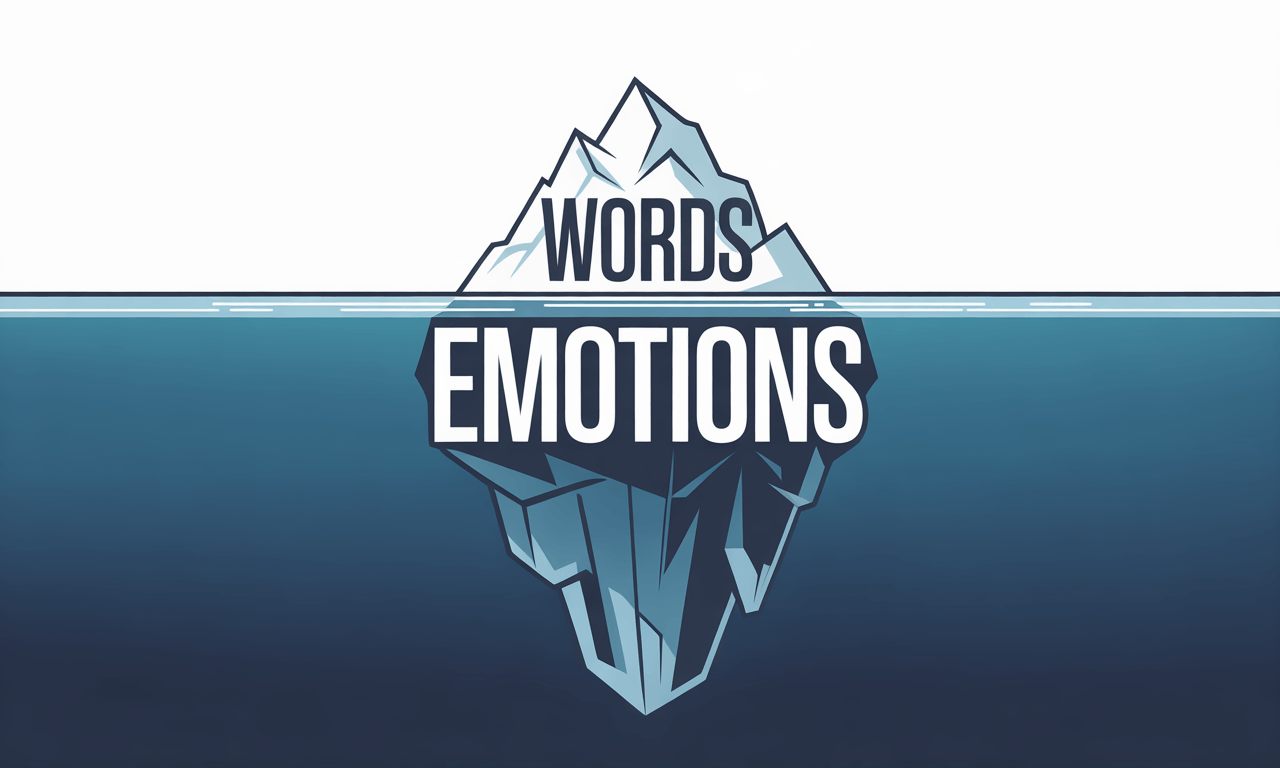
    Marriage argument iceberg showing how hidden emotions drive conflict.Every couple knows what it’s like to argue about something small that somehow spirals out of control. Maybe it starts with a comment about money or chores. But by the end, you’re not discussing bills or laundry-you’re questioning each other’s respect, loyalty, or tone.

    What happened-

    The truth is, most arguments in marriage have layers. The surface issue is rarely the real one. Beneath the words lies something deeper-feelings of being misunderstood, unheard, or dismissed.

    Think of every argument as an iceberg: what you see (the words) is just a fraction of what’s actually happening underneath (the emotions). When you address only the visible tip, you’ll keep colliding with the same hidden bulk again and again.


    Emotional Safety: The Real Issue Behind the Issue

    Couple rebuilding emotional safety through calm conversation.At its core, every marriage argument is a test of emotional safety. Emotional safety means you can be honest without fear of being attacked, mocked, or dismissed. It means your feelings are treated as valid, even when they don’t make sense right away.

    When emotional safety breaks down, every topic becomes dangerous. Even a conversation about dinner can trigger defensiveness because your brain isn’t responding to the question-it’s reacting to the threat.

    If your partner says, “Why did you spend so much-” and you hear, “You’re irresponsible,” the problem isn’t money-it’s safety. If they say, “I just wish you’d help more,” and you hear, “You’re failing me,” the topic isn’t chores-it’s belonging.

    The Marriage Serenity Code (from The Marriage Serenity Code: Finding Power in Acceptance) reminds couples that peace begins with recognizing what’s actually within their control. Emotional safety is one of those areas-you can’t force your spouse to react calmly, but you can create an environment that feels safe enough for both of you to let your guard down.


    The Tone Trap: Why Delivery Matters More Than the Words

    Couple using calm tone and open body language during a serious talk.How you say something often matters more than what you say. A harsh tone can make even a reasonable point feel like an attack, while a gentle tone can turn a difficult truth into an invitation.

    When you raise your voice or use sarcasm, your partner’s brain immediately shifts into protection mode. The content of your words is lost-your tone becomes the message.

    Here’s a simple rule: when your tone rises, understanding falls.

    If you want to break the cycle, focus on how you sound, not just what you’re saying. Ask yourself: Would I feel safe hearing this tone from someone else- If the answer is no, pause before continuing.

    For more on how tone and control intertwine, explore Control or Connection- The Choice You Make Every Night, which shows how couples can turn power struggles into moments of partnership.


    Power Dynamics: Who’s Trying to Win-

    Couple restoring balance and power equality after conflict.Many marriage arguments spiral not because of the topic, but because of the power struggle underneath it. One partner feels unheard, the other feels accused, and both begin to fight for validation rather than resolution.

    When the goal shifts from understanding to winning, intimacy takes a back seat. Suddenly, it’s not about finding common ground-it’s about protecting your pride.

    Healthy couples learn to step out of the “who’s right” frame and move into the “what’s true for you” frame. This doesn’t mean you have to agree on everything. It means you value clarity over victory.

    Ask questions instead of giving statements. Say, “Help me understand why that mattered to you,” instead of, “That’s not true.” When both people feel seen, power becomes shared-and arguments lose their edge.

    This shift is beautifully supported by the ideas in Stop Fighting Ghosts: When You’re Angry at What You Can’t Change, which explores how frustration over powerlessness can unknowingly spill into your marriage.


    When Old Wounds Sneak Into New Conversations

    Partner offering comfort as old emotional wounds surface during an argumentSometimes the reason a fight feels so intense is that it’s not about this moment at all-it’s about something old that got triggered. A comment, a tone, or even a look can awaken a buried memory of rejection, criticism, or loneliness.

    You may think you’re reacting to tonight’s disagreement, but your emotions are reacting to a wound that’s been waiting to be healed.

    That’s why your reaction can feel bigger than the situation. You’re not just angry about what was said-you’re angry about every time you’ve felt unheard or dismissed.

    Healing begins when you learn to pause and name what’s being touched inside you. Try saying, “I know we’re arguing about dinner plans, but this is hitting a deeper nerve for me.” That single sentence can turn conflict into connection.


    Recognizing Emotional Echoes in Marriage

    Couple finding emotional calm and connection through mutual understanding.Emotional echoes are reactions that belong to the past but replay in the present. They often sound like, “You never listen,” or “You always walk away,” even when the current situation doesn’t fully match.

    Learning to recognize emotional echoes helps you stop projecting old fears onto your spouse. Instead of demanding they fix old pain, you start inviting them to walk with you through it.

    Emotional maturity isn’t about never being triggered-it’s about knowing when you are and choosing curiosity over blame.

    This is where serenity meets courage. It takes humility to admit, “This isn’t about you-it’s about something that still hurts in me.”

    To go deeper into this level of calm honesty, Radical Acceptance: The Secret Strength Happy Couples Share offers a practical roadmap for embracing imperfection and emotional honesty in marriage.


    Listening for the Story Beneath the Words

    Couple listening deeply to understand the story beneath the argument.Good listening isn’t just about staying quiet-it’s about hearing what your spouse means, not just what they say. Every complaint hides a desire. Every frustration hides a longing.

    When your partner says, “You’re always distracted,” they might be saying, “I miss you.” When they say, “You never help around the house,” they might be saying, “I need to feel supported.”

    Listening for the story beneath the words turns arguments into insight. It helps you move from defensiveness to empathy.

    Here’s a question that can change everything: “What are you really needing right now-”

    When that question is asked with kindness, walls come down and real healing begins.


    Turning Arguments Into Invitations for Growth

    Couple smiling after turning conflict into connection.Every disagreement holds two possible outcomes: disconnection or discovery. If you’re willing to look beneath the surface, each argument can become an invitation to understand your partner more deeply.

    Growth happens when you stop asking, “Who started this-” and start asking, “What are we learning from this-”

    In emotionally mature marriages, arguments aren’t threats-they’re data. They reveal where love still needs to be refined.

    When handled well, a conflict can strengthen trust instead of eroding it. You begin to see arguments not as signs of failure, but as opportunities for emotional alignment.

    For practical ways to create calm and refocus your marriage after tension, revisit The Marriage Serenity Code: Finding Power in Acceptance, the cornerstone post that anchors this series.


    The Role of Curiosity in Breaking Conflict Loops

    Curious and compassionate listening breaking the conflict loop.Curiosity is the antidote to judgment. When you become curious about your spouse’s reaction instead of judging it, you create space for peace.

    Ask yourself, “What made them feel this way-” instead of, “Why are they overreacting-”

    Curiosity slows everything down. It replaces criticism with compassion and confusion with clarity.

    You can’t fix what you don’t understand-but once you understand, the need to fight often disappears on its own.


    Building New Communication Habits

    Couple developing healthy communication habits to reduce conflict.To stop arguments from escalating, you’ll need to build communication habits that foster safety and trust. Here are five that make a lasting difference:

    1. Reflect instead of react. Repeat back what you heard: “So you’re feeling ignored when I check my phone-”
    2. Validate emotions. You don’t have to agree-just acknowledge: “I see how that upset you.”
    3. Own your impact. Say, “I didn’t mean it that way, but I understand how it came across.”
    4. Take breaks wisely. Pausing to cool down isn’t avoidance-it’s responsibility.
    5. Repair quickly. Don’t let pride outlast peace. Reach out with a simple, “Can we start over-”

    These practices turn reactive moments into responsive ones-the difference between a house filled with noise and a home filled with grace.


    The Real Goal: Protecting Emotional Connection

    Couple restoring emotional connection after argument.When you strip away the content of most marital fights, what remains is the same longing: connection. We argue because we care. We raise our voices because we want to be heard. We defend ourselves because we fear disconnection.

    When you see arguments through that lens, it becomes easier to soften, listen, and forgive. You stop seeing your spouse as the enemy and start seeing them as your teammate in emotional growth.

    The goal of every conversation should be to protect connection-even when it’s hard. Because connection, not correctness, is the foundation of a peaceful marriage.


    Final Thoughts: The Argument Is Never the Real Enemy

    Couple united and peaceful after learning to see past surface arguments.The next time a disagreement arises, pause before reacting. Ask yourself: What’s this really about-

    If you listen long enough, you’ll notice that every argument carries a hidden invitation-to build empathy, to deepen understanding, to practice love.

    Fights aren’t failures; they’re feedback. When handled with wisdom, they can become some of your most transformative moments as a couple.

    So the next time things heat up, remember: it’s not about the dishes, or the headline, or the tone. It’s about the connection underneath-and the choice to protect it.

  • From Blame to Curiosity: Listening for the Real Story Beneath the Conflict

    From Blame to Curiosity: Listening for the Real Story Beneath the Conflict

    Every couple knows the feeling of getting trapped in a familiar argument-one that feels more like a courtroom than a conversation. You state your case. Your spouse defends theirs. You both have evidence, witnesses, and closing statements ready.

    But here’s the problem: when both people are trying to win the story, no one’s actually hearing it.

    Conflict in marriage isn’t just about what’s being said-it’s about what’s being interpreted. Beneath every disagreement lies two emotional stories, often incomplete, both longing to be understood.

    Couple choosing curiosity over blame by listening to understand during conflict.This post will help you shift from blame to curiosity-from proving to exploring, from assuming to asking. You’ll learn how to approach conflict like a researcher, not a judge, so that your conversations stop spinning in circles and start building bridges.


    Why Couples Get Stuck in the Blame Story

    Couple stuck in the blame story during a disagreement.Blame feels satisfying in the moment because it gives us clarity: I’m right, you’re wrong, and that’s why we’re stuck.

    But beneath that clarity is fear. Blame says, “If I’m not right, I’ll have to face my own part in this.” And that’s uncomfortable.

    Blame keeps us focused on fault instead of understanding. It turns partnership into prosecution.

    Here’s what the blame story sounds like in everyday conversations:

    • “You’re always making things harder.”
    • “If you cared, you wouldn’t act that way.”
    • “You never listen.”

    Each of these phrases assigns motive instead of exploring meaning. They close the door to dialogue and open the door to defense.

    When blame dominates, you stop being allies trying to solve a problem-you become adversaries trying to prove a point.

    For a deeper look at how unspoken stories fuel repetitive conflict, read What’s the Story- How Hidden Scripts Keep You Arguing About the Same Thing-it unpacks why logic rarely resolves emotional patterns.


    Curiosity: The Bridge Between Two Stories

    Curiosity bridging the gap between two competing marriage narratives.Curiosity is the opposite of blame. It doesn’t mean you agree-it means you’re open to discovering what’s really happening beneath the words.

    When you shift from blame to curiosity, you stop asking “Who’s right-” and start asking “What’s true for each of us-”

    That’s how curiosity becomes the bridge between two competing narratives. It turns conflict into connection because it honors both realities without forcing one to dominate the other.

    Here’s what curiosity sounds like in marriage:

    • “Help me understand what that felt like for you.”
    • “When you said that, what did you mean-”
    • “I wonder what we’re both protecting right now.”

    These questions don’t end conflict-they transform it.

    To strengthen this mindset, explore Language Loops: How Your Words Reinforce What You Believe-it explains how to replace reactive phrases with ones that create openness and teamwork.


    The Power of Listening for Meaning, Not Rebuttal

    Listening for meaning instead of rebuttal creating emotional safety in marriageMost people don’t actually listen to their spouse-they wait to respond.

    Listening for rebuttal sounds like:

    • “I’ll explain why you’re wrong in a second.”
    • “That’s not what happened.”
    • “You’re exaggerating.”

    Listening for meaning sounds like:

    • “So what I’m hearing is that you felt dismissed when I interrupted-”
    • “I didn’t realize it came across that way. Can you tell me more-”

    Listening for meaning turns the conversation from combat to curiosity. It slows the pace, softens the tone, and brings compassion back into the room.

    When you practice this kind of listening, you communicate something powerful: Your experience matters, even when I don’t fully understand it yet.

    For practical ways to keep empathy active during tense conversations, see Speak with Respect, Listen with Care-it offers actionable steps for couples who want to stay connected even when they disagree.


    Why Winning the Story Costs More Than It Gives

    Choosing understanding over victory as couples rebuild trust.Winning feels good for about five minutes. After that, the emotional fallout begins.

    When one person “wins” the argument, the relationship loses. Because in marriage, there’s no victory without mutual understanding.

    Here’s what winning the story costs:

    • Connection. Your spouse feels unseen or unheard.
    • Trust. They stop sharing vulnerable truths because they don’t feel safe doing so.
    • Momentum. You get stuck replaying the same argument under new disguises.

    The desire to win is really the desire to be validated. But validation doesn’t come from victory-it comes from being understood.

    When both partners feel seen, the need to win evaporates. You’ve already reached the deeper goal: being on the same side again.

    This idea builds directly on Rewrite the Story: From “Nothing Will Change” to “We Can Grow”-which shows how language and perspective shifts can turn resignation into renewal.


    Approaching Conflict Like a Researcher

    Research mindset applied to conflict, replacing blame with observation.A researcher doesn’t walk into an experiment already knowing the outcome-they enter with curiosity, observation, and a willingness to be surprised.

    That’s the energy couples need during conflict.

    Approaching conflict like a researcher means:

    • Asking open-ended questions instead of making assumptions.
    • Collecting emotional data before drawing conclusions.
    • Observing patterns without shaming either person.

    Try these research-based questions the next time tension rises:

    • “What did you need from me in that moment that you didn’t get-”
    • “What story were you telling yourself about what happened-”
    • “How can I make it easier for you to bring things up in the future-”

    These questions slow down defensiveness and invite reflection. They create emotional space for truth to emerge without fear of punishment.

    For more on how curiosity and reflection help couples grow through difficulty, read Choosing Your Hard: The Quiet Work of Staying Stuck vs. Healing Together-it reminds couples that curiosity is the harder but more rewarding path.


    The Role of Empathy in Curiosity

    Curiosity and empathy working together to rebuild understanding in marriageCuriosity without empathy feels clinical. Empathy without curiosity feels emotional but unproductive. You need both.

    Empathy says, “Your pain matters.”
    Curiosity says, “I want to understand where it came from.”

    When paired together, they create emotional safety. You stop trying to fix your spouse and start trying to see them.

    Here’s an example:

    Instead of saying, “Why are you so sensitive-” try, “That seemed to really hit you-can you tell me what it brought up-”

    One pushes away; the other pulls close.

    Empathy is what turns curiosity from a technique into a connection.


    Turning Curiosity into a Daily Habit

    Building curiosity as a daily marriage habit through consistent conversation.You don’t need to wait for a fight to practice curiosity.

    In fact, the couples who navigate conflict best are the ones who stay curious even during calm moments.

    Here’s how to build curiosity into your daily rhythm:

    1. Ask small questions often. “How are you doing this week-” “What’s been on your mind lately-”
    2. Reflect what you hear. “So it sounds like you’re feeling pressure at work-did I get that right-”
    3. Celebrate differences. Curiosity thrives when differences aren’t threats but invitations to learn.

    These small check-ins make curiosity second nature, so when real conflict hits, empathy is already your default language.


    How Curiosity Changes the Tone of Arguments

    Curiosity restoring calm and emotional safety during conflict resolution.When curiosity leads, tone follows.

    Instead of sharpness, your voice softens. Instead of interruption, you breathe. Instead of rushing to win, you slow down to learn.

    Curiosity lowers defensiveness because it signals safety. It tells your spouse, “I’m not here to attack you; I’m here to understand you.”

    That shift doesn’t just change communication-it changes physiology. When both partners feel safe, their nervous systems regulate faster. They can think, feel, and problem-solve again.

    For practical tools to maintain that tone, Awareness Is the First Rewrite: Changing the Story Together offers a framework for building shared understanding instead of repeated defensiveness.


    Curiosity vs. Agreement: They’re Not the Same

    Curiosity creating shared understanding even without total agreement.Curiosity doesn’t require agreement. You can fully disagree with your spouse’s perspective and still make room for it.

    The goal isn’t to merge stories-it’s to understand both.

    When you understand your spouse’s story, even partially, you reduce the emotional distance between you. You no longer need to win, because empathy has already made you allies again.

    Understanding creates peace even when resolution takes time.


    When It Feels One-Sided

    One spouse modeling curiosity and patience while rebuilding communication trust.Sometimes one partner leads with curiosity while the other still defaults to blame. If that’s happening in your marriage, don’t lose heart.

    Curiosity is contagious. When one person consistently models listening, patience, and non-defensiveness, it slowly changes the emotional temperature of the relationship.

    It might not happen overnight, but small, consistent curiosity plants seeds that grow into mutual openness.


    From Blame to Curiosity: The Rewrite in Action

    Transforming conflict into connection by shifting from blame to curiosity.The next time conflict begins, pause and take these steps:

    1. Notice the blame language. When you hear “always,” “never,” or “why can’t you,” that’s your cue.
    2. Switch to a question. “What were you hoping I’d understand in that moment-”
    3. Reflect before responding. “I think I get it-this isn’t about dishes; it’s about feeling overwhelmed.”
    4. End with appreciation. “Thanks for telling me that-I know it’s not easy to share.”

    These small rewrites turn familiar fights into fertile ground for empathy.

    And every time you do it, you reinforce a new marriage story-one that says, We may not always agree, but we’re always willing to understand.

  • Repair Fast: A 24-Hour Rule for Arguments During the Holidays

    Repair Fast: A 24-Hour Rule for Arguments During the Holidays

    Holiday schedules make slow repairs expensive. The 24-hour repair rule gives you a shared deadline: we don’t let a rupture sit more than a day. You’ll learn a simple four-step script (name, own, ask, plan), how to apologize without disclaimers, and how to restart physical affection safely, even if a topic isn’t fully solved. We’ll also cover “public friction” (cars, parties, airports) and how to pause the heat without storing it. Quick repair isn’t rushing; it’s protecting your bond while you figure things out.


    Why a 24-Hour Repair Rule Matters During the Holidays

    Couple repairing quickly within 24 hours to protect their marriage during holiday stress.During December, stress levels spike. Family gatherings, late nights, financial strain, and endless logistics make emotions run hotter than usual. Without a repair strategy, even small arguments can linger and poison the whole season. The longer a rupture sits, the heavier it becomes-what started as a small comment can snowball into days of distance.

    The 24-hour repair rule prevents that spiral. It sets a clear boundary: no argument is allowed to fester beyond a single day. That doesn’t mean you have to solve everything in 24 hours, but you do need to repair the bond. The conversation can continue later-but the closeness gets restored now.


    The Four-Step Script for Quick Repair

    The 24-hour repair rule thrives on a clear, repeatable process. Use this four-step script whenever conflict arises:

    1. Name: Identify what happened. “I was short with you in the car.”
    2. Own: Take responsibility without disclaimers. “That was my fault, not yours.”
    3. Ask: Check if there’s more you missed. “Did I hurt you in a way I didn’t see-”
    4. Plan: Agree on a better approach next time. “Next time, let’s leave earlier so we’re not rushed.”

    This script isn’t about erasing disagreement-it’s about healing the emotional rupture so you can keep moving forward together.

    Couple using the four-step repair script to resolve arguments quickly.For couples who want to install rhythms that prevent arguments from escalating in the first place, the 10-Minute Check-In provides a daily tool for emotional alignment.


    How to Apologize Without Disclaimers

    Apologies lose power when cluttered with excuses: “I’m sorry, but you were being so difficult” isn’t an apology-it’s blame in disguise. The 24-hour repair rule works only if apologies are clean.

    A clean apology includes three things:

    • Responsibility: “I was wrong to snap at you.”
    • Empathy: “I can see that it hurt you.”
    • Commitment: “I’ll work on responding with patience next time.”

    Leave out “but,” “if,” and “you should have.” Those words reopen the wound instead of healing it.

    Couple practicing apologies without disclaimers to strengthen repair in marriage.This principle echoes the need for bounce-back habits when life gets messy. In fact, the Bounce-Back Scripts for the Busy Season show how the same no-disclaimer approach applies when recovering from missed rituals.


    Restarting Physical Affection Safely

    Couple restarting physical affection gently after using the 24-hour repair rule.Physical affection is often the first casualty of unresolved conflict. Couples either withhold it as punishment or fear rejection if they reach out too soon. The 24-hour rule offers a way to restart affection without forcing intimacy before both partners are ready.

    Guidelines for safe physical affection:

    • Begin with small gestures: holding hands, a hug, or sitting close.
    • Ask for permission: “Would you like a hug right now-”
    • Respect the “not yet”: If your spouse needs more time, continue with verbal reassurance until they’re ready.

    The point is not to skip emotional repair-it’s to let affection be part of the repair, not the reward after conflict disappears.


    Handling Public Friction with the 24-Hour Repair Rule

    The holidays bring more “public friction” than usual-arguments in cars, airports, or at family gatherings. These moments can be especially painful because embarrassment and defensiveness pile onto the argument itself.

    Use this pause-and-repair approach:

    • Pause Script: “This isn’t the place to solve it. Let’s pause and revisit at home.”
    • Repair Later: Use the four-step script once you’re in private.
    • Reassure Now: Even if you can’t fix it on the spot, whisper: “We’ll work it out. I still love you.”

    Quick reassurance lowers the sting so you can revisit the issue calmly later.

    Couple handling public friction with reassurance before repairing later.If holiday chaos makes arguments more frequent, the structure of Weekly Anchors Before the Holidays helps prevent overwhelm that fuels public conflict.


    Why Quick Repair Isn’t Rushing

    Some couples resist the 24-hour repair rule because they fear it means brushing conflict under the rug. But quick repair isn’t about pretending everything is fine-it’s about restoring the bond while leaving space to keep working on the issue.

    Think of repair as resetting the emotional climate. You’re saying:

    • “We’re still on the same team.”
    • “The disagreement matters, but our connection matters more.”
    • “We’ll continue the conversation once emotions settle.”

    You don’t need to reach full resolution within 24 hours. You need to repair the rupture so distance doesn’t harden into disconnection.

    Couple reconnecting after using the 24-hour repair rule, even without full resolution.This mindset echoes the principles in Stop the December Spiral: A 90-Day Holiday Stress-Proof Plan, where the goal is steady connection, not perfection.


    Scripts for Different Repair Scenarios

    Here are practical scripts for common holiday arguments:

    Scenario: Snapping Under Stress
    “I snapped at you when I was rushing. That’s on me. Did it land harder than I realize- Next time, let’s leave 15 minutes earlier.”

    Scenario: Miscommunication at Family Event
    “I cut you off in front of your mom. I see how that hurt. Next time I’ll pause and let you finish.”

    Scenario: Silent Treatment
    “I withdrew last night. I regret that. I care about you, even when I shut down. Can we talk about how to handle overwhelm better-”

    Scenario: Financial Disagreement
    “I got defensive when we discussed money. That was unfair. Let’s revisit the budget calmly tomorrow.”

    Couple using repair scripts to recover quickly from holiday arguments.For financial disputes in particular, pairing this rule with Money, Expectations, and In-Laws helps reduce recurring triggers.


    How to Train Yourself for Faster Repair

    Couple celebrating small wins after successfully repairing quickly.Like any skill, fast repair takes practice. Build repair muscle with these habits:

    • Practice mini-apologies: Apologize quickly for small mistakes (like being late).
    • Review your patterns: Notice what triggers your sharpest reactions.
    • Celebrate repairs: Acknowledge when you bounce back quickly-it reinforces the habit.

    Couples who practice often find that 24-hour repairs eventually shrink to 2-hour repairs. The faster you return, the less damage an argument causes.


    Turning Repair into a Marriage Culture

    Couple embracing after building a marriage culture of quick repair with the 24-hour rule.When the 24-hour rule becomes a shared commitment, your marriage culture shifts. Conflict no longer feels like a threat-it becomes a chance to strengthen trust. Over time, this culture produces:

    • Less fear of arguments.
    • Faster recovery from stress.
    • More consistent affection.
    • A sense of safety that “nothing will sit between us for long.”

    This culture of repair doesn’t just help in December-it becomes a year-round strength.

  • Soft Skills, Hard Marriage: Why Emotional Maturity Isn’t Optional

    Soft Skills, Hard Marriage: Why Emotional Maturity Isn’t Optional

    You don’t need a six-week course to learn how to roll your eyes during a disagreement. But staying calm- Listening well- Knowing when to speak and when to hold silence- Those are soft skills-and they’re what make or break a marriage. In this post, we’ll uncover why these unseen abilities are the foundation of every healthy relationship-and how to start developing them today.


    Emotional Maturity: The Real Secret to a Strong Marriage

    Couple silently reconnecting after conflict, symbolizing the quiet strength of emotional maturity in marriage.You can read all the marriage books. Go on retreats. Memorize your spouse’s love language. But if you don’t know how to manage your own emotions when things get tense, none of it will stick. That’s because emotional maturity is the glue that holds everything else together.

    What does emotional maturity look like in marriage-

    • Staying calm when triggered
    • Taking responsibility instead of blaming
    • Listening with empathy instead of defensiveness
    • Choosing silence over sarcasm
    • Asking questions instead of making accusations

    These aren’t glamorous skills. They don’t get praised on Instagram. But they are the foundation of trust, safety, and lasting connection.


    Why Soft Skills Are Actually the Hardest to Master

    A rope bridge representing the fragile and essential emotional connection between spouses.Soft skills don’t sound like a big deal-until you realize how rare they are. Think about it: how many people do you know who can remain kind in a tense moment- Who pause before reacting- Who don’t immediately get defensive when challenged-

    Soft skills like patience, emotional regulation, active listening, and humility require deep self-awareness. And most of us didn’t grow up being taught those things.

    We learned how to argue. How to shut down. How to protect ourselves.

    But marriage isn’t about winning. It’s about connecting. And connection depends on your ability to be emotionally available-even when you’re uncomfortable.


    Emotional Maturity Isn’t a Trait-It’s a Choice

    Person planting seeds, symbolizing the development of emotional maturity and relational skills over time. Many people believe you’re either emotionally mature or you’re not. But that’s not true. Emotional maturity isn’t something you have-it’s something you build.

    Every time you pause instead of react, you’re building it. Every time you ask for clarity instead of assuming, you’re building it. Every time you own your mistake instead of doubling down, you’re building it.

    That’s good news. Because it means you’re not stuck.

    No matter your history, no matter your temper, no matter your default patterns-you can learn soft skills. You can become emotionally mature. You can create a marriage rooted in growth, not just survival.


    Emotional Maturity Isn’t About Suppressing Emotion

    Individual standing calmly with umbrella in a downpour, representing internal emotional regulation.Let’s be clear-emotional maturity doesn’t mean being emotionless. It means being in charge of your emotions, not controlled by them.

    It’s okay to feel angry. Frustrated. Sad. Disappointed. Those are human responses.

    The difference is, mature people notice their feelings before acting on them. They slow down. They ask questions. They give themselves permission to feel, and they take responsibility for what they do with those feelings.

    In marriage, that looks like:

    • Saying, “I’m hurt” instead of yelling
    • Taking a break when needed, instead of storming out
    • Naming what’s going on inside instead of projecting it outward


    How Soft Skills Reduce the Damage of Conflict

    Cracked bowl repaired with gold, symbolizing how emotional maturity allows repair and connection after conflict.Every couple fights. But not every couple fights well.

    The difference between destructive and constructive conflict is emotional maturity.

    Immature reactions escalate the problem:

    • Defensiveness
    • Criticism
    • Stonewalling
    • Contempt

    Mature reactions de-escalate the problem:

    • Taking ownership
    • Validating your spouse’s perspective
    • Asking for time instead of exploding
    • Focusing on resolution instead of revenge

    Soft skills don’t make you immune to conflict. But they make conflict safe. They make repair possible.


    Listening Is a Soft Skill-And a Superpower

    Person leaning in with focus while listening, representing empathy and emotional presence.Most people don’t listen-they wait to respond.

    Listening is one of the most underrated soft skills in marriage. True listening means you’re not formulating your reply while your spouse is talking. You’re receiving them.

    You’re listening for:

    • The emotion behind the words
    • The need they’re trying to express
    • The pain they might not be able to name

    When your spouse feels heard, they soften. They trust you. They open up more. And that creates a cycle of emotional safety that strengthens everything else.


    Silence Is a Soft Skill Too

    Couple sitting in peaceful silence, demonstrating connection without words.Knowing when not to speak is just as important as knowing what to say.

    Silence isn’t always withdrawal-it can be wisdom. Sometimes the most loving thing you can do is bite your tongue. Pause. Let things settle. Or simply be present without trying to fix.

    Silence becomes a soft skill when it’s used intentionally, not to punish, but to protect connection.

    Ask yourself:

    • Am I speaking to connect-or to control-
    • Will my words help-or harm-in this moment-
    • Can I be present without having to say something-


    Humility: The Soft Skill That Changes Everything

    Open hand offering peace, symbolizing humility and vulnerability in relationships.Marriage will test your pride. Daily.

    That’s why humility is one of the most transformative soft skills you can develop.

    Humility in marriage looks like:

    • Admitting when you’re wrong
    • Asking for help
    • Apologizing without justifying
    • Being open to feedback
    • Letting go of the need to always be right

    Humility softens the atmosphere in your home. It diffuses power struggles. It creates space for grace.

    And when both spouses practice it- That’s where the real magic happens.


    Why Emotional Maturity Isn’t Optional

    A house standing strong on a solid foundation, representing how soft skills support a resilient marriage.You can’t outsource this part of marriage. You can’t delegate it, fake it, or skip it.

    Without emotional maturity:

    • Your communication breaks down
    • Your conflict resolution stays shallow
    • Your intimacy suffers
    • Your trust erodes
    • Your home feels unstable

    But with it-

    • Tension becomes teachable
    • Hurt becomes repairable
    • Hard conversations become healing
    • And love becomes a safe place to land-even when it’s messy

    This is why soft skills matter. They aren’t extra-they’re essential.


    Start Building Soft Skills Today

    A calendar tracking daily habits, symbolizing steady emotional growth in marriage.You don’t need to change everything at once. Start with one skill. One moment. One practice.

    Try:

    • Taking a breath before responding
    • Practicing active listening for five minutes without interrupting
    • Owning your part in the next argument
    • Giving your spouse the benefit of the doubt
    • Offering one genuine apology without a “but”

    Soft skills are learned by doing. Every intentional moment is progress. Every choice to grow makes the next one easier.

    You’ve got this. Your marriage is worth it.


    Final Word: Hard Marriage, Soft Skills, Strong Love

    Weathered hands holding a heart-shaped stone, symbolizing enduring love built through emotional maturity.Marriage is hard-not because it’s broken, but because it’s real. Two people with wounds, histories, triggers, and dreams, trying to build something lasting.

    What makes it work isn’t perfection. It’s presence. It’s effort. It’s the invisible, powerful force of soft skills-emotional maturity, empathy, humility, self-awareness.

    You don’t need to be the loudest, smartest, or most romantic spouse.

    You just need to grow in the quiet, daily disciplines that build trust and tenderness over time.

    Soft skills. Hard marriage. Stronger love.