Tag: date night

  • Date Night with a Deadline: How 12 Dates in 12 Weeks Rebuild Warmth

    Date Night with a Deadline: How 12 Dates in 12 Weeks Rebuild Warmth

    Romance doesn’t disappear-it gets crowded out. A 12-week countdown creates urgency and play before the holiday storm. This guide gives you a ready-to-run “12 Dates in 12 Weeks” plan that fits real budgets and busy calendars. You’ll mix easy at-home themes with short micro-adventures so novelty does the heavy lifting. Each date includes a tiny prompt that builds emotional safety and trims old arguments at the root. The goal isn’t fancy; it’s frequency. When you hit December, affection will feel warm and familiar, not performative. Bonus: a printable tracker and two “rainy day” alternates for weeks that go sideways.


    Why 12 Dates in 12 Weeks Works

    Couple planning 12 dates in 12 weeks together on a calendar.The psychology of urgency is powerful. When you know you only have a limited window, you show up differently. A 12-week countdown frames romance as a shared project with a built-in finish line, not an endless obligation. Instead of “someday we’ll go out,” it becomes, “This week is Date 4-we’re on track.”

    Couples who embrace the “12 Dates in 12 Weeks” challenge often notice three changes:

    • Consistency beats intensity. Frequent small connections create more warmth than sporadic grand gestures.
    • Novelty breaks autopilot. Even tiny changes-a new board game, a new park-reboot energy.
    • Deadlines drive action. When the calendar is ticking, you make space instead of waiting for it.


    How to Prepare for the 12 Dates in 12 Weeks Challenge

    Preparation doesn’t mean overplanning. It means setting yourself up for success:

    • Agree on your “why.” Are you rebuilding warmth, preventing stress, or adding fun-
    • Set a consistent rhythm. One date per week, same day if possible.
    • Budget realistically. Mix free at-home nights with occasional splurges.
    • Create accountability. Print a tracker, post it on the fridge, and check off each date.

    12 dates in 12 weeks tracker on fridge for accountabilityIf you want to pair this with a broader seasonal playbook, see Stop the December Spiral: A 90-Day Holiday Stress-Proof Plan, which shows how weekly dates become anchor rhythms that hold under holiday pressure.


    The 12 Dates in 12 Weeks Plan

    Here’s a ready-to-run framework. Each date is short, simple, and designed to spark warmth without draining time or money.

    Date 1: Coffee Shop Kickoff

    Couple enjoying first coffee shop date in 12 dates in 12 weeks challenge.Start with something easy and low-stakes. Go to a café, order your favorites, and share one small story you’ve never told before.

    Date 2: At-Home Movie Swap

    Each partner picks a favorite film the other hasn’t seen. Watch with popcorn and pause once to explain why it matters.

    Date 3: Micro-Adventure Walk

    Pick a new neighborhood, park, or trail. Walk for 45 minutes. End by sharing one “high” and one “low” from your week.

    Date 4: Cook Together Night

    Choose a recipe you’ve never tried. Cook side by side, even if messy. The process is the date.

    Date 5: Memory Box

    Look through old photos or keepsakes. Share one story you’ve never mentioned before.

    Date 6: Game Night Twist

    Couple enjoying game night as part of their 12 dates in 12 weeks plan.Try a new card or board game. Loser gives winner a silly “coupon” (back rub, breakfast in bed).

    Date 7: Night Drive + Playlist

    Go for a short drive at night. Each person curates five songs and explains why they chose them.

    Date 8: Bookstore Blind Pick

    Visit a bookstore. Each chooses a book for the other to read 10 pages from later that week.

    Date 9: Local Free Event

    Check a community calendar-farmers market, art fair, free concert. Show up with curiosity.

    Date 10: Candlelit Dinner at Home

    Make a simple meal but set the table like a restaurant-candles, music, dress up a little.

    Date 11: Dream Swap

    Over dessert or wine, share one dream for the next five years. Listen without fixing.

    Date 12: Celebration Date

    Couple celebrating last date in their 12 dates in 12 weeks challenge.Revisit your favorite of the past 11 dates. Repeat it with gratitude for completing the challenge.


    Tiny Prompts That Build Emotional Safety

    Couple building emotional safety during their 12 dates in 12 weeks plan.Each date includes a short prompt to encourage deeper connection without overwhelming the night. Examples:

    • “One thing you appreciated about me this week was…”
    • “One thing I’ve been carrying that I could use help with is…”
    • “One dream I rarely talk about is…”

    These prompts aren’t therapy-they’re mini bridges. Used weekly, they shrink distance and prevent small frustrations from growing into big fights.


    Rainy Day Alternates for the 12 Dates in 12 Weeks Challenge

    Couple using a rainy-day alternate date to stay consistent with 12 dates in 12 weeks.Life will get messy. Kids will get sick, jobs will run late, events will overlap. That’s why having two “rainy day” dates ready ensures consistency:

    • Rainy Day Option 1: Living Room Dance Party – Put on your wedding playlist or current favorites. Dance for 15 minutes.
    • Rainy Day Option 2: Story Swap – Each tells a childhood story not shared before.

    Consistency is the goal. Perfection is not.


    Common Roadblocks and How to Overcome Them

    Couple scheduling around busy calendars to protect their 12 dates in 12 weeks.Roadblock 1: Busy Calendars
    Solution: Schedule dates in advance, treat them as immovable.

    Roadblock 2: Tight Budgets
    Solution: Emphasize at-home dates and free adventures.

    Roadblock 3: Energy Slumps
    Solution: Keep dates short. Even 45 minutes counts.

    Roadblock 4: Different Interests
    Solution: Take turns picking. Stretch into each other’s world.


    Tracking Your Progress Together

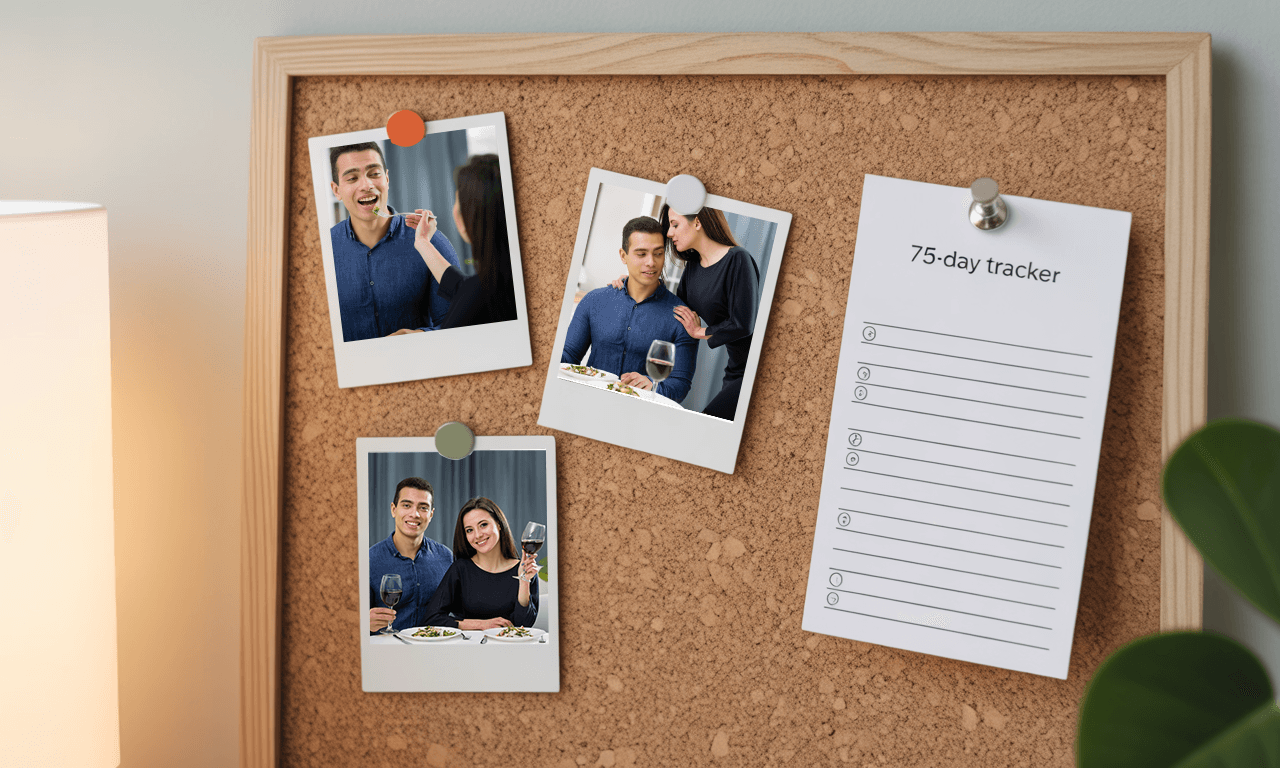
    Couple tracking progress through 12 dates in 12 weeks challenge.Accountability keeps the challenge fun. Use a printable tracker with 12 boxes. Each week, check off your date and jot a two-word memory. By December, you’ll have a playful log of connection.

    If you want to see how to integrate this into a larger holiday rhythm, check out Rituals That Hold When Life Gets Loud, which shows how weekly anchors protect closeness when schedules explode.


    Why This Challenge Matters Before the Holidays

    Couple feeling warm and connected after completing 12 dates in 12 weeks.The weeks leading to the holidays test every couple: finances, expectations, family, logistics. By running 12 dates in 12 weeks, you build warmth and stability before those triggers peak. When December comes, affection will feel natural, not forced.

    Think of it as “training season” for your marriage-short practices that make game day smoother.

  • Momentum > Motivation: The 75-Day “Do First, Feel Later” Plan

    Momentum > Motivation: The 75-Day “Do First, Feel Later” Plan

    Stop waiting to feel ready. The couples who grow aren’t powered by big feelings; they’re powered by tiny, kept promises. Momentum > Motivation: The 75-Day “Do First, Feel Later” Plan is a simple streak that replaces pep talks with proof. For 75 days you’ll stack three micro-habits-one-minute morning check-in, 30-second appreciation, and a weekly date-so momentum (not mood) carries you into the next season.


    Why Momentum > Motivation Works for Couples (momentum over motivation)

    Momentum over motivation visualized with a growing paper chain that marks daily micro-habitsMotivation is weather-dramatic and unreliable. Momentum is architecture-quiet and dependable. When you shrink the right behaviors to “too small to skip,” you stop negotiating with mood and start living by design. Over 75 days, this momentum over motivation rhythm builds a track record your brain can trust: we show up; we keep small promises; we recover fast.


    The Momentum > Motivation Engine (belief → behavior → proof → stronger belief)

    Identity loop sketch showing how tiny actions generate momentum over motivationEvery kept promise is a vote for the couple you’re becoming. You believe “we show up,” so you do the behavior (a 60-second check-in), which produces proof (✔️ on the board), which strengthens belief (“this is who we are”). Repeat that cycle and identity becomes self-fulfilling. If you want to understand the mindset behind this engine, you’ll find a clear model of belief → behavior → proof in the cornerstone about identity loops, and you can read that explanation in Who We Think We Are: Self-Signaling and Your Marriage Identity before you dive back into this streak.


    The 75-Day “Do First, Feel Later” Plan (momentum plan overview)

    Single-page streak tracker makes the Momentum > Motivation plan easy to follow at a glanceThis plan is deliberately minimal: three habits, sized for busy seasons, tracked in one place.

    1. Morning Check-In (≈1 minute): “What matters most today-” + “Any constraints-”
    2. 30-Second Appreciation (≈0:30): One specific thank-you, once per day.
    3. Weekly Date (60–120 minutes): Same day/time each week, with an at-home backup.

    That’s it. You’ll use timers, short scripts, and a simple scoreboard so success becomes automatic. If you want to place this streak inside a broader life cadence, it dovetails with the 90-day plan; many couples like to install this sprint as a component inside the larger system described in Stop Waiting for Time: Create It Together (A 90-Day Identity Reset).


    Habit 1: The One-Minute Morning Check-In (do first, feel later)

    Morning check-in note beside coffee mugs to cue a one-minute connection ritualWhat it is
    A 60-second sync before the day starts (or as soon as you’re both awake/available).

    Script

    • “One thing that matters most for me today is ___.”
    • “One constraint on my time/energy is ___.”
    • “What would make today 10% easier for both of us-”

    Why it works
    It pre-empts friction, invites empathy, and sets a shared target. Even when life is chaos, one-minute clarity is doable.

    Micro-variants if mornings are rough

    • Voice-note exchange before 9am.
    • Sticky note left by the coffee maker with “1 Most / 1 Constraint.”
    • A 30-second call after school drop-off.


    Habit 2: The 30-Second Appreciation (momentum micro-habit)

    Appreciation prompt card helps couples keep the momentum micro-habit specific and dailyWhat it is
    Every evening, say one specific thank-you that names effort and impact.

    Formula
    “Thanks for ___; it helped me/us ___.”

    Examples

    • “Thanks for emailing the teacher; it took a mental load off me.”
    • “Thanks for starting dinner; I felt cared for walking in.”
    • “Thanks for switching bedtime; the house felt calmer.”

    Why it works
    Appreciation turns invisible effort into visible proof. It’s also “interest” on your relationship savings account: small deposits, compounding warmth.

    Make it sticky
    Tie the habit to an anchor (after dishes, when lights go off, or at the door when the last person arrives).


    Habit 3: The Weekly Date (momentum > motivation anchor)

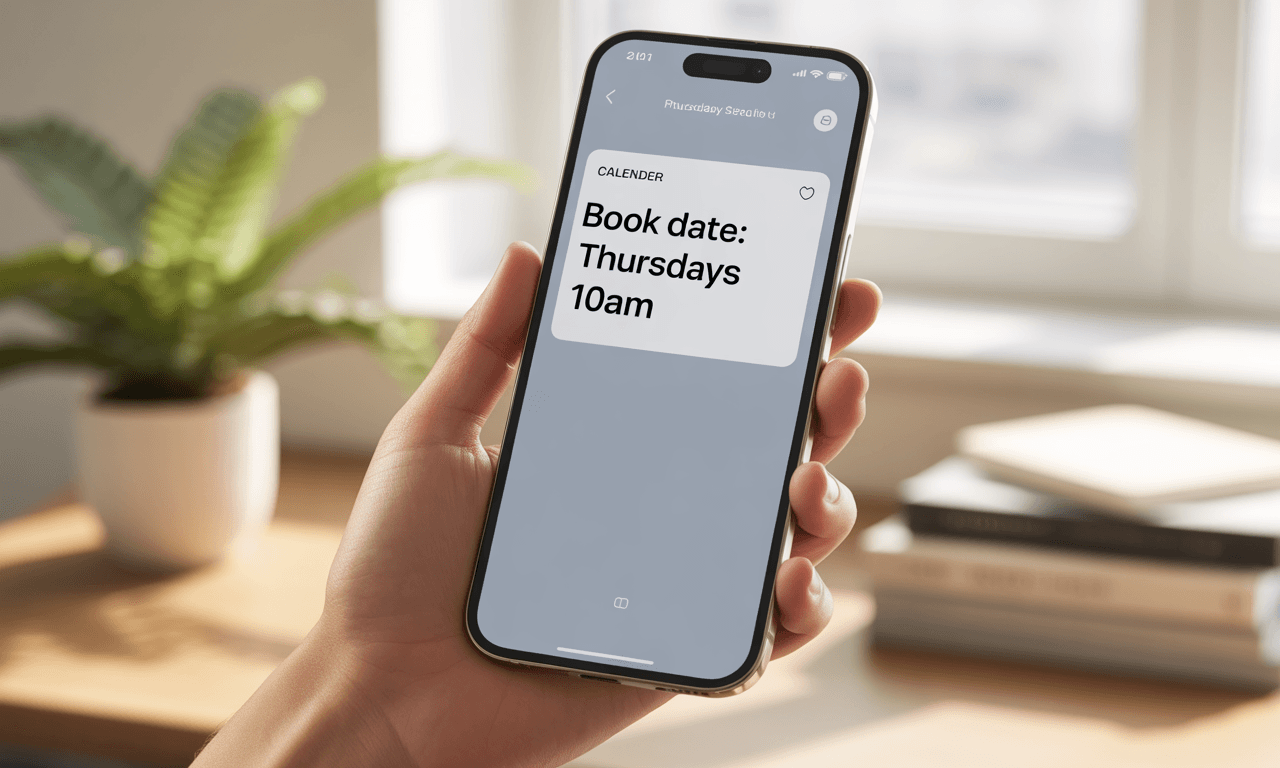
    Recurring calendar date night with at-home backup noted to preserve momentum when plans changeWhat it is
    A standing appointment for “us,” same day/time each week, protected by a simple system.

    Make it real

    • Pick the night and set a recurring calendar event.
    • Pre-decide a backup (at-home picnic, movie + two napkins with questions) if childcare/energy collapse.
    • Set a budget so you don’t debate all day.
    • Keep it small (60–120 minutes is plenty).

    If date night has never stuck, remove friction step by step by following the playbook in Date Night Is a Decision: Building a Weekly Signal of “Us”, then let this streak maintain the rhythm you decided.


    The Streak Rules (momentum plan guardrails)

    Visible scoreboard reinforces the Momentum > Motivation streak day by day

    1. Small beats perfect. If you’re wiped, do a half-dose: 30-second morning check, one-sentence appreciation, 30-minute date at home.
    2. Late isn’t never. If you forget, do it that evening. If you miss a day, restart tomorrow-no penalty laps.
    3. Visible counts. Track in one place; take a photo at the end of each week.
    4. Celebrate every kept promise. High-five, hug, or a sticker-brains love closure.


    The Momentum > Motivation Scoreboard (proof you can see)

    Tiny check mark on a daily tracker showing momentum accumulating from micro-habitsDesign
    One-page tracker with 75 circles for days, three mini-boxes per day (CI/App/Date), and a row for weekly notes.

    What to log
    ✔️ for done; ⏳ for half-dose; – for missed (no shaming).

    Weekly note ideas
    “Best appreciation,” “Constraint we solved,” “Fun moment on date.”

    Why it works
    Seeing progress reduces friction tomorrow; it also nudges you to protect streak integrity.


    Scripts You Can Copy-Paste (do first, feel later words)

    Short conversation cards keep the Momentum > Motivation streak easy to start and easy to repeatMorning Check-In (text)
    “1 Most: submit proposal. Constraint: 3–4pm pickup. 10% easier: you handle dinner, I’ll do dishes-”

    Appreciation (spoken)
    “Thanks for calling your dad; your presence steadied the evening.”

    Date Ask (message)
    “Can we lock Thu 7–9 all spring- If sitter falls through, at-home picnic with two-napkin questions.”

    When Tense
    “I’m heated. Two-minute pause, then I’ll summarize what I heard before we decide anything.”

    If you want to keep tension from mutating into blame during the streak, it helps to borrow the learning posture from From “He Never Gets It Right” to “We Learn Fast”, because that article gives you a quick repair script you can use on hard days; you can read it at From “He Never Gets It Right” to “We Learn Fast”: Rewriting Your Couple Story.


    Environmental Design for the Streak (identity into action at home)

    Home corner designed to lower friction makes the Momentum > Motivation streak nearly automatic

    • Timer on the counter labeled “5–10 minutes.”
    • Two chairs angled together to cue the morning check-in and evening appreciation.
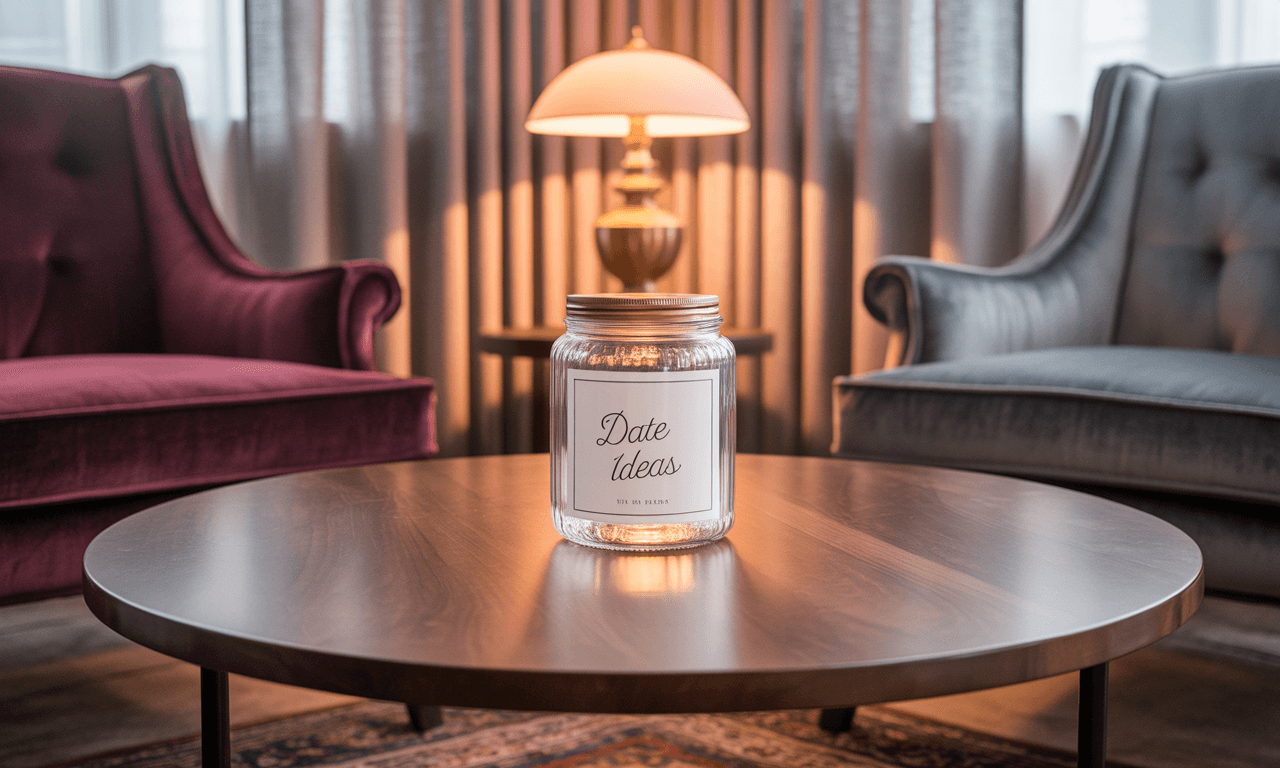
    • Idea Jar with easy date prompts (walk route, new bakery, board game, dessert-only outing).
    • At-home date kit (blanket, playlist, two napkins + pens).

    For ongoing home rhythms that lift the feel of connection, it’s helpful to install two or three simple standards; most couples start with ideas from Dressed for the Marriage You Want: Rituals That Raise the Standard and let those rituals carry the streak.


    The 75-Day Calendar (week-by-week milestones)

    Wall calendar with stickers that commemorate weekly dates and firsts as momentum buildsWeeks 1–2: Install

    • Get the rhythm working at all.
    • Expect awkwardness; shrink until it fits.
    • Snap a photo of your scoreboard every Sunday.

    Weeks 3–4: Stabilize

    • Protect the weekly date with a clear backup.
    • Add one micro-adventure if energy allows (30–60 minutes, low cost).

    Weeks 5–6: Smooth

    Weeks 7–8: Strengthen

    • Try two-minute “repair speed” experiments: when tense, pause, validate, then decide.
    • Add one evening walk (12 minutes) on your date night or the day after.

    Week 9–10+: Sustain

    • By now the scoreboard feels normal. Keep celebrating half-doses.
    • Eliminate one friction source (pre-chop veggies, pre-book sitter, put sneakers by door).


    Micro-Adventures That Fit the Streak (momentum-friendly fun)

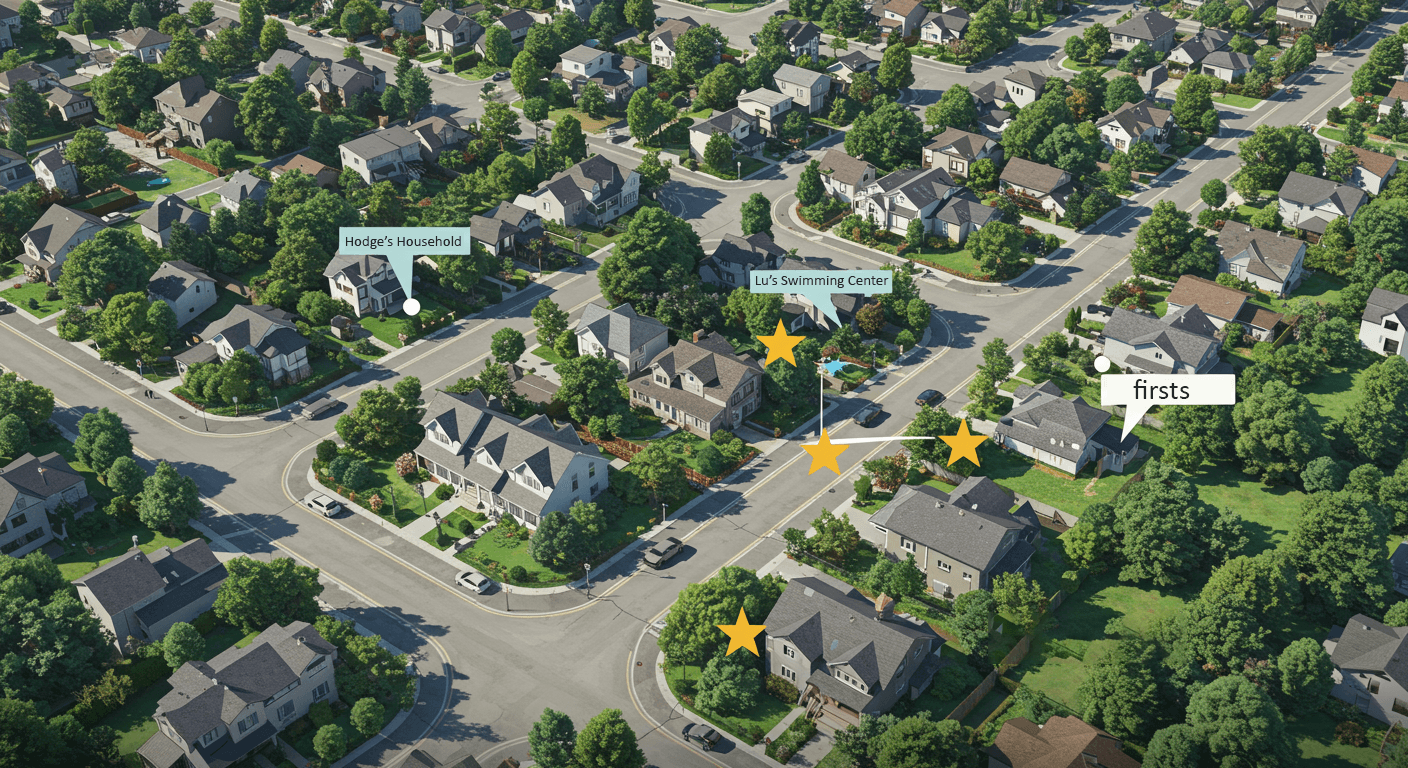
    Simple local map highlighting quick micro-adventures that support the Momentum > Motivation streakNovelty feeds momentum. Keep it tiny and local so Momentum > Motivation remains your guiding principle:

    • New bakery + walk to a nearby mural (45 minutes).
    • Library author talk (60 minutes).
    • Sunset bench with shared dessert from the grocery bakery (30 minutes).
    • Two-napkin questions at a coffee shop (40 minutes).

    When your creativity dips, it’s easy to pick a quick “first” from the adventure list that’s already tailored for busy budgets; couples often pull ideas straight from Micro-Adventures, Major Signals: New Foods, New Cities, New Us.


    What to Measure (and what to ignore)

    Refrigerator scoreboard tracks the few metrics that truly matter for momentum over motivationMeasure

    • Daily check-ins completed (target: 5–7/week; half-doses count).
    • Daily appreciations (target: 7/7).
    • Date streak (target: 10–11 of 11 weeks).
    • Repair speed (average minutes from tension to first repair move).

    Ignore

    • How “romantic” it felt.
    • Whether it was Instagram-worthy.
    • Whether you had profound breakthroughs.

    Momentum is proof, not vibes.


    Troubleshooting the Streak (common snags, simple fixes)

    One-minute timer and note reminding couples that late, small efforts still build momentum“We forgot today.”
    Late isn’t never. Do a micro-version now (30 seconds) and mark it done.

    “One of us is resistant.”
    Offer two yeses and an out: “Porch tea or 1-minute check-in- It’s okay to skip if you need.”

    “We argued at the worst time.”
    Use the We Learn Fast reset: name the moment, own a slice, agree on one tiny next step. For a short, gentle repair script, it helps to borrow a line from the learning-based approach in From “He Never Gets It Right” to “We Learn Fast” so the streak keeps feeling safe.

    “Schedules blew up.”
    Swap to asynchrony for the check-in (voice notes) and run the date at home this week. Momentum doesn’t require perfect conditions.


    Case Studies: 75 Days in Real Homes (momentum over motivation stories)

    Photos and a completed 75-day tracker illustrate how momentum over motivation becomes part of a couple’s storyCam & Jae (shift work, two kids)
    They committed to the one-minute check-in via voice notes before 9am and the 30-second appreciation at bedtime. Date night ran Thursdays with a pre-set at-home backup. By day 30, conflicts were shorter because each knew the other’s constraint. By day 75, they had 10 dates and a calmer house tone.

    Ish & Priya (money stress, low margin)
    They anchored appreciation to dinner cleanup and kept date nights to 60 minutes, mostly dessert-only. They tracked “repair speed,” celebrating any repair attempt under five minutes. By the end, “we never have time” had become “we create time in small doses.”

    Drew & Lena (anxious about ‘being romantic’)
    They felt awkward at first, so they used two-napkin questions for structure. The scoreboard became a source of pride. When they hit a rough week, half-doses kept the chain intact. After 75 days, they chose to continue the daily appreciation indefinitely.


    Layering Momentum with a 90-Day Reset (bridge your streak)

    Notebook page showing how a 75-day streak rolls into a 90-day identity reset for continued momentumA streak is powerful, and it gets even better when it plugs into a gentle quarterly rhythm. If you finish this 75-day sprint and want to keep compounding wins, many couples extend the flywheel by adopting the broader cadence in the 90-day blueprint; you can scan a friendly calendar for that rhythm in Stop Waiting for Time: Create It Together (A 90-Day Identity Reset) and then weave your three micro-habits into that larger system.


    Keep the “We Learn Fast” Story as You Practice (learning posture)

    Learning-oriented reset note supporting a Momentum > Motivation mindset after a missMomentum is easier to keep when your story is generous. On days you miss, narrate it as learning, not failure: we tried, we learned, we’ll shrink it and try again tonight. If you need words that protect the bond while you get better, the shift from blame to learning is spelled out in From “He Never Gets It Right” to “We Learn Fast”, and couples often grab a line or two from that article to soften their resets during this 75-day run.


    Bring It Home: Momentum > Motivation Starts Tonight (do first, feel later)

    Mirror note reinforcing the Momentum > Motivation mindset for daily practiceSay it out loud: “Do first, feel later.” Then make tonight embarrassingly small: a one-minute check-in by the sink, one specific thank-you after dinner, and an at-home date on Thursday with two napkins and a playlist. Put each on the scoreboard. Tomorrow, repeat. That’s how Momentum > Motivation turns good intentions into a steady relationship you can feel, not just describe.

  • Dressed for the Marriage You Want: Rituals That Raise the Standard

    Dressed for the Marriage You Want: Rituals That Raise the Standard

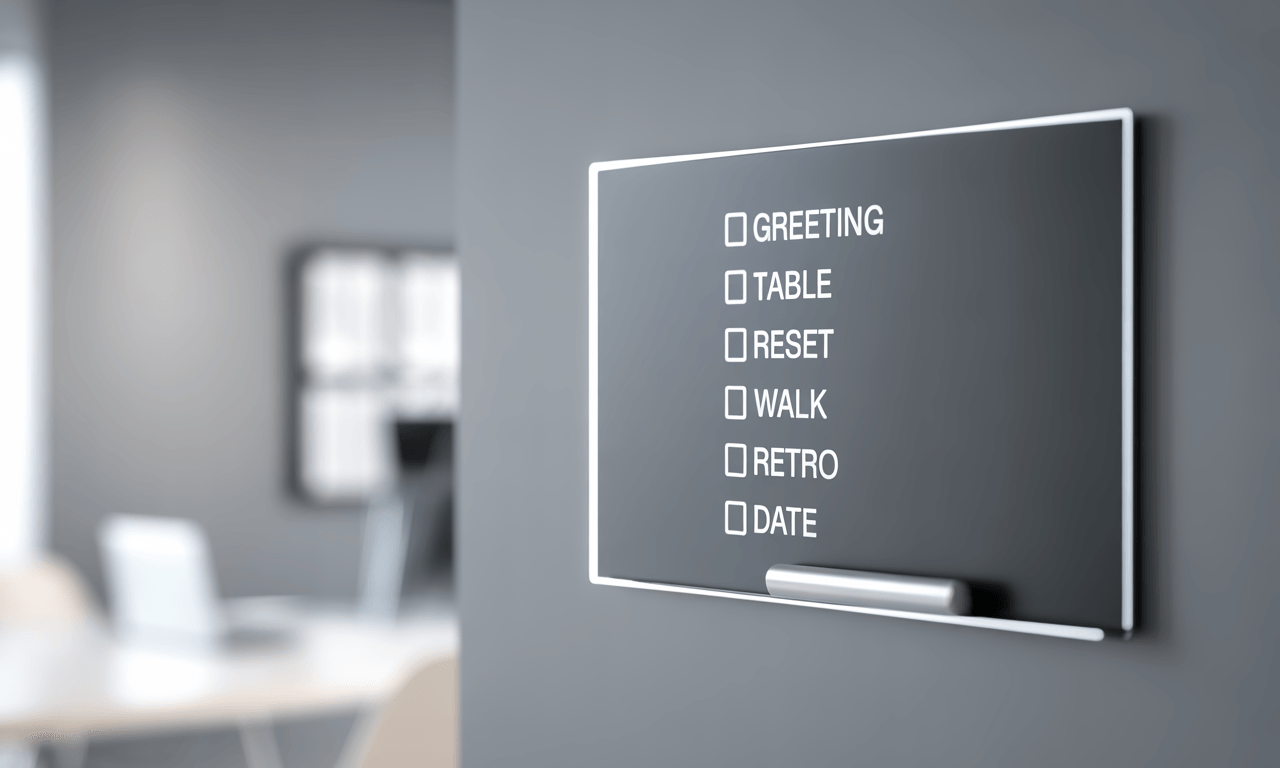
    You’re always signaling-to each other. Even on ordinary Tuesdays, the way you greet at the door, the way you sit down to eat, the way you reset the room before bed, quietly declares what your relationship is worth. Dressed for the Marriage You Want is not about fancy outfits; it’s about simple, repeatable rituals that raise the standard so your home feels like a place where love is on purpose. In this guide, you’ll build a handful of tiny, sustainable practices-greeting routine, tech-free meal, five-minute evening reset-that upgrade the atmosphere without adding stress.

    Dressed for the Marriage You Want begins with an intentional entryway that signals welcome


    Why “Dressed for the Marriage You Want” Works (signals, not speeches)

    Standard-raising rituals include a tech-free table set with calm intentionClothes, space, and small actions are silent signals. When you choose a ritual-even a two-minute one-you’re teaching your marriage what matters here. Instead of long talks, you’re giving your relationship a living example to imitate: the table is set, phones are away, voices soften at the threshold, and the room ends the day in order. These standard-raising rituals are a practical off-ramp from the “small potatoes” identity. If you’ve been minimizing yourselves, you’ll find a mindset upgrade in Small Potatoes, Small Choices: Upgrading Your Couple Identity, which pairs perfectly with the habits you’re building here.


    The Core Idea: Dress the Intention (not just your clothes)

    Cozy conversation corner cues couples to slow down and connect on purposeTo be dressed for the marriage you want is to make a room, a table, and a tone that match the future you’re practicing. On a practical level, it means you deliberately choose cues that tell your brains, “we’re safe, we slow down, we show up for us.” Rituals are tiny decisions you don’t have to remake. Once set, they carry you.


    Ritual 1: The Greeting Routine (two minutes that change the evening)

    What it is: A brief doorway ritual that marks the shift from “out there” to “in here.”
    How to do it: When the first partner walks in, both pause for a 10–20 second hug, then swap one sentence: “Best part of your day-” or “One thing you need tonight-”
    Why it works: Your nervous systems learn that home = welcome, not a second job interview. The greeting routine regulates stress before conversation begins.

    Doorway greeting ritual signals we’re home and we matterMicro-variants:

    • If arrivals are staggered, send a “landing text” before you walk in (“Need quiet- Want to celebrate-”).
    • If kids swarm at the door, teach them “hug the grownups first, then bags and snacks.”

    If greeting feels awkward at first, remember this script: “Pause, hug, one line, then we move on.” And if old labels like “we never slow down” pop up, borrow the catch–count–commit move from the series’ language guide; you can learn that swap inside The “We Never” Script: How Labels Become Loops in Love.


    Ritual 2: The Tech-Free Meal (20–40 minutes of focused presence)

    What it is: One daily meal or snack window with devices away and attention together.
    How to do it: Phones on silent and face-down on a counter out of reach; table with plates, napkins, water, one candle or soft light. Begin with a one-sentence gratitude: “Today I’m glad for ___.”

    Tech-free meal ritual with phones placed away and a single candle for calm focusConversation prompts (pick one):

    • “What felt easy today-”
    • “What’s a tiny win you want us to notice-”
    • “What would make tomorrow 10% lighter-”

    Why it works: Attention is intimacy’s oxygen. This ritual says, “you, then everything else.” If your couple identity has been playing small, this signal pairs beautifully with the identity lift described in Small Potatoes, Small Choices.


    Ritual 3: The Five-Minute Evening Reset (end the day on purpose)

    What it is: A timed, five-minute tidy and tone-down that closes the loop on the day.
    How to do it: Set a kitchen timer for 5:00. Together, clear surfaces, start the dishwasher, lay out tomorrow’s mugs, and dim the lights. End with a 30-second appreciation: “Thanks for ___; it helped ___.”

    Evening reset ritual uses a five-minute timer to restore order and warmthWhy it works: A clean landing zone lowers morning friction and quietly tells your future selves, “We care for tomorrow’s us.” It’s a small act that reads like “dressed for the marriage you want” even when you’re tired.


    Ritual 4: Dress the Table (standards with zero snobbery)

    What it is: A simple table setup that raises the feel of an ordinary meal.
    How to do it: Cloth napkins (wash once a week), water glasses, forks on the left, knives on the right, music low.
    Pro tip: Keep a “date-night drawer” with napkins, a tea light, and a tiny speaker so setup takes 60 seconds.

    Date-night drawer makes standard-raising rituals fast and repeatableWhy it works: People act up or down to the room. A dressed table invites slower bites, softer voices, and kinder eyes.


    Ritual 5: The No-Phone Neighborhood Walk (12 minutes is enough)

    No-phone walk ritual cues momentum and connection with low frictionWhat it is: A 12-minute walk after dinner or dishes, phones left behind.
    How to do it: Shoes by the door; timer set; route pre-chosen. One question on the way out the door: “What did you enjoy about today’s us-”
    Why it works: A brief walk shakes cortisol loose, gets you shoulder-to-shoulder (literally), and reaffirms your identity as a couple that moves together.


    Ritual 6: The Weekly 10-Minute Retro (Sunday steering wheel)

    What it is: A small meeting each week to adjust, not adjudicate.
    Script:

    1. What worked- (name it, keep it)
    2. What didn’t- (facts, not blame)
    3. One tweak for next week (shrink it until it’s a sure win)
    4. One appreciation (close with warmth)

    Short weekly retro card keeps standard-raising rituals on trackWhy it works: Rituals drift without light maintenance. Ten minutes keeps your “dressed for the marriage you want” system alive and kind.


    Ritual 7: Date-Night Pre-Decision (pair rituals with a rhythm)

    Date-night decision on a recurring calendar event supports all other ritualsYour rituals level up when they live inside a protected weekly rhythm. Choose the night, budget, and backup so you’re never starting from zero. It’s much easier to keep your standards when date night is a decision, not a debate; if you need an uncomplicated, step-by-step setup, the guide in Date Night Is a Decision: Building a Weekly Signal of “Us” will help you lock it in and let rituals shine.


    How to Start: A 14-Day Standard-Raising Sprint

    14-day ritual sprint checklist to launch Dressed for the Marriage You WantDay 1-Entryway reset: Clear surfaces, add a candle or plant, put a small tray for keys/phones.
    Day 2-Greeting routine: Practice the pause-hug-one line.
    Day 3-Tech-free dinner: Phones on the sideboard; one gratitude sentence.
    Day 4-Evening reset: Five-minute timer; end with appreciation.
    Day 5-Walk: Twelve minutes, no phones.
    Day 6-Dress the table: Cloth napkins + water glasses + low light.
    Day 7-Retro: Ten minutes with the 4-question card.
    Day 8-Date-night decision: Choose a night and an at-home backup; add to calendar.
    Day 9-Mini wardrobe cue: Change out of work clothes before dinner (fresh tee, scent, hair).
    Day 10-Conversation nook: Angle two chairs; add a small lamp.
    Day 11-Music cue: Create a “we’re home” playlist for evenings.
    Day 12-Kitchen cue: Prep mugs/spoons for tomorrow; leave a brief note by the kettle.
    Day 13-Weekend warmup: Brunch or dessert ritual with the date-night drawer.
    Day 14-Celebrate: Name three shifts you can feel; choose one ritual to protect for the month.


    Design the Room to Do the Work (cues beat willpower)

    Sideboard phone tray supports tech-free rituals at mealtime

    • Timer on the counter normalizes 5–10 minute rituals.
    • Shoes by the door erase walking friction.
    • Date-night drawer reduces setup time to under a minute.
    • Conversation nook invites short, focused check-ins.
    • Sideboard phone tray keeps devices out of your hands during meals.


    Scripts that Keep Standards Kind (words you can borrow)

    Short ritual scripts keep Dressed for the Marriage You Want friendly and repeatableGreeting: “I’m glad you’re home. Do you need quiet or company-”
    Tech-free table: “Let’s park phones for 25; I want to hear your voice.”
    Evening reset: “Timer’s on-let’s make tomorrow’s us proud.”
    Appreciation: “Thanks for handling that call; it took weight off my shoulders.”
    Walk invite: “Shoes at the door- Twelve minutes and we’ll be right back.”


    Dress Yourselves (light lift, big signal)

    Simple clothing cues help couples show intention without fussWhile this article focuses on rituals, your appearance can quietly match your intention. You don’t need formalwear; you need deliberateness. A fresh shirt, a touch of scent, hair brushed, and a quick mirror check before at-home dinner says, “you’re worth showing up for.” This connects deeply with identity upgrades; if you want to nudge your mindset upward without posturing, the “big-shot micro-moves” inside Small Potatoes, Small Choices give you doable ideas for how to ask, plan, and show up.


    Metrics That Matter (make the invisible visible)

    Ritual scoreboard tracks momentum and keeps Dressed for the Marriage You Want top of mindPost a small Ritual Scoreboard on your fridge or inside a cabinet door:

    • Greeting routine: □ □ □ □ □ □ □
    • Tech-free meals this week: □ □ □
    • Evening resets completed: □ □ □ □ □
    • Walks (12 minutes): □ □ □
    • Retro completed: □
    • Date night: □

    Don’t grade each other; notice momentum. Any uptick is success. Snap a photo weekly and celebrate.


    Pairing Rituals with Date Night (rhythm keeps standards alive)

    At-home date-night backup keeps rituals going when plans changeRituals thrive inside a dependable weekly rhythm. When you’ve chosen your standing “us” time, your greeting, table, and reset fall into place. Many couples say their rituals finally stuck after they made date night non-negotiable; if you want a painless installation, the steps inside Date Night Is a Decision walk you from wish to weekly win.


    Troubleshooting: When Standards Slip

    Two-minute timer reminder helps couples keep rituals during tough evenings

    • Too tired: Shrink the ritual. Two minutes counts.
    • Forgot: Late isn’t never; do a half-dose now and mark it done.
    • Kids everywhere: Involve them in the reset; give them a “candle lighter” or “napkin captain” job.
    • Partner hesitant: Offer two yeses and a no-“Walk or tea- ‘Neither’ is okay.”; then model it yourself without pressure.
    • Tension at dinner: Use the five-minute “side-by-side” talk after the meal (sit shoulder-to-shoulder, summarize each other once, decide one tweak).


    Case Studies: Rituals in Real Homes

    Photo board of small rituals shows how standards add up over timeCam & Jae (swing shifts):
    They installed a greeting text-“landing now: need quiet/company-”-and a five-minute reset before bed. The reset kept mornings smooth, and the greeting often prevented needless friction. Within two weeks, they noticed they fought less because the room felt kinder.

    Riley & Noor (two toddlers):
    They added “napkin captain” and “candle lighter” roles for the kids and anchored the tech-free meal to snack time when evenings were chaotic. It wasn’t silent or tidy-but it felt together. For date night, they used an at-home backup every other week and still hit their standard.

    Zoe & Alex (tight budget):
    They kept cloth napkins and a playlist in a drawer and did dessert-only dates. The weekly retro kept small annoyances from stacking. After a month, both said the house felt “lighter,” even though nothing major changed.


    Bring It Together: Standards Make Love Easier to Do

    Visible cues and a small note help couples keep rituals and feel more connectedBeing dressed for the marriage you want isn’t a costume-it’s a culture. A few small rituals lower the friction to show up, listen, and enjoy each other. Start with one: a doorway hug, a tech-free table, or a five-minute reset. Keep it visible; keep it kind. Then pair your rituals with a weekly date so the standard you set has a place to shine.


    FAQs (fast answers for common concerns)

    Half-dose counts reminder reduces all-or-nothing thinking for ritualsWhat if this feels cheesy-
    Cheesy for a week beats resentful for a year. Rituals feel natural once your body associates them with relief.

    Isn’t this a lot of work-
    Each ritual is-sized for tired days: 2–12 minutes. The biggest lift is the first week of setup.

    What if we miss a day-
    Do a half-dose and move on. Standards settle in through consistency, not perfection.

    Can we do this on a tight budget-
    Yes. Most cues (timer, playlist, napkins, walk) are free or nearly free; the point is attention, not expense.


    Naturally Pairing With Identity and Date Night (interlinking across the series)

    Hub sketch shows rituals connect naturally to identity upgrades and weekly date nightRituals are easier when your couple identity is lifting alongside them. If you want small, do-able moves that help you ask, plan, and show up without posturing, you’ll get a boost from Small Potatoes, Small Choices: Upgrading Your Couple Identity. And because rituals shine brightest inside a weekly rhythm, you’ll see faster results when you treat date night as a decision; the practical steps are spelled out in Date Night Is a Decision: Building a Weekly Signal of “Us”, which integrates seamlessly with your greeting, table, and reset.

  • From “He Never Gets It Right” to “We Learn Fast”: Rewriting Your Couple Story

    From “He Never Gets It Right” to “We Learn Fast”: Rewriting Your Couple Story

    Blame freezes growth; learning accelerates it. When a marriage is stuck in the script of “you always” and “you never,” every misstep becomes a verdict instead of data. This post shows you how to shift the narrative from “He never gets it right” to the shared identity We Learn Fast, using a simple, repeatable repair script that turns misses into momentum and protects the bond while you improve.


    Why Story Matters More Than You Think (learning-first mindset)

    We Learn Fast couple reviewing shared notes to shape a learning-first mindsetEvery couple has a story about who they are: the playful pair, the busy roommates, the constant fighters, the shoulder-to-shoulder teammates. That story quietly steers choices, tones, and expectations. If your story is “he never gets it right” or “she’s always difficult,” your daily behavior will try to stay consistent with that identity-canceling plans preemptively, expecting disappointment, and noticing only the evidence that confirms the label.

    Flip the story to We Learn Fast, and your attention shifts. You start noticing the repair attempts, not just the rupture; the progress, not just the miss. That identity invites specific actions-short debriefs, quick apologies, micro-experiments-that teach your marriage to recover quickly and grow stronger after friction.


    The Hidden Cost of “You Always / You Never” (rewrite your couple story)

    Rewriting harmful labels to build a fast-learning marriage identityAccusations like “you always” and “you never” feel efficient: one big judgment, case closed. But they’re expensive. They:

    • Collapse a single moment into a permanent identity (“late once” becomes “you’re unreliable”).
    • Trigger defensiveness (the brain hears “on trial,” not “invited to learn”).
    • Train both of you to look for more proof that the label is true (confirmation bias).

    If you’ve noticed these scripts creeping in, start by naming them together. For a deeper dive into how labels become loops, read: The “We Never” Script: How Labels Become Loops in Love. Recognizing the script is the first step toward rewriting it.


    We Learn Fast: The Repair Script (learn fast together)

    We Learn Fast repair script captured on a sticky note for a quick retryA fast-learning marriage runs on micro-repairs. Here’s a 5-step We Learn Fast script you can use after any miss-from a forgotten errand to a tense tone.

    1. Name the moment, not the person.
      “Last night I cut you off while you were explaining the schedule.”
    2. Share impact, not accusation.
      “When that happens, I feel dismissed and less excited to plan our week together.”
    3. Own a slice, even if it’s small.
      “I was already stressed about my calendar, and I jumped in too fast. That part’s on me.”
    4. Make a specific next move.
      “Can we try again tonight for ten minutes- I’ll ask questions first before I add ideas.”
    5. Close with connection.
      “I love that we’re building this together. Thanks for staying in the conversation.”

    Use this script verbatim at first. Soon you’ll internalize the rhythm: acknowledge → impact → responsibility → next step → affection. Each pass strengthens your We Learn Fast identity.


    Why This Script Works (fast-learning marriage)

    Fast-learning marriage using a timer and simple repair steps at the table

    • It shrinks the problem to size. You’re treating a behavior, not declaring a personality flaw.
    • It lowers defenses. Owning your slice models safety; safety invites honesty.
    • It creates forward motion. There’s always a next step on the calendar.
    • It salts the loop with proof. Each repair becomes evidence for the identity We Learn Fast.


    Two Real-World Scenarios (from blame to better)

    We Learn Fast couple adding a calendar reminder to prevent another missed reservationScenario 1: The Missed Date Reservation

    • Old Script: “You never think ahead. Why do I even bother-”
    • We Learn Fast: “We missed the reservation and I felt unimportant. I didn’t confirm earlier either. Let’s pick a backup plan now-pizza and a walk-then tomorrow I’ll set a reminder for next week’s booking.”

    Scenario 2: The Sharp Tone During Bedtime

    • Old Script: “You always blow up at the worst time.”
    • We Learn Fast: “Bedtime got tense and I snapped. I was hungry and rushed. Tonight I’ll start earlier and step out for two minutes if I feel my tone spiking. Can we debrief after lights out-”

    Both examples choose design over drama: one small tweak, right away.


    Micro-Skills That Make Repair Easier (learning-first tools)

    Learn fast together with a micro-skill checklist for quick repairs30-Second Appreciation
    End each day with one specific thank-you: “Thanks for handling the dentist call-that took mental energy.” Appreciation primes generosity for tomorrow’s repairs.

    Two Truths and One Ask
    “I see your effort with dinners” (truth 1). “I know evenings are packed” (truth 2). “Could we batch-cook Sundays so weeknights are lighter-” (ask). This structure honors reality while requesting change.

    When/Then Planning
    “When we feel the conversation heating up, then we pause for two minutes and return with a question.” Pre-decisions protect you when emotions run hot.

    Soft Start-Ups
    Lead with observation, not accusation: “I noticed the budget spreadsheet hasn’t been updated this week; can we look at it together after dinner-” Soft openings double the odds of a soft landing.

    Time-Boxed Debriefs
    Keep repairs short (5–10 minutes). The goal is a next step, not an exhaustive autopsy.


    Build a House Where “We Learn Fast” Lives (signals and rituals)

    We Learn Fast weekly retro scheduled as a recurring calendar ritualIdentity needs an environment. Create stable structures that reinforce We Learn Fast:

    Weekly 10-Minute Retro
    Every Sunday, ask: What worked- What didn’t- What will we tweak this week- Write one tweak on a sticky note and put it where you’ll see it (fridge, bathroom mirror).

    Shared Language
    Adopt cue phrases: “Small slice,” “Try again,” “Learning moment.” These normalize repair.

    Ritualize the Reset
    After a tough moment, do something that reconnects you: a short walk, a shared tea, a hug with a deep breath. Teach your bodies that repair ends in closeness.

    Tiny Signals of Care
    Dress with intention for at-home dates, clear the table before a talk, put phones face-down. Micro-signals broadcast, “This matters.”


    Measurables That Matter (proof for a fast-learning marriage)

    Learn fast together using a simple tally board to visualize momentumFeelings fluctuate; measures clarify. Track for two to four weeks:

    • Repair speed: Minutes from conflict to first repair attempt.
    • Debrief cadence: Number of 10-minute retros completed this month.
    • Specific appreciations: Count of daily thank-yous with details.
    • Next-step follow-through: Percentage of agreed next steps completed.

    You’re not grading each other-you’re looking for momentum. Celebrate any uptick, no matter how small. Those wins are bricks in the identity We Learn Fast.


    The 7-Day Starter Challenge (act your way into it)

    We Learn Fast 7-day starter challenge checklist for couplesDay 1: Name the New Identity
    Say it out loud together: “We Learn Fast.” Post it where you’ll see it.

    Day 2: One Repair
    Use the repair script on something minor. Create a quick win in your system.

    Day 3: Appreciation Cascade
    Three specific thank-yous. Train attention to notice what’s working.

    Day 4: Pre-Decision
    Agree on one when/then plan for a common friction point.

    Day 5: Micro-Adventure
    Try one tiny “new” (new coffee shop, new recipe, new walking route). Debrief for two minutes afterward: “What did we enjoy- What will we repeat-”

    Day 6: 10-Minute Retro
    What worked, what didn’t, one tweak.

    Day 7: Celebrate the Pattern
    Name three ways you saw We Learn Fast this week. Choose one habit to keep.


    What If My Partner Isn’t Onboard- (build safety first)

    Invitation to learn fast together by modeling safety and small stepsYou can still make the relationship easier to be good at. Model the script on your side:

    • Own your slice first-consistently.
    • Ask for one small, concrete next step (not a personality transplant).
    • Celebrate attempts, not perfection.
    • Keep the door open: “I’ll be in the kitchen at 8 for ten minutes if you want to plan a reset.”

    Partnerships often mirror. When one person reliably uses the We Learn Fast repair script, the other learns it’s safe to try.


    Red Flags vs. Tough Days (know the difference)

    Not every pattern is a simple “learning moment.” If there’s contempt (“you’re pathetic”), chronic stonewalling, or any emotional/physical abuse, get help. A fast-learning marriage is built on mutual safety and goodwill; protect those first.


    Language Swaps That Speed Learning (from blame to design)

    Learning-first mindset phrases replacing blame language on sticky notes

    • From “you always…” → “Yesterday when ___ happened, I felt ___.”
    • From “I need you to change” → “One tiny thing that would help today is ___.”
    • From “Why can’t you just…-” → “What would make this 10% easier for both of us-”
    • From “It’s fine” (resentment) → “I’m not okay yet. Can we try again at 7:30-”
    • From “You failed” → “We missed it. Let’s run it back.”

    These swaps move you from judgment to design-home turf for We Learn Fast couples.


    Scripts for Common Moments (practice makes possible)

    Running Late
    “I got anxious when we were late. I contributed by starting dinner too close to leave-time. Next time I’ll set a 30-minute buffer. Can we pick outfits earlier in the day-”

    Budget Tension
    “I felt panicked when I saw the extra takeout. I grabbed fast food Tuesday too. Let’s try a two-minute spending check-in every night for a week.”

    In-Law Visit Stress
    “I was short with you after the call with my mom. I wasn’t clear about what I needed. Can we set a 90-minute visit and then take a walk just us-”

    Intimacy Mismatch
    “I felt distant last night and hid behind my phone. I want closeness and I froze. Tonight can we start with a five-minute cuddle and see where we want to go-”


    Keep It Small (so it’s repeatable)

    The bigger the fix, the less often it happens. The We Learn Fast identity is built out of small, almost boring moves you can repeat under stress. Ten minutes. One ask. One tweak. If you feel yourself designing a hero move, shrink it until you’re certain you’ll do it-especially on a hard day.


    Stack the Odds in Your Favor (couple ops that help you learn fast)

    Couple strengthens a fast-learning marriage with a short evening walk

    • Sleep and food are marital tools. Hungry, exhausted people don’t repair well.
    • Move your bodies. A 10-minute walk clears cortisol and opens curiosity.
    • Design the room. Sit side-by-side for tough talks; it signals “same team.”
    • Use timers. Promise you’ll revisit if needed, but don’t let one topic swallow the night.


    Coaching Yourself in the Moment (We Learn Fast self-talk)

    When you feel the spike:

    1. Name it: “Adrenaline talking.”
    2. Breathe once: In for 4, hold 4, out for 6.
    3. Pick one move: Ask a question, or own a slice.
    4. Book a retry: “I want to do this well. Can we restart in five-”
    5. Remember your identity: “We Learn Fast.”


    Your Next 30 Days (compound small wins)

    We Learn Fast monthly wins board showing small but steady progress

    • Choose one evening each week for a 10-minute retro.
    • Use the We Learn Fast repair script at least twice a week (tiny moments count).
    • Track repair speed on your fridge whiteboard.
    • Keep a running list of appreciations.
    • Protect one micro-adventure every two weeks.

    By the end of a month, you’ll have proof that your couple story is different-and not by accident.


    Prepare for Momentum: 75 Days of “Do First, Feel Later” (momentum > motivation)

    When you’re ready to turn this identity into compounding momentum, graduate to a simple streak. We built a plan that makes the habits too small to skip: a morning check-in, a 30-second appreciation, and a weekly date for 75 days. Read the play-by-play here: Momentum > Motivation: The 75-Day “Do First, Feel Later” Plan. A fast-learning marriage loves streaks; streaks create proof; proof cements identity.


    Bring It All Together (from criticism to curiosity)

    You don’t need a new personality to build a new marriage story. You need a new script, used often, in small moments. Practice the We Learn Fast repair script for two weeks and notice how much lighter the house feels. Not perfect. Not drama-free. Just honest, recoverable, and in motion.

    And if your old language still sneaks in (“we never have time,” “you always forget”), pause and reset with this guide: The “We Never” Script: How Labels Become Loops in Love. Words are steering wheels. Turn gently, together.

  • Confidence by Design: Tiny Risks That Teach Your Marriage Who You Are

    Confidence by Design: Tiny Risks That Teach Your Marriage Who You Are

    Confidence isn’t a feeling you wait for; it’s a memory of kept promises. When you and your spouse choose tiny, low-friction risks-new foods, new rooms, new conversations-you teach your relationship to remember, “We do brave things together.” Confidence by Design is the practice of engineering small experiences that are easy to attempt, quick to recover from, and rich in evidence. Over time, those micro-evidences stack into trust: trust in yourself, trust in your spouse, and trust in the “us” you’re building.


    Why “Confidence by Design” Beats Waiting for Feelings (designed confidence)

    Confidence by Design starts with small wins at the kitchen tableIf you wait to feel confident before you try something new, you’ll wait forever. Feelings follow evidence, and evidence follows action. That’s why Confidence by Design starts with small, winnable steps that produce quick proof. When you collect proof-“we tried,” “we recovered,” “we learned”-your nervous system updates its story about what’s possible.


    The Identity Engine: Self-Signaling Creates Confidence (self-signaling → Confidence by Design)

    Self-signaling phrase on a fridge reminds couples to design confidence dailyBefore we list any tiny risks, understand the engine behind them: self-signaling. The story you repeat about yourselves quietly directs what you notice, attempt, and expect. If your internal narration says, “We’re not adventurous” or “We’re awkward with new people,” your behavior tries to make that true.

    The good news: the loop also works in your favor. Act your way into a better story with tiny risks that are almost too small to fail. Each small success broadcasts a new identity signal to your brain: “We keep our promises. We try things. We recover quickly.” For a deeper dive on how identity loops form (and how to interrupt them), see our cornerstone: Who We Think We Are: Self-Signaling and Your Marriage Identity.


    The Tiny-Risk Ladder: A Toolkit for Micro-Bravery (learn fast together)

    Tiny-risk ladder helps couples learn fast together with micro-bravery stepsThink of confidence like a ladder. The first rungs should be so low you can step onto them on your hardest day. Build your own Confidence by Design ladder by choosing micro-actions in three arenas: new foods, new rooms, and new conversations.

    Rung 1: Almost Effortless (30–90 seconds)
    • Try a new condiment or tea flavor during a meal.
    • Sit on the front porch together for two minutes before dinner.
    • Ask each other one non-routine question: “What felt easy today-”
    • Send a 15-word appreciation text in the afternoon.

    Rung 2: Light Lift (5–15 minutes)
    • Split a new appetizer at your regular restaurant.
    • Rearrange one small corner: a reading chair by the window, a lamp on a timer.
    • Ask a friend couple to share a favorite walk route and go once this week.
    • Practice a soft start-up: “I’m not upset; I’m curious-can we look at the budget together for five minutes-”

    Rung 3: Meaningful, Still Manageable (20–60 minutes)
    • Try a new café in a nearby neighborhood and journal a few lines about it together.
    • Host a low-effort game or dessert night for one couple.
    • Attend a free community class or talk.
    • Switch roles for an evening routine (you cook, I do cleanup; you read, I prep tomorrow).

    The point isn’t the size of the risk; it’s the signal: we try. Repetition matters more than ambition.


    The Five-Part Micro-Bravery Script (Confidence by Design in action)

    Confidence by Design uses short timers to keep new experiences easy and funDesign your tiny risks with this five-part script. It keeps things kind, quick, and concrete.

    1) Approach (name one tiny experiment).
    “Tonight let’s try the new taco truck and share one dish we’ve never had.”

    2) Ask (invite consent and input).
    “Would you be up for that- If not tacos, what’s one easy switch you’d enjoy-”

    3) Act (keep the promise small).
    “Let’s set a 20-minute timer and call it good.”

    4) Acknowledge (say what worked).
    “I liked seeing that mural on the way and trying the pineapple salsa.”

    5) Anchor (preserve the win).
    “Want to pin a ‘firsts’ list on the fridge so we remember what to repeat-”

    This flow turns novelty into a repeatable ritual. It’s Confidence by Design: small, kind, consistent.


    Design the Room, Reduce the Risk (environmental cues for brave together)

    Home cues make it easier for couples to be brave together with low-friction outingsYour space can either argue for comfort or nudge you toward micro-bravery. Make the room do the heavy lifting:

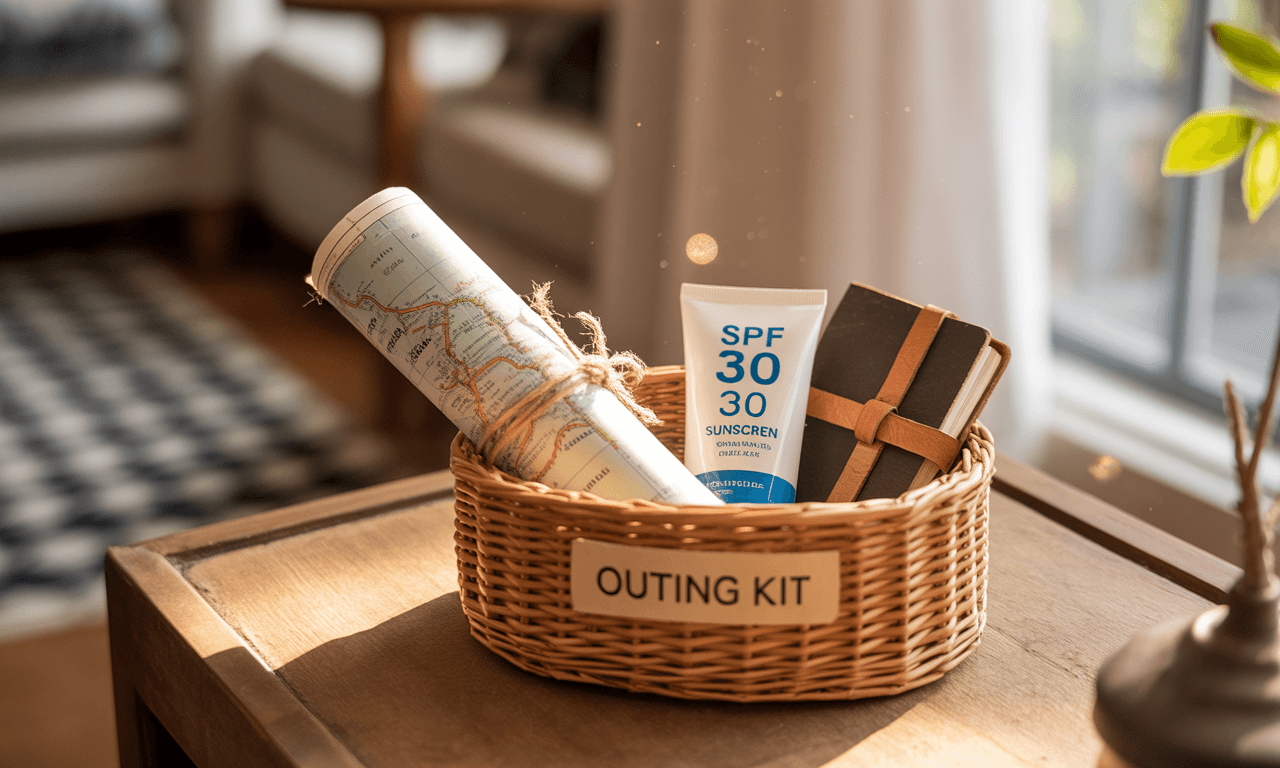
    • Put a small basket by the door with “adventure items”: park map, deck of cards, and a picnic blanket.
      • Keep a “firsts list” on the fridge-add a new line each week for one tiny novelty.
      • Use a visible timer in the kitchen to normalize short experiments (15–20 minutes).
      • Create a “distraction-free corner” for five-minute debriefs after trying something new.

    Small, visible props make “let’s try” easier to say and simpler to start.


    Confidence by Design in Daily Life (micro-bravery you’ll actually use)

    Designed confidence grows as couples explore a new nearby park togetherMeals
    Add a single new ingredient to a familiar dish. Talk for two minutes about what you noticed: taste, smell, texture.

    Commute & Errands
    Pick a different route once a week. Find one thing to appreciate and one thing to repeat.

    Evening Wind-Down
    Swap 10 minutes of scrolling for a “firsts” brainstorm: “What’s one tiny thing we could try tomorrow-”

    Weekends
    Visit a new park for 20 minutes. Take a photo, then write a one-sentence caption describing the moment.


    Communication Firsts: New Conversations, Not New Conflicts (fast-learning marriage skills)

    Conversation nook supports a fast-learning marriage with gentle, focused dialogueYou don’t need “deep talk” every night. You need new talk sometimes-questions that open windows instead of rehashing yesterday’s hallway. Try these:

    • “What’s a small risk you’re glad you took in the last year-”
      • “What could make weekdays feel 10% lighter-”
      • “What’s a story we tell about us that feels too small now-”
      • “What do you want me to understand about your stress this week-”

    After one question, practice the “reflect and ask” loop: reflect a sentence back, ask a follow-up, and stop before advice. That restraint is its own tiny risk-and a big relational payoff.


    Confidence by Design Date Nights (brave together without the drama)

    Date-night micro-bravery with napkin questions builds designed confidence togetherDate nights can slip into autopilot (same place, same talk) or pressure (perfect or bust). Design middle ground:

    • The 60-Minute Wander: Pick a block you’ve never walked together. Enter one shop or café you’ve never tried.
      • Two-Napkin Night: Each writes one new question on a napkin; swap halfway through.
      • $10 Twist: In addition to whatever you do, spend $10 on an unfamiliar item-snack, magazine, postcard-and talk about it.

    If you need ideas that scale from 30–120 minutes and cost almost nothing, queue up this follow-up read: Micro-Adventures, Major Signals: New Foods, New Cities, New Us. It’s the natural companion to Confidence by Design.


    The 30-Day Confidence by Design Plan (learn fast together)

    30-day Confidence by Design planner with tiny risks and simple checkboxesHere’s a simple month that stacks tiny risks into real momentum.

    Week 1: Start Tiny
    • Pick one Rung 1 action daily (new condiment, porch sit, one question).
    • End the day with a 30-second appreciation.
    • Debrief each tiny risk in 60 seconds: “What did we notice-”

    Week 2: Add Rung 2
    • Two Rung 2 actions this week (rearrange a corner; try a new walk route).
    • One 10-minute “firsts list” brainstorm.
    • One soft start-up conversation about the budget, calendar, or chores.

    Week 3: One Rung 3 + One Date
    • Choose one Rung 3 action (host dessert, one local class, or a new neighborhood café).
    • Do a “Two-Napkin Night.”
    • Track repair speed if something goes sideways.

    Week 4: Consolidate & Celebrate
    • Repeat the easiest wins from Weeks 1–3.
    • One 10-minute “retro”: What worked- What didn’t- What will we repeat-
    • Celebrate with a low-cost treat that marks your progress (photo, postcard, playlist).


    Metrics That Make Confidence Visible (proof fuels designed confidence)

    Simple fridge scoreboard shows a fast-learning marriage stacking small winsMeasuring feelings can be slippery; measuring actions is straightforward. Try these four for a month:

    • Firsts count: How many “firsts” did we do this week-
      • Repair speed: Minutes from friction to first repair attempt.
      • Appreciations: Daily count of specific thank-yous.
      • Debriefs done: Number of 60–120 second debriefs after trying something new.

    Don’t weaponize the numbers; use them to notice momentum. Every uptick is a vote for the identity you’re building.


    What If One Partner Is Hesitant- (safety-first brave together)

    Gentle, low-pressure invitation makes it easy to be brave together at a safe paceIf your spouse is reluctant, design your asks for safety, not spectacle:

    • Offer two options and a veto: “Would you prefer trying the new tea or a 10-minute porch sit- ‘Neither’ is fine too.”
      • Shrink the risk until it’s a near-guarantee.
      • Own your slice of pressure: “I’m excited and can get intense-help me pick a calmer pace.”
      • Reinforce consent: “We can stop anytime.”
      • Praise attempts, not outcomes: “Thanks for trying-want to keep or tweak-”

    If there’s contempt, chronic stonewalling, or any emotional/physical abuse, prioritize safety and seek support. Confidence by Design thrives in an environment of respect, not fear.


    Troubleshooting: When Tiny Risks Feel Silly (fast-learning friction)

    Two-minute reset timer supports a fast-learning marriage on tough daysIt’s normal to think, “This is too small to matter.” Remind yourselves: small is sustainable. On rough days, tiny is all you have-and tiny still counts. If you miss a day or bicker halfway through a new plan, use the fast-learning pivot:

    1. Name the moment: “We got tense.”
    2. Own one slice: “I pushed too fast.”
    3. Shrink the plan: “Two-minute reset on the porch-”
    4. Try again: “Timer set; afterwards we’ll pick one thing we liked.”

    The goal isn’t a perfect plan; it’s a forgiving system.


    Conversation Scripts for Everyday Micro-Bravery (brave together words)

    Confidence by Design conversation cards make new words easy to tryBudget Tension
    “I felt anxious when I saw the balance. I grabbed takeout twice too. Could we try a two-minute nightly check-in for three days and see if that helps-”

    Bedtime Meltdown
    “I snapped when I felt rushed. I’m going to start 10 minutes earlier tonight. If I heat up, I’ll step out for one minute and come back.”

    In-Law Stress
    “I love your family and get overwhelmed by long visits. Could we try a 90-minute visit plus a 15-minute walk afterward-”

    Intimacy Rhythm
    “I want closeness and froze yesterday. Could we start with five minutes of cuddling tonight and see where we want to go-”

    These scripts are tiny risks too: new words, small plans, repeatable rhythms.


    From Tiny Risks to Micro-Adventures (your next step)

    Micro-adventures map helps couples build designed confidence beyond the homeOnce you’re comfortable stacking little wins, graduate to micro-adventures-30 to 120-minute firsts that fit real life and real budgets. They’re the natural extension of Confidence by Design, and they supercharge your momentum: Micro-Adventures, Major Signals: New Foods, New Cities, New Us.


    Put a Bow on It: Confidence by Design Is a Choice

    Kitchen fridge displays a firsts list and reminders that reinforce designed confidence dailConfidence isn’t waiting for you somewhere down the road; it’s built at your kitchen table, in your neighborhood, across tiny promises you keep. Choose one tiny risk today. Ask kindly. Time-box it. Notice what worked. Anchor the win. Repeat tomorrow. That’s Confidence by Design-and it will quietly teach your marriage who you really are.

  • Small Potatoes, Small Choices: Upgrading Your Couple Identity

    Small Potatoes, Small Choices: Upgrading Your Couple Identity

    If you quietly see yourselves as “small potatoes,” your asks, risks, and firsts shrink to match. That identity doesn’t announce itself with a banner-it drifts in through tiny choices: downplaying plans, dressing down connection, postponing decisions, and avoiding rooms where you might feel out-ranked. This post gives you five big-shot micro-moves-how you dress, ask, plan, and show up-to nudge your identity upward without posturing. The goal isn’t to fake “big shot” energy. It’s to build a trustworthy sense of “we belong here” through consistent, visible actions that your marriage can believe.


    Why “Small Potatoes, Small Choices” Becomes a Loop (identity upgrade)

    Labels are powerful because they recruit your behavior. If the internal label is “we’re small potatoes,” your calendar, clothing, posture, and words will try to agree. You don’t ask for the reservation you want; you settle for whatever is available. You don’t propose a plan; you wait to be invited. You don’t try the new room; you stick to the old routine. And every time you choose down, you gather proof that the “small potatoes” identity is true.

    Small Potatoes, Small Choices moment as a couple hesitates before entering a new caféThe antidote isn’t a grand gesture. It’s small, repeatable choices that produce reliable evidence. Your relationship learns by watching what you do repeatedly. That’s why Small Potatoes, Small Choices flips the script: use big-shot micro-moves-humble, doable behaviors that telegraph value-until your identity catches up.


    Language Shifts That Lift Identity (retire “we never”)

    Language shifts help couples move beyond Small Potatoes, Small ChoicesIt’s hard to upgrade how you show up if your language keeps shrinking your future. Phrases like “we never get lucky,” “we’re not those people,” or “he never plans” cement tiny expectations. Swap them for language that creates room: “we’re learning to plan earlier,” “we’re becoming the couple who shows up,” “we do brave things together in small ways.” If you need a fuller map for changing the phrases that trap you, read this companion post: The “We Never” Script: How Labels Become Loops in Love. Language is the steering wheel; use it to point at a bigger life.


    Big-Shot Micro-Move 1: Dress the Intention (standard-raising look)

    Standard-raising rituals start with a simple, intentional table at homeClothes aren’t superficial; they’re signals. When you both dress with a little intention-clean lines, fresh hair, a favorite scent-you send a message to yourselves and each other: this matters, we matter. You don’t need designer labels; you need deliberate choices that lift your baseline.

    Try this tonight (10 minutes):
    • Change out of day clothes before dinner together, even at home.
    • Add one small upgrade: a watch, earrings, cologne, a fresh tee.
    • Set the table-two plates, napkins, glasses-and put your phones away.

    What this signals: We show up. We’re worth a little prep. We hold ourselves to a higher standard even when no one is watching.


    Big-Shot Micro-Move 2: Ask Like You Belong (confident requests)

    Confident request text demonstrates an identity upgrade without posturing“Small potatoes” couples often apologize for wanting things. Big-shot micro-asks are concise, respectful, and direct. They don’t demand; they presume mutual value.

    Micro-asks you can make this week:
    • Reservations: “Hi, could we do Friday at 7:30 on the patio-”
    • Upgrades: “If there’s any possibility of a corner table, we’d love that.”
    • Help from friends: “Could you share your three favorite kid-friendly hikes near town-”
    • At work: “I’d like to be considered for the Q4 project; here’s why I’m a fit.”

    At home, ask each other clearly:
    • “Would you be up for switching roles on bedtime this week so I can try a new routine-”
    • “Could we try a 10-minute Sunday planning huddle at 8pm-”

    Small rules that make asking easier:
    • Put the ask in one sentence.
    • Offer a clear time or two options.
    • Close with “Thanks for considering.”


    Big-Shot Micro-Move 3: Plan Like You Matter (calendar confidence)

    Planning with intention replaces Small Potatoes, Small Choices with confident rhythmsPlanning is identity in the calendar. When your week reflects what you value-connection, rest, progress-your days begin to feel bigger and more aligned.

    The 12-minute Sunday huddle (script):

    1. Look back (3 min): One win, one miss, one tweak.
    2. Look ahead (7 min): Lock a date, a micro-adventure, and two workouts/walks.
    3. Close (2 min): “What would make this week 10% lighter-”

    Lock the date before anything else. If date night keeps slipping, convert it from a wish into a standing appointment. And if you’re ready to formalize the look/feel of your home so it supports your best selves, this post will help you build rituals that raise the standard: Dressed for the Marriage You Want: Rituals That Raise the Standard.


    Big-Shot Micro-Move 4: Show Up With Presence (attention is status)

    Presence corner invites couples to upgrade their identity with focused attentionPresence is the most generous status signal. Close the apps. Angle your body toward each other. Hold eye contact for a few seconds longer. State what you’re hearing before you add your point. This is how “small potatoes” communication becomes valuable communication.

    The 3-2-1 presence reset (two minutes):
    • 3 breaths to downshift.
    • 2 questions before any advice.
    • 1 validation of what matters to them.

    Presence is felt, not announced. When you give your undivided attention, you both feel taller.


    Big-Shot Micro-Move 5: Enter Bigger Rooms (new spaces, small stakes)

    Trying new rooms in small doses helps couples practice an identity upgradeYour identity is allergic to rooms it hasn’t seen. Try bigger rooms with small stakes so your nervous system can learn, “We’re safe here.”

    Rooms to sample:
    • A public lecture at a local college.
    • A neighborhood association or community garden meet-up.
    • An open house at a fitness studio or art gallery.
    • A free networking mixer-arrive early, leave after 25 minutes.

    How to enter:
    • Pre-decide a time box: 25 minutes is enough.
    • Choose a job: “Let’s each meet one person and ask one question.”
    • Exit on a win: Celebrate a single useful conversation.


    “Small Potatoes, Small Choices” Wardrobe Toolkit (dress the upgrade)

    A simple rotation helps couples embody Small Potatoes, Small Choices identity upgrades dailyYou don’t need a new closet; you need a rotation-three outfits each that you can grab without decision fatigue for dates, errands, or casual gatherings.

    Build it this week:
    • Pick two tops and one outer layer that make you feel put-together.
    • Choose one pair of jeans/trousers and one casual shoe that look intentional.
    • Add a single accessory that says “we care”: a necklace, a scarf, a watch.

    Care hacks that read as confidence:
    • Steam/iron once on Sunday.
    • Keep a lint roller and mints by the door.
    • Do a 60-second mirror check before heading out.


    Conversation Scripts for Big-Shot Micro-Asks (confident words)

    Confident scripts make it simple to practice Small Potatoes, Small Choices upgradesReservation:
    “Hi! Could we reserve Friday at 7:30 on the patio- If available, a corner table would be wonderful. Thank you!”

    Babysitter:
    “We’re building a weekly date rhythm. Are you free Thursdays 6–9- If not, is there a regular window that works for you every week-”

    Friend favor:
    “We love your Saturday morning routine. Would you share a favorite 60-minute loop we could walk this weekend-”

    Work opportunity:
    “I’d love to be considered for the client follow-up role. I’ve shipped similar projects on time with high client satisfaction; I can share metrics if helpful.”

    At home:
    “Could we pilot a 10-minute nightly reset of the kitchen for a week and see if mornings feel easier-”


    The 14-Day Small Potatoes, Small Choices Upgrade Sprint (practice plan)

    A two-week sprint board helps couples practice Small Potatoes, Small Choices steps consistentlyTwo weeks is long enough to shift how you feel and short enough to start today. Keep each action tiny, trackable, and kind.

    Day 1 (Dress): Upgrade your evening look before dinner at home-fresh shirt, scent, phones away.
    Day 2 (Ask): Make one concise ask you’ve been avoiding. One sentence. Hit send.
    Day 3 (Plan): 12-minute huddle; lock date, micro-adventure, two walks.
    Day 4 (Presence): Run the 3-2-1 presence reset during a five-minute talk.
    Day 5 (Room): Visit a new café; stay 20 minutes.
    Day 6 (Language): Catch one “we never” and replace it with “we’re learning to.”
    Day 7 (Ritual): Create a five-minute nightly reset-wipe counters, set the kettle, tidy shoes.
    Day 8 (Dress): Build your three-outfit rotation; set it on a rack.
    Day 9 (Ask): Secure the reservation you want-time, table preference, tone of warmth.
    Day 10 (Plan): Put “Sunday Huddle 8pm” in the calendar for the next four weeks.
    Day 11 (Presence): Share a 30-second appreciation with one specific detail.
    Day 12 (Room): Attend a free local event for 25 minutes; leave on a win.
    Day 13 (Language): Script a gentle soft start-up for one tricky topic; practice it.
    Day 14 (Ritual): Celebrate with a dessert at home-candles, music, two questions about the sprint: “What felt bigger- What do we keep-”


    Metrics That Prove the Identity Upgrade (evidence you can feel)

    Simple fridge metrics make the Small Potatoes, Small Choices identity shift visibleDon’t grade each other-measure your momentum. Pick three of these for the sprint:

    1) Asks made: Count of clear, one-sentence requests this week.
    2) Rituals kept: Nights you executed the five-minute reset.
    3) Presence reps: Times you ran the 3-2-1 reset before speaking.
    4) New rooms sampled: Cafés, parks, talks-20–30 minutes each.
    5) Dress the intention: Evenings you changed into “we matter” mode before dinner.

    Make the counts visible on the fridge with tallies. Celebrate any uptick. Your nervous system needs to see the new story.


    If One of You Is Hesitant (safety before show)

    Gentle invitations make identity upgrades feel safe and doableHesitation is human. Meet it with kindness and design.

    How to make upgrades feel safe:
    • Offer two yeses and a no: “New café or porch sit- ‘Neither’ is okay.”
    • Shrink the experiment: 10 minutes beats 0 minutes.
    • Name your pace: “I can come on too strong; help me choose a gentler first step.”
    • Consent is king: “We can stop anytime.”
    • Praise attempts: “Thanks for trying-keep or tweak-”


    From “Small Potatoes” to Signature Standard (rituals that last)

    Standard-raising rituals card helps couples keep identity upgrades on autopilotThe Small Potatoes, Small Choices shift stabilizes when you embed standard-raising rituals into your home. Think of them as autopilot behaviors that quietly proclaim value: a weekly date that runs rain or shine, a no-phone dinner, a five-minute evening reset, a Saturday morning walk. If you want a deeper playbook for installing these rhythms, go here next: Dressed for the Marriage You Want: Rituals That Raise the Standard.


    Micro-Case Studies (tiny choices, big feel)

    Visible reminders of tiny firsts reinforce the Small Potatoes, Small Choices transformationCam & Jae (Planning): They started with a 12-minute Sunday huddle. Within three weeks they had a date streak, two new cafés, and mornings that felt less frantic. Their language shifted from “we never keep plans” to “we’re learning to lock our week early.”
    Nora & Wes (Asking): Afraid to “bother” people, they practiced one ask a day for five days-reservations, babysitter inquiry, neighbor’s favorite trail. The world didn’t collapse; people said yes. Their confidence moved from theory to proof.
    Dani & Eli (Presence): The 3-2-1 reset saved bedtime. When they felt the spike, they paused, asked two questions, validated once. The tone softened. They started enjoying the house they already had.


    Bring It Together (belonging without bravado)

    Household cues help couples maintain identity upgrades after Small Potatoes, Small ChoicesYou don’t need to pretend you’re a big deal. You need to plan like you matter, ask like you belong, dress the intention, show up with presence, and sample bigger rooms in small, consistent doses. That’s how Small Potatoes, Small Choices becomes “we hold a higher standard.” Your relationship learns by watching you. Give it something worth believing.

    And if your words still tug you toward tiny, revisit the language work that started this: The “We Never” Script: How Labels Become Loops in Love. Then carry your momentum into rituals that keep the upgrade alive: Dressed for the Marriage You Want: Rituals That Raise the Standard.