Tag: digital boundaries

  • Recognizing the Monster You’ve Built (And How to Shrink It)

    Recognizing the Monster You’ve Built (And How to Shrink It)

    Light entering a dark hallway-recognizing the monster you’ve built and opening a path to change.Brick by brick, patterns become structures that feel immovable. This article helps you spot the “monster,” take responsibility, and start shrinking it together. For the master map, begin with the cornerstone: The Elephant in the Room: How Old Habits Quietly Shape Your Marriage. If you need a code-level reboot, pair this with Rewriting Your Marriage’s Operating System.


    Recognizing the Monster You’ve Built: Why It Feels Immovable

    Patterns become walls-brick by brick habits that block connection.

    “Recognizing the Monster You’ve Built” starts with a sober truth: patterns calcify. The little jabs that used to be jokes, the shutdown that once felt like self-protection, the late-night conflicts that became a ritual-each “brick” sets. Over years, those bricks form walls that feel too heavy to shift. That heaviness isn’t proof of hopelessness; it’s proof of practice. The monster isn’t a mystery-it’s the predictable outcome of repeated choices.

    Why it feels immovable:

    • Repetition rewires expectation. If a tense conversation typically ends with sarcasm and withdrawal, both of you anticipate it-and accidentally rehearse it.
    • Results seem “good enough.” The fight ends, the week goes on. That’s not health; it’s symptom management.
    • Identity gets fused with habit. “I’m just direct,” “He’s sensitive,” “She always overreacts.” Traits become excuses for patterns that can actually change.

    “Recognizing the Monster You’ve Built” does not mean blaming your spouse or yourself. It means naming what has been co-created-so you can co-author something better.


    How a Self-Defending System Forms in Marriage

    Self-defending system loop-how old patterns reinforce themselves.

    Systems exist to perpetuate themselves. In relationships, a self-defending system grows when your routines, friends, schedules, and coping tools all support the status quo. This is why you can long for change yet feel mysteriously pulled back to “how we do things.”

    Common ingredients of a self-defending system:

    • Environmental cues: The living room where you always argue, the couch corner where you doomscroll instead of debriefing.
    • Social reinforcement: A group text that rewards spouse-bashing with laughing emojis.
    • Timing traps: Important talks only happen at 11:30 p.m. when you’re exhausted.
    • Meaning-making: Stories you tell about each other (“She never listens,” “He only cares about work”) that pre-decide your reactions.

    The system is not evil-it’s efficient. It delivers predictable outcomes. To shrink the monster, you don’t only need new intentions; you need a new design that makes different outcomes more likely.


    Spot the Monster’s Footprints: A Compassionate Audit

    Compassionate audit-spotting the monster’s footprints in daily life.

    Before you reset your marriage, perform a compassionate audit. You’re detectives, not prosecutors. Sit down with two lists: What draws us closer and what pushes us apart. Track real moments from the last two weeks.

    Questions to guide you:

    • What topics ignite defensiveness fastest-
    • What were the last three times we genuinely felt close- What preceded each-
    • When do we choose distraction (phones, chores, TV) over repair-
    • Which comments predictably escalate conflict (eye rolls, “you always…,” historical references)-

    Then name the monster’s footprints-recurring conditions that almost guarantee trouble: fatigue, lateness, alcohol, a particular relative, budget night with no plan. Seeing footprints reduces shame (“Oh, look, it’s our Thursday 9 p.m. fight again”) and increases agency.


    Shrink the Monster With Micro-Choices

    Micro-choices and time-bound pauses shrink conflict momentum.

    Grand gestures impress; micro-choices transform. A monster built on small habits shrinks the same way.

    Five micro-choices to practice this week:

    1. Name and pause: “This is our spiral. Pressing pause for 20 minutes-timer on-back at 7:30.”
    2. Ask a micro-question: “Would you like empathy or ideas right now-”
    3. Use a repair phrase: “I’m sorry for getting defensive. Let me try again.”
    4. Switch mediums: If voices heat up, move to a shared note for five minutes to write feelings in bullet points.
    5. End well: A 30-second recap: “Here’s what I heard, here’s my part, here’s our next step.”

    The monster thrives on momentum. Break motion; break the monster.


    Rewriting Your Marriage’s Operating System (Core Reset)

    Rewriting the operating system-simple rules that reset your marriage.

    To reset your marriage, update the operating system: the rules beneath your routines. Decide this together and post it where you’ll see it.

    Key OS agreements:

    • Conflict windows: “No new conflict after 9 p.m. We schedule carryovers within 24 hours.”
    • Repair protocol: “Own your part, validate impact, propose a next step. No ‘but.’”
    • Time-to-meaning rule: “We check interpretations: ‘The story I told myself when you were late was…’”
    • Decision pathways: “Budget: we co-lead. Parenting logistics: she leads weekdays, he leads weekends.”
    • Ritual minimums: “10-minute morning check-in; 10-minute evening debrief; weekly planning date.”

    Deep dive this work in Rewriting Your Marriage’s Operating System. Shrinking the monster isn’t about a single talk; it’s about running your shared life on new code.


    When Sunk Costs Keep the Monster Fed

    Letting go of sunk costs that keep harmful patterns alive.

    Sometimes you keep feeding the monster because of all you’ve already invested in a way of doing things. That’s the sunk cost trap: “We’ve done it like this for years-changing now would waste all that effort.” No-continuing wastes tomorrow.

    Tell the truth about sunk costs:

    • “We’ve spent 10 years avoiding budget talks at night. The result is the same fight every month.”
    • “I’ve invested in being ‘the strong, silent one,’ but it’s cost us intimacy.”
    • “I’m clinging to being right. The price is connection.”

    Call it what it is, then pivot. For a practical lens on this mental trap, read The Sunk Cost Trap in Marriage.


    Design a Home That Starves the Monster

    Home design that starves disconnection and feeds presence.

    Environments shape behavior. To rebuild your marriage, design spaces and rhythms that reward connection and make disconnection inconvenient.

    Environmental upgrades:

    • Phone basket at meals. Put devices to bed; let the relationship eat.
    • Two-chair corner. A small, cozy spot for 10-minute debriefs-no TV in view.
    • Calendar clarity. Shared calendars with “us time” as non-negotiable blocks.
    • Doorway rituals. Hug every time someone enters or leaves the house.
    • Trigger swap. If a room screams “fight,” take important talks to a different, neutral space.

    When your home is arranged around attention, the monster gets hungry.


    Repair Rituals That Rebuild Your Marriage

    Repair rituals-scheduled check-ins rebuild safety and trust

    A fresh start in marriage is maintained by repeatable repairs. Create rituals that make repair likely even when you’re tired.

    Three repair rituals:

    • The 3R Check-in: Regulate (breathe), Relate (name feelings), Reason (solve).
    • 24-Hour Loop: No conflict stays unresolved longer than a day without an agreed pause plan.
    • Weekly Reset: Sunday evening 30-minute meeting: calendar, budget, childcare, affection plan, prayer.

    Rituals remove reliance on mood. You don’t have to feel like repairing to repair.


    Conflict Scripts to Reset Your Marriage (Say This, Not That)

    Conflict scripts-simple language that resets your marriage.

    Scripts are scaffolding while you build new reflexes. Try these “say this, not that” swaps:

    • Instead of: “You never listen.”
      Say: “I’m feeling unheard. Could you summarize what you heard before we move on-”
    • Instead of: “You’re overreacting.”
      Say: “Your reaction is bigger than I expected. Help me understand what it’s connected to.”
    • Instead of: “Fine, whatever.”
      Say: “I’m flooded. I want to continue. Can we pause for 20 minutes and reconvene at 7:30-”
    • Instead of: “Here we go again.”
      Say: “This feels like our loop. Let’s try our repair plan.”

    These sentences are not magic, but they are micro-choices that interrupt the system and shrink the monster.


    Recognizing the Monster You’ve Built: A 30-Day Shrink Plan

    Daily practice-30-day plan to shrink entrenched patterns.

    “Recognizing the Monster You’ve Built” is only useful if it leads to daily practice. Use this 30-day plan to shrink it together.

    Week 1 – Notice (Days 1–7)

    • Track micro-moments of closeness and distance.
    • Identify two frequent triggers and two go-to reflexes.
    • Read or re-skim the cornerstone: The Elephant in the Room.
    • Agree on one phrase you’ll both use to name the spiral.

    Week 2 – Release (Days 8–14)

    • Retire two habits that feed the monster (sarcasm, late-night fights).
    • Replace one social environment that rewards disconnection.
    • Write your 3-step repair protocol on an index card.
    • If sunk cost thinking appears, revisit The Sunk Cost Trap in Marriage.

    Week 3 – Reset (Days 15–21)

    • Implement two environmental upgrades (phone basket, two-chair corner).
    • Draft your OS agreements; post them on the fridge.
    • Practice one empathy skill daily: summarize before responding.
    • Explore Rewriting Your Marriage’s Operating System.

    Week 4 – Rebuild (Days 22–30)

    • Schedule your first Weekly Reset and choose a small celebration ritual.
    • Set a 90-day shared goal (financial, fitness, service, learning).
    • Audit for “good enough” drift and plan one stretch date or micro-adventure.
    • Preview the series finale, Starting Fresh Without Starting Over, to keep momentum.

    By Day 30, you’ll have fewer spikes, shorter ruptures, and clearer pathways back to each other. Not perfect-just steadily better, on purpose.


    Stories We Tell the Monster (And Ourselves)

    New language-words that starve the monster and restore choice.

    Language either feeds the monster or starves it. Watch for scripts like:

    • “That’s just who I am.” Translation: “I won’t try a new response.”
    • “You make me ____.” Translation: “I’m outsourcing my choices.”
    • “It’s not a big deal.” Translation: “Avoidance feels safer than repair.”

    Try counter-scripts:

    • “It’s who I’ve practiced being-here’s who I’m practicing now.”
    • “I felt triggered, and I chose to withdraw. Next time I’ll name it and ask for a pause.”
    • “It matters because you matter.”

    Words are levers. Use them to lift, not to lock in place.


    Guardrails That Keep Progress From Slipping

    Mentor support and proactive guardrails protect progress.

    Assume drift. Plan for it. Three guardrails:

    • Quarterly tune-up: Review OS agreements, update rituals, retire any rule you’ve outgrown.
    • Mentor couple: Ask a trusted pair to meet monthly for a season; share one win and one growth edge.
    • Boundary with the past: If a conflict is resolved, you both agree not to resurrect it as a weapon.

    When you normalize maintenance, the monster finds fewer footholds.


    Faith, Forgiveness, and the Long View

    Faith-fueled forgiveness-choosing repair over replay.

    For many couples, faith reframes the whole project. Forgiveness isn’t ignoring harm; it’s releasing the right to retaliate and choosing repair over replay. If faith is part of your life, integrate simple practices: pray together after hard talks, read a short Scripture during weekly resets, speak blessings over each other. Rebuild your marriage not just with human effort but with hope that runs deeper than feelings.


    Conclusion: Shrink It Together, One Choice at a Time

    New day in the same place-fresh hope to rebuild your marriage.

    Dismantling happens one deliberate choice at a time. When you’re ready to turn the page, close the loop with hope in Starting Fresh Without Starting Over. And if sunk costs tug you back, revisit The Sunk Cost Trap in Marriage. You can reset your marriage without erasing your history-by noticing patterns, releasing what no longer serves, rewriting the operating system, and practicing micro-choices until the monster shrinks into something you can step over together.

  • When Friends Encourage What Your Marriage Can’t Survive

    When Friends Encourage What Your Marriage Can’t Survive

    Two diverging paths symbolizing temptation versus commitmentA quick detour to “just have fun,” a late-night DM you’d never show your spouse, a running joke that belittles your partner-none of these start as affairs. They start as micro-permissions from people who say, “It’s not that deep.” Over time, though, those casual choices teach your heart the wrong lessons about loyalty. This post helps you name the small compromises a marriage can’t absorb, and shows you how to respond when friends nudge you toward them. If you’ve ever felt like Friends Encourage What Your Marriage Can’t Survive, you’re not alone-and you’re not powerless.


    The Pattern: How Micro-Permissions Become Macro-Problems

    One small choice creating ripple effects in a relationshipMost relational damage isn’t a cliff; it’s a slow slope. One night you stay later than you planned because “everyone’s still hanging out.” One message becomes a thread. One joke becomes the group’s favorite bit. Each “little” choice rehearses disconnection and normalizes secrecy. When the people around you cheer those choices on, you’re not just resisting your impulses-you’re resisting your environment.

    Here’s the progression many couples describe:

    1. Permission: “Relax. You deserve it.”
    2. Practice: The behavior repeats; the discomfort fades.
    3. Pattern: It becomes your default setting with certain friends.
    4. Problem: Trust thins. Distance grows. Honesty feels risky.
    5. Pain: You look up and wonder, “How did we get here-”

    Naming the slope gives you leverage to stop it early-even when Friends Encourage What Your Marriage Can’t Survive.


    Enabling Friends vs. Supportive Friends: Know the Difference

    Choosing short-term comfort or long-term connectionBoth kinds of friends will say they “support” you. The difference is what they protect.

    Enabling friends:

    • Laugh when you roast your spouse for the bit.
    • Call healthy boundaries “controlling.”
    • Offer secrecy as a solution: “No need to tell everything.”
    • Prioritize your comfort over your character.

    Supportive friends:

    • Speak about your spouse with basic respect, even when you’re venting.
    • Applaud boundaries and early exits.
    • Encourage repair and transparency.
    • Protect your future, not just your feelings.

    If your unfiltered impulses feel safer with someone than your faithful intentions, that’s data. It may be time to reset expectations-or step back.


    Small Compromises a Marriage Can’t Absorb

    Tiny fractures that become structural damage over timeNot every choice carries the same weight, but certain behaviors erode trust quickly-especially when repeated.

    • Private banter with romantic potential: DMs that would feel embarrassing if read aloud.
    • Spouse-bashing humor: Group bits that chip away at honor.
    • Schedule drift: Chronic late nights or “after-after” plans that strain home rhythms.
    • Financial secrecy: “Treat yourself” purchases that become trust withdrawals.
    • Selective storytelling: Telling your friends a version you’d never tell your spouse.

    When Friends Encourage What Your Marriage Can’t Survive in these areas-often with “kind” slogans like “It’s not that deep”-remember: love is deep by design. That’s the point.


    How to Respond When Friends Encourage What Your Marriage Can’t Survive

    A short, clear boundary message that protects the marriageYou don’t need a speech; you need a sentence. Short, kind, clear.

    • When they push secrecy: “We’re keeping this above board-transparency keeps us close.”
    • When jokes cross lines: “Let’s keep it fun without dragging our spouses.”
    • When plans risk drift: “I’m in for dinner; I’m heading out by nine.”
    • When DMs get flirty: “I keep one-on-one chats professional-looping in the group.”

    If someone rolls their eyes, you’ve learned something about the friendship. Supportive friends adjust; enabling friends pressure.


    Reframing “Fun”: Choose Environments That Reward Loyalty

    Value-aligned friends choosing connection-first activitiesSometimes the issue isn’t your willpower; it’s the room. Environments have values. If the venue runs on late nights, high alcohol, and spouse-bashing banter, faithfulness becomes an uphill sprint. Curate different spaces:

    • Earlier starts, earlier exits: Dinner at 6 beats shots at 11.
    • Activity-based hangs: Walks, hikes, game nights, service projects.
    • Family-friendly gatherings: If your kids can be around it, it’s likely safer for your vows.
    • Value-aligned circles: Couples who repair quickly and honor boundaries out loud.

    You’re not “boring.” You’re strategic-creating a culture where fidelity is the easy choice.


    Diagnostic: Are Your Friends Nudging You Toward Drift-

    Quick checklist to assess enabling influenceScore each 0–2 (0 = rarely, 1 = sometimes, 2 = often):

    1. Do they normalize secrecy (e.g., “no need to tell everything”)-
    2. Do they mock boundaries as “uptight” or “controlling”-
    3. Do you feel more cynical about your spouse after time with them-
    4. Do they reward impulse more than integrity-
    5. Do they encourage “little” lies to avoid conflict-

    0–3: Safe/strengthening. 4–6: Mixed-have a clarifying conversation. 7–10: High drift pressure-reset or reduce access.


    Scripts for Courageous, Kind Conversations

    Respectful, direct conversation that resets group normsHealthy friendship can handle a reset. Use these to shift the culture without shaming anyone.

    Reset the humor
    “I love that we laugh together. Let’s retire the spouse-roast bit-I want to keep honor high.”

    Reset the DMs
    “I’m keeping chats group-visible. If you need me, ping the group thread.”

    Reset the schedule
    “I’m heading out at nine to protect our morning rhythm. Want to meet earlier next time-”

    Reset the venting
    “I need perspective that helps me repair, not a pile-on. Can you push me toward next steps-”

    If the vibe sours, that’s clarifying. Loyalty that demands disloyalty to your spouse isn’t loyalty; it’s leverage.


    Digital Boundaries That Make Faithfulness Easy

    Phone-down habit supporting digital fidelity and presenceMost modern drift begins on screens. Simple digital guardrails turn “be careful” into “be consistent.”

    • Open-device posture: Devices open by default; passwords known.
    • Group-visible messaging: Move ambiguous chats to group threads.
    • Mute corrosive content: Unfollow spouse-bashing meme accounts.
    • Phone-down rituals: Ten minutes face-to-face after work; a nightly walk; pray or read together.

    Invite your core friends to echo this culture: “Phones face-down while we hang-” Tiny norms protect big promises.


    Replacing “It’s Not That Deep” with Covenant Language

    Language swaps that shift the culture toward covenantLanguage shapes choices. Enabling slogans flatten nuance. Try covenant language instead:

    • From “It’s not that deep” to “Our words teach our hearts.”
    • From “You deserve it” to “Let’s choose what protects your peace.”
    • From “Don’t be dramatic” to “Small habits steer big outcomes.”
    • From “Live a little” to “Love a lot-on purpose.”

    When Friends Encourage What Your Marriage Can’t Survive, reply with language that honors the future you’re building.


    Case Studies: Tiny Pivots, Big Protection

    Small practical shifts preventing bigger problems

    Case 1: The Running Joke
    Your group loves roasting partners’ quirks. You say, “We’re funny enough without punching down.” The bit dies. The room relaxes. Respect rises.

    Case 2: The After-After Plan
    The crew wants to “swing by” a club. You propose dessert at a diner and a hard out. Two roll their eyes; two say, “Honestly, thank you.” You’ve found your people.

    Case 3: The “Harmless” DM
    A friendly colleague slides into late-night chatting. You move it to a team channel, tell your spouse, and the flirt fizzles. The relationship stays cordial; the marriage stays clear.

    Case 4: The Treat-Yourself Purchase
    Friends hype a big buy you haven’t discussed at home. You text your spouse first, decide together, and celebrate the shared win-either saving or choosing a version that fits your plan.


    A 30-Day Plan to Pivot Your Circle

    Four-week roadmap for changing your friendship environmentWeek 1 – Audit
    List your five loudest voices (people, podcasts, pages). Label each: nudges drift or nudges repair. Unfollow one drift-nudger; add one repair-nudger.

    Week 2 – Standards
    With your spouse, write three short standards:

    1. No spouse-bashing humor.
    2. No secret messaging with romantic potential.
    3. Boundaries accepted without teasing.
      Share them with one trusted friend.

    Week 3 – Practice
    Use one script in real time. Debrief with your spouse: “What felt strong- What felt awkward- What will we keep-”

    Week 4 – Circle
    Invite one couple for a low-stakes dinner. Agenda: one celebration, one strain, one next step. Put the next date on the calendar before you leave.

    By day 30, you’ll have more than opinions-you’ll have a living culture that resists drift by design.


    When You Can’t Fully Step Back

    Navigating tricky spaces with a clear internal compassWork teams, family ties, and shared history mean you won’t always exit enabling spaces. You still have options:

    • Reduce frequency; increase intention: Shorter hangs, clearer exit times.
    • Change the format: Move to lunch instead of late nights; group settings instead of one-on-one.
    • Bring a buffer: Include your spouse or value-aligned friend.
    • Name the line: “I’m not doing that bit. Let’s change the subject.”

    You don’t need to make enemies. You need to make choices that align with your vows.


    Metrics That Tell You the Shift Is Working

    Positive trend lines showing healthier friendship culture

    • You share more and hide less.
    • Your humor honors your spouse.
    • Your calendar reflects your values without heroic willpower.
    • Friends echo your boundary language (“Text when you get home-”).
    • Temptations lose glamour because your circle doesn’t reward them.

    These aren’t grand gestures; they’re quiet gains that compound over time.


    Frequently Asked Questions

    Core principles guiding safer, stronger friendshipsIsn’t this too intense-
    Intensity isn’t the goal; integrity is. Simple rhythms prevent expensive lessons later.

    What if my spouse is hesitant about changing our friend rhythms-
    Start with shared standards and one small shift. Celebrate any relief or peace those shifts create.

    Can single friends be part of our core circle-
    Absolutely-wisdom isn’t marital-status dependent. The only non-negotiable is respect for your boundaries.

    How transparent is too transparent-
    Aim for honest, not graphic. Enough detail to get help; never enough to humiliate your spouse.

    What if a friend breaks trust-
    Name it quickly and kindly. If repair is possible, define it. If not, step back. Protect your home first.


    Conclusion

    A friendship circle that protects, not pressures, your marriageThe most dangerous advice isn’t always loud; often, it’s the quiet nudge that says, “It’s not that deep.” But marriage is deep. It’s a daily choice to aim your freedom at love, not impulse. If you’ve been calling compromise “support,” remember this: real friends protect your future, not just your feelings. You can choose environments, scripts, and rhythms that make faithfulness normal-even when Friends Encourage What Your Marriage Can’t Survive.

    If you’ve been calling compromise “support,” recalibrate with Why ‘Supportive’ Friends Can Sometimes Wreck Your Marriage. Then learn what positive loyalty looks like in Loyalty That Works for Both You and Your Spouse.

  • How to Choose Friends Who Call You Out (Lovingly)

    How to Choose Friends Who Call You Out (Lovingly)

    Couples choosing friends who call them out with kindness and protect their marriageReal friends don’t shame you-they steady you. They can say, “You’re better than this,” and you actually feel safer, not smaller. Choosing that kind of friend isn’t luck; it’s discernment. In this post, you’ll learn the traits of truth-tellers who protect your marriage without policing you: humility, discretion, consistency, and the courage to speak up when silence would be easier. You’ll also get questions to ask yourself so you can invite these friendships on purpose. Put simply, learning How to Choose Friends Who Call You Out (Lovingly) helps you design a circle where faithfulness is the easy choice, not the uphill one.


    Why Friends Who Call You Out (Lovingly) Are Essential

    Gentle guardrails symbolizing friends who call you out in supportive waysMost marriages don’t unravel because of a single dramatic choice; they weaken under a thousand small permissions. You roll your eyes for a laugh. You stay out later than you said you would-again. You carry a private message thread that would feel awkward to read aloud. In these micro-moments, your circle either normalizes drift or nudges you toward repair. Friends who call you out (lovingly) are the quiet guardrails that keep everyday decisions pointed toward your vows.

    They are not there to monitor you. They exist to remind you who you said you want to be, especially when you’re tired, stressed, or tempted. And they do this without humiliating you or weaponizing your vulnerability. When you learn How to Choose Friends Who Call You Out (Lovingly), you’re really learning how to make your environment an ally of your covenant.


    How to Choose Friends Who Call You Out-Core Traits

    Four traits of friends who call you out with love and protect marriageNot every kind, funny, or longtime friend is a good fit for accountability. Here are the core traits that signal you’ve found the right voice:

    Humility
    They assume they could be wrong. They ask questions before they give opinions. When they do offer feedback, it’s short, specific, and non-dramatic.

    Discretion
    What you share stays in the vault. They never trade your story for social currency, not even as an “anonymous example.”

    Consistency
    They show up when life is ordinary, not just when it’s dramatic. Consistency builds the safety you need when hard truths arrive.

    Courage
    They will speak when silence would be easier. They don’t confuse “nice” with “kind.” Kindness tells the truth; meanness shames; niceness avoids.

    Honor for your spouse
    They speak about your spouse with baseline respect-even when you vent. They believe in the two of you as a team.


    Red Flags: Good People, Wrong Role

    Choosing long-term covenant over short-term comfort in friendshipsGreat friends can still be the wrong fit for accountability. Watch for these signals:

    • Secrecy cheerleaders: “You don’t have to tell everything.”
    • Boundary mockers: “Loosen up-it’s not that deep.”
    • Spouse-as-punchline culture: Running jokes that chip away at honor.
    • Deflection pros: They redirect every issue back to your partner: “They’re just insecure.”
    • Approval addicts: If you setting limits threatens the friendship, the “support” was about access, not care.

    Learning How to Choose Friends Who Call You Out (Lovingly) often starts with identifying who can’t carry that role-and adjusting access accordingly.


    Questions that Clarify: A Discernment Checklist

    Discernment checklist for choosing friends who call you out lovingly”Use this quick checklist to evaluate whether someone belongs in your “loving truth-teller” circle. Score each item 0–2 (0 = rarely, 1 = sometimes, 2 = often):

    1. Do I usually feel more tender toward my spouse after time with them-
    2. Do they accept my “no” without pouting, teasing, or punishment-
    3. Do they encourage repair, not just venting-
    4. Do they keep confidences without gossip or vague-posting-
    5. Do they ask curious questions before offering advice-

    0–3: Not an accountability role. 4–6: Mixed-try a small test. 7–10: Strong candidate for a truth-telling friend.


    How to Invite Truth-Tellers into Your Life

    Text invitation asking a trusted friend for kind, specific accountabilityHonesty feels safest when it’s invited. Use a short, humble ask and design how you want feedback delivered:

    “I’m trying to grow as a spouse. If you see me drifting-jokes at my partner’s expense, secrecy, defensiveness-would you tell me kindly and directly- A short text works best, and I promise to circle back within 24 hours.”

    Clarify process up front:

    • Timing: “Please ask if it’s a good time.”
    • Tone: “Short and specific helps me hear it.”
    • Follow-up: “I’ll let you know what I’ll do next.”

    This simple “invitation + process” is a hallmark of friends who call you out (lovingly)-and of spouses who can actually receive help.


    Scripts You Can Use (and Tweak) Right Away

    Using short, kind scripts to maintain loving accountabilityWhen you need a gentle nudge
    “Hey, I drifted into the spouse-jokes bit tonight. Mind nudging me if I do that again-”

    When you want perspective, not a pile-on
    “I need help moving from venting to repair. What’s a kind next step-”

    When you’re responding to feedback
    “Thanks for telling me. I’m sitting with it. I’ll text you tonight with my next step.”

    When a friend needs calling-in
    “I’m for you and your marriage. Can I share something that might be getting in your way-”

    Scripts make it easier to live How to Choose Friends Who Call You Out (Lovingly) without turning conversations into courtroom scenes.


    Boundaries that Keep Honesty Safe (Not Controlling)

    Porch light symbolizing honest feedback that feels safe and steadyHonesty breaks when people feel exposed or micromanaged. Protect the process with light boundaries:

    • Scope: Honest, not graphic. You share to change, not to shock.
    • Respect: You can challenge a choice; you don’t attack a person.
    • Confidentiality: No re-telling, no screenshots.
    • Consent: Ask before giving feedback: “Good time-”
    • Parity: Both people get to share-this isn’t one-way scrutiny.

    These norms make friends who call you out (lovingly) feel like a porch light-warm, steady, safe-not a spotlight.


    Digital Guardrails for Gentle Accountability

    Phone-down ritual supporting gentle accountability and presenceMost modern drift starts on screens. Choose guardrails that make fidelity easy:

    • Open-device posture: Devices open by default; passwords known.
    • Group-visible DMs: Move ambiguous chats to group threads.
    • Mute corrosive feeds: Unfollow spouse-bashing meme accounts or “it’s your life” hype.
    • Phone-down rituals: 10-minute face-to-face debriefs, walks, or a shared devotional.

    Invite your truth-telling friends to echo these norms when you’re together: “Phones face-down while we hang-” That’s how How to Choose Friends Who Call You Out (Lovingly) becomes culture, not pressure.


    Case Studies: What Loving Call-Outs Look Like

    Gentle accountability shifting everyday choices toward trustCase 1: The Running Joke
    Pattern: Your group always roasts partners’ quirks.
    Call-out (loving): “We’re funny enough without punching down-let’s retire that bit.”
    Result: Humor stays; contempt leaves. The room relaxes.

    Case 2: The “Harmless” DM
    Pattern: Late-night private messages with a coworker.
    Call-out (loving): “Would you read that thread aloud with your spouse here-”
    Result: You move to team channels, loop your spouse in, and the flirt fizzles.

    Case 3: The After-After Plan
    Pattern: Dinner turns into nightlife that strains home rhythms.
    Call-out (loving): “Let’s meet earlier so everyone can keep their commitments.”
    Result: Two people roll their eyes; two visibly exhale. You’ve found your people.

    Case 4: The Vent Spiral
    Pattern: You retell the same fight for adrenaline, not growth.
    Call-out (loving): “I hear you. What would repair look like this week-”
    Result: You apologize sooner and move forward.


    A 30-Day Plan to Find and Form Truth-Telling Friendships

    Four-week roadmap to build a circle of loving truth-tellersWeek 1 – Clarify
    With your spouse, write four standards you want your circle to echo (honor speech, transparent tech, boundary cheerleading, repair bias). Share them with one trusted person and invite feedback.

    Week 2 – Invite
    Identify two people or one couple who already model these values. Ask them to coffee with a clear purpose: “We want to normalize kind honesty. Interested in a monthly touchpoint-”

    Week 3 – Practice
    Host a 60-minute check-in: one celebration, one strain, one next step. Exchange the one-text rule: “If I text ‘reality check-’ please reply the same day.”

    Week 4 – Reset
    What worked- What felt heavy- Adjust cadence and norms. Add one tiny ritual-Sunday evening recap text, shared reading plan, or a quarterly dinner.

    By day 30, you won’t just want friends who call you out (lovingly)-you’ll have the beginnings of a real circle and a repeatable rhythm.


    Metrics that Prove It’s Working

    Positive trend lines showing honest friendships strengthening marriage

    • You apologize faster and repair sooner.
    • Your humor honors, not humiliates, your spouse.
    • You share more and hide less-especially around tech.
    • Your calendar reflects your values without heroic willpower.
    • Your friends start using your boundary language unprompted.

    These are the fingerprints of a circle that understands How to Choose Friends Who Call You Out (Lovingly) and lives it out loud.


    Frequently Asked Questions

    Core principles that keep loving call-outs safe and effectivIsn’t this too intense-
    Intensity isn’t the aim; integrity is. Light structure prevents heavy problems later.

    What if my current friends aren’t a fit-
    You don’t need dramatic exits. Gently rebalance your time toward relationships that echo your standards. Keep kindness high and access aligned with values.

    Can single friends be truth-tellers for married couples-
    Absolutely. Wisdom is not marital-status dependent. The only non-negotiable is respect for your marriage’s boundaries.

    How transparent is too transparent-
    Aim for honest, not graphic. Share enough to get help; never enough to humiliate your spouse.

    What if a friend mishandles my vulnerability-
    Name it quickly and kindly. If repair is possible, define it together. If not, step back. Your vows come first.


    Becoming the Kind of Friend You’re Trying to Find

    Becoming a loving truth-teller so you can attract the sameIf you want truth-tellers, be one. Start with self-reporting: “I crossed a line; here’s what I’m changing.” Ask consent before feedback: “Good time to share something I noticed-” Guard confidences like treasure. Celebrate restraint and repair loudly. When you embody humility, discretion, consistency, and courage, you attract people who do the same-and together you create a culture that protects both love and freedom.


    Conclusion

    A small circle of gentle truth-tellers that keeps marriages safe and strongReal friends don’t leave you alone with your worst impulses; they stand with you in becoming your best self. They steady your gait, strengthen your resolve, and treat your spouse’s dignity as a shared priority. Learning How to Choose Friends Who Call You Out (Lovingly) is one of the most practical ways to keep your promises in the chaos of real life.

    Ready to invite accountability into your circle- See why it’s a marriage-saver in The Marriage-Saving Power of Honest Friends, and get practical next steps for cultivating your circle in Building a Circle That Fights for Your Marriage.

  • Why ‘Supportive’ Friends Can Sometimes Wreck Your Marriage

    Why ‘Supportive’ Friends Can Sometimes Wreck Your Marriage

    Choosing between easy approval and faithful love in marriage“Supportive” can sound harmless-until it becomes permission to drift. If your friends laugh when you mock your spouse, keep quiet when you cross a boundary, or “have your back” while you make choices that put your marriage at risk, that isn’t support. It’s sabotage with a smile. This post shows how well-meaning friends can normalize habits that corrode trust and how to replace that dynamic with courageous, truth-telling friendship that still feels safe and kind. Put plainly, Supportive Friends Wreck Your Marriage when “support” means enabling your worst impulses instead of strengthening your vows.


    The Hidden Cost of Harmless Support

    Subtle, unnoticed deflation symbolizing slow trust erosionOn the surface, a “supportive” friend sounds ideal-someone who validates your feelings, amplifies your fun, and never judges. But in marriage, support without wisdom becomes a slow leak you don’t notice until the tire is flat. When Supportive Friends Wreck Your Marriage, it usually happens in tiny ways: a shrug instead of a question, a laugh instead of a nudge, a “You do you” instead of “What serves your home-”

    Support that never challenges you quietly trains your heart to love praise more than promises. And nothing corrodes intimacy faster than repeatedly choosing approval over integrity.


    Enablers vs. Encouragers: What’s the Real Difference-

    Choosing short-term comfort or long-term connection with friendsBoth enablers and encouragers call themselves “supportive.” The difference is what they protect.

    Enablers (false support):

    • Cheer behavior your marriage can’t absorb
    • Normalize secrecy and “white lies” to avoid “drama”
    • Reward impulse (“You deserve it”) over integrity
    • Treat boundaries as buzzkills

    Encouragers (true support):

    • Speak about your spouse with basic respect
    • Ask questions that move you toward repair
    • Celebrate boundaries, early exits, and transparency
    • Protect your long-term peace over short-term thrills

    In other words, Supportive Friends Wreck Your Marriage when “support” equals silent approval of drift.


    How Supportive Friends Wreck Your Marriage in Practice

    Small fractures becoming structural damageYou rarely get a villain speech; you get a vibe. Here’s how the drift usually looks:

    • Spouse-bashing humor: The running joke becomes your partner’s quirks. It gets laughs-and quietly lowers honor.
    • Late-night DMs: “It’s harmless,” but you’d never read them aloud.
    • Schedule creep: “Stay a little longer,” until home rhythms fray.
    • “Treat yourself” culture: Purchases or plans your spouse hasn’t seen, justified as “self-care.”
    • Selective storytelling: Telling friends a version you wouldn’t tell your spouse.

    Each moment seems small. Repeat them with the wrong crew and they become your new normal.


    Red Flags: When “Supportive” Is Actually Enabling

    Common enabling tactics disguised as supportUse these quick tells to identify false support:

    • They minimize: “You’re overthinking; it’s not that deep.”
    • They deflect: “Your spouse is just insecure.”
    • They isolate: “Keep this between us.”
    • They mock boundaries: “Wow, strict much-”
    • They reward secrecy: “No need to tell everything.”

    If you notice two or more regularly, believe what the pattern is telling you: this is support that costs your covenant.


    Why “Supportive Friends Wreck Your Marriage” Belongs in Your Filter

    Decision reminder to prioritize covenant over comfortMake the exact phrase your mental warning label. When you hear “I’m supportive,” ask: Supportive of what-

    • Supportive of my feelings without caring for my future–
    • Supportive of my comfort but not my covenant–
    • Supportive of my story as I tell it, but unwilling to ask, “What will help you repair-”

    If the answer points to comfort over covenant, tag it mentally: Supportive Friends Wreck Your Marriage-and choose a different response.


    Language Swaps That Shift the Culture

    Healthier phrases that guide supportive, covenant-minded friendshipWords shape habits. Replace enabling slogans with covenant language:

    • From “It’s not that deep” → “Small habits steer big outcomes.”
    • From “You deserve it” → “Let’s choose what protects your peace.”
    • From “Don’t be dramatic” → “What action rebuilds trust-”
    • From “Do what you want” → “Do what serves your home.”

    These swaps teach your heart to love the path that leads you home-especially when friends are listening.


    The Diagnostic: Is Your Circle Helping or Hurting-

    Quick checklist to assess whether support is healthyScore each item 0–2 (0 = rarely, 1 = sometimes, 2 = often):

    1. After time with them, do you feel more tender toward your spouse-
    2. Do they accept your “no” without teasing or pouting-
    3. Do they steer venting toward repair–
    4. Do they discourage secrecy and cheer transparency-
    5. Do they honor your boundaries even when it changes plans-

    0–3: Strengthening. 4–6: Mixed-have a clarifying conversation. 7–10: Enabling zone-reset or reduce access.


    Scripts to Reset “Support” Without Starting a Fight

    Short, kind boundary text that redefines supportYou don’t need a lecture-just a sentence. Short, kind, clear:

    • “I’m keeping this above board-transparency keeps us close.”
    • “We’re funny enough without making spouses the punchline.”
    • “I’m in for dinner; I’m heading out by nine.”
    • “Can we keep this in the group thread-”
    • “Thanks for caring about me-please also care about my marriage.”

    Two possible outcomes: healthy friends adjust, or you just learned something essential about the relationship.


    Choose Environments That Reward Fidelity

    Value-aligned friends choosing connection-first activitiesSometimes the problem isn’t your willpower-it’s the room. If a venue runs on late nights, alcohol, and shock humor, then faithfulness becomes an uphill sprint. Curate different spaces:

    • Earlier meetups: Dinner at 6 beats shots at 11.
    • Activity-based hangs: Hikes, game nights, service projects, family-friendly events.
    • Value-aligned circles: Couples who repair quickly and say boundaries out loud.

    Change the setting, change the story. Support that sustains your vows doesn’t fight the room; it picks a better one.


    Turning Good Intentions Into Guardrails

    Simple rhythm that turns support into steady guardrailsGood intentions fatigue. Structures last. Put two or three guardrails in place with one or two trusted friends:

    • Monthly touchpoint: One celebration, one strain, one next step.
    • One-text rule: If someone messages “Reality check-” reply same day.
    • No-secrets policy: Keep your life explainable, repeatable, showable.
    • Honor speech: No spouse-bashing bits for laughs.

    These habits keep support honest without turning your friendships into a courtroom.


    When You’re the “Supportive” Friend: How Not to Wreck Their Marriage

    Repairing a friendship by choosing honest support over enablingMaybe you’ve been the easy laugh, the late-night buddy, the “don’t worry about it” voice. Repair is possible:

    • Own it: “I made it easy for you to drift. I’m sorry.”
    • Reframe: “I’m for your marriage. Want me to nudge you if I see you crossing lines-”
    • Ask consent: “When you vent, do you want comfort or challenge-”
    • Offer structure: “Want a monthly check-in to keep us honest-”

    Be the friend who steadies, not the friend who excuses.


    Micro-Situations and Better Responses

    Small, supportive nudges creating healthier results”The Running Joke

    • Enabling: “Lighten up.”
    • Supportive: “We’re funny enough without punching down.”

    The “Harmless” DM

    • Enabling: “Everyone does it.”
    • Supportive: “Would you read that aloud with your spouse here-”

    The After-After Plan

    • Enabling: “Come on, live a little.”
    • Supportive: “Let’s meet earlier so everyone keeps their commitments.”

    The Retail Therapy

    • Enabling: “You earned it.”
    • Supportive: “What choice protects your shared plan-”

    These swaps are tiny-and transformative.


    A 30-Day Plan to Upgrade Your Support System

    Four-week roadmap to transform your friendship environmentWeek 1-Audit
    List the five loudest voices (people, podcasts, pages). Label each: nudges drift or nudges repair. Unfollow/step back from one drift-nudger; add one repair-nudger.

    Week 2-Standards
    With your spouse, write three micro-standards:

    1. No spouse-bashing humor.
    2. No secret messaging with romantic potential.
    3. Boundaries accepted without teasing.
      Share with one trusted friend.

    Week 3-Practice
    Use one boundary script in real time. Debrief with your spouse: “What felt strong- What felt awkward- What will we keep-”

    Week 4-Circle
    Invite one couple for a low-stakes dinner. Agenda: one celebration, one strain, one next step. Put the next date on the calendar before you leave.

    By day 30, your support system will feel lighter, cleaner, kinder-and far more loyal to your vows.


    Metrics That Tell You It’s Working

    Positive indicators that healthy support is taking root

    • You share more and hide less.
    • Your humor honors your spouse.
    • Your calendar reflects your values without heroic willpower.
    • Friends mirror your boundary language unprompted.
    • Repair is faster, gentler, and more specific.

    These are the fingerprints of true support-and proof that you’ve stopped letting Supportive Friends Wreck Your Marriage.


    Frequently Asked Questions

    Core principles for building a trustworthy support networkIsn’t this all a bit intense-
    Intensity isn’t the goal; integrity is. Light structure now prevents heavy cleanup later.

    What if my current friends don’t fit-
    No dramatic exits required. Gently rebalance time toward people and spaces that align with your standards. Keep kindness high and access aligned with values.

    Can single friends be great supporters-
    Absolutely. Wisdom isn’t marital-status dependent. The only non-negotiable is respect for your boundaries.

    How transparent is too transparent-
    Aim for honest, not graphic. Share enough to get help; never enough to humiliate your spouse.

    What if a friend breaks trust-
    Name it quickly and kindly. If repair is possible, define it. If not, step back. Protect your home first.


    Conclusion

    A friendship circle that protects, not pressures, your marriage“Supportive” should never mean “silent while you drift.” Real support defends your dignity and your spouse’s at the same time. It cheers restraint, honors boundaries, and helps you course-correct fast. When you replace enabling with encouragement, your friendships become a force multiplier for intimacy-not a liability.

    If you recognized enabling in your circle, start by spotting the red flags in How to Spot Enablers in Your Friend Group. Then discover what healthy loyalty looks like in Loyalty That Works for Both You and Your Spouse.

  • The Kind of Friends Your Marriage Deserves

    The Kind of Friends Your Marriage Deserves

    The kind of friends your marriage deserves-supportive couples gathered for honest conversationEvery marriage has a circle around it-people who shape your choices, your mood, and even your definition of “normal.” The right friends don’t just applaud your wins; they pull you back from the edge when a shortcut looks tempting. They don’t cover for you; they cover you-by challenging you to live out your vows with integrity. In this cornerstone guide, we’ll define what “supportive” actually means for a married couple and why accountability is one of the deepest forms of friendship. If you’ve ever wondered whether your crew is pushing you toward your spouse or quietly pulling you away, this is your reset. This is your field manual for choosing the kind of friends your marriage deserves-and for becoming that friend to others.


    The Kind of Friends Your Marriage Deserves: Why It Matters

    Healthy friendship changes the weather in your marriage-sunlight breaking through cloudsYour closest relationships set the “weather” in your home. Spend time with people who normalize sarcasm about spouses, secrecy as “privacy,” and late-night choices that strain your rhythms, and the forecast becomes chilly and unpredictable. But build friendships that make honor feel normal, transparency feel safe, and repair feel expected, and the atmosphere in your marriage warms up-even when life gets cold.

    When you sense tension between your values and your friend group, start with curiosity, not condemnation. Ask, “What habits do these friendships reward-” If the answer is impulse over integrity, it’s time to reset your circle. And if you’re unsure what “support” should look like in real life, go deeper on the difference between honest help and enabling in Why ‘Supportive’ Friends Can Sometimes Wreck Your Marriage-a practical companion to this cornerstone.


    Define “Support” So It Doesn’t Become Sabotage

    Choosing covenant-focused support over comfort-driven enabling“Supportive” is one of those words that sounds harmless until it’s used to justify drift. If your friends laugh when you mock your spouse, keep quiet when you cross a boundary, or “have your back” while you make choices that put your marriage at risk, that isn’t support. It’s sabotage with a smile.

    Real support:

    • Protects your covenant, not just your comfort.
    • Speaks truth with kindness. Not “no judgment ever,” but “no shaming ever.”
    • Celebrates restraint. The early exit, the boundary, the humble apology.
    • Encourages transparency. “Tell your spouse-keep this above board.”

    False support does the opposite. It normalizes secrecy, frames boundaries as overreactions, and treats your spouse’s dignity as optional. If a friend’s “support” requires disloyalty to your vows, it’s not support at all.


    Traits of the Kind of Friends Your Marriage Deserves

    Core traits of the kind of friends your marriage deservesYou don’t need perfect people in your corner; you need principled ones. Here are the markers of friends who strengthen your union:

    • Humility. They assume they might be missing something. They ask before they advise.
    • Discretion. Your story stays in the vault. No “anonymous examples” later.
    • Consistency. They show up when life is ordinary, not only when it’s dramatic.
    • Courage. They’ll speak when silence would be easier-and they do it gently.
    • Honor for your spouse. They talk about your husband or wife with baseline respect, even when you’ve vented.

    Want to look for these traits with a sharper eye- Scan the practical checklist in How to Choose Friends Who Call You Out (Lovingly). That piece breaks down humility, discretion, consistency, and courage-and gives ready-to-use scripts for inviting those voices into your life.


    Red Flags: When “Supportive” Is Actually Enabling

    Red flags for enabling disguised as support in friendshipsGreat people can play the wrong role in your marriage. Watch for these red flags:

    • Minimizing: “You’re overthinking-it’s not that deep.”
    • Deflecting: “Your spouse is just insecure.”
    • Isolating: “Keep this between us.”
    • Mocking boundaries: “Wow, strict much-”
    • Rewarding secrecy: “No need to tell everything.”

    If two or more of these show up routinely, you’ve got enabling, not encouragement. For a more thorough diagnostic-and scripts to reset the dynamic-use How to Spot Enablers in Your Friend Group. It will help you evaluate patterns and recalibrate with kindness.


    Micro-Permissions and Drift: The Slow Slide You Don’t See Coming

    Micro-permissions create hairline fractures that widen over timeFew betrayals start as big betrayals. They start as micro-permissions, especially in groups that nudge you to minimize your promises: the “harmless” DM you wouldn’t read aloud, the running joke that makes your spouse the punchline, the after-after plan that pushes you past the boundary you set together. Each small choice rehearses disconnection and lowers your sensitivity to drift.

    If your crew treats these micro-permissions as “fun,” read When Friends Encourage What Your Marriage Can’t Survive. That article names the subtle behaviors a marriage can’t absorb long-term and shows how to pivot without preaching.


    Freedom with Purpose: Avoid the “It’s Your Life” Trap

    Freedom aimed at love-compass guiding choices that protect marriage“It’s your life-do what you want” sounds empowering, but in marriage it often excuses selfish choices someone else has to live with. Partnership means your decisions ripple. The kind of friends your marriage deserves understands freedom as responsibility: you aim your choices at love, not impulse.

    If your life has started to echo the slogans of radical autonomy-“main character energy,” “no apologies”-flip the script with When ‘It’s Your Life’ Is the Worst Advice a Friend Can Give. You’ll get language swaps and quick tests that keep freedom pointed at fidelity.


    Covenant Loyalty in a Modern World

    Choosing covenant loyalty over cover-ups in friendshipLoyalty is not “cover for me no matter what.” In marriage, loyalty cares about the health of your home as much as your weekend plans. Friends who embody covenant loyalty protect your future, not just your feelings. They steer you toward honesty, not hideouts; clarity, not cover stories.

    To see what covenant loyalty looks like in everyday scenarios-group humor, work DMs, late-night plans-read Loyalty That Works for Both You and Your Spouse. You’ll find a five-point loyalty plan you can share with your circle.


    Build Your Marriage Support Network: Structures That Stick

    Simple rhythms and check-ins that turn values into habitsGood intentions fatigue. Structures endure. The kind of friends your marriage deserves will help you turn values into visible habits:

    • Monthly touchpoint (60–90 minutes): One celebration, one strain, one next step.
    • Quarterly deep-dive: Screens, schedule, stress, sex, spending.
    • One-text rule: If someone messages “Reality check-” reply the same day.
    • No-secrets policy: Keep your life explainable, repeatable, and showable.

    For a step-by-step plan to launch a tiny, trusted circle, steal the blueprint from Friends Who Help You Keep Your Promises. Then turn that circle into a durable “village” with the four-week roadmap in Building a Circle That Fights for Your Marriage.


    The Marriage-Saving Power of Honest Friends

    Honest friends as guardrails that prevent small issues from becoming crises”Your spouse shouldn’t have to carry all your accountability alone. Trusted friends can be an early warning system that keeps small issues from becoming crises. Honest friends aren’t harsh; they’re careful and clear. They’ll check your blind spots, remind you who you said you want to be, and stick around while you make it right.

    If you want to invite honesty without making things weird, learn the exact ask, tone, and follow-up process in The Marriage-Saving Power of Honest Friends. That guide turns honesty into comfort, not a threat.


    Digital Boundaries That Make Fidelity Easy

    Digital boundaries that align your circle with your vowsMost modern drift begins on screens. Draw a few light lines so you don’t need to rely on willpower at the worst time of day.

    • Open-device posture: Devices open by default; passwords known.
    • Group-visible DMs: Move ambiguous chats to group threads.
    • Mute corrosive feeds: Unfollow spouse-bashing meme accounts and “do what you want” hype.
    • Phone-down rituals: Ten minutes of eye contact after work; a short walk; a shared reading or prayer.

    When your core friends echo these norms-“Phones face-down while we hang-”-fidelity becomes the easy choice. For more digital scripts and guardrails, the examples in Friends Who Help You Keep Your Promises translate seamlessly to screen life.


    Scripts and Scenarios: Short, Kind, Clear

    Short, kind scripts that reset group norms without dramaYou don’t need a lecture to protect your marriage. You need a sentence. Try these:

    Reset the humor: “We’re funny enough without making spouses the punchline.”
    Reset the plan: “I’m in for dinner; I’m heading out by nine.”
    Reset the DMs: “I keep one-on-one chats professional-looping in the group.”
    Reset the venting: “I need help moving from venting to repair-what’s a kind next step-”
    Reset the secrecy: “We’re keeping this above board-transparency keeps us close.”

    If the room sours, you’ve learned something about the relationship. If it shifts, you’ve just modeled what the kind of friends your marriage deserves actually sounds like.


    Your 30/60/90-Day Plan to Curate the Circle You Deserve

    90-day roadmap to build the friend circle your marriage deservesDays 1–30: Audit and Align

    • List your five loudest voices (people, podcasts, pages). Label each: nudges drift or nudges repair.
    • Unfollow or step back from one drift-nudger; add one repair-nudger.
    • With your spouse, write three micro-standards:
      1. No spouse-bashing humor.
      2. No secret messaging with romantic potential.
      3. Boundaries accepted without teasing.
    • Share the standards with one trusted friend and invite feedback.

    Days 31–60: Invite and Practice

    • Ask one couple to coffee: “We want to normalize kind honesty. Interested in a monthly touchpoint-”
    • Host a 60–90 minute check-in: one celebration, one strain, one next step.
    • Exchange the one-text rule. Use at least one script in real time and debrief with your spouse.

    Days 61–90: Reset and Root

    • Adjust cadence, tone, and ground rules based on what felt heavy or helpful.
    • Add a simple ritual: Sunday evening recap text, a shared reading plan, or a quarterly dinner.
    • Celebrate small wins loudly: the early exit, the quick apology, the quiet restraint.

    By day 90, you won’t just believe in The Kind of Friends Your Marriage Deserves-you’ll be living it on your calendar.


    Metrics That Prove Your Circle Is Working

    Positive indicators that your friendship culture is strengthening your marriage

    • More sharing, less hiding. You volunteer your location, plans, and feelings without being asked.
    • Honor replaces sarcasm. Group humor gets sharper and kinder, never contemptuous.
    • Calendars follow values. Early starts and early outs feel normal, not restrictive.
    • Faster repair. Apologies and course corrections arrive sooner, with fewer words.
    • Echoed language. Friends repeat your boundary language unprompted: “Text when you get home-”

    If you see three or more of these within a month, your environment is now an ally. That’s the long game of the kind of friends your marriage deserves.


    Special Situations: When Things Get Complicated

    Long-distance friends practicing the same healthy norms and check-insBlended families & co-parenting:
    You need friends who honor the complexity-not people who escalate conflict or bait you into venting that your kids might someday read. Choose circles that elevate empathy and boundaries at the same time.

    Work friendships & travel:
    Set norms you can explain. Group-visible messages, transparent scheduling, and pre-planned check-ins keep work from becoming a wedge.

    Different faith or value backgrounds:
    Shared respect can be enough for deep friendship. The non-negotiable is that your vows are taken seriously-not mocked as “old-fashioned.”

    Distance friendships:
    Out of sight shouldn’t mean out of alignment. Keep the one-text rule alive across time zones; schedule a standing monthly video check-in with your core couple.


    Becoming the Friend Your Marriage Deserves (and Theirs Too)

    Becoming the friend that makes loyalty normal-humility, hope, discretionYou’ll attract what you practice. If you want honest, gentle, covenant-minded friends:

    • Self-report first. “I crossed a line yesterday-here’s what I’m changing.”
    • Ask consent. “Good time for a quick reality check-”
    • Protect dignity. Share just enough to get help; never enough to humiliate a spouse.
    • Cheer restraint. Celebrate the quiet wins with the volume you’d give a promotion.
    • Hold the line kindly. “I’m for you; this plan makes repair harder-what’s a safer version-”

    When your posture is humble, hopeful, and discreet, your circle will rise to meet it. That’s how you become the kind of friend your marriage deserves-and the kind of friend others need.


    FAQ: The Kind of Friends Your Marriage Deserves

    Guiding principles that keep friendship safe and marriage-firstIsn’t this too intense-
    Intensity isn’t the goal; integrity is. Light structures now prevent heavy cleanup later.

    Do we need married-only friends-
    No. Singles can be wise allies if they honor your boundaries and your spouse’s dignity.

    How transparent is too transparent-
    Be honest, not graphic. Your circle needs enough context to help, never enough to violate privacy.

    What if trust is broken in the group-
    Name it quickly and kindly. If repair is possible, define it. If not, step back. Your vows outrank the group.

    What if our current friends aren’t a fit-
    No dramatic exits required. Gently rebalance your time toward people and spaces that echo your standards.


    Conclusion

    A small village that protects your marriage-friends who make faithfulness feel normalHealthy friendship is a guardrail for your vows, not a loophole. The kind of friends your marriage deserves will laugh with you, not at your spouse; will speak truth with tenderness; will protect your future, not just your feelings. Curate a circle that makes faithfulness easier and hiding harder-one check-in, one script, one small shift at a time.

    As your next step, learn the difference between real support and enabling in Why ‘Supportive’ Friends Can Sometimes Wreck Your Marriage. Then, turn these principles into a living rhythm with Building a Circle That Fights for Your Marriage. When your village changes, your vows feel lighter-and your home gets warmer.

  • How to Spot Enablers in Your Friend Group

    How to Spot Enablers in Your Friend Group

    Enablers don’t look like villains. They’re fun, affirming, and “never judgmental.” But if your worst impulses feel safer around them than your best commitments, pay attention. This post offers a simple diagnostic: how enablers talk about your spouse, how they react to boundaries, and how they respond when you try to course-correct. You’ll also learn what to say when you need to reset expectations-or step back. Put simply, learning How to Spot Enablers in Your Friend Group helps you protect intimacy, not police your life.

    Choosing between easy approval and faithful support in friendship


    What Enabling Really Is (and Isn’t)

    Contrasting honest support with comfortable enablingEnabling isn’t just covering for big betrayals. It’s any pattern of “support” that normalizes choices your marriage can’t survive long-term. An enabling friend might:

    • Laugh when you mock your spouse “for the bit.”
    • Encourage secrecy in the name of “privacy.”
    • Minimize boundary concerns as overreacting.
    • Reward your impulses more than your integrity.

    Support, on the other hand, is honest help. It protects your dignity and your spouse’s. It refuses to trade short-term relief for long-term regret. When you’re learning How to Spot Enablers in Your Friend Group, the first clue is whether someone loves your comfort more than your character.


    Enabler Red Flags in How They Talk About Your Spouse

    Spotting disrespectful jokes about a spouse in a friend groupListen closely. Speech reveals allegiance. Enablers often:

    • Normalize contempt. “Everybody complains-don’t be so sensitive.”
    • Shift blame. “Your spouse is just insecure; have your fun.”
    • Invite comparisons. “My partner lets me do that; why can’t yours-”

    Wise friends do the opposite. They speak of your spouse with basic respect-even when they give tough feedback. If someone consistently makes your spouse the punchline, that’s not friendship; it’s erosion disguised as humor.


    Boundary Reactions: Identify Enablers by Their “No” Response

    Testing boundaries to identify enablersSet a small boundary and watch what happens. Enablers take your “no” personally, teasing or sulking until you reverse it. Healthy friends say, “Got it,” and adjust. Try these micro-tests:

    • “I’m heading out by nine tonight.”
    • “I don’t do private DMs with coworkers.”
    • “We agreed not to make our spouses the joke.”

    Enablers push back with, “Wow, strict much-” or “You’ve changed.” The reaction is data. If your line threatens the friendship, it wasn’t a friendship-it was an arrangement built on access to your impulses.


    Course-Correction Check: How Enabling Friends Handle Repair

    Friends who adjust for your growth vs. those who won’tWhen you say, “I need to change this,” supportive friends cheer you on. Enablers mock the shift or keep tempting you back to the old pattern.

    • Supportive: “Proud of you. I’ll help make that easier.”
    • Enabling: “Relax. One more time won’t kill you.”

    If your attempts to repair are met with drama, silence, or peer pressure, you’ve found a fault line. Part of How to Spot Enablers in Your Friend Group is noticing whether your growth costs them their good time.


    How to Spot Enablers in Your Friend Group: A Quick Diagnostic

    Five-part checklist to spot enablers in your friend groupUse this five-part diagnostic as a monthly check. Score each item 0–2 (0 = rarely, 1 = sometimes, 2 = often):

    1. Spouse-honor test: Do they speak of your spouse with baseline respect even when they’re frustrated with you-
    2. Boundary test: Do they accept “no” without pouting, teasing, or punishing-
    3. Transparency test: Do they encourage open communication with your spouse, or ask you to keep secrets-
    4. Repair test: Do they applaud course-corrections and help you follow through-
    5. Values test: Do you make better choices after time with them-

    Scores 0–3: Safe, strengthening.
    4–6: Mixed-have a clarifying conversation.
    7–10: Enabling zone-reset or reduce access.


    Scripts to Reset Expectations Without Burning Bridges

    Sending a clear boundary-setting messageYou don’t need a speech; you need a sentence. Keep it kind, brief, and specific.

    When jokes cross the line
    “Hey, I’m dropping the spouse-jokes bit. Helps me be a better partner.”

    When you’re offered a secrecy pass
    “I’m keeping this above-board with my spouse-no side conversations.”

    When a boundary gets mocked
    “I get it might seem extra, but it protects what matters most to us.”

    When the old pattern calls your name
    “I’m changing that habit. If you see me drift, call me back, please.”

    These scripts shift the culture without shaming your friend. If they bristle, you’ve learned something important about the relationship.


    If You Realize You’re the Enabler: How to Stop

    Owning enabling behavior and choosing healthier supportSometimes the mirror is the lesson. If you’ve enabled a friend, here’s how to repair:

    • Own it. “I see how I made it easy for you to cross your own lines. I’m sorry.”
    • Reframe. “I want to cheer what serves your marriage.”
    • Ask consent. “When you vent, do you want comfort or a challenge-”
    • Offer structure. “Want to check in next week on that boundary-”

    Real friends don’t keep you “fun.” They keep you free.


    Digital Enablers: Group Chats, DMs, and “It’s Just a Like”

    Choosing connection over digital enablingOnline spaces amplify enabling. Watch for:

    • Secret side chats that pull you from transparency.
    • Flirty banter that would embarrass you if read aloud.
    • Algorithms feeding spouse-bashing memes or romanticized secrecy.

    Counter-moves:

    • Keep romantic or personal DMs group-visible.
    • Mute threads that normalize contempt.
    • Replace doom-scrolling with a 10-minute connection ritual at home.


    Enabling vs. Accountability: The Real Difference

    Choosing short-term comfort or long-term connectionBoth enablers and accountable friends say, “I’ve got your back.” The difference is what they protect.

    • Enabler: Protects your feelings right now, even if it costs you later.
    • Accountability friend: Protects your future together, even if it stings today.

    If you want a masterclass in accountability, read The Marriage-Saving Power of Honest Friends. If you need to detox your definition of “support,” see Why ‘Supportive’ Friends Can Sometimes Wreck Your Marriage. (Direct links in the conclusion.)


    Case Studies: Spot the Enabler (and the Healthier Path)

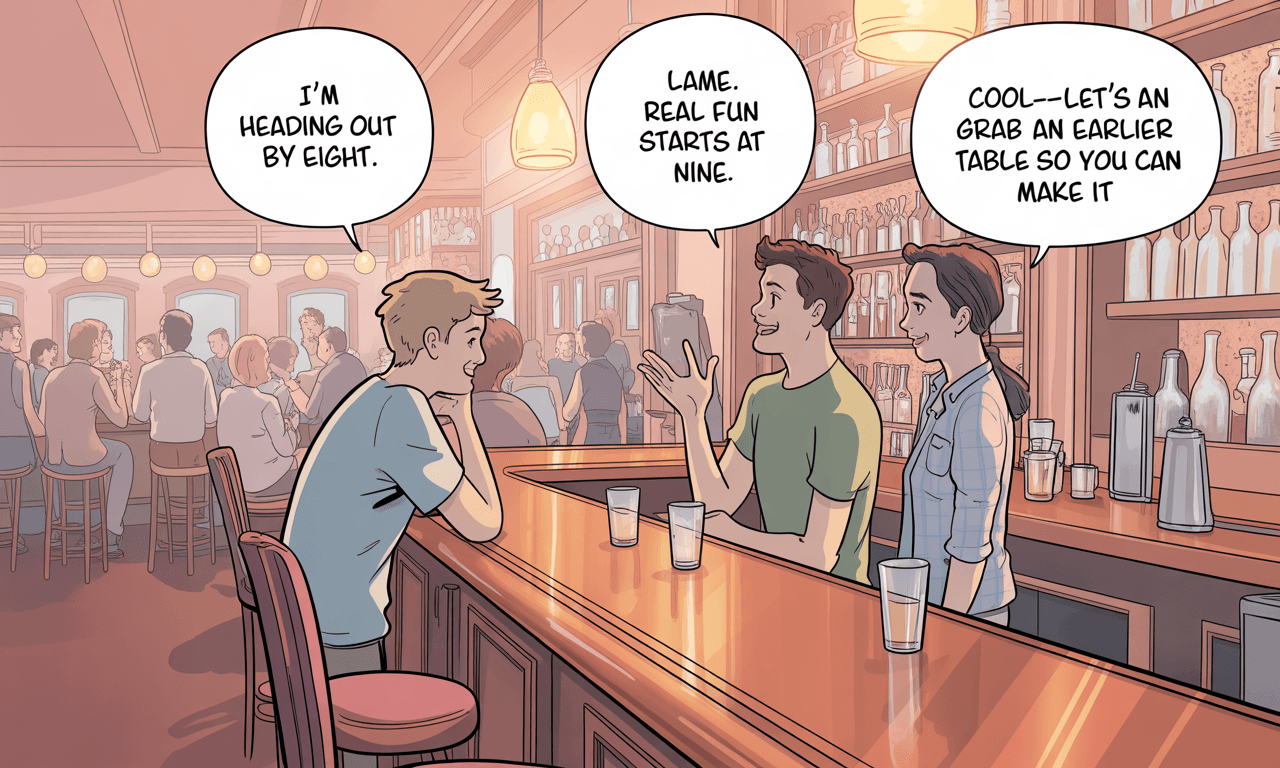
    Scenarios contrasting enabling with supportive friendshipCase 1: The After-Work Crowd
    You say: “I’m heading out by eight.”
    Friend A: “Lame. The real fun starts at nine.”
    Friend B: “Cool-let’s grab an earlier table so you can make it.”
    Verdict: A is enabling; B is supportive.


    Scenarios contrasting enabling with supportive friendshipCase 2: Flirty Colleague
    You say: “I’m stepping back from one-on-one chats.”
    Friend A: “You’re overthinking-enjoy the attention.”
    Friend B: “Good call. Want me to keep you accountable-”
    Verdict: A normalizes drift; B protects your vows.


    Scenarios contrasting enabling with supportive friendshipCase 3: Group Chat Banter
    You say: “Let’s not make our spouses the punchline.”
    Friend A: “Lighten up.”
    Friend B: “Thanks for saying it-agreed.”
    Verdict: A signals enabling culture; B embraces a healthier norm.


    A 30-Day Plan to Clean Up Enabling Dynamics

    Four-week plan to reduce enabling and build healthy supportWeek 1-Audit
    List the five voices you consult most (people, podcasts, pages). Label each: enables impulse or encourages integrity. Unfollow one enabler; add one wise voice.

    Week 2-Standards
    Write three relational standards with your spouse:

    1. No spouse-bashing humor.
    2. No secret messaging.
    3. Boundaries accepted without teasing.
      Share them with a trusted friend.

    Week 3-Practice
    Use one script from this post in a real moment. Debrief with your spouse: “What worked- What should we tweak-”

    Week 4-Circle
    Invite one couple for a low-stakes dinner. Agenda: one celebration, one challenge, one next step. Set the next date before you leave.


    Metrics That Matter: How You’ll Know It’s Working

    Positive trends that signal enabling is decreasing

    • You feel lighter after hangouts-not conflicted.
    • You share more with your spouse and hide less.
    • Friends mirror your language of respect and responsibility.
    • Repairs are quicker and gentler.
    • Temptations lose their glamour because your circle honors your boundaries.

    When these markers show up, you’ve learned How to Spot Enablers in Your Friend Group and transformed your environment from risky to reinforcing.


    What If You Can’t Fully Step Back-

    Navigating unavoidable environments with a clear internal compassWork schedules, family ties, or shared history may keep you around enabling influences. You still have options:

    • Reduce frequency, increase intention. Shorter hangs, clearer exit times.
    • Change the setting. Move meetups to environments that support your standards.
    • Bring a buffer. Invite your spouse or a values-aligned friend.
    • Name the line. “I’m not doing that bit; let’s change the subject.”

    You don’t need to make speeches or enemies. You need to make choices that keep your heart aligned with your vows.


    Conclusion

    Friend circle that encourages honesty and protects marriageEnablers aren’t monsters. They’re often kind people who love you-but not always your marriage. You can appreciate their intentions while refusing their influence. Learn to hear the difference between compassion and permission, between affirmation and erosion. Then choose the tiny habits that build a culture of respect, transparency, and repair.

    After identifying enablers, pivot toward healthier patterns with The Marriage-Saving Power of Honest Friends and reset your definition of “support” in Why ‘Supportive’ Friends Can Sometimes Wreck Your Marriage.