
Tag: hope loop

  • The Hope Loop: How Remembering Yesterday Fuels Tomorrow

    The Hope Loop: How Remembering Yesterday Fuels Tomorrow

    Hope isn’t built from prediction-it’s built from pattern. When life feels uncertain, imagining a better tomorrow can feel hollow, but remembering how God has shown up before changes everything. The Hope Loop helps you notice the repeat evidence that love and grace have always returned, even after silence. By tracing answered prayers, repaired connections, and laughter that reappeared after conflict, you’ll learn to see your marriage not as a series of isolated events but as a loop-proof that light keeps finding you. This isn’t blind optimism; it’s a grounded confidence built on the data of your own shared story.

    Couple rediscovering hope by remembering past faithfulness and how God’s patterns fuel tomorrow.


    Why Hope Isn’t Prediction-It’s Pattern

    Remembering God’s consistent faithfulness builds hope through recognizable patterns.When people lose hope, it’s rarely because of what’s happening right now. It’s because they’ve forgotten the patterns that prove change is possible. Hope doesn’t grow from guessing the future-it grows from remembering how often love and grace have returned before.

    Every couple has these rhythms: the time you thought the argument was the end, but it wasn’t. The season when finances felt impossible, but provision came. The stretch when you couldn’t feel close, yet laughter still found its way back.

    Hope is pattern recognition. It’s realizing that the same God who helped you then is still in the room now.

    This truth echoes the cornerstone post When You Can’t See a Way Forward: How Looking Back Rebuilds Hope-which teaches that reflection isn’t retreat; it’s strategy. The Hope Loop takes that one step further by showing you how to turn reflection into momentum.


    What the Hope Loop Is (and Why It Works)
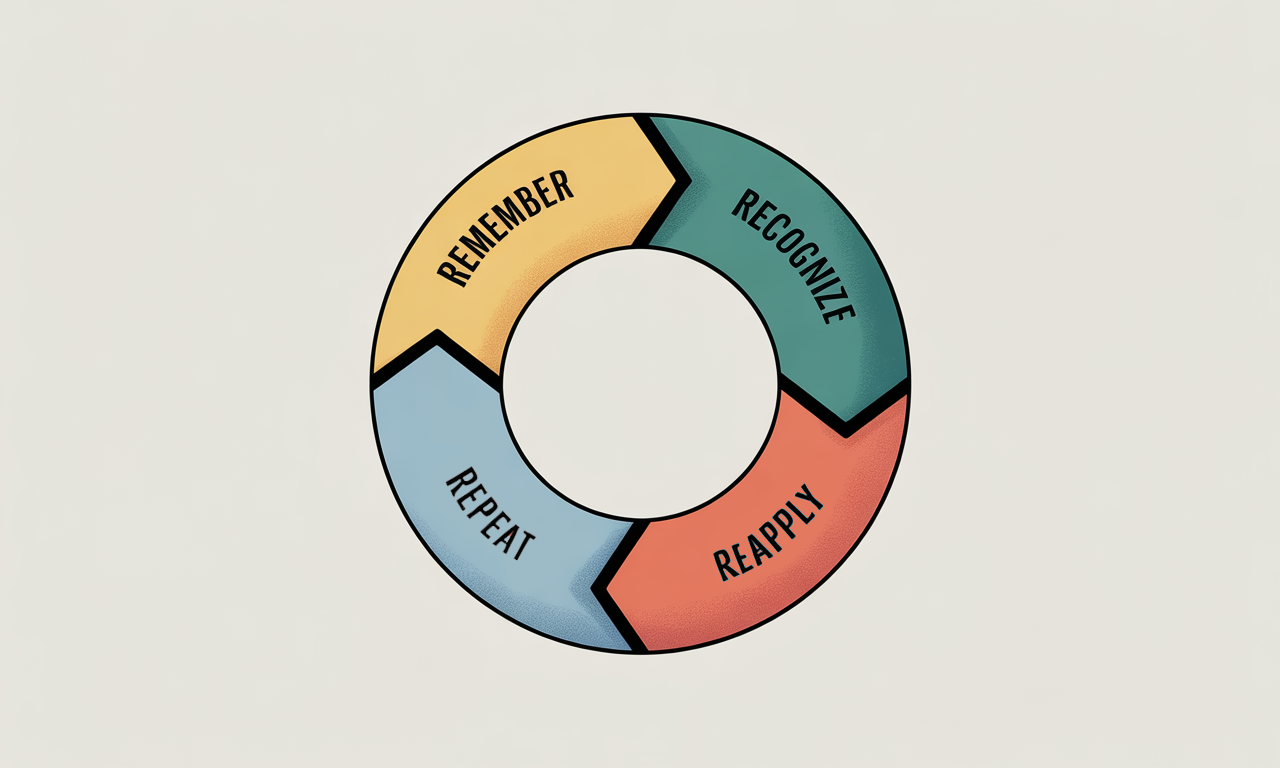
    The Hope Loop visualized as a simple four-step cycle that strengthens marriage through remembrance.The Hope Loop is a spiritual practice of recalling the cycles of goodness that keep repeating-so you stop treating every setback like the first one. It’s noticing, naming, and looping back to evidence of grace until faith becomes muscle memory.

    Here’s the pattern:

    Remember → Recognize → Reapply → Repeat

    1. Remember how God has carried you before.
    2. Recognize similar patterns of help showing up now.
    3. Reapply faith by responding with gratitude instead of panic.
    4. Repeat the process when the next uncertainty arrives.

    Over time, this cycle turns despair into data. Your hope stops being theoretical-it becomes measurable.

    This concept aligns with The Evidence File: Building Proof That Love Still Lives Here. Both are about building emotional and spiritual case files that remind your heart that grace has a track record.


    Step One: Remember Where Hope Has Shown Up Before
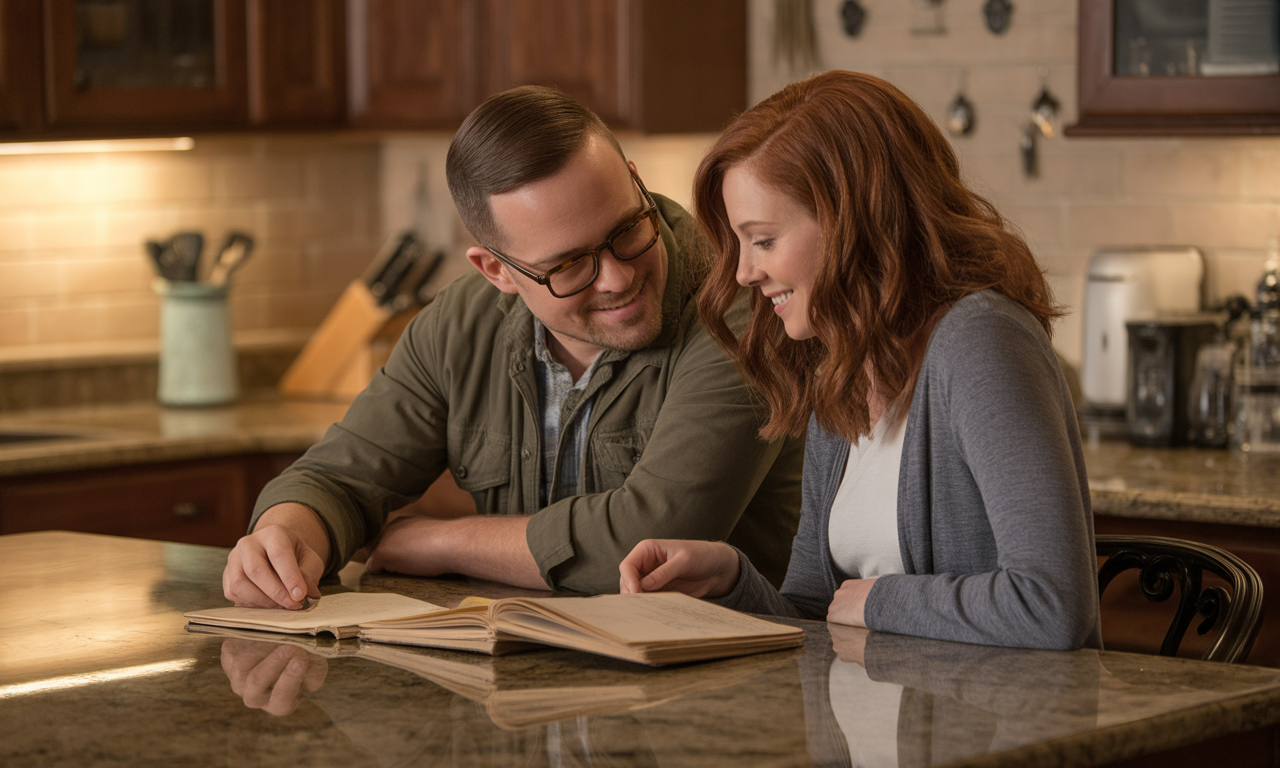
    Married couple revisiting past memories to identify recurring patterns of hope and grace.Start your Hope Loop by recalling specific instances when hope seemed gone-but wasn’t.

    Ask yourselves:

    • What was a time we thought something was over but it wasn’t-
    • When did peace return after we stopped trying to control everything-
    • Where did we see God’s fingerprints only in hindsight-

    These answers are the raw materials of your Hope Loop. You’re not rewriting the past; you’re mining it for proof.

    Write them down. Speak them out loud. Even if the memory feels small-like the night you laughed after a tense day-it counts.

    That moment was your marriage remembering how to breathe.

    If you’ve already created The Memory Bank: Saving Good Moments for the Days You Forget, review it through this lens. Every “deposit” is a receipt of God’s reliability.


    Step Two: Recognize the Recurring Rhythms

    Recognizing recurring rhythms of love and hope in marriage as evidence of divine faithfulness.Every couple has recurring grace rhythms-patterns of healing, laughter, timing, or peace that return like seasons. Once you spot them, you’ll realize they were never coincidences; they were consistency disguised as chance.

    Look for these categories:

    • Emotional Patterns: How calm returns after chaos.
    • Spiritual Patterns: How prayer or Scripture brings clarity.
    • Relational Patterns: How repair happens even after tension.

    The Hope Loop works because it turns vague memories into concrete evidence. You stop saying “maybe it’ll get better someday” and start saying “it’s gotten better before, and this looks like the beginning of that again.”

    This mindset pairs naturally with Proof of Life: Finding What’s Still Working When Everything Feels Off-where couples learn to spot subtle signs of love in the middle of difficulty. Together, they form a twin practice of recognizing what’s alive instead of rehearsing what’s wrong.


    Step Three: Reapply Faith Through Gratitude

    Reapplying faith through gratitude strengthens marriage and reactivates the hope loop.Once you see the pattern, the next step is response. Gratitude reactivates the circuit. It tells your nervous system, “We’re safe; we’ve seen this ending before-and it was good.”

    When you notice old evidence resurfacing (like calm after tension or unity after prayer), say it aloud:

    “This feels familiar. We’ve been carried like this before.”

    Speaking faith aloud isn’t forced positivity-it’s pattern awareness. Gratitude turns remembrance into momentum.

    This step mirrors the posture described in Celebrate the Ordinary: How Noticing Small Joys Changes the Mood of Your Home. Both use micro-gratitude as a tool to reset emotional tone. The Hope Loop just roots it deeper in faith history.


    Step Four: Repeat the Loop Until Hope Feels Automatic
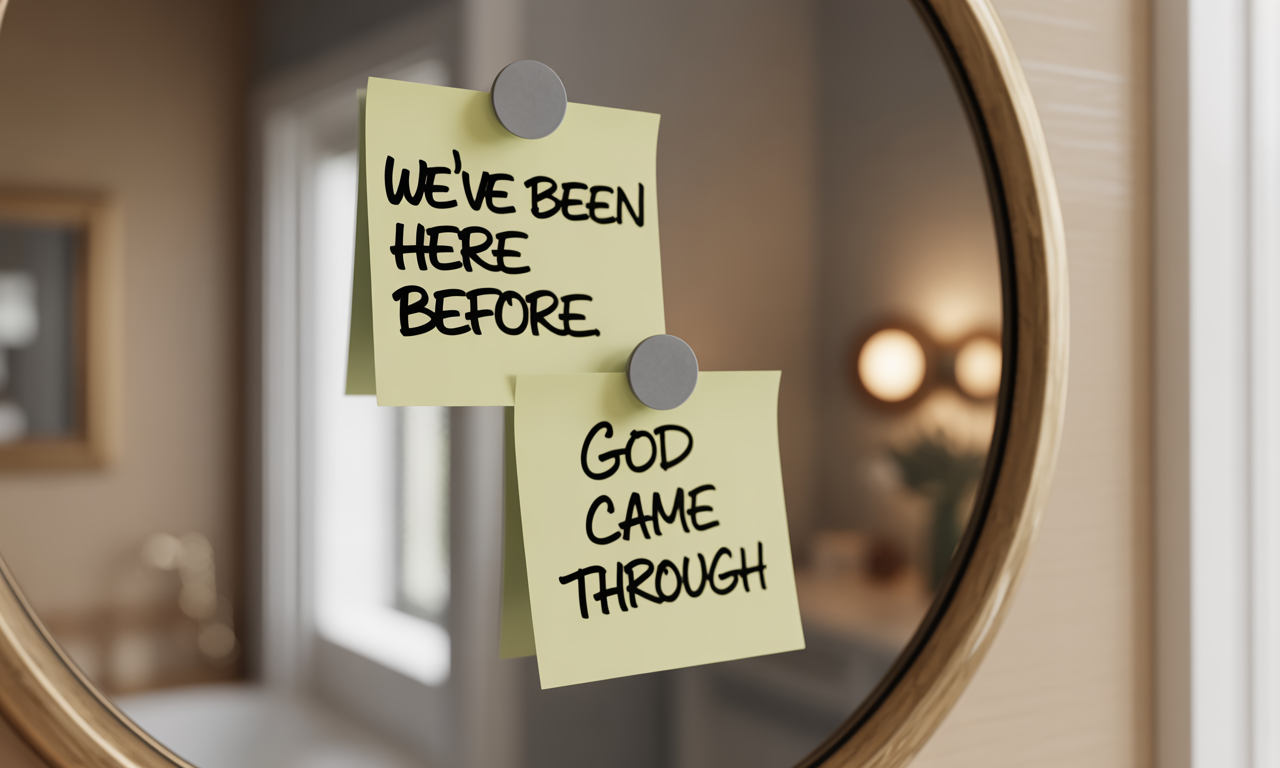
    Daily visual reminders help couples repeat the hope loop and sustain long-term faith.Hope strengthens through repetition. The more you cycle through remembering, recognizing, and reapplying, the less fragile it feels.

    Soon, you won’t need to force perspective-you’ll have built it. Your reflex will shift from “What if this goes wrong-” to “We’ve been through worse-and came out stronger.”

    This is the miracle of the Hope Loop: it doesn’t erase hardship; it reframes it as the middle of a familiar story.

    You can reinforce this mindset by creating a visual cue-a note on your wall that reads, “We’ve seen this before.” Pair it with Anchor Objects: Little Things That Trigger Big Love for tangible reminders of recurring faithfulness.


    Step Five: Spot God’s Signature Across the Seasons

    Recognizing God’s signature across marriage seasons strengthens the hope loop.When you step back, the Hope Loop reveals God’s signature written across your timeline. He’s been showing up with the same character-steady, creative, precise-no matter the circumstances.

    Take time to trace His consistency:

    • How did He use old wounds to produce new wisdom-
    • How did He turn delays into preparation-
    • How did He pair His timing with your readiness-

    You’ll begin to see that your story isn’t random-it’s rhythmic.

    This recognition turns prayer from pleading to partnership. Instead of asking, “Will You-” you begin saying, “You always have.”

    That’s the language of mature hope.

    If you want to take this reflection deeper, explore Faithful Remembering: Spiritual Practices to Recall God’s Goodness in Marriage. Together, these practices become a lifestyle of noticing divine patterns and responding with worship.


    Step Six: Use the Hope Loop in Real Time

    Applying the hope loop in real time helps couples restore peace and perspective quickly.When new challenges appear-tight finances, emotional distance, or uncertainty about the future-activate your Hope Loop:

    1. Pause.
    2. Ask, “When have we felt this way before-”
    3. Recall what eventually shifted.
    4. Speak gratitude before panic has a chance to speak fear.

    You’ll find that your faith doesn’t disappear during hardship-it just forgets where it last saw the evidence. The Hope Loop helps you relocate it fast.

    Pair this step with The Five-Minute Rewind: A Micro-Practice for Hard Days to create a quick emotional reset when tension rises.


    Step Seven: Teach Each Other How to Spot the Loop

    Couples supporting each other by recalling past grace to reignite hope in the present.One of the best ways to strengthen your marriage is to become witnesses of each other’s faith. When your spouse starts to spiral, you can say, “This looks familiar-remember how it ended last time-”

    You’re not minimizing their pain-you’re pointing to proof. The Hope Loop works best when practiced together. It’s a shared language for recognizing God’s fingerprints.

    Here’s a quick couple’s cue:

    • When one person says, “This feels hopeless,”
    • The other responds, “What did we learn the last time it felt like this-”

    That small question reopens the loop.

    If you’ve been doing Past Grace, Present Strength: How to Borrow Faith from What You’ve Survived, this step will feel natural. Both are about gathering evidence that what’s been true before will be true again.


    Step Eight: Let the Hope Loop Become Your Testimony

    Married couple sharing hope loop testimony to strengthen others’ faith in marriage.Once you’ve lived through a few cycles of remembering and renewal, your testimony changes. You stop saying, “We hope God shows up,” and start saying, “He always does.”

    That statement isn’t arrogance-it’s evidence. It’s the result of years of documented faithfulness.

    You can even share your Hope Loop story with other couples who are struggling. Testimony transforms remembrance into ministry.

    If you’re ready for that stage, visit Remembered on Purpose: How Couples Can Reclaim Joy Through Shared Testimony for practical ways to turn your story into encouragement for others.


    Step Nine: Keep the Loop Open

    Symbolic image of marriage as an unbroken loop of faith, grace, and lasting hope.The Hope Loop never ends-it grows. Every time you walk through a storm, you add another turn to the spiral of faith.

    One day, when another couple feels hopeless, you’ll be able to say, “We’ve seen this pattern too. It always ends with peace.”

    That’s the power of hope rooted in history-it multiplies.

    So today, ask yourselves:

    “What are the three patterns of grace that keep showing up in our story-”

    Write them down. Speak them often. Because those patterns are the map you’ll follow when tomorrow feels dark.

    The loop isn’t a theory-it’s your proof.

  • Stop Running Out the Clock: Why Enduring Isn’t the Same as Living

    Stop Running Out the Clock: Why Enduring Isn’t the Same as Living

    Some spouses slip into silent survival mode-going through the motions, avoiding conversations that feel risky, and quietly assuming that nothing better is possible. It feels safer to endure, to settle into emotional distance, to let the days pass with minimal conflict and minimal connection. But running out the clock is not the same as living a meaningful, intimate, purpose-filled marriage.

    Endurance is not the enemy. In fact, endurance is powerful-when it’s paired with direction. But endurance without direction becomes numbness. It slowly drains passion, curiosity, hope, and the willingness to try. Over time, you don’t just avoid conflict-you avoid life inside the marriage.

    Person staring silently at a blank TV, symbolizing surviving but not living inside a stagnant marriage.This post gently challenges the mindset of “I’ll just endure it.” You’ll see how this mindset forms, how it keeps couples disconnected for years, and why choosing purpose-even small purpose-can revive connection after long periods of stagnation.

    We’ll naturally interlink with Post #8 on reframing regret, which shows how shame about past choices can push couples into passive endurance. We’ll also connect with the cornerstone post, The Story You Live Is the Marriage You Build, because the story of endurance is often the story of hopelessness. And we’ll draw from the Hope Loop tool, which offers couples a practical way to rebuild emotional momentum even when things feel stuck.

    This series, like all others on Live Your Best Marriage, is not for physically abusive marriages. Abuse requires distance, safety, and professional intervention. This series is for couples dealing with discouragement, emotional disconnection, or stagnation-not danger.


    Stop Running Out the Clock: The Quiet Drift Into Emotional Numbness

    Plant standing but wilted, symbolizing emotional numbness mistaken for stability.The keyphrase “stop running out the clock” describes a mindset more common than most couples admit. It’s not dramatic. It’s not explosive. It’s slow, quiet, and subtle.

    It begins with thoughts like:

    • “Why bother- Nothing changes.”
    • “It’s easier to ignore it than fight about it.”
    • “We’ll just live like this.”
    • “I don’t have the energy to try anymore.”
    • “At least we aren’t arguing.”

    On the surface, endurance looks mature. Calm. Stable.

    But underneath, something essential begins to wither.

    When you stop running out the clock and actually look at the dynamic, you usually discover emotional numbness-not peace.

    Peace is closeness.
    Numbness is distance.
    Peace creates connection.
    Numbness avoids interaction.

    Numbness is often the brain’s way of protecting you from more disappointment. It shuts down vulnerability. It reduces emotional risk. It takes marriage off “high-alert mode” by flattening everything.

    You don’t feel the highs, but you also don’t feel the lows.
    You don’t argue, but you also don’t connect.
    You reduce pain, but you also reduce joy.

    Post #8 on reframing regret explains how emotional exhaustion leads spouses to conclude, “I made a mistake.” But often the truth is more nuanced: you didn’t make a mistake-you slipped into a season where numbness felt safer than trying.


    Enduring Without Direction: Why It Feels Safe but Slowly Shrinks the Marriage

    Two chairs turned away from one another, symbolizing emotional coexistence instead of connection.Why do couples endure instead of live- Because endurance feels safe.

    Stop running out the clock requires acknowledging something vulnerable: that you want more. That you care. That you still hope for closeness. That you’re afraid of being disappointed again. Endurance lets you avoid all of that.

    Endurance without purpose forms when:

    • Attempts at change were rejected or ignored
    • Conversations repeatedly turned into conflict
    • One spouse shut down emotionally
    • Both partners grew tired of trying
    • Fear of rejection outweighed desire for connection
    • Old wounds went unaddressed
    • Exhaustion from work, parenting, or illness stole the emotional bandwidth to try

    From the outside, nothing looks wrong.
    Inside, you’re living on emotional autopilot.

    Endurance becomes your default mode because it protects you from:

    • Another fight
    • Another unmet need
    • Another failed attempt at closeness
    • Another moment of feeling unseen
    • The heartbreak of vulnerability not being reciprocated

    But there’s a cost.

    Enduring without direction shrinks your marriage into:

    • Logistics
    • Routines
    • Coexisting
    • Neutrality
    • Quiet dissatisfaction

    You become roommates with shared bills instead of partners with shared vision.

    This is where the cornerstone post on marital narratives becomes essential. The Story You Live Is the Marriage You Build explains how your inner story shapes your emotional life. If the story is “We’re too far gone,” endurance feels like the only reasonable path. But when the story shifts to “We’re in a season, not a sentence,” new doors quietly open.


    Stop Running Out the Clock by Naming What You’re Avoiding

    Closed door with light coming through the bottom, symbolizing avoided issues waiting to be addressed.Endurance without direction always has a purpose-even if it’s subconscious. It protects you from something that feels overwhelming.

    You may be avoiding:

    • Conflict that feels unmanageable
    • Feeling rejected or dismissed
    • Bringing up a topic that has hurt you for years
    • Admitting you feel lonely in the marriage
    • Facing regret
    • Acknowledging your own unmet needs
    • Recognizing areas where you also pulled away
    • Starting a conversation you’re afraid won’t end well
    • Acknowledging your desire for change

    Avoidance creates the illusion of stability because it removes immediate discomfort. But it also traps you in emotional stagnation.

    One of the practical frameworks in the Hope Loop tool (linked near the end of this post) explains how avoidance breaks emotional momentum. Without small positive loops, the marriage doesn’t deteriorate dramatically-it erodes slowly.

    Naming what you’re avoiding is the first step to stop running out the clock. When couples finally say, “I’ve been avoiding this because it scares me,” the emotional temperature often softens. Vulnerability replaces resentment. Honesty replaces withdrawal. Awareness replaces numbness.


    Endurance Isn’t the Same as Peace-And Numbness Isn’t the Same as Safety

    Upright broken stone heart symbolizing a marriage surviving in form but not thriving emotionally.Too many couples confuse endurance with peace.

    Peace feels like:

    • Openness
    • Softness
    • Safety
    • Empathy
    • Shared presence
    • Warmth
    • Mutual comfort

    Numbness feels like:

    • Distance
    • Emotional flatness
    • Disinterest
    • Loneliness
    • Indifference
    • Going through the motions

    Peace is life-giving.
    Numbness drains life quietly over time.

    The keyphrase “enduring isn’t living” fits perfectly here. Living requires engaging-emotionally, mentally, spiritually, relationally. Enduring requires suppressing.

    Living involves being present.
    Enduring involves being absent while remaining physically in the room.

    This is why couples who have been “fine” for years suddenly realize they’re strangers. Numbness kept the marriage quiet, not connected.

    This ties back directly to the work in the cornerstone post: the stories we tell ourselves about “we’re fine” can become prisons. A marriage doesn’t heal because it’s quiet. It heals because both spouses are emotionally available-even imperfectly.


    Why Some Couples Choose Endurance: The Brain’s Role in Emotional Shutdown

    Dimmed light switch symbolizing emotional dimming rather than full disengagement.When endurance becomes your survival strategy, you’re not weak-you’re neurologically overwhelmed.

    The brain loves predictability. It prefers a flat, neutral marriage over an unpredictable one filled with conflict or emotional volatility.

    Your brain is not trying to destroy connection.
    It’s trying to protect you from pain.

    Stop running out the clock requires understanding that your brain has moved into a “conservation mode.” When it believes “nothing will change,” it stops investing. When it believes “my needs won’t be met,” it stops expressing. When it believes “every attempt ends in conflict,” it stops trying.

    Your brain thinks withdrawing is wise.

    But once you see the mechanism-not the moral flaw-you regain power. You can compassionately challenge the narrative your brain has built.


    Stop Running Out the Clock by Reintroducing Purpose-One Tiny Step at a Time

    Hands planting a seedling, symbolizing purpose returning through small, intentional actions.Purpose doesn’t require huge gestures. It begins with small, intentional acts that send your nervous system a different message:

    “We’re not done. There is still life here.”

    Reintroducing purpose can look like:

    • Picking one conversation to have each week
    • Practicing two minutes of soft eye contact
    • Checking in with “Is there anything you need today-”
    • Offering one small appreciation daily
    • Sitting on the same couch instead of separate rooms
    • Creating a 10-minute shared wind-down routine
    • Trying a micro-repair after a small tension

    This is why the Hope Loop tool matters so much. It helps couples create momentum through tiny actions, rather than waiting for big breakthroughs that never arrive. Couples don’t rebuild connection through grand gestures-they rebuild through consistency.

    Post #8 also supports this shift by helping you release the shame that blocks new attempts. When you’re weighed down by regret, endurance feels like the only option. But when you reframe regret, you regain emotional strength to try again.


    Stop Running Out the Clock by Choosing Presence Over Passivity

    Couple sitting close on a bench, subtly leaning toward connection and presence.If you want to stop running out the clock, presence-not perfection-is the key.

    Presence looks like:

    • Being emotionally available, even for short moments
    • Staying engaged in conversations instead of shutting down
    • Asking curious questions
    • Expressing needs directly rather than hinting
    • Noticing your spouse’s cues
    • Responding instead of reacting

    Presence turns passive endurance into active participation.
    Presence is how you re-enter the marriage you’ve been standing inside but not living in.

    Choosing presence doesn’t mean ignoring pain or pretending everything is fine. It means letting yourself exist emotionally in the relationship, instead of hiding behind routine or numbness.

    Presence is the opposite of emotional auto-pilot.


    Stop Running Out the Clock: The Marriage You Want Requires Showing Up

    Table for two at sunrise symbolizing hope returning as couples choose to live rather than endure.When couples finally shift from endurance to engagement, something subtle but extraordinary happens: hope becomes possible again.

    Not because everything is fixed.
    Not because the marriage is suddenly perfect.
    But because emotional life returns.

    Showing up looks like:

    • Being honest instead of swallowed in silence
    • Being brave enough to try again
    • Being willing to repair even when awkward
    • Being curious about your spouse rather than assuming
    • Being intentional with small moments

    This is where the cornerstone post’s teaching truly comes alive: the story you live creates the marriage you build. If your story is “We’re surviving until retirement,” your marriage will feel like a waiting room. If your story becomes “We’re worth showing up for,” even tiny steps feel meaningful.

    Purpose revives love.
    Presence revives connection.
    Direction revives hope.

    You don’t have to fix the entire relationship this week.
    You just have to stop running out the clock-and start living inside your marriage again.