Tag: lasting love

  • Sustaining Love Long-Term: When Feelings Fluctuate but Values Stay

    Sustaining Love Long-Term: When Feelings Fluctuate but Values Stay

    Feelings rise and fall across seasons of marriage.

    Some seasons feel warm and easy. Other seasons feel heavy, distracted, tired, or emotionally distant. One month you feel close and connected. The next month you feel like roommates passing in the hallway. One week you laugh and flirt. The next week you are short tempered and stressed and wondering what happened.

    Many couples panic when feelings fluctuate because they assume feelings are the truth.

    If I do not feel in love, maybe we are not in love
    If passion is not constant, maybe something is wrong
    If I feel bored, maybe I married the wrong person
    If I feel irritated, maybe we are drifting
    If I do not feel close, maybe we are failing

    But feelings were never meant to be the foundation.

    Values endure.

    Sustaining love long term means values keep marriage steady when feelings fluctuateCouples who sustain love long term do not sustain a constant emotional high. They sustain a marriage culture. They anchor their relationship in values, habits, and emotional leadership, so love lasts beyond moods, circumstances, and life transitions.

    This final article brings the entire four series journey together and shows how to sustain love long term even when feelings fluctuate.


    Sustaining Love Long-Term Starts by Understanding Feelings Fluctuate

    Sustaining love long term requires expecting feelings to fluctuate across seasonsFeelings fluctuate because life fluctuates.

    Sleep fluctuates. Stress fluctuates. Hormones fluctuate. Workload fluctuates. Health fluctuates. Parenting needs fluctuate. Finances fluctuate. Grief fluctuates. Confidence fluctuates.

    So it is normal that love feelings fluctuate too.

    The problem is not that feelings fluctuate. The problem is when couples let feelings lead decisions.

    That is when emotional thinking hijacks the marriage: I feel disconnected so I withdraw I feel hurt so I punish I feel tired so I stop trying I feel resentful so I keep score

    If you want the deeper breakdown of how feelings can become the boss, this post supports this section directly: https://blog.liveyourbestmarriage.com/mindset/i-dont-feel-it-anymore.


    Sustaining Love Long-Term Means Love Is a Verb Not a Mood

    Sustaining love long term happens when love is practiced as a daily verbLong term love is not sustained by waiting for the right feeling. It is sustained by practicing the right actions.

    Love is a verb.

    When couples treat love as a mood, they become reactive. When couples treat love as a verb, they become proactive.

    Love as a verb looks like: serve listen sacrifice repair appreciate affirm stay curious stay respectful stay engaged

    That is why this cornerstone idea matters so much: https://blog.liveyourbestmarriage.com/connection/love-is-a-verb-marriage.

    And if you need the practical action list for the daily choices that rekindle love, this post fits naturally: https://blog.liveyourbestmarriage.com/connection/actions-that-rekindle-love.


    Sustaining Love Long-Term Requires Values Over Feelings

    Sustaining love long term depends on values guiding actions when feelings are loudValues are what you choose to protect even when you do not feel like it.

    Values say: We speak with respect We repair after conflict We stay honest We do not punish with silence We do not use sarcasm as a weapon We protect time for connection We act as a team

    Values do not suppress feelings. Values guide behavior when feelings are loud.

    This is the skill nobody teaches, and it is central to sustaining love long term: https://blog.liveyourbestmarriage.com/mindset/values-over-feelings-marriage.

    When values lead, feelings often follow.

    Not instantly, but reliably.


    Sustaining Love Long-Term Happens Through Environment Not Just Intention

    Sustaining love long term is easier when the marriage environment is designed for connectionMany couples have good intentions.

    They intend to be kind. They intend to connect. They intend to communicate well. They intend to have date nights. They intend to repair faster.

    But intention without environment is fragile.

    Your marriage environment trains you daily, whether you notice or not. That cornerstone culture post matters because it explains how small repeated signals shape behavior over time: https://blog.liveyourbestmarriage.com/culture/marriage-environment-training.

    When the environment rewards withdrawal, withdrawal grows. When the environment rewards repair, repair grows. When the environment rewards sarcasm, sarcasm grows. When the environment rewards appreciation, warmth grows.

    If you want the deeper mechanics of why patterns repeat, the feedback loops post fits here: https://blog.liveyourbestmarriage.com/culture/feedback-loops-marriage.


    Sustaining Love Long-Term Means Designing Systems That Carry You When Life Is Heavy

    Sustaining love long term requires simple systems that protect connection in busy seasonsLong term love is not sustained by intensity. It is sustained by systems.

    Systems protect you in tired seasons.

    Examples of love sustaining systems: daily check in ritual weekly marriage team meeting phone down time repair plan after conflict shared responsibilities agreement protected couple time appreciation habit

    If you want the practical blueprint for designing routines and boundaries so healthy choices are easier, this post fits naturally: https://blog.liveyourbestmarriage.com/culture/designing-marriage-environment.

    Strong marriages do not rely on constant willpower. They rely on wise design.


    Sustaining Love Long-Term Requires Emotional Leadership When Effort Feels Uneven

    Sustaining love long term requires emotional leadership when effort feels unevenEvery long marriage has seasons where effort feels uneven.

    One spouse is stressed. One spouse is sick. One spouse is grieving. One spouse is carrying more parenting. One spouse is overwhelmed.

    If you do not have emotional leadership, uneven effort turns into bitterness.

    Emotional leadership is the courage to choose effort before fairness without keeping score. It is the refusal to let resentment run the marriage culture. That cornerstone leadership post belongs in every long term love plan: https://blog.liveyourbestmarriage.com/leadership/emotional-leadership-marriage.

    And if you are the spouse who feels like you are carrying more, this article supports you with boundaries and sustainability: https://blog.liveyourbestmarriage.com/connection/uneven-effort-marriage.


    Sustaining Love Long-Term Means Commitment Over Control

    Sustaining love long term requires commitment over control and love without guaranteesMany couples unknowingly turn love into a transaction: I will give if you give

    That is control disguised as self protection.

    But long term love requires love without guarantees. It requires commitment over control with healthy boundaries. If you want that mindset shift, this post connects naturally: https://blog.liveyourbestmarriage.com/commitment/love-without-guarantees.

    Commitment says: I will act from values even when outcomes are not guaranteed
    I will not manipulate through withholding
    I will not punish to get control
    I will build culture through consistent actions

    Control cannot create intimacy. Commitment can.


    Sustaining Love Long-Term Includes Repair as a Lifestyle Not a Crisis Response

    Sustaining love long term depends on frequent repair and reconnectionMany couples treat repair like a last resort.

    They only repair when things are breaking. They only apologize when it is serious. They only reconnect after major conflict.

    But long term love requires repair as a lifestyle.

    Repair means: We reset quickly We own our tone We return after a pause We do not leave tension to rot We choose connection over pride

    If you want a practical guide for initiating repair without taking all the blame, this post supports the repair skill: https://blog.liveyourbestmarriage.com/communication/repair-leader-reset.

    Repair keeps the emotional climate warm. If you want the deeper insight on tone and safety, it fits here: https://blog.liveyourbestmarriage.com/connection/emotional-climate-marriage.


    Sustaining Love Long-Term Means You Stop Waiting for Perfect Conditions

    Sustaining love long term means practicing connection in imperfect conditionsMany couples think they will reconnect when: work slows down kids get older stress reduces finances improve health gets better the other spouse changes first

    But love is sustained by what you practice now.

    Waiting for perfect conditions keeps you powerless.

    If you want the mindset piece that challenges waiting, this post fits naturally: https://blog.liveyourbestmarriage.com/mindset/waiting-for-spouse-to-change.

    Sustaining love long term means: You practice love in imperfect conditions. You build connection in normal life. You design around reality, not fantasy.


    Sustaining Love Long-Term Through Life Transitions

    Sustaining love long term requires values and rituals through life transitionsLife transitions will test every marriage.

    New baby. Teen years. Job change. Relocation. Caregiving for parents. Health diagnosis. Financial stress. Empty nest. Grief. Aging.

    Transitions shake feelings because they shake identity and routine.

    That is why values and systems matter.

    In transitions: keep the daily check in even if short protect tone under stress repair quickly because stress amplifies reactivity set boundaries around exhaustion keep one small ritual of connection name the season openly so resentment does not interpret it as neglect

    Parenting is one of the biggest transition stressors and also one of the greatest teachers of love as commitment. If you want that perspective, this post fits: https://blog.liveyourbestmarriage.com/family/parenting-reveals-love.


    Sustaining Love Long-Term Is Building a Marriage Culture Worth Repeating

    Sustaining love long term means building a marriage culture grounded in valuesAt the end of this four series journey, the theme is simple.

    What you repeat becomes your marriage.

    You repeat: tone responses repair rituals reinforcement expectations boundaries leadership values

    So the goal is not to feel in love every day. The goal is to build a culture where love is easier to practice.

    A culture where: respect is normal repair is quick appreciation is frequent connection is protected effort is guided by values control is replaced by commitment environment supports closeness leadership replaces stalemate

    This is how couples sustain love long term.

    And when love is sustained long term, feelings fluctuate but do not frighten you anymore. Because your marriage is anchored to something deeper than mood.

    Values stay.

  • Love vs. Infatuation: Why Knowing the Difference Can Save Your Marriage

    Love vs. Infatuation: Why Knowing the Difference Can Save Your Marriage

    The Emotional Trap of Infatuation

    Infatuation vs love: A couple in a passionate gaze next to a married couple sharing a quiet moment”Infatuation can feel like a whirlwind-an intoxicating blend of passion, desire, and emotional intensity. It’s what makes hearts race and minds obsess. In the early stages of a relationship, this emotional high is often mistaken for true love. But here at Live Your Best Marriage, we’ve seen how this misunderstanding can be harmful to couples who are building-or rebuilding-a life together.

    Infatuation is rooted in what someone does for you. It’s all about the thrill, the fantasy, and the way that person makes you feel. Love, however, is rooted in what you’re willing to give. Love asks, “How can I serve and support my partner today-” Infatuation wonders, “What’s in this for me-“

    Understanding this difference is not just a philosophical exercise-it’s a marriage-saving mindset shift. Couples who recognize the fading nature of infatuation and anchor themselves in the deeper, lasting truth of love are more likely to weather storms, recover from conflict, and grow stronger over time.


    What Is Infatuation-

    Couple kissing at sunset symbolizing the emotional intensity of infatuationInfatuation is a powerful emotional experience, often sparked by physical attraction, novelty, or idealized fantasy. It’s that “can’t stop thinking about you” phase of a relationship, where flaws are overlooked and desires run high. While infatuation is common and even enjoyable at the beginning of a relationship, it’s important to understand its nature:

    • Short-lived: Infatuation has an expiration date. It’s often intense but temporary.
    • Self-centered: The focus is on how you feel, not on the needs or well-being of the other person.
    • Idealized: You tend to put the other person on a pedestal, seeing them not as they are, but as you want them to be.
    • Emotion-driven: Decisions are made based on feelings rather than long-term values or commitments.

    It’s no wonder that when the high of infatuation fades, many couples find themselves disoriented or disillusioned. They say, “I don’t feel the same anymore,” and assume the relationship has run its course-when really, it’s just time to grow up from emotional fantasy into mature love.


    What Is Love-

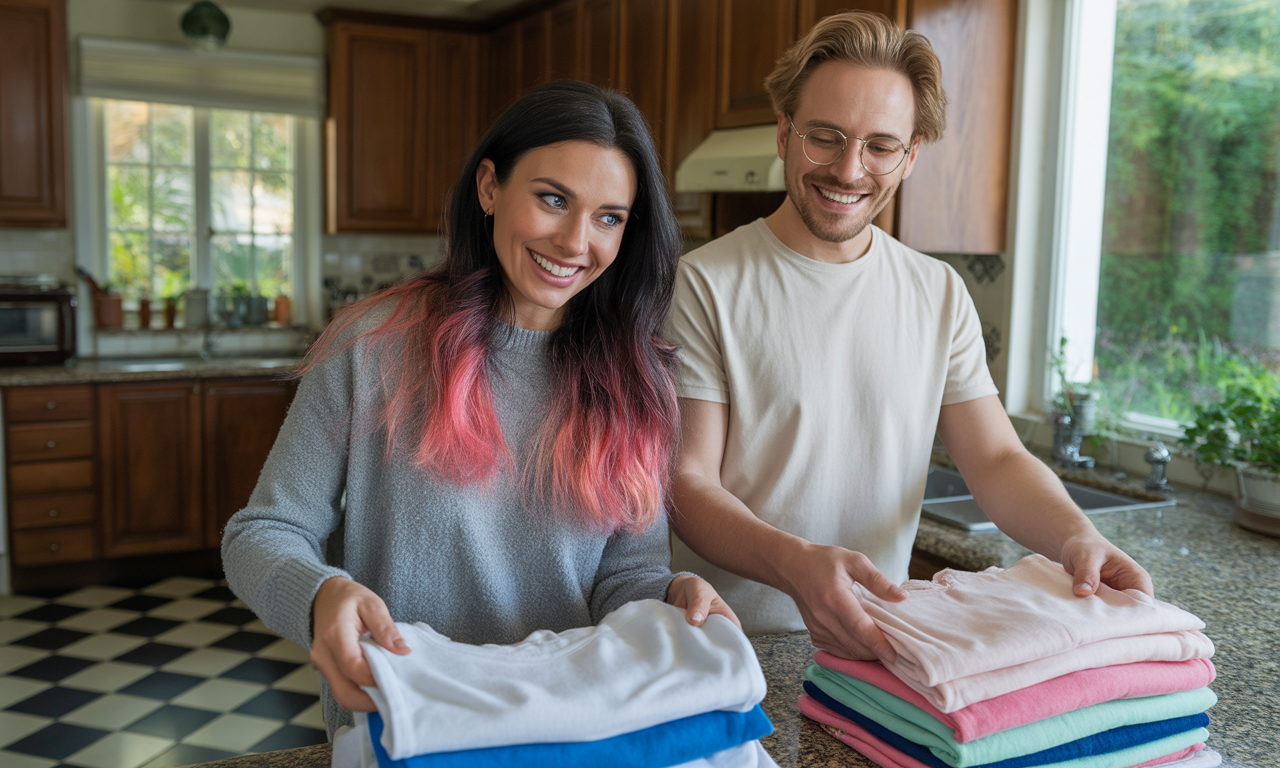
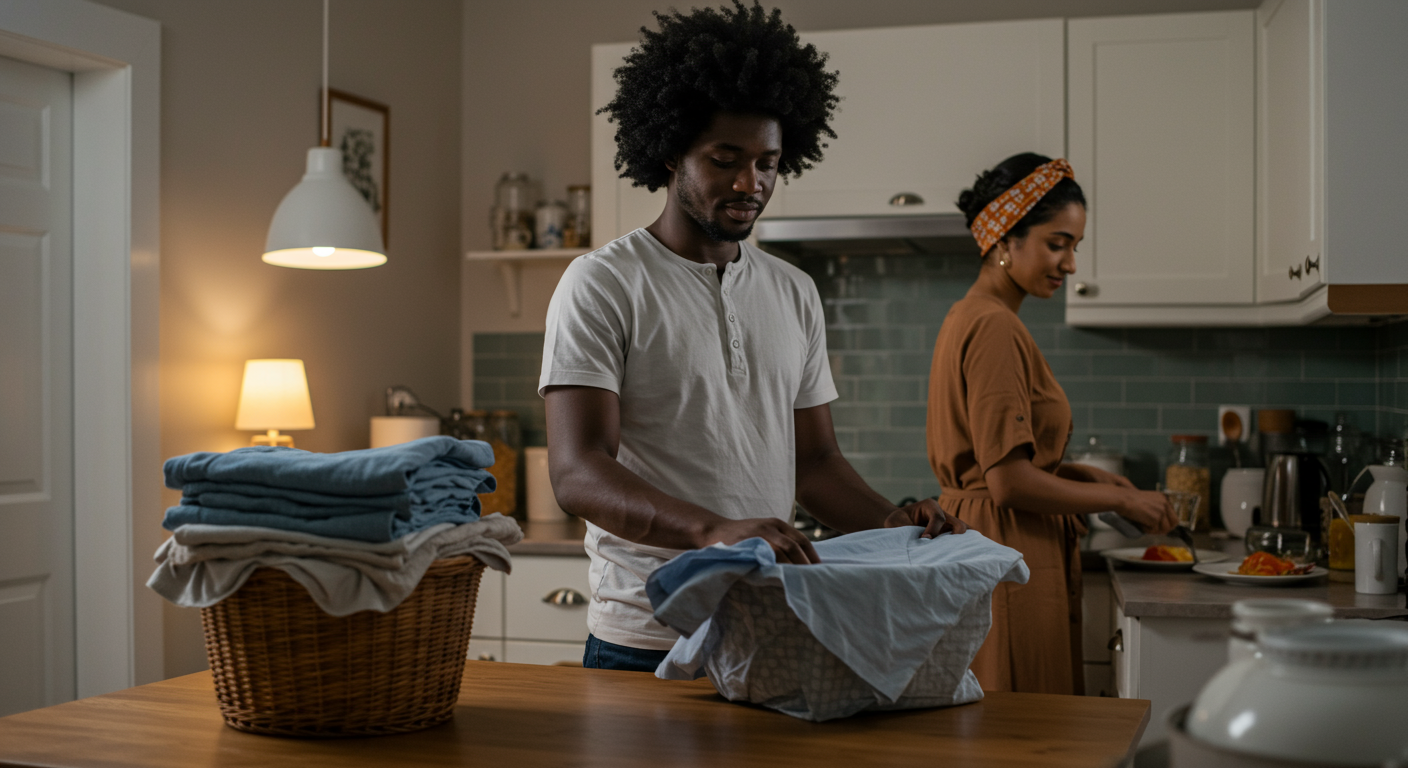
    Couple laughing while folding laundry, symbolizing real-life love and partnershipLove is far deeper than a fleeting feeling. It’s a choice, an action, and a commitment. Love shows up when it’s hard. Love gives when it doesn’t feel like giving. And love stays when it would be easier to walk away.
    Here are a few defining traits of love:

    • Servant-hearted: Love asks, “How can I support you even when I don’t get what I want-”
    • Rooted in commitment: Love continues even when feelings fade or change.
    • Sees reality clearly: Love acknowledges flaws but chooses connection anyway.

    • Builds trust and safety: Love creates a secure foundation that allows both partners to grow.
    When you shift from chasing emotional highs to building emotional depth, you create a marriage that is not just enjoyable-but enduring.


    How Infatuation Disguises Itself in Marriage

    Person comparing their marriage to idealized relationships onlineInfatuation doesn’t just show up at the beginning of a relationship. Sometimes, even in marriage, it can creep in under the radar-especially when there’s comparison, temptation, or emotional discontent.

    Examples of how this happens:

    • Social media distractions: Seeing idealized versions of other people’s relationships can create dissatisfaction with your own.
    • Emotional affairs: Feeling a “spark” with someone new may feel exciting, but it’s often just infatuation-not real love.
    • Disappointment in your spouse: When real life sets in-kids, stress, chores-you may feel like “something is missing.” Often, what’s missing is the thrill of infatuation, not the presence of love.

    It’s important to recognize that when infatuation rears its head, it’s not a sign that something is wrong-it’s a sign that something needs to grow.


    Signs You May Be Operating Out of Infatuation

    Lonely spouse reflecting on their marriage and emotional disconnectionIn your marriage, ask yourself:

    • Am I more focused on what my spouse does for me than on who they are-
    • Do I often feel bored, disappointed, or emotionally checked out unless there’s excitement-
    • Do I long for the early days of the relationship, not because of the connection, but because of the feelings–
    • Do I compare my marriage to others or daydream about someone new-
    • When there’s conflict, do I feel like giving up instead of pressing in-

    If these resonate, you may be leaning into infatuation-based thinking. The good news- Shifting from infatuation to love is absolutely possible-and powerful.


    How to Cultivate Love in Your Marriage

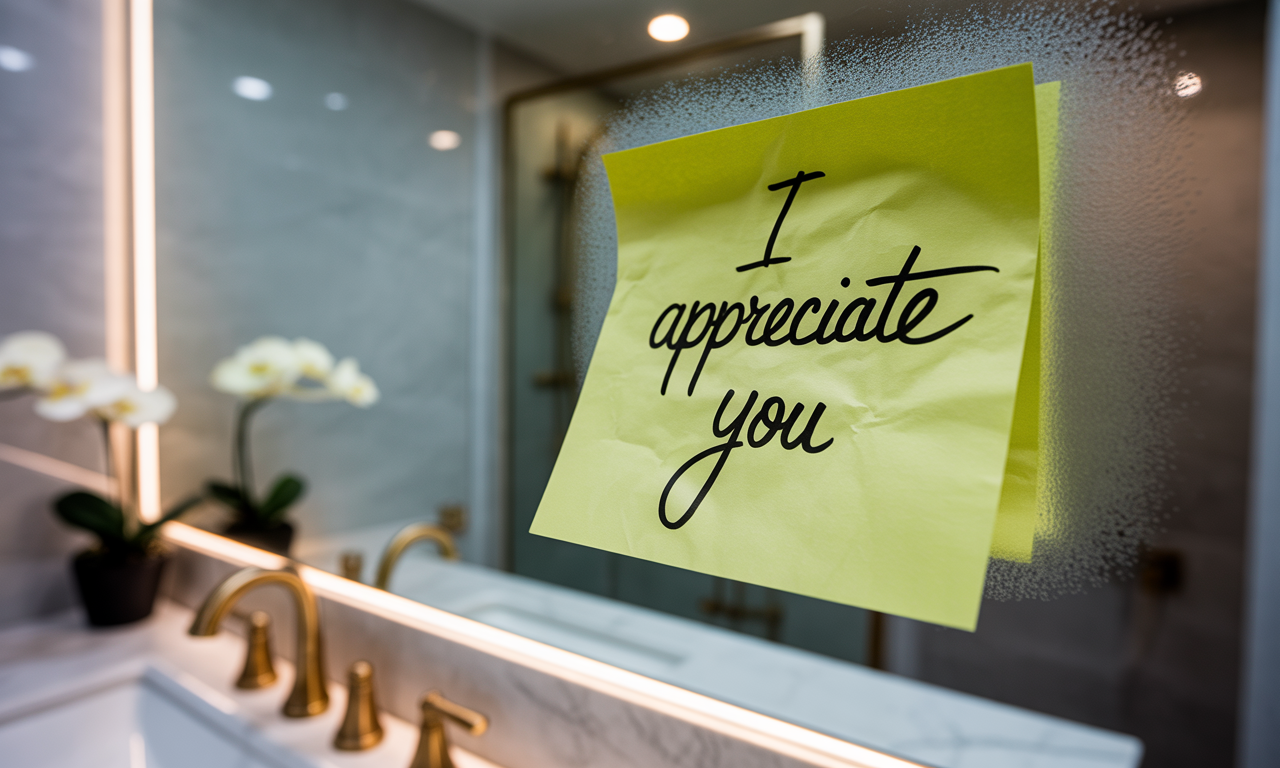
    Sticky note saying 'I appreciate you' left by a spouse to show love”

    1. Choose Service Over Self
      Ask, “What does my spouse need today that I can provide-” Small acts of service-like making coffee, taking something off their plate, or even just listening-build love through consistent giving.
    2. Anchor in Commitment
      Feelings come and go. Your vow is the anchor. Remind yourself that love is not about staying when it’s easy; it’s about staying when it’s worth it-which is almost always.
    3. Accept and Appreciate
      Rather than resenting your spouse’s flaws or wishing they were different, lean into appreciation. Love says, “I see you fully-and I’m still choosing you.”
    4. Reignite Connection Intentionally
      Set aside time for regular connection. Date nights, shared goals, spiritual growth-these nurture love beyond just romantic gestures.
    5. Let Feelings Follow Actions
      You don’t have to feel loving to act lovingly. Often, the feelings return after you put in the effort.


    Why This Matters for Your Marriage

    Long-term love: Married couple walking with children, grounded in commitmentAt Live Your Best Marriage, we’ve seen time and again that couples who understand the difference between love and infatuation are equipped to go the distance. They don’t panic when the butterflies fade. They don’t chase after emotional highs. Instead, they root themselves in daily, deliberate love-and as a result, they thrive.

    Your marriage doesn’t need to be emotionally thrilling all the time. It needs to be emotionally safe, spiritually anchored, and consistently nurtured.

    When love becomes the foundation-not just infatuation-you’ll experience:

    • Deeper trust
    • Better conflict resolution
    • Greater emotional intimacy
    • Renewed joy in everyday life
    • Confidence in your shared future


    Final Thoughts: Building Love That Stays

    Married couple connecting through deep conversation and intentional presenceInfatuation is exciting, but it’s not sustainable. Love may seem quieter, but it’s infinitely more powerful. Love will hold your hand through the storms. Love will speak truth in hard moments. Love will keep showing up-again and again.

    If you’ve been wondering why the spark has faded or why the emotional highs aren’t what they used to be, don’t panic. It doesn’t mean your marriage is broken. It means it’s ready to go deeper.

    Choose love. Cultivate it. And watch your marriage transform.

  • When the Feelings Fade: Why Love Is Stronger Than Infatuation

    When the Feelings Fade: Why Love Is Stronger Than Infatuation

    The Illusion of Forever Feelings

    Couple sharing quiet time together, symbolizing the shift from infatuation to enduring loveInfatuation feels magical-like fireworks, a rush of adrenaline, and the belief that nothing will ever go wrong. It’s intoxicating, spontaneous, and emotionally overwhelming. And when you’re in that phase, it’s easy to believe it will last forever.

    But here’s the truth: it doesn’t. And it’s not supposed to.

    At Live Your Best Marriage, we help couples understand that infatuation is a phase. It’s exciting, but it’s also fleeting. When the butterflies fade and daily life takes over, many couples panic. They say, “Something’s changed,” or “I just don’t feel the same.” That’s the point where many relationships either fall apart-or grow deeper.

    This post is your guide to navigating that shift. Because while infatuation disappears, real love begins when the emotions quiet down and the daily choices take over.


    Infatuation May Feel Strong…But is Temporary

    Emotional letdown following high expectations of romantic perfectionInfatuation is nature’s way of bringing two people together. It’s driven by chemical reactions-dopamine, adrenaline, and oxytocin flood your brain and make everything feel amplified. Your partner seems perfect. You feel understood and adored. You can’t stop thinking about them.

    But this phase, while intense, is biologically designed to be temporary.

    Here’s why it fades:

    • The novelty wears off. As you get to know each other’s real selves, the mystery disappears.
    • Life gets real. Bills, work, stress, and responsibilities kick in.
    • Emotional highs aren’t sustainable. Your brain can’t maintain a constant state of infatuation without burning out.
    • Unmet expectations emerge. You realize your partner is human-and so are you.

    Infatuation isn’t bad. But it’s not enough.


    What Happens When the Feelings Fade-

    Couple facing emotional reality of marriage with quiet resolveThis is the moment that defines many marriages.

    When the emotional thrill wears off, people often feel confused or even afraid. They might think:

    • “Have I fallen out of love-”
    • “Did I marry the wrong person-”
    • “Why don’t I feel excited anymore-”
    • “Where did the passion go-”

    But instead of seeing this as a warning sign, it’s time to recognize it as a turning point. This is the moment when you stop building your marriage on feelings-and start building it on faithfulness.

    Real love is not based on the emotional highs of infatuation. It’s grounded in consistency, service, sacrifice, and shared purpose.


    The Strength of Love After Infatuation

    Everyday teamwork between spouses, representing commitment and supportHere’s where love shows its true power. Love that grows beyond infatuation becomes:

    • Unshakeable during conflict
    • Present when emotions are numb
    • Dependable during life’s chaos
    • Rooted in service, not self-centeredness

    Unlike infatuation, love doesn’t vanish when life gets hard. In fact, it becomes stronger.

    Love is a choice-a daily decision to show up, stay, and give your best, even when you don’t feel like it. It’s what allows couples to endure sickness, financial strain, disappointment, and even betrayal. Because real love isn’t about “how you make me feel”-it’s about “how I choose to love you today.”


    What Love Looks Like in the Ordinary

    Acts of love in daily routines that strengthen long-term marriagesInfatuation thrives on drama and excitement. Love thrives in the ordinary.

    Love is…

    • Picking up groceries so your partner doesn’t have to
    • Listening with patience when your spouse vents about a rough day
    • Choosing to forgive, even when it hurts
    • Waking up early with the kids so your partner can rest
    • Saying “I’m sorry” first, even if you weren’t completely wrong

    The world celebrates romantic highs. But marriages are sustained by the quiet, hidden acts of love that happen when no one is watching.


    Love Doesn’t Always Feel Like Love

    Couple seeking support and growth through counseling and intentional effortOne of the biggest myths we’ve inherited is that love should always feel good. But true love often feels like effort. It sometimes feels like doing the right thing when you’re tired, irritated, or emotionally empty.

    Here are some examples of what real love feels like in the tough seasons:

    • It feels like biting your tongue during an argument because you value peace over pride.
    • It feels like showing up to counseling even when you’d rather avoid hard conversations.
    • It feels like keeping a promise that no longer feels exciting.
    • It feels like choosing your spouse again, even when they’re not at their best.

    That’s not failure. That’s maturity. And that’s where strong marriages are born.


    How to Keep Growing After the Spark Is Gone

    Married couple intentionally reconnecting through romantic time togetherThe end of infatuation doesn’t mean the end of intimacy or joy. In fact, this is where true connection begins.

    Here’s how to build love that lasts:

    1. Practice gratitude daily
      Thank your spouse for small things. A grateful heart sees value where others see routine.
    2. Keep pursuing each other
      Date your spouse-even if you’ve been married for 20 years. Ask deep questions. Try new things together.
    3. Show affection on purpose
      Hold hands. Hug longer. Kiss good morning and goodnight. Touch communicates presence.
    4. Communicate clearly and kindly
      Learn to express your needs without blaming. Listen to understand, not to defend.
    5. Serve first
      Don’t wait to be served. Step into the role of loving leader. Kindness is contagious.


    What to Remember When Love Feels Distant

    Quiet love between spouses built over time and enduranceIf your marriage feels dry or distant, don’t assume it’s over. Here’s what to remind yourself:

    • This is normal. Every marriage goes through seasons of emotional flatness.
    • You can choose love again. Feelings follow actions-not the other way around.
    • You’re not alone. Every strong couple has walked through this same valley and found the way out.
    • The best is ahead. If you commit to grow, your next chapter can be better than your first.

    At Live Your Best Marriage, we see couples rekindle their connection every day. It doesn’t happen through magic. It happens through commitment, humility, and hope.


    Final Thoughts: Infatuation Fades, But Love Remains

    Healing moment between spouses after emotional distanceInfatuation can start a relationship-but it cannot sustain it. Feelings will fade. Excitement will dull. Real life will challenge every assumption you had.

    But love-real, selfless, durable love-grows deeper in the very places where infatuation can’t survive. It grows through tough conversations, patient service, forgiveness, and shared struggles. That’s where the roots take hold.

    If you’re in a place where the butterflies are gone and the spark feels dim, you haven’t failed. You’re just being invited to move into something more powerful.

    Choose love-not the emotion, but the daily action. It’s stronger than any feeling. And it will carry your marriage through every season ahead.

  • Real Love or Just a Rush- How to Build a Marriage That Lasts

    Real Love or Just a Rush- How to Build a Marriage That Lasts

    The Emotional High That Doesn’t Last

    New couple enjoying the emotional rush of early romanceIn the beginning, love can feel like a thrilling ride-heart-racing text messages, deep eye contact, constant butterflies. The emotional intensity is addictive and exciting. But here’s the truth that many couples discover too late: what starts with infatuation rarely stays that way.

    At Live Your Best Marriage, we help couples see past the initial spark and into the heart of what builds a marriage that truly lasts. Infatuation may light the match, but real love is what keeps the fire burning. This post will help you recognize the signs of emotional rush, explain why those feelings fade, and offer practical ways to grow something deeper and stronger in your relationship.


    What Is Infatuation-and Why Do We Mistake It for Love-

    Early infatuation seen through late-night texting and emotional highs”Infatuation is intense. It consumes your thoughts, boosts your mood, and feels like you’ve finally found “the one.” But at its core, infatuation is about how someone makes you feel, not about who they are or how you can love them.

    Common signs of infatuation:

    • You’re more focused on how the person makes you feel than who they really are
    • You avoid talking about hard or uncomfortable things
    • You idealize them and overlook flaws
    • You crave attention or reassurance from them
    • You feel addicted to the emotional high

    Infatuation is self-focused and reactive. It’s driven by emotion, chemistry, and fantasy.


    The Shelf Life of Infatuation

    Tension in marriage after infatuation fades and reality sets inWhy doesn’t the emotional rush last forever-

    Because it’s not meant to.

    Infatuation is designed to create connection-it’s the spark that brings people together. But just like fireworks, it’s short-lived. You can’t live in that emotional high indefinitely.

    Here’s why infatuation fades:

    • Your brain adjusts to emotional stimuli. The dopamine rush settles as the novelty wears off.
    • You begin to see reality. Real-life stress, responsibilities, and flaws show up.
    • You get tired of performing. You start showing your true self, and so does your partner.
    • Fantasy gives way to familiarity. You move from dreaming about who they could be to living with who they are.

    That’s not a problem. It’s an opportunity to shift from fantasy to foundation.


    What Real Love Looks Like

    Mature love that has grown through decades of shared experience and commitmentUnlike infatuation, real love is not built on fleeting feelings. It’s built on values, choices, and a shared life. Real love is:

    • Consistent. It shows up day after day, especially when it’s not convenient.
    • Sacrificial. It asks, “How can I serve you-” instead of “What can I get-”
    • Honest. It makes room for both strength and weakness, not perfection.
    • Patient. It grows slowly and matures over time, through seasons of joy and challenge.

    Real love endures-not because it’s always exciting, but because it’s always committed.


    Spotting the Shift: Is Your Marriage Rooted in Love-

    Married couple building trust and intimacy through quiet, honest conversationIf you’re unsure whether your marriage is built on real love or still stuck in the cycle of infatuation, ask yourself:

    • Do I feel safe enough to be my full self with my spouse-
    • Do we have shared goals, values, or a sense of purpose together-
    • Am I still committed even when the feelings aren’t strong-
    • Do we resolve conflict respectfully, even if it’s messy-
    • Can I say I love my spouse even on days when I don’t feel “in love”-

    If you answered “yes” to most of these, you’re on the path to lasting love. If not-don’t worry. Awareness is the first step toward growth.


    Building a Marriage That Lasts

    Everyday acts of love during household chores that strengthen the marriage bondYou can’t sustain infatuation-but you can build a marriage that thrives beyond it. Here’s how:

    1. Shift from feeling-focused to action-focused love.
      Stop waiting to feel in love before acting lovingly. Start showing love in small, daily ways-even if the emotion isn’t strong in the moment.
    2. Prioritize presence over performance.
      You don’t have to impress your spouse. You just have to be fully present, emotionally available, and willing to connect.
    3. Normalize the mundane.
      Real marriage involves laundry, bills, schedules, and stress. Find the sacred in the ordinary. There’s deep love in simply doing life together.
    4. Fight for connection-not just peace.
      Don’t avoid hard conversations. Lean in. Talk honestly. Love fights for closeness, not just comfort.
    5. Choose service over selfishness.
      Ask each day, “What’s one way I can make life easier, better, or lighter for my spouse today-”


    When You Miss the Rush

    Spouses rekindling emotional intimacy through play and shared joThere’s nothing wrong with missing the emotional intensity you once had. In fact, it’s natural. But longing for the rush doesn’t mean you’ve lost love-it just means you’ve grown.

    Here’s what to do when you crave that spark:

    • Reminisce together. Look at old photos, recall funny memories, talk about early dates.
    • Date each other again. New experiences can create new emotional connection.
    • Get curious. Ask your spouse questions you haven’t asked in years. Rediscover them.
    • Pray or reflect together. Invite spiritual connection into your relationship.
    • Invest in physical touch. Hugs, hand-holding, and cuddling release oxytocin and rebuild emotional closeness.

    Real love can still feel exciting-but it will be rooted in something deeper and more stable.


    Infatuation Can’t Handle Conflict-But Love Can

    Married couple resolving conflict in a healthy and constructive wayOne of the biggest tests of your relationship is how you handle conflict. Infatuation hates conflict-it avoids, denies, or blames. Love leans in.

    When you’re building real love:

    • You don’t panic when things feel off-you seek clarity.
    • You don’t attack your spouse-you stay curious and compassionate.
    • You don’t shut down-you communicate with respect.
    • You don’t seek escape-you seek restoration.

    Conflict is not a sign something is wrong. It’s an opportunity to grow closer when handled with maturity and grace.


    Final Thoughts: The Rush Can’t Last-But Love Can

    Long-term love built through consistency, warmth, and quiet presenceInfatuation may feel intense-but it doesn’t last.

    Real love isn’t about constant emotional fireworks. It’s about building something strong and steady through trust, time, and choice. The couples who thrive are not the ones who never feel disappointed-they’re the ones who keep choosing each other, over and over again.

    So if you find yourself missing the rush, don’t grieve. Grow.

    Love your spouse with your actions. Show up with your heart. Speak with grace. And build the kind of marriage that stands tall when others crumble-not because it’s easy, but because it’s real.

  • From Passion to Purpose: Transforming Infatuation into Lasting Love

    From Passion to Purpose: Transforming Infatuation into Lasting Love

    Why Passion Fades-and Why That’s Okay

    Married couple sharing a peaceful moment after years together, symbolizing enduring love”Every love story starts with passion. The spark. The butterflies. The thrill of being chosen, seen, and wanted. But what happens when the excitement fades, and routine begins to take its place-

    If you’ve asked yourself, “Where did the magic go-”, you’re not alone.

    At Live Your Best Marriage, we hear this question often-and the answer may surprise you. The shift from infatuation to mature love isn’t a problem. It’s a progression. It’s the movement from chemistry to commitment, from emotional highs to lasting purpose. This post will help you understand why the cooling down of passion can actually be the beginning of your deepest connection.


    Understanding the Passion Phase

    Passionate young couple enjoying the thrill of new lovePassion is the emotional and physical energy that draws people together in the beginning of a relationship. It’s fast-paced, magnetic, and emotionally consuming. During this phase, couples often experience:

    • Constant thoughts about one another
    • Heightened physical desire
    • Strong emotional bonding
    • Idealization of each other’s traits
    • Intense optimism about the relationship

    While this phase can create unforgettable memories, it’s important to recognize that passion alone isn’t sustainable. That’s not a failure-it’s biology.

    Your brain can only maintain that level of heightened emotion for so long before settling into a more stable emotional rhythm. And when it does, couples face a crucial choice: chase the next high or build something deeper.


    The Risk of Staying Stuck in Infatuation

    Married couple feeling disconnected after the early passion fadesInfatuation, like passion, is focused on what you feel. It’s exhilarating but inward-focused. In marriage, remaining stuck in this mindset can lead to disappointment, frustration, and emotional detachment once the intensity fades.

    Here are a few signs you may be stuck in the infatuation stage:

    • You feel disinterested when things aren’t exciting
    • You expect your spouse to “complete you” emotionally
    • You frequently compare your marriage to the early days
    • You pull away when conflict or boredom arises
    • You feel restless or emotionally unsatisfied but can’t pinpoint why

    The longer a couple tries to recapture infatuation instead of growing into deeper love, the more fragile the relationship becomes. But here’s the good news: infatuation can be transformed-not lost-when directed by purpose.


    What Lasting Love Really Looks Like

    Mature love expressed through companionship and steady connectionLasting love isn’t defined by fireworks-it’s defined by faithfulness.

    It’s not that passion disappears; it evolves. The love that lasts is marked by:

    • Consistency over intensity
    • Service over self-gratification
    • Patience over performance
    • Honesty over idealism
    • Purpose over pleasure

    When your marriage moves from being about how it makes you feel to how you both grow, you enter the most fulfilling chapter yet. Lasting love is emotionally grounded, spiritually anchored, and relationally rich.


    Turning Emotion into Intention

    To transform your relationship from passion-driven to purpose-filled, you need intentionality. That means trading emotional reactions for conscious choices-decisions rooted in love, not impulse.

    Here are five powerful ways to shift into intentional, purpose-driven love:Married couple discussing shared values and long-term goals

    1. Rediscover Shared Values
      Revisit the foundation of your marriage. What do you both believe in- What matters most to you as individuals and as a couple-


    Couple deepening their emotional intimacy through intentional conversation”

    1. Invest in Emotional Intimacy
      Instead of relying on physical closeness alone, learn to connect emotionally. Ask meaningful questions. Be vulnerable. Share fears, dreams, and growth areas.


    Acts of service as a daily expression of love in marriage

    1. Choose Sacrificial Love Daily
      Acts of love aren’t always grand-they’re often hidden in daily moments. Making their coffee. Saying “thank you.” Picking up the slack when your partner is overwhelmed.


    Acts of service as a daily expression of love in marriage

    1. Create New Shared Experiences
      Instead of reminiscing about your early days, build new memories. Travel. Serve together. Start a hobby. Volunteer. Create fresh joy that bonds you in this season.


    Couple aligning their marriage with spiritual purpose and shared mission

    1. Seek a Higher Purpose Together
      When couples serve something greater than themselves-faith, family legacy, community impact-their love deepens beyond romantic attachment. Purpose fuels perseverance.


    What to Do When the Shift Feels Scary

    Couple investing in their marriage through faith-based support and connectionMoving from passion to purpose may feel like a loss at first-especially if you’re grieving the emotional high you once had. It’s okay to feel sad or uncertain.

    Here’s how to manage that transition with grace:

    • Acknowledge what’s changing. Say it out loud. “Our relationship is evolving, and that’s normal.”
    • Be honest with your spouse. Vulnerability leads to connection. Talk about the shift together.
    • Get support if needed. Counseling or marriage coaching isn’t a sign of failure-it’s a wise investment.
    • Celebrate your growth. Every stage of your marriage is a new opportunity to love more fully.

    You don’t need to fear the change. What’s ahead is deeper, richer, and more meaningful than what’s behind.


    Passion Isn’t Gone-It’s Just Maturing

    Married couple rediscovering playful joy in everyday routinesDon’t confuse the loss of infatuation with the loss of passion. Passion doesn’t disappear-it matures. When you shift your focus from excitement to purpose, a deeper passion takes root.

    This passion is:

    • Rooted in trust
    • Fueled by service
    • Nurtured by intention
    • Strengthened through resilience

    You still laugh. You still flirt. You still desire one another-but it’s grounded in something more real and rewarding.


    Final Thoughts: Passion Starts the Fire, But Purpose Keeps It Burning

    Symbol of enduring love: couple lighting a candle together as a ritual of connectionThe greatest marriages aren’t built on sustained intensity-they’re built on sustained intention.

    Infatuation may have brought you together. But love-purpose-driven, choice-filled, mature love-is what keeps you together.

    Your marriage isn’t failing because it feels different. It’s growing. It’s stabilizing. It’s preparing you both for the kind of connection that lasts through every season.

    So if the spark feels dim, don’t panic. Instead, ask:

    • What is our purpose now-
    • How can we serve each other better-
    • What can we build together from here-

    At Live Your Best Marriage, we believe passion and purpose aren’t opposites-they’re partners. Let the spark of infatuation lead you into the steady flame of a purposeful, powerful love that never burns out.

  • Love Without Convenience: Choosing Commitment Over Comfort

    Love Without Convenience: Choosing Commitment Over Comfort

    In a world that values convenience, staying committed when marriage gets hard feels radical. Everything from our groceries to our entertainment is one tap away-and that mentality has crept into our relationships. But love-real love-isn’t defined by how easy it is. It’s defined by how deeply you’re willing to stay when things aren’t.

    At Live Your Best Marriage, we believe that choosing love is a revolutionary act in a culture of comfort. This post is a call to take a fresh look at what it means to fight for your relationship and to redefine love as a daily decision-not just a fleeting feeling.


    The Age of Convenience-and the Cost to Relationships

    Distant married couple experiencing emotional disconnection, reflecting modern relationship strugglesWe live in an era where everything is optimized for ease. If something is too hard or doesn’t make us feel good quickly, we’re encouraged to move on. From same-day delivery to instant swipes on dating apps, commitment has been replaced by consumption.

    Unfortunately, that attitude has infected our marriages. When conflict arises or the emotional high wears off, many couples are tempted to conclude that they’ve chosen the wrong person-or that love has died.

    But what if the problem isn’t love- What if the problem is that we’ve made comfort the measure of love-


    Love Is Not Meant to Be Easy

    Married couple having a serious talk, choosing to stay connected despite challengesLove was never supposed to be easy. It’s one of the most courageous, demanding, and transformative things we do. And just like anything meaningful-parenting, faith, or personal growth-it comes with seasons of strain.

    But those hard moments don’t signal failure. They signal opportunity. Opportunity to grow, to stretch, to choose your spouse again, even when you don’t feel like it.

    The beauty of love is not in its convenience-but in its resilience.


    Comfort Is Overrated

    Married couple supporting each other up a mountain path, symbolizing effort and commitment in loveWe often believe that if love is right, it will feel good. And while it’s true that healthy love should be safe and respectful, it won’t always feel easy or comfortable.

    Discomfort in marriage can stem from growth. From revealing hard truths. From learning how to disagree without disconnecting. From facing your own flaws and triggers. These aren’t signs of incompatibility-they’re signs of two humans learning to love well.

    Comfort may keep things easy. But commitment builds something lasting.


    What Commitment Really Looks Like

    Spouses gently holding hands during a quiet moment, symbolizing emotional connection and daily choiceCommitment is more than staying legally married. It’s staying emotionally present. It’s leaning in when it would be easier to check out. It’s choosing patience over withdrawal, forgiveness over resentment, and empathy over judgment.

    Real commitment isn’t loud. It’s not grand gestures. It’s found in the daily choice to show up. To reach out. To work through.

    Commitment is what sustains you when feelings fluctuate. It’s the foundation that holds you steady when the storms hit.


    Why Love Without Convenience Is So Rare-But So Worth It

    Couple hugging during a rainy day, symbolizing weathering emotional storms togetherMany people never experience the depth of committed love because they leave too early. They walk away when things get tough, not realizing that the strongest relationships are forged through fire, not fantasy.

    Love without convenience means:

    • Showing up when you’re tired
    • Listening when you feel misunderstood
    • Choosing grace when you’ve been hurt
    • Holding on when part of you wants to run

    These moments are where trust is deepened, intimacy is built, and love becomes something stronger than romance-it becomes home.


    Letting Go of the “What Ifs”

    Married couple reminiscing over their wedding photos, reflecting on the journey and their decision to stayIt’s easy to romanticize leaving. We imagine a fresh start, someone who “gets us,” or a life free of tension. But the truth is, every relationship will eventually require the same kind of work: communication, compromise, forgiveness, humility.

    Instead of asking, “What if things were easier with someone else-”-try asking, “What if staying is the best decision I’ll ever make-”

    Because on the other side of hard is depth-a love that’s tested, seasoned, and stronger than anything you imagined in the beginning.


    The Difference Between Red Flags and Rough Seasons

    Marriage counseling session in progress, couple working through conflict with professional guidanceNow, let’s be clear: Not all relationships should be endured. Abuse, manipulation, and repeated betrayal are not signs of a relationship worth preserving-they are signs of harm that must be addressed and, in many cases, walked away from.

    But rough seasons-disconnection, miscommunication, emotional fatigue-are not the same as toxic ones. Don’t confuse inconvenience with danger. Don’t mistake emotional growing pains for incompatibility.

    Ask: Is this hard because we’re both human and hurting- Or is this hard because it’s unhealthy- Get wise counsel if you’re not sure.


    Practical Ways to Choose Commitment Over Comfort

    Husband and wife journaling together during a marriage-building exerciseStaying committed in an uncomfortable season doesn’t mean you just grit your teeth and endure. It means taking action-small, intentional steps toward reconnection.

    Here are some ways to choose commitment:

    • Say “I’m sorry” first. Humility paves the way for healing.
    • Turn toward instead of away. Check in, offer a hug, ask how they’re doing.
    • Remind yourself why you chose them. Make a gratitude list.
    • Invest in your own emotional health. Often, we project our unrest onto our partner.
    • Seek help together. A good counselor can help you untangle what’s happening beneath the surface.


    The Hidden Joy in Choosing to Stay

    Married couple dancing in a cozy space, enjoying a joyful moment after reconnecting emotionallyStaying doesn’t always bring instant joy-but it can lead to joy you couldn’t have reached any other way. There’s a unique satisfaction that comes from rebuilding something instead of walking away. From knowing you both fought for your love when it wasn’t easy.

    That kind of joy is different from fleeting happiness. It’s deeper. Rooted. Stable. And it makes the laughter more meaningful, the touch more tender, the life together more sacred.


    Teaching the Next Generation What Real Love Looks Like

    Family enjoying a happy moment, symbolizing the ripple effect of marital commitment on future generationsWhen you stay committed through uncomfortable seasons, you’re not just strengthening your own marriage-you’re setting an example. Your kids, friends, church, and community are watching. They’re learning from you.

    In a culture that glorifies quitting, your loyalty is countercultural. It says something powerful: Real love is possible-and worth it.


    What If Love Is Actually Strongest in the Struggle-

    Elderly couple showing enduring love during a health crisis, symbolizing lifelong commitmentSome of the most beautiful love stories didn’t begin in a fairytale-they were forged in fire. Through financial hardship, grief, infertility, betrayal, illness-and still, they stayed.

    And in staying, they discovered something extraordinary: love that isn’t convenient is often the love that counts the most.


    Final Thoughts:

    Love without convenience is the kind of love that changes lives. It’s the kind of love that builds legacies, heals wounds, and stands the test of time.

    If your marriage is in a hard place, don’t assume it’s broken. Maybe it’s just growing. Maybe you’re growing. And maybe the most loving thing you can do today is to stay, to show up, and to choose your spouse again.

    Comfort is fleeting. Commitment is forever.