Tag: laughter

  • The Playbook of Grace: Keeping Love Light Without Losing Depth

    The Playbook of Grace: Keeping Love Light Without Losing Depth

    Laughter and Grace: The Hidden Strength of Mature Love

    Married couple sharing a moment of grace and lighthearted connection.Some couples worry that humor will make their problems seem unimportant. They fear that laughter will cheapen serious conversations or minimize pain. But in reality, the opposite is true. The healthiest marriages know that laughter isn’t denial-it’s resilience. It’s how love breathes when life gets heavy.

    Grace and humor are two sides of the same coin. Grace gives your partner room to be human. Humor gives you both room to breathe while figuring it out. Together, they form a rhythm where truth and tenderness coexist.

    This Playbook of Grace is your guide to that rhythm-the art of staying light without becoming shallow, soft without becoming silent. You’ll learn how laughter and compassion protect the depth of your love instead of diluting it.

    If you’ve just finished The Joy Challenge: 7 Days to Laugh More, Stress Less, this post helps you take what you started-those small bursts of joy-and weave them into a lifelong emotional language. And if you’ve read The Lost Sound of Joy, you’ll recognize how rediscovering laughter is about more than play-it’s about protecting the tenderness that keeps your marriage alive.


    Why Humor and Depth Belong Together in Marriage

    Married partners balancing humor and emotional depth in conversation.It’s easy to assume that serious relationships should feel serious all the time. After all, marriage is full of responsibility-bills, kids, deadlines, and health worries. But if every interaction feels weighty, the relationship starts to suffocate under the very care meant to sustain it.

    Humor lightens the emotional load without erasing the importance of the issue. It says, “We can face this, but we don’t have to lose ourselves in it.”

    In psychological terms, humor is a coping strategy that transforms threat into play. Instead of freezing in tension, couples who laugh reframe discomfort as something survivable. That’s not immaturity-it’s emotional intelligence.

    Grace works the same way. It’s the mental pause between reaction and response. When you combine humor with grace, you build an atmosphere where honesty feels safe and mistakes don’t define the relationship.


    The Balance: Laughing Without Mocking, Smiling Without Escaping

    Married couple restoring warmth after a tough conversation with humor and grace.Many couples struggle with the fine line between humor and avoidance. You might use jokes to dodge conflict or laugh things off to keep the peace. But true grace-filled humor doesn’t erase issues-it softens how you face them.

    Here’s how to keep that balance:

    1. Check the motive. Are you laughing to connect-or to avoid-
    2. Use inclusive humor. Laugh with your spouse, not at them.
    3. Time it well. Some moments need presence before playfulness.
    4. Return to the topic. After a light moment, circle back to the real issue gently.

    When used well, humor becomes a bridge instead of a barrier. It opens space for honesty. It keeps love buoyant even in hard seasons.

    Grace enters when you let go of the need to be right. Humor sustains that grace by reminding you that even in tension, your partner is not the enemy-they’re your teammate in learning.


    How Grace Changes the Emotional Climate

    Married partners showing grace and reconnection after conflict.Grace is what turns mistakes into moments of learning instead of shame. It’s what lets you respond with curiosity instead of accusation. And humor is how grace becomes visible.

    Think of grace as the thermostat and humor as the airflow. Grace sets the emotional tone. Humor circulates it through the room.

    When your marriage operates on grace, it becomes a safe place to fall-not because everything is perfect, but because imperfection is met with kindness. Add laughter, and suddenly even the hard parts of marriage become moments that teach you to soften instead of defend.

    Couples who practice this balance don’t just avoid conflict-they transform it. They learn to repair quickly, love lightly, and forgive freely.


    The Emotional Safety Loop: Grace → Humor → Connection

    Married couple restoring emotional connection through laughter and grace.Emotional safety is what allows laughter to return. When you feel safe, you can let down your guard. When you laugh, you signal that safety back to your partner. It’s a feedback loop-each reinforcing the other.

    When conflict arises, humor acts as a reset button, breaking the escalation cycle. Grace then steps in to keep that space open for connection instead of resentment. Over time, you build a rhythm:

    • Grace reframes tension.
    • Humor resets tone.
    • Connection rebuilds trust.

    This cycle is what keeps love light without losing depth. You’re not trivializing pain-you’re choosing to move through it instead of getting stuck inside it.


    Practical Ways to Practice the Playbook of Grace

    Married partners bringing gentle humor into everyday life.Grace isn’t a personality trait-it’s a skill. And humor is the training ground. Here’s how you can apply the Playbook of Grace in daily life:

    1. Use Gentle Humor During Repairs

    When conflict cools, add a small joke or light phrase that signals reconnection. For example:
    “Are we officially done being dramatic, or should I grab popcorn-”

    It tells your spouse you’re ready to reconnect without minimizing their feelings.

    2. Create “Soft Start” Rituals

    Before discussing sensitive topics, share something that lightens the energy-a quick story, a silly meme, or a funny quote. It primes the conversation with safety.

    3. Redefine Seriousness

    You can treat issues seriously without becoming somber. Approach hard conversations with a posture of curiosity and compassion rather than criticism.

    4. Celebrate the Weird

    Every couple has quirks-embrace them. Inside jokes, funny habits, and silly sayings are emotional shorthand for “We’re in this together.”

    5. Remember Timing Matters

    There’s a difference between lightening the mood and interrupting vulnerability. Learn to read your spouse’s signals. Graceful humor always respects timing.


    The Spiritual Side of Grace and Laughter

    Married couple blending laughter, grace, and faith in prayer.Laughter and grace aren’t just psychological tools-they’re deeply spiritual. Scripture says, “A joyful heart is good medicine.” (Proverbs 17:22). Joy is a reflection of trust-a reminder that even in chaos, love holds.

    When you laugh together, you’re not ignoring your burdens; you’re declaring that your union is bigger than them. Grace is the courage to love despite flaws, and humor is the echo of that courage.

    In moments when faith feels small, laughter often rekindles it. It reminds you that love doesn’t depend on perfection-it thrives in forgiveness, humility, and lighthearted trust.


    When Laughter and Grace Are Missing

    Married couple rebuilding connection after a season without laughter.When humor disappears, resentment grows. When grace disappears, everything starts to feel like judgment. The absence of both creates emotional drought.

    If you find yourselves taking everything personally, it’s a sign your relationship has lost its “light.” Start small: watch a funny video, remember an old inside joke, or re-read your Laughter Scrapbook.

    Then practice grace-say, “Let’s start over,” or, “I know you didn’t mean it that way.” These simple acts reopen emotional space. Over time, the combination of laughter and grace becomes muscle memory.

    It’s not about pretending you’re okay. It’s about remembering that you’ve always been capable of finding joy together.


    How to Keep Love Light Without Losing Depth

    Married couple staying joyful and connected through life’s storms.Depth without levity becomes exhaustion. Levity without depth becomes avoidance. The healthiest marriages find the tension between both-where you can laugh at what you can’t yet fix and still hold space for what hurts.

    That balance protects intimacy. It says, “We can talk about hard things, but they don’t have to define who we are.”

    Grace keeps you soft. Humor keeps you close. Together, they make your marriage unbreakable because they allow you to bend without snapping.

    You become a couple that can cry one night and joke the next morning. A couple that faces storms without letting them steal the warmth.


    Turning Grace and Humor Into a Daily Practice

    Married partners ending their day with laughter and connection.To make the Playbook of Grace a way of life, build simple habits:

    • Morning reset: Share one light-hearted story before the day starts.
    • Evening reflection: End each night with a small moment of gratitude or laughter.
    • Grace phrase: Create a simple signal that says “I forgive you” or “Let’s reset.”
    • Joy check-ins: Once a week, ask, “What made you smile this week-”

    These moments may feel small, but they form the rhythm of a safe, emotionally intelligent marriage-one where you can go deep without drowning.


    Conclusion: Grace Keeps Love Alive

    Married couple feeling renewed connection through grace and laughter.The Playbook of Grace is not a set of rules-it’s a mindset. It’s about building a home where both laughter and honesty can live together.

    When humor returns to your marriage, it revives grace. When grace becomes natural, laughter feels safe again. The two form a loop that keeps your love light, durable, and kind.

    You’ll still face challenges, but your marriage will stop feeling like a constant test and start feeling like a partnership built on joy.

    So the next time things get tense, try this simple reminder: “We can face the problem-but we’ll do it with grace.” Then smile, share a laugh, and watch how quickly the room shifts.

    Because love doesn’t just survive on understanding-it flourishes on grace, humor, and the choice to keep your hearts light.

  • The Silly Reset: When Arguments Need a Comic Break

    The Silly Reset: When Arguments Need a Comic Break

    The Comic Emergency Brake Every Marriage Needs

    Married couple laughing together after using humor to break tension.Every marriage needs a “comic emergency brake”-a simple, lighthearted way to stop arguments before they spiral into something bigger. Not by ignoring the problem, but by changing the emotional temperature of the room. When tension starts to rise, a playful interruption-a funny face, a goofy voice, or a spontaneous dance-off-can remind both of you of something deeper: you’re on the same team.

    This isn’t about minimizing what matters; it’s about remembering what matters most. Because no argument, no matter how serious, is more important than the bond you’re protecting beneath it.

    The Silly Reset is a practical extension of The Humor Habit: How to Build Joy into Your Daily Marriage Routine. It’s about using humor strategically-not as distraction, but as connection. When you learn to laugh in the middle of conflict, you’re not being childish. You’re being emotionally wise. You’re choosing unity over ego.


    Why Arguments Need Interruptions

    Married partners using playful humor to de-escalate conflict.Every argument has a moment when it could still go either way-toward understanding or escalation. That’s the split second when a well-timed silly reset can change everything.

    Conflict activates your fight-or-flight response. Your heart races, your muscles tighten, and your brain prepares for defense, not listening. Once that chemical flood hits, reasoning becomes almost impossible. Humor, however, short-circuits that reaction.

    When you laugh, your body releases endorphins and oxytocin-the same chemicals that create calm and trust. You physically can’t stay in fight mode and laugh at the same time. The silliness becomes a reset button for both your nervous systems.

    Instead of talking about calming down, you actually do it-together.

    It’s not about avoiding the issue. It’s about saving the relationship from collateral damage while you work through it.


    What the Silly Reset Looks Like in Real Life

    Married couple using a dance-off to bring humor back during conflict.A silly reset doesn’t have to be elaborate. It just has to be authentic and safe for both of you. It could be as simple as:

    • Making a dramatic sigh followed by a funny face.
    • Pretending to call an imaginary “Marriage Referee Hotline.”
    • Switching to accents mid-argument (“Excuse me, ma’am, did you just raise your voice at me-”).
    • Turning on your favorite song and having a 30-second dance-off.
    • Saying, “Hold on, I need to check the rulebook,” and grabbing a random object as your “manual.”

    These aren’t about ridicule or sarcasm. They’re small, playful acts that interrupt your automatic patterns. They send a clear message: we’re safe here, even when we disagree.

    Laughter becomes the bridge between conflict and connection. And over time, it becomes your emotional muscle memory-a habit that helps you recover faster, fight fairer, and love better.


    Finding Your Couple Humor Language

    Married partners discovering their unique humor language through playfulness.Just like love languages, every couple has a humor language-a unique blend of what makes you both laugh. Maybe one of you thrives on witty banter, while the other loves slapstick silliness. The goal isn’t to copy anyone else’s dynamic; it’s to discover your own.

    Start with observation: What kind of humor makes your spouse light up- When do they laugh hardest- What inside jokes have stuck around through the years-

    You’ll probably notice a pattern. Some couples bond through shared absurdity (funny memes, ridiculous stories). Others find joy in gentle teasing or playful exaggeration.

    Once you know what kind of humor connects you most, you can use it intentionally during tense moments. Think of it as emotional CPR-Comedy, Presence, and Reconnection.

    And if you’re unsure, experiment. Try small, low-stakes acts of silliness. Let it feel awkward at first. Emotional safety often starts with shared awkwardness-it proves that laughter doesn’t need permission.


    The Science Behind the Silly Reset

    Married couple lowering stress through laughter and playful gestures.Research shows that laughter strengthens marriages by increasing positive sentiment override-the ability to see each other’s good intentions, even in conflict. When couples laugh together, they rewire their emotional baseline from defensiveness to warmth.

    Laughter activates the vagus nerve, calming the body’s alarm system. It lowers blood pressure, slows heart rate, and helps partners see each other as allies again.

    In essence, the Silly Reset works because it teaches your brain a new association: disagreement doesn’t equal danger. It can coexist with safety, humor, and even affection.

    That’s why couples who use humor regularly tend to argue less destructively and repair more quickly. They’ve built a “safety circuit” through laughter. It’s the difference between snapping, “You never listen!” and grinning, “Hold that thought-I’m still buffering.”


    Rules for Healthy Humor During Conflict

    Married partners rebuilding trust through gentle humor.The Silly Reset only works when humor is kind, mutual, and safe. Here are a few simple boundaries to keep it healing, not harmful:

    1. Never use sarcasm as a weapon. Sarcasm often masks resentment. The goal is to connect, not to score points.
    2. Avoid laughing at your partner. Focus on shared silliness, not personal jabs.
    3. Check for readiness. If your partner is too overwhelmed, wait. The reset should invite relief, not pressure.
    4. Apologize if needed. If your humor misses the mark, acknowledge it. “I was trying to lighten the mood, but I see it didn’t land right.”

    The point isn’t to be perfect-it’s to be playful with care. Healthy humor feels like grace, not mockery.

    As discussed in how to build joy into your daily marriage routine, joy is emotional discipline. Choosing laughter in hard moments isn’t about being funny-it’s about being safe for each other.


    How to Create Your Own Comic Emergency Brake

    Married partners using a shared funny cue to defuse tension in marriage.Every couple should have a go-to “silly signal” for when tension starts to rise. It’s your way of saying, let’s pause before we go too far.

    Here’s how to create yours:

    1. Choose a clear cue. It could be a phrase (“banana break!”), a hand gesture, or a silly prop like a funny hat.
    2. Practice it during calm times. Make it part of your routine so it feels natural later.
    3. Agree on what it means. It’s not a shutdown-it’s a reset. You’ll revisit the topic later, but with lighter hearts.
    4. Celebrate when it works. After cooling down, acknowledge how you used humor to protect your connection.

    This small ritual builds emotional trust. It reminds both of you that your relationship is more important than winning an argument.


    Turning Arguments into Inside Jokes

    Married partners remembering shared laughter and joyful memories.Once you start using humor to interrupt conflict, something magical happens-you build a library of shared laughs. Old arguments turn into inside jokes. What used to cause friction becomes a funny story you tell later.

    This is how lasting intimacy is built: not through perfection, but through recovery. Each laugh is a stitch that repairs what stress tried to tear.

    If you want to deepen this practice, consider creating your own laughter archive-a memory collection of funny moments, stories, or photos that remind you of your bond. In The Laughter Scrapbook: Collecting Joy for Hard Days, you’ll learn how couples can turn those memories into emotional fuel during difficult seasons.

    Until then, start noticing your laughter moments. Write them down, talk about them, revisit them. The more you remember, the easier it becomes to laugh again the next time life feels heavy.


    Why Playfulness Strengthens Love

    Married couple showing emotional maturity through playfulness.Playfulness is not the opposite of maturity-it’s proof of it. It shows that you’ve learned how to stay grounded in connection even when life feels chaotic.

    Couples who cultivate play in their relationship report greater satisfaction, higher trust, and quicker recovery after stress. That’s because play bypasses pride. It reminds you of what it felt like to love freely, without performance or fear.

    In many ways, the Silly Reset is less about comedy and more about courage. It’s the courage to be unguarded. To risk laughter when everything feels tense. To believe that lightness is still possible, even in hard moments.

    And that courage changes the atmosphere of a home. It replaces reactivity with resilience.


    When Humor Feels Out of Reach

    Married couple beginning to reconnect after tension, preparing for laughter again.There will be moments when laughter doesn’t come easily. Maybe the issue feels too raw, or the day has been too draining. That’s okay. The Silly Reset is a tool, not a demand.

    You can always start small. Even a half-smile, a gentle touch, or a deep breath together can begin to shift the tone. Sometimes, the best humor is simply not taking your frustration too seriously.

    If laughter feels impossible, focus first on safety. Reconnect through presence-sitting near each other, sharing a quiet meal, or watching something light. The joy will return when the heart feels safe enough to welcome it.

    Remember, humor isn’t denial-it’s recovery.


    Making the Silly Reset a Habit

    Married partners practicing laughter as a regular emotional reset.The Silly Reset works best when it becomes a consistent practice, not just an emergency response. The more often you use humor to de-escalate, the faster it works.

    Try scheduling light moments into your week: a goofy photo challenge, a “bad joke of the day,” or a shared funny video before bed. These micro-doses of humor strengthen the muscle that helps you stay calm and connected during harder times.

    And when conflict does arise, your brain already knows how to choose laughter instead of defensiveness. You’ve rehearsed it.

    That’s the beauty of turning humor into habit-it’s not random anymore. It’s a lifestyle of grace.


    The Real Purpose of the Silly Reset

    Married couple showing emotional closeness through humor during hard times.

    The goal of humor in marriage isn’t to avoid hard things-it’s to remember who you are while facing them. Arguments shrink your perspective; laughter widens it again.

    Every time you use a silly reset, you’re practicing a powerful form of love: humility. You’re choosing connection over being right. You’re reminding your partner that this argument is temporary, but the friendship beneath it is permanent.

    That’s how love stays alive through the years-not by avoiding storms, but by laughing together in the rain.

  • The Window Test: How Shared Tasks Can Turn Arguments into Laughter

    The Window Test: How Shared Tasks Can Turn Arguments into Laughter

    What Two Kids Can Teach Us About Marriage

    Married couple laughing through a window while cleaning opposite sides together.Two kids once got into an argument so intense their mother didn’t know how to calm them down. Instead of lecturing or punishing, she handed them each a rag and pointed them toward opposite sides of the same window. “Clean it,” she said.

    At first, they grumbled and glared through the glass. But as they started wiping-facing each other, making silly faces, smearing streaks they couldn’t quite match-they began laughing. Within minutes, the anger that had felt so important was gone.

    Marriage often works the same way. When conflict rises, words can make things worse. But shared action-especially something simple, even silly-can reconnect you faster than logic ever could.

    The “window test” is about rediscovering your humanity before your pride. It’s about choosing connection over correction. When you take on a shared task in the middle of tension, laughter sneaks in through the cracks and does what arguments can’t: it heals without demanding a winner.


    Why Shared Tasks Create Connection

    Married couple rediscovering teamwork and humor while washing a car together.When couples fight, the instinct is to talk it out-or walk away. But sometimes, neither helps. Talking can escalate; silence can isolate. A shared task, though, changes the dynamic completely.

    Here’s why it works: when you engage in a physical activity, your brain shifts focus from conflict to coordination. The prefrontal cortex-the part responsible for empathy and problem-solving-turns back on. This physiological reset lowers emotional reactivity and makes laughter possible again.

    Cleaning a window together might sound trivial, but it’s symbolic. You’re literally seeing the world from opposite sides of the same glass. It’s a reminder that your perspectives differ-but you’re still working on the same thing.

    In The Apron Rule: Using Humor to Signal Grace After Hard Days, we explored how small, playful gestures communicate “I need gentleness.” The window test builds on that by turning gentleness into action. It proves that laughter and teamwork can coexist with disagreement.


    The Neuroscience of Play and Healing

    Married partners reconnecting through laughter while gardening side by side.Laughter and physical movement release oxytocin-the “bonding hormone”-and reduce cortisol, the stress hormone that spikes during conflict. This means shared tasks aren’t just symbolic; they’re chemical therapy for your marriage.

    When you do something together-whether it’s cooking, gardening, or even folding laundry-your bodies synchronize in subtle ways. This alignment, called behavioral mirroring, rebuilds emotional trust. It’s your nervous system’s way of saying, “We’re okay.”

    Playful teamwork doesn’t deny tension-it dilutes it. It reminds your brain that your spouse isn’t the enemy. Even if you’re frustrated, you’re still connected.

    That’s why the window test works so well. It transforms an emotional standoff into a shared goal. Instead of two people defending their egos, you become two people laughing at streaks on a pane of glass.


    From Conflict to Collaboration

    Married couple turning a challenging task into a bonding moment through laughter.Every marriage faces moments when the argument feels bigger than the love. But what if, instead of proving who’s right, you focused on restoring we–

    Shared tasks force cooperation without confrontation. When you’re both kneeling on the floor assembling furniture or trying to fold a fitted sheet, there’s no room for the cold silence of pride.

    You can’t hold a grudge and hold a screwdriver at the same time. You can’t stay furious while trying not to laugh at your partner’s ridiculous folding technique.

    When couples intentionally use shared tasks as emotional resets, they build resilience. They learn that recovery doesn’t always need deep talk-it sometimes just needs lighthearted teamwork.

    In time, these moments form an emotional pattern: disagreement, shared action, laughter, reconnection. That rhythm becomes the heartbeat of a healthy marriage.


    The “Reset Activity” Toolkit

    Married partners using playfulness and movement to reset after an argument.You don’t need to clean a window to practice this. Any shared, playful task can serve as your “window test.” The key is to engage physically while allowing humor to sneak in naturally. Here are a few ideas to start with:

    1. Cook something new together. Try a recipe you’re both likely to mess up. Laugh at the chaos, not the result.
    2. Do a quick challenge. A 5-minute dance-off, a plank competition, or a silly trivia game can shift your mood instantly.
    3. Tackle a chore together. Wash the car, fold laundry, or reorganize a drawer. Let it become less about the task and more about the teamwork.
    4. Walk it off-literally. Go for a walk, hand in hand. The movement calms adrenaline and invites casual conversation.
    5. Create something ridiculous. Build a blanket fort or write a funny “marriage manual” about your quirks.

    What matters isn’t the activity-it’s the intention. You’re not performing joy; you’re creating the conditions where joy can return.


    How Humor Breaks Emotional Loops

    Married couple breaking emotional tension through shared humor during chores.Arguments often become emotional loops: one person withdraws, the other pursues, both feel misunderstood. Without an interruption, that loop can last for hours-or days. Humor acts as the interruption.

    Laughter doesn’t minimize pain; it reorders it. When you laugh together, you remind each other that the relationship is bigger than the issue. The problem stops being “us versus each other” and becomes “us versus the problem.”

    The human brain responds to laughter as a signal of safety. That’s why even a shared smile can diffuse hostility faster than any well-reasoned point. Humor reopens the door to empathy-the one thing conflict always tries to close.

    So when you find yourselves locked in another pointless argument, try a window test moment. Say, “Let’s do something together for five minutes. We’ll argue later.” Most of the time, you won’t need to.


    Why Physical Play Rebuilds Intimacy

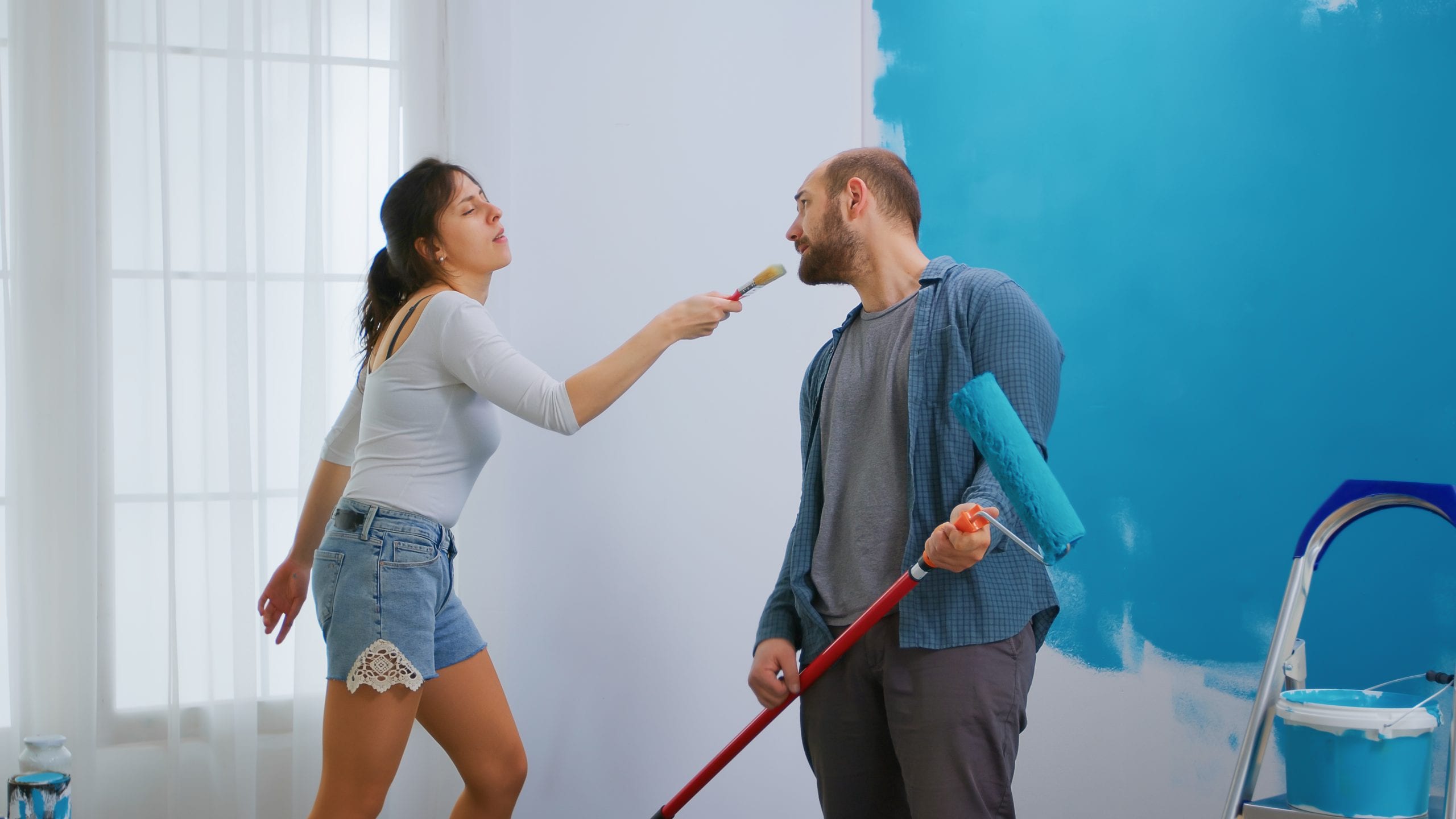
    Married couple rebuilding intimacy through playful teamwork while painting a room.Intimacy isn’t just physical-it’s emotional closeness that thrives on safety. When laughter returns, intimacy follows.

    Shared, playful activities reawaken the chemistry that first brought you together. They remind your bodies and minds how to relax around each other. The more you play, the more comfortable you feel being emotionally vulnerable again.

    In tense marriages, laughter often disappears long before affection does. But once humor returns, affection naturally revives. That’s why the window test is more than a conflict tool-it’s a reconnection ritual.

    Play is foreplay for the soul. It rebuilds touch, warmth, and trust without pressure or performance. And it all starts with choosing a task that makes you laugh at yourselves together.


    The Art of Laughing Before You’re Ready

    Married couple finding healing through laughter even in emotional moments.The hardest time to laugh is when you need it most. During conflict, everything in you wants to prove a point, not share a grin. But choosing laughter before you feel like it is one of the most mature acts of love you can practice.

    You’re not invalidating your feelings-you’re expanding them. You’re saying, “I can be hurt and hopeful at the same time.” That’s emotional agility, and it’s the hallmark of strong relationships.

    Couples who master this mindset rarely spiral for long. They’ve learned to sense when the argument has stopped being productive and start being repetitive. At that moment, they shift to play.

    Sometimes that means a funny face. Sometimes it’s cleaning something side by side. Sometimes it’s just taking a deep breath and saying, “Let’s not be serious for five minutes.”

    That pause is where healing begins.


    Making Shared Tasks a Habit

    Married partners practicing daily connection through shared tasks.Shared play shouldn’t only happen after fights-it should be woven into your rhythm. Couples who make daily micro-connections through teamwork stay more emotionally aligned.

    Try this: once a day, do one small thing together on purpose. Wash dishes as a team. Water the plants. Make the bed at the same time. These ordinary acts become extraordinary when infused with humor and care.

    The goal isn’t efficiency-it’s empathy. You’re reminding each other that togetherness isn’t just for the good days. It’s a habit of mutual effort, even in the mundane.

    In the next series, The Humor Habit: How to Build Joy Into Your Daily Marriage Routine, we’ll explore how to transform these shared moments into a lifestyle of laughter and connection. But for now, the window test is your starting point: a playful, tangible way to prove that healing doesn’t always require heavy conversations-just shared hands and a light heart.


    Why the Window Test Works

    Married couple celebrating teamwork and laughter after resolving tension.At its core, the window test reminds us that the goal of marriage isn’t perfection-it’s partnership. When life gets messy, laughter is the tool that keeps love from hardening.

    The next time you find yourselves stuck in disagreement, don’t wait for the perfect words. Reach for the nearest shared task instead. Wash, sweep, cook, walk-whatever gets you moving in the same direction again.

    When you do, you’ll find what those two kids discovered years ago: anger can’t survive when you’re laughing through the glass together.

    And maybe that’s the real definition of love-not avoiding the mess, but cleaning it side by side.

  • The Apron Rule: Using Humor to Signal Grace After Hard Days

    The Apron Rule: Using Humor to Signal Grace After Hard Days

    The Simple Power of a Backward Apron

    Married couple laughing together as a playful gesture signals a need for grace.A husband wore his hat backward when he’d had a rough day. His wife wore her apron backward when she had hers. No words, no long explanations-just a silent signal that said, “Today was heavy. Please be gentle.”

    Before either of them spoke, they were already smiling. The silliness of it broke the ice, replacing tension with tenderness. That’s what makes this little ritual so powerful. Humor like this isn’t childish-it’s strategic tenderness.

    In every marriage, there are days that take more out of you than you expected. You come home tired, reactive, and emotionally thin. A “grace signal” like the apron rule doesn’t fix everything, but it changes the tone. It helps both partners approach each other with softness instead of stress.

    This post will help you design your own version of the apron rule-a lighthearted, loving cue that communicates what words sometimes can’t: “I’m not at my best today, but I still love you.” Because grace, when expressed playfully, becomes unforgettable.


    Humor as a Language of Grace in Marriage

    Married couple showing grace through humor after a stressful day.In Therapeutic Laughter: Why Couples Who Laugh Heal Faster, we saw how laughter softens defensiveness and accelerates healing. The apron rule builds on that idea. It turns laughter into a language-a way of expressing emotional needs safely and without blame.

    Every marriage develops its own shorthand. You might know what your partner’s sighs mean, what their quiet looks communicate, or how their energy changes after a hard day. Humor simply refines that language. It transforms stress signals into grace signals.

    By using humor intentionally, you reframe vulnerability as connection instead of weakness. You’re saying, “I trust you enough to let you see my tired, messy self-and I believe we can still smile about it.”

    Grace in marriage isn’t about ignoring struggles; it’s about remembering that you’re on the same side, even when you’re exhausted. The apron rule turns that truth into something visible, memorable, and kind.


    Why Grace Needs a Signal

    Couple using gentle, humorous gestures to communicate emotional needs.In a perfect world, our partners would always know when to tread softly. But in real life, stress often hides behind silence or snappy comments. Without a clear signal, misunderstanding rushes in.

    That’s where a playful ritual like the apron rule comes in-it externalizes emotion. Instead of saying, “Leave me alone,” it communicates, “I’m struggling, but I still want connection.” The difference is everything.

    A clear, humorous signal disarms tension before it begins. It’s a gentle preemptive strike against resentment. It lets your partner know what’s happening emotionally without turning it into a confrontation.

    Think of it as emotional body language. Just like laughter, these small, intentional acts activate empathy faster than logic. They allow both of you to offer grace before defensiveness kicks in.

    The best part- You don’t have to overthink it. A backward apron, a silly hat, or a dramatic sigh with a wink can all serve the same purpose. What matters isn’t the gesture itself-it’s the agreement behind it.


    Creating Your Own Grace Signal

    Married partners creating their own playful grace signal at home.To build your version of the apron rule, start with two key principles: simplicity and consistency.

    It should be something easy to do, hard to misinterpret, and repeatable enough to become your shared ritual. Here’s a quick framework for designing one together:

    1. Pick something visual. It should make you smile when you see it-like mismatched socks, a goofy mug, or even wearing a hat indoors.
    2. Give it shared meaning. Talk about what it represents. For example, “When I do this, it means I need some softness today.”
    3. Use it sparingly. This isn’t an everyday thing. It’s special precisely because it’s rare and intentional.
    4. Respond with warmth. When you see the signal, don’t joke at your partner-join them in the humor. Say something like, “Looks like it’s a backward-apron kind of day, huh-”

    The magic lies in what happens next: a laugh, a hug, maybe even a light conversation. Suddenly, what could have spiraled into misunderstanding turns into a shared moment of grace.


    The Psychology of Strategic Tenderness

    Married couple practicing emotional safety through gentle humor.Humor works because it lowers physiological arousal-the body’s stress response. When you laugh, your brain releases oxytocin (the bonding hormone) and reduces cortisol. That’s why it feels like warmth spreading through the room.

    Strategic tenderness means using that effect on purpose. It’s not manipulation-it’s emotional intelligence in action. You’re creating micro-moments that say, “This is a safe space.”

    Over time, couples who use lighthearted rituals like this build a stronger sense of trust. Their homes feel calmer, even when life outside is chaotic. And when conflict does arise, they recover faster because safety is already woven into their daily rhythm.

    If you want a marriage that feels emotionally secure, you don’t need grand gestures-you need consistent small ones that anchor grace in humor.


    Why Laughter Works Better Than Logic

    Married couple using humor to soften difficult conversations.You can’t argue your way into emotional safety. Logic may solve problems, but laughter restores perspective. When you’re both tired or irritated, analysis only deepens the divide. Humor, however, bridges it.

    That’s why the apron rule is so effective-it replaces debate with delight. It allows couples to connect emotionally before they even speak logically.

    In moments of stress, the nervous system can’t differentiate between emotional danger and physical danger. That’s why small frustrations feel so big. Laughter interrupts that process by signaling, “We’re okay.”

    The next time you sense tension rising, pause before you explain or defend. Ask yourself, What if we laughed instead- Even a shared smile can redirect the energy faster than a well-worded explanation ever could.

    As couples who practice humor as emotional first aid know, it’s not about avoiding real conversations-it’s about starting them from a softer place.


    Turning Tension into Teamwork

    Married couple turning tension into teamwork through humor and grace.Every marriage has friction-it’s unavoidable. But laughter changes how that friction feels. Instead of seeing each other as opponents, you remember you’re teammates.

    The apron rule helps reinforce that mindset. When one partner wears the signal, the other’s job isn’t to fix-it’s to join. You become collaborators in grace, co-creating a gentler evening.

    For example, if you see your spouse’s signal, you might respond by doing something unexpectedly kind-making tea, lighting a candle, or simply wrapping them in a hug. The humor invites you to show tenderness without pressure.

    Over time, this dynamic rewires how your marriage handles stress. It replaces the old reflex of defensiveness with an instinct toward kindness. The home becomes a soft landing spot instead of another battlefield.

    Couples who master this mindset often find that grace becomes second nature-because they’ve practiced it in light, playful ways before life gets heavy.


    How Grace Signals Prevent Burnout

    Married couple preventing burnout by using laughter to express emotional needs.Emotional burnout in marriage often begins with small, consistent neglects-moments when one or both partners push through exhaustion without communicating their limits. Grace signals act as early warnings.

    By using humor to express emotional fatigue, you prevent resentment before it builds. Instead of snapping, you’re signaling. Instead of shutting down, you’re reaching out.

    This small act of vulnerability keeps the emotional connection alive, even on the hardest days. It reinforces that both of you are allowed to be human-allowed to have limits, moods, and messy moments.

    And when those moments are met with laughter instead of frustration, burnout loses its power.


    Designing Grace Rituals for Real Life

    Married partners designing a playful grace ritual for their home.Not every couple will connect with aprons or hats-and that’s the beauty of it. Your grace ritual can be anything that fits your personality.

    Here are some creative ideas:

    • Wear your slippers on the wrong feet.
    • Send a silly emoji that says, “Grace needed.”
    • Play a “soft day” playlist when you’re overwhelmed.
    • Put a funny magnet on the fridge to signal “low battery.”
    • Leave a doodle or note that makes your partner smile.

    The point isn’t the object; it’s the intention. You’re turning everyday humor into emotional communication.

    In The Window Test: How Shared Tasks Can Turn Arguments into Laughter, we’ll explore more ways to turn ordinary actions into connection rituals. But the foundation begins here-with simple, lighthearted grace.


    Grace, Laughter, and the Long Game of Love

    Married couple reflecting peacefully after reconnecting through grace and laughter.At its core, the apron rule isn’t about aprons at all-it’s about understanding that tenderness doesn’t have to wait for perfect timing.

    When you choose humor over hardness, you create a love that breathes. You stop expecting your spouse to read your mind and instead offer them a map-one that says, “Here’s how to love me well when I’m running on empty.”

    Laughter doesn’t erase the weight of life, but it keeps it from crushing you. Grace doesn’t deny difficulty; it simply refuses to let it define your tone. Together, they form a rhythm of resilience-a way to move through hard days without losing sight of joy.

    Because the truth is, great marriages aren’t built on constant harmony. They’re built on the ability to recover quickly-with softness, with humor, and with grace.

  • The Ice Story: Finding Humor in the Slippery Moments

    The Ice Story: Finding Humor in the Slippery Moments

    When the Cold Sets In

    Married couple laughing together after slipping on icy ground, symbolizing humor in tough moments.A husband once said, “She hasn’t laughed in three years.” His wife used to laugh when he fell on the ice-an innocent, clumsy moment that left them both giggling like kids. But now, the laughter was gone. Stress, resentment, and silence had crept in, freezing over what once felt alive and warm.

    That simple image-a fall on the ice-captures something profound about marriage. Every couple slips. Every couple falls. But some manage to laugh about it and get back up together, while others stay cold, replaying the fall instead of moving forward.

    Humor, when used gently, can thaw what silence froze. It can soften hard edges, dissolve tension, and remind both of you that you’re on the same team. Laughter in marriage doesn’t erase the pain you’ve felt; it interrupts the pattern that keeps the pain repeating. And that’s often the first real step toward healing.

    Couples who learn to find humor in the slippery moments don’t minimize what went wrong-they reclaim what’s right. They remind themselves that falling isn’t failure when you’re still holding hands on the way down.


    How Laughter Breaks the Freeze in Marriage

    Couple sharing hot cocoa and laughter, symbolizing warmth and emotional thaw in marriage.When tension builds, most couples either fight or freeze. The fight response looks like snapping, arguing, defending, or correcting. The freeze response looks quieter-withdrawal, silence, or emotional distance. Neither brings relief.

    Humor, though, creates a third path. It disarms both reactions. When you laugh, your brain releases endorphins that override defensiveness and fear. You literally can’t stay angry and amused at the same time. This makes laughter one of the most natural emotional reset buttons in a marriage.

    In The Lost Sound of Joy: Why Laughter Is the Missing Ingredient in Your Marriage, we explored how joy acts as emotional oxygen. The “ice story” takes that truth further-it shows how laughter functions like warmth. It melts the emotional frost that builds up after repeated disappointments.

    When one partner can introduce a moment of humor-especially during tension-it shifts the emotional temperature. A smile, a lighthearted comment, or a small inside joke signals safety. It tells your partner, “You can relax. We’re okay.” And often, that’s all the reassurance a strained heart needs to start thawing.


    Why Seriousness Isn’t Always Strength

    Married couple reconnecting with gentle laughter after an argument.Many couples assume that staying serious means being strong. They think, If I don’t laugh, maybe they’ll finally see how much this matters to me. But seriousness without warmth doesn’t communicate importance-it communicates distance.

    When you use only logic or discipline to address tension, your partner’s emotional defenses rise. Laughter bypasses that wall. It doesn’t trivialize the issue; it invites connection before correction.

    It takes real strength to be light in a heavy moment. Humor in marriage doesn’t come from ignoring problems; it comes from knowing you can face them together. When you can share a grin after misunderstanding each other, you prove that your relationship is stronger than the issue itself.

    The next time conflict feels too thick to cut through, try what therapists call “softening humor.” That’s the kind that says, I see you. I know we’re human. Let’s not lose ourselves in this.

    And if you think you’re not funny enough, remember: humor isn’t performance. It’s permission. It’s permission to stop performing seriousness and start feeling safe again.


    Turning Awkward into Intimate

    Couple embracing playfulness in marriage by laughing during a kitchen mishap.Some of the best laughs in marriage come from awkward moments. The mispronounced word. The wrong turn on the road trip. The kitchen mishap that covered everything in flour. These aren’t just “oops” moments-they’re invitations.

    When you allow awkwardness to become connection instead of criticism, you build intimacy. The couple that can laugh together when life slips out of control becomes emotionally flexible. They stop treating each other like enemies to fix and start acting like friends navigating chaos together.

    In long-term relationships, flexibility matters more than flawlessness. It’s what lets you adapt when life gets unpredictable-when you’re both slipping on emotional ice. Laughter keeps your footing light.

    The moment you feel like shutting down or snapping, pause. Ask yourself: Is there something here I can smile about- Maybe it’s your tone, your overreaction, or the irony of the situation. Laughing at yourself first often gives your partner permission to join you instead of resist you.


    The Science of “Falling Together”

    Married couple balancing each other with laughter while walking on ice.Psychologists have found that couples who laugh together experience higher relationship satisfaction, even during stress. Shared laughter doesn’t just feel good-it rewires how you see each other. When your brain links your spouse with humor, it builds emotional resilience.

    Think of it this way: every shared laugh is like a small memory deposit in your “connection account.” Later, when conflict withdraws emotional energy, those deposits keep you from going into relational debt.

    That’s why learning to laugh in slippery moments-especially ones that might otherwise cause frustration-matters. It builds trust. Your partner learns that even when things go wrong, they’re still safe with you.

    Humor becomes a survival skill, not a luxury. It’s the safety rope that keeps you both from falling too far apart when life gets icy.

    And if you need proof, remember this: couples who laugh more also recover faster after arguments. They find it easier to shift from irritation to affection. They’re not avoiding problems-they’re staying agile within them.


    How to Use Humor Without Hurting

    Married partners using gentle humor to reconnect during everyday messes.Of course, not all humor heals. Some kinds of “jokes” can wound more deeply than silence ever could. Sarcasm, mockery, or joking at your partner’s expense creates insecurity, not intimacy.

    The kind of laughter that brings healing has three traits: it’s gentle, shared, and safe. You laugh with, never at.

    Here are a few simple guidelines for using humor wisely in marriage:

    • Test your tone. If your joke comes from irritation, wait. Humor used defensively often sounds like criticism disguised as comedy.
    • Laugh about common ground. Shared experiences-like parenting chaos or everyday missteps-make great material because both of you can relate.
    • Keep timing in mind. Use humor to open connection, not to escape a hard talk. It’s a bridge, not a distraction.

    As you practice, you’ll start noticing when your partner relaxes. That’s your cue that you’ve found the right kind of humor-the kind that heals instead of hides.


    Finding Joy After the Fall

    Married couple finding joy together after a playful fall in the snow.When the counselor told the husband to “fall on the ice again,” he wasn’t giving slapstick advice-he was pointing to something deeper. The act of intentionally being silly, even absurd, creates humility. It breaks pride’s grip.

    Pride keeps couples frozen; laughter melts it. When you can laugh at yourself, you remove the need to win. You make space for grace.

    This doesn’t mean minimizing pain or pretending everything’s fine. It means refusing to let bitterness have the final say. It means choosing humanity over humiliation.

    If you’ve had a hard season, maybe it’s time for your own “ice moment.” Not literally, but symbolically-an act of intentional play that says, I’m willing to stop taking myself so seriously. Whether it’s wearing mismatched socks, trying a silly dance, or making a funny face, you’re reminding your partner that love doesn’t need perfection to be beautiful.

    When laughter returns, affection follows. You’ll find yourself reaching out more, assuming the best again, and feeling the emotional warmth that used to come naturally.


    The Power of a Shared Smile

    Married couple sharing a small smile, symbolizing renewed connection through laughter.Sometimes, the smallest gesture can shift an entire day. A half-smile across the room. A funny text. A look that says, we’re okay. These micro-moments of humor build emotional momentum.

    If you make it your goal to share one laugh a day, you’ll start seeing how much tension was simply waiting for release. Over time, laughter becomes your emotional language again. You’ll notice fewer misunderstandings, faster recovery from arguments, and a lighter atmosphere at home.

    Humor doesn’t make your problems disappear-it makes them more bearable. And in marriage, that’s often what love looks like in real time.

    It’s in these small smiles that connection grows again. The laughter you thought was lost begins to echo back. The ice that felt permanent begins to melt, one gentle grin at a time.


    When Humor Becomes Healing

    Married partners sharing quiet laughter as a form of emotional healing.Some couples rediscover laughter gradually, through daily practice. Others experience it suddenly-like warmth rushing back into a cold hand. Either way, the healing happens not because of the jokes themselves, but because of what laughter represents.

    It represents presence. It represents safety. It represents remembering that love is still underneath the ice.

    In Therapeutic Laughter: Why Couples Who Laugh Heal Faster, you’ll learn how laughter works as emotional therapy-loosening pain and rebuilding empathy. But for now, know this: the most powerful humor isn’t loud or flashy. It’s the quiet kind that says, You still make me smile, even after everything.

    That sentence alone can heal more than a hundred apologies ever could.


    Choosing Lightness, Not Denial

    Couple supporting each other with laughter after slipping, symbolizing teamwork in marriage.There’s a difference between denial and lightness. Denial avoids truth; lightness helps you carry it.

    Humor doesn’t erase the past-it simply prevents it from owning the present. When you choose to laugh again, you reclaim control over your emotional climate. You stop letting circumstances define your connection.

    Every laugh is a small declaration: We’re still us.

    So when life feels slippery-when communication misfires or stress takes over-remember the ice story. You might not control the fall, but you do control how you get up. And getting up with laughter is one of the most powerful ways to move forward together.

  • The Lost Sound of Joy: Why Laughter Is the Missing Ingredient in Your Marriage

    The Lost Sound of Joy: Why Laughter Is the Missing Ingredient in Your Marriage

    When the Spark Fades but the Tasks Remain

    Married couple rediscovering laughter amid daily responsibilities.There comes a moment in many marriages when silence feels heavier than words. The days blur into errands, responsibilities, and small misunderstandings that never quite clear. What once felt like friendship now feels like management-and the joy that used to hold it all together quietly disappears.

    This is what happens when laughter leaves a marriage. Not the quick, polite kind that you use at social events, but that deep, spontaneous, unguarded laughter that makes you forget your walls. It’s the laughter that used to soften your tone, shorten your fights, and remind you that you actually like this person you married.

    When that laughter goes missing, something fundamental shifts. You might still love each other, but the air between you gets thick with seriousness. Every conversation becomes about fixing, explaining, or defending. And the less you laugh, the more easily you forget how.

    Relearning joy isn’t about being childish-it’s about returning to the emotional safety that once made you open, kind, and connected. Because without laughter, even a good marriage starts to feel like hard work. With it, even hard seasons feel a little lighter.

    If you’ve forgotten what that kind of humor feels like in practice, try learning how humor can defuse tension in marriage through small, playful gestures that melt distance and reset connection.


    The Psychology of Laughter: Why Joy Bonds Better Than Words

    Couple sharing therapeutic laughter that strengthens emotional connection.Research shows that laughter does more than lift mood-it changes physiology. When you laugh, your body releases endorphins, lowers cortisol, and synchronizes breathing patterns with whoever you’re laughing with. In marriage, that means laughter is a form of micro-connection-a moment when your nervous systems agree that you’re safe.

    Laughter tells your partner, “You don’t have to protect yourself right now.” It’s a reset for the amygdala, the part of the brain responsible for emotional alarms. When couples stop laughing together, their systems stay in mild alert mode-scanning for danger, tone, or criticism. That’s why even neutral comments can sound sharp when joy is absent.

    It’s not that laughter solves your problems. It just changes the atmosphere so your solutions can breathe. A joyful marriage isn’t one without tension-it’s one where tension doesn’t stay long because the environment doesn’t reward it.

    Think of laughter as emotional oxygen. You can survive without it for a while, but you can’t stay healthy without breathing it back in. Couples who learn how to use laughter intentionally often find that it becomes their most healing language, restoring closeness faster than words ever could.


    How Couples Drift Into Serious Mode

    Married couple using playful humor to reset after tension.Most couples don’t wake up one day and decide to stop laughing. It happens gradually-through the thousand tiny pressures of daily life. A late bill. A stressful commute. A child who needs extra help. A disagreement that never fully healed. Laughter becomes collateral damage to survival.

    Psychologists call this the seriousness spiral: a mindset where the brain prioritizes problem-solving over connection. Everything becomes about what’s wrong-what needs to be fixed, managed, or controlled. The issue is that the human brain doesn’t multitask well between seriousness and play. When one dominates, the other fades.

    You might tell yourself, “We’ll laugh again when things calm down.” But things rarely calm down. The bills still come, the calendar stays full, and the unspoken tension slowly turns into emotional distance. Laughter isn’t the reward of peace-it’s the path to it.

    Breaking this pattern doesn’t require a vacation or a comedy show. It requires giving yourself permission to be light again. To laugh at your own flaws. To tease each other gently. To stop waiting for perfect conditions before you let joy in. Couples who practice this shift often find it easier to communicate because humor breaks the ice before words do, a truth echoed in everyday examples of how humor signals grace after hard days.


    When Laughter Disappears, Misunderstanding Moves In

    Married partners easing a conflict through shared laughter.Without laughter, your partner’s quirks stop being endearing and start feeling irritating. That loud laugh, once adorable, now grates on your nerves. Their forgetfulness, once a funny inside joke, now becomes evidence that they “don’t care.”

    This is the hidden cost of joylessness: it erodes the benefit of the doubt. When you laugh together, you see each other’s humanity-not just habits. You assume good intentions. But when laughter disappears, every misstep feels personal.

    Couples often misinterpret this as “falling out of love.” In reality, they’ve fallen out of rhythm. Love still exists, but it’s buried under seriousness. The good news- The brain can rewire faster than you think. Just one shared moment of laughter-genuine, not forced-can remind both of you that you’re still allies.

    That’s why counselors often tell couples to build comic interruptions into conflict. It’s not about avoiding serious issues but restoring the safety to discuss them with compassion. As soon as laughter returns, humility and empathy usually follow.


    The Emotional Reset Hidden in Humor

    Married couple turning conflict into connection through playful teamwork.Every marriage needs a pressure valve. Without one, frustration builds and spills in the wrong direction. Laughter is that valve-it keeps the relationship from overheating.

    Humor interrupts defensiveness. It’s nearly impossible to stay offended while genuinely laughing. That’s why some of the most resilient couples use humor intentionally. They don’t mock each other’s pain-they create small, silly rituals that make space for recovery.

    A couple might use code phrases like “storm alert” when they sense tension rising. Another might make exaggerated “time-out” faces to defuse conflict. These gestures seem trivial, but they’re neurologically powerful: they signal safety, release adrenaline, and reopen curiosity.

    Simple, playful actions can turn conflict into connection, the same way lighthearted teamwork does when you transform an argument into a shared laugh. Couples who practice this regularly notice that even their disagreements carry less sting and more softness.


    Rediscovering Shared Playfulness

    Married couple rediscovering playfulness through spontaneous dancing.Think back to when you first fell in love. You probably laughed over small things-inside jokes, funny stories, mispronounced words, random dance moves in the kitchen. That playfulness wasn’t trivial; it was how you tested emotional safety.

    Play is how adults build trust. In childhood, we learn boundaries and creativity through play. In marriage, we relearn flexibility and patience the same way. When you play, you stop calculating and start connecting.

    You don’t need a sense of humor like a stand-up comedian to be playful. You just need a willingness to look a little silly. To make eye contact. To exaggerate your own seriousness and let it dissolve. Couples who can play together recover from stress faster, argue less destructively, and experience deeper satisfaction.

    Even one small moment of laughter this week-a funny dance, a goofy meme, or a shared joke-can do more for your marriage than a dozen serious talks.


    Why Serious Couples Often Feel Stuck

    Married couple showing emotional maturity through playful connection.Some people resist laughter because they believe seriousness equals maturity. They think being playful means not taking the relationship seriously enough. But emotional maturity isn’t about staying grave-it’s about knowing when to lighten the mood.

    When both partners are always “on guard,” marriage becomes a workplace. You track performance instead of cherishing presence. You negotiate, evaluate, and analyze-but rarely delight.

    Here’s the irony: truly mature love knows when to let go. It knows that laughter is not disrespect-it’s restoration. Joy says, “We’re bigger than this moment.” Couples who practice joy communicate confidence: they trust that no disagreement can break the bond.

    If you’re feeling stuck, it may not be your communication skills or love languages that need attention-it might just be your shared laughter muscle that needs exercise. Building joy into your daily routine strengthens your emotional foundation far more than perfection ever could.


    Small Steps to Reignite Joy

    Married couple reigniting joy through shared humor collection.Bringing laughter back doesn’t require grand gestures. It starts with micro-moments-tiny experiments in lightness that remind your nervous system how joy feels. Here are a few ways to begin:

    1. Keep a humor file. Save memes, jokes, or memories that make both of you laugh. Open it when stress feels thick.
    2. Name your playful side. Give your silly self a nickname-then let that version of you show up more often.
    3. Create a secret signal. A wink, phrase, or funny motion that says, “Let’s not take this moment too seriously.”
    4. Watch your tone. Even serious conversations can hold a smile.
    5. Plan joy on purpose. Schedule a walk, board game, or movie night with no “agenda” but fun.

    The goal isn’t to escape reality-it’s to invite joy into it. Couples who choose to cultivate this habit discover that small moments of humor create emotional space for bigger breakthroughs later.

     

    The Ripple Effect of Joy on Communication

    Married partners using shared humor to soften communication.When laughter returns, communication changes. Words land softer. Apologies come easier. Even disagreements become less threatening because both of you remember the emotional foundation beneath the frustration.

    Laughter fosters empathy because it rewires perception-it shifts focus from what’s wrong to what’s still good. That single mental pivot allows you to talk about hard things without collapsing into blame.

    This doesn’t mean laughter replaces deep work. It complements it. Joy doesn’t deny pain-it keeps pain from defining the relationship. And that’s what makes couples resilient through years, not just months. Learning how to express gentleness after hard days through humor or warmth builds connection faster than correction ever could.


    Building a Marriage That Breathes

    Happy married couple rediscovering joy and emotional connection outdoors.A joyful marriage is not a perfect one-it’s a breathing one. It expands and contracts, laughs and laments, grows and recovers. When couples learn to let humor in, they give their relationship lungs again.

    You don’t need to force laughter or fake happiness. You simply need to notice what’s already funny, human, and imperfect about your shared life. That’s what makes love sustainable-not the absence of problems, but the ability to stay light within them.

    If you’ve lost the sound of joy, start small. Smile more than you feel like. Tell the story that always made you laugh. Allow a little ridiculousness back in. And when the serious voice in your head whispers, “This is silly,” remind it: That’s exactly the point.

    Because the couples who last aren’t just the ones who endure-they’re the ones who still laugh. If you’re ready to take the next step, start building joy intentionally by learning how humor habits transform ordinary marriages into joyful partnerships.