Tag: marriage commitment

  • Olympic-Level Marriage: Showing Up with Grit, Grace, and Guts

    Olympic-Level Marriage: Showing Up with Grit, Grace, and Guts

    Imagine approaching your marriage the way athletes approach the Olympics:
    with full focus, relentless training, and an unwavering “no matter what” mindset. That’s not about perfection-it’s about preparation. It’s not about avoiding pain-it’s about pushing through it with purpose. In the world of sports, the difference between gold and forgotten is often just grit. The same is true in marriage.

    In this post, we invite you to embrace an Olympic-level marriage-not because it’s easy, but because it’s worth it. Whether you’re navigating small frustrations or big disappointments, this mindset can help you stay connected, grow stronger, and move forward together-with grit, grace, and guts.


    Train Like Champions: Great Marriages Don’t Happen by Accident

    Married couple running side by side in the morning light, symbolizing daily commitment and shared effort in an Olympic-level marriage.Olympic athletes don’t stumble into greatness. They plan. They practice. They prepare their minds and bodies long before they step into the spotlight.

    Why should marriage be any different-

    If we want lasting connection, we have to train for it. That means intentional date nights, tough conversations, conflict resolution skills, and personal growth. We have to build emotional endurance, spiritual focus, and mental strength-so we don’t collapse when things get hard.


    Grit Over Glamour: Marriage Is a Daily Choice

    Husband and wife quietly holding hands post-argument, showing the gritty effort of emotional connection in tough moments.There’s nothing flashy about early morning workouts or post-practice ice baths-and there’s nothing glamorous about working through your fourth disagreement in a week. But that’s where grit is forged.

    Grit is what keeps you choosing each other even when it’s not exciting. It’s cleaning up after an argument, not because you feel like it, but because love matters more than ego. Grit is saying “I’m sorry” first. Grit is being faithful in your thoughts when no one’s watching.

    Olympic-level marriages are built by couples who refuse to quit on hard days. They don’t mistake difficulty for disaster. They keep showing up.


    Grace for the Journey: Don’t Expect a Perfect Performance

    Couple comforting each other on a porch, reflecting the grace that defines enduring love.Olympians fall. Miss routines. Lose races. And they get back up.

    We need that kind of grace in marriage too. Grace for the stumbles. Grace for the misunderstood tones and dropped balls. Grace for our spouse, and grace for ourselves.

    An Olympic-level marriage isn’t about a flawless routine-it’s about getting better every day. And that requires a culture of forgiveness. When one of you falls, the other doesn’t ridicule-they reach. They help up. They cheer on.


    The Power of “No Matter What”

    Interlocked hands with wedding bands, symbolizing unconditional commitment in an Olympic-level marriage.Every Olympian has a “no matter what” moment. No matter how cold it is. No matter how tired I am. No matter how many setbacks I face-I keep going.

    Marriage needs this mindset too. “I’ll stay. I’ll work through it. I’ll love you when you’re not easy to love-not because you’re perfect, but because we made a vow.”

    This is the quiet courage of marriage. Not screaming love from the rooftops, but whispering it again and again in the dark. When trust is tested. When intimacy feels distant. When change is slow.

    We’ve got to stop making our love conditional on mood, season, or behavior. Olympic-level commitment says: I’m in. All the way.


    We’re on the Same Team: Fight for, Not Against, Each Other

    Smiling husband and wife high-fiving over dinner prep, reflecting the joy of teamwork in marriage.Olympians don’t compete against their own teammates-and neither should we.

    In marriage, it’s easy to fall into the trap of blame and scorekeeping. But couples with an Olympic-level mindset ask different questions: How do we win together- What needs to change so we can both thrive- How can I support you, even when I feel frustrated-

    You can disagree without becoming opponents. You can push each other without pushing each other away. When you remember that your spouse is your teammate, everything shifts.


    Mental Toughness: How We Handle Hurt Without Quitting

    Married couple in therapy session, building emotional resilience and mental toughness together.Pain is inevitable. In marriage, it’s emotional hurt-miscommunication, disappointment, moments when needs aren’t met. Mental toughness doesn’t mean pretending you’re not hurt-it means knowing how to recover without disconnecting.

    It’s choosing not to escalate. Not to punish. Not to walk away emotionally.

    Just like Olympians practice mental resilience, couples can learn emotional resilience. Through therapy, prayer, healthy habits, and support, we can stay connected even when we’re aching.


    Discipline Over Emotion: Love That’s Stronger Than Feelings

    Husband and wife sharing a quiet moment of prayer, showing the discipline of intentional connection.Olympians don’t always feel like training. They train anyway.

    You won’t always feel “in love.” You won’t always feel romantic. But marriage asks you to love anyway.

    Discipline in marriage means saying kind words when you’re irritated. It means showing up even when you’d rather shut down. It means holding your tongue, or holding your spouse’s hand, when emotions are all over the place.

    Discipline turns love from a feeling into a force.


    Rest and Recovery: Taking Breaks Without Quitting the Team

    Married couple walking through a park in peaceful silence, symbolizing emotional rest and reconnection.Even Olympians need rest. Recovery is part of the process-not a sign of weakness.

    In marriage, recovery might look like personal time, healthy boundaries, or asking for help. It’s okay to say, “I need a minute.” What’s not okay is quitting emotionally while pretending everything’s fine.

    Couples with Olympic-level commitment know how to pause without leaving. They breathe. They heal. And they return stronger.


    Rising After the Losses: Let Every Fall Teach You Something

    Serious couple journaling and processing emotions together, growing stronger after relational setbacks.Not every argument ends in resolution. Not every apology feels complete. Sometimes things just… sting.

    But Olympic marriages use every loss as a learning moment. They don’t run from tension-they mine it for wisdom. They look at patterns. They ask hard questions. They get better, together.

    When you stop seeing failure as final, you start using it as fuel.


    Celebrate the Wins-Even the Small Ones

    Joyful couple sharing a laugh in the kitchen, celebrating everyday victories in marriage.Olympic athletes don’t wait until gold medals to celebrate. They cheer for progress. For personal bests. For breakthroughs.

    Do you-

    In marriage, we must learn to celebrate progress. The honest conversation. The gentle response. The laughter after a hard week. These are wins. And when you honor them, you build momentum for more.


    Conclusion: Grit, Grace, and Guts Will Carry You Further Than You Think

    An Olympic-level marriage doesn’t require perfection. It demands presence. A willingness to train, to fight, to forgive, and to keep going-especially when it’s tough.

    It’s a mindset. A rhythm. A commitment to give your all, not just when it’s convenient-but because you know it’s worth it.

    So lace up. Show up. Play through the pain when needed. Rest when you must. And keep loving-with grit, grace, and guts.

    Because your marriage isn’t just a partnership-it’s your team, your legacy, your gold.
  • You’re Always Committed-Even When You Say You’re Not

    You’re Always Committed-Even When You Say You’re Not

    Introduction

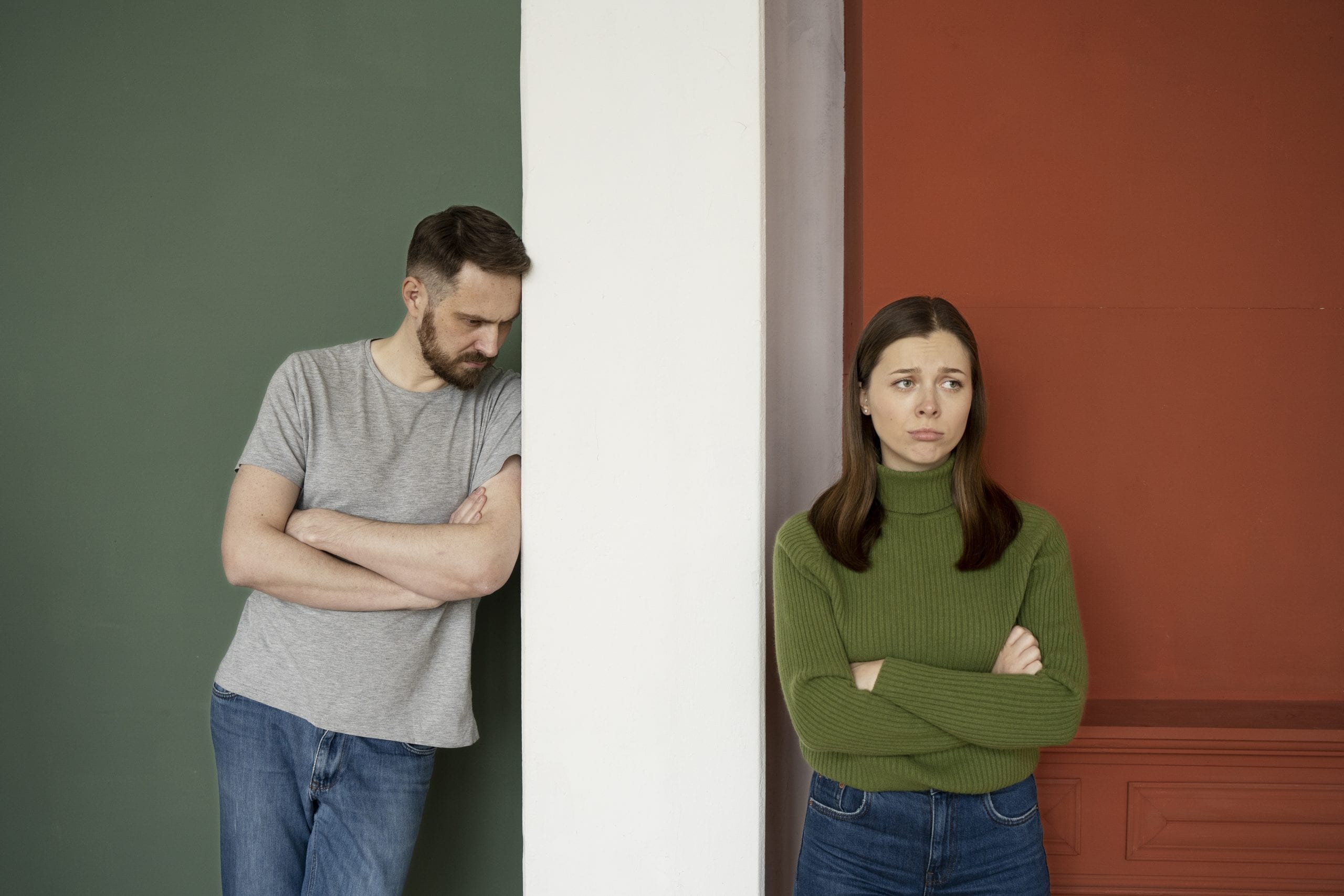
    Emotional disengagement in marriage that still reflects a hidden commitment.It’s tempting to think that when we check out of our marriage-emotionally, mentally, or physically-we’re just “not committed anymore.” We might say things like, “I’ve given up,” “I don’t care,” or “I’m done trying.” But the truth is, you’re always committed to something-even when you say you’re not.

    Maybe you’re committed to avoiding pain. Maybe you’re committed to proving your spouse wrong. Maybe you’re holding onto bitterness, or choosing self-protection over connection. Whatever the case, your current actions are still reinforcing a commitment-just not the one you originally intended when you said, “I do.”

    In this post, we’ll uncover what it means to stay committed even when it doesn’t look like it. You’ll learn how every behavior, every silence, and every decision reveals a deeper loyalty-whether to healing, blame, distance, or survival. Most importantly, you’ll be challenged to confront the real commitments shaping your marriage right now-and invited to choose a better path forward.

     

    Disengagement Is Still a Decision

    Disconnection in marriage created by emotional disengagement.Let’s get something clear: disengagement is not neutral. When you emotionally check out of your marriage, you haven’t stopped making choices-you’ve simply shifted your commitment.
    Inaction is not absence. It’s action in another direction.

    By pulling away, you might be committing to:

    • Protecting yourself from further hurt
    • Holding onto resentment
    • Avoiding the discomfort of vulnerability

    Every time you avoid a hard conversation, ignore your spouse’s needs, or suppress your own emotions, you’re reinforcing a pattern. And that pattern is a reflection of what you’re really prioritizing-even if it’s unintentional.


    How Bitterness Becomes a Hidden Commitment

    Bitterness in marriage stemming from unresolved pain and emotional baggage.Bitterness is sneaky. It feels like self-defense, but it slowly poisons connection. If you’ve been deeply hurt, it can feel safer to stay angry than to risk being vulnerable again.

    But bitterness is a form of commitment. It keeps you tethered to the past, reinforcing pain instead of pursuing healing.

    Ask yourself:

    • Have I replayed past arguments more than I’ve tried to repair them-
    • Do I bring up old wounds to win present fights-
    • Am I more focused on what my spouse did wrong than how we can move forward-

    When bitterness becomes your compass, your marriage follows its lead-into isolation, distrust, and emotional shutdown.


    Self-Protection Over Intimacy

    Emotional distance caused by self-protective behavior in a relationship.When connection feels risky, many spouses unconsciously commit to self-protection. You might:

    • Keep conversations superficial
    • Withhold affection
    • React with sarcasm or defensiveness

    These responses are survival tactics-but they also act as relational walls. They prevent your spouse from truly knowing you, and they prevent you from experiencing the very intimacy you long for.

    Self-protection feels safe. But in a healthy marriage, safety isn’t the absence of vulnerability-it’s the reward of it.


    When Survival Becomes the Strategy

    Silent routine reflecting emotional survival in marriage.Sometimes, couples aren’t fighting anymore-not because things are better, but because one or both partners are just trying to survive. You go through the motions. You manage schedules, chores, and logistics-but not emotions.

    This survival mode is often mistaken for neutrality. But it’s not. It’s a commitment to staying in the marriage physically while disengaging emotionally.

    And over time, this emotional flatlining can be more dangerous than open conflict-because it convinces you that nothing can change.


    The Lie of “I’m Just Not Committed Anymore”

    Realizing the emotional truth hidden behind disengagement in marriage.It’s easy to tell yourself, “I’ve stopped caring.” But what you’ve likely done is shift your loyalty.

    Maybe you’re now committed to:

    • Proving you were the one who was “more right”
    • Punishing your spouse for their mistakes
    • Avoiding the pain of confronting your own patterns

    All of these are commitments. They involve energy, thought, focus-even if they don’t involve love.

    What if, instead of numbing yourself, you paused and asked, “What am I really fighting for here-” Sometimes the answer is surprisingly tender: validation, closeness, healing. But you can’t pursue those things through indirect means.


    Your Inaction Is Speaking Loudly

    The weight of emotional silence in marriage.Every time you walk past your spouse without speaking, your silence says something.

    Every time you go to bed angry and ignore the tension, your withdrawal reinforces a message.

    Every time you choose to vent to friends instead of engaging your partner, you strengthen the distance.

    Your inaction communicates just as clearly as your words. And often, it sends a message your spouse can’t unhear.

    The question isn’t whether you’re sending a message-but whether it’s the message you want your marriage to receive.


    How to Identify Your Current Commitments

    Marriage self-reflection exercise to identify emotional habits and hidden commitments.To find out what you’re truly committed to in this season of your marriage, don’t look at what you say-look at what you repeat.

    Track the patterns:

    • How do you respond when you feel hurt-
    • What do you consistently prioritize-connection or comfort-
    • What do you turn to when things feel hard-

    Also ask yourself:

    • Who benefits from my current pattern-my marriage or my ego-
    • Am I protecting a version of myself that no longer exists-
    • What would I have to risk in order to love again-

    The answers may be uncomfortable, but they will be illuminating.


    From Survival to Renewal: Shifting Your Commitment

    The power of personal agency to redirect emotional habits in marriage.Once you realize that you’re already committed to something, you can choose to redirect that commitment.

    That shift might include:

    • Acknowledging your pain out loud
    • Choosing one small act of connection per day
    • Asking for help (through counseling, a mentor couple, or community)

    You don’t have to “feel ready” to start showing up differently. Often, action leads emotion. Small intentional changes done consistently can melt years of cold habits.

    You’re not stuck-you’re just on autopilot. And you can turn that wheel any time.


    What Choosing to Recommit Looks Like

    Everyday reminders of renewed commitment in marriage.Recommitment isn’t about grand declarations. It’s about daily decisions that say:

    • “I’m here.”
    • “I’m listening.”
    • “I don’t have it all figured out, but I’m willing to try again.”

    That could look like:

    • Sitting down and making eye contact during dinner
    • Writing a note that says, “I want to find our rhythm again”
    • Saying, “Can we talk-” instead of staying silent

    Recommitment isn’t weakness. It’s the strongest thing you can do when your marriage is barely holding on.


    You’re Always Building or Breaking Something

    Choosing a new direction of emotional engagement in marriage.Marriage is never standing still. Every action-or inaction-is moving you toward deeper intimacy or greater disconnection.

    So the next time you say, “I’m not committed anymore,” stop and look around.

    You’re still committed:

    • To silence or to speech
    • To blame or to repair
    • To fear or to courage
    • To comfort or to growth

    There is no neutral ground. Every day, you are making an investment. The only question is-what are you building-

    Let that question lead you back to what matters most: love, presence, and the decision to keep showing up, even when it’s hard.

  • What Are You Really Committed To in Your Marriage-

    What Are You Really Committed To in Your Marriage-

    Introduction

    Married couple reflecting on what their daily actions reveal about their real commitments.When it comes to love, it’s easy to say we’re committed. We might say things like “my spouse means everything to me” or “my marriage is a top priority.” But if you stop and take a closer look at your daily life-at your conversations, your tone, your choices-what does it actually show-

    The truth is, we’re all committed to something, whether we admit it or not. And the results you’re experiencing in your marriage right now-whether those are marked by closeness, disconnection, harmony, or tension-are a mirror of those commitments. Your marriage reflects not just what you claim to value, but what you consistently choose.

    In this post, we’ll take an honest look at how your patterns reveal your real priorities. We’ll unpack the difference between stated values and lived ones, how to identify the commitments that are no longer serving your relationship, and what it looks like to build a marriage around intentional, life-giving commitment.


    What Commitment Really Looks Like in Daily Marriage Life

    Daily routines that reflect true commitment in a relationship.Commitment isn’t a one-time promise. It’s a lifestyle. It shows up not just in dramatic moments, but in how you behave on a Tuesday night after a long day.

    Ask yourself:

    • What am I showing up for, consistently, in this relationship-
    • What gets my attention first-my spouse or my distractions-
    • Am I showing commitment in action, or just in intention-

    Daily commitment might look like:

    • Choosing connection over comfort
    • Apologizing first, even when it’s hard
    • Listening when you’d rather scroll

    These small choices accumulate and form the foundation of trust-or the lack of it.


    Why Results Reflect Your Real Commitment

    Comparison of what couples intend to prioritize vs. what their actions reveal.The dynamic of your marriage right now isn’t random-it’s the fruit of your consistent choices.

    If your relationship feels:

    • Peaceful and emotionally close, you’ve likely been committed to empathy and vulnerability.
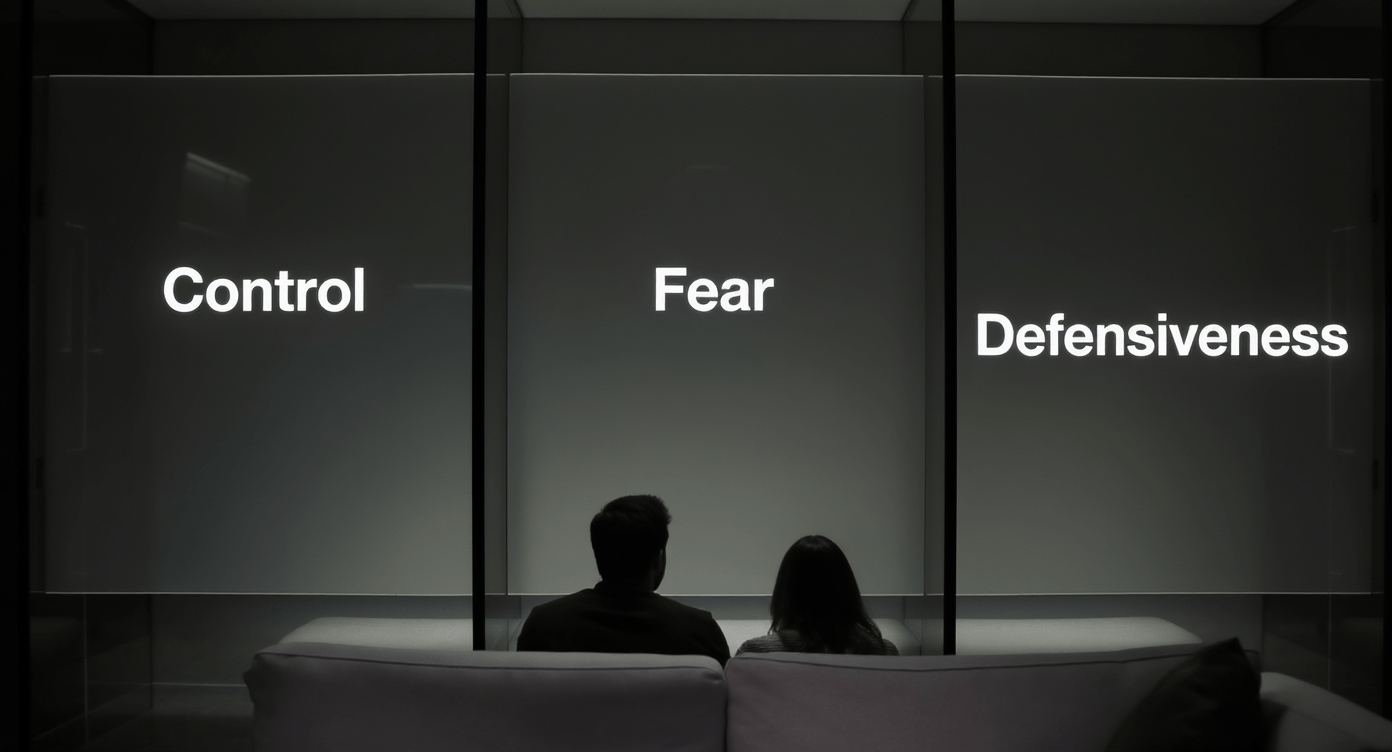
    • Tense and reactive, you might be more committed to control or defensiveness.
    • Distant and cold, you may have been committed to busyness, distraction, or avoidance.

    We often say we want more intimacy, but if our habits don’t support that goal, what we’re truly committed to might be something else entirely.

    Looking at your results isn’t about blame-it’s about clarity. You can’t change what you won’t acknowledge.


    Common Misguided Commitments in Marriage

    Emotional barriers in marriage caused by misplaced commitments.Sometimes, the things we’re most committed to aren’t bad in themselves-they’re just misaligned with our relationship goals.

    Here are some subtle but common commitments that can harm marriage:

    • Being right over being close: You prioritize winning the argument, even at the cost of emotional connection.
    • Avoiding conflict over resolving issues: You prioritize temporary calm over long-term peace.
    • Comfort over curiosity: You don’t ask questions because you fear the answers.
    • Control over collaboration: You micromanage instead of trusting your partner’s process.

    These commitments may have helped you feel safe in the past, but they often keep love from growing in the present.


    The Gap Between What You Say and What You Do

    Emotional disconnect caused by the gap between words and behavior in a marriage.It’s easy to say “I value my spouse.” It’s harder to consistently act in a way that proves it.

    Take a moment to reflect:

    • Do I say I want intimacy, but avoid eye contact during conflict-
    • Do I say I want connection, but constantly choose distractions-
    • Do I say I want peace, but escalate every disagreement-

    This gap-between declared values and daily behaviors-is where many marriages break down. Real commitment closes that gap by aligning words and actions.


    How to Identify What You’re Actually Committed To

    Journaling to uncover subconscious commitments affecting a marriage.To find your true commitments, don’t look at your desires-look at your patterns.

    Track:

    • What you consistently give your time to
    • How you treat your spouse under stress
    • What emotional patterns you fall back on (sarcasm, silence, blame)

    Ask yourself:

    • What is my first instinct during conflict-control, withdrawal, kindness, or blame-
    • What do I prioritize in my calendar, even when things get busy-
    • What do I repeat-even if I say I want something different-

    These answers will show you your true commitments-both helpful and harmful.


    Recommitting to What Actually Builds a Healthy Marriage

    Rebuilding connection through intentional commitment in everyday moments.Once you’ve uncovered what’s been shaping your relationship, you have a choice: stay committed to your current patterns, or choose new ones.

    Life-giving marriage commitments include:

    • Choosing presence over distraction
    • Repairing instead of resenting
    • Listening instead of defending
    • Serving instead of scorekeeping
    • Honoring instead of assuming

    None of these are glamorous. But they’re powerful. And when chosen consistently, they transform the atmosphere of a marriage.


    When Your Spouse Isn’t Matching Your Effort

    Taking the lead in marriage by choosing a healthier emotional posture.One of the hardest challenges in marriage is when you feel like you’re committed to change, but your spouse isn’t.

    You may wonder:

    • Why should I keep trying when they don’t-
    • Am I being taken for granted-
    • What if nothing ever changes-

    While it’s true that both partners need to contribute for lasting change, transformation often starts with one person choosing a different path. Your shift in commitment can inspire theirs-though it may take time.

    Remember:

    • Healthy boundaries are also an act of commitment-to yourself and the relationship.
    • Your own peace is worth pursuing, regardless of their pace. 


    The Power of Daily Realignment

    Daily reflection as a tool for maintaining meaningful commitment in marriage.Commitment isn’t something you decide once and never revisit. It’s something you must realign with constantly.

    Daily check-in questions:

    • Did I choose connection or comfort today-
    • Did I move toward my spouse or away-
    • Did I show up with presence or pretense-

    These little moments of honesty are where the real work-and the real transformation-happen.

    Don’t wait for a marriage retreat or crisis to ask what you’re committed to. Ask now. Ask daily.


    Living Out the Marriage You Say You Want

    Daily commitment reminders reflected in self-awareness and marriage intention.You don’t have to fix everything overnight. But you do need to decide what you’re willing to recommit to-starting now.

    Ask yourself:

    • What kind of marriage do I want-
    • What do I need to stop doing to make room for that-
    • What new habit can I start today that reflects that desire-

    Even something as small as:

    • Saying “thank you” more often
    • Asking, “How can I support you today-”
    • Replacing sarcasm with kindness

    These are small shifts-but they’re revolutionary when lived out daily. Because your real commitment is always visible. And today, you can choose to reflect something better.


    Your Marriage Is Telling a Story-What’s the Message-

    Intentional daily choices that reaffirm true commitment in marriage.If your marriage could talk, what would it say about your commitments-

    Would it say:

    • “I’m loved, but only when it’s convenient.”
    • “We’re connected, but only on special occasions.”
    • “They say I matter, but I never feel like the priority.”

    Or would it say:

    • “I’m chosen-again and again.”
    • “We repair quickly and grow together.”
    • “Love isn’t just said-it’s shown.”

    Your marriage is the most personal story you’re writing. And the pen is in your hands.

  • Love Without Convenience: Choosing Commitment Over Comfort

    Love Without Convenience: Choosing Commitment Over Comfort

    In a world that values convenience, staying committed when marriage gets hard feels radical. Everything from our groceries to our entertainment is one tap away-and that mentality has crept into our relationships. But love-real love-isn’t defined by how easy it is. It’s defined by how deeply you’re willing to stay when things aren’t.

    At Live Your Best Marriage, we believe that choosing love is a revolutionary act in a culture of comfort. This post is a call to take a fresh look at what it means to fight for your relationship and to redefine love as a daily decision-not just a fleeting feeling.


    The Age of Convenience-and the Cost to Relationships

    Distant married couple experiencing emotional disconnection, reflecting modern relationship strugglesWe live in an era where everything is optimized for ease. If something is too hard or doesn’t make us feel good quickly, we’re encouraged to move on. From same-day delivery to instant swipes on dating apps, commitment has been replaced by consumption.

    Unfortunately, that attitude has infected our marriages. When conflict arises or the emotional high wears off, many couples are tempted to conclude that they’ve chosen the wrong person-or that love has died.

    But what if the problem isn’t love- What if the problem is that we’ve made comfort the measure of love-


    Love Is Not Meant to Be Easy

    Married couple having a serious talk, choosing to stay connected despite challengesLove was never supposed to be easy. It’s one of the most courageous, demanding, and transformative things we do. And just like anything meaningful-parenting, faith, or personal growth-it comes with seasons of strain.

    But those hard moments don’t signal failure. They signal opportunity. Opportunity to grow, to stretch, to choose your spouse again, even when you don’t feel like it.

    The beauty of love is not in its convenience-but in its resilience.


    Comfort Is Overrated

    Married couple supporting each other up a mountain path, symbolizing effort and commitment in loveWe often believe that if love is right, it will feel good. And while it’s true that healthy love should be safe and respectful, it won’t always feel easy or comfortable.

    Discomfort in marriage can stem from growth. From revealing hard truths. From learning how to disagree without disconnecting. From facing your own flaws and triggers. These aren’t signs of incompatibility-they’re signs of two humans learning to love well.

    Comfort may keep things easy. But commitment builds something lasting.


    What Commitment Really Looks Like

    Spouses gently holding hands during a quiet moment, symbolizing emotional connection and daily choiceCommitment is more than staying legally married. It’s staying emotionally present. It’s leaning in when it would be easier to check out. It’s choosing patience over withdrawal, forgiveness over resentment, and empathy over judgment.

    Real commitment isn’t loud. It’s not grand gestures. It’s found in the daily choice to show up. To reach out. To work through.

    Commitment is what sustains you when feelings fluctuate. It’s the foundation that holds you steady when the storms hit.


    Why Love Without Convenience Is So Rare-But So Worth It

    Couple hugging during a rainy day, symbolizing weathering emotional storms togetherMany people never experience the depth of committed love because they leave too early. They walk away when things get tough, not realizing that the strongest relationships are forged through fire, not fantasy.

    Love without convenience means:

    • Showing up when you’re tired
    • Listening when you feel misunderstood
    • Choosing grace when you’ve been hurt
    • Holding on when part of you wants to run

    These moments are where trust is deepened, intimacy is built, and love becomes something stronger than romance-it becomes home.


    Letting Go of the “What Ifs”

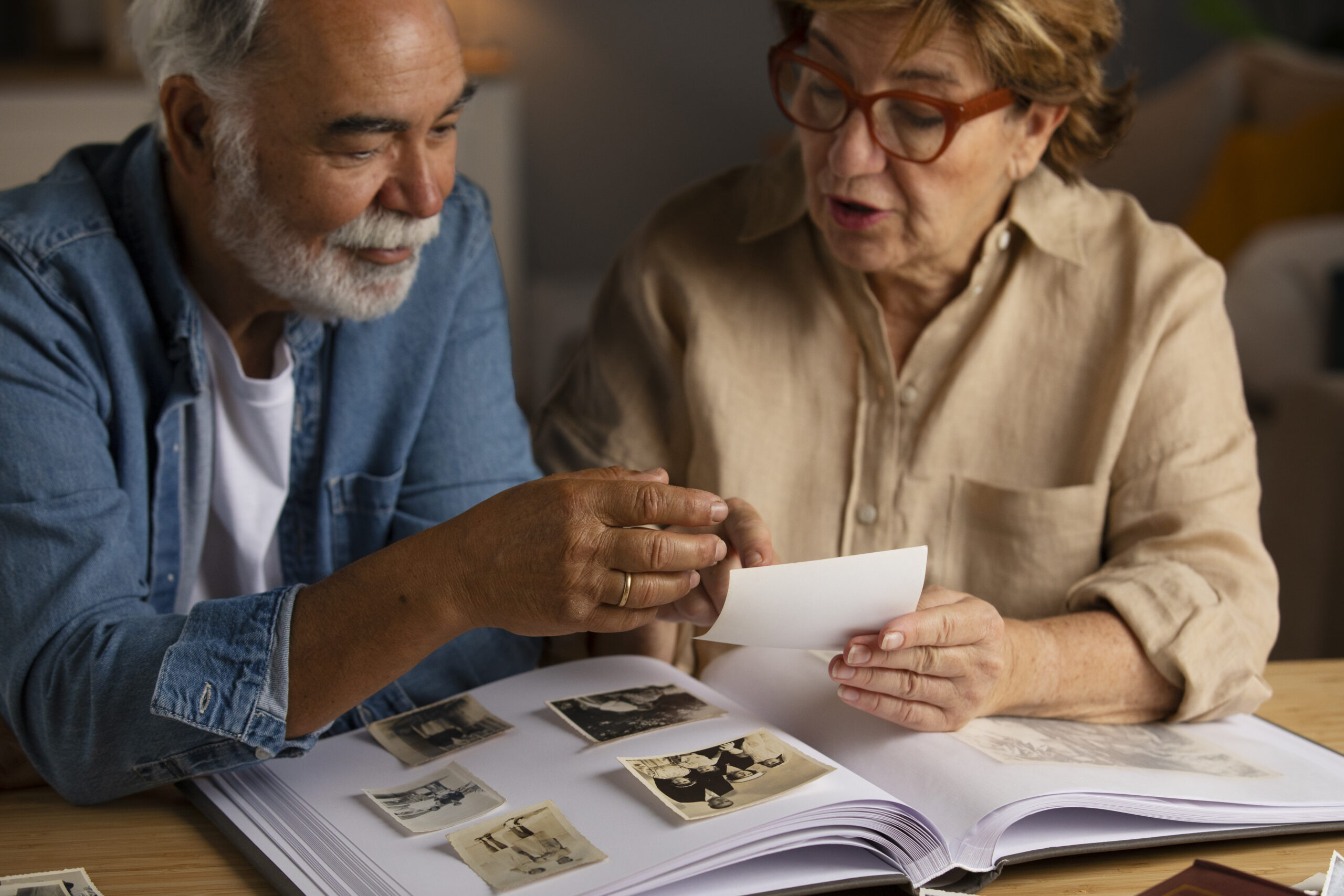
    Married couple reminiscing over their wedding photos, reflecting on the journey and their decision to stayIt’s easy to romanticize leaving. We imagine a fresh start, someone who “gets us,” or a life free of tension. But the truth is, every relationship will eventually require the same kind of work: communication, compromise, forgiveness, humility.

    Instead of asking, “What if things were easier with someone else-”-try asking, “What if staying is the best decision I’ll ever make-”

    Because on the other side of hard is depth-a love that’s tested, seasoned, and stronger than anything you imagined in the beginning.


    The Difference Between Red Flags and Rough Seasons

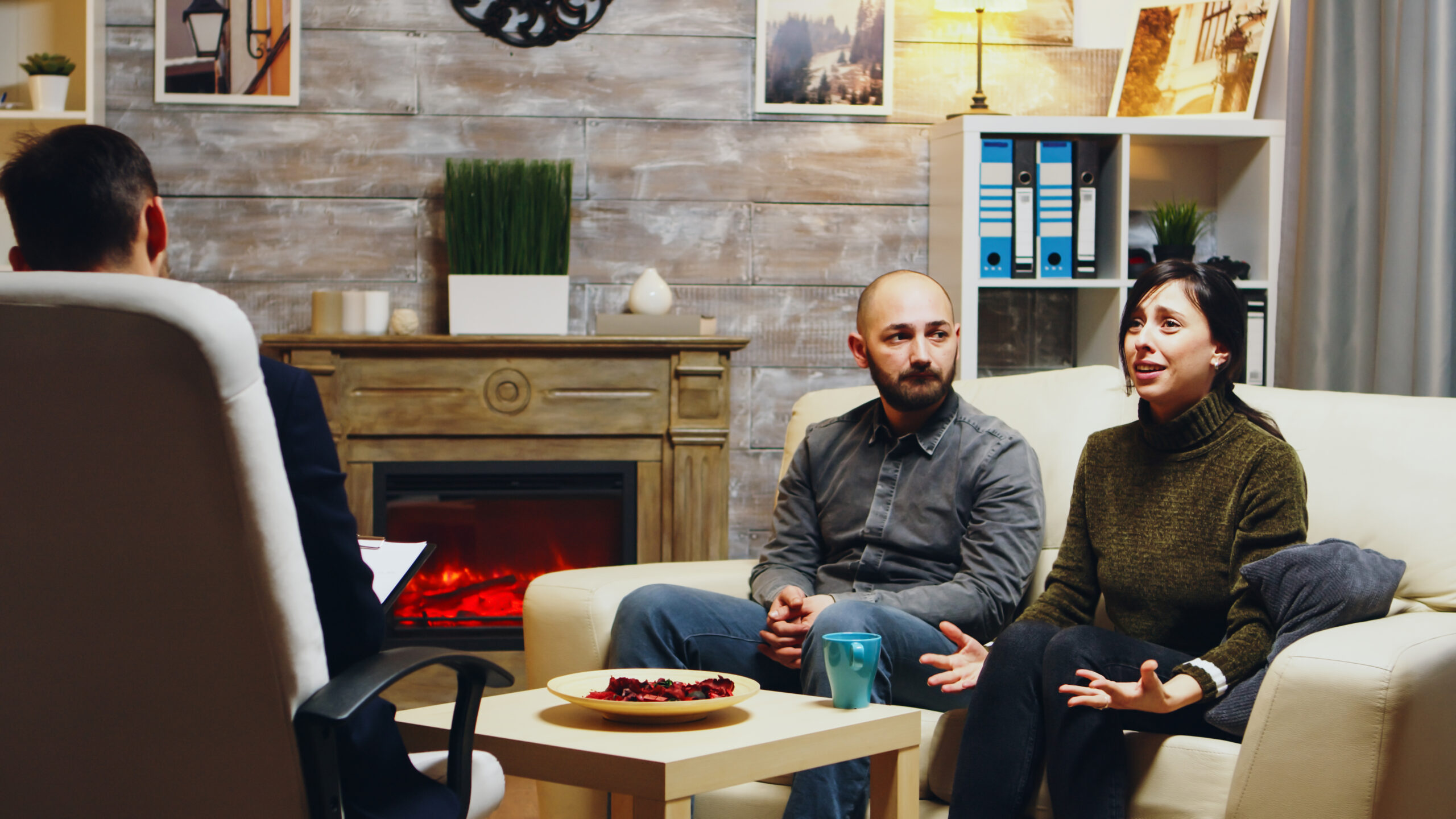
    Marriage counseling session in progress, couple working through conflict with professional guidanceNow, let’s be clear: Not all relationships should be endured. Abuse, manipulation, and repeated betrayal are not signs of a relationship worth preserving-they are signs of harm that must be addressed and, in many cases, walked away from.

    But rough seasons-disconnection, miscommunication, emotional fatigue-are not the same as toxic ones. Don’t confuse inconvenience with danger. Don’t mistake emotional growing pains for incompatibility.

    Ask: Is this hard because we’re both human and hurting- Or is this hard because it’s unhealthy- Get wise counsel if you’re not sure.


    Practical Ways to Choose Commitment Over Comfort

    Husband and wife journaling together during a marriage-building exerciseStaying committed in an uncomfortable season doesn’t mean you just grit your teeth and endure. It means taking action-small, intentional steps toward reconnection.

    Here are some ways to choose commitment:

    • Say “I’m sorry” first. Humility paves the way for healing.
    • Turn toward instead of away. Check in, offer a hug, ask how they’re doing.
    • Remind yourself why you chose them. Make a gratitude list.
    • Invest in your own emotional health. Often, we project our unrest onto our partner.
    • Seek help together. A good counselor can help you untangle what’s happening beneath the surface.


    The Hidden Joy in Choosing to Stay

    Married couple dancing in a cozy space, enjoying a joyful moment after reconnecting emotionallyStaying doesn’t always bring instant joy-but it can lead to joy you couldn’t have reached any other way. There’s a unique satisfaction that comes from rebuilding something instead of walking away. From knowing you both fought for your love when it wasn’t easy.

    That kind of joy is different from fleeting happiness. It’s deeper. Rooted. Stable. And it makes the laughter more meaningful, the touch more tender, the life together more sacred.


    Teaching the Next Generation What Real Love Looks Like

    Family enjoying a happy moment, symbolizing the ripple effect of marital commitment on future generationsWhen you stay committed through uncomfortable seasons, you’re not just strengthening your own marriage-you’re setting an example. Your kids, friends, church, and community are watching. They’re learning from you.

    In a culture that glorifies quitting, your loyalty is countercultural. It says something powerful: Real love is possible-and worth it.


    What If Love Is Actually Strongest in the Struggle-

    Elderly couple showing enduring love during a health crisis, symbolizing lifelong commitmentSome of the most beautiful love stories didn’t begin in a fairytale-they were forged in fire. Through financial hardship, grief, infertility, betrayal, illness-and still, they stayed.

    And in staying, they discovered something extraordinary: love that isn’t convenient is often the love that counts the most.


    Final Thoughts:

    Love without convenience is the kind of love that changes lives. It’s the kind of love that builds legacies, heals wounds, and stands the test of time.

    If your marriage is in a hard place, don’t assume it’s broken. Maybe it’s just growing. Maybe you’re growing. And maybe the most loving thing you can do today is to stay, to show up, and to choose your spouse again.

    Comfort is fleeting. Commitment is forever.


  • Staying Power: Why Long-Term Marriages Are Built on Daily Decisions

    Staying Power: Why Long-Term Marriages Are Built on Daily Decisions

    Married couple walking hand-in-hand through a peaceful park, representing steady commitment over time

    Introduction

    The most beautiful, enduring marriages are not held together by fairy tale moments-they’re built on countless quiet decisions to keep loving, serving, and staying. This blog post will dive into why commitment, not just chemistry, is the glue that holds a marriage together, even when life stops feeling magical.


    The Illusion of Grand Gestures

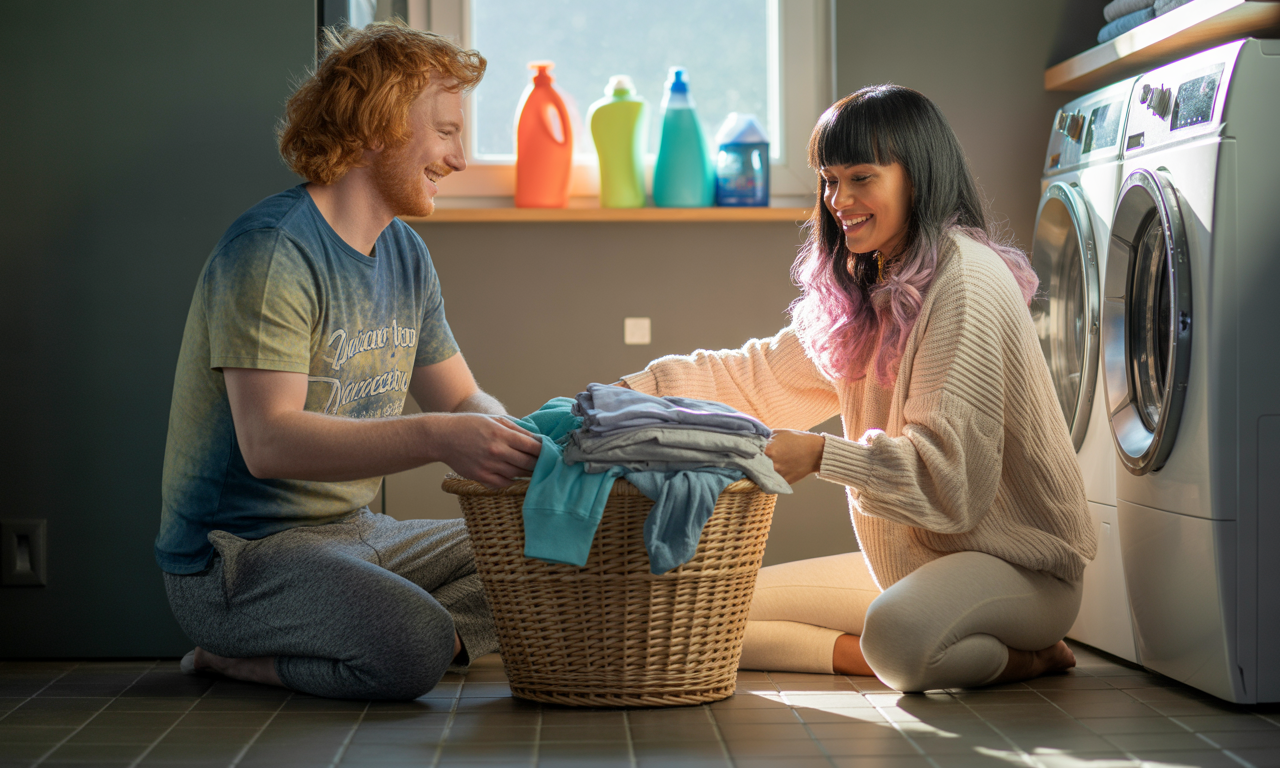
    Spouses folding laundry together at home, showing how small, everyday acts build lasting connectionPop culture teaches us to idolize the dramatic. Movie proposals, exotic getaways, and passionate reunions dominate our idea of what love should look like. But real marriages aren’t made in the dramatic moments. They’re made in the mundane ones-folding laundry, managing bills, waiting in traffic, or putting the kids to bed after a long day.

    While grand gestures feel good in the moment, they don’t build the kind of love that lasts through illness, conflict, or change. What matters most are the small, repeated choices that say, “I choose you again today.”


    The Myth of Compatibility

    Married couple enjoying different hobbies in the same space, symbolizing love built through mutual respect despite differencesMany people believe that staying married hinges on compatibility. But compatibility is not a fixed quality-it’s shaped and reshaped by the choices each person makes. Two people can be incredibly different and still deeply compatible if they choose to listen, adapt, and grow together.

    Instead of asking “Are we still compatible-”, a better question might be, “Are we still choosing to understand each other-” Real compatibility comes from shared values and mutual effort, not perfect personality alignment.


    Commitment Over Chemistry

    Married couple in a quiet moment of reflection, showing commitment during emotionally distant timesChemistry can spark a relationship, but commitment sustains it. Feelings of infatuation naturally ebb and flow-what lasts is the decision to stay connected even when those feelings waver.

    There will be seasons when your spouse feels distant or difficult. But that doesn’t mean your marriage is broken. It means you’re human. Choosing to stay in those seasons is not a sign of weakness-it’s a sign of maturity and depth.


    Love is Rebuilt Every Day

    Spouses making breakfast together, reflecting love built through shared routines and daily interactionsLove doesn’t survive on autopilot. It must be rebuilt every day through intentional actions: a kind word, a thoughtful text, a warm embrace, a shared laugh. These daily decisions keep the relational soil fertile, even during hard seasons.

    Marriages that last aren’t free of conflict or boredom-they are rich in forgiveness, service, and repair. Choosing to reconnect, especially when it’s hard, is what separates couples who grow apart from those who grow together.


    The Power of Showing Up

    Married couple sitting quietly together, showing emotional presence and silent supportOne of the greatest gifts you can give your spouse is your consistent presence. Not just physically, but emotionally. Being there means listening without defensiveness, asking how their day was, offering comfort when they’re down, and showing up even when you’re tired or preoccupied.

    You don’t have to always know the perfect thing to say. What matters is that you keep showing up. Long-term love is fueled by presence more than perfection.


    Trust Is Built in Small Moments

    Spouse gently holding their partner’s hand during a tough moment, symbolizing trust and reassuranceTrust isn’t formed in big declarations-it’s built in tiny interactions. Following through on what you say. Remembering what matters to your spouse. Protecting their vulnerabilities. Defending them in their absence.

    These daily decisions communicate, “You can count on me.” And over time, they create a foundation so strong that the storms of life can’t shake it.


    Intimacy Grows Through Consistency

    Husband and wife laughing together over coffee, illustrating the joy of emotional intimacy built over timeIntimacy in marriage is more than physical closeness. It’s the result of consistent emotional investment. Asking thoughtful questions. Celebrating wins. Grieving losses. Noticing the details others miss.

    Every time you choose to lean in-to truly see your spouse and respond-you’re weaving threads of intimacy that create unbreakable emotional fabric.


    Choosing Grace Instead of Scorekeeping

    Couple hugging after an argument, representing reconciliation and the power of forgiveness in marriageMarriage is a partnership, not a competition. Keeping score only builds resentment. Choosing grace allows your relationship to breathe. It means forgiving first. Letting go of small offenses. Focusing on growth instead of blame.

    Grace says, “I see your effort. I love you through your flaws. I’m here.” This doesn’t mean enabling harmful behavior-it means giving room for imperfection while remaining committed to the journey.


    Sacrificial Love: The Hidden Superpower

    Spouse caring for their partner with a drink or blanket, showing quiet acts of sacrificial loveThe most unshakable marriages are rooted in sacrificial love-the kind that gives without keeping tally. It’s staying up late to talk when your spouse needs to vent. It’s pausing your own frustration to understand theirs. It’s putting the other person’s well-being ahead of your own ego.

    This kind of love doesn’t always feel fair-but it’s powerful. Because it builds trust, fosters safety, and inspires the other person to give the same in return.


    Long-Term Love Isn’t Convenient-It’s Constructed

    Married couple renovating a room, symbolizing the constructive nature of long-term love and effortConvenience is not a prerequisite for commitment. In fact, some of the most meaningful moments in marriage happen when love costs you something-your comfort, your pride, your time. These moments aren’t obstacles to love. They’re opportunities to strengthen it.

    Choosing to stay doesn’t mean denying your needs. It means building something worth staying for. Something resilient. Something rare.


    The Role of Faith and Vision

    Married couple praying and journaling together, illustrating faith and shared vision in a committed marriageCouples who thrive often have a shared vision: faith, purpose, family, legacy. They don’t just live together-they’re building something together. Having a vision bigger than yourselves keeps your daily decisions grounded in long-term perspective.

    When your marriage is anchored in shared meaning, the little frustrations lose power. You stop asking, “Is this worth it-” and start declaring, “This is bigger than us.”


    The Compounding Effect of Small Choices

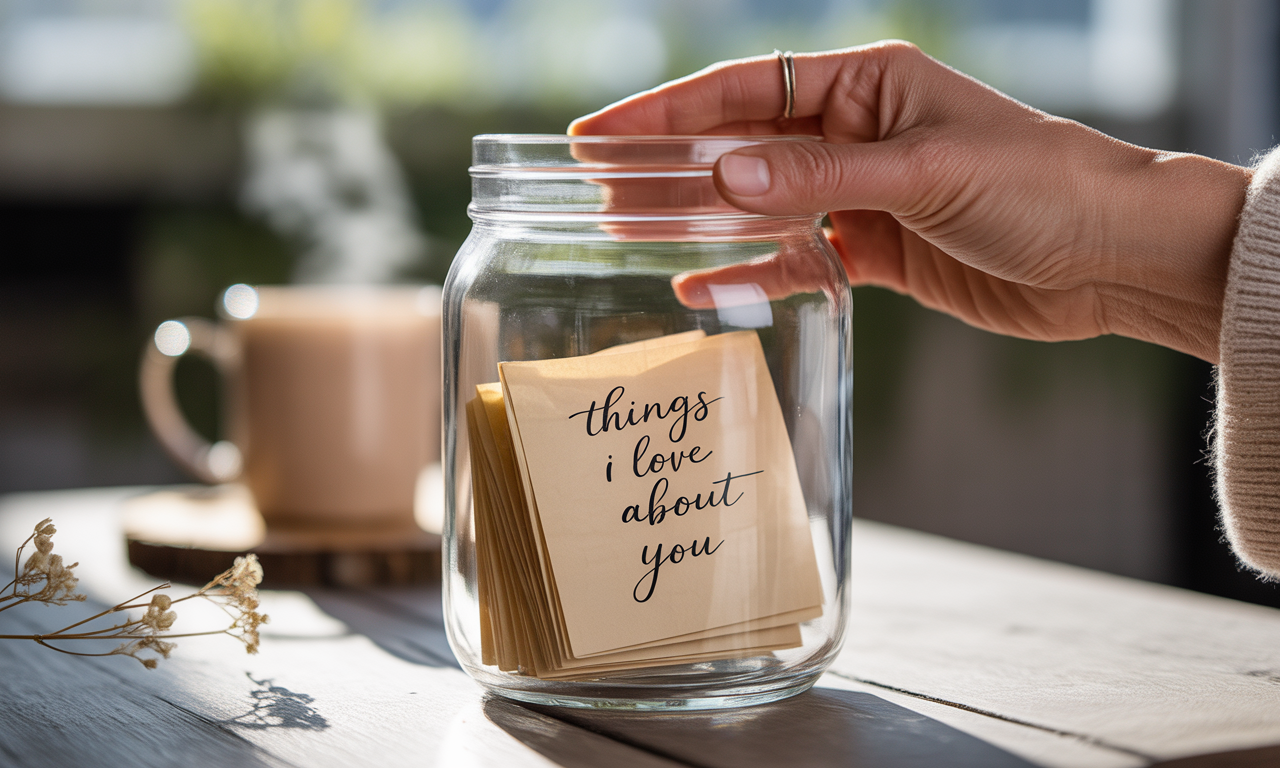
    Glass jar filled with handwritten love notes, symbolizing daily acts of appreciation in marriageOne kind word won’t transform a marriage-but hundreds over time will. One act of service won’t heal deep hurt-but a habit of serving will rebuild trust. Just like compound interest, small daily investments in your marriage grow exponentially over time.

    You don’t have to fix everything today. Just start with one small, intentional choice. And then another. And another. That’s the staying power of love in action.


    Final Thoughts: Choose Again, Every Day

    Elderly married couple holding hands on their porch, representing the lasting power of daily love and commitmentThe secret to a strong, lifelong marriage isn’t magic-it’s repetition. Repeating forgiveness. Repeating kindness. Repeating presence. Repeating service. You don’t have to feel in love every moment to be in love. You just have to keep choosing it.

    You already said “I do.” Now say, “I still do.” Today. Tomorrow. Every day. That’s staying power. And that’s what makes a marriage truly beautiful.


  • Marriage Isn’t Always Convenient: Why Real Love Demands Dedication

    Marriage Isn’t Always Convenient: Why Real Love Demands Dedication

    Introduction

    Married couple sitting together holding hands, showing emotional connection and commitment during a tough conversationIn a culture that often promotes personal comfort over long-term commitment, it’s easy to forget that real love-especially in marriage-isn’t about convenience. True love is grounded in service, loyalty, and the daily decision to show up, even when it’s hard. This post explores why choosing your spouse again and again, through every season, is the essence of lasting love.

    Convenience Culture vs. Covenant Commitment

    Wedding rings placed on a Bible, symbolizing the sacred covenant of marriage and lifelong commitmentWe live in a world that values speed, simplicity, and ease. Everything from grocery shopping to watching a movie is tailored to our preferences. Unfortunately, this mindset has crept into how people view relationships. If a marriage becomes inconvenient-emotionally draining, financially tight, or simply “not fun anymore”-many assume the logical solution is to walk away.

    But marriage was never meant to be a convenience. It’s a covenant. That means you’re in it not only when it’s pleasing but also when it’s painful. Convenience says, “I’ll stay as long as it’s easy.” Commitment says, “I’ll stay because I gave my word-and because I love you.”


    Love Is a Decision, Not Just a Feeling

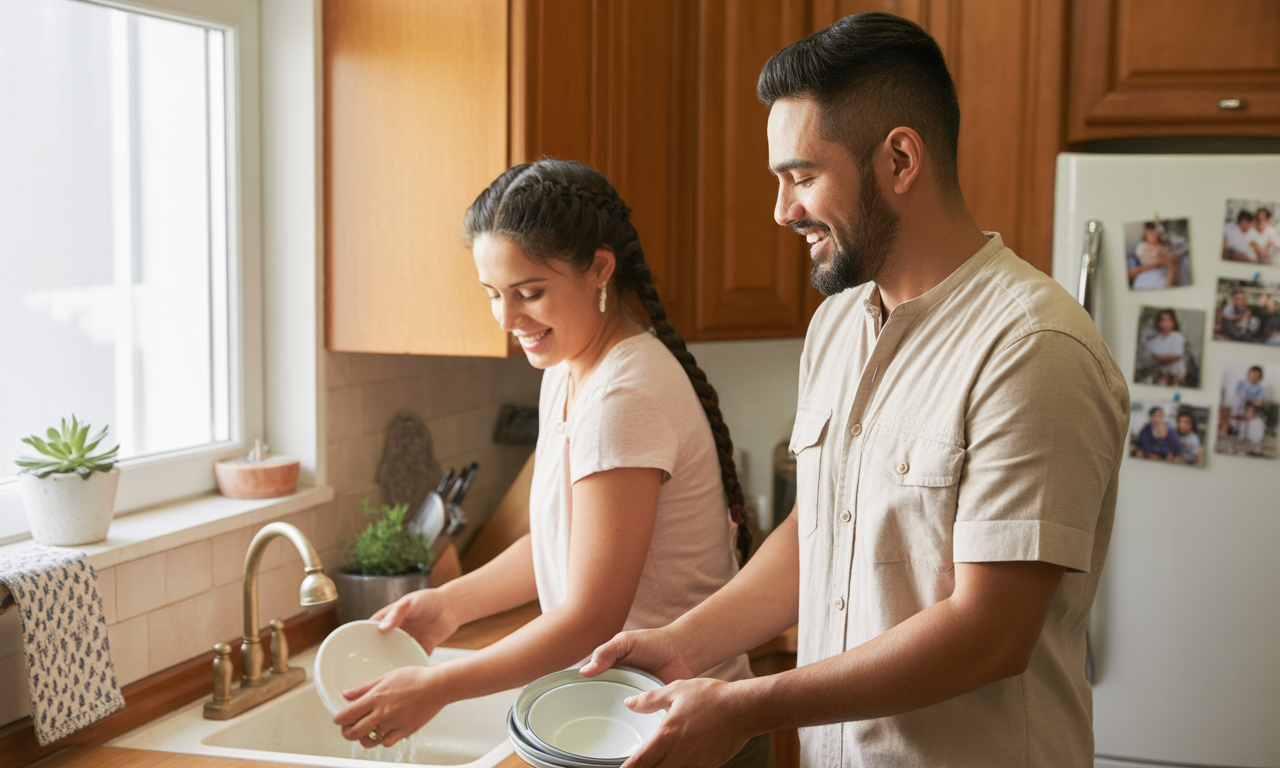
    "Smiling couple doing dishes together, representing small acts of love and commitment in everyday marriage lifeFeelings are powerful-but they’re not reliable. They rise and fall with things like hormones, stress, sleep, or circumstance. If your marriage is built only on feelings, it will crumble during hard times. Real love is a choice you make daily. It’s choosing to stay even when you’re tired. It’s choosing to listen when you’d rather walk away. It’s choosing to forgive when resentment seems easier.

    This doesn’t mean feelings don’t matter. They do. But feelings follow focus. When you actively choose to love and serve your spouse, affection and warmth often return. Love that lasts is born not from constant passion, but from relentless perseverance.


    The Myth of “Falling Out of Love”

    Married couple walking together during autumn, symbolizing seasons of change and enduring connection in marriageHow many times have you heard someone say, “We just fell out of love”- The phrase sounds romantic, like a tragic drift that no one could prevent. But the truth is, love isn’t something you fall into or out of-it’s something you practice. If you can fall out of love, you can also fall back in. The question is whether you’re willing to do the work.

    Boredom, conflict, and unmet expectations don’t mean love has died. They mean love has to grow up. In those moments, you don’t need a new partner; you need a new perspective. Instead of focusing on what your spouse isn’t doing, try asking what you can do to reignite the bond.


    The Danger of Chasing Convenience

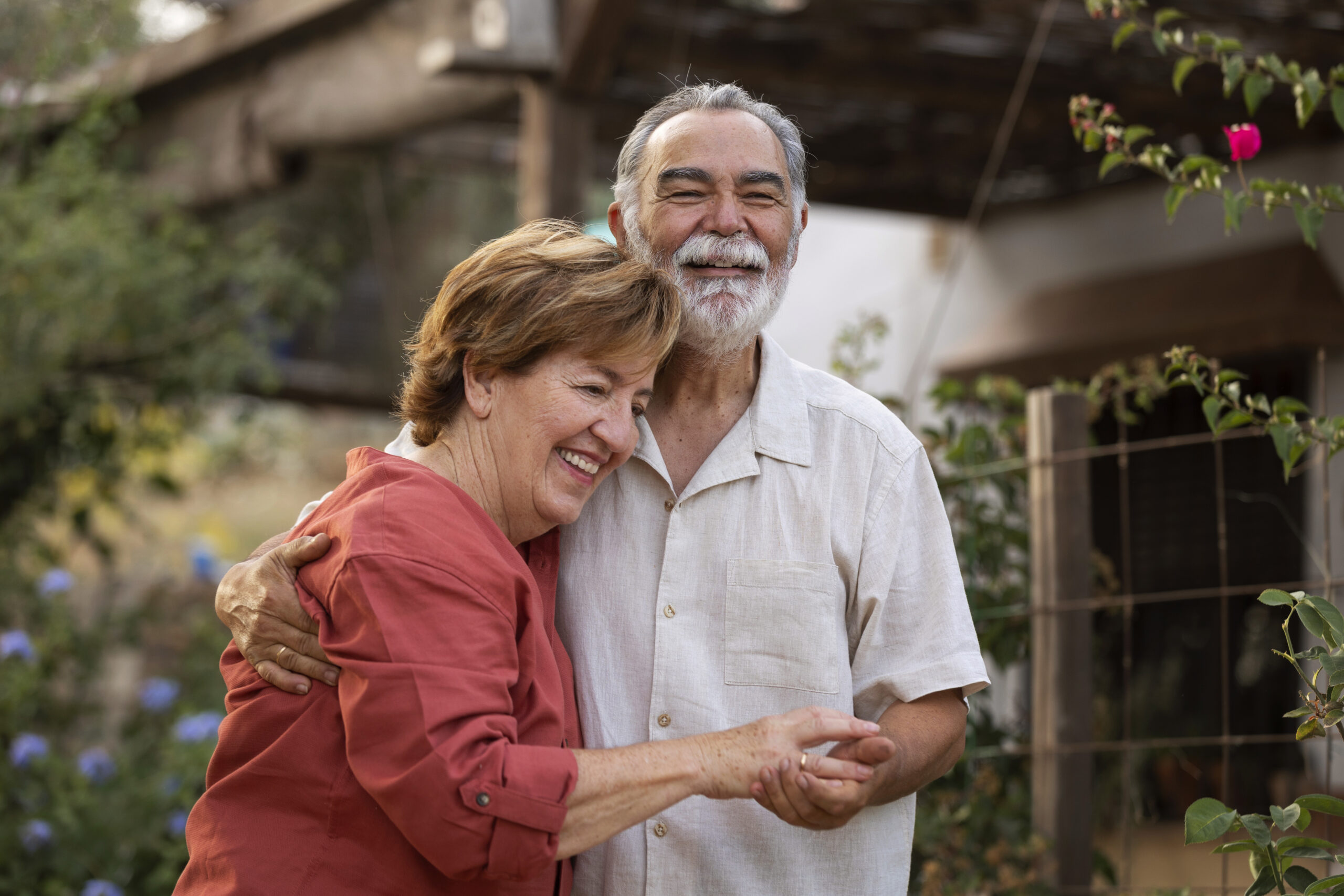
    Elderly couple holding hands on a porch swing, representing decades of dedication and lasting loveLeaving a marriage because it’s no longer “easy” can be a dangerous pattern. If you don’t learn how to endure discomfort, adapt, and grow within one relationship, you’ll likely carry the same mindset into the next. The initial excitement of a new partner can quickly fade, revealing the same frustrations you experienced before.

    That’s because the problem may not be your spouse-it may be your relationship with commitment. True growth comes from staying. When both spouses commit to work through the discomfort, they develop emotional depth, resilience, and a legacy worth passing on.

    Love Shows Up When It’s Difficult

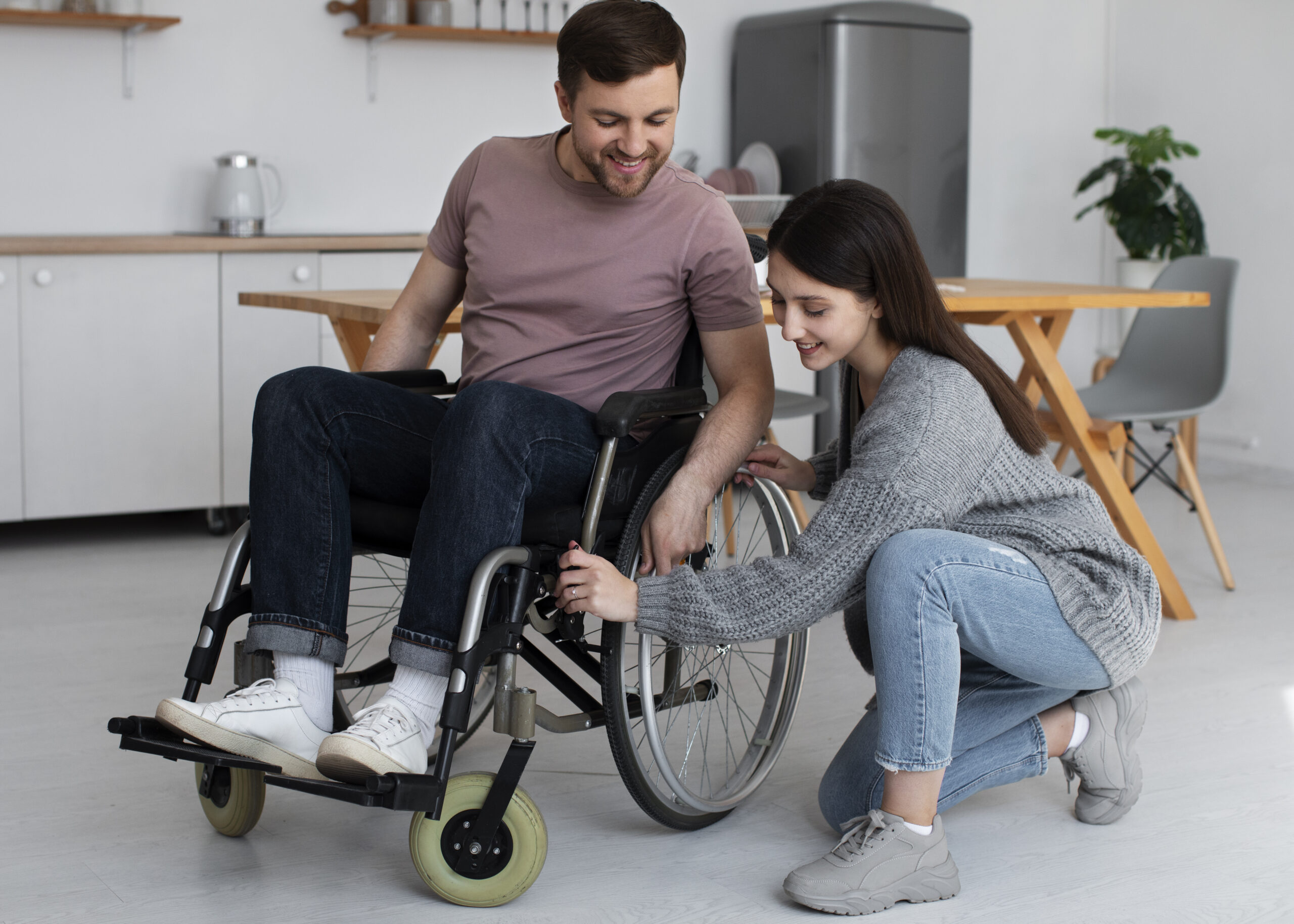
    Spouse assisting partner with medication, symbolizing caregiving and unwavering support in marriageLove is tested in the storm. It shows up when one spouse is sick, struggling emotionally, or facing job loss. It shows up in midnight feedings, financial setbacks, family conflict, and mental health challenges. In those moments, convenience is nowhere to be found-but real love steps forward.

    Dedication means being there when your spouse is at their worst, not just their best. It means showing compassion even when you’re frustrated, and choosing grace over judgment. It’s not glamorous, but it’s holy. That’s the kind of love that changes lives and transforms generations.


    Commitment Is the Foundation for Growth

    Married couple planting a tree together, symbolizing long-term investment and nurturing growth in marriageConvenience is like sand; it shifts. Commitment is like a rock; it anchors. When you know your spouse is committed to you, even when you’re struggling, it creates a safe environment for growth. You’re free to be vulnerable. You can work on your flaws without fear of abandonment. You can make mistakes and still be loved.

    That’s what builds emotional intimacy-the knowing that you’re not going anywhere, and neither is your spouse. From that foundation, marriages can flourish. But it only happens when both partners treat commitment not as a trap, but as a treasure.


    The Role of Faith and Purpose in Staying Committed

    Married couple praying together at home, representing faith and unity as the foundation of their marriageFor many couples, their faith gives them the strength to keep choosing love. When marriage is seen as a calling-not just a contract-it takes on eternal significance. You’re not just two people who like each other. You’re two souls united by purpose, growing together to reflect something greater than yourselves.

    Marriage becomes a space of refinement, where self-centeredness is confronted, and sacrificial love is cultivated. And with that purpose in mind, even the hardest seasons can be infused with meaning.


    When to Walk Away: A Note About Abuse

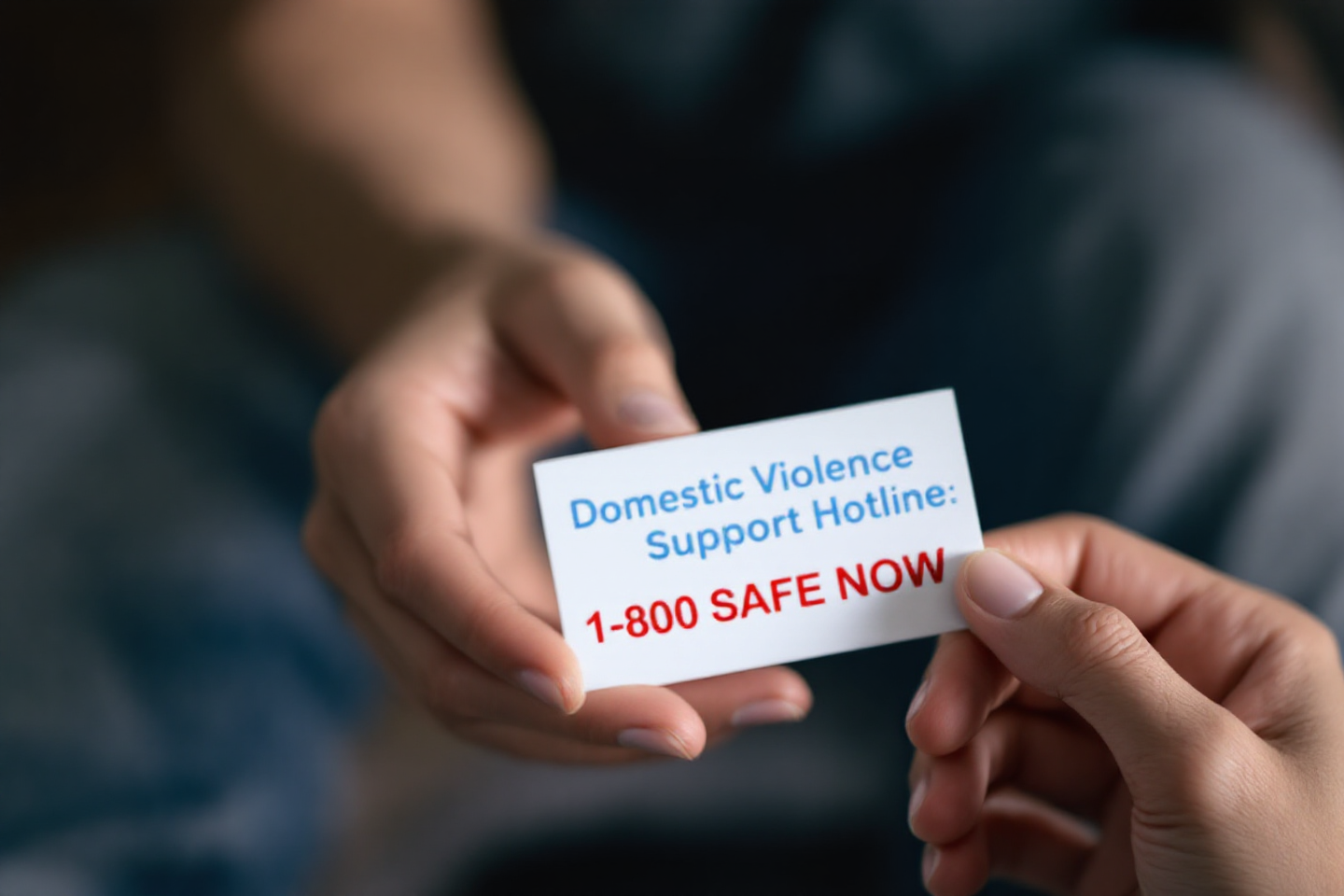
    Hands holding a help card for domestic violence support, reminding readers that abuse is never acceptable in a marriageBefore closing, it’s important to make one distinction clear: This message is not for those in abusive marriages. Dedication does not mean enduring harm. If you are in a relationship where there is physical, emotional, or verbal abuse, your safety comes first. Commitment should never cost you your well-being. Seeking help and stepping away in those situations is not failure-it’s wisdom and courage.

    This post speaks to those who are considering leaving not because of abuse, but because they’re bored, frustrated, or tired of trying. In those situations, staying often leads to the deeper joy many couples never get to experience.


    Choosing Each Other, Every Day

    Married couple wrapped in a blanket watching the sunset, symbolizing comfort, endurance, and lasting companionship in marriageLove that lasts isn’t accidental. It’s intentional. It’s built in the mundane moments: apologizing first, making the coffee, listening closely, sitting in silence, showing up again and again. Those aren’t acts of convenience-they’re acts of love.

    Marriage isn’t meant to be convenient. It’s meant to be meaningful. And when two people are willing to do the work-when they make that daily choice to stay, serve, forgive, and grow-that’s when a marriage becomes more than a relationship. It becomes a testimony.