
Tag: marriage communication

  • Why Your Arguments Keep Repeating (And What They’re Really About)

    Why Your Arguments Keep Repeating (And What They’re Really About)

    If you feel like you keep having the same argument in different outfits, you are not imagining it.

    It might start as a conversation about dishes, but it becomes a fight about respect. It might start as a question about money, but it turns into a battle about trust. It might start as a simple request for time together, but it ends with one of you feeling unwanted and the other feeling controlled.

    And the confusing part is that you have already talked about it.

    You have explained yourself. You have clarified your intent. You have made logical points. You have revisited the details. You have promised to do better. You have tried to move on.

    But it keeps coming back.

    why your arguments keep repeating in marriage and how emotional loops formThat is not because you are failing at communication.

    It is because repeating arguments are rarely about the surface issue.

    Repeating arguments are about emotional loops.

    They are about trigger stacking. They are about the meaning you attach to the moment. They are about what is unresolved underneath the words. They are about what your nervous system has learned to expect. They are about protection, not just preference.

    Logic can help you organize a conversation, but logic cannot solve emotional repetition on its own.

    Because emotional repetition is not a puzzle to solve. It is a pattern to interrupt.

    This cornerstone post will show you why your arguments keep repeating, what they are really about, and how to break the loop in a way that restores emotional safety, trust, and closeness.


    Why Your Arguments Keep Repeating Because the Surface Topic Is a Doorway

    why your arguments keep repeating due to unresolved meaning beneath surface conflictThe surface topic is usually the doorway, not the destination.

    That is why repeating arguments feel like whiplash.

    You think you are discussing a decision, but your spouse is experiencing a threat. You think you are solving a task, but your spouse is reliving a wound. You think you are asking a question, but your spouse is hearing an accusation.

    This happens because the marriage has a history.

    Every couple has a relational memory bank.

    When a current moment resembles a past moment emotionally, your body reacts as if the past is happening again.

    That is why the same fight repeats, even when the details change.

    The real fight is not about the dishes. It is about whether you can rely on each other. It is not about the budget. It is about whether you feel safe and valued. It is not about the schedule. It is about whether you matter.

    Repeating arguments are often an unresolved meaning problem, not a missing information problem.


    Emotional Loops in Marriage: The Pattern That Runs the Relationship
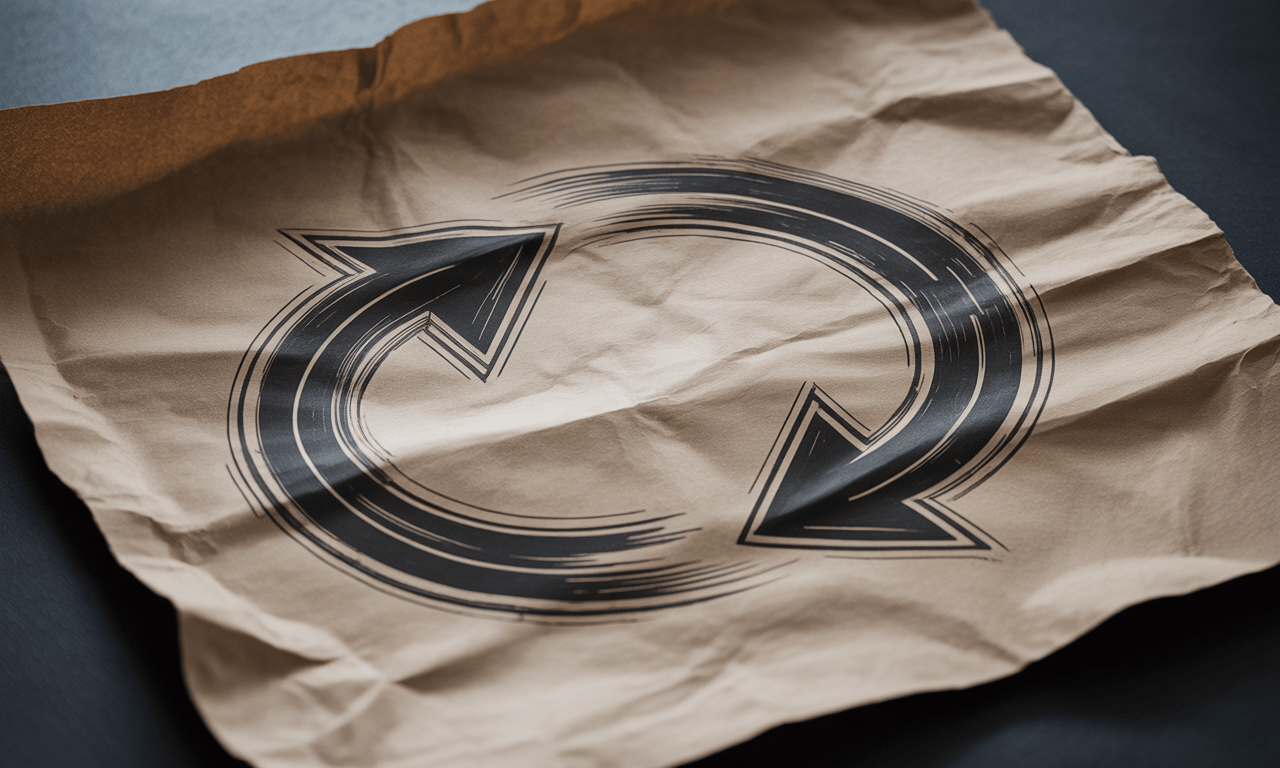
    emotional loops in marriage explain why arguments keep repeatingAn emotional loop is a predictable cycle your relationship enters under stress.

    It has stages.

    Trigger Interpretation Reaction Counter reaction Escalation Protection move Disconnection Resentment Repeat

    The loop becomes familiar. Your nervous system learns it. You start anticipating it.

    And anticipation changes behavior.

    You walk into conversations guarded. You assume the worst. You come in hot to defend yourself. You withdraw because you know where it is going. You push harder because you fear being ignored.

    Even before the words start, the loop is already running.

    This is why couples say, We cannot talk about anything without it turning into a fight.

    It is not because you lack topics. It is because you lack a loop interrupt.


    Trigger Stacking: Why One Small Thing Becomes Ten Big Things

    trigger stacking in marriage makes small conflicts repeat and escalateTrigger stacking is when today’s conflict carries yesterday’s emotional weight.

    It is not just the current moment.

    It is:

    The last five times it happened The last time you felt dismissed The last time you felt alone The last time you had to carry everything The last time you tried to talk and got shut down

    So when your spouse forgets something small, your body does not experience it as small.

    Your body experiences it as a pattern confirmation.

    That is why reactions can feel disproportionate.

    Not because you are irrational, but because your nervous system is responding to accumulated meaning.

    Trigger stacking often sounds like:

    It is always like this You never change Here we go again I am tired of this This is why I cannot trust you

    The stack builds until the marriage becomes reactive.

    And once the marriage is reactive, logic becomes almost useless, because your spouse is not primarily hearing your points. They are defending against the meaning.


    Why Logic Never Solves Emotional Repetition
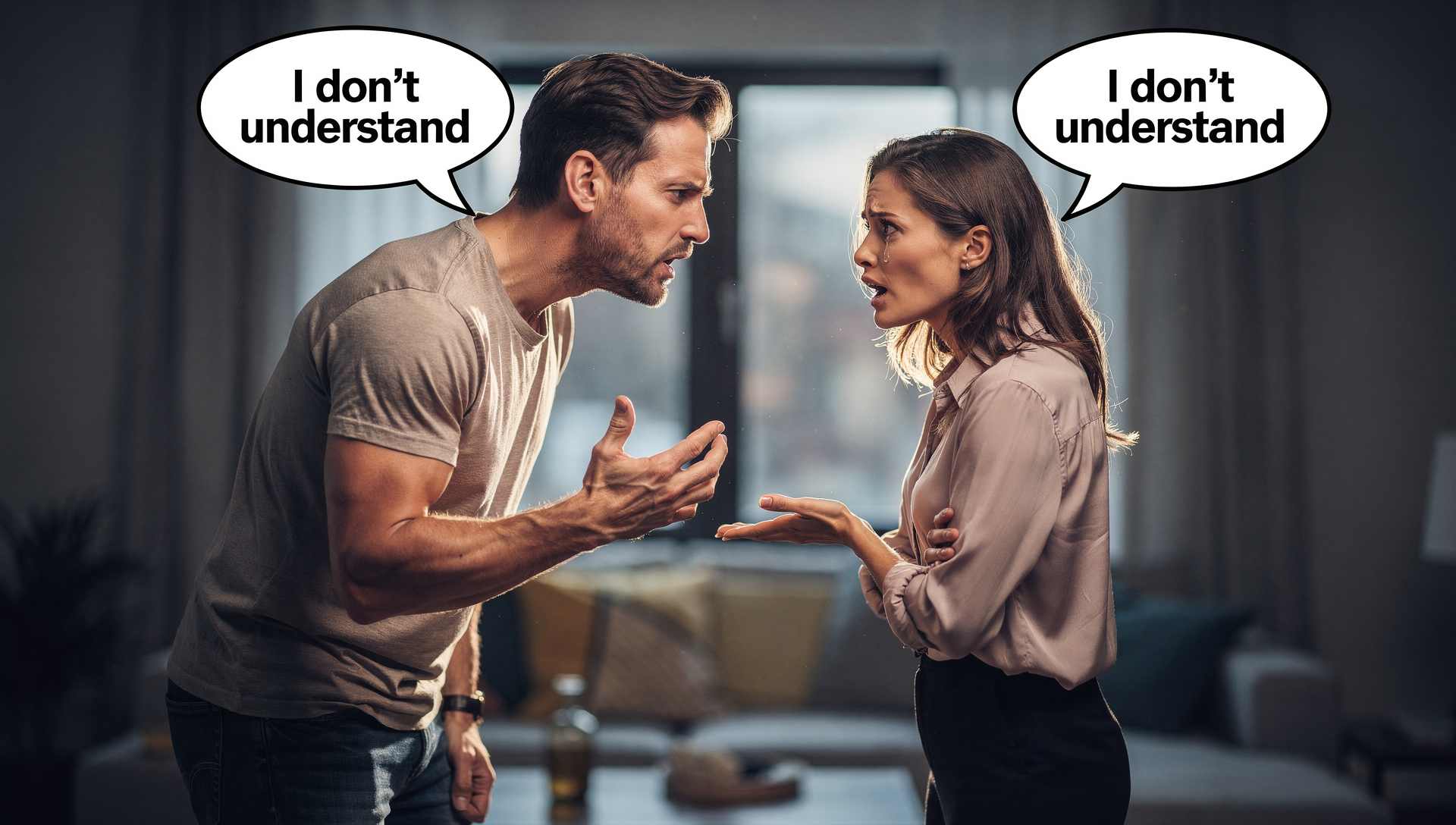
    why your arguments keep repeating because logic cannot resolve emotional meaningLogic is valuable. It helps clarify details.

    But repeating arguments are not repeating because you have not explained yourself well enough.

    They repeat because the emotional meaning is still active.

    Logic tries to fix the content of the conversation.

    Emotional repetition requires you to change the context of the relationship.

    If the relationship context is unsafe, the content does not matter.

    You can say the perfect words and still trigger a fight if your spouse feels threatened.

    This is why some couples feel crazy.

    They think, I said it nicely. I used I statements. I stayed calm.

    But the other person still reacted.

    Because the reaction is not just to your words, it is to what your spouse believes those words mean about the relationship.

    A repeating argument is usually a signal that the relationship is asking for safety, not better debate skills.

    If your marriage has been squeezed for outcomes and has slipped into survival posture, it helps to understand the foundation issue first. The cornerstone post “Protect the Goose: How to Put Your Marriage Before the Benefits It Produces” explains why couples start extracting results from each other and how that fuels reactive patterns. https://blog.liveyourbestmarriage.com/foundation/protect-the-goose-marriage


    The Hidden Issue Beneath Repeating Arguments: What Are You Protecting-

    control levers in marriage keep repeating arguments stuck in loopsAt the heart of repeating arguments is usually protection.

    Each spouse is protecting something.

    Protection of dignity Protection of autonomy Protection of safety Protection of fairness Protection of trust Protection of worth

    The problem is that many couples protect themselves by using control.

    They pressure. They withdraw. They interrogate. They withhold. They threaten consequences. They become urgent. They become cold.

    Those are not just communication styles. They are control levers.

    And control levers create more fear, which creates more protection, which deepens the loop.

    If you want to identify those patterns clearly, the post “Control Levers in Marriage: The Hidden Ways We Manipulate Instead of Connect” will help you name the exact levers that keep your arguments repeating. https://blog.liveyourbestmarriage.com/communication/control-levers-marriage


    Proof Hunting Makes Arguments Repeat Because It Turns Marriage Into a Courtroom

    proof hunting turns repeating marriage arguments into courtroom battlesRepeating arguments become even more entrenched when proof hunting enters the relationship.

    Proof hunting is when you stop listening to understand and start listening to confirm.

    Every mistake becomes evidence. Every tone becomes a verdict. Every detail becomes ammunition.

    Once a marriage feels like a courtroom, nobody is safe being human.

    And when nobody is safe, nobody changes.

    They defend. They hide. They counterattack. They withdraw. They keep score.

    That is why proof hunting makes the same fights return.

    Because the marriage is no longer about solving a problem. It is about proving who is right.

    If you recognize this habit, revisit “Proof Hunting: Why Looking for Evidence You’re Right Is Poisoning Your Marriage” and notice how courtroom dynamics keep the emotional loop alive. https://blog.liveyourbestmarriage.com/conflict/proof-hunting-marriage


    Transactional Love Keeps Conflict Loops Alive

    transactional marriage makes repeating arguments feel like scorekeepingWhen love becomes transactional, repeating arguments become negotiations.

    Affection becomes conditional. Help becomes bargaining. Apologies become currency. Connection becomes a reward.

    That environment makes every conflict feel like survival.

    Who is doing more Who is trying harder Who deserves what Who owes whom

    Transactional love turns conflict into accounting.

    And accounting turns arguments into loops, because you are not addressing the deeper need for safety and generosity. You are just recalculating the scoreboard.

    If this feels familiar, “When Love Becomes a Transaction: How Marriage Turns Cold Without You Noticing” explains how transactional thinking creeps in and why it drains warmth long before couples realize what is happening. https://blog.liveyourbestmarriage.com/connection/love-becomes-transaction


    The Real Question Behind Repeating Arguments: What Does This Mean About Us-

    why your arguments keep repeating because the deeper meaning goes unansweredMost repeating arguments are not about what happened.

    They are about what it means.

    When your spouse is triggered, they are often asking an unspoken question like:

    Do I matter to you Can I trust you Are you on my side Will you dismiss me Will you abandon me Am I safe Do you respect me Am I loved

    And when you are triggered, you are asking your own version:

    Will you listen Will you take responsibility Will you see me Will you stop controlling me Will you stop accusing me Will you stop withdrawing Will you treat me with respect

    So the same surface issue keeps repeating because the deeper questions keep going unanswered.

    Until the deeper meaning is addressed, you can solve the surface issue a hundred times and still repeat the fight.


    How to Break Emotional Loops: The Loop Interrupt Framework

    loop interrupt framework stops repeating arguments in marriageYou do not break repeating arguments by winning them.

    You break them by interrupting the loop.

    Here is a practical framework.

    Name the loop
    When you feel it starting, say it.

    We are heading into the same cycle. I feel the loop starting. I do not want this to turn into the usual fight.

    Naming the loop creates awareness, and awareness creates choice.

    Slow the pace
    Most loops escalate because the pace is too fast.

    Let’s slow down. Can we pause for five minutes and come back. I want to stay connected, not reactive.

    Restore safety before solving
    If safety is low, problem solving fails.

    I am not your enemy. I care about you. I want to understand.

    Then solve the surface issue after the emotional meaning is acknowledged.

    Repair quickly
    If you said something sharp, repair it fast.

    I do not like my tone. Let me restart. I am upset, but I want to be respectful.

    Repair is one of the strongest loop breakers.

    This is where kindness matters. Courtesy is not fluff. It is structure that keeps the relationship human. If your home has lost small kindnesses, “Kindness Is Not Weakness: Why Courtesy Is a Marriage Skill, Not a Personality Trait” will help you rebuild that structure. https://blog.liveyourbestmarriage.com/connection/kindness-is-not-weakness


    The Two Repair Phrases That Stop Repeating Arguments Mid Stream

    repair phrases break repeating arguments by restoring emotional safetyWhen you feel the loop taking over, you need phrases that restore safety quickly.

    Here are two simple ones.

    I want to be close, not right
    This shifts the goal from victory to connection.

    Can we restart this with a softer tone
    This interrupts escalation and invites repair.

    Say them even if your spouse is still heated.

    These phrases work because they change the meaning of the conversation. They communicate protection, not extraction.

    They say, I am not here to win. I am here to preserve us.

    That posture is emotional leadership.

    If you want a deeper dive into going first without becoming a doormat, the post “Emotional Leadership in Marriage: Caring First Without Becoming a Doormat” builds the skill of initiating repair while still holding truth and boundaries. https://blog.liveyourbestmarriage.com/communication/emotional-leadership-marriage


    Why Replacing Control With Care Breaks Conflict Loops

    replacing control with care breaks repeating argument cyclesMany repeating arguments are control fights.

    One spouse is trying to get certainty. The other spouse is trying to protect autonomy. One spouse pressures. The other resists. One spouse escalates urgency. The other withdraws.

    That loop repeats because control never produces safety.

    It produces compliance at best and resentment at worst.

    Care changes the entire environment.

    Care says: I see you. I am with you. I want to understand. We can solve this without hurting each other.

    Care creates safety, and safety allows change.

    If you want a full guide to that internal shift, “Replacing Control With Care: The Shift That Restores Safety and Trust” fits directly into this loop breaking framework. https://blog.liveyourbestmarriage.com/connection/replacing-control-with-care


    The Underneath Need Map: Common Hidden Needs Behind the Same Fight

    repeating arguments in marriage are driven by hidden needs under the surfaceTo break the loop, you need to identify the underneath need.

    Here are common ones.

    When someone nags about chores, the underlying need might be: I need partnership I need support I need to feel seen

    When someone pushes for answers, the underlying need might be: I need reassurance I need clarity I need to feel safe

    When someone withdraws, the underlying need might be: I need space to regulate I need to avoid escalation I need to protect myself from shame

    When someone becomes critical, the underlying need might be: I need respect I need influence I need to feel valued

    When someone becomes defensive, the underlying need might be: I need dignity I need to not be blamed I need to be understood

    When you name the need, you stop fighting the surface.

    You start caring for the underlying wound.

    That is how loops break.


    What to Do When Your Spouse Refuses to Engage

    breaking repeating arguments by changing your side of the conflict loopSometimes you want to break the loop, but your spouse stays stuck.

    They deny the pattern. They refuse to talk. They explode. They shut down.

    In those moments, focus on what you can control.

    Change your side of the pattern.

    Lower the threat in your tone. Stop proof hunting. Stop pulling control levers. Repair faster. Invite rather than pressure. Hold boundaries without punishment.

    This does not guarantee instant change, but it changes the environment, and environments shape behavior over time.

    If you are in a season where your marriage has become outcome-driven, shifting to protection posture is the most foundational move. Again, “Protect the Goose: How to Put Your Marriage Before the Benefits It Produces” is the cornerstone that helps couples stop extracting and start preserving. https://blog.liveyourbestmarriage.com/foundation/protect-the-goose-marriage


    A Seven Day Plan to Stop the Same Argument From Repeating

    Day 1: Identify the loop
    Write the cycle in simple terms. Trigger, reaction, escalation, withdrawal.

    Day 2: Name the trigger stack
    List what past moments get added to today.

    Day 3: Choose one loop interrupt phrase
    Use it once, even if it feels awkward.

    Day 4: Repair quickly
    Apologize for tone, not for truth.

    Day 5: Replace one control lever with one care move
    Instead of urgency, use an invitation. Instead of pressure, use curiosity.

    Day 6: Practice one courtesy habit
    Warm greeting, thank you, soft touch.

    Day 7: Discuss the deeper meaning
    Ask: What does this conflict make you afraid of. Ask: What does it make you believe about us.

    This plan is not about perfection. It is about pattern disruption.


    Conclusion: Repeating Arguments Are a Signal, Not a Sentence

    If your arguments keep repeating, it does not mean your marriage is doomed.

    It means your marriage has a loop.

    And loops can be interrupted.

    The same fight is usually not about the fight. It is about unresolved meaning, trigger stacking, safety, and protection.

    Logic helps, but logic alone cannot heal a nervous system that feels threatened.

    The path forward is protection.

    Protect emotional safety. Protect dignity. Replace control with care. Stop proof hunting. Practice quick repair. Treat kindness as structure.

    That is how you break the repeating argument cycle and build a marriage that feels safe, warm, and resilient again.

  • Kindness Is Not Weakness: Why Courtesy Is a Marriage Skill, Not a Personality Trait

    Kindness Is Not Weakness: Why Courtesy Is a Marriage Skill, Not a Personality Trait

    Many couples abandon small kindnesses once life gets busy or conflict becomes chronic.

    They stop saying please. They stop saying thank you. They stop greeting each other warmly. They stop offering small touches. They stop softening their tone. They stop noticing effort. They stop giving the benefit of the doubt.

    Not because they stopped loving each other, but because they started living under pressure.

    And under pressure, couples often treat courtesy like fluff. Like something you do when life is easy. Like something you do when you feel romantic. Like something you do when your spouse deserves it.

    kindness is not weakness shown through everyday courtesy in marriageBut courtesy is not fluff.

    Courtesy is structure.

    It’s one of the most practical ways you protect emotional safety in marriage. It’s one of the simplest ways you prevent escalation. And it’s one of the clearest signs that your marriage is being preserved rather than squeezed.

    This post will show you why kindness is not weakness, why courtesy is a marriage skill, and how strong couples treat it as a discipline, not a mood.


    Kindness Is Not Weakness in Marriage: The Lie That Makes Love Harder

    kindness is not weakness because it protects emotional safetyThe idea that kindness is weakness is one of the most damaging lies couples believe.

    It usually sounds like:

    If I’m kind, they’ll think it’s okay. If I’m gentle, they’ll never change. If I’m polite, I’m letting them off the hook. If I soften, I lose power. If I go first, I become a doormat. If I act warm, they’ll take advantage.

    So people become “strong” by becoming harsh. They become “wise” by becoming cold. They become “protected” by becoming distant.

    But that version of strength doesn’t protect the marriage. It protects pride.

    Kindness is not weakness because kindness does something powerful:

    It keeps the relationship safe enough to grow.

    And growth requires safety.

    When kindness disappears, the marriage becomes reactive. When the marriage becomes reactive, every conversation becomes harder. Even simple requests feel like attacks. Even small misunderstandings become big fights.

    Kindness doesn’t remove truth. It makes truth possible.

    If you want the bigger framework for why protecting the relationship comes before extracting outcomes, the cornerstone post “Protect the Goose: How to Put Your Marriage Before the Benefits It Produces” explains why courtesy is part of preservation, not just “being nice”: https://blog.liveyourbestmarriage.com/foundation/protect-the-goose-marriage


    Courtesy Is a Marriage Skill: Not a Personality Trait

    courtesy is a marriage skill practiced daily not a personality traitSome people assume kindness is a personality trait.

    They say: I’m just not a soft person. That’s not how I was raised. I’m not naturally affectionate. I’m not good with words. I’m more direct.

    But courtesy is not about personality.

    Courtesy is a skill.

    And skills can be practiced.

    You don’t have to become a different person to become more courteous. You just have to decide that courtesy is part of the marriage you’re building.

    Strong couples treat courtesy like brushing your teeth.

    You don’t brush your teeth only when you feel like it. You do it because it protects what matters.

    Courtesy works the same way.

    A polite tone. A warm greeting. A quick thank you. A gentle repair. A respectful request.

    These are skills that protect connection.

    They are not emotional decorations. They are relational structure.

    If you’ve noticed your marriage has turned cold and transactional, courtesy is often the first “skill” to disappear. The post “When Love Becomes a Transaction: How Marriage Turns Cold Without You Noticing” shows how that happens gradually and why courtesy is the antidote: https://blog.liveyourbestmarriage.com/connection/love-becomes-transaction


    Why Everyday Kindness Protects Emotional Safety

    everyday kindness builds emotional safety in marriageEmotional safety is the sense that your spouse is a safe place to be human.

    And everyday kindness is one of the fastest ways to build emotional safety.

    Here’s why.

    Kindness signals: I’m not your enemy. I see you. You matter. I’m for you. We can handle conflict without destroying each other.

    When spouses feel emotionally safe, they are more open, more cooperative, and more willing to change.

    When spouses do not feel safe, they become defensive or withdrawn.

    That’s why everyday kindness is not optional for a strong marriage.

    It’s the atmosphere.

    It’s the difference between: “Can we talk-” feeling like an invitation and “Can we talk-” feeling like a threat

    If you want to see how safety gets destroyed, the post “Control Levers in Marriage: The Hidden Ways We Manipulate Instead of Connect” explains how silence, pressure, withholding, and urgency turn conflict into fear. Courtesy is the opposite of control levers: https://blog.liveyourbestmarriage.com/communication/control-levers-marriage


    Kindness Prevents Escalation: The Small Moves That Stop Big Fights

    courtesy in marriage prevents escalation and protects loveMost couples don’t plan to escalate.

    They just get tired. They get triggered. They get defensive. They feel disrespected. They feel unheard.

    Then tone sharpens. Words get heavier. Faces harden. Voices rise.

    Escalation often begins with the absence of courtesy.

    Courtesy prevents escalation in three ways:

    Courtesy lowers threat
    A soft tone reduces defensiveness.

    Courtesy slows the pace
    When you speak respectfully, the conversation stays manageable.

    Courtesy preserves dignity
    Dignity is a big deal in marriage. When dignity is protected, people can hear feedback without needing to fight back.

    That’s why strong couples treat courtesy like a protective fence around the relationship.

    The fence doesn’t eliminate conflict. It keeps conflict from becoming destructive.


    The Courtesy Breakdown: How Couples Lose Kindness When Life Gets Busy

    busy life causing courtesy breakdown and loss of kindnessIt’s not random that kindness disappears.

    It usually breaks down in predictable ways.

    1. Exhaustion
      When you’re tired, you default to efficiency.
    2. Familiarity
      You stop treating your spouse like someone you should impress.
    3. Unresolved resentment
      Resentment makes kindness feel unfair.
    4. Chronic conflict
      When fights repeat, courtesy feels pointless.
    5. Outcome pressure
      You get so focused on results that you forget relational health.

    Outcome pressure is one of the biggest reasons courtesy disappears. Couples start chasing the golden eggs and forget to protect the goose. That pattern is explained deeply in the cornerstone post about chasing results: https://blog.liveyourbestmarriage.com/connection/goose-and-golden-eggs-marriage


    When Courtesy Feels Fake: The Difference Between Niceness and Kindness

    kindness is not weakness because it allows truth with respectSome people resist courtesy because they fear it’s fake.

    They say: I’m not going to be nice when I’m upset. I’m not going to pretend. I’m not going to sugarcoat.

    That’s understandable.

    But courtesy is not pretending. Courtesy is not denying feelings. Courtesy is not being fake.

    Courtesy is choosing how you deliver truth.

    You can be honest and courteous at the same time.

    Example: I’m upset about what happened. I’m still going to speak respectfully.

    That is maturity.

    Not fake. Not weak. Not dishonest.

    It’s emotional discipline.

    Courtesy is the difference between: “I’m hurt, so I’m going to hurt you back” and “I’m hurt, and I’m going to protect us while we work through it”

    That’s why kindness is not weakness. It is strength under control.

    If you struggle with going first because you fear becoming a doormat, the post “Emotional Leadership in Marriage: Caring First Without Becoming a Doormat” offers a framework for leading with kindness without surrendering boundaries: https://blog.liveyourbestmarriage.com/communication/emotional-leadership-marriage


    Courtesy Is a Discipline: What Strong Couples Practice on Purpose

    courtesy as a discipline keeps emotional warmth aliveIf courtesy is a marriage skill, what does it look like as a discipline-

    Here are practices strong couples do consistently.

    Warm greetings
    They greet each other like they matter. Not like roommates.

    Respectful requests
    They ask instead of demand.

    Gratitude language
    They say thank you even for small things.

    Soft tone under stress
    They protect tone when tired.

    Quick repair
    They restart quickly after sharp moments.

    Assume the best when possible
    They do not default to negative intent.

    Small acts of service
    They do small helpful things without needing applause.

    Physical warmth
    They keep small touches alive.

    These practices are not about romance. They’re about structure.

    Structure creates safety. Safety creates connection. Connection makes change possible.

    If your marriage has become rigid because of proof hunting, where every mistake feels like evidence and every conversation feels like a trial, courtesy is one of the fastest ways to restore humanity. This post explains that destructive habit and how to replace it: https://blog.liveyourbestmarriage.com/conflict/proof-hunting-marriage


    Practical Examples: Courtesy Phrases That Change the Atmosphere

    Here are phrases that protect emotional safety and keep conflict from escalating.

    Instead of: “You never listen.”
    Try: “I don’t feel heard. Can we try again-”

    Instead of: “Why are you like this-”
    Try: “Help me understand what’s going on for you.”

    Instead of: “Fine, whatever.”
    Try: “I need a break. I want to come back calmer.”

    Instead of: “You’re so selfish.”
    Try: “I’m feeling overwhelmed and I need more support.”

    Instead of: “Here we go again.”
    Try: “I don’t want this to turn into a fight. Let’s slow down.”

    Instead of: “You always ruin everything.”
    Try: “This matters to me, and I want us to handle it better.”

    These phrases aren’t magic. They are tools.

    And tools are what mature marriages use.


    The Kindness Reset: 10 Minutes a Day That Restores Warmth

    If your marriage has been tense, here’s a simple kindness practice:

    For 7 days, spend 10 minutes a day doing one of these:

    A short walk together A check-in question: “What was the hardest part of your day-” A gratitude share: “One thing I appreciate about you today is…” A small act of service done quietly A gentle touch with no agenda A prayer together if you’re faith-centered A laughter moment, even a short video or memory

    The goal is not to fix the whole marriage in a week.

    The goal is to restore warmth.

    Warmth makes everything else easier.


    When Courtesy Doesn’t Mean You Avoid Boundaries

    courtesy with boundaries protects emotional safety in marriageSome spouses worry that courtesy means tolerating disrespect.

    It doesn’t.

    Courtesy and boundaries can coexist.

    You can say: I’m not okay with being spoken to like that. and still say it with respect.

    You can say: I will not continue this conversation if we’re yelling. and still say it without threats.

    Courtesy does not remove boundaries. It changes the tone of boundaries.

    It makes boundaries protective rather than punitive.

    This matters because harsh boundaries often become control levers. If you want to understand that difference more clearly, revisit the post on control levers and notice how punishment masquerades as boundaries: https://blog.liveyourbestmarriage.com/communication/control-levers-marriage


    Conclusion: Kindness Is Not Weakness, It’s the Framework of a Strong Marriage

    Marriages don’t stay warm by accident.

    They stay warm because couples protect the daily atmosphere.

    Courtesy is not fluff. Courtesy is not fake. Courtesy is not weakness.

    Courtesy is structure. Courtesy is protection. Courtesy is discipline.

    When couples treat kindness as a marriage skill, the relationship becomes safer. When the relationship becomes safer, conflict becomes easier. When conflict becomes easier, repair becomes faster. When repair becomes faster, intimacy grows. When intimacy grows, the marriage feels human again.

    If your marriage has been tense or cold, don’t start with big speeches.

    Start with small courtesies.

    Protect the tone. Protect the greeting. Protect the gratitude. Protect the humanity.

    Because strong marriages don’t extract.

    They preserve.

  • Replacing Control With Care: The Shift That Restores Safety and Trust

    Replacing Control With Care: The Shift That Restores Safety and Trust

    Control is often a reaction to fear.

    Fear of being unheard. Fear of being dismissed. Fear of repeating the same pain. Fear of losing the relationship. Fear that if you don’t manage the outcome, everything will fall apart.

    So you tighten your grip.

    You push harder. You insist more. You press for answers. You apply urgency. You withdraw warmth. You use logic like a weapon. You track evidence. You try to force clarity.

    And in the moment, control can feel like strength.

    But control rarely creates the thing you actually want.

    replacing control with care to restore safety and trust in marriageYou want safety. You want trust. You want closeness. You want teamwork. You want a marriage that feels warm and human again.

    Control does not produce those. Control produces compliance, defensiveness, and distance.

    Care, by contrast, creates safety.

    Care does not mean being passive. Care does not mean tolerating disrespect. Care does not mean avoiding truth.

    Care means you address issues while protecting the relationship.

    This post will walk you through the internal shift required to move from managing outcomes to nurturing connection, why replacing control with care restores trust faster than any argument ever could, and how to apply this shift in everyday moments that usually spiral.


    Replacing Control With Care Starts With Naming the Fear

    replacing control with care begins by naming fear behind controlIf control is a reaction to fear, the first step is not changing your spouse.

    It’s naming what you’re afraid of.

    Most controlling behaviors are not about dominance. They’re about nervous system survival.

    Control says: I can’t handle uncertainty. I can’t handle not being heard. I can’t handle being wrong. I can’t handle being powerless. I can’t handle feeling rejected. I can’t handle this repeating.

    So you reach for leverage.

    Silence, pressure, urgency, withholding, logic, guilt, and proof hunting become tools to reduce your anxiety.

    But those tools increase your spouse’s anxiety.

    That’s the cycle:

    Your fear creates control. Your control creates their defensiveness. Their defensiveness increases your fear. Your fear increases your control.

    Replacing control with care means interrupting that cycle at the source.

    Instead of asking: How do I get them to change- You ask: What fear is driving me to control-

    If you want to identify the specific control behaviors many couples use without realizing it, the post “Control Levers in Marriage: The Hidden Ways We Manipulate Instead of Connect” breaks down the most common levers and how they backfire: https://blog.liveyourbestmarriage.com/communication/control-levers-marriage


    Why Control Feels Like Love When You Are Stressed

    control in marriage can feel like love but creates defensivenessOne reason control is hard to change is because it can feel like caring.

    You might say: I’m just trying to fix this. I’m just trying to protect us. I’m just trying to keep our family stable. I’m just trying to prevent future pain. I’m just trying to get clarity.

    And sometimes your intentions are sincere.

    But control is not measured by intention. It’s measured by impact.

    If your spouse feels pressured, cornered, punished, or managed, the impact is control.

    Control often shows up as:

    Pushing for immediate resolution Demanding reassurance Interrogating tone or details Correcting your spouse’s emotions Withholding affection to motivate Using silence to punish Using “logic” to dominate Bringing up past mistakes as leverage

    In the moment, these behaviors can feel like you’re fighting for the marriage.

    But they often communicate something else: I don’t trust you. I don’t feel safe with you. I need to manage you.

    That message does not build trust. It erodes it.

    This is where marriages lose their humanity, because strategy replaces softness. If you want to see how that shift happens and what it costs, this post connects naturally: https://blog.liveyourbestmarriage.com/intimacy/softness-to-strategy


    Replacing Control With Care Means Shifting From Outcomes to Protection

    replacing control with care by prioritizing relationship protection over outcomesHere’s the core shift:

    Control is outcome-focused. Care is relationship-focused.

    Control asks: How do I get the result I want-

    Care asks: How do I protect connection while we work on this-

    This is the same foundation principle from the cornerstone article “Protect the Goose: How to Put Your Marriage Before the Benefits It Produces.”

    When you protect the relationship, the benefits return. When you squeeze the relationship for benefits, it gets sick.

    Replacing control with care is one of the most direct ways to protect the goose.

    If you want the full foundation mindset behind this, start here: https://blog.liveyourbestmarriage.com/foundation/protect-the-goose-marriage


    How Replacing Control With Care Restores Safety and Trust Faster Than Arguments

    replacing control with care restores trust by creating emotional safetyArguments rarely restore trust.

    Even if you win the argument, your spouse may feel humiliated or unsafe. Even if you prove your point, your spouse may withdraw emotionally. Even if you get compliance, you may lose closeness.

    Trust is not rebuilt by being right.

    Trust is rebuilt by safety.

    Safety is rebuilt when your spouse experiences: Respect in your tone Consistency in your care Willingness to understand Quick repair after tension Boundaries without punishment Truth without contempt

    That’s why replacing control with care restores trust faster than any argument. Because it changes your spouse’s emotional experience with you.

    Care makes your spouse feel like: I can be human here. I can share honestly. I won’t be punished for imperfection. We can disagree without war. We can repair.

    When those experiences repeat, trust returns.

    If you’ve noticed your marriage has turned into proof hunting, where every mistake becomes evidence and every conversation becomes a trial, arguments become even more toxic. This post explains why proof hunting kills empathy and how to step out of courtroom mode: https://blog.liveyourbestmarriage.com/conflict/proof-hunting-marriage


    Replacing Control With Care in Real Moments: What It Looks Like

    Let’s get practical.

    Replacing control with care is an internal shift that changes your external behavior.

    Here are common moments where control shows up, and what care looks like instead.


    Replacing Control With Care When You Want Answers Now

    replacing control with care by choosing timing that protects safetyControl says: We need to talk right now. Answer me. Don’t walk away.

    Care says: I want to talk about this, and I want it to be safe. Can we pick a time today when we can both be present-

    Care respects timing without avoiding the issue.

    It communicates: I care about the relationship more than the immediate outcome.


    Replacing Control With Care When You Feel Unheard

    replacing control with care when feeling unheard in marriageControl says: You never listen. Here are all the reasons you’re wrong. Let me explain it again.

    Care says: I’m not feeling heard right now and it hurts. Can you repeat what you heard me say so I know I’m coming through-

    Care asks for connection, not victory.


    Replacing Control With Care When You’re Tempted to Withhold Affection

    replacing control with care by avoiding conditional affectionControl says: I’m not touching you until you apologize. You don’t get warmth until you earn it.

    Care says: I’m hurt, and I need repair before we can feel close again. I’m not punishing you. I’m protecting my heart. Can we talk and repair-

    Care keeps affection from becoming leverage.

    This is especially important in transactional marriages where affection becomes conditional. If that pattern resonates, revisit: https://blog.liveyourbestmarriage.com/connection/love-becomes-transaction


    Replacing Control With Care When You Want to Prove You’re Right

    replacing control with care by stopping proof hunting in marriageControl says: Let me show you the receipts. See, you always do this. You’re proving my point.

    Care says: I’m tempted to build a case right now. But I want to understand you and be understood. Can we slow down-

    Care chooses connection over courtroom dynamics.


    The Inner Work: What You Must Believe to Replace Control With Care

    replacing control with care by changing internal beliefs about marriageYou can’t sustain care without internal beliefs that support it.

    Here are beliefs that make replacing control with care possible.

    1. I can tolerate discomfort without forcing outcomes
      This is emotional maturity. You can feel anxious and still choose a safe approach.
    2. My spouse is not my enemy
      Even when they’re wrong, you stay on the same team.
    3. Repair is strength, not surrender
      Quick repair protects the relationship. It doesn’t erase truth.
    4. Boundaries are not punishment
      You can be firm without being harsh.
    5. Kindness is structure, not weakness
      Courtesy protects emotional safety.

    That last belief is so important it deserves its own deep dive. If kindness has disappeared in your home because you’re tired or resentful, this post will help you rebuild it as a discipline: https://blog.liveyourbestmarriage.com/connection/kindness-is-not-weakness


    Replacing Control With Care Through Emotional Leadership

    replacing control with care through emotional leadership in marriageReplacing control with care often requires someone to go first.

    Not first in taking all the blame. First in changing the method.

    That is emotional leadership.

    Emotional leadership means you choose repair over pride, connection over control, and warmth with boundaries.

    If you want a full framework for going first without becoming a doormat, this companion post fits perfectly here: https://blog.liveyourbestmarriage.com/communication/emotional-leadership-marriage


    A Simple Replacing Control With Care Practice: The Pause and Protect Method

    Use this method when you feel the urge to control.

    Pause
    Take one breath. Slow down.

    Name the fear
    What am I afraid will happen if I don’t control this-

    Choose protection
    What protects the relationship right now-

    Speak with care
    Deliver truth with a safe tone.

    Example: I’m feeling anxious and I want to push. I don’t want to do that. I want to protect us while we talk about this.

    This practice interrupts the control cycle and replaces it with care.


    Conclusion: Replacing Control With Care Is How Love Becomes Safe Again

    Control is often fear trying to survive.

    But fear-based control cannot build the marriage you want.

    The marriage you want is built by safety, trust, and connection.

    That’s why replacing control with care is such a powerful shift. It changes the emotional environment of the relationship. It invites openness instead of defensiveness. It restores humanity. It makes intimacy possible again.

    You don’t have to manage your spouse to protect your marriage.

    You can protect your marriage by protecting the relationship.

    And when you protect the relationship, trust returns.

  • Resentment Is a Signal, Not a Strategy

    Resentment Is a Signal, Not a Strategy

    Resentment doesn’t mean you’re weak – it means something inside you needs attention. The problem is when resentment becomes a long-term strategy instead of a short-term signal. This post helps couples decode what resentment is actually communicating and how to respond without hardening or withdrawing.

    Resentment is one of the most misunderstood emotions in marriage.

    Some people act like resentment is proof you’re “too sensitive.”
    Others act like resentment is proof your spouse is “the problem.”

    But resentment is rarely that simple.

    Resentment is often a message.

    A signal.

    It’s your inner world trying to get your attention – because something feels unfair, unsafe, unspoken, or unresolved.

    The trouble begins when resentment stops being a signal and becomes a strategy.

    When resentment becomes your plan:

    • you withdraw warmth
    • you stop trying
    • you delay repair
    • you keep score
    • you punish with distance
    • you hold grudges as leverage
    • you wait for your spouse to “finally get it”

    Resentment is a signal not a strategy in marriage and can be repaired through connectionAnd what started as a signal turns into a slow poison.

    At Live Your Best Marriage, we teach couples to treat resentment like an alert light on the dashboard – not a steering wheel. It’s useful information. But it’s a terrible driver.

    Before we go further, an important note on safety and scope.

    This post is intended for healthy, non-abusive marriages navigating everyday conflict and relationship growth. It does not apply to situations involving physical abuse, emotional abuse, coercive control, intimidation, manipulation, or untreated severe mental health conditions. If you are experiencing fear, harm, threats, or ongoing emotional damage in your relationship, resentment may be a protective response – and you may need professional support and safety planning. In those cases, we strongly encourage you to seek help from a licensed therapist, counselor, pastor, or a trusted professional trained in abuse dynamics. Growth requires safety. Repair only works where mutual respect exists.

    Now let’s decode what resentment is actually communicating – and how emotionally mature couples respond without hardening, withdrawing, or turning resentment into a lifestyle.


    Resentment Is a Signal, Not a Strategy: What Resentment Really Is

    Resentment is usually a mix of emotions:

    • hurt
    • disappointment
    • anger
    • fatigue
    • loneliness
    • fear
    • injustice

    Resentment often forms when there’s a repeated gap between: What you need
    and
    What you experience

    Or between: What was promised
    and
    What was delivered

    Or between: What you give
    and
    What you feel you receive

    That gap creates pressure.

    And resentment is the pressure signal.

    In other words, resentment doesn’t show up because you’re petty.

    It shows up because something feels out of alignment – and your system is trying to protect you.


    Resentment Is a Signal, Not a Strategy: Why Resentment Turns Into a Strategy

    If resentment is a signal, why do people turn it into a strategy-

    Because strategies are what we use when we don’t know what else to do.

    Many people don’t know how to:

    • ask for what they need clearly
    • address disappointment without attacking
    • set boundaries without guilt
    • repair after conflict without losing dignity
    • feel vulnerable without fear

    So instead of communicating, they cope.

    And resentment becomes a coping mechanism.

    Resentment says: “I’m not going to be hurt again.”

    But it does so by closing the heart.

    That’s why resentment feels protective and destructive at the same time.


    Resentment Is a Signal, Not a Strategy: The 3 Most Common Sources of Resentment

    Let’s name the big three.


    Resentment Is a Signal, Not a Strategy Source 1: Unspoken Expectations

    Many resentments are created by expectations that were never clearly spoken.

    You thought they would notice.
    You thought they would remember.
    You thought they would understand.
    You thought they would change.

    But hope without communication often becomes resentment.

    Because the expectation stayed in your head – and your spouse never got a fair chance to meet it.


    Resentment Is a Signal, Not a Strategy Source 2: Unequal Emotional Labor

    Resentment often grows when one spouse feels like the manager of everything:

    • schedules
    • kids
    • bills
    • house
    • emotional climate
    • initiating repair
    • planning connection

    When the mental load becomes invisible, resentment becomes loud.

    This is where many couples start chasing “fair,” which can quickly become scorekeeping. If you want that dynamic unpacked, the post The Scorekeeping Trap: How Waiting for an Apology Turns Conflict Into a Power Struggle is a strong companion here: https://blog.liveyourbestmarriage.com/conflict/scorekeeping-apologies.


    Resentment Is a Signal, Not a Strategy Source 3: Unrepaired Conflict

    Resentment is a signal not a strategy and often grows from unspoken needsResentment grows when conflict doesn’t get repaired.

    Not because you fought. But because you didn’t come back together.

    Unrepaired conflict becomes stored pain.

    Stored pain becomes resentment.

    That’s why repair attempts matter so much. Repair attempts keep conflict from turning into distance. If you want the cornerstone on this, it’s here: https://blog.liveyourbestmarriage.com/connection/repair-attempts-marriage.


    Resentment Is a Signal, Not a Strategy: The Hidden Forms of Resentment

    Resentment isn’t always obvious.

    Sometimes it looks like:

    • sarcasm
    • passive-aggressive comments
    • “joking” criticism
    • slow responses
    • coldness
    • withholding affection
    • disengagement
    • constant irritation over small things

    People often say, “I’m not resentful.”

    But their tone says otherwise.

    Resentment often leaks.

    Because it’s pressure.


    Resentment Is a Signal, Not a Strategy: Why Withholding Connection Feels Powerful

    When resentment becomes a strategy, it often turns into withholding.

    “I’m not going to be warm until you fix this.”
    “I’m not going to forgive until you admit it.”
    “I’m not going to talk until you apologize.”

    Withholding feels powerful because it creates leverage.

    But leverage is not intimacy.

    Leverage is a power move.

    And power moves create power struggles.

    If this is common in your marriage, it may connect directly to Holding Grudges Isn’t Strength: What Emotional Capacity Really Looks Like in Marriage at https://blog.liveyourbestmarriage.com/emotional-growth/emotional-capacity-marriage.

    Because withholding often disguises itself as strength, when it’s actually a sign of limited emotional capacity.


    Resentment Is a Signal, Not a Strategy: The “I’ll Move When You Move” Pattern

    One of the most common resentment strategies is waiting.

    Waiting for:

    • an apology
    • a change
    • a sign they care
    • a moment they finally understand

    Waiting feels fair. It also freezes growth.

    If resentment has turned into a standoff in your marriage, read Why Waiting for Your Spouse to ‘Go First’ Keeps You Stuck at https://blog.liveyourbestmarriage.com/conflict/waiting-to-go-first.

    Resentment loves waiting – because waiting delays vulnerability.

    But vulnerability is how connection returns.


    Resentment Is a Signal, Not a Strategy: How to Decode What Resentment Is Saying

    If resentment is a signal, what is it signaling-

    Here are five common messages resentment carries.


    Resentment Is a Signal, Not a Strategy Message 1: “I feel unseen.”

    Maybe you’ve been working hard and it feels unnoticed.

    This resentment often needs:

    • appreciation
    • recognition
    • shared responsibility

    This ties into the 100% / 100% marriage mindset, where both spouses own their contribution instead of negotiating fairness. The cornerstone is here: https://blog.liveyourbestmarriage.com/mindset/100-100-marriage.


    Resentment Is a Signal, Not a Strategy Message 2: “I feel unsafe.”

    Sometimes resentment forms because your nervous system doesn’t trust the relationship to stay calm.

    You might feel:

    • dismissed
    • criticized
    • talked over
    • shut down

    This is where de-escalation without silencing becomes crucial: https://blog.liveyourbestmarriage.com/communication/de-escalation-without-silencing.

    Because you can’t release resentment in a relationship that still feels emotionally unsafe.


    Resentment Is a Signal, Not a Strategy Message 3: “I feel powerless.”

    Resentment often grows when you feel you have no agency.

    You can’t influence the situation. You can’t get traction. You can’t get honest engagement.

    That’s why taking responsibility matters – not as blame, but as empowerment. If you want that reframe, revisit: https://blog.liveyourbestmarriage.com/mindset/100-percent-responsibility-marriage.


    Resentment Is a Signal, Not a Strategy Message 4: “I keep sacrificing and it’s not sustainable.”

    Sometimes resentment is your body saying: “I can’t keep doing this.”

    That’s not weakness. That’s wisdom.

    This is where boundaries enter the conversation.

    And if you fear that owning your part makes you a doormat, this post pairs well: Taking Responsibility Without Becoming a Doormat at https://blog.liveyourbestmarriage.com/mindset/responsibility-without-doormat.


    Resentment Is a Signal, Not a Strategy Message 5: “There’s grief here.”

    Some resentment is actually grief.

    Grief for:

    • what you hoped marriage would be
    • what you thought your spouse would notice
    • what you miss
    • what you wanted but didn’t receive

    When resentment is grief, it needs tenderness, not toughness.


    Resentment Is a Signal, Not a Strategy: What Emotionally Mature Couples Do Instead

    So what’s the alternative-

    Emotionally mature couples do three things.

    1. They name resentment early
    2. They repair quickly
    3. They make specific requests

    Let’s break those down.


    Resentment Is a Signal, Not a Strategy: Name It Early Without Attacking

    Resentment is a signal not a strategy and can be addressed through honest conversationNaming resentment early sounds like: “I’m noticing myself getting resentful. I don’t want that to grow.”
    “I feel hurt and I’m starting to withdraw. Can we talk-”
    “I’m carrying something and I want to clear it.”

    This is emotional leadership: choosing clarity instead of silent buildup. If you want that cornerstone again, it’s here: https://blog.liveyourbestmarriage.com/emotional-growth/emotional-leadership-marriage.


    Resentment Is a Signal, Not a Strategy: Repair Quickly Even If the Issue Isn’t Solved Yet

    Many couples wait to repair until everything is resolved.

    But emotionally mature couples repair the connection first, then work the issue.

    That’s why repair attempts are so underrated: they rebuild connection while the problem is still on the table. The cornerstone is here: https://blog.liveyourbestmarriage.com/connection/repair-attempts-marriage.

    Repair can sound like: “I don’t want distance.”
    “Can we reset-”
    “I’m sorry for my tone. I still want to talk.”

    If “I’m sorry” is hard at first, start with repair language that still moves toward closeness: https://blog.liveyourbestmarriage.com/communication/repair-without-sorry.


    Resentment Is a Signal, Not a Strategy: Make Specific Requests Instead of Vague Complaints

    Resentment grows when needs stay vague.

    Instead of: “You never help.”

    Try: “Can you handle bedtime three nights a week-”
    “Can we do a 10-minute check-in after work-”
    “Can you put your phone down when I’m talking-”

    Specific requests create traction.

    Vague complaints create defensiveness.


    Resentment Is a Signal, Not a Strategy: A Simple 5-Step Resentment Reset

    Here’s a practical reset you can use.

    Step 1: Notice the resentment
    “I’m feeling tight and cold.”

    Step 2: Name the deeper emotion
    “Hurt. Disappointment. Feeling unseen.”

    Step 3: Identify the need
    “Support. Respect. Appreciation. Partnership.”

    Step 4: Make a request
    “Can we talk tonight after dinner-”
    “Can you hear me for five minutes without fixing-”

    Step 5: Repair the tone
    “I’m not trying to attack you. I want us.”

    This is how resentment becomes data, not distance.


    Resentment Is a Signal, Not a Strategy: When Resentment Becomes a Pattern

    If resentment keeps returning, don’t just treat the emotion – treat the system.

    Ask:

    • What needs keep going unspoken-
    • What conflicts keep going unrepaired-
    • What responsibilities keep going unequal-
    • What conversations keep getting shut down-

    Often, recurring resentment is a sign your marriage needs a stronger repair and responsibility culture.

    That’s why your series has these cornerstone anchors:

    Those pillars don’t just fix moments. They change the marriage environment.


    Closing: Use Resentment as a Signal, Not a Steering Wheel

    Resentment isn’t proof you’re weak.

    It’s proof something matters.

    It’s a signal that something needs attention: a need, a boundary, a repair, a conversation, a shift in responsibility.

    But resentment is a terrible long-term strategy.

    Because resentment doesn’t protect love – it hardens it.

    So treat resentment like a dashboard light.

    Pay attention. Get curious. Make a plan. Repair quickly.

    And choose connection before resentment becomes your normal.

  • The Window of Tolerance: Staying Connected When One of You Is Flooded

    The Window of Tolerance: Staying Connected When One of You Is Flooded

    There’s a moment in conflict where one of you stops being fully “here.” Not because you don’t care – but because your system is flooded. You might get loud, rigid, or unstoppable. Or you might go quiet, numb, and unreachable. This post introduces the Window of Tolerance in marriage language and shows couples how to recognize “flooding” early, respond without shaming each other, and choose a smarter pace. You’ll learn practical cues (tone shifts, body signs, mental looping), plus gentle reset scripts that protect connection while you both return to a regulated place. Emotional maturity isn’t never getting overwhelmed – it’s knowing what to do when overwhelm shows up.

    Before we go further, a necessary note.

    This post is written for healthy, non-abusive relationships navigating everyday conflict and emotional growth. It does not apply to situations involving physical abuse, emotional abuse, coercive control, intimidation, threats, manipulation, or ongoing harm. If you feel unsafe, fearful, controlled, or repeatedly harmed, please seek help from a licensed counselor, pastor, or a professional trained in abuse dynamics. Safety comes first. Growth requires safety.

    Now let’s talk about the moment that makes couples feel hopeless.

    The window of tolerance in marriage helps couples stay connected when one partner is emotionally floodedThe moment when you’re trying to talk… but it’s like your spouse is no longer reachable.

    Or the moment when you’re trying to be calm… but you feel like a volcano.

    Or the moment when your mind starts looping: “Here we go again.” “This never changes.” “They don’t care.” “I’m done.”

    That moment is often not a character flaw.

    It’s flooding.

    And flooding is a nervous system event.

    If you’ve ever said, “Why do we keep going off the rails-” this is exactly the kind of situation covered in The Nervous System Marriage cornerstone at https://blog.liveyourbestmarriage.com/emotional-growth/nervous-system-marriage. Because many conflicts don’t fail due to lack of love – they fail because the nervous system leaves the Window of Tolerance.


    The Window of Tolerance in Marriage: What It Means (In Real-Life Language)

    The Window of Tolerance is a simple idea:

    There’s a range where you can stay present, think clearly, and remain connected – even when emotions are high.

    Inside the window, you can:

    • listen
    • respond instead of react
    • hold nuance
    • feel your feelings without losing control
    • keep connection in view

    Outside the window, you get flooded.

    Flooding is when your system is overloaded and you move into protection mode.

    In marriage, flooding usually looks like two directions:

    Hyperarousal (too much, too fast)
    Hypoarousal (too shut down, too far away)

    Both are forms of dysregulation.

    Both are protective.

    And both make “productive communication” almost impossible.


    The Window of Tolerance in Marriage: What Flooding Looks Like in Hyperarousal

    The window of tolerance in marriage includes hyperarousal where emotions boil over and communication breaks downHyperarousal is when the body is revved up.

    It can look like:

    • raised voice
    • faster speech
    • interrupting
    • defensiveness
    • rigidity (“No. You always…”)
    • sarcasm
    • intensity that feels unstoppable
    • need to win
    • urgent need to be understood right now

    Internally, it often feels like: “I have to fix this.” “I have to prove this.” “This is not okay.” “They don’t get it.”

    Hyperarousal is not “being dramatic.”

    It’s a nervous system trying to regain control through force.

    If this pattern shows up often, it may connect to the post Why Trying to Win an Argument Usually Means Losing the Relationship at https://blog.liveyourbestmarriage.com/conflict/winning-arguments-marriage because “winning energy” often spikes when the nervous system is outside its window.


    The Window of Tolerance in Marriage: What Flooding Looks Like in Hypoarousal

    The window of tolerance in marriage includes hypoarousal where one partner shuts down and becomes hard to reachHypoarousal is the opposite direction.

    It’s shut down.

    It can look like:

    • silence
    • blank stare
    • numbness
    • “I don’t know”
    • walking away
    • avoidance
    • disconnect
    • low energy responses
    • coldness that feels like distance

    Internally it often feels like: “I can’t do this.” “I’m overwhelmed.” “I need to escape.” “Nothing I say will matter anyway.”

    Hypoarousal is not always stonewalling.

    Sometimes it’s genuine overload.

    But to the other spouse, it can feel like abandonment.

    This is why many couples get stuck in the pursue/withdraw cycle: one partner escalates in hyperarousal, the other shuts down in hypoarousal, and both feel unsafe.

    If you’ve ever struggled to tell whether your spouse is calm or actually withdrawing, this distinction matters: The Difference Between Being Calm and Being Avoidant in Marriage at https://blog.liveyourbestmarriage.com/emotional-growth/calm-vs-avoidant-marriage.

    True calm stays connected.

    Avoidance looks calm but disappears.


    The Window of Tolerance in Marriage: Why Flooding Makes You Hear the Worst

    Here’s something couples don’t realize:

    When you’re flooded, you don’t just react differently.

    You perceive differently.

    Neutral words can sound like attacks.

    A simple question can sound like accusation.

    A request can feel like control.

    Flooding narrows your interpretation.

    You start scanning for danger.

    So even if your spouse is trying to connect, your body might interpret it as threat.

    That’s why you can walk away from a conflict thinking: “They were attacking me.”

    And they walk away thinking: “I was trying to explain myself.”

    Same moment. Different nervous system filters.


    The Window of Tolerance in Marriage: The Early Warning Signs You’re Leaving the Window

    The key to maturity isn’t “never flooding.”

    It’s noticing earlier.

    Here are early cues to watch for:

    Body signs:

    • tight chest
    • clenched jaw
    • hot face
    • shallow breathing
    • adrenaline surge
    • shaky hands
    • stomach tension
    • sudden fatigue or heaviness

    Mental signs:

    • looping thoughts
    • “always/never” thinking
    • catastrophizing
    • rehearsing your rebuttal
    • inability to hear nuance
    • urge to prove or punish
    • feeling trapped

    Relational signs:

    • talking over each other
    • volume rising
    • speed rising
    • sarcasm appearing
    • one withdrawing
    • one pursuing harder

    If you can catch it here, you can prevent a spiral.


    The Window of Tolerance in Marriage: Why “Just Calm Down” Makes It Worse

    When someone is flooded, “Calm down” often feels like:

    • dismissal
    • control
    • minimizing
    • criticism

    Even if you mean well.

    Because a flooded nervous system needs safety, not shame.

    A better approach is naming the state with compassion.

    Try: “I think we’re both getting overwhelmed.” “I want to talk, but I can feel my body getting activated.” “Can we slow this down so we don’t hurt each other-”

    That’s emotional leadership.

    And emotional leadership is a learnable skill. If you want the cornerstone on this, go back to Emotional Leadership in Marriage: Why the Calmest Person Sets the Direction at https://blog.liveyourbestmarriage.com/emotional-growth/emotional-leadership-marriage.


    The Window of Tolerance in Marriage: The Smart Pace Principle

    The window of tolerance in marriage depends on choosing a smarter pace during conflictHere’s a truth that changes everything:

    The pace of the conversation determines the safety of the conversation.

    When the pace is too fast, you lose your window.

    When the pace is smart, you stay connected.

    A smart pace includes:

    • pauses
    • breath
    • slow tone
    • shorter sentences
    • permission to take breaks
    • returning after breaks

    This is what real de-escalation looks like – without shutting either person down.

    If you want scripts and structure for slowing things down without silencing, this post is the practical companion: https://blog.liveyourbestmarriage.com/communication/de-escalation-without-silencing.


    The Window of Tolerance in Marriage: How Co-Regulation Helps You Return to the Window

    Co-regulation is the skill of helping each other return to the window.

    It’s what happens when one person’s calm steadies the other.

    Not by controlling them.

    By creating safety.

    Co-regulation looks like:

    • softening tone
    • validating emotion without agreeing with behavior
    • offering a pause with a return plan
    • moving physically closer (when welcome)
    • using gentle eye contact
    • speaking slower
    • reminding: “We’re on the same team”

    If you want the full foundation on co-regulation, read Co-Regulation: How Couples Calm Each Other Instead of Triggering Each Other at https://blog.liveyourbestmarriage.com/emotional-growth/co-regulation-marriage.


    The Window of Tolerance in Marriage: Moving Toward, Not Away – Even During Flooding

    The window of tolerance in marriage grows when couples move toward each other instead of withdrawing during conflictWhen someone is flooded, distance feels safer.

    But emotional distance often increases threat.

    Because distance triggers abandonment fear in the pursuer, and pressure triggers engulfment fear in the withdrawer.

    The goal is not zero distance.

    The goal is the right kind of closeness.

    Moving toward can look like:

    • “I’m here. I’m not leaving.”
    • “Let’s pause, but I will come back.”
    • “I want us more than I want this argument.”

    If you want what “moving toward” looks like in real conflict, read Moving Toward, Not Away: How Small Repair Attempts De-Escalate Big Emotions at https://blog.liveyourbestmarriage.com/conflict/moving-toward-not-away.


    The Window of Tolerance in Marriage: Gentle Reset Scripts That Protect Connection

    Here are reset scripts that work because they lower threat.

    For hyperarousal (escalating): “I’m getting too heated. I don’t want to hurt you.” “Can we slow down- I want to stay kind.” “I need a 10-minute pause so I can come back present.”

    For hypoarousal (shutting down): “I’m overwhelmed. I’m not leaving you – I’m trying to regulate.” “I want to talk, but my brain is shutting down. Can we pause and return at 7:30-” “I can’t process this at this pace. I need it slower.”

    For the partner watching the other flood: “I can see you’re overwhelmed. I’m here.” “Let’s take a pause. I want this to go well.” “I care about you more than finishing this right now.”

    These scripts work because they do two things:

    • name the state
    • protect the bond


    The Window of Tolerance in Marriage: The “Pause With a Return Plan” Rule

    Pauses are powerful – if they include return.

    Without a return plan, a pause feels like avoidance.

    With a return plan, a pause feels like safety.

    Try: “Let’s take 20 minutes and come back at 8:15.” “I’m going to walk outside and I’ll be back.” “I need a break, but I’m committed to resolving this.”

    This is the difference between regulation and withdrawal.

    And again, if your spouse says they’re calm but you feel abandoned, revisit https://blog.liveyourbestmarriage.com/emotional-growth/calm-vs-avoidant-marriage for clarity.


    The Window of Tolerance in Marriage: When Flooding Turns Into Scorekeeping

    One reason flooding gets worse over time is what happens afterward.

    Some couples don’t repair – they keep score.

    “I tried to talk, you shut down.” “You always blow up.” “You never apologize.” “I’m not going first.”

    Scorekeeping turns nervous system events into moral judgments.

    And moral judgments create shame.

    And shame makes regulation harder.

    If you want to break that pattern, The Scorekeeping Trap is a strong companion: https://blog.liveyourbestmarriage.com/conflict/scorekeeping-apologies.


    The Window of Tolerance in Marriage: Emotional Maturity Means Repairing After Flooding

    Even the healthiest couples will flood sometimes.

    The question is: what happens next-

    Mature couples repair.

    They don’t let flooding become the story: “This is who we are.”

    They make it a moment: “That was a hard moment. Let’s learn.”

    Repair can be small: “I’m sorry I raised my voice.” “I didn’t handle that well.” “I don’t like the distance – can we reset-”

    If “I’m sorry” is hard in the moment, you can still repair without forcing it. That’s what this toolbox is for: https://blog.liveyourbestmarriage.com/communication/repair-without-sorry.


    The Window of Tolerance in Marriage: A Quick Practice to Expand Your Window Together

    Your window can expand.

    Not overnight. But through practice.

    Try this weekly:

    1. Identify your flooding signs
      Each spouse lists 3 body signs and 3 mental signs.
    2. Choose a shared pause word
      “Yellow light,” “reset,” “slow.”
    3. Choose a default pause length
      10 – 20 minutes works for many couples.
    4. Commit to a return ritual
      When you return, start with: “I’m back. I want to do this well.”
    5. Debrief later
      “What helped you come back into your window-”

    This is emotional maturity training.


    The Window of Tolerance in Marriage: What If One Spouse Uses Flooding as an Excuse-

    This matters.

    Flooding is real, but it’s not a free pass for harm.

    If someone repeatedly says “I’m overwhelmed” and uses it to avoid accountability forever, that’s not regulation – that’s avoidance.

    The goal is: Pause to regulate, then return to repair.

    If you need the distinction, again, https://blog.liveyourbestmarriage.com/emotional-growth/calm-vs-avoidant-marriage helps clarify it.

    And if your fear is “If I always regulate first, I’ll become a doormat,” that’s addressed directly in Taking Responsibility Without Becoming a Doormat: https://blog.liveyourbestmarriage.com/mindset/responsibility-without-doormat.

    Healthy regulation includes boundaries.


    The Window of Tolerance in Marriage: Bringing It Full Circle

    Flooding is not proof your marriage is broken.

    It’s proof you’re human.

    The window of tolerance gives you a new target: Not “never feel intense emotions,” but “learn to stay connected through them.”

    When you can recognize flooding early, respond without shaming, choose a smarter pace, and use gentle reset scripts, you stop treating conflict like an emergency.

    You start treating it like a skill-building moment.

    That’s what emotionally mature couples do.

    They don’t avoid overwhelm.

    They learn what to do when it shows up.

  • The Nervous System Marriage: How Stress Hijacks Your Communication (And How to Lead Anyway)

    The Nervous System Marriage: How Stress Hijacks Your Communication (And How to Lead Anyway)

    Most couples think their biggest problem is communication. But often, the real problem is physiology. When your nervous system is activated, you can’t access your best language – your brain goes into protection mode. That’s why even loving couples say things they don’t mean, hear things incorrectly, and escalate fast. In this cornerstone article, we break down what “dysregulation” actually looks like in everyday marriage moments, why co-regulation is a game-changer, and how emotional leadership begins with learning to calm the body – not just win the argument. If you’ve ever thought, “Why do we keep going off the rails-” this is the missing framework that ties the entire series together.

    Before we go deeper, a vital note.

    This article is written for healthy, non-abusive relationships navigating everyday conflict and emotional growth. It does not apply to situations involving physical abuse, emotional abuse, coercive control, intimidation, threats, manipulation, or ongoing harm. If you feel unsafe, fearful, controlled, or repeatedly harmed, please seek help from a licensed counselor, pastor, or a professional trained in abuse dynamics. Safety comes first. Growth requires safety.

    Now let’s talk about the hidden truth behind most conflict.

    Many marriage arguments are not really “communication problems.”

    They’re nervous system events.

    You’re not just talking. You’re reacting.

    You’re not just hearing words. You’re interpreting threat.

    The nervous system marriage explains how stress hijacks communication and how couples lead with emotional regulationAnd once your body decides a moment is unsafe – whether that’s true or not – your brain switches modes. It stops prioritizing connection and starts prioritizing protection.

    That’s why you can be deeply in love, deeply committed, deeply faithful… and still “go off the rails.”

    Because love doesn’t bypass biology.

    But the good news is: biology can be trained.

    You can grow the skill of staying grounded. You can learn to regulate. You can learn to co-regulate. You can become the kind of spouse who steadies the moment and leads the relationship forward – even when stress hits.

    That’s what this cornerstone is about.


    The Nervous System Marriage: Why Stress Hijacks Communication

    Stress hijacks communication because stress changes what your brain can access.

    When you are calm and safe, you can:

    • listen with curiosity
    • interpret generously
    • choose words carefully
    • stay flexible
    • hold two truths at once
    • tolerate discomfort

    When you are stressed and dysregulated, you tend to:

    • react faster than you think
    • hear danger in neutral words
    • interpret through suspicion
    • defend your position
    • raise your volume
    • interrupt
    • shut down
    • go rigid

    Your nervous system becomes the filter.

    So you’re not arguing with your spouse’s words. You’re arguing with your spouse through your body’s alarm system.

    This is why two couples can have the same conflict topic – money, parenting, intimacy, in-laws – and one couple resolves it in 10 minutes while another ends up in a three-day cold war.

    It’s not always the topic.

    It’s the state.


    The Nervous System Marriage: The Two Modes That Run Most Conflicts

    The nervous system marriage shifts couples from protection mode into connection mode during conflictThink of your internal world as having two main modes:

    Connection mode
    Protection mode

    In connection mode, you can collaborate.

    In protection mode, you will do what humans have always done when threatened: fight, flee, freeze, or fawn.

    In marriage, those can look like:

    Fight: yelling, blaming, sarcasm, attacking, “winning”
    Flee: walking away without returning, avoiding, distractions, phone scrolling
    Freeze: silence, numbness, shutdown, “I don’t know,” blank stare
    Fawn: people-pleasing, apologizing to end the tension, self-erasing

    None of these are “evil.”

    They are protective responses.

    But in marriage, protection mode often damages the very relationship you’re trying to protect.

    If you want the leadership lens that makes this practical, start with the cornerstone Emotional Leadership in Marriage: Why the Calmest Person Sets the Direction at https://blog.liveyourbestmarriage.com/emotional-growth/emotional-leadership-marriage, because emotional leadership is the skill of staying in connection mode – or returning to it faster – when everything in you wants to go protective.


    The Nervous System Marriage: Why “Just Communicate Better” Often Fails

    You’ve probably heard marriage advice like: “Use I-statements.” “Be respectful.” “Don’t raise your voice.” “Listen more.”

    All good advice.

    But it often fails because it assumes you can access those skills anytime.

    Here’s the problem:

    When your nervous system is activated, your skill access shrinks.

    That’s why you can know the right thing and still do the wrong thing.

    You can know you should stay calm and still explode. You can know you should talk and still shut down. You can know you should repair and still wait for them to “go first.”

    So the real question isn’t: “How do we communicate better-”

    It’s: “How do we regulate so we can communicate better-”

    Regulation is the gateway skill.


    The Nervous System Marriage: What Dysregulation Looks Like in Everyday Marriage

    Dysregulation sounds clinical, but it’s everyday life.

    It looks like:

    • your chest tightens when your spouse speaks
    • you feel your face get hot
    • you start talking faster
    • you can’t stop yourself from interrupting
    • you feel the urge to leave the room
    • you suddenly “don’t care” and go numb
    • you hear criticism in everything
    • you start mentally building your case
    • you get stuck on one phrase and can’t move on

    It also looks like your marriage’s repeating patterns:

    • same argument, different day
    • one escalates, the other shuts down
    • you fight, then coldness
    • repair takes days
    • apologies feel impossible
    • “I’ll move when you move” standoffs

    If that last one hits home, it’s worth pairing this cornerstone with Why Waiting for Your Spouse to ‘Go First’ Keeps You Stuck at https://blog.liveyourbestmarriage.com/conflict/waiting-to-go-first, because waiting is often a nervous-system-based strategy for avoiding vulnerability.


    The Nervous System Marriage: The Stress Loop Couples Get Trapped In

    Here’s the loop:

    1. Stress builds (work, kids, finances, fatigue)
    2. A small trigger happens (tone, request, oversight)
    3. One nervous system activates
    4. The other nervous system responds
    5. The moment escalates
    6. Both interpret threat
    7. Protection strategies kick in
    8. Damage happens
    9. No repair or delayed repair
    10. Resentment builds
    11. Stress increases

    Then it repeats.

    Most couples try to fix step 2: the trigger.

    But the trigger isn’t the real issue.

    The system is.

    This is why resentment is so common. Resentment is often what happens when stress loops stay unrepaired. If you want that lens, read Resentment Is a Signal, Not a Strategy at https://blog.liveyourbestmarriage.com/emotional-growth/resentment-signal-not-strategy.


    The Nervous System Marriage: What Co-Regulation Really Means

    The nervous system marriage teaches co-regulation so couples calm each other instead of escalatingCo-regulation is one of the most powerful concepts for marriage growth.

    It simply means: Your nervous systems affect each other.

    You are not two separate emotional islands. You are a shared emotional environment.

    Co-regulation is what happens when:

    • one person stays calm and the other settles
    • one person softens and the other de-escalates
    • one person reaches with repair and the other comes back
    • one person lowers intensity and the other feels safe again

    Dysregulation is also co-created:

    • one person escalates, the other escalates
    • one shuts down, the other pursues harder
    • one criticizes, the other defends
    • one withdraws, the other attacks

    The goal isn’t: “Be calm no matter what.” The goal is: “Learn how to steady the moment together.”

    That’s why the companion post Co-Regulation: How Couples Calm Each Other Instead of Triggering Each Other is essential alongside this cornerstone: https://blog.liveyourbestmarriage.com/emotional-growth/co-regulation-marriage.


    The Nervous System Marriage: Emotional Leadership Is Nervous System Leadership

    This series uses the phrase emotional leadership because it’s practical.

    Emotional leadership is not:

    • controlling the conversation
    • being the loudest
    • proving your point
    • forcing a resolution

    Emotional leadership is:

    • regulating your own system
    • reducing emotional heat
    • making repair easier
    • choosing connection over ego
    • creating safety so truth can be spoken

    The calmest person often sets the direction – not because they’re superior, but because calm is contagious.

    And calm gives the marriage room to breathe.

    This is why Post 11 matters so much: https://blog.liveyourbestmarriage.com/emotional-growth/emotional-leadership-marriage.


    The Nervous System Marriage: How to Tell When You’re Leaving Your Window of Tolerance

    Most couples don’t notice dysregulation until it’s too late.

    They notice after:

    • the yelling
    • the shutdown
    • the harsh words
    • the tears
    • the slam of the door

    But emotional maturity means noticing sooner.

    Ask yourself:

    • Is my tone changing-
    • Is my body tense-
    • Am I listening – or preparing my rebuttal-
    • Am I getting rigid-
    • Am I hearing danger-
    • Do I feel urgency to “win”-
    • Do I feel like I have to fix this now-
    • Do I feel like I can’t be wrong-

    Those are early warning signs.

    If you want a focused deep dive on the moment you get flooded and what to do next, the expansion post Window of Tolerance: Staying Connected When One of You Is Flooded is designed as the next step in this Series 3 journey: https://blog.liveyourbestmarriage.com/emotional-growth/window-of-tolerance-marriage.


    The Nervous System Marriage: Why “Winning” Often Means You’re Dysregulated

    A lot of couples don’t realize the desire to win is often physiological.

    When your nervous system is activated, your brain looks for certainty. It looks for control. It looks for dominance.

    That’s why you might feel: “I need them to admit it.” “I need to prove my point.” “I need them to understand right now.”

    But victory doesn’t create safety.

    Repair creates safety.

    That’s why the post Why Trying to Win an Argument Usually Means Losing the Relationship pairs so well with this nervous system framework: https://blog.liveyourbestmarriage.com/conflict/winning-arguments-marriage.


    The Nervous System Marriage: De-Escalation Is Not Avoidance

    The nervous system marriage uses de-escalation pauses to calm stress without silencing each otherOne of the biggest mistakes couples make is confusing de-escalation with shutting down.

    De-escalation means lowering intensity so both voices can stay present.

    Avoidance means disappearing so nothing gets resolved.

    A mature nervous system marriage knows the difference: “We are pausing to protect connection, and we are returning to repair.”

    If you want language and structure for that, De-Escalation Without Silencing is the practical bridge from theory to real conversations: https://blog.liveyourbestmarriage.com/communication/de-escalation-without-silencing.


    The Nervous System Marriage: A Simple “State Check” Before You Talk

    Here’s a habit that changes everything:

    Before discussing something hard, check state first.

    Ask: “Are we in a good state to talk-” “Is your body calm enough to have this conversation-” “Do we need a few minutes first-”

    This is not weakness. This is wisdom.

    Some couples resist this because they think: “If we pause, we’ll avoid.”

    But the purpose is not to avoid. The purpose is to talk when your nervous system can actually cooperate.


    The Nervous System Marriage: The 3-Minute Reset That Interrupts Escalation

    Here’s a simple reset for heated moments:

    1. Stop the content
      “We’re getting off track.”
    2. Name the state
      “I feel my body getting activated.”
    3. Choose a regulating action
      “Let’s take three minutes – breathe, drink water, step outside.”
    4. Commit to return
      “We’ll come back and finish in 20 minutes.”

    That last step is key. It prevents de-escalation from becoming avoidance.

    It also builds trust: “We don’t abandon conversations. We do them better.”


    The Nervous System Marriage: Why Your Tone Matters More Than Your Argument

    In a dysregulated moment, tone becomes content.

    You can say: “I’m worried about money,” but if your tone says danger, your spouse hears: “You’re failing.”

    You can say: “I need help,” but if your tone says contempt, your spouse hears: “You’re not enough.”

    This is why emotional leadership often looks like tone management.

    Not fake calm. Real regulation.


    The Nervous System Marriage: Co-Regulation Scripts That Actually Work

    If you want to co-regulate, you need words that soothe – not ignite.

    Try these:

    “I’m with you. I’m not your enemy.”
    “Let’s slow down. I want to understand.”
    “I can feel this getting intense. Can we reset-”
    “I’m listening. Keep going.”
    “I care more about us than being right.”
    “I’m getting flooded – pause, then we come back.”

    And if “I’m sorry” feels too hard in the moment, repair attempts are your entry ramp. That’s why the repair attempts cornerstone exists: https://blog.liveyourbestmarriage.com/connection/repair-attempts-marriage.


    The Nervous System Marriage: When One Person Escalates and the Other Shuts Down

    This is one of the most common nervous system pairings.

    One person gets louder, faster, more intense.

    The other gets quieter, slower, more distant.

    It’s not personality. It’s protection.

    The escalator is often trying to restore connection through urgency. The shut-downer is often trying to restore safety through distance.

    Both are trying to cope.

    But both create more threat.

    The solution is not: “Stop being you.”

    The solution is: “Learn how to regulate your pattern and meet in the middle.”

    This is where co-regulation skills make the difference: https://blog.liveyourbestmarriage.com/emotional-growth/co-regulation-marriage.


    The Nervous System Marriage: Calm vs Avoidant

    Not all calm is healthy.

    Some calm is present and grounded.

    Some calm is withdrawal wearing a polite face.

    If your marriage has confusion here – one spouse says, “I’m calm,” the other says, “You’re gone” – read The Difference Between Being Calm and Being Avoidant in Marriage at https://blog.liveyourbestmarriage.com/emotional-growth/calm-vs-avoidant-marriage.

    A nervous system marriage learns: Calm is only helpful when it stays connected.


    The Nervous System Marriage: The Role of Repair After Stress Hijacks the Moment

    The nervous system marriage heals faster through repair after stress hijacks communicationEven the best couples get hijacked sometimes.

    The difference is what happens next.

    Mature couples repair quickly.

    They don’t wait days. They don’t hold grudges. They don’t punish with silence.

    They come back.

    Repair doesn’t require a perfect apology. It requires a sincere return.

    If you want a full menu of ways to start repair without forcing “I’m sorry,” go to https://blog.liveyourbestmarriage.com/communication/repair-without-sorry.

    And if your marriage tends to hold out for the other person to fold first, remember: waiting is often a stress strategy. That’s why this post exists: https://blog.liveyourbestmarriage.com/conflict/waiting-to-go-first.


    The Nervous System Marriage: Shared Responsibility Makes Regulation Easier

    A lot of couples want regulation skills, but they keep a blame culture.

    Blame culture says: “You need to change.” “This is your fault.” “You started it.”

    Responsibility culture says: “What was my contribution-” “How did my tone affect you-” “What did I do that escalated the moment-” “What can I do differently next time-”

    This is why the 100% / 100% marriage cornerstone matters even in a nervous system conversation: https://blog.liveyourbestmarriage.com/mindset/100-100-marriage.

    Responsibility is calming. Because it gives you agency.


    The Nervous System Marriage: A 7-Day Practice Plan to Build Regulation as a Couple

    Here’s a simple practice plan.

    Day 1: Notice triggers
    Each spouse names 3 common triggers without blame.

    Day 2: Name your pattern
    Are you fight, flee, freeze, or fawn-

    Day 3: Choose a pause signal
    A word like “reset,” “pause,” or “yellow light.”

    Day 4: Practice a 3-minute reset
    Try it once when tension rises.

    Day 5: Use one co-regulation script
    Pick one phrase and use it intentionally.

    Day 6: Repair within 2 hours
    Even if it’s small: “I don’t like the distance.”

    Day 7: Reflect
    What helped your body settle- What escalated you-

    This isn’t about perfection. It’s about training.


    The Nervous System Marriage: What Mature Marriage Looks Like Over Time

    Over time, a nervous system marriage becomes:

    • less reactive
    • faster to repair
    • safer to be honest
    • more resilient under stress
    • less controlled by “mood weather”
    • more anchored in shared practices

    It doesn’t mean you’ll never fight.

    It means stress won’t run the marriage.

    You will.

    Together.


    The Nervous System Marriage: The Big Takeaway

    If you’ve felt like: “We keep going off the rails,” you’re not alone.

    And you’re not hopeless.

    You may simply be dealing with nervous system hijacking – not a lack of love.

    The answer is not: “Try harder.”

    The answer is: “Regulate better.”

    And the most beautiful thing is: this is learnable.

    Your marriage can become a place where your bodies feel safe again. Where conflict doesn’t spiral into distance. Where repair is normal. Where responsibility is shared. Where emotional leadership is practiced – not demanded.
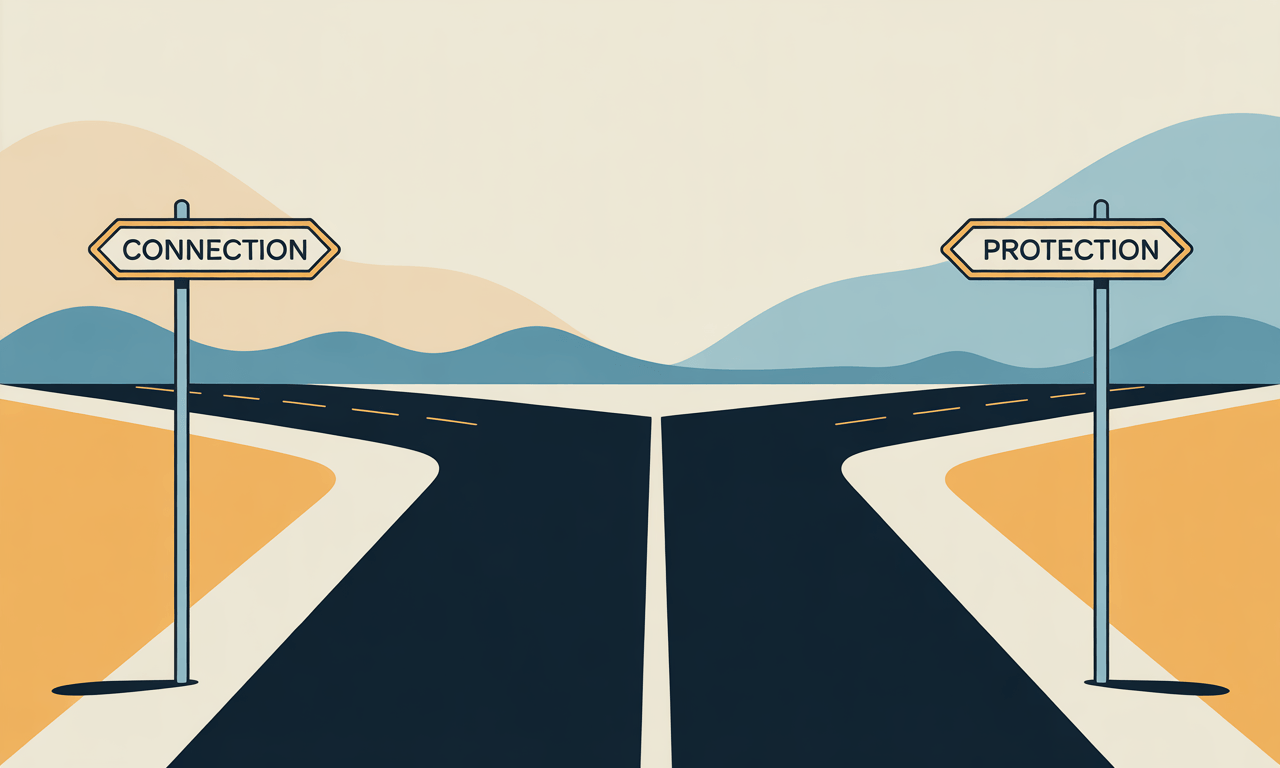
    That’s what strong marriages are made of.