
Tag: marriage counseling

  • When Blame Becomes a Weapon: Understanding Conflict in a Godly Marriage

    When Blame Becomes a Weapon: Understanding Conflict in a Godly Marriage

    Introduction

    Frustrated couple sitting back-to-back on couch, showing emotional distance in a conflict-heavy marriageEvery couple disagrees-it’s part of life and growth. But what happens when those disagreements take a dark turn- When honest conversations about hurt become accusations, and when one spouse constantly walks on eggshells to avoid blame-

    In a healthy marriage, both partners take responsibility for their actions. But in a dysfunctional dynamic, blame can become a tool to deflect, control, or even punish. There’s a big difference between voicing real concerns and using blame as a weapon.

    This post will help you:

    • Recognize when blame is being used unfairly
    • Understand the spiritual and emotional root behind it
    • Respond with wisdom, love, and boundaries
    • Stay rooted in God’s truth during difficult marital moments

    Whether you’re the one being blamed or struggling with defensiveness yourself, this is your opportunity to invite clarity, healing, and God’s peace into your relationship.


    1. The Nature of Blame in Marriage

    Torn photo of husband and wife being rejoined by hands, symbolizing the damage blame causes and the effort to reconcileBlame is a defense mechanism. It shifts focus away from personal accountability and onto someone else. In marriage, it often looks like:

    • “You’re just making things worse.”
    • “If you were more loving, I wouldn’t act this way.”
    • “Everything changed after you started doing X.”

    Rather than addressing the core issue, blame creates a smokescreen. It turns one spouse into the villain and the other into the victim-even when the truth is more complex.

    It’s especially painful in Christian marriages, where the expectation is love, grace, and unity. When blame dominates, it divides.


    2. Honest Feedback vs. Weaponized Blame

    Married couple talking respectfully at kitchen table, representing healthy confrontation and emotional safetyNot all criticism is unhealthy. In fact, Scripture encourages us to speak the truth in love (Ephesians 4:15). But there’s a clear distinction between:

    • Healthy confrontation: Rooted in love, humility, and a desire to grow together
    • Weaponized blame: Rooted in insecurity, fear, or manipulation; used to shame or deflect

    Here’s a side-by-side example:

    Healthy Confrontation Blame as a Weapon
    “When you said that, I felt hurt. Can we talk about it-” “You never care about how I feel-this is all your fault.”
    “I’m struggling with how we’ve been communicating. I’d love to find a better way.” “You’re the reason we always fight.”

    The difference is tone, intention, and responsibility. Blame avoids self-reflection. Healthy communication invites it.


    3. Why People Use Blame
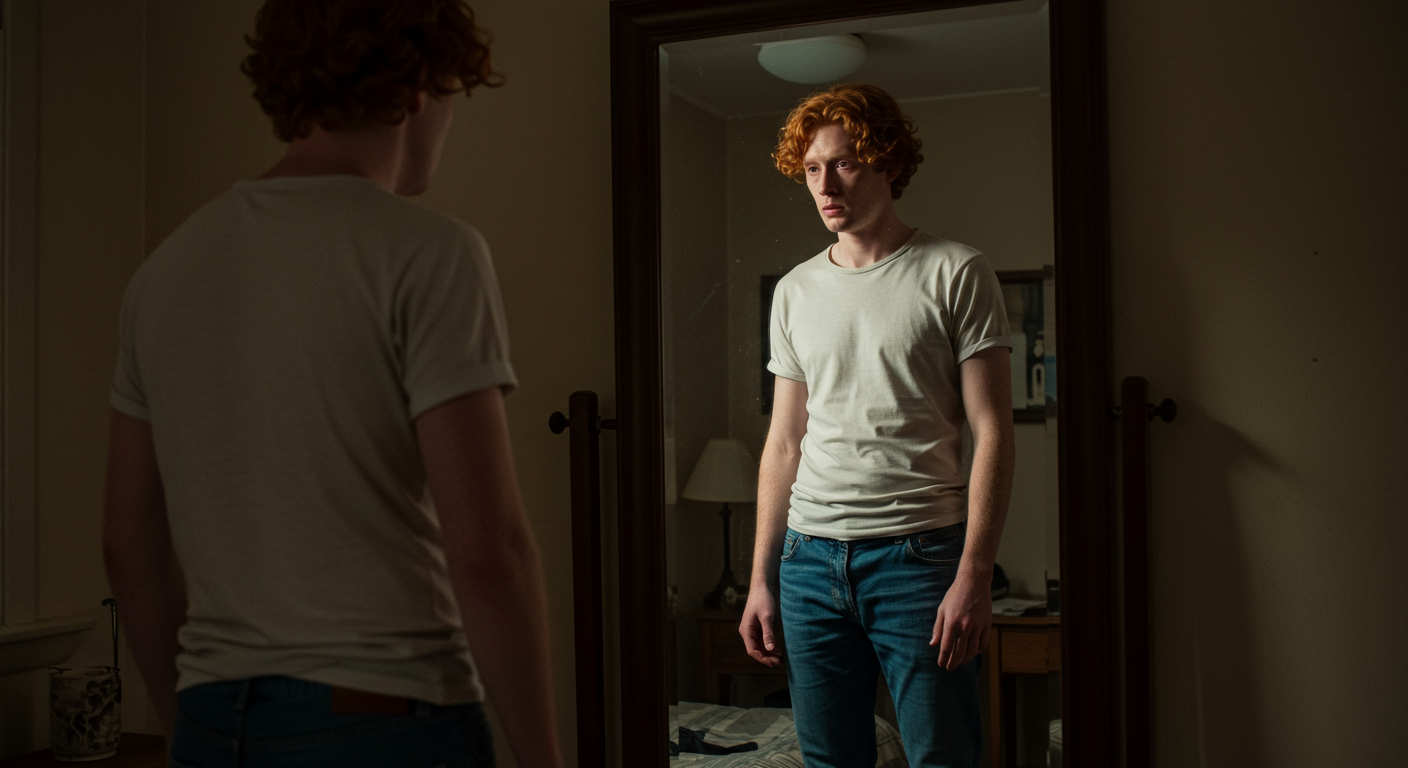
    Individual reflecting alone in the mirror, illustrating internal emotional struggles that manifest as blameBlame often hides deeper emotional or spiritual wounds. A spouse may lash out not because of the issue at hand-but because of unresolved pain, fear, or unmet expectations. Some common root causes:

    • Insecurity: They feel unworthy or inadequate and lash out to regain control.
    • Fear of failure: Admitting fault feels too threatening to their identity.
    • Unhealed trauma: Past experiences resurface, causing disproportionate reactions.
    • Learned patterns: They grew up in a home where blame was the norm.

    Understanding these roots doesn’t excuse the behavior-but it can help you depersonalize it. Blame isn’t always about you. Sometimes, it’s about what’s going on inside the other person.


    4. How Blame Impacts the Marriage Dynamic

    Lonely spouse lying awake in bed while partner sleeps on couch, symbolizing emotional disconnection from repeated blameUnchecked blame can slowly poison a marriage. Here’s how it typically plays out:

    1. Emotional Withdrawal

    The blamed spouse becomes guarded, distant, or defensive. Trust breaks down. Conversations become unsafe.

    2. Role Reversal

    Instead of being equal partners, one person becomes the “accuser” and the other the “problem.” That imbalance creates resentment and loneliness.

    3. Cycle of Guilt and Control

    Blame traps both partners. One controls through accusations; the other complies out of guilt-until they eventually burn out or rebel.

    4. Erosion of Intimacy

    Blame breeds fear. Intimacy withers where fear lives. Vulnerability becomes too risky, and walls go up.


    5. Responding with Wisdom, Not Reactivity

    Individual praying with an open Bible, seeking wisdom and peace during marital conflictWhen you’re on the receiving end of blame, it’s tempting to react with anger or retreat. But reacting in the flesh usually escalates the conflict.

    Here’s how to respond with wisdom and grace:

    1. Pause and Pray

    Ask God to calm your emotions and reveal what’s really happening-both in you and in your spouse.

    “Be quick to listen, slow to speak and slow to become angry.” – James 1:19

    2. Validate What’s Real-Not What’s False

    If there’s truth in what they’re saying, own it. But don’t accept exaggerated or manipulative labels. For example:

    “You’re right, I didn’t follow through on that. I’m sorry.”
    Not: “You’re right, I always ruin everything.”

    3. Set Boundaries Around Disrespect

    Boundaries are not punishments-they’re necessary to protect the relationship. You can say:

    “I’m open to resolving this, but not if we’re going to attack each other.”

    4. Don’t Try to Fix What Isn’t Yours

    You are responsible for your actions-not for their reactions or healing journey.


    6. When You’re the One Doing the Blaming

    Man or woman journaling in solitude, processing personal growth and spiritual self-examinationIf you recognize that you may be using blame in your marriage, this is not about shame. It’s about invitation-to healing, growth, and surrender.

    Ask yourself:

    • Am I blaming my spouse to avoid facing my own pain-
    • Do I feel out of control unless I control the narrative-
    • What wounds or insecurities are fueling this behavior-

    Bring these questions to God. Let Him reveal the root and begin the healing process. Seeking counseling or spiritual mentorship is also a powerful step toward renewal.

    “Search me, God, and know my heart; test me and know my anxious thoughts.” – Psalm 139:23


    7. Speaking the Truth in Love
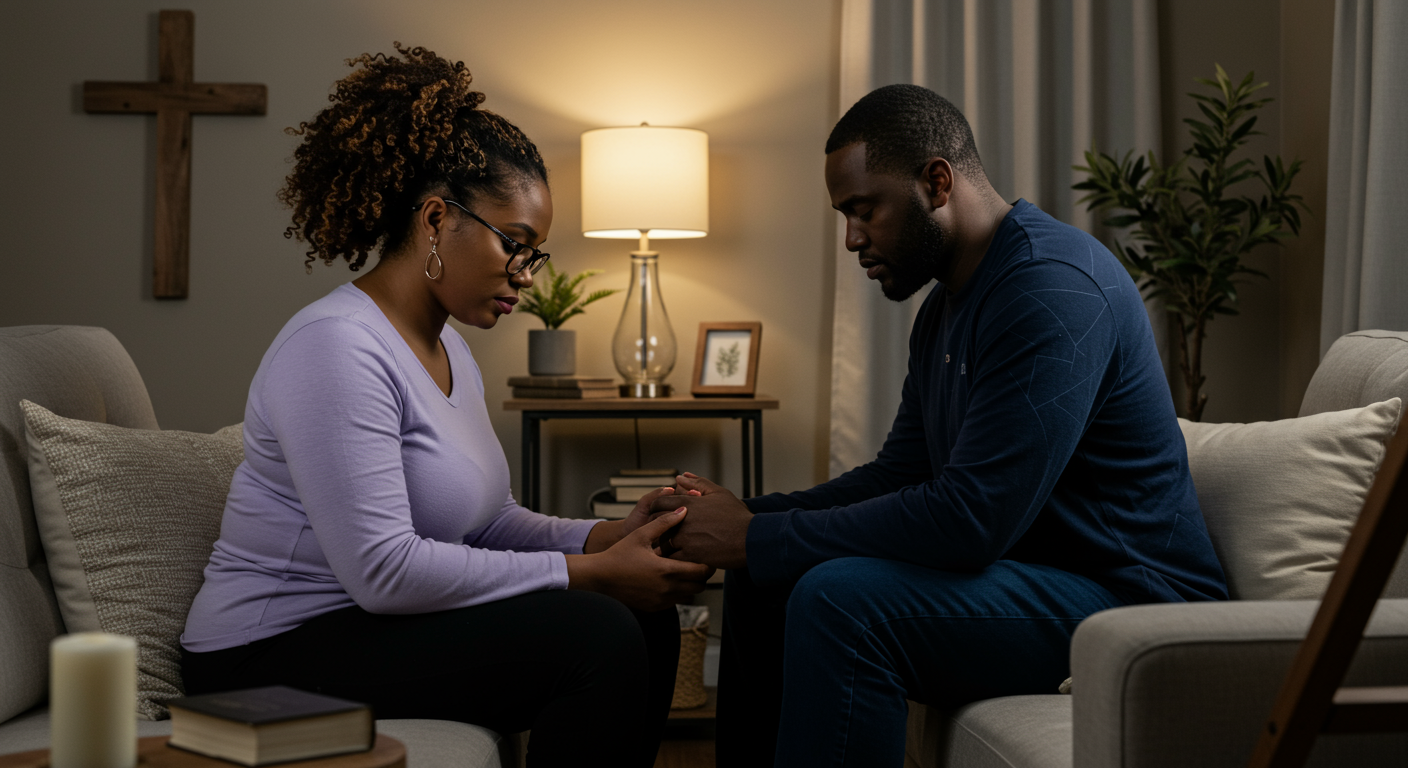
    Husband and wife holding hands and praying together, inviting God into their communicationGodly marriages are built not on perfection, but on humility and grace. Learning to speak the truth in love is one of the most powerful tools you can cultivate.

    Here are practical tips:

    • Use “I” statements instead of accusations
      (“I feel overwhelmed when I’m blamed for things I didn’t do.”)
    • Be specific, not sweeping
      (“Yesterday’s conversation really hurt” vs. “You always hurt me.”)
    • Stay future-focused
      (“How can we do this differently next time-”)
    • Invite the Holy Spirit into every hard conversation


    8. Letting God Be the Judge

    ggestion: A peaceful sunrise over a quiet lake with a person standing still at the edge ALT Text: "Person standing in stillness at sunrise by a calm lake, representing trust in God’s timing and letting Him fight your battlesOne of the hardest parts of being wrongly blamed is the feeling of injustice. You want to explain, defend, or “set the record straight.” But sometimes, God asks you to release that need.

    “The Lord will fight for you; you need only to be still.” – Exodus 14:14

    Your job is not to win an argument-it’s to protect your peace, guard your heart, and stay aligned with truth. Let God deal with what you cannot control. He sees your heart. He knows your intentions. And He will bring justice in His perfect timing.


    9. When Outside Help Is Needed

    Married couple sitting with counselor in a peaceful setting, seeking support to restore emotional balanceThere’s no shame in needing help. If blame has become the dominant tone in your marriage, especially if it’s leading to verbal abuse, gaslighting, or emotional control, it’s time to seek outside support.

    Consider:

    • A licensed Christian counselor
    • A trusted pastor or mentor
    • A marriage enrichment group or retreat

    Sometimes healing requires a neutral voice who can help both partners see clearly.


    Conclusion: Choose Truth, Not Toxicity

    Silhouette of cross at sunrise, symbolizing redemption, hope, and healing in godly marriage

    Marriage is a sacred bond-not a battleground. If blame has found its way into your relationship, it’s time to call it out-not with anger, but with grace and wisdom.

    You were never meant to carry the burden of someone else’s unresolved pain. And you were never meant to weaponize your own wounds, either.

    God calls both spouses to humility, love, accountability, and healing. The Holy Spirit can take even the most toxic patterns and replace them with truth, safety, and peace.

    You don’t have to stay stuck in the storm of blame. With God’s help, you can walk in clarity and courage-one conversation, one prayer, one boundary at a time.

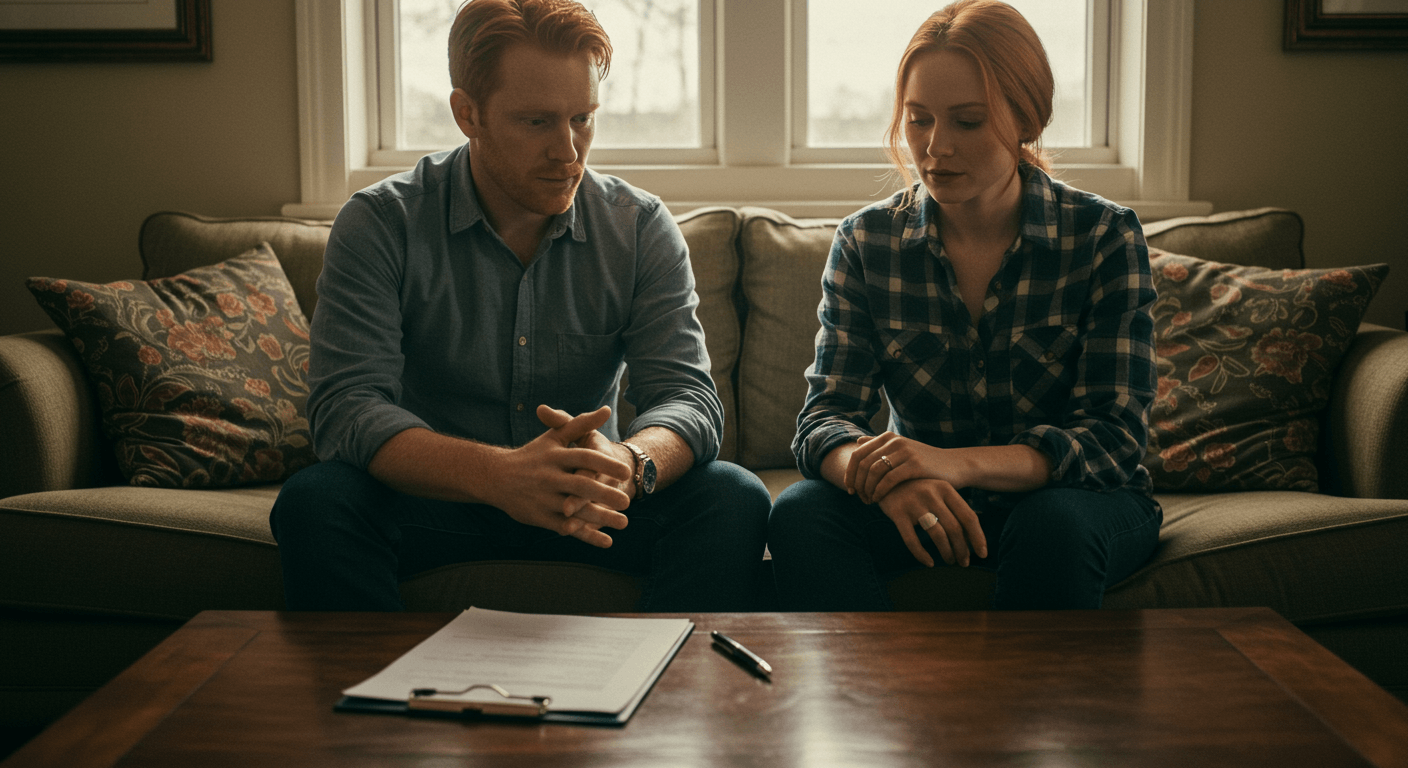
     

  • When Both of You Are Ready: Designing a First Therapy Session That Works

    When Both of You Are Ready: Designing a First Therapy Session That Works

    When your spouse finally says “yes” to therapy, it can feel like a breakthrough-and also, oddly, like a tightrope. There’s excitement that help is coming, but also anxiety: What if this makes things worse- What if the therapist takes sides- What if it’s awkward-

    That tension is normal. But with the right preparation, your first session can become a turning point instead of a test. Designing your first therapy session intentionally helps you walk in with shared clarity and walk out with shared hope.

    In this post, you’ll learn how to co-create a simple pre-session worksheet that clarifies your shared goals, identifies “no-go” topics for the first week, and sets your preferred pace. You’ll also get a framework for recognizing what “good fit” therapy feels like-so you can evaluate the experience without blaming each other. Finally, you’ll learn a 10-minute post-session ritual that prevents car-ride meltdowns and keeps the spark of courage alive.

    Married couple preparing for their first therapy session together.For mindset prep, start with Go First Without Going Alone (https://blog.liveyourbestmarriage.com/communication/go-first-without-going-alone) to understand how to invite, not pressure, your spouse into shared growth. After your first session, use Keep the Spark of Change (https://blog.liveyourbestmarriage.com/habits/keep-the-spark-of-change) to stay consistent in between appointments.

    If there is any risk of harm or abuse, pause this plan and reach out to a licensed specialist immediately. Emotional and physical safety come before relational repair.


    Why Preparing Together Matters

    Couple co-creating goals before their first therapy session.Therapy works best when both partners enter with the same level of intention, not necessarily the same level of enthusiasm. One person might be nervous but hopeful; the other might be cautious but willing. The goal isn’t equal eagerness-it’s shared purpose.

    When couples skip preparation, they often walk into the first session already on edge, unsure of who will “start” or what to say. That tension can make the hour feel like an emotional ambush. But when you prepare together, even briefly, you replace guesswork with gentleness.

    Think of therapy not as a courtroom or classroom, but as a shared lab-a place to observe, experiment, and grow. Preparation helps you both enter that lab with safety goggles instead of boxing gloves.

    For examples of how to take initiative without over-controlling the process, revisit Go First Without Going Alone (https://blog.liveyourbestmarriage.com/communication/go-first-without-going-alone). It will help you embody calm leadership without creating pressure.


    Step One: The Pre-Session Worksheet

    Therapy preparation worksheet for couples attending their first session.Before your first appointment, take 20 minutes to fill out a shared worksheet. You can do this digitally, or even on paper during a coffee break. The key is that you both have a voice in it.

    The Pre-Session Worksheet Includes:

    1. Shared Goals (What We Hope to Gain)
      • “We want to communicate better when things get tense.”
      • “We want to rebuild emotional trust.”
      • “We want to find new ways to connect.”
    2. Keep goals short and shared-three at most.
    3. No-Go Topics (What We’ll Save for Later)
      The first session isn’t the place for the biggest wound. Choose one or two topics that are too raw for week one. Example:

      • “Let’s avoid revisiting the 2023 argument about finances right away.”
        This protects your early sessions from derailment and gives your therapist context to pace things well.
    4. Preferred Pace (How Fast We’d Like to Go)
      • “We’d like to start slow, focusing on communication tools before deep conflict.”
      • “We’re ready to address big issues sooner.”
    5. Your therapist can tailor the process based on your pace preferences.
    6. Session Comforts (What Helps Us Feel Safe)
      • “We prefer sitting side-by-side rather than facing each other.”
      • “We appreciate having short pauses during tense discussions.”

    This worksheet communicates respect, readiness, and maturity-all before you say a word in the room.


    Step Two: Choose Your Therapist with a Fit Framework

    Comfortable therapy room symbolizing emotional safety and balance.Not all therapists fit every couple. “Fit” isn’t about credentials-it’s about chemistry and trust. To avoid confusion later, decide together how you’ll evaluate whether your therapist feels right for you both.

    The “Fit” Framework

    1. Safety: Did you both feel emotionally safe to speak-
    2. Structure: Did the therapist guide gently without dominating-
    3. Balance: Did both of you feel equally seen and heard-
    4. Clarity: Did you leave with one practical insight or next step-
    5. Hope: Did the session end with more possibility than pressure-

    If you answer “yes” to three or more, that’s a good fit. If something felt off, discuss it together calmly.

    Remember, therapy is a partnership. You’re not powerless consumers-you’re co-creators of your healing environment.


    Step Three: Co-Create “What Good Looks Like”

    Visual markers of progress for tracking therapy growth.Therapy progress can be subtle. Without a shared definition of “good,” you may mistake discomfort for failure or calmness for avoidance.

    Try this exercise together:

    Ask: “If therapy were working, what would that look like in daily life-”

    Your answers might sound like:

    • “We’d argue less harshly.”
    • “We’d touch more.”
    • “We’d feel safer sharing emotions.”

    Then, write one visible sign per week that reflects progress-like “We went 24 hours without a sarcastic comment,” or “We talked through a disagreement calmly.”

    This turns therapy from a vague hope into a measurable process, like training emotional muscles instead of waiting for miracles.

    For inspiration on steady progress, review Keep the Spark of Change (https://blog.liveyourbestmarriage.com/habits/keep-the-spark-of-change). It shows how micro-wins compound into lasting growth.


    Step Four: Set a Ground Rule for “No Scoring”

    Balanced partnership symbolizing mutual understanding in therapy.Many first sessions accidentally turn into subtle scorekeeping contests: “I said that because you did this,” or “See, the therapist agrees with me.” That dynamic can poison the atmosphere quickly.

    Avoid this by agreeing in advance: Therapy is for discovery, not defense.

    Your therapist’s observations aren’t moral verdicts-they’re mirrors. Instead of asking, “Who’s right-”, ask, “What’s true for each of us-”

    If one of you tends to deflect or dominate, try this shared phrase:

    “Let’s both listen long enough to understand, not win.”

    This keeps therapy a shared effort rather than a power struggle.


    Step Five: The Ten-Minute Post-Session Ritual

    Couple practicing a calm post-therapy reflection ritual.The first ten minutes after therapy are crucial. That’s when emotions are raw, interpretations are fresh, and old habits want to resurface. Without structure, that car ride home can turn into a second session-without the therapist.

    Here’s a ritual that protects the progress you just made:

    1. Agree to Silence for Five Minutes
      Let your brains cool down. No analysis yet. Just breathe and drive.
    2. Exchange Gratitude, Not Debate
      Each person says one thing they appreciated about the session.

      • “Thanks for being honest today.”
      • “I liked that you didn’t interrupt.”
    3. Name One Word for How You Feel
      Choose from calm, curious, tired, hopeful, relieved, or tender.
    4. Save the Debrief
      Wait at least 24 hours before discussing what you want to adjust.

    This ritual keeps your heart soft and signals emotional maturity. It turns therapy from a performance into a practice.


    Step Six: Watch for the “Therapy Hangover”

    Self-care after therapy to process emotions and reflect calmly.Emotional processing is like lifting heavy weights-growth comes with soreness. After the first few sessions, you might feel drained, sad, or even confused. That doesn’t mean therapy isn’t working-it means layers are surfacing.

    Here’s how to handle it:

    • Hydrate and Rest: Emotional exhaustion is real.
    • Journal Lightly: Capture thoughts without spiraling.
    • Avoid Heavy Topics at Home: Let the dust settle before diving deeper.

    Over time, you’ll develop emotional endurance-the ability to stay open in uncomfortable conversations without shutting down or lashing out.

    If the hangover turns into hopelessness, reach out to your therapist for grounding strategies. You’re not backsliding; you’re adjusting to emotional work.


    Step Seven: Use a “Bridge Question” Between Sessions

    Using bridge questions between therapy sessions to stay connected.Between therapy appointments, life goes on. Tensions may resurface. Instead of rehashing every disagreement, use a “bridge question” that invites curiosity instead of blame.

    Examples:

    • “What do you think we learned last time that could help us right now-”
    • “Is this something we can bring up in our next session-”
    • “Would you rather talk now or save it for therapy-”

    Bridge questions preserve connection between appointments. They remind both partners that therapy isn’t about solving everything instantly-it’s about building new patterns of dialogue.

    For small daily check-ins that reinforce this mindset, try the quick emotional resets outlined in Micro-Moves That Change the Atmosphere (https://blog.liveyourbestmarriage.com/action/micro-moves-lead-by-example).


    Step Eight: Avoid Overloading the First Month

    Keeping a balanced pace for early therapy progress.Early sessions can awaken years of buried emotion. It’s tempting to start binge-reading therapy books or watching every relationship video you can find. Resist that urge. Growth takes digestion.

    Instead, pick one small takeaway from each session and apply it through the week.
    For example:

    • Session 1 takeaway: “We need better timing for serious talks.” → Apply it by checking, “Is this a good time to talk-”
    • Session 2 takeaway: “We get defensive fast.” → Apply it by pausing when voices rise.

    That steady, single-focus approach prevents emotional burnout and builds sustainable growth.

    If you love learning, you can supplement with Get Better Inputs (https://blog.liveyourbestmarriage.com/growth/personal-curriculum-marriage), which helps you curate balanced resources without overwhelming yourself or your partner.


    Step Nine: Celebrate Progress, Not Perfection

    Celebrating small wins after therapy sessions together.Therapy progress rarely looks linear. One week you might feel connected and hopeful; the next, you might feel distant or raw. That’s not regression-it’s integration.

    Create a small ritual of celebrating progress weekly:

    • Light a candle and name one thing that’s improving.
    • Write a note of appreciation to your spouse for showing up.
    • Remind yourselves that courage, not comfort, defines success.

    Therapy is like learning to dance-you’ll step on each other’s toes before you find rhythm. But even awkward steps are forward movement.


    Step Ten: When to Reassess Fit or Direction

    Checking progress and therapist fit after initial sessions.After about four to six sessions, pause and ask:

    • “Do we both feel seen-”
    • “Are we learning skills we can apply-”
    • “Is the therapist helping us grow, not just vent-”

    If you both feel stalled, that doesn’t mean failure-it might mean you’ve outgrown the current approach. You can ask your therapist directly for more structure, or explore a new fit.

    What matters most is that you keep movement alive. Growth doesn’t require perfection-it just needs direction.


    The Goal: Hope That Feels Grounded

    Couple leaving therapy together feeling hopeful and connected.When both of you are ready for help, your first therapy session isn’t a rescue mission-it’s a rehearsal for honesty, humility, and hope. The preparation, pacing, and post-session reflection all set the tone for what’s possible.

    Therapy doesn’t heal you in one appointment; it teaches you how to heal together. It’s not about proving who’s right but learning what’s real.

    So before you walk into that office, take a deep breath and remind yourselves: We’re on the same team, learning a new way to talk, listen, and love.

    And when you walk out, don’t evaluate who cried or who “won.” Instead, ask the only question that matters: “Do we both feel a little safer than before-”

    That’s what success looks like in week one-and it’s the foundation of every healthy marriage that follows.

  • I Still Love My Spouse… So Why Do I Feel So Alone-

    I Still Love My Spouse… So Why Do I Feel So Alone-

    Introduction

    You’re married-but you feel like you’re living with a roommate. You go through the motions of daily life together: the kids, the bills, the calendar reminders. But something’s missing. The warmth. The closeness. The emotional spark.

    If you’ve ever asked yourself, “Why do I feel so alone in this relationship-”, you’re not crazy-and you’re definitely not alone.

    Many people feel emotionally isolated even in long-term relationships. The love is still there, but the connection feels lost. In this post, we’ll talk about the subtle ways distance creeps into a marriage, the unspoken emotional needs that often go unmet, and what you can do to start rebuilding closeness-even if your spouse seems emotionally checked out.


    1. Love and Loneliness Can Coexist

    Emotionally disconnected couple lying back-to-back in bed, reflecting loneliness in a marriage

    The hardest part of emotional disconnection is the confusion it creates. You may still deeply love your partner. You’re committed. You’re loyal. And yet, something feels hollow. You miss the way they used to look at you, talk to you, touch you.

    That ache isn’t imaginary. It’s a signal that your emotional needs aren’t being met-and it’s okay to say that.

    Many people assume loneliness is a sign their marriage is broken beyond repair, but in reality, it’s a warning light. One that tells your connection is fading and needs attention.


    2. The Quiet Drift: How Distance Builds Over Time

    The Quiet Drift: How Distance Builds Over Time

    Most couples don’t fall apart all at once. They drift-slowly, quietly, over months or years.

    You stop sharing little things. You stop laughing together. You assume your partner knows how you feel, so you stop saying it. Over time, small emotional ruptures turn into routines of disconnection.

    Here are a few common signs the drift is happening:

    • You talk more about logistics than feelings
    • You spend more time on screens than with each other
    • Intimacy feels like a chore or is nonexistent
    • Arguments go unresolved or are avoided altogether
    • One or both partners shut down emotionally

    It’s not that you stopped loving each other. You just stopped seeing each other. And without that emotional visibility, loneliness settles in-even when you’re physically side-by-side.


    3. The Myth of “We’re Just Busy”

    Busy married couple distracted during dinner, symbolizing emotional disconnect due to modern lifestyle

    Busyness is one of the biggest excuses for disconnection in marriage. Work, parenting, family obligations-it all stacks up. And while it’s true that life gets demanding, emotional connection doesn’t require hours. It requires intentionality.

    A five-minute conversation with presence is worth more than a week of distracted interactions.

    The problem isn’t always time. It’s that we stop prioritizing each other. We get so used to functioning as a team that we forget how to love as a couple.


    4. Unspoken Needs and Emotional Starvation

    The Quiet Drift: How Distance Builds Over Time

    In every relationship, there are needs we assume our partner will automatically meet-because they used to. But people evolve. Stress builds. And communication slips.

    When those needs go unspoken-like needing more affection, affirmation, conversation, or simply to feel seen-we begin to starve emotionally. And emotional starvation often leads to withdrawal, resentment, or even temptation.

    Some common needs include:

    • Wanting to feel desired
    • Needing verbal affection or affirmation
    • Craving emotional safety or empathy
    • Seeking shared experiences and laughter

    It’s okay to have needs. It’s okay to ask for them. Suppressing your needs to “keep the peace” only guarantees that disconnection will grow.


    5. When Your Spouse Has Emotionally Checked Out

    Lonely partner reflecting on emotional distance while looking at a wedding photo.

    One of the most painful dynamics is when you’re still trying-but your spouse seems emotionally absent. They’re physically present, but distant. They say “nothing’s wrong,” but they don’t open up. Or they’re reactive, distracted, or cold.

    It’s tempting to take it personally, but often, their disconnection isn’t about you-it’s about them:

    • Stress they haven’t named
    • Depression or burnout
    • Shame over how they’ve been showing up in the relationship
    • Old emotional wounds they’ve never addressed

    Still, your pain is real. It’s not your job to fix them-but you can create space that invites honesty and reconnection.


    6. How to Rebuild Connection, Even If It Feels One-Sided

    Married couple reconnecting through meaningful conversation in a casual setting

    Rebuilding closeness doesn’t happen overnight. But small, consistent shifts can start to melt the emotional ice. Here’s how to begin:

    a) Lead with Vulnerability

    If you’re always saying “I’m fine” or hiding how lonely you feel, your partner may have no idea. Try saying:

    “I love you, and I miss feeling close to you. Can we talk about how to reconnect-”

    b) Make Eye Contact Again

    This sounds simple, but when was the last time you really looked into your spouse’s eyes during a conversation- Emotional safety begins with attention.

    c) Reduce Criticism, Increase Curiosity

    Instead of saying, “You never talk to me,” try:

    “I’ve noticed we’ve been more distant lately. How are you feeling in the relationship-”

    d) Rebuild Rituals of Connection

    Bring back something that used to belong to just the two of you-a walk, a song, a shared morning coffee. Small rituals rebuild emotional glue.

    e) Seek Help if Needed

    If you’ve tried, and the distance isn’t changing, marriage counseling can provide a structured, safe space to reconnect.


    7. When to Stay, and When to Speak Hard Truths

    When to Stay, and When to Speak Hard Truths

    Sometimes loneliness in marriage points to something temporary. But other times, it reveals a deeper breakdown-a relationship dynamic that’s emotionally unsafe or fundamentally unbalanced.

    Here’s how to tell the difference:

    • If your spouse is emotionally avoidant but open to growth → There’s hope
    • If your spouse is emotionally abusive or manipulative → You may need boundaries or professional support
    • If communication attempts are always shut down → Consider speaking to a therapist alone for clarity

    You don’t have to stay stuck in loneliness. You deserve connection, care, and honesty.


    8. Final Thoughts: Love Shouldn’t Feel Like Isolation

    Final Thoughts: Love Shouldn’t Feel Like Isolation

    It’s possible to love someone and still feel completely alone beside them. That doesn’t make you weak. It makes you aware.

    And awareness is the first step to change.

    Loneliness in marriage doesn’t have to be permanent. With honesty, effort, and the courage to speak the unspoken, you can begin to restore the emotional bond that made you fall in love in the first place.

    Because marriage isn’t just about staying. It’s about staying connected.

    You still love your spouse. Now let’s find your way back to each other.


  • What If the Real Reason for the Affair Wasn’t Just Temptation-

    What If the Real Reason for the Affair Wasn’t Just Temptation-

    Introduction

    If you or your partner have experienced infidelity, one haunting question tends to echo louder than the rest: Why- Most books, blogs, and advice columns will point to the usual suspects-lack of boundaries, peer pressure, poor decisions, or social media. While these factors can certainly contribute, they often miss the emotional iceberg lurking beneath the surface.

    Affairs rarely happen in a vacuum. Often, they emerge from unspoken emotional pain, identity struggles, or unmet needs. In this post, we’ll take a compassionate but honest look at the deeper forces that can lead someone to betray their partner-and how couples can begin to move forward, not just with forgiveness, but with real understanding and growth.


    1. The Illusion of Sudden TemptationCracked photo of a married couple, representing hidden emotional damage before infidelity.

    Affairs often appear sudden. One moment, everything seems okay. The next, you’re dealing with a secret that’s torn your world apart. But for most couples, infidelity isn’t born in an instant-it’s slowly shaped by hidden feelings, long-standing dissatisfaction, and emotional disconnection that’s gone unspoken for months, sometimes years.

    Temptation is only the final trigger. The groundwork is laid by years of unhealed emotional wounds, missed opportunities to connect, and patterns of avoidance.


    2. Repressed Emotions: The Feelings No One Talks About

    When someone doesn't feel seen, heard, or emotionally safe in the relationship, they may begin to seek emotional relief elsewhere

    We live in a culture that doesn’t always know how to handle real emotions-especially the ones that feel ugly, messy, or weak. So instead of expressing grief, frustration, or loneliness, many people push those feelings down and carry on like everything’s fine.

    But repressed emotions don’t disappear. They leak out-in sarcasm, withdrawal, irritability, or risky decisions. And sometimes, they show up as infidelity.

    When someone doesn’t feel seen, heard, or emotionally safe in the relationship, they may begin to seek emotional relief elsewhere-even if it’s just for a moment. That moment might start as a conversation. A smile. A flirt. But the deeper driver isn’t lust-it’s longing.


    3. Unmet Needs and Emotional Starvation

    Lonely person gazing through rain-streaked window, reflecting emotional starvation within a marriage

    Marriage isn’t just about love; it’s about connection. We all need to feel valued, appreciated, desired, and supported. When these needs go unmet over time, even the most committed partners can feel emotionally starved.

    They might not even realize what they’re missing until someone else gives it to them-a coworker who listens. A friend who compliments. An online connection that feels exciting and validating.

    The affair becomes less about the third party and more about how that person made them feel-alive, noticed, worthy.


    4. The Search for Identity and Worth

    Infidelity can sometimes stem from a personal identity crisis. Maybe one partner feels like they’ve lost themselves in the routines of parenting, work, or long-term partnership. Maybe they’ve begun to question their worth, their attractiveness, or their purpose.

    The affair, in this case, is an escape hatch-a misguided attempt to rediscover a lost version of themselves. It’s not about falling out of love with their spouse. It’s about falling out of love with who they’ve become.

    This type of affair isn’t about rejection. It’s about reflection-a distorted mirror held up to someone who no longer recognizes themselves in their marriage.


    5. Unspoken Resentment and Emotional Withholding

    Emotionally distant couple sitting back-to-back, symbolizing growing resentment and lack of connection

    Resentment in marriage is rarely loud. It’s usually quiet-an emotional drift caused by unresolved conflicts, unmet expectations, or repeated dismissals.

    Over time, one partner may start building an emotional wall: “Why bother talking about it- Nothing changes anyway.” That wall creates a vacuum where connection used to live. Into that vacuum, someone else may step.

    Infidelity in this case becomes an act of rebellion, an emotional revolt against years of feeling ignored or taken for granted. Again, it’s not excusing the behavior-but it helps explain the path that led there.


    6. Fear of Vulnerability

    Ironically, many people cheat not because they’ve given up on the relationship-but because they’re afraid to fight for it. Vulnerability takes courage. Speaking up about unmet needs, revealing insecurity, or admitting dissatisfaction can feel terrifying.

    Rather than risk rejection or conflict, some choose secrecy. Infidelity becomes a shortcut around the hard work of being vulnerable. But that avoidance usually creates more damage in the long run.

    Healing from infidelity requires what the affair tried to avoid-emotional honesty.


    7. So… What Now-So… What Now-

    Understanding the emotional roots of infidelity doesn’t mean excusing it. Cheating still violates trust. But if both partners are willing, it can be an entry point into a deeper, more truthful relationship.

    Here’s how to begin:

    a) Stop Focusing on the Affair Partner

    The affair was a symptom, not the cause. The real work lies within your relationship and the emotional gaps that led to betrayal.

    b) Create a Safe Space for Truth

    Let the injured partner express their pain. Let the unfaithful partner explain-not justify-what they were feeling, without minimizing the damage.

    c) Get Curious, Not Just Angry

    Yes, you’re allowed to be angry. But when the dust settles, ask the deeper questions:

    • What were you feeling before this happened-
    • What did you need that you weren’t getting-
    • What wounds have we both been ignoring-

    d) Consider Individual and Couples Therapy

    Sometimes you need a third party to help navigate these painful conversations. Therapy can offer tools, structure, and healing space that’s hard to create alone.


    8. Rebuilding: Is It Possible-

    Yes-but not by going back to what was. Rebuilding a marriage after infidelity means creating something new, with a deeper foundation.

    That means:

    • Honest conversations about feelings and needs
    • Rebuilding trust with small, consistent actions
    • Re-learning how to be emotionally available for each other
    • Choosing each other, every day, in new and intentional ways

    It won’t be easy. But it is possible.


    9. Final Thoughts: Infidelity as a Wake-Up Call

     Infidelity as a Wake-Up Call

    No one wants an affair to be part of their marriage story. It brings pain, shame, confusion, and deep heartbreak. But it can also be a turning point-a wake-up call that uncovers long-buried emotions and unmet needs.

    If you’re the partner who was betrayed, know this: the affair was not your fault. And yet, healing often involves both partners courageously looking inward and asking, “What wasn’t working-”

    If you’re the partner who betrayed, know this: your actions caused real pain-but if you’re willing to do the hard work, you can repair and even deepen the bond.

    And if both of you are ready to step into that honesty, you just might discover that healing isn’t just about surviving the affair-it’s about transforming your marriage into something stronger, more transparent, and more loving than it’s ever been.