Tag: marriage help

  • Be the Spark: How Your Faithfulness Can Reignite Hope in Your Marriage

    Be the Spark: How Your Faithfulness Can Reignite Hope in Your Marriage

    Sometimes marriages don’t fall apart because of one huge mistake-they slowly dim from neglect and disappointment. But a single spark can reignite what’s been lost. Your faithfulness, your kindness, your commitment-it matters. In this post, we’ll show you how staying committed to the process can be the very thing that revives your relationship.


    The Slow Fade: When Love Loses Its Luster

    Single lit candle symbolizing one spouse reigniting hope in marriageMany couples don’t see the breakdown coming. One day, it just feels… dull. Cold. Like roommates. There may be no scandal or betrayal-just a slow fade. The love that once felt exciting now feels like a chore. Communication dries up. Kindness disappears. Passion becomes a memory.

    This is how many marriages lose hope-not in the fires of betrayal, but in the frost of emotional neglect. But here’s the good news: just as the erosion was slow, the rebuild can be steady. And it only takes one faithful spouse willing to be the spark.


    Why Your Faithfulness Still Matters

    In a marriage that feels distant or one-sided, faithfulness might not feel rewarding. You’re showing up. You’re trying. But is it making any difference- Yes-more than you can see. Faithfulness is powerful because it anchors the marriage when emotions waver. It becomes the steady beat of commitment when everything else feels unstable.

    Faithfulness doesn’t mean being perfect. It means being present. It means returning to love even when it’s not reciprocated the way you hoped. It means being willing to go first, again and again.


    Be the Spark: What It Actually Looks Like

    A faithful spouse extending kindness to reconnect with their partnerBeing the spark in your marriage doesn’t mean being loud or dramatic. It means embodying quiet strength. It looks like:

    • Choosing to speak kindly, even when you’re frustrated
    • Offering a warm touch or loving glance when things feel tense
    • Making an effort to listen without defensiveness
    • Praying for your spouse when you feel powerless
    • Practicing forgiveness, even when the apology hasn’t come yet

    The goal isn’t manipulation-it’s inspiration. You’re not trying to force a change. You’re showing what love looks like in action, and that example has weight.


    Rebuilding the Connection Without Resentment

    It’s easy to get bitter when you feel like you’re the only one trying. But resentment poisons the very change you’re hoping for. The key is to reframe your faithfulness not as a loss, but as a gift. It’s an offering-not because your spouse “deserves” it, but because your marriage does.

    You’re not fixing your spouse-you’re fortifying your covenant.

    This mindset helps guard your heart from becoming hard while still holding boundaries. Yes, you can be faithful and honest. You can be loving and clear about your needs. The spark is not passivity-it’s presence. It’s showing up with intentional love, not silent suffering.


    When You Don’t Feel Like It: Staying Committed Through Discouragement

    Small acts of faithfulness symbolized by planting seeds in a marriageThere will be days when you don’t want to be the spark. Days when you’re tired, lonely, or angry. This is where the deeper strength of commitment shines. True commitment isn’t built on motivation-it’s built on values.

    You stay faithful not because it always feels good but because it aligns with who you want to be.

    Even small faithful actions done from a heart of grace-not guilt-can shift the tone of your relationship. You may not see results overnight. But love rarely works on a schedule. Like a seed underground, your investment is taking root.


    The Ripple Effect of One Changed Heart

    When one spouse changes the atmosphere, it often softens the other over time. Maybe not today. Maybe not this month. But hearts are influenced by consistent love. People often resist change that is forced, but they are drawn to change that is lived.

    Your kindness disarms their defensiveness. Your self-control quiets the conflict. Your courage makes space for honesty.

    Even if they don’t say it out loud, your faithfulness is noticed. And in time, it may spark something new in them-a realization, a shift, an openness that wasn’t there before.


    How Faithfulness Protects Your Own Heart

    Being the spark isn’t just about helping your marriage-it’s about protecting your own soul. When you live faithfully, you stay aligned with your values. You refuse to let bitterness redefine you. You build integrity, even in pain.

    This protects your emotional and spiritual health in the long run. You’ll never look back and regret being kind, honest, or committed. Even if your spouse never fully matches your effort, you’ll know you fought for your marriage in a way that honors both God and yourself.


    Don’t Wait for Permission-Start Today

    If you’ve been waiting for your spouse to change before you do, pause. Ask yourself: What’s stopping me from going first- Many marriages remain stuck because both spouses are waiting for the other to blink first.

    But marriages are transformed when someone dares to go first-not in fear or desperation, but in hope. Start today. Speak gently. Forgive something small. Invite a real conversation. Do one small thing that reflects the marriage you want, not the one you’re tolerating.


    Practical Ways to Be the Spark in Your Marriage

    Spouse writing a kind message to reignite connection in their marriageHere are a few powerful (but simple) ways to be the spark:

    • Write a note reminding your spouse of one thing you admire about them
    • Plan a small, no-pressure date or coffee time
    • Replace criticism with curiosity (What’s really going on here-)
    • Offer grace when they forget or mess up
    • Pray out loud for your spouse-even if it’s short and simple
    • Journal your hopes for the marriage instead of rehearsing frustrations


    What If Nothing Changes-

    This question often haunts the spouse trying hard to revive the relationship. What if they never change- What if I try and they don’t notice-

    The truth is, outcomes aren’t guaranteed. But faithfulness isn’t about guaranteed results-it’s about living in a way that honors your vows and your calling. You don’t have to carry the whole marriage on your back. But you do get to influence it-powerfully-through the way you show up.

    Faithfulness is never wasted. Even if the change is invisible for now, you’re shifting the atmosphere. You’re choosing to invest rather than withdraw. You’re guarding the flame, not walking away from the fire.


    When the Spark Becomes a Flame Again

    A growing flame symbolizing the restored connection in a faithful marriageWhen one spouse starts showing up with more love, more presence, more intentionality-marriages often start warming back up. Communication starts to feel safer. Emotional walls begin to lower. A small compliment lands differently. A familiar laugh reappears.

    These aren’t coincidences. They’re signs that love is taking root again.

    And it all started with one person willing to be the spark.


    Faithfulness Is a Long Game Worth Playing

    Marriage is a covenant, not a contract. And covenants are built on long games-commitment over comfort, growth over gratification, faithfulness over fairness. You don’t have to get it all right today. You just have to choose to show up again today.

    The spark you offer in faith today could be the fire that rekindles love tomorrow.

    Even if no one claps. Even if no one notices right away. Your faithfulness is lighting the way back home.

  • Outdated Commitments: What Are You Still Holding On To-

    Outdated Commitments: What Are You Still Holding On To-

    Introduction

    Married couple at a crossroads letting go of outdated commitments to choose a stronger path forward.Marriage is built on commitment-but not all commitments are healthy, helpful, or meant to last forever. Some of the habits, routines, friendships, and beliefs you’ve carried into your marriage may have been useful once. They may have offered comfort, identity, or a sense of belonging. But now- They might be quietly unraveling your connection.

    Just because something made sense ten years ago doesn’t mean it belongs in your relationship today. What are you still committed to that no longer serves your marriage- That’s the question this post invites you to explore.

    Releasing outdated commitments isn’t about erasing your past-it’s about freeing your future. It’s about making room for deeper intimacy, stronger connection, and the kind of love that reflects who you are now, not who you used to be.


    Recognizing Outdated Commitments in Marriage

    Couple reflecting on their past commitments and how they impact their present marriage.The hardest commitments to let go of are the ones you don’t even realize you’ve made. Many couples carry subconscious loyalties to old identities, coping strategies, or social norms they’ve never re-evaluated. These commitments become the operating system behind every argument, emotional wall, and missed opportunity for connection.

    You might be:

    • Staying loyal to a parent’s example that doesn’t fit your marriage
    • Clinging to beliefs about gender roles that leave one partner drained
    • Keeping habits that made sense in your single years, but now cause distance

    The challenge is that these outdated commitments don’t wave a red flag. They just blend into your daily routines-until resentment, disconnection, or apathy starts to build.


    Old Habits in Marriage That No Longer Serve You

    Emotional distance caused by outdated habits in marriage.We all have habits we picked up in earlier stages of life that once brought comfort. But in marriage, comfort without connection can create a silent drift.

    Consider:

    • Late-night scrolling that replaces pillow talk
    • Withholding affection when upset as a form of silent punishment
    • Reacting defensively out of past wounds instead of responding in love

    These habits were born from something-self-preservation, stress relief, or modeling from childhood. But now, they can become walls between you and your spouse. Recognizing these patterns is the first step in reclaiming intentional intimacy.


    Friendships That Undermine Your Relationship

    Friendships that cause emotional separation in marriage.Some friendships stand the test of time. Others quietly pull you away from the one you vowed to stand beside.


    Do you have friendships that:

    • Encourage you to vent without accountability-
    • Disrespect your spouse-
    • Promote values that contradict your marriage-

    If a friend pushes you toward selfishness, escapism, or negativity, it’s worth asking: Who am I more committed to-this friendship or my spouse-

    Letting go of certain connections doesn’t mean you don’t care. It means you’re realigning your life around what matters most: your marriage.

     

    Letting Go of Emotional Baggage from the Past

    Emotional baggage interfering with closeness in marriage.Marriage brings two histories together. And sometimes, one or both partners are still deeply committed to the past-past relationships, family trauma, unresolved hurt, or outdated ways of processing pain.

    Emotional baggage might show up as:

    • Trust issues rooted in an ex’s betrayal
    • Fear of conflict based on how your parents fought
    • Avoidance of intimacy because of past rejection

    These old wounds deserve compassion-but they also demand attention. Carrying unresolved pain into your marriage places a commitment to self-protection above connection. Healing may require counseling, honest conversations, or simply choosing to respond differently.


    Outdated Beliefs in Marriage That Create Division

    Letting go of outdated beliefs to rewrite your marriage norms.Some beliefs sound noble but create distance when left unchallenged. Ideas like:

    • “My spouse should know what I need without me saying it.”
    • “If we fight, something’s wrong with us.”
    • “My role in this marriage is fixed.”

    These beliefs may have been inherited from your upbringing, culture, or early years together. But rigid beliefs often create inflexible roles and unmet expectations. Letting go of outdated beliefs makes space for curiosity, growth, and shared understanding.


    Reevaluating Your Time Commitments

    Marriage neglected due to outdated time commitments.Look at your calendar. What gets your best energy, focus, and attention-

    Are you still committed to:

    • Weekly obligations that bring stress, not joy-
    • Hobbies that exclude your spouse-
    • Prioritizing work or extended family over connection at home-

    Your time is one of the clearest mirrors of your commitments. If your schedule never reflects your marriage, your actions might be telling a different story than your words.

    Sometimes letting go of outdated commitments simply means rewriting your priorities. It means making time to talk, laugh, date, and dream together again.


    Letting Go of Who You Used to Be

    Releasing outdated self-identity for marriage growth.One of the hardest outdated commitments to release is the identity you held before your marriage-or earlier in your marriage.

    Maybe you used to be:

    • The one who never needed help
    • The spouse who kept everything light and surface-level
    • The partner who always put others first

    But marriage requires evolution. It’s okay to outgrow old versions of yourself. In fact, refusing to evolve may be the very thing keeping your marriage stuck.

    Growth doesn’t threaten connection-it strengthens it, especially when both spouses are willing to grow together.


    Replacing Outdated Commitments with Intentional Ones

    Replacing outdated commitments by intentionally growing the marriage.Once you identify what needs to go, the next question is: what do you want to build-

    Consider replacing:

    • Avoidance with intentional conversations
    • Toxic friendships with marriage-supporting community
    • Rigid roles with shared leadership and mutual respect

    Make new commitments like:

    • Weekly check-ins about emotional and physical intimacy
    • Saying “I’m sorry” faster
    • Choosing unity over defensiveness

    Letting go is only the beginning. Lasting love is built by what you consistently choose-day after day.


    Small Steps to Begin Releasing the Past

    Letting go of the past to walk forward in marriage together.You don’t have to overhaul your life overnight. Start small:

    • Pick one outdated habit to address this week
    • Have one honest conversation about emotional baggage
    • Say no to one thing that drains you and yes to one thing that builds connection

    Change doesn’t require perfection. It only asks for consistency and courage.

    The more you release what no longer serves your marriage, the more space you create for what does.


    What Will You Let Go of to Love More Fully-

    A hopeful future after letting go of what no longer serves the marriage.Every moment in your marriage is a chance to recommit-not just to your spouse, but to the kind of marriage you want to share.

    Ask yourself:

    • What have I held onto that’s no longer helpful-
    • What am I willing to release in order to grow-
    • What kind of love do I want to live out each day-

    Your marriage is too valuable to be shaped by old wounds, irrelevant friendships, or outdated beliefs. Let go of the past. Live in the present. And build a future that’s worth committing to.

  • Feeling Forgotten in Your Marriage- Here’s What You Can Do Today

    Feeling Forgotten in Your Marriage- Here’s What You Can Do Today

    Intro

    When one partner starts feeling invisible or ignored, cracks begin to form-often slowly and silently. The laundry still gets done. The kids get to school. The bills get paid. But somewhere in the busyness, something important fades: the feeling of being seen.

    That aching sense of being forgotten doesn’t always come with shouting or slamming doors. Sometimes it comes quietly, through long silences, missed eye contact, or a lack of tenderness. And that loneliness- It’s real-even when you sleep in the same bed and share the same last name.

    But here’s the truth: you are not powerless. Even if the emotional distance feels wide, even if the connection seems lost, there is always a way back. This post is about recognizing the signs early and rebuilding that connection through consistent, loving action-starting with just one intentional moment today.


    Table of Contents

    1. What It Really Means to Feel Forgotten in Marriage
    2. Why Emotional Neglect Often Goes Unnoticed
    3. Common Signs One Partner Feels Invisible
    4. What You Can Do If You Feel Forgotten
    5. How to Communicate Without Blame
    6. Small Daily Actions That Rebuild Connection
    7. What to Do If Your Spouse Doesn’t Notice
    8. Rewriting the Emotional Story-Together
    9. Final Thoughts: Choosing Visibility and Value Every Day


    1. What It Really Means to Feel Forgotten in Marriage

    Spouse feeling invisible in marriage as partner stays distracted, representing emotional neglect“Feeling forgotten” doesn’t always mean your partner is intentionally ignoring you. It’s often the result of routine replacing romance, responsibilities overtaking intentionality, and silence growing louder than words.

    It’s when you:

    • Talk but don’t feel heard
    • Are touched but not held
    • Are thanked for tasks but not seen for your heart
    • Feel like a ghost in your own home

    And the worst part- You might feel guilty for even feeling this way-after all, nothing “bad” has happened.

    But emotional neglect is still real. And it hurts.


    2. Why Emotional Neglect Often Goes Unnoticed

    Overloaded family task list, showing how daily life can overshadow emotional connection Emotional neglect isn’t always loud or dramatic. It’s the result of slow disconnection. Your spouse may not even realize it’s happening.

    Why it happens:

    • Busyness: Work, parenting, and daily life consume attention
    • Assumptions: “They know I love them” replaces real expressions of love
    • Comfort zone: Effort drops when security rises
    • Unresolved conflict: Emotional avoidance builds walls
    • Lack of intentionality: The relationship stops being nurtured

    It’s not that they don’t care. It’s that nobody is steering the ship anymore.


    3. Common Signs One Partner Feels Invisible

    Common Signs One Partner Feels InvisibleIf you’re feeling unseen or wondering if your partner might be, here are some signs:

    • Conversations stay surface-level or strictly logistical
    • Affection has dropped off significantly
    • “I love you” is rare-or sounds routine
    • You feel more like roommates than lovers
    • There’s no curiosity about your day, thoughts, or feelings
    • You start questioning your worth in the relationship
    • You long for closeness but feel unsure how to ask

    If these sound familiar, you are not alone-and you’re not overreacting. Emotional intimacy is a real need.


    4. What You Can Do If You Feel Forgotten

    Spouse reflecting and journaling emotions to begin healing from emotional neglectIt may be tempting to retreat further into silence or wait for your spouse to notice-but healing often begins when one person takes the first step.

    Start with self-awareness:

    • What exactly do you miss or need-
    • When did you start feeling this way-
    • Are you giving as much as you’re longing for-

    Then, take action:

    • Journal what you want to say before speaking it
    • Create space for reconnection (even just 10 minutes a day)
    • Re-introduce small acts of warmth-without expecting perfection

    You have the power to begin the shift, even if it’s small.


    5. How to Communicate Without Blame

    Married couple engaging in calm, heartfelt conversation to rebuild emotional connectionFeeling forgotten is painful-but expressing that pain in blame-filled ways only creates more distance.

    Try using “I feel” statements:

    “I feel lonely lately, and I really miss feeling close to you.”

    Avoid “you never” or “you always”

    Express hope, not accusation:

    “I want us to reconnect. I believe we can.”

    If your partner responds defensively, stay calm. Your vulnerability is planting a seed.


    6. Small Daily Actions That Rebuild Connection

    Husband and wife sharing a brief but meaningful hug before their day beginsDon’t underestimate the power of micro-gestures. One kind word, one gentle touch, or one moment of eye contact can shift the tone of your entire day-and your marriage.

    Start with:

    • Morning Connection: A 5-second hug or a genuine “good morning”
    • Midday Check-In: A simple “thinking of you” text
    • Evening Eye Contact: Sit face-to-face for 5–10 minutes with no devices
    • Gratitude Sharing: “Thank you for…”
    • Physical Affection: Touch that says “you matter,” not just routine contact

    Every action says:

    “I still see you. I still choose you. You are not invisible to me.”


    7. What to Do If Your Spouse Doesn’t Notice

     Married partner extending a hand to reconnect emotionally despite initial resistanceSometimes, even when you speak up and show up, your spouse stays disconnected. This can be discouraging-but don’t give up.

    Here’s what to do:

    • Stay consistent in your loving actions
    • Seek deeper understanding-could they be overwhelmed, stressed, or emotionally shut down themselves-
    • Invite, don’t demand-say “I’d love to talk tonight” instead of “You never talk to me.”
    • Create shared moments: Watch a favorite show, cook together, walk after dinner
    • Consider support: A counselor or coach can help create a safe space for both of you

    Change often starts slowly-but emotional walls can come down with consistent warmth.


    8. Rewriting the Emotional Story-Together

    Married couple reconnecting emotionally by reminiscing over shared memoriesIf both of you begin to acknowledge the disconnection, you can rewrite the story of your marriage-not erase it, but redeem it.

    Ask each other:

    • What made us fall in love-
    • What do we miss most about “us”-
    • What would make you feel seen and valued today-
    • How can we protect time just for us this week-

    Don’t aim for perfection. Aim for presence.

    Your story isn’t over. It’s still being written-with every conversation, every touch, every “I see you” spoken with intention.


    9. Final Thoughts: Choosing Visibility and Value Every Day

    Choosing Visibility and Value Every DayMarriage doesn’t thrive on autopilot. It flourishes when we choose to show up-daily, intentionally, wholeheartedly.

    If you’re feeling forgotten in your marriage, don’t wait for someone else to fix it. Begin today. Speak. Reach. Touch. Invite. Love.

    You matter in this marriage.

    So here’s your next step:

    • Say one loving thing today
    • Make one heartfelt request tonight
    • Notice your spouse in one new way this week

    Sometimes, a single moment of courage becomes the turning point.

    And from that moment on, you’ll remember-

    You’re not invisible. You’re invaluable.


    Bonus: One-Week “Seen and Heard” Challenge

    Day 1: Compliment your spouse on something they’ve done recently
    Day 2: Write a one-sentence note expressing appreciation
    Day 3: Ask: “How are you really doing today-” and listen without fixing
    Day 4: Share a memory you love from early in your relationship
    Day 5: Offer an affectionate touch-hand on the back, holding hands, a kiss
    Day 6: Plan a 15-minute no-device conversation
    Day 7: End the day with: “You matter so much to me.”

  • How to Avoid Drifting Apart in Your Marriage-One Day at a Time

    How to Avoid Drifting Apart in Your Marriage-One Day at a Time

    Drifting apart doesn’t happen overnight. It happens in the small moments-when you choose silence instead of conversation, your phone instead of their hand, or routine over romance.

    Many couples don’t realize they’re drifting until the distance feels too wide to cross. But it’s not usually caused by betrayal or big fights-it’s the quiet disconnection that builds up from daily neglect.

    The good news- You can avoid the drift. By recognizing the early signs and practicing simple habits every day, you can stay close, connected, and in love-one day at a time.


    Table of Contents

    1. What Does “Drifting Apart” Really Mean-
    2. The Hidden Danger of Routine
    3. 10 Subtle Signs You’re Drifting Apart
    4. Why Emotional Connection Needs Daily Maintenance
    5. Micro-Moments That Strengthen Your Bond
    6. Creating a Daily Ritual of Connection
    7. Conflict, Silence, and Growing Back Together
    8. Staying Close Through the Seasons of Life
    9. Final Thoughts: Your Marriage Deserves Attention Every Day


    1. What Does “Drifting Apart” Really Mean-

    Married couple emotionally disconnected, sitting apart on the couch without conversationDrifting apart doesn’t mean you don’t love each other. It means you’ve stopped showing it the way you used to.

    It’s when your lives are more parallel than intertwined-when you live in the same house but feel emotionally miles away.

    Couples who drift apart often:

    • Communicate only about logistics
    • Forget to share their hearts
    • Lose physical closeness
    • Stop having fun together
    • Feel lonely, even when side by side

    It’s subtle, quiet, and painful. And most importantly, it’s preventable.


    2. The Hidden Danger of Routine

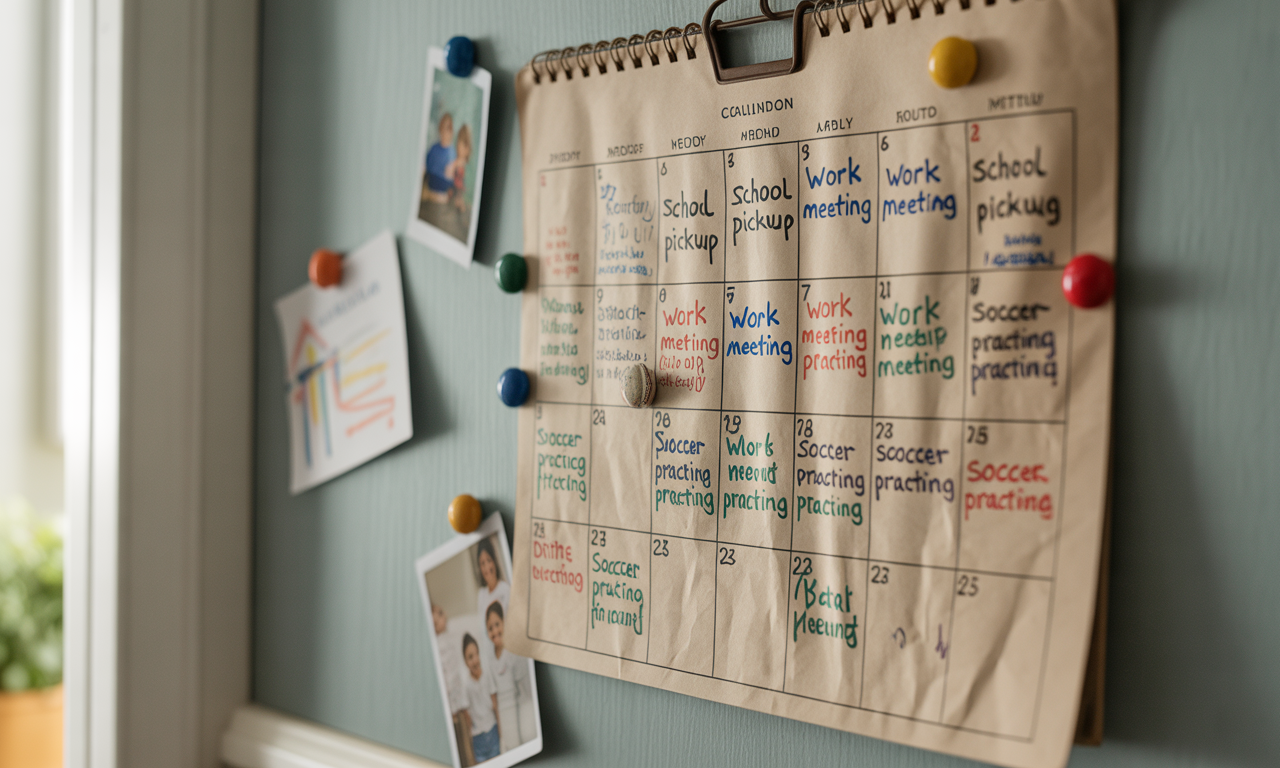
    Family calendar with full schedule, lacking space for couple connectionRoutines are essential for life-but dangerous for love if you’re not careful.

    When couples stop intentionally making time for each other, routine takes over:

    • Work
    • Kids
    • Chores
    • Bills
    • Bedtime

    You pass each other in the hallway, share glances over dinner, and fall asleep scrolling your phones. Days turn into weeks, and emotional distance grows.

    You’re not fighting. You’re just… not connecting.

    Routines that don’t include each other can slowly replace the bond you built.


    3. 10 Subtle Signs You’re Drifting Apart

    Wife sitting quietly at dinner, feeling emotionally disconnected in marriageRecognizing the early signs is key to reversing the drift before it becomes disconnect. Here are subtle red flags to watch for:

    1. Conversations feel surface-level
    2. You’re not excited to spend time together
    3. You prioritize screens over each other
    4. Physical intimacy is rare or feels forced
    5. You rarely laugh together anymore
    6. You stop noticing or complimenting each other
    7. There’s more silence than connection
    8. You feel lonely, even when together
    9. You stop reaching out during the day
    10. “We’re just roommates” starts to feel true

    If any of these sound familiar, don’t panic-just get intentional.


    4. Why Emotional Connection Needs Daily Maintenance

    Married couple enjoying morning coffee and conversation to stay emotionally closeLove doesn’t die-it fades through neglect.

    Think of emotional connection like a muscle. If you don’t use it, it weakens. But small, consistent reps-checking in, showing affection, making time-keep it strong.

    When you:

    • Share your thought
    • Validate each other’s feelings
    • Stay physically affectionate
    • Practice daily rituals together

    You maintain the glue that holds your marriage together.


    5. Micro-Moments That Strengthen Your Bond

    Married couple sharing subtle daily affection by touching hands as they passYou don’t need a weekend retreat to reconnect. The secret is in micro-moments-small, intentional acts of love and attention that create a deep emotional safety net.

    Examples:

    • A long hug after work
    • A sincere “How are you really feeling today-”
    • Making their coffee just the way they like it
    • A sweet text midday
    • Saying “thank you” even for routine tasks

    When you do these daily, they add up to a rich emotional connection.


    6. Creating a Daily Ritual of Connection

    Spouses connecting emotionally through a daily walk and open conversationConnection doesn’t happen by accident. It happens by habit.

    Try adding one or two rituals to your day:

    • 5-Minute Morning Check-In: Before the chaos of the day, connect. Ask, “How can I support you today-”
    • Evening Recap: Share one good thing and one stressor from your day
    • Unplug Hour: Pick a time (e.g., after dinner) where both of you put away devices
    • Gratitude Practice: Say one thing you’re thankful for in your spouse each night
    • Touchpoint Texts: A quick “thinking of you” during the day builds emotional closeness

    These simple rituals re-center your marriage every single day.


    7. Conflict, Silence, and Growing Back Together

    Couple sitting outside, having a serious but calm conversationDrift often includes silence-not just from busy schedules, but from unresolved hurts.

    If you’ve been avoiding conflict or pretending everything’s fine, here’s the truth:

    Healing doesn’t come from silence. It comes from safe, honest conversation.

    How to begin:

    • Start with “I miss you.” It’s softer than “You never…”
    • Use “I feel” statements instead of blame
    • Listen to understand, not to defend
    • Recommit to rebuilding-not overnight, but gradually

    You may need to relearn how to talk, trust, and touch again. That’s okay. Marriages are resilient when both partners are willing.


    8. Staying Close Through the Seasons of Life

    New parents nurturing their marriage while navigating a new season of lifeLife changes-babies, job transitions, illness, empty nests. Each season brings new challenges.

    But if you keep choosing each other-again and again-you won’t lose what you’ve built.

    How to Stay Close in Changing Seasons:

    • Adapt your rituals to fit your new normal
    • Communicate often about how you’re feeling
    • Create space for fun even when stressed
    • Remind yourselves why you fell in love

    Change doesn’t have to create distance. It can deepen intimacy-if you walk through it hand-in-hand.


    9. Final Thoughts: Your Marriage Deserves Attention Every Day

    Your Marriage Deserves Attention Every Day You don’t drift apart in a day. But you also don’t stay connected without effort.

    Marriage is a daily investment-one small choice at a time. The decision to listen. The choice to touch. The effort to look your spouse in the eyes and really see them.

    If you’re feeling the drift, it’s not too late.

    Today is the perfect day to move closer.


    Try This Tonight:

    3 Simple Questions to Reconnect With Your Spouse

    1. What’s something you’re stressed about right now-
    2. What’s one thing I do that makes you feel loved-
    3. What would make this week easier or better for you-
  • Marriage Help for When You’re Afraid to Ask for It

    Marriage Help for When You’re Afraid to Ask for It

    Introduction

    Admitting that your marriage needs help can feel like admitting failure.
    But in reality, it’s one of the bravest things you can do.

    If you’ve been silently struggling-feeling distant from your spouse, pretending everything’s fine, or fearing what others might think-this post is for you. You’re not alone, and you’re not broken. You’re simply human. And asking for help doesn’t mean you’ve failed. It means you care enough to try.

    In this post, we’ll walk through why it’s okay to need support, what kinds of help are available (even if therapy feels like too much), and how to take small but meaningful steps toward healing your marriage-with courage, clarity, and grace.


    1. The Silent Struggle Behind Closed Doors

    Anxious spouse holding phone, contemplating reaching out for marriage help but afraid to speak upSo many couples look fine on the outside-but inside, there’s a growing disconnect. You may smile at church, show up for the kids, and share a home-but not a heart.

    You may be:

    • Sleeping back-to-back
    • Avoiding hard conversations
    • Feeling more like roommates than lovers
    • Crying silently after another unspoken disagreement

    And yet, you haven’t told anyone. Why-

    Because it feels embarrassing. Because you think you should have it figured out. Because asking for help feels like waving a white flag.

    But here’s the truth: Marriage doesn’t fall apart because people seek help-it falls apart when people don’t.


    2. Why Asking for Help Feels So Hard

    Why Asking for Help Feels So Hard

    Even when we know things aren’t working, reaching out for help can feel terrifying. But why-

    a) Fear of Judgment

    We worry about what others will think-friends, family, even our spouse. We don’t want to be “the one with marriage problems.”

    b) Fear of Blame

    You might fear that asking for help will make your partner defensive or think you’re the problem.

    c) Fear of Change

    Sometimes, it’s not even the fight you’re afraid of-it’s what happens after the truth is out. What if it changes everything-

    d) Fear of Confirmation

    Deep down, you might be afraid that if you talk about it, you’ll realize how bad things really are.

    All of these fears are valid-but none of them should stop you from getting the support you need. Because your pain deserves a voice. And your marriage deserves a chance.


    3. What Asking for Help Actually Means

    Married couple silently holding hands, symbolizing quiet strength and the beginning of seeking help together.Asking for help doesn’t mean you’ve failed.
    It doesn’t mean your marriage is over.
    It doesn’t mean you’re weak.

    It means:

    • You care deeply.
    • You’re willing to fight for connection.
    • You know there’s something worth saving.
    • You’re courageous enough to tell the truth.

    You don’t need to have all the answers. You just need to take one honest step.


    4. If You’re Not Ready for Therapy-Here’s What You Can Do

    Spouse journaling private thoughts about marriage struggles as a first step toward healing.Therapy is an incredible tool-but it’s not the only starting point. If therapy feels too big, too expensive, or too intimidating right now, you’re not out of options.

    a) Start with a Journal

    Writing things down can help you clarify what’s going on inside.
    Try prompts like:

    • “What hurts the most right now-”
    • “What do I wish my partner knew-”
    • “What do I need, but haven’t said out loud-”

    This isn’t for anyone else. It’s for you-to give language to what’s been buried.

    b) Read or Listen to Stories Like Yours

    Books, podcasts, and online communities focused on marriage can make you feel less alone-and offer real strategies.

    Recommended Resources:

    • The 5 Love Languages by Gary Chapman
    • Hold Me Tight by Dr. Sue Johnson
    • Podcasts like “The Love Hour” or “Anatomy of Marriage”

    c) Choose One Safe Person to Talk To

    You don’t need to broadcast your marriage struggles to everyone. But consider talking to one trusted, emotionally safe person-a friend, mentor, or coach who will listen without judgment.


    5. What If Your Partner Isn’t On the Same Page-

    What If Your Partner Isn’t On the Same Page-One of the biggest blocks to asking for help is this:
    What if my spouse doesn’t think there’s a problem-

    It’s painful when you feel desperate for change, but your partner says, “We’re fine.”

    Here’s what you can do:

    a) Lead with Emotion, Not Accusation

    Instead of: “You never try.”
    Say: “I feel really disconnected lately, and I’m scared of where that could lead.”

    b) Focus on the Relationship, Not Just Them

    Say: “I want us to be better-not because I think you’re a bad partner, but because I miss feeling close.”

    c) Get Help for Yourself First

    You don’t need your spouse’s permission to get support. Talking to a counselor, coach, or support group solo can help you get stronger, regardless of their willingness (or readiness) to join you.


    6. The Power of Small, Brave Steps

    Small, brave moment of connection between spouses starting to rebuild emotional intimacyYou don’t have to change everything at once. Start small. These gentle shifts can make a big difference:

    • Send your spouse a kind message instead of criticism
    • Say what you really feel instead of hiding it
    • Take a break when overwhelmed instead of exploding
    • Admit, “I don’t know what to do,” and let that be enough for today

    Sometimes the bravest thing you can say is:
    “I need help.”
    Even if you whisper it. Even if you say it only to yourself first.


    7. What Healing Can Look Like (Even When It’s Messy)

    What Healing Can Look Like (Even When It’s Messy) Healing doesn’t always come in a dramatic breakthrough. Sometimes, it’s slow. Uneven. Filled with setbacks and small victories.

    It might look like:

    • A tough conversation that doesn’t go perfectly-but was honest
    • A moment of laughter that reminds you why you fell in love
    • A counseling session that feels awkward, but opens a door
    • A shift from silence to curiosity
    • A decision to fight for your marriage-not with force, but with tenderness

    Healing often starts quietly. But it does start-with a decision to stop hiding and begin reaching.


    8. Final Thoughts: You Don’t Have to Carry This Alone

    You Don’t Have to Carry This Alone If you’re afraid to ask for help in your marriage, you’re not weak-you’re human. And you’re not the only one.

    Countless husbands and wives are quietly aching, unsure how to begin. But your heart is speaking. Your pain is valid. Your longing for connection is sacred.

    Asking for help isn’t surrendering-it’s standing up for your love.
    For your family.
    For yourself.

    So here’s your permission:
    You can speak up.
    You can get support.
    You can be seen, even in your struggle.

    You don’t have to carry this alone anymore.

  • When Love Speaks Two Languages: Overcoming Communication Gaps in a Cross-Cultural Marriage

    When Love Speaks Two Languages: Overcoming Communication Gaps in a Cross-Cultural Marriage

    Love may be universal, but language is not. Effective communication in cross-cultural marriage can be challenging yet rewarding.

    In a world where more and more couples come from different cultural and linguistic backgrounds, many marriages are built on a foundation of love that transcends words. But that doesn’t mean communication is always easy. In fact, cross-cultural marriages often face one of the most overlooked challenges-the struggle to truly understand each other when English (or any common language) isn’t the native tongue for one or both spouses.

    Even when love is strong, it’s easy for misunderstandings to arise. A tone of voice may sound harsh when it’s not meant to. A joke might not translate. A word might be missing the emotional nuance the other partner needs to hear. The result- Frustration, confusion, and sometimes unintentional hurt.

    But here’s the truth: communication gaps don’t have to become permanent cracks in your relationship. With intentional effort, compassion, and a few proven strategies, couples who speak different first languages can experience deep, rich, emotionally safe conversations-and a thriving marriage.

    Let’s explore how.


    1. Understanding That Communication Is More Than Words

    Interracial couple using a translation app to communicate and laugh togetherBefore we jump into tools and techniques, let’s reframe how we think about communication.

    Many people assume communication is just about language. But in marriage, communication is emotional. It’s about tone, facial expression, body language, timing, and even silence. In fact, studies show that over 90% of communication is non-verbal. So even if your grammar isn’t perfect-or your spouse occasionally stumbles over a word-you can still have powerful, connected conversations.

    The key is not perfection-it’s presence.

    When both spouses are emotionally tuned in, misunderstandings are easier to navigate. And when you understand that your partner’s struggle to communicate isn’t a lack of care but a language barrier, it becomes easier to give grace.


    2. Embrace the Awkwardness (And Laugh Through It)

    Multi-ethnic couple laughing at the dinner table over a language mix-upLet’s face it: if one of you is translating thoughts in your head before speaking, conversations will feel slower. Sometimes what comes out won’t make much sense. Words might get mixed up. Idioms might be misunderstood. And yes-it can be funny.

    Learn to laugh together.

    Humor can be your secret weapon. Instead of feeling embarrassed when your spouse says “I’m hungry for your mind” instead of “I admire your intelligence,” embrace it. Let it become an inside joke. Create a culture of safety around mistakes so neither of you feels pressure to be perfect.

    A marriage that can laugh is a marriage that can last.


    3. Learn Each Other’s Language-Even Just a Little

    Multi-ethnic couple laughing at the dinner table over a language mix-upYou don’t have to become fluent in each other’s first language overnight. But making an effort to learn even a few phrases or cultural expressions sends a powerful message: “I care about your world.”

    Even saying “I love you” or “Thank you” in your partner’s native tongue can be a game-changer. It shows you’re willing to step into their shoes-and that’s the foundation of emotional intimacy.

    Some couples make it a shared goal to learn one new phrase a week from each other’s language. Others turn it into a fun game or bedtime ritual. What matters isn’t mastery-it’s the heart behind it.

    Love is spelled E-F-F-O-R-T.


     4. Use Tools That Support Translation and Understanding

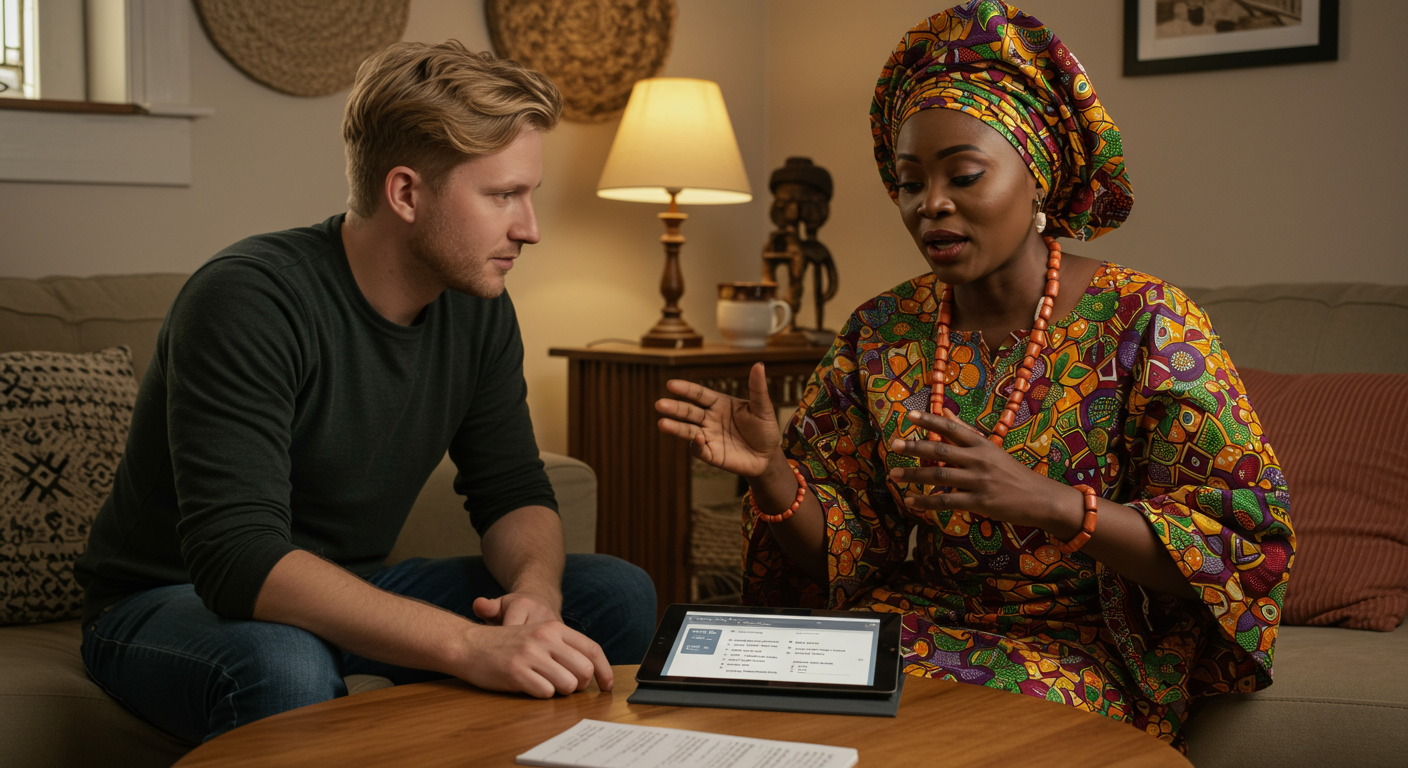
    ablet with a translation app open while couple discusses a sensitive topicThanks to technology, there are more resources than ever to help couples bridge the language gap:

    • Translation Apps like Google Translate or DeepL can help in real-time.
    • Language learning platforms like Duolingo or Babbel allow each partner to learn at their own pace.
    • Phrasebooks and flashcards can be kept on hand during tough conversations.

    Pro Tip: When discussing sensitive issues (like money, parenting, or intimacy), try writing your thoughts first in your preferred language, then translating them into your shared language. This gives you time to think, ensures clarity, and prevents misunderstandings.


    5. Practice Active Listening-It’s a Game Changer

    Couple from different cultures practicing active listening during a discussionWhen language isn’t fluent, it’s tempting to jump in and “fix” what your spouse is trying to say. But real communication starts with listening to understand, not listening to respond.

    Here’s how to practice active listening:

    • Make eye contact.
    • Repeat back what you think you heard (e.g., “Are you saying you felt ignored when I didn’t respond-”).
    • Ask clarifying questions gently.
    • Be patient and resist the urge to interrupt.

    Active listening is an act of love-and it helps slow the conversation down in a way that promotes mutual understanding.


    6. Create Safe Phrases for Frustration

    Couple calming down after a miscommunication using agreed safe phrasesAll couples argue-but when there’s a language gap, those arguments can spiral fast due to simple misunderstandings.

    One powerful technique is creating “safe phrases” to use when things get tense. These are neutral, pre-agreed sentences like:

    • “Can we take a break and come back to this-”
    • “I want to understand, but I need help.”
    • “Let’s pause. I love you.”

    These phrases become emotional life rafts when the waves of conflict get too high. They help you protect the connection while you work through the confusion.


    7. Learn About Each Other’s Communication Culture

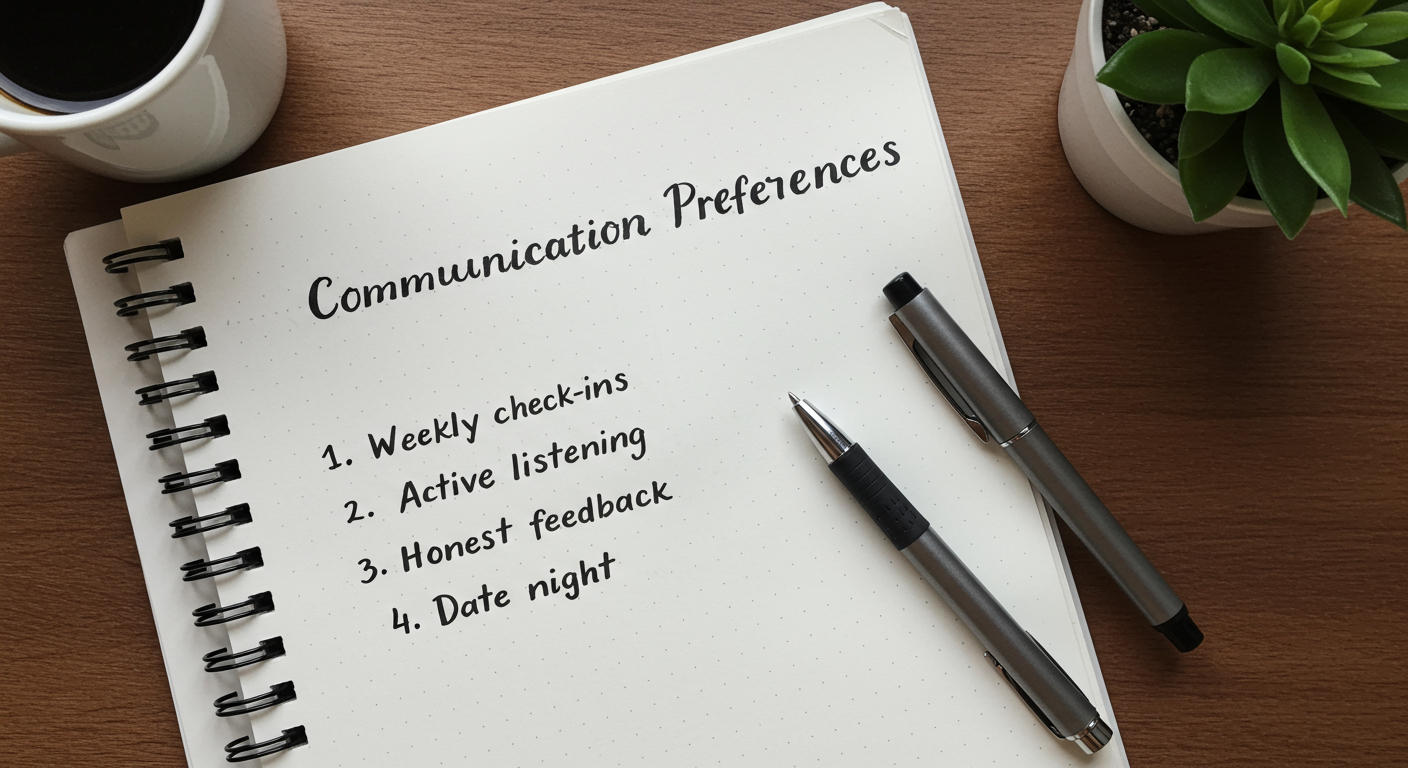
    Notebook showing cross-cultural couple’s communication boundaries and preferencesBeyond language, each culture has its own way of expressing emotions. In some cultures, directness is respected. In others, it’s seen as rude. Some families yell to show passion; others go silent to avoid shame.

    Understanding these differences can prevent major heartache.

    Have a conversation about your “communication upbringing.” Ask questions like:

    • Was it okay to express anger where you grew up-
    • How did your parents handle conflict-
    • What feels disrespectful to you during an argument-

    Knowing your spouse’s emotional culture is just as important as learning their spoken language.


    8. Celebrate Progress, Not Perfection

    Celebrate Progress, Not Perfection Every time you successfully navigate a tough conversation, celebrate it. Every time your spouse makes an effort to learn a new word in your language, celebrate it. Every time you avoid an argument through compassion and clarity-celebrate it.

    Progress is powerful.

    Cross-cultural couples are some of the strongest because they’ve had to build bridges where others already had roads. The communication work you do now makes your foundation deeper, your connection stronger, and your love more resilient.


    Final Thoughts: Love Beyond Language

    Final Thoughts: Love Beyond LanguageIf you and your spouse are navigating a language barrier, know this:

    You are not alone.

    Many couples face these challenges. And many go on to build marriages filled with laughter, clarity, passion, and peace. Communication isn’t about speaking the same language-it’s about fighting to be understood and choosing to listen, again and again.

    Love may not always be fluent, but it always has a voice.

    💬 Conversation Starter Questions (for Couples to Try Tonight):

    • What’s one word in your language that doesn’t translate well-but you wish I understood-
    • How can I be more patient when we have a misunderstanding-
    • What part of our communication makes you feel the most loved-