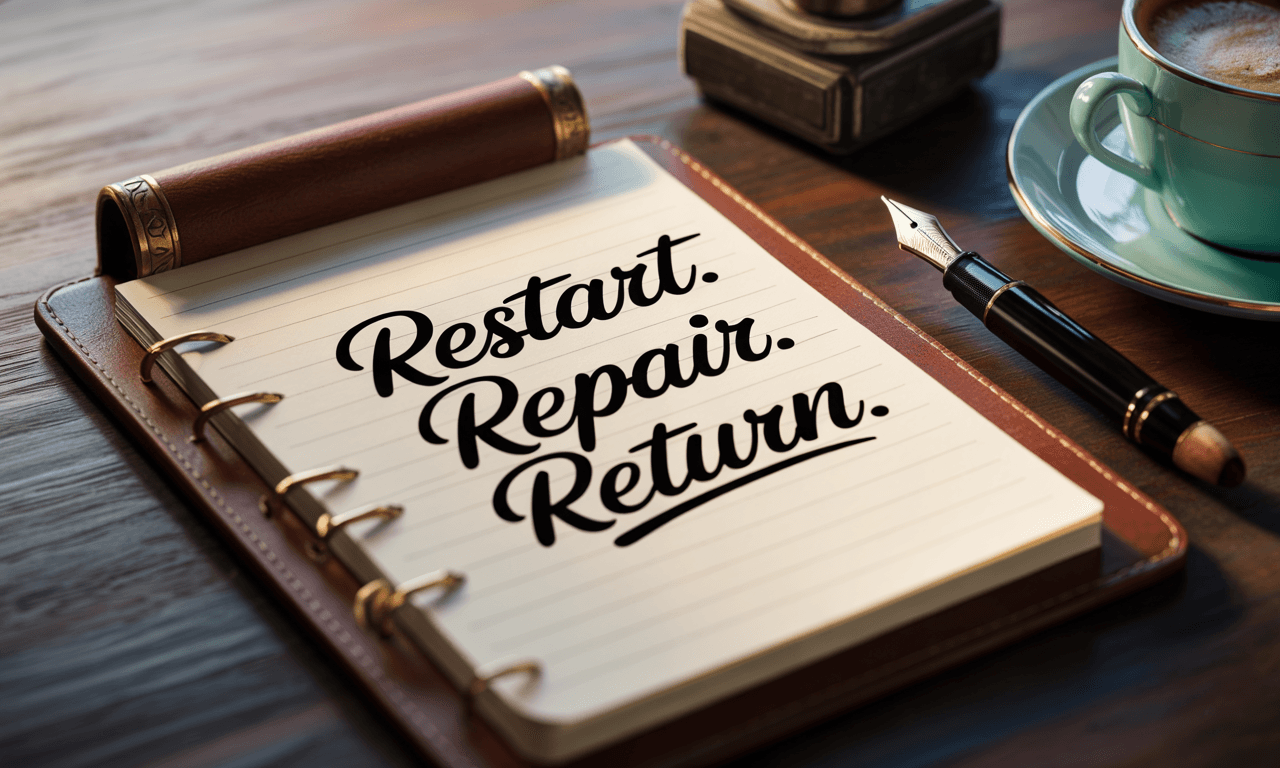
Tag: marriage mindset

  • “But I Didn’t Do Anything Wrong”: Why That Belief Blocks Emotional Maturity

    “But I Didn’t Do Anything Wrong”: Why That Belief Blocks Emotional Maturity

    Even when you didn’t cause the conflict, how you respond still matters. This post explores the subtle ways emotional immaturity shows up as moral certainty – and how emotionally mature couples learn to stay connected without denying their own experience.

    There’s a sentence that sounds harmless – almost factual. It’s the kind of thing you might say to a friend after a fight, or whisper to yourself while folding laundry in the cold aftermath of an argument:

    “But I didn’t do anything wrong.”

    Sometimes that sentence is true in a narrow sense. You didn’t start it. You didn’t raise your voice. You didn’t insult your spouse. You didn’t push the conversation into chaos. You were simply there when the moment went sideways.

    And yet… that sentence has a sneaky power.

    Because in a marriage, “I didn’t do anything wrong” often becomes more than a statement. It becomes a posture. A justification. A reason to withhold repair. A reason to stay distant. A reason to freeze the relationship until your spouse “admits it.”

    At Live Your Best Marriage, we’ve seen it over and over: couples don’t stay stuck because they lack love. They stay stuck because they keep turning conflict into a moral trial – where one person is innocent and the other is guilty. And once you decide you’re innocent, you often stop looking for your part in the pattern.

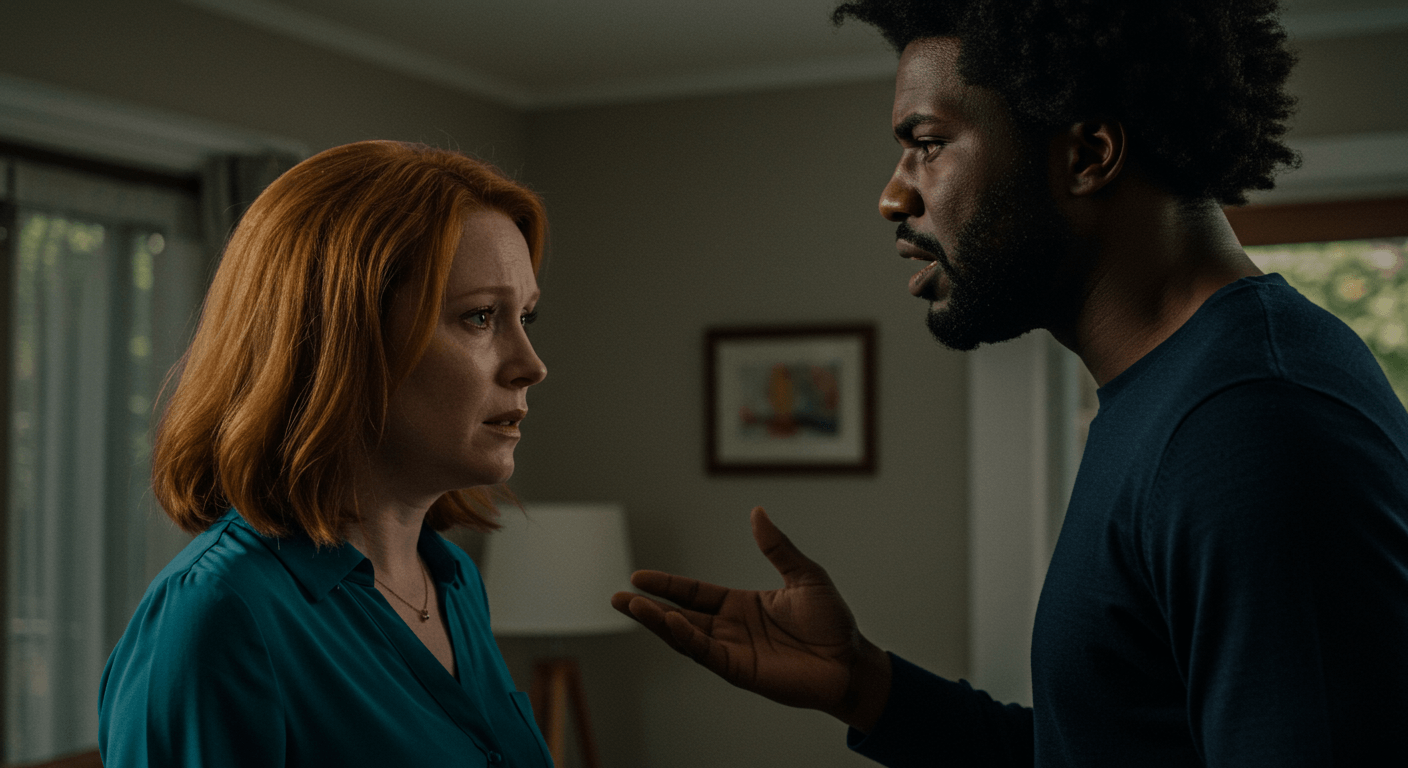
    I didn’t do anything wrong” mindset creating distance in marriageBefore we go further, an important note on safety and scope.

    This post is intended for healthy, non-abusive marriages navigating everyday conflict and communication challenges. It does not apply to situations involving physical abuse, emotional abuse, coercive control, intimidation, manipulation, or untreated severe mental health conditions. If you are experiencing fear, harm, threats, or ongoing emotional damage in your relationship, taking responsibility or initiating repair attempts is not the solution. In those cases, we strongly encourage you to seek help from a licensed therapist, counselor, pastor, or a trusted professional trained in abuse dynamics. Growth requires safety. Repair only works where mutual respect exists.

    Now, for everyday marriages with everyday conflict, let’s talk about why “I didn’t do anything wrong” can quietly block the very growth you want – and how emotionally mature couples handle these moments without denying their experience.


    “I Didn’t Do Anything Wrong” in Marriage: The Most Common Stuck Point

    Scorekeeping and “I didn’t do anything wrong” attitude in marriage conflictThe “I didn’t do anything wrong” mindset is common because it feels like justice.

    You want fairness.
    You want accountability.
    You want your spouse to own what happened.
    You want acknowledgment that you were hurt.

    And those desires are not wrong.

    But the problem is what happens next.

    When “I didn’t do anything wrong” becomes your stance, you often shift into waiting mode:

    I’m not apologizing.
    I’m not initiating.
    I’m not softening.
    I’m not moving toward you.
    I’m not repairing until you admit you were wrong.

    That waiting can feel like self-respect. But in many marriages, it turns into something else: a power struggle disguised as principle.

    If that sounds familiar, the previous post in this series will help you recognize the pattern: 100% Responsibility Doesn’t Mean 100% Blame: A Healthier Way to Show Up After Conflict at https://blog.liveyourbestmarriage.com/mindset/100-percent-responsibility-marriage explains how responsibility is empowerment – not self-betrayal.


    Emotional Immaturity Isn’t Always Loud – Sometimes It’s Moral Certainty

    When people hear “emotional immaturity,” they picture tantrums.

    Yelling.
    Name-calling.
    Storming out.
    Slamming doors.

    But emotional immaturity can also look calm and composed – because it hides in certainty.

    Moral certainty says:

    “I’m right.”
    “I’m the victim.”
    “I’m innocent.”
    “You’re the problem.”
    “Until you admit it, nothing changes.”

    That sounds strong. But it usually comes from fear.

    Fear of being blamed.
    Fear of being dismissed.
    Fear of being unseen again.
    Fear of being the only one who tries.

    So certainty becomes armor.

    The issue is: armor blocks intimacy.

    Because intimacy requires softness.
    And softness requires risk.

    That’s why emotionally mature couples don’t cling to innocence as identity. They pursue repair as a value.


    Why “I Didn’t Do Anything Wrong” Can Still Be Incomplete

    Let’s say you didn’t cause the conflict.

    Even then, there are still two realities that matter:

    1. Your spouse’s behavior may need accountability.
    2. Your response still shapes the outcome.

    If a fire starts in a room and you didn’t light the match, you still have choices:

    You can throw gasoline on it.
    You can walk away and let it burn.
    Or you can help contain it.

    In marriage conflict, your response is part of the system.

    Maybe you didn’t do anything “wrong,” but you still did something unhelpful:

    You got sarcastic.
    You rolled your eyes.
    You shut down.
    You stonewalled.
    You punished with silence.
    You refused to repair.
    You ignored a repair attempt.
    You made it about the past.
    You escalated after they escalated.

    None of that makes you “the bad one.”

    But it does mean you have a part in what happens next.

    This is the heart of emotional maturity: owning your influence – even when you didn’t start the mess.


    “But If I Repair, Won’t That Excuse Them-”

    Repair without excusing when you feel “I didn’t do anything wrong”This is where many spouses get stuck.

    They think repair equals excusing.

    But repair is not agreement. Repair is reconnection.

    You can reconnect without pretending the issue is fine.

    You can repair the rupture and still address the behavior.

    Here’s what that sounds like:

    “I want to be close again, but we still need to talk about what happened.”
    “I’m sorry for shutting down. I was overwhelmed. I also need you to hear why that hurt me.”
    “I don’t want distance between us. Can we calm down first, then come back to the issue-”

    That’s emotional maturity: warmth and truth together.

    If you want to go deeper into how repair can happen without surrendering your voice, read Why Healthy Couples Apologize Even When They Feel Wronged at https://blog.liveyourbestmarriage.com/connection/apologizing-when-hurt.


    The Difference Between Being Innocent and Being Helpful

    This might be the most important distinction in the series:

    You can be innocent and still be unhelpful.

    If your goal is to prove innocence, you’ll focus on:

    Who started it
    Who crossed the line
    Who owes who
    Who should apologize first

    That courtroom mindset is exactly what the cornerstone article warns about: Who Should Apologize First in Marriage- Why the Question Itself Keeps You Stuck at https://blog.liveyourbestmarriage.com/communication/who-should-apologize-first.

    But if your goal is a stronger marriage, you’ll focus on:

    What helps us repair
    What de-escalates us
    What restores safety
    What helps us learn
    What builds trust

    Emotionally mature couples choose helpfulness over innocence.

    Not because truth doesn’t matter – but because connection can’t survive constant prosecution.


    Common “I Didn’t Do Anything Wrong” Behaviors That Still Harm Connection
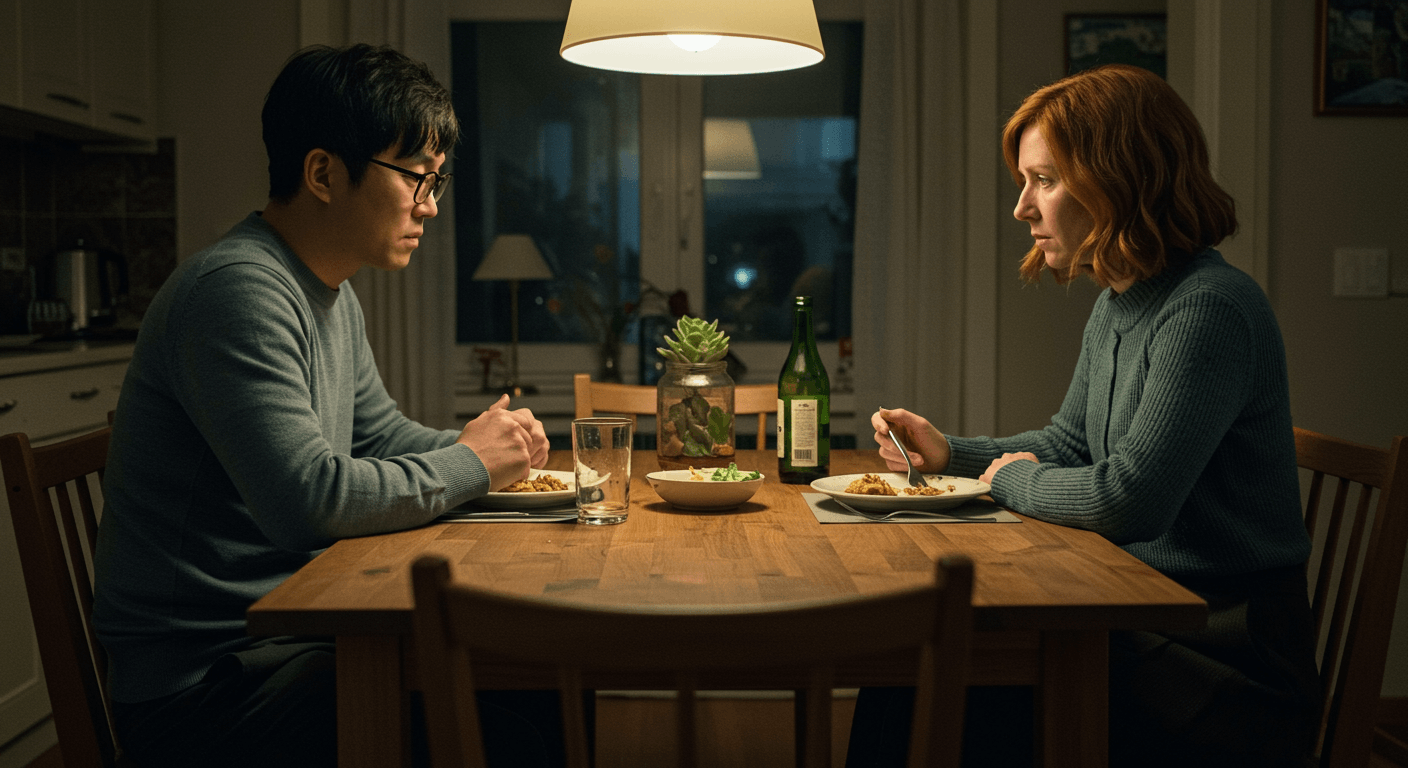
    Silent punishment from “I didn’t do anything wrong” mindset in marriageLet’s name a few patterns that often come from this mindset. Not to shame you – just to make the invisible visible.

    Withholding Warmth as Punishment

    You don’t yell. You don’t insult. You just go cold.

    Short answers.
    No eye contact.
    No affection.
    “No, I’m fine.”

    That’s not neutrality. That’s punishment.

    Ignoring Repair Attempts

    Your spouse tries to soften – maybe awkwardly – and you refuse to receive it.

    You don’t accept the olive branch because it wasn’t a full confession.

    Making the Apology the Entry Fee for Peace

    The relationship stays tense until your spouse pays the price.

    That’s a transactional marriage culture: closeness must be purchased.

    Keeping a Mental File

    You collect evidence. You track history. You bring up “always” and “never.”

    This fuels the scorekeeping trap. If that’s your pattern, read The Scorekeeping Trap: How Waiting for an Apology Turns Conflict Into a Power Struggle at https://blog.liveyourbestmarriage.com/conflict/scorekeeping-apologies.


    Emotional Maturity in Marriage: Staying Connected Without Denying Your Experience

    Here’s the fear behind maturity:

    “If I stay connected, I’ll have to deny how I feel.”

    But maturity doesn’t deny. It holds both.

    Emotionally mature spouses can say:

    “I’m hurt.”
    “And I still want to repair.”

    “I don’t agree with how that went.”
    “And I still want to stay close.”

    “I didn’t like that.”
    “And I still want to find our way back.”

    This is not weakness. It’s capacity.

    It’s the ability to tolerate discomfort without using distance as control.

    And that capacity is the difference between couples who grow and couples who repeat.


    The Two-Part Apology: How to Own Your Response Without Taking the Blame

    Two-part apology helps when you feel “I didn’t do anything wrong” in marriageIf “I didn’t do anything wrong” is your sticking point, try this approach.

    A two-part apology separates your response from the issue.

    Part 1: Own your response
    “I’m sorry for my tone.”
    “I’m sorry for shutting down.”
    “I’m sorry for interrupting.”

    Part 2: Name the issue you still need to address
    “But I still want to talk about what hurt me.”
    “But I still need clarity on what happened.”
    “But I still want us to do this differently next time.”

    This is responsibility without self-betrayal.

    If you need alternative “repair starters” beyond “I’m sorry,” read You Don’t Have to Say “I’m Sorry” First: 7 Ways to Start Repair Without Escalating Conflict at https://blog.liveyourbestmarriage.com/communication/repair-without-sorry.


    The Maturity Test: What Do You Do When You Feel Justified-

    Here’s a simple question that exposes the pattern:

    When you feel most justified, do you move toward your spouse – or away-

    Justification often comes with heat. It tells you:

    Protect yourself.
    Don’t soften.
    Make them pay.

    But love doesn’t grow through payback. Love grows through repair.

    This doesn’t mean you let things slide forever.

    It means you don’t use distance as a weapon.

    Maturity says:

    “I can be hurt and still be kind.”
    “I can be right and still repair.”
    “I can hold boundaries without holding grudges.”


    When “I Didn’t Do Anything Wrong” Is Actually a Mask for Fear

    Sometimes the sentence is a cover.

    Because what you really mean is:

    “I’m scared to admit I contributed.”
    “I’m scared I’ll be blamed for everything.”
    “I’m scared they won’t meet me halfway.”
    “I’m scared I’ll be alone in the effort.”

    That fear deserves compassion.

    But it also needs leadership – because fear doesn’t build a marriage you love living in.

    That’s why we focus so much on responsibility and repair in this series. Responsibility returns your agency. Repair returns your connection.


    A Practical Plan for the Next Conflict

    Next time you feel the “I didn’t do anything wrong” thought rise up, do this:

    1. Pause and name your feeling
      “I’m hurt.”
      “I’m angry.”
      “I’m embarrassed.”
      “I’m lonely.”
    2. Ask: “What do I want right now-”
      Acknowledgment- Comfort- Justice- Respect-
    3. Choose one repair attempt
      “I don’t want distance.”
      “Can we restart-”
      “I’m feeling flooded – can we pause and come back-”
    4. Own one piece of your response
      “I was sharp.”
      “I got defensive.”
      “I shut down.”
    5. Schedule the issue conversation
      “Let’s talk about the actual issue after we calm down.”

    This prevents the conflict from turning into a standoff.

    It also protects your dignity while protecting connection.


    Closing: Innocence Is Not the Goal – Intimacy Is

    If you take one thing from this post, let it be this:

    Being innocent might feel satisfying in the moment.
    But intimacy is what you actually want.

    The “I didn’t do anything wrong” mindset often keeps couples stuck because it makes the marriage about verdicts instead of growth.

    Emotionally mature couples don’t deny their experience.

    They simply refuse to let their experience become a prison.

    They learn to repair, return, and rebuild – without losing themselves.

    If you’re ready for the next step in the journey, the next post will help you practice repair in moments where words fail: Repair Attempts: The Most Underrated Skill in Strong Marriages at https://blog.liveyourbestmarriage.com/connection/repair-attempts-marriage.

  • 100% Responsibility Doesn’t Mean 100% Blame: A Healthier Way to Show Up After Conflict

    100% Responsibility Doesn’t Mean 100% Blame: A Healthier Way to Show Up After Conflict

    Taking responsibility in marriage doesn’t mean taking the fall for everything. It means owning your contribution – your tone, timing, reactions, and emotional regulation. This article reframes responsibility as empowerment, not self-betrayal, and explains why growth always starts with what you can control.

    If you’ve ever tried to “be the mature one” in your marriage and ended up feeling resentful, this post is for you.

    Because a lot of spouses hear “take responsibility” and translate it as:

    Be quiet.
    Let it go.
    Swallow it.
    Apologize even if they’re wrong.
    Carry the relationship on your back.

    That’s not what 100% responsibility means.

    At Live Your Best Marriage, we believe responsibility is not a punishment – it’s a pathway to power. Not power over your spouse, but power over your own choices. Power to interrupt old patterns. Power to repair faster. Power to become the kind of partner you respect – regardless of what mood your spouse is in.

    Before we go further, a safety note.

    Practicing 100% responsibility in marriage without taking 100% blameThis post is intended for healthy, non-abusive marriages navigating everyday conflict and communication challenges. It does not apply to situations involving physical abuse, emotional abuse, coercive control, intimidation, manipulation, or untreated severe mental health conditions. If you are experiencing fear, harm, threats, or ongoing emotional damage in your relationship, taking responsibility or initiating repair attempts is not the solution. In those cases, we strongly encourage you to seek help from a licensed therapist, counselor, pastor, or a trusted professional trained in abuse dynamics. Growth requires safety. Repair only works where mutual respect exists.

    Now let’s dig into what 100% responsibility actually is, why it’s so hard, and how it becomes one of the most freeing tools in a marriage.

     

    100% Responsibility in Marriage: The Phrase That Triggers People (And Why)

    For many spouses, “100% responsibility in marriage” sounds like an invitation to be taken advantage of.

    Especially if you’ve been the one who:

    Apologizes first
    Repairs faster
    Initiates hard conversations
    Tries to keep peace
    Reads books, listens to podcasts, prays, seeks growth
    Feels like the “emotional leader” by default

    When you hear “take 100% responsibility,” your nervous system might respond with: Great. Another way to say it’s all on me.

    But the real meaning is different.

    100% responsibility in marriage does not mean:

    You caused everything
    You should tolerate disrespect
    You should minimize harm
    You should absorb your spouse’s immaturity
    You should ignore boundaries
    You should stay silent to keep peace

    100% responsibility means:

    You own 100% of your part.
    Not their part.
    Not the entire story.
    Your part.

    That distinction changes everything.


    100% Responsibility Doesn’t Mean 100% Blame

    Blame and scorekeeping block 100% responsibility in marriageLet’s make this crystal clear.

    Blame is about assigning fault.
    Responsibility is about owning power.

    Blame says: “This is your fault, and you need to fix it.”
    Responsibility says: “Here’s what I can control, and I’m going to show up better.”

    Blame is past-focused.
    Responsibility is future-focused.

    Blame is about punishment.
    Responsibility is about repair.

    Blame asks: “Who started it-”
    Responsibility asks: “What do I do next-”

    If you’ve been stuck in the “who started it” loop, you’ll want to read the post before this one in the series, The Scorekeeping Trap: How Waiting for an Apology Turns Conflict Into a Power Struggle at https://blog.liveyourbestmarriage.com/conflict/scorekeeping-apologies. It explains how blame turns conflict into a standoff.


    Why Responsibility Feels Like Losing (Even When It’s Winning)

    So why does responsibility feel like losing-

    Because many of us learned that admitting fault leads to consequences:

    Getting mocked
    Getting shamed
    Getting blamed for more
    Being seen as weak
    Losing status
    Losing the argument

    So when conflict happens in marriage, we protect ourselves the same way:

    Defend
    Justify
    Explain
    Counterattack
    Withhold apology
    Wait for them to go first

    That’s why the question “who should apologize first-” becomes so loaded. Not because the order matters – but because we’ve linked apology to defeat.

    The cornerstone article for this series lays that out clearly: Who Should Apologize First in Marriage- Why the Question Itself Keeps You Stuck at https://blog.liveyourbestmarriage.com/communication/who-should-apologize-first.

    But responsibility is not defeat.

    Responsibility is leadership.


    The Two Kinds of Responsibility: Healthy vs. Self-Betraying

    Not all “responsibility” is healthy.

    Some spouses take responsibility in a way that actually damages them.

    Self-Betraying Responsibility

    This is when you take responsibility for things that are not yours:

    You apologize for your spouse’s behavior
    You take the blame to keep peace
    You accept disrespect to avoid conflict
    You stay quiet even when you’re harmed
    You always “understand” but never feel understood

    This isn’t maturity. It’s fear dressed up as virtue.

    Healthy 100% Responsibility in Marriage

    This is when you own your part without absorbing theirs:

    You apologize for your tone, not for their choices
    You repair the rupture without erasing the issue
    You regulate your emotions without denying your needs
    You stay respectful while staying honest
    You lead with humility while holding boundaries

    Healthy responsibility strengthens you.

    Self-betraying responsibility shrinks you.


    What Counts as “My Part” in Marriage Conflict-

    Emotional regulation is part of 100% responsibility in marriageMost couples only recognize “my part” if it’s dramatic.

    “I yelled.”
    “I cursed.”
    “I slammed a door.”
    “I insulted you.”

    But your part often shows up earlier and quieter.

    Here are common “my parts” that still matter:

    Tone: sharp, sarcastic, condescending
    Timing: bringing up heavy topics at the worst moment
    Assumptions: deciding what your spouse meant without asking
    Mind-reading: interpreting silence as hatred or intent
    Escalation: adding extra points to “make them feel it”
    Defensiveness: refusing to hear anything that feels like criticism
    Stonewalling: shutting down and disappearing emotionally
    Over-talking: dominating, interrupting, overpowering the conversation
    Withholding: affection, warmth, basic kindness as punishment

    These are not small things. These are the building blocks of marriage culture.

    When you practice 100% responsibility in marriage, you start noticing your contribution in real time – which gives you the power to change it.


    100% Responsibility in Marriage Starts With Emotional Regulation

    Here’s the part many couples miss:

    You can’t do responsibility well if you’re emotionally flooded.

    When your nervous system is in fight-or-flight, your brain isn’t trying to build intimacy. It’s trying to survive.

    That’s why people say things like:

    “I don’t care!” (when they do)
    “Whatever!” (when they’re hurt)
    “You always…” (when they feel powerless)
    “Fine.” (when they feel unseen)
    “Leave me alone.” (when they actually want reassurance)

    Emotional regulation is the foundation of responsibility because it’s what allows you to choose response instead of reaction.

    Try this simple regulation reset:

    Pause for 10 seconds
    Relax your shoulders
    Unclench your jaw
    Take one slow breath in, one slow breath out
    Ask yourself: “What am I feeling under this anger-”

    Often, under anger is:

    Embarrassment
    Fear
    Rejection
    Loneliness
    Disappointment

    That’s where honest responsibility begins.


    “If I Take Responsibility, Won’t They Get Away With It-”

    100% responsibility in marriage includes apology and clear boundariesThis fear is real.

    But here’s the truth:

    Your spouse “getting away with it” is not prevented by your defensiveness.
    It’s prevented by healthy boundaries and clear conversations.

    Responsibility is not the same as silence.

    You can say:

    “I’m sorry for my tone. I was sharp.”
    And also say:
    “But I still need to talk about what happened.”

    That’s the mature combination: repair plus truth.

    If you need help with that balance, you’ll appreciate Why Healthy Couples Apologize Even When They Feel Wronged at https://blog.liveyourbestmarriage.com/connection/apologizing-when-hurt. It explains how to apologize without surrendering your voice.


    The Empowerment Formula: Responsibility → Repair → Results

    Here’s the reason responsibility is empowering:

    When you take responsibility, you can take action.

    If the story is “they’re the problem,” you’re stuck waiting.
    If the story is “I have a part,” you have leverage.

    Not leverage over them – leverage over the pattern.

    Responsibility gives you:

    A new tone
    A new approach
    A new timing
    A better question
    A repair attempt
    A calmer nervous system
    A more honest conversation

    This is why growth starts with what you can control.

    Because control is limited – but influence is real.


    The Difference Between Accountability and Punishment

    Many spouses don’t trust responsibility because they’ve seen accountability weaponized.

    Accountability becomes punishment when it sounds like:

    “Admit what you did.”
    “Say you’re wrong.”
    “Pay for it.”
    “Grovel.”
    “You deserve this coldness.”

    That’s not accountability. That’s payback.

    Healthy accountability sounds like:

    “I want us to learn from this.”
    “I want us to repair and grow.”
    “I need to feel safe with you.”
    “Can we do this differently next time-”

    Accountability aims at improvement.
    Punishment aims at pain.

    If your marriage is stuck in punishment cycles, responsibility is the first step out – because it changes the emotional climate from “pay” to “repair.”


    100% Responsibility in Marriage: The Language That Makes It Work

    Words that help practice 100% responsibility in marriageIf you want responsibility to actually land well, use language that owns without blaming.

    Here are some examples you can use:

    “I see where I added heat to that.”
    “I was defensive. I’m sorry.”
    “I made an assumption instead of asking.”
    “I interrupted you. That was disrespectful.”
    “I didn’t handle my emotions well.”
    “I shut down. I know that felt lonely.”
    “I want to restart with a better tone.”

    Notice what’s not in these statements:

    “But you started it.”
    “I’m sorry you feel that way.”
    “I’m sorry, but…”
    “Here’s why I did it…”

    Responsibility doesn’t need a defense attorney.

    It needs sincerity.

    If “sorry” is hard to say in the moment, start with repair attempts. That’s the bridge. The practical toolbox is in You Don’t Have to Say “I’m Sorry” First: 7 Ways to Start Repair Without Escalating Conflict at https://blog.liveyourbestmarriage.com/communication/repair-without-sorry.


    When Both Spouses Practice 100% Responsibility, Conflict Shrinks

    This is one of the most hopeful realities in marriage:

    When both spouses practice responsibility, arguments get shorter.

    Not because you never disagree – but because you stop escalating the disagreement into a war.

    You stop stacking points.
    You stop re-litigating old issues.
    You stop punishing with silence.
    You stop demanding a “winner.”

    You learn to say:

    “I’m sorry for my part.”
    “Here’s what I need.”
    “Here’s what I heard.”
    “Here’s how we repair.”

    And conflict becomes less scary – because the relationship can recover quickly.


    A Simple Practice: The “My Part” Review After Conflict

    Try this after your next disagreement.

    Take 2 minutes privately and ask:

    What did I feel-
    What story did I start telling myself-
    What did I do that added heat-
    What could I do differently next time-
    What repair would help now-

    Then share one sentence with your spouse:

    “I’ve been thinking about my part. I want to own it.”

    This small habit transforms marriages over time because it replaces defensiveness with reflection.


    What If Your Spouse Doesn’t Take Responsibility-

    This is another real fear.

    Responsibility is easiest when it’s mutual.

    But your growth does not have to wait for their perfection.

    If your spouse struggles with responsibility, you can:

    Model it consistently
    Invite a shared process
    Name what you need without attacking
    Suggest counseling or mentorship for support

    You can say:

    “I’m working on owning my part more. I’d love if we could both practice that so repair feels safer for both of us.”

    This is an invitation, not a lecture.

    And if your spouse is willing – even a little – your marriage can shift dramatically.


    Closing: Responsibility Is the Doorway to Freedom

    If you’ve been afraid that 100% responsibility in marriage means taking 100% blame, let this be your release:

    You are not responsible for your spouse’s choices.
    You are responsible for your own.

    And that’s not a burden. That’s freedom.

    Because freedom is the ability to choose your response.

    It’s the ability to become a builder instead of a victim.
    It’s the ability to repair instead of punish.
    It’s the ability to grow even when conflict hits.

    Start here:

    Own your part.
    Repair quickly.
    Return to love.

    And if you want to keep following this guided journey, the next article helps you spot the internal mindset block that keeps couples from doing this: “But I Didn’t Do Anything Wrong”: Why That Belief Blocks Emotional Maturity at https://blog.liveyourbestmarriage.com/emotional-growth/i-did-nothing-wrong.

  • You Are Not a Domino: Why Your Childhood Doesn’t Get the Final Say in Your Marriage

    You Are Not a Domino: Why Your Childhood Doesn’t Get the Final Say in Your Marriage

    Your story started long before you ever said “I do.”

    You grew up watching how adults handled anger, affection, money, silence, and stress-and some of that wasn’t pretty. Maybe there was yelling, maybe there was stonewalling, maybe there was abandonment. Or maybe it all just looked “fine,” but warmth and real connection were missing.

    A lot of well-meaning voices will tell you that what happened back then is the main reason your marriage looks the way it does now-as if you’re just the last domino in a long line that’s been falling since childhood. Their message is subtle but powerful:

    • “You’re reacting this way because of your family of origin.”
    • “You can’t help it; this is how you were wired by your past.”
    • “Until you heal everything back there, you can’t really change here.”

    But You Are Not a Domino.

    You are not an object set up decades ago, helplessly toppled by events you can’t touch anymore. You are a person with agency, goals, and choices in the present. Your childhood influenced you, but it doesn’t get the final say in your marriage.

    In this cornerstone article for the Not a Domino series, we’ll challenge the idea that your family of origin gets to “cause” your current marriage. We’re not denying that your past shaped you-it did. We’re saying it doesn’t have to run you.

    Married couple walking forward together, choosing their future instead of being ruled by their pastYou’ll learn how to:

    • Honor your story without letting it become an excuse
    • Notice where “That’s just how I am” is quietly blocking growth
    • Move from victim of your past to steward of your present
    • Practice everyday habits that say, with your actions, “You Are Not a Domino”

    Along the way, we’ll show you how this post connects with the rest of the series-like digging deeper into your backstory in Family of Origin or Present Choice-, and reclaiming your power in Internal Locus of Love.


    Why “You Are Not a Domino” Matters for Your Marriage

    One domino standing upright while others fall, representing choice and agency in marriageThe “domino” picture is powerful because it feels so accurate.

    You can trace patterns in your life:
    “My dad was angry; now I blow up too.”
    “My mom never said sorry; I struggle to apologize.”
    “No one listened to me growing up; now I either yell or shut down.”

    So when someone tells you, “This is because of your family of origin,” there’s a part of you that sighs in relief. Finally, it makes sense. You’re not crazy; there is a pattern.

    The problem isn’t seeing the pattern. The problem is what you do next with that insight.

    If the story stops at, “My childhood made me this way,” you’re stuck. You’re still a domino.

    You might even start saying things like:

    • “If you knew what my childhood was like, you’d understand why I react this way.”
    • “I’m working on it, but this is just how I am. My past did a number on me.”
    • “Until I fully heal my inner child, I can’t change how I show up in our marriage.”

    There’s compassion there-and some truth-but there’s also a quiet, dangerous message: I am not really responsible for what I’m doing now.

    And when you remove responsibility, you also remove hope.

    The heart of You Are Not a Domino is this:

    Your past is not your fault, but your present is your stewardship.

    What happened to you wasn’t your choice.
    What you do now is.

    This doesn’t minimize your pain or ignore trauma. There are absolutely situations where deeper clinical work is needed, and we’ll talk about that later. But for most couples-who are reasonably healthy but stuck in old habits-repeating “It’s my family of origin” can quietly turn into a way of handing away your power.

    In the rest of this series, Family of Origin or Present Choice- helps you parse that line: what’s wise understanding, and what’s using your past as the only explanation.


    How Family-of-Origin Teaching Turned You into a Domino

    The “family of origin” framework can be very helpful. It gives language to things you’ve felt for years but couldn’t name:

    • “Oh, that’s why I panic when someone raises their voice.”
    • “That’s why I feel responsible for everyone’s emotions.”
    • “That’s why conflict terrifies me.”

    But somewhere along the way, the model can start sending another message:
    You are mostly the product of what happened to you.

    You may have heard stories like this:

    “She had an absent father, so she keeps looking for father figures in older men.”
    “He grew up in chaos, so he can’t handle calm, steady love.”

    In other words, the past causes the present like one domino knocking down the next. The implication is that your primary job is to understand the layout of the dominoes.

    • “Where were my needs not met-”
    • “Who failed me-”
    • “What type of attachment style did that produce-”

    Those questions can be useful-but they’re not enough.

    If all the focus is on diagnosing where the dominoes came from, there’s not much energy left for asking, “What can I do now-” You can end up with a very sophisticated understanding of your pain and almost no movement in your marriage.

    That’s why Family of Origin or Present Choice- challenges you to see your backstory as context, not destiny. You can say, “Given everything that’s true about my family of origin, what am I choosing to practice today in my marriage-”

    Because You Are Not a Domino automatically falling over. You’re a person who can stand up, look at the pattern, and decide how you want to respond now.


    What Your Past Actually Did (and Didn’t) Do

    Open journal showing columns for past events and present choices in marriageLet’s be honest: your past did a lot.

    Your childhood shaped:

    • What feels “normal” when it comes to conflict
    • How safe or unsafe it feels to be truly known
    • The assumptions you make about love (“It’s conditional,” “It disappears,” “It’s always there”)
    • The way your nervous system reacts to tone, silence, or intensity

    That’s real. You don’t have to pretend you grew up in a perfect home to be a good spouse. You also don’t have to pretend your past doesn’t still echo in your reactions.

    But here’s what your past did not do:

    • It did not remove your ability to make choices today
    • It did not cancel your capacity to learn new skills
    • It did not lock in one permanent way you must always respond
    • It did not decide what kind of partner you are allowed to become

    Think of your past as a starting point, not a final script.

    Imagine two people who both grew up with volatile parents:

    • Person A says, “Because my dad yelled, that’s just what I do.”
    • Person B says, “Because my dad yelled, I’ve decided I will learn a different way, even if it’s hard.”

    Same background. Different response.

    Person A lives like a domino.
    Person B lives like a builder.

    The difference isn’t who had more painful experiences. The difference is where they place their locus of control-inside or outside. That’s exactly what we unpack more deeply in Internal Locus of Love: how to move from, “Life and my past happen to me,” to, “We are actively building the marriage we want.”

    When you begin to see your past this way, You Are Not a Domino stops being just a nice phrase. It becomes a filter:

    • “Does this belief make me more of a victim or more of a steward-”
    • “Does this explanation give me power to act, or does it take that power away-”


    From Explanation to Excuse: When Your Backstory Starts Running the Show

    Person choosing between excuse and ownership doors representing responsibility in marriageThere is a difference between a helpful explanation and a limiting excuse.

    A helpful explanation sounds like:

    • “I get triggered when you raise your voice because of how my dad used to yell. I’m working on that, and I may need a moment to calm down.”
    • “I tend to over-apologize because I grew up feeling responsible for everyone’s emotions. I’m learning to own my part without carrying everything.”

    An excuse sounds like:

    • “You know I blow up because of how I was raised. That’s just how it is.”
    • “I shut down when you bring up problems; my childhood was rough. You can’t expect me to talk about this.”

    The first type of statement names the influence of the past but keeps ownership in the present. The second hands ownership over to childhood and leaves your spouse stuck with the fallout.

    Over time, this can make your backstory the boss of your marriage. Your partner might start feeling like they’re married not just to you, but to your entire childhood drama-and that it’s sacred ground no one is allowed to question.

    In From Explanation to Excuse, we go deeper into how to tell when you’ve crossed that line. For now, a simple test is this:

    If your explanation leaves you with no clear next step you’re willing to take, it’s probably turned into an excuse.

    “Because of my family of origin…” can be a doorway into understanding-or a wall that blocks transformation. You Are Not a Domino calls you to something braver: to look at your past, tell the truth about it, and still choose who you will be now.


    Shifting from Victim to Steward: Moving Your Locus of Control Back Inside

    If your past is the main character in your story, you will always feel like a supporting actor.

    • “My fear runs this show.”
    • “My parents’ marriage set the ceiling for what’s possible.”
    • “My trauma determines how far I can go.”

    That mindset places your locus of control-the place where you believe power lives-outside of you, in your history. As long as that’s true, change will feel impossible or purely theoretical. You might read all the marriage books, follow therapists on Instagram, and attend workshops, but you’ll still feel stuck because the script in your head says:

    “I’m broken because of my past. The best I can do is manage the damage.”

    But if You Are Not a Domino is true, then something shifts:

    • The past is input, not command.
    • Your reactions are understandable, but not inevitable.
    • Your marriage is influenced by your history, but designed by your choices now.

    This is where Internal Locus of Love comes in. It’s about moving from:

    • “We just drifted apart,” to “We stopped choosing connection, and we can start again.”
    • “I just explode; that’s how I’m wired,” to “I’m learning to pause, breathe, and respond differently.”
    • “Love happens or it doesn’t,” to “Love is a daily decision we practice with intention.”

    You stop waiting for your past to release you and start practicing habits that prove You Are Not a Domino.

    Here are a few very practical ways to shift from victim to steward in daily life:

    1. Change your language.
      Replace, “This is just who I am,” with, “This is how I’ve tended to react, and here’s what I’m working on doing differently.”
    2. Name your triggers and your tools.
      For example: “When you walk away during conflict, I feel abandoned. That’s my old story. My tool is to ask, ‘Are you coming back so we can finish this-’ instead of shutting down.”
    3. Own one small behavior at a time.
      Don’t try to rewrite your entire personality in a week. Start with one pattern-how you respond when you’re interrupted, how you talk about money, how you text during the day.

    As you do this, your internal narrative begins to change. Your mind hears your actions saying, over and over, “You Are Not a Domino.”


    Practicing “You Are Not a Domino” in Everyday Moments

    Married couple holding hands over a table, choosing connection in the present momentIt’s one thing to agree with the idea that “You Are Not a Domino.” It’s another to live like that on a Tuesday night when you’re tired, your spouse hits a nerve, and every part of you wants to default to the old script.

    So let’s bring this down to the ground. Here are some everyday moments where you can practice this truth.

    1. When You Feel Yourself “Going Off”

    Maybe your parent modeled yelling as the way to feel powerful. You sense that familiar surge: your heart races, your voice rises, and part of you is halfway back in your childhood kitchen.

    Old script: “When I’m mad, I blow up. That’s how my family is.”
    New script: “I learned yelling as my first language for anger. You Are Not a Domino-take a breath, lower your voice, say what you need.”

    Practice:

    • Step away for 60 seconds if needed.
    • Put your hand on a solid surface (counter, table) to ground yourself.
    • Say out loud, even quietly, “I want to handle this differently.”

    2. When You Want to Run from Conflict

    Maybe your family avoided hard conversations. Problems disappeared under rugs. Now, when tension rises, you feel a strong urge to escape into work, your phone, or tasks.

    Old script: “Conflict is dangerous; I need to disappear.”
    New script: “I learned to fear disagreement. You Are Not a Domino-I can stay present and curious.”

    Practice:

    • Say, “I’m feeling like running away right now, but I want to stay and understand you.”
    • Ask one clarifying question instead of defending yourself.

    If that feels impossible, you can say, “I want to talk about this, but I need ten minutes to calm down so I can stay present.” That’s very different from stonewalling.

    3. When Old Stories About Love Show Up

    If your childhood taught you that love is conditional-based on performance, behavior, or keeping the peace-your marriage will trigger those scripts.

    Old script: “If I upset you, you might leave.”
    New script: “That fear belongs to my old story. You Are Not a Domino-our marriage is built on covenant, not perfection.”

    Practice:

    • When you feel panic rise, say, “I’m afraid this means you’ll stop loving me. I know that’s my old fear talking, but I want you to know it’s there.”
    • Let your spouse remind you of reality, instead of letting your past narrate the moment.

    As you practice in these small ways, the message “You Are Not a Domino” becomes less of a concept and more of a habit. Your nervous system slowly learns, “Oh, we do things differently now.”


    Rewriting Your Story Together as a Couple

    One of the most powerful things about marriage is that you are no longer the only narrator of your life.

    You bring your childhood story. Your spouse brings theirs. Together, you get to write a new one.

    Instead of saying:

    • “My family always did it this way, so that’s how it has to be,”
      you can say,
    • “Here’s what I grew up with. What did you see- What do we want for our home-”

    You move from, “This is just the way it is,” to, “This is what we’re choosing.”

    Here are a few areas where you and your spouse can rewrite your story together:

    1. How we handle conflict
      • Will we raise voices or commit to calm tones-
      • Will we walk away with no explanation or say, “I’m coming back; I just need a minute”-
      • Will we attack or focus on the problem, not the person-
    2. How we show affection
      • Did you see affection growing up, or was it rare-
      • How often will you intentionally hug, kiss, or touch throughout the day-
      • What words of affirmation do you want to normalize in your home-
    3. How we repair
      • Is “I’m sorry” common or almost unheard of-
      • How will you model repair to your kids-
      • What does it look like to circle back after a tense moment and reconnect-

    When you have these conversations, you’re doing exactly what this series is about: recognizing that your family of origin influences you, but your present partnership gets the final say.

    Family of Origin or Present Choice- offers specific questions you and your spouse can use to talk through these differences without blaming each other’s families.

    You are writing a new chapter together-one that quietly tells your hearts, over and over again, “You Are Not a Domino.”


    When You Do Need Deeper Help (And When You Probably Don’t)

    There’s a tension we need to hold with care.

    On one side, there are couples who really do need clinical support. Past trauma, abuse, addiction, severe mental health conditions-these are not issues you can simply “mindset” your way out of. Professional counseling, trauma-informed care, and sometimes medication are wise, loving tools. If you suspect that describes you or your spouse, please don’t hear this article as, “Just try harder.” Getting help is not weakness; it’s wisdom.

    On the other side, there are everyday couples who are mostly healthy but stuck:

    • You snap at each other more than you’d like.
    • You avoid certain topics.
    • You blame your families a lot.
    • You feel bored or disconnected but can’t quite name why.

    For many of these couples, the constant focus on trauma language and deep diagnoses can send an unhelpful message: “Unless we’ve unpacked every layer of our past with a therapist, there’s nothing meaningful we can do.”

    That’s simply not true.

    You can start:

    • Taking responsibility for your tone
    • Practicing repair conversations
    • Building small connection habits
    • Naming when you’re using your past as an excuse

    You can start living like You Are Not a Domino before all the lights are green, before you fully “feel ready,” before you’ve done ten years of inner child work.

    And as you do, you may find that some of the heaviness you’ve been carrying isn’t actually trauma-it’s just long-term, unchallenged habits. That’s exactly the kind of pattern we explore more practically in From Explanation to Excuse, so you can see where deeper healing is needed and where you might simply be stuck in comfortable blame.

    If you reach a point where your reactions feel totally out of your control, or your marriage feels unsafe, that’s often a sign to bring in a wise counselor or pastor to walk with you. Getting help doesn’t cancel the truth that You Are Not a Domino-it reinforces it, because you’re taking active steps to steward your life.


    Putting It All Together: Designing a Future That Isn’t Ruled by Your Past

    Married couple planning together, intentionally designing their future instead of being defined by the pastLet’s step back and see the big picture.

    Your childhood mattered. It shaped your expectations, your fears, your instincts. It set up a line of dominoes that have absolutely been falling through your life.

    But right now, in your marriage, you are standing in the present with your spouse. And here’s the crucial truth:

    The dominoes can fall all around you, but You Are Not a Domino.

    You are not an object.
    You are not a summary of your wounds.
    You are not forever stuck in the first script you were handed.

    You are a person with:

    • The ability to notice your patterns
    • The power to make different choices
    • The courage to own your impact
    • The creativity to design new ways of relating

    When you and your spouse start living as if You Are Not a Domino, a few things change:

    1. You stop waiting for your past to let you go and start practicing new habits now.
    2. You stop blaming your parents or your personality for everything and start asking, “What can I do differently today-”
    3. You stop talking about your marriage as something that “just happened” and start treating it as something you two are actively building.

    And as you do, your heart slowly learns a new message:
    “My past is a place for lessons, not a life sentence. Our love is written in the present tense.”

    To keep walking this path, here’s how the rest of the Not a Domino series supports you:

    You don’t have to wait for your entire past to be “fixed” before you start showing up differently in your marriage. You can begin today-with one conversation, one pause before reacting, one small act of intentional love.

    Because no matter what came before, You Are Not a Domino. And your childhood doesn’t get the final say in your marriage.

  • Thankful on Ordinary Tuesdays: Learning to Appreciate the Marriage You Already Have

    Thankful on Ordinary Tuesdays: Learning to Appreciate the Marriage You Already Have

    Most couples are waiting for something.

    More money.
    More sleep.
    Fewer toddler meltdowns.
    A cleaner house.
    A calmer schedule.

    Until then, the marriage they actually have can quietly start to feel like a “before” picture. The real joy, the real connection, the real peace-those all belong to some future season, right-

    “We’ll be happy when the kids are older.”
    “We’ll enjoy each other when work slows down.”
    “We’ll feel close again once we get through this project / this debt / this move.”

    Married couple cooking a simple dinner together on an ordinary Tuesday, showing everyday gratitude in marriage.Meanwhile, you spend most of your life living in days that don’t look like a highlight reel at all: ordinary Tuesdays with dishes in the sink, random emails, half-finished conversations, and “What are we doing for dinner-” at 5:57 p.m.

    Gratitude quietly flips that script.

    When you learn to be thankful on ordinary Tuesdays, you stop treating your current life and your current marriage like a waiting room. You start noticing small gifts that have been here the whole time: a shared joke, the way your spouse hands you a mug of tea, the fact that-even imperfectly-you’re still trying.

    You’re not giving up on growth or better rhythms. You’re just training your heart to say, “We’re allowed to be thankful now.”

    In this post, we’ll explore:

    • Why we’re so tempted to live in “We’ll be happy when…”
    • How to become thankful on ordinary Tuesdays without pretending everything is perfect
    • Simple ways to see and appreciate the marriage you already have
    • Practical “everyday gratitude eyes” habits that fit inside busy, stretched lives
    • How to end the day feeling more like a team, using a 3-minute check-in

    We’ll connect this to the mindset foundation in “Your Marriage Follows Your Focus” at https://blog.liveyourbestmarriage.com/gratitude/your-marriage-follows-your-focus and to the simple nightly ritual in “The 3-Minute Gratitude Check-In: A Simple Ritual to End the Day on the Same Team” at https://blog.liveyourbestmarriage.com/gratitude/3-minute-gratitude-check-in so you can weave ordinary Tuesday gratitude into a bigger journey for your marriage.


    Why We Keep Waiting for “Someday” Instead of Being Thankful Now

    Calendar showing everyday busyness with a heart marking an ordinary Tuesday as a day for gratitude.Before you can become thankful on ordinary Tuesdays, it helps to understand why those ordinary days often feel like “not enough.”

    So many couples carry an invisible rule that sounds like:

    “We can relax and enjoy each other once everything calms down.”

    The problem- Real life almost never fully calms down.

    There’s always:

    • Another work project
    • Another sports season
    • Another bill
    • Another unexpected situation

    Your brain is wired to scan for problems so you can solve them. In survival mode, it leans toward:

    • What’s still undone
    • What’s not working
    • What needs to be fixed

    That problem-focused lens has a purpose-but when it becomes your only lens, your marriage is always on the verge of being good “someday,” never “today.”

    Even when you hit one milestone (pay off a debt, finish a degree, move to a better place), your mind quickly shifts to the next thing that needs improving. The target for “We can be happy now” keeps moving.

    The result-

    • Real moments of goodness rush past unnoticed
    • Your spouse’s small efforts get swallowed up by stress
    • Your home feels more like a project than a place to breathe

    Learning to be thankful on ordinary Tuesdays doesn’t mean you stop wanting more for your family. It means you stop postponing gratitude and connection until everything is ideal.

    That shift begins with your focus, which is why pairing this post with the cornerstone “Your Marriage Follows Your Focus” at https://blog.liveyourbestmarriage.com/gratitude/your-marriage-follows-your-focus can be so powerful. It shows how what you consistently look for becomes what you consistently feel in your marriage.


    Thankful on Ordinary Tuesdays: A Different Way to See Your Marriage

    Being Thankful on Ordinary Tuesdays is not a technique; it’s a way of seeing.

    Instead of looking at your marriage like a “before” picture that will only be beautiful after certain changes, you start asking:

    “What do we already have, right now, that’s worth appreciating-”

    You might notice:

    • The way your spouse always texts that they got to work safely
    • The fact that your home-no matter how small or cluttered-keeps you dry and warm
    • The way you both laugh at the same ridiculous meme
    • The simple routine of watching one show together after the kids are in bed

    None of those moments are Instagram-worthy. But they’re the fabric of your real life.

    When you learn to be thankful on ordinary Tuesdays, you’re gently telling your heart:

    “We don’t have to wait for the weekend, the vacation, or the next season to feel joy. We are allowed to notice goodness in this version of our marriage.”

    This doesn’t erase hard things: financial strain, exhaustion, conflict that still needs work. It simply says, “Hard doesn’t get to have the whole story.”

    The more you practice ordinary Tuesday gratitude, the more your nervous system begins to relax around your spouse. Instead of constantly scanning for what’s missing, you start seeing what’s present-and that changes the way you talk, touch, and respond to each other.


    Everyday Gratitude Eyes: Seeing the Marriage You Already Have

    Lived-in living room with clutter and a couple sitting together, representing everyday gratitude for the marriage you already have.“Everyday gratitude eyes” is just a simple way of describing the habit of noticing small, daily gifts on purpose.

    Most of us already have “everyday problem eyes.” We automatically spot:

    • The shoes in the walkway
    • The hair in the sink
    • The tone in our spouse’s voice
    • The bills waiting on the table

    Everyday gratitude eyes look at the exact same scene and also notice:

    • The shoes in the walkway… because someone came home
    • The hair in the sink… because you share a bathroom, a life, a story
    • The tone in your spouse’s voice… and the fact that they kept talking instead of shutting down
    • The bills on the table… and the fact that you’re working together to keep things going

    To practice everyday gratitude eyes, try these simple shifts:

    • When you see clutter, also look for signs of life
      “This living room is a mess… but it’s messy because kids live here, we live here, our life is happening here.”
    • When you hear your spouse sigh, also listen for intention
      “They sound tired… and they still showed up to help with dinner.”
    • When you feel the weight of the week, also feel the weight of your connection
      “This Tuesday is long… and I’m glad I’m not walking through it alone.”

    Being thankful on ordinary Tuesdays doesn’t mean pretending everything is beautiful. It just means you’re willing to let the small beautiful things count.


    Simple Ways to Be Thankful on Ordinary Tuesdays (Even When Busy)

    You don’t need hours of quiet or a perfect morning routine to feel thankful on ordinary Tuesdays. You just need tiny touchpoints that fit inside your already-busy day.

    Here are a few ways to build ordinary Tuesday gratitude into your real life:

    1. The “First Thought” Practice
      When you wake up, before checking your phone, choose one small thing about your spouse or your shared life to thank God for.

      • “Thank You that we’re still in this together.”
      • “Thank You that my spouse is healthy enough to go to work.”
      • “Thank You for the roof over our heads.”
    2. The Commute Gratitude Scan
      While driving, walking, or riding to work, scan yesterday for one moment you’re grateful for: a conversation, a meal, a shared smile. Let yourself replay it for 10–15 seconds.
    3. The “Thank You Text” Habit
      At some point during your Tuesday, send a short appreciation text:

      • “Thank you for working so hard for us.”
      • “I noticed you handled the kids this morning. I really appreciate it.”
    4. The Ordinary Gratitude List
      Once a week, list five completely normal things you appreciate about your marriage:

      • “We can sit in silence without it feeling weird.”
      • “We still laugh at each other’s jokes.”
      • “We share inside stories no one else would understand.”

    None of these practices require extra time blocked on your calendar. They’re about changing what you do with the moments you already have.

    If you want to see how these little focus shifts tie into a bigger mindset change, go back to the cornerstone “Your Marriage Follows Your Focus” at https://blog.liveyourbestmarriage.com/gratitude/your-marriage-follows-your-focus and notice how ordinary Tuesday gratitude fits the larger picture of training your attention.


    Ordinary Tuesday Gratitude Practices for Morning, Afternoon, and Night

    Husband and wife ending an ordinary Tuesday with a short gratitude check-in before sleep.To make Thankful on Ordinary Tuesdays almost automatic, you can build a simple “morning-afternoon-night” rhythm:

    Morning: Set Your Ordinary Tuesday Intention

    Before you fully dive into your day, take 30 seconds to set an intention:

    • “Today, I want to notice one good thing about my spouse.”
    • “Today, I will say ‘thank you’ out loud at least once.”

    You might even write it on a sticky note:
    “Be thankful on ordinary Tuesdays.”

    This doesn’t guarantee a smooth day, but it gently turns your radar toward gratitude in your marriage.

    Afternoon: Name One Small Gift

    Sometime in the afternoon, pause and ask:

    “What’s one thing that’s gone right today with us-”

    It could be:

    • You didn’t snap at each other over a small misunderstanding
    • You shared a funny text
    • Your spouse handled an errand or task without being asked

    Take a deep breath and let yourself feel that moment for just a little longer than usual.

    Night: Land the Day with a Gratitude Check-In

    Even if you’re tired, those last few minutes before sleep are a powerful place to practice being thankful on ordinary Tuesdays.

    You can do a quick verbal check-in:

    • “What’s one thing I appreciated about you today-”
    • “What’s one small thing that felt good between us-”

    This is exactly the sort of moment “The 3-Minute Gratitude Check-In: A Simple Ritual to End the Day on the Same Team” is designed for. At https://blog.liveyourbestmarriage.com/gratitude/3-minute-gratitude-check-in, you’ll find a simple framework you can use before bed to gently shift your focus from everything that went wrong to what went right-especially helpful on weary, ordinary nights.


    What If Your Ordinary Tuesday Is Hard-

    Some Tuesdays aren’t just ordinary-they’re heavy.

    • A tense conversation from the morning is still unsettled
    • One of you got difficult news
    • Work was overwhelming and home feels like more demand

    On those days, being thankful on ordinary Tuesdays might feel fake or forced.

    Here’s the good news: gratitude doesn’t have to be big to be real.

    On a hard Tuesday, your gratitude might sound like:

    • “Today was rough… but I’m thankful we’re still talking instead of going silent.”
    • “I didn’t like how we argued… but I’m grateful we circled back to say sorry.”
    • “I’m exhausted… but I’m glad you’re here next to me.”

    You’re not pretending everything is fine. You’re simply refusing to give the hard moments the power to define the entire day.

    If the day feels like a “zero,” look for a “0.5”:

    • A 20-second hug that happened anyway
    • A moment when you made eye contact and both sighed, knowing you’re in this together
    • A shared snack on the couch after the kids went to bed

    Those “0.5” moments matter more than they seem. They are small seeds of being thankful on ordinary Tuesdays-even the difficult ones. Over time, they grow into a different atmosphere in your home.


    How Ordinary Tuesday Gratitude Changes the Feel of Your Home

    Lived-in kitchen with dirty dishes and fresh flowers, showing how ordinary Tuesday gratitude changes the feel of a home.When you practice being thankful on ordinary Tuesdays, something subtle begins to shift:

    • Your tone softens
    • Your complaints get balanced with appreciation
    • Your spouse feels more seen for what they are doing, not only what they’re not
    • The house feels less like a pressure cooker and more like a place you can exhale

    Gratitude changes the “feel” of your home, often before it changes any circumstances.

    You might still be:

    • In a small apartment
    • In a busy season
    • In a tight budget

    But the emotional air turns from:

    • “We’re behind, we’re failing, we’re never enough”
      to
    • “We’re growing, we’re trying, we’re blessed in small but real ways.”

    Using the micro-moves from “Micro-Moves That Change the Atmosphere: A 30-Day Lead-by-Example Plan” at https://blog.liveyourbestmarriage.com/mindset/micro-moves-change-atmosphere can reinforce this. When you combine little gratitude gestures with small, steady actions, you quietly teach your home to breathe a new kind of air.


    Let Thankful on Ordinary Tuesdays Shape Your Long-Term Story

    Here’s the quiet truth: most of your marriage story will not be written on anniversaries, vacations, or big milestones.

    It will be written on:

    • School days and work days
    • Grocery runs and laundry loads
    • Moments on the couch after long days
    • Ordinary Tuesdays

    When you become Thankful on Ordinary Tuesdays, you’re not just improving your mood for today. You’re shaping the long-term story you’ll one day tell about your marriage.

    Instead of:

    “We spent years just getting through until life finally slowed down,”

    you’ll be able to say:

    “Life was crazy. Money was tight. We were tired. But we learned how to spot small joys in the middle of it. We held hands in the chaos. We laughed in the kitchen. We didn’t wait for perfect to be grateful.”

    That’s a different story.
    That’s a story you can be proud of.

    And it starts with one very simple choice:

    On this ordinary Tuesday, in this imperfect home, with this imperfect spouse and my imperfect self…

    “I will look for something to appreciate. I will practice being thankful now.”


    Start This Week: One Ordinary Tuesday Gratitude Challenge

    You don’t have to overhaul everything. Just choose one ordinary Tuesday this week and try this simple challenge:

    1. In the morning, write one sentence that begins with:
      “Today, I want to be thankful for…”
    2. At some point in the day, send one “thank you” text to your spouse about something specific.
    3. That night, before you fall asleep, say out loud:
      “One thing I loved about us today was…”

    You might feel awkward at first. That’s okay. You are building a new muscle.

    And as you practice being thankful on ordinary Tuesdays-again and again-you’ll discover that you don’t need a perfect season to enjoy your marriage.

    You just need open eyes, a willing heart, and the courage to say:

    “We are allowed to be thankful now.”

  • Olympic-Level Marriage: Showing Up with Grit, Grace, and Guts

    Olympic-Level Marriage: Showing Up with Grit, Grace, and Guts

    Imagine approaching your marriage the way athletes approach the Olympics:
    with full focus, relentless training, and an unwavering “no matter what” mindset. That’s not about perfection-it’s about preparation. It’s not about avoiding pain-it’s about pushing through it with purpose. In the world of sports, the difference between gold and forgotten is often just grit. The same is true in marriage.

    In this post, we invite you to embrace an Olympic-level marriage-not because it’s easy, but because it’s worth it. Whether you’re navigating small frustrations or big disappointments, this mindset can help you stay connected, grow stronger, and move forward together-with grit, grace, and guts.


    Train Like Champions: Great Marriages Don’t Happen by Accident

    Married couple running side by side in the morning light, symbolizing daily commitment and shared effort in an Olympic-level marriage.Olympic athletes don’t stumble into greatness. They plan. They practice. They prepare their minds and bodies long before they step into the spotlight.

    Why should marriage be any different-

    If we want lasting connection, we have to train for it. That means intentional date nights, tough conversations, conflict resolution skills, and personal growth. We have to build emotional endurance, spiritual focus, and mental strength-so we don’t collapse when things get hard.


    Grit Over Glamour: Marriage Is a Daily Choice

    Husband and wife quietly holding hands post-argument, showing the gritty effort of emotional connection in tough moments.There’s nothing flashy about early morning workouts or post-practice ice baths-and there’s nothing glamorous about working through your fourth disagreement in a week. But that’s where grit is forged.

    Grit is what keeps you choosing each other even when it’s not exciting. It’s cleaning up after an argument, not because you feel like it, but because love matters more than ego. Grit is saying “I’m sorry” first. Grit is being faithful in your thoughts when no one’s watching.

    Olympic-level marriages are built by couples who refuse to quit on hard days. They don’t mistake difficulty for disaster. They keep showing up.


    Grace for the Journey: Don’t Expect a Perfect Performance

    Couple comforting each other on a porch, reflecting the grace that defines enduring love.Olympians fall. Miss routines. Lose races. And they get back up.

    We need that kind of grace in marriage too. Grace for the stumbles. Grace for the misunderstood tones and dropped balls. Grace for our spouse, and grace for ourselves.

    An Olympic-level marriage isn’t about a flawless routine-it’s about getting better every day. And that requires a culture of forgiveness. When one of you falls, the other doesn’t ridicule-they reach. They help up. They cheer on.


    The Power of “No Matter What”

    Interlocked hands with wedding bands, symbolizing unconditional commitment in an Olympic-level marriage.Every Olympian has a “no matter what” moment. No matter how cold it is. No matter how tired I am. No matter how many setbacks I face-I keep going.

    Marriage needs this mindset too. “I’ll stay. I’ll work through it. I’ll love you when you’re not easy to love-not because you’re perfect, but because we made a vow.”

    This is the quiet courage of marriage. Not screaming love from the rooftops, but whispering it again and again in the dark. When trust is tested. When intimacy feels distant. When change is slow.

    We’ve got to stop making our love conditional on mood, season, or behavior. Olympic-level commitment says: I’m in. All the way.


    We’re on the Same Team: Fight for, Not Against, Each Other

    Smiling husband and wife high-fiving over dinner prep, reflecting the joy of teamwork in marriage.Olympians don’t compete against their own teammates-and neither should we.

    In marriage, it’s easy to fall into the trap of blame and scorekeeping. But couples with an Olympic-level mindset ask different questions: How do we win together- What needs to change so we can both thrive- How can I support you, even when I feel frustrated-

    You can disagree without becoming opponents. You can push each other without pushing each other away. When you remember that your spouse is your teammate, everything shifts.


    Mental Toughness: How We Handle Hurt Without Quitting

    Married couple in therapy session, building emotional resilience and mental toughness together.Pain is inevitable. In marriage, it’s emotional hurt-miscommunication, disappointment, moments when needs aren’t met. Mental toughness doesn’t mean pretending you’re not hurt-it means knowing how to recover without disconnecting.

    It’s choosing not to escalate. Not to punish. Not to walk away emotionally.

    Just like Olympians practice mental resilience, couples can learn emotional resilience. Through therapy, prayer, healthy habits, and support, we can stay connected even when we’re aching.


    Discipline Over Emotion: Love That’s Stronger Than Feelings

    Husband and wife sharing a quiet moment of prayer, showing the discipline of intentional connection.Olympians don’t always feel like training. They train anyway.

    You won’t always feel “in love.” You won’t always feel romantic. But marriage asks you to love anyway.

    Discipline in marriage means saying kind words when you’re irritated. It means showing up even when you’d rather shut down. It means holding your tongue, or holding your spouse’s hand, when emotions are all over the place.

    Discipline turns love from a feeling into a force.


    Rest and Recovery: Taking Breaks Without Quitting the Team

    Married couple walking through a park in peaceful silence, symbolizing emotional rest and reconnection.Even Olympians need rest. Recovery is part of the process-not a sign of weakness.

    In marriage, recovery might look like personal time, healthy boundaries, or asking for help. It’s okay to say, “I need a minute.” What’s not okay is quitting emotionally while pretending everything’s fine.

    Couples with Olympic-level commitment know how to pause without leaving. They breathe. They heal. And they return stronger.


    Rising After the Losses: Let Every Fall Teach You Something

    Serious couple journaling and processing emotions together, growing stronger after relational setbacks.Not every argument ends in resolution. Not every apology feels complete. Sometimes things just… sting.

    But Olympic marriages use every loss as a learning moment. They don’t run from tension-they mine it for wisdom. They look at patterns. They ask hard questions. They get better, together.

    When you stop seeing failure as final, you start using it as fuel.


    Celebrate the Wins-Even the Small Ones

    Joyful couple sharing a laugh in the kitchen, celebrating everyday victories in marriage.Olympic athletes don’t wait until gold medals to celebrate. They cheer for progress. For personal bests. For breakthroughs.

    Do you-

    In marriage, we must learn to celebrate progress. The honest conversation. The gentle response. The laughter after a hard week. These are wins. And when you honor them, you build momentum for more.


    Conclusion: Grit, Grace, and Guts Will Carry You Further Than You Think

    An Olympic-level marriage doesn’t require perfection. It demands presence. A willingness to train, to fight, to forgive, and to keep going-especially when it’s tough.

    It’s a mindset. A rhythm. A commitment to give your all, not just when it’s convenient-but because you know it’s worth it.

    So lace up. Show up. Play through the pain when needed. Rest when you must. And keep loving-with grit, grace, and guts.

    Because your marriage isn’t just a partnership-it’s your team, your legacy, your gold.

  • Enemies in the Same House: Why Some Marriages Feel Like a Warzone

    Enemies in the Same House: Why Some Marriages Feel Like a Warzone

    You didn’t marry an enemy. But if your home feels like a battlefield more than a sanctuary, you’re not alone.

    Many couples begin with love, shared dreams, and sincere promises. But somewhere along the way, something shifts. The person you once trusted feels more like a rival. Conversations turn into confrontations. Every glance feels like a judgment. Every request sounds like a demand.

    It’s not that love disappeared-it’s that fear, defensiveness, and resentment slowly replaced friendship, trust, and peace.

    If your marriage feels more like a warzone than a safe haven, this post is for you. We’ll explore what causes this shift, how to recognize when you’re treating your spouse like a threat, and-most importantly-how to rebuild the trust that helps you see each other as teammates, not enemies.


    How a Loving Marriage Becomes a Warzone

    Married couple feeling emotionally distant, symbolizing conflict in marriageIt rarely happens overnight. The shift from connection to conflict often starts small:

    • A critical tone here.
    • A dismissive response there.
    • A repeated misunderstanding that never gets repaired.

    Eventually, you start bracing for conflict, even when none is present. Your nervous system treats your spouse like a potential attacker rather than a trusted partner.

    And in that space, the marriage becomes less about us and more about me vs. you.


    Recognizing When You See Your Spouse as the Enemy

    Marriage conflict escalating due to miscommunication and emotional defensivenessIt’s easy to spot conflict in a marriage-but harder to recognize the mindset behind it.

    Here are a few signs you might be treating your spouse like an adversary, even unintentionally:

    • You assume bad intent behind their actions or words.
    • You feel the need to “win” every disagreement.
    • You keep emotional score and bring up old mistakes often.
    • You brace for criticism whenever they speak.
    • You avoid vulnerability because you fear it will be used against you.

    These patterns aren’t always loud or explosive-but they erode trust silently. And over time, they create a dynamic where both partners feel isolated and unseen.


    The Dangerous Cost of Emotional Defensiveness

    Emotional defensiveness preventing healthy communication in a struggling marriageWhen couples live in a state of ongoing emotional defense, they spend more energy protecting themselves than connecting.

    This constant tension:

    • Creates emotional fatigue
    • Drains joy from the relationship
    • Turns small issues into major fights
    • Prevents true healing or understanding

    Living in a marriage where you feel you have to defend your every move is exhausting. It hardens your heart. And once your heart starts to close, resentment moves in-and becomes incredibly hard to evict.


    Why You Must Choose Partnership Over Position

    Married couple solving problems as a team, symbolizing emotional partnershipWhen marriage becomes a warzone, every disagreement becomes a position to defend-instead of a problem to solve together.

    Teammates don’t compete against each other. They fight for each other. But in emotionally hostile marriages, every issue turns into:

    • “You always do this.”
    • “You never understand me.”
    • “You only think about yourself.”

    These statements don’t solve anything. They just reinforce the distance.

    To break the cycle, you must shift from “I need to be right” to “I want us to be well.”

    That shift can’t happen if your spouse feels like your enemy. It can only happen when you return to the foundation of friendship-where empathy matters more than ego.


    The Root of Hostility: Fear and Unmet Needs

    Spouses creating space for emotional vulnerability and healingOften, hostility in marriage isn’t about hatred-it’s about hurt.

    Under the defensiveness, blame, or silence, there’s usually a deeper story:

    • “I don’t feel heard.”
    • “I feel alone in this.”
    • “I’m afraid I don’t matter to you anymore.”

    When we don’t express these fears clearly, we express them as control, criticism, or withdrawal. And our spouse-already feeling the same-responds in kind.

    It becomes a vicious cycle: hurt creates fear → fear creates attack → attack creates more hurt.

    The only way to disrupt the cycle is to name the fear-and return to vulnerability.


    Steps to Disarm the Conflict and Rebuild Connection

    Married couple reconnecting after conflict, choosing vulnerability and forgivenessTurning your marriage from a warzone back into a friendship won’t happen with one conversation. But it can begin with one intentional choice.

    Here are some first steps:

    1. Assume Good Intent
      Even if your spouse messes up, start with the belief that they didn’t intend to hurt you. This one habit can change the tone of every interaction.
    2. Own Your Part
      You don’t have to take full blame to take some responsibility. Ask yourself, “How have I been contributing to the tension-”
    3. Lower the Volume, Raise the Empathy
      Speak softer. Listen longer. Interrupt less. It’s hard to fight with someone who is genuinely trying to understand you.
    4. Choose Curiosity Over Criticism
      Ask questions. “Can you help me understand what you meant-” opens a door that “You always do this” slams shut.
    5. Don’t Wait to Repair
      You don’t need a perfect apology script. Just say, “That didn’t go the way I hoped. Can we try again-”


    How Friendship Replaces Resentment

    Married couple restoring connection through playfulness and friendshipFriendship is the most powerful antidote to resentment. Why-

    Because friends…

    • Assume the best.
    • Extend grace.
    • Laugh together often.
    • Show up when it’s hard.
    • Want the other person to win too.

    In marriage, friendship means treating your spouse as someone on your side-not someone in your way.

    When you return to friendship, you remember:

    • Their annoying habits aren’t personal attacks.
    • Their silence might be fatigue, not rejection.
    • Their tone might be stress, not contempt.

    This shift doesn’t require a new personality-it requires a new lens.


    What If You’ve Been in a Warzone for Years-

    Spouses seeking help to repair emotional disconnect in long-term marriage conflictMaybe the conflict isn’t new. Maybe this dynamic has become your norm.

    If so, don’t be discouraged. Long-standing tension can be untangled-but not with blame, force, or ultimatums.

    Start small:

    • Stop keeping score.
    • Begin expressing what you appreciate.
    • Practice staying calm when triggered.
    • Choose one moment each day to build peace instead of pressure.

    And if needed, seek support. A counselor, coach, or trusted mentor can help you reframe your dynamic and break old patterns.

    You don’t need a massive breakthrough. You just need the first step toward softness.


    You Married a Teammate-Not a Threat

    Marriage healed through intentional connection and emotional safetyIt’s easy to forget when you’re in survival mode. But you didn’t marry an opponent.

    You married someone you once couldn’t wait to share life with. And they probably still want the same thing you do: peace, love, respect, connection.

    So what would happen if, starting today, you treated them like your teammate again-

    • If you stopped assuming offense and started offering grace-
    • If you stopped defending and started listening-
    • If you remembered that friendship-not friction-is what you both crave-

    The warzone doesn’t have to be permanent. Peace is possible. But it starts with seeing your spouse not as a threat-but as a friend worth fighting for.