Tag: marriage rhythms

  • Connection in Motion: The Art of Staying Aligned While Life Moves

    Connection in Motion: The Art of Staying Aligned While Life Moves

    Life won’t slow down, but your connection doesn’t have to lag behind. This post helps you create “in-motion intimacy”-habits that travel with you through commutes, errands, and transitions. You’ll learn to transform ordinary in-between moments into emotional touchpoints that keep love active even on your busiest days.

    couple staying emotionally connected while walking together through a busy day


    Why Connection in Motion Matters

    couple turning an ordinary commute into a moment of connection and laughterMost couples wait for calm moments to connect-but what if calm never comes- Between traffic, meetings, school runs, and dinner prep, life rarely pauses long enough for perfectly timed intimacy.

    That’s why “connection in motion” matters. It’s the practice of keeping emotional alignment active while life keeps moving. It’s less about carving out time and more about carrying connection with you through the day.

    This mindset turns errands into mini-dates, car rides into check-ins, and shared routines into rituals. Instead of waiting for peace, you learn to build connection inside motion.

    If you’ve already read Adapt on Purpose: Build Rhythms That Flex When Life Changes, you’ll recognize the same spirit here-adaptability, but now applied to emotional connection itself.


    The Myth of “When Things Slow Down”

    couple sharing music through earbuds turning errands into shared experienceMany couples live by the illusion that connection will be easier “after this week” or “once things settle.” But real life doesn’t run out of seasons that stretch you. The moment one phase eases, another begins.

    Waiting for life to slow down before you reconnect is like waiting for an ocean to stop having waves. The key isn’t waiting-it’s learning how to float together in motion.

    Connection in motion is the antidote to the someday mindset. It replaces postponement with presence. You stop saying, “We’ll talk when it’s quieter,” and start saying, “Let’s connect as we go.”


    Redefining Intimacy: From Stillness to Flow

    couple sharing quick morning moment showing intimacy in motionWe tend to imagine intimacy as stillness-quiet dinners, deep eye contact, candlelit nights. Those are beautiful, but rare.

    Connection in motion expands the definition. It’s intimacy that breathes between appointments, through car windows, across text messages, and over coffee counters.

    It’s the look exchanged while the kids get ready. The gentle hand squeeze before one of you leaves for work. The way you text “Still thinking about you” during a long meeting.

    When love can travel, it doesn’t get lost in movement.

    For more on how small daily actions create big emotional dividends, read Micro-Adjustments, Major Results: The 5-Minute Habit Audit for Couples. It’s the tactical twin to this post.


    The Science of Staying Aligned

    couple walking hand in hand showing daily physical connection that reinforces emotional alignmentEmotional connection isn’t magic-it’s maintenance. Neuroscience shows that couples who experience “emotional micro-moments” throughout the day sustain higher relationship satisfaction and lower stress levels.

    These moments-smiles, short texts, supportive gestures-trigger oxytocin, the bonding hormone. They also regulate your nervous system, which keeps communication calmer when conflict does arise.

    So connection in motion isn’t just romantic; it’s physiological. The brain doesn’t need long talks to feel safe-it needs frequent reminders of affection.


    How to Create “In-Motion Intimacy”

    couple using short morning moments to stay connected before workBuilding connection in motion is less about adding new habits and more about reimagining your existing ones.

    Here’s how:

    1. Identify transition zones. Where are your shared intersections-morning routines, commutes, mealtimes- These are your connection opportunities.
    2. Add one signal per transition. A smile, a touch, a text, or a shared joke.
    3. Use mini-reflective cues. Ask one short question like “How’s your head-” or “What’s been good today-”
    4. Keep it light, not loaded. The goal isn’t deep discussion-it’s emotional presence.

    This transforms the day’s motion into momentum for your relationship.


    Connection Cues That Travel

    couple staying emotionally connected through digital touchpoints during the dayHere are small, repeatable cues that build connection even while life moves fast:

    • Verbal cues: “Thinking of you,” “You’ve got this,” or inside jokes only you share.
    • Physical cues: A quick shoulder touch, leaning in briefly during chaos, or passing notes in the car.
    • Digital cues: Sending a photo, meme, or prayer text mid-day.
    • Environmental cues: Using shared playlists or reminders (like a “grace text” alarm).

    Connection cues act like emotional breadcrumbs. They guide both partners back to “us” even when schedules pull you apart.

    For couples balancing work and family chaos, Grace in the Gap: Giving Each Other Slack When Plans Meet Reality offers practical language for these in-between moments.


    The Commute Connection

    couple bonding through conversation during commute representing connection in motionIf you commute together-or even separately-this is prime connection space. It’s a natural container: predictable, limited, and mostly uninterrupted.

    You can:

    • Ask “light + deep” questions (one fun, one reflective).
    • Create a playlist of shared songs or podcast episodes.
    • Start a gratitude game: one thing you appreciated yesterday, one thing you’re looking forward to today.

    Commutes transform from dead time into connective time when you choose to fill them with meaning.


    Errands as Emotional Practice

    couple turning errands into playful teamwork showing in-motion connectionErrands might feel mundane, but they’re ripe with relational opportunity. Every Target run, grocery list, or gas stop can be a stealth date if you frame it right.

    Try these micro-shifts:

    • Hold hands in aisles. Physical touch grounds energy.
    • Share roles playfully. One shops, one pushes the cart and compliments.
    • Use humor. Inside jokes neutralize task stress.
    • Celebrate completion. “Team us just crushed another grocery run!”

    Every shared task can either drain or deposit into your relationship-your tone determines which.


    The Power of Predictable Touchpoints

    couple sharing predictable goodbye ritual reinforcing emotional securityConnection thrives on predictability. Having recurring “micro-rituals” throughout your day builds emotional trust.

    For instance:

    • Morning hug before parting.
    • “Text when you arrive” message with warmth.
    • 10-second decompression hug when reuniting.
    • Saying goodnight with a gratitude word.

    These consistent signals form emotional anchors amid motion. They whisper, “I’m with you,” even when you’re apart.


    How to Stay Aligned During Transitions

    couple working together during life transition maintaining emotional alignmentTransitions-like moving homes, changing jobs, or shifting parenting seasons-test alignment.

    Use “connection checkpoints” during major changes:

    1. Pause to name what’s changing. Awareness prevents resentment.
    2. Ask what feels overwhelming or exciting. Validation builds empathy.
    3. Recommit to one stabilizing habit. (e.g., Sunday walks, prayer before bed).

    Connection in motion isn’t about avoiding turbulence-it’s about holding hands through it.

    For more guidance, see The Two Creations: Turning Intentions into Daily Practice in Marriage, which teaches how to translate goals into grounded habits.


    Staying Emotionally Synchronized

    couple checking emotional alignment through gentle conversationWhen life moves fast, emotional lag happens-one partner processes slower or feels left behind. To stay synchronized:

    • Check tone before assuming meaning.
    • Ask, “Are we still on the same page emotionally-”
    • Use “micro-updates” throughout the week about stress levels.

    Synchronization isn’t sameness-it’s awareness. You don’t have to feel identical; you just have to stay attuned.


    Communication on the Go

    digital messages showing how couples stay emotionally connected throughout the dayConnection in motion thrives when communication moves with you.

    Tips for mobile communication:

    • Use short voice notes instead of long texts.
    • Respond with emojis or affirmations when you’re busy.
    • End messages with warmth: “Love you,” “Proud of you,” or “Can’t wait to see you.”
    • Use humor-shared laughter bridges distance instantly.

    Even small exchanges sustain the emotional thread that keeps you tethered.


    Managing Energy, Not Just Time

    couple conserving energy and maintaining connection through mindful shared activityConnection in motion depends less on time management and more on energy stewardship.

    Ask weekly:

    • When are we most available emotionally-
    • What drains us that could be shifted or shortened-
    • What gives us life we could do more of together-

    A five-minute talk at your best energy moment beats a one-hour talk when you’re both depleted.

    For a complementary rhythm, use Review, Reset, Repeat: A Weekly Debrief That Builds Momentum. It teaches couples how to evaluate not just time, but tone.


    Portable Practices for Busy Couples

    couple using short moments of shared silence to strengthen connection amid busynessTry these portable connection practices you can take anywhere:

    • The Gratitude Ping: Text one thing you appreciate about your spouse each day.
    • The Pause Hug: Ten seconds before leaving home.
    • The Shared Moment Snapshot: Send a photo of something that reminded you of them.
    • The Quiet Sync: Sit in silence together for 60 seconds during transitions.

    These habits take less than a minute but reinforce your emotional GPS-keeping you connected to “home,” no matter where you are.


    When One Partner Craves Stillness

    couple balancing movement and stillness in their marriage connectionSometimes one partner thrives in motion while the other craves stillness. Connection in motion doesn’t mean replacing quiet moments-it means adding flexibility around them.

    If your spouse needs stillness:

    • Protect sacred calm moments (no phones, no talk).
    • Use connection in motion as a bridge to deeper stillness later.
    • Treat stillness as rhythm, not reward.

    Balance both needs: energy for motion, grounding for peace.


    Why Connection in Motion Creates Longevity

    couple moving forward together representing lasting connection through adaptabilityWhen couples learn to stay emotionally aligned amid chaos, they stop depending on ideal circumstances to feel close.

    That resilience creates longevity. You don’t panic when plans shift or when a busy season hits-you already know how to stay tethered through motion.

    Connection in motion transforms your relationship from fragile to flexible, from event-based to everyday.


    A Simple 3-Step “In-Motion Intimacy” Routine

    couple starting day with light emotional connection routineTry this as a starting rhythm:

    1. Morning connection cue. (Hug + “What’s one thing you need prayer for today-”)
    2. Midday check-in. (Quick text: “Still cheering for you.”)
    3. Evening unwind. (Short conversation: “What made you smile today-”)

    Total time: under 10 minutes daily. But the emotional return- Immense.


    Connection Doesn’t Wait-It Moves

    couple moving together symbolizing connection that thrives during life’s fast paceYou don’t need more time to connect. You just need more awareness in the time you already have.

    Connection in motion isn’t a substitute for depth-it’s the infrastructure that supports it. It keeps your emotional bridge sturdy so that when life moves fast, love still flows freely.

    Because the truth is: intimacy doesn’t only happen in stillness-it happens in motion, too.

  • Design Your Marriage Rhythms: The Rituals & Resets Handbook

    Design Your Marriage Rhythms: The Rituals & Resets Handbook

    Closeness isn’t a feeling you chase; it’s a rhythm you design. This handbook shows you how to build a light, repeatable system-weekly anchor date, 10-minute check-in, monthly micro-adventure, and a 24-hour repair rule-that makes connection the default, even in peak seasons. You’ll discover how to size each practice to your actual life, layer them without overwhelm, and bounce back when a week gets messy. We’ll also give you language for protecting these rhythms with kindness (and a few playful scripts when you need a firm “no”). Think of this as your operating manual for staying warm together when the world gets cold.


    Why Designing Marriage Rhythms Matters

    Many couples wait for closeness to show up naturally, but life doesn’t leave much margin. Work deadlines, family obligations, and financial pressures all pull at your attention. Without intentional rhythms, even strong couples can drift into roommate mode-efficient, but emotionally thin.

    By designing marriage rhythms, you’re choosing to make connection automatic instead of accidental. Just like brushing your teeth prevents cavities, daily and weekly rituals prevent relational decay. They don’t need to be elaborate; they just need to be consistent.

    Couple planning weekly rituals together on a calendar as part of designing marriage rhythms.This principle underpins the 90-Day Holiday Stress-Proof Plan, where couples install anchors before December chaos begins. Rhythms aren’t seasonal hacks; they’re foundations you can build for a lifetime.


    The Four Core Rhythms That Keep Love Alive

    Couple keeping connection alive through a weekly anchor ritual at home.To keep your marriage warm year-round, you don’t need dozens of habits. You need four core rhythms:

    1. Weekly Anchor Date – A repeatable, non-negotiable touchpoint.
    2. 10-Minute Check-In – A daily or near-daily space to stay emotionally aligned.
    3. Monthly Micro-Adventure – A playful ritual that fights numbness with novelty.
    4. 24-Hour Repair Rule – A shared agreement not to let conflict sit longer than a day.

    These rhythms are designed to cover different layers of connection: stability, emotional safety, novelty, and repair.


    Rhythm 1: The Weekly Anchor Date

    The weekly anchor date is your relational baseline-a repeatable ritual that signals, “We show up for us.” Unlike elaborate date nights, anchors thrive on low prep and high consistency.

    Examples include:

    • Saturday morning pancakes at home.
    • Friday coffee walk before work.
    • Sunday evening couch-and-blanket ritual.

    The goal isn’t luxury; it’s predictability. When you know connection is coming, you both relax.

    Couple building consistency with a simple weekly anchor date at home.In fact, the importance of anchors is explored in Rituals That Hold When Life Gets Loud. Anchors are what keep couples grounded when everything else feels overwhelming.


    Rhythm 2: The 10-Minute Check-In

    Arguments rarely erupt from major issues; they come from the pileup of small unspoken frustrations. The 10-minute check-in is designed to clear those pileups daily.

    Use three simple prompts:

    1. “What colored your mood today-”
    2. “What’s one thing I can help carry tomorrow-”
    3. “What would feel like a connection in the next 24 hours-”

    No fixing, no lectures-just empathy and presence. End each check-in with a micro-win, like making tea together or taking a short walk.

    Couple staying emotionally aligned with a daily 10-minute check-in.”If you want the full guide, the dedicated post The 10-Minute Check-In explains exactly how to structure conversations, balance talk time, and adapt around kids or shift work.


    Rhythm 3: The Monthly Micro-Adventure

    Routines stabilize, but too much sameness numbs. The monthly micro-adventure injects novelty and play without requiring expensive trips or all-day outings.

    Examples include:

    • A thrift-store $10 challenge.
    • A sunrise cocoa walk.
    • A holiday light scavenger hunt.
    • Visiting a local landmark you’ve never explored.

    These adventures work best when paired with a debrief prompt: “What part of this adventure surprised you most-” Novelty creates memories, but reflection turns memories into meaning.

    Couple enjoying novelty with a monthly micro-adventure at a bookstore.For a full 12-week menu of ideas, see Micro-Adventures, Major Bond, which lays out dozens of simple adventures that reignite curiosity.


    Rhythm 4: The 24-Hour Repair Rule

    Conflict isn’t the enemy of marriage-distance is. The 24-hour repair rule prevents distance by setting a shared boundary: no rupture sits longer than a day.

    The script is simple:

    • Name: “I snapped at you earlier in the car.”
    • Own: “That was my fault.”
    • Ask: “Did it hurt you more than I realized-”
    • Plan: “Next time, let’s leave earlier.”

    This doesn’t require full resolution in 24 hours. It requires repairing the bond-showing your spouse that the relationship matters more than the fight.

    Couple practicing the 24-hour repair rule to protect closeness.The full guide, Repair Fast: A 24-Hour Rule for Arguments, explores scripts for public friction and restarting physical affection safely after conflict.


    How to Layer Rhythms Without Overwhelm

    Trying to adopt all four rhythms at once can feel daunting. The key is layering.

    Step 1: Start with the weekly anchor date-the easiest to install.
    Step 2: Add the 10-minute check-in-short and lightweight.
    Step 3: Introduce a monthly micro-adventure-something fun to anticipate.
    Step 4: Agree on the 24-hour repair rule-a culture shift for conflict.

    Think of it as stacking blocks. Each layer strengthens the others, creating a structure that holds under stress.

    Couple layering small rhythms onto their weekly calendar for connection.This layering method is echoed in the 12 Dates in 12 Weeks challenge, which uses urgency and countdowns to build momentum without overwhelm.


    Protecting Your Rhythms with Kindness

    Even the best rhythms won’t last if you can’t protect them. Invitations, family obligations, and fatigue will always compete. That’s why you need kind but firm scripts.

    Examples:

    • With Friends: “We’d love to join, but Friday night is our couple time. Can we see you Saturday instead-”
    • With Family: “We’ll be there from 3 to 6-we’re saving the evening for us.”
    • With Each Other: “I’m tempted to cancel, but I know we’ll feel better if we keep it.”

    Protection isn’t selfish-it’s stewardship of your marriage.

    Couple using boundary scripts to protect their marriage rhythms with kindness.This principle also shows up in Money, Expectations, and In-Laws, where couples learn to set boundaries before holiday stress hits.


    Bouncing Back When Rhythms Slip

    No couple keeps rhythms perfectly. Kids get sick, jobs run late, and weeks fall apart. The difference is whether you spiral or bounce back.

    Bounce-back language matters:

    • “We missed last week-let’s restart with a simple cocoa walk tonight.”
    • “That slipped, but we’re not starting from scratch. We’re continuing.”

    Small resets protect the larger culture.

    Couple bouncing back to their rhythms after a missed week.For more recovery scripts, the post When the Plan Slips: Bounce-Back Scripts provides ready-to-use phrases for real-life detours.


    Designing Rhythms for Your Season of Life

    Parents adapting marriage rhythms to fit their current season with kids.Every couple has a unique season-new parents, empty nesters, shift workers, or caregivers. The trick is to size rhythms to your reality.

    • With young kids: Keep anchors short and at home.
    • With shift work: Rotate check-ins to mornings or lunch breaks.
    • With financial pressure: Lean on free micro-adventures.
    • With travel-heavy schedules: Adapt rituals into travel routines (hotel walks, phone check-ins).

    There’s no one-size-fits-all rhythm. There’s only the rhythm that fits your life right now.


    Building a Culture, Not Just Habits

    Couple thriving in their marriage culture of rituals and resets.The ultimate goal isn’t just stacking habits-it’s building a marriage culture. A culture says, “This is who we are.” When rituals become culture, you don’t have to negotiate them every week. They’re simply part of your identity as a couple.

    • “We’re a couple who does weekly anchors.”
    • “We’re a couple who repairs within 24 hours.”
    • “We’re a couple who always makes space for novelty.”

    That culture becomes your shield against stress, numbness, and drift.

  • When Hope Feels Impossible: Why Future-Visualization Backfires (and What Works Instead)

    When Hope Feels Impossible: Why Future-Visualization Backfires (and What Works Instead)

    Sometimes “just picture a better future” makes you feel worse-because your brain can’t connect the dots from here to there. That’s not a failure; it’s biology. In this cornerstone, we’ll explain why future-visualization often backfires in stress and what to do instead: borrow confidence from your past. You’ll learn a three-step swap-Recall → Re-experience → Re-apply-so you use real memories as fuel for realistic next steps. Along the way, we’ll point you to simple tools (Memory Bank, Photo Rituals, Five-Minute Rewind, Origin Story, and more) that translate remembering into movement.

    Couple learning why future-visualization backfires and using past memories to rebuild hope.


    The Vision Gap: Why Future-Visualization Backfires When You’re Under Stress

    Vision gap shows why future-visualization fails and past memories feel real.When life piles on-money pressure, a tense conversation, a kid crisis-well-meaning advice like “visualize your dream relationship” can sting. Why future-visualization backfires in those moments is simple: under acute stress, your nervous system narrows attention to immediate threats. Your brain swaps panoramic perspective for zoom-lens survival. Daydreams about “someday” feel fake because your body can’t believe what it can’t touch.

    In other words, you’re not broken. You’re adaptive. The problem isn’t hope; it’s the method you’re using to get there. If imagining “better” spikes anxiety, switch methods: stop inventing a future you can’t feel and start borrowing from a past you already lived.

    If you want a companion hub for this idea, our gentle framework “When You Can’t See a Way Forward: How Looking Back Rebuilds Hope” explains the remember → relive → restore rhythm that powers the swap you’ll learn here. In hard seasons, couples find it easier to take the first step with that piece at https://blog.liveyourbestmarriage.com/mindset/looking-back-to-move-forward.


    Biology 101: How Stress Disables “Someday” Imagination

    Stress biology explains why future-visualization backfires and concrete memories calm.Under pressure, your body routes power to fast-response systems. That’s helpful if a stove is on fire, unhelpful when your marriage just had a flare-up. Planning circuits dim; pattern-recognition favors threats. That’s why a well-intended “close your eyes and picture five years from now” can feel like climbing an invisible staircase.

    The fix isn’t to try harder at future-visualization. The fix is to change inputs:

    • Felt safety before big vision. Your brain believes what it feels, not what it thinks.
    • Real evidence beats imagined outcomes. A 10-second clip of you two laughing last month carries more weight than an airbrushed fantasy of next summer.
    • Micro-action follows emotion. Once your body tastes safety again, conversation softens and practical steps appear.

    This is why we direct couples to small memory practices first-then revisit goals with steadier hearts. A practical way to begin is the Five-Minute Rewind, which pairs one photo with one feeling and one small action; if you need a ready-to-use guide, you can keep it bookmarked at https://blog.liveyourbestmarriage.com/micro-practices/five-minute-rewind.


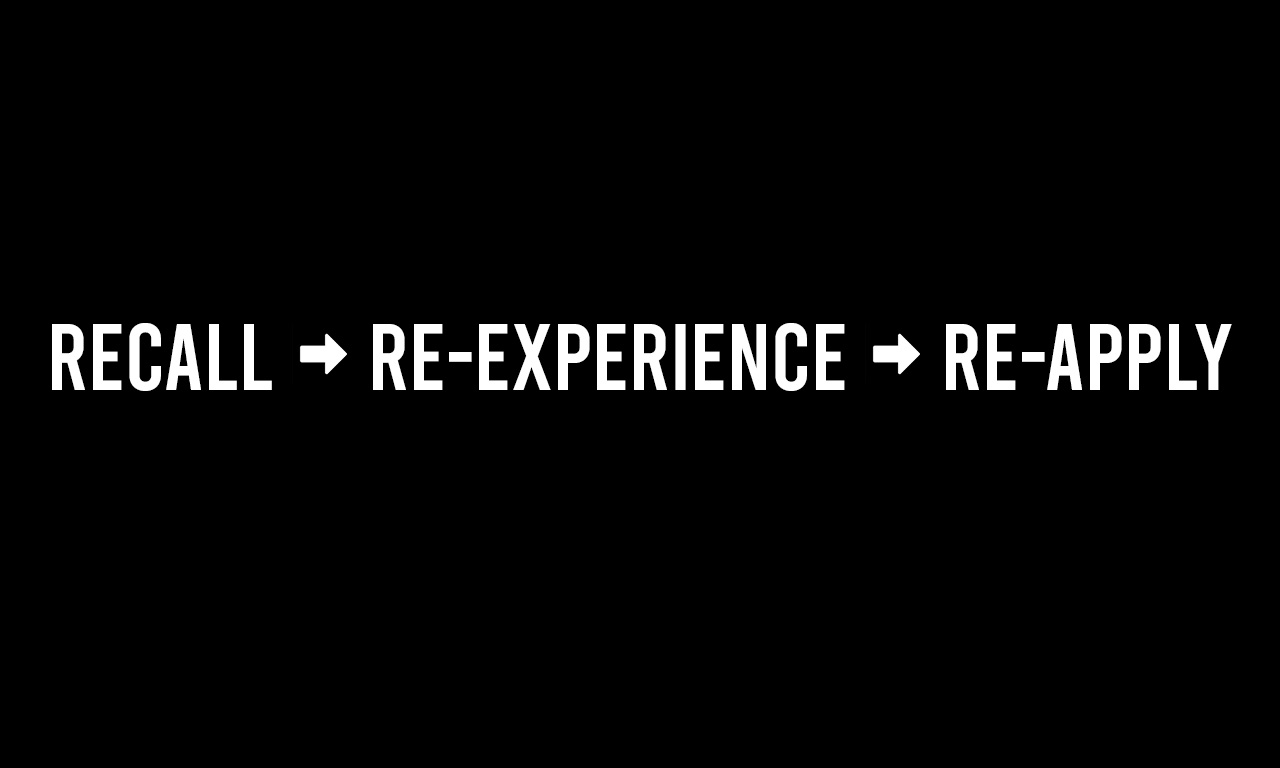
    The Three-Step Swap: Recall → Re-experience → Re-apply

    Three-step swap replaces future-visualization with recall, re-experience, re-apply.Here’s the method you’ll practice in this cornerstone. Think of it as changing the soil you plant hope in:

    Recall
    Surface a real moment where “we worked” (big or tiny): teamwork over a budget, praying through a scare, a long walk that ended in peace.

    Re-experience
    Don’t just think it-feel it. Watch the 10-second clip. Hold the ticket stub. Listen to the song. Tell the story with sensory detail until your breath slows.

    Re-apply
    Translate that feeling into one micro-action today: a two-minute hug, phone-face-down for dinner, a “same team” note on the fridge, or an apology with open posture.

    That’s it. You didn’t conjure a future. You borrowed real warmth and let it power a real step. Repeat daily and you’ll notice: hope stops being a mood and becomes a muscle.

    If you want templates and examples, Photo Rituals That Heal shows three simple ways to “re-experience” on autopilot-Throwback Thursday, Month-in-a-Minute, and Before Bed One Photo-at https://blog.liveyourbestmarriage.com/rituals/photo-rituals-that-heal.


    Step 1-Recall: Stock Your “Us-Evidence” With a Memory Bank

    Memory Bank helps couples recall real moments when future-visualization backfires.Recalling is easier when “proof” is organized. That’s why we teach couples to set up a Memory Bank-a living archive of small wins:

    • A shared album labeled “Us-Evidence.”
    • A pinned note titled “Receipts” with one-line gratitudes (“05/10-You made tea and waited up”).
    • A 10-second clips folder for easy replays.

    On good days you make deposits; on hard days you make withdrawals. Start yours in ten minutes with The Memory Bank: Saving Good Moments for the Days You Forget at https://blog.liveyourbestmarriage.com/habits/memory-bank-for-couples.


    Step 2-Re-experience: Run Photo Rituals That Heal (in Under 10 Minutes)

    Photo rituals re-experience warmth so hope doesn’t rely on future-visualization.Re-experiencing means letting your body remember. Three rituals do the heavy lifting:

    • Throwback Thursday Date Starter: One photo, three prompts (“Remember when… / We felt… / A tiny version we could redo this week is…”).
    • Month-in-a-Minute: End each month with 30 photos/short clips; watch together.
    • Before Bed One Photo: Each night, one image and the sentence “This reminds me we…”

    All three lower defensiveness quickly, which is exactly why future-visualization backfires less after you do them. The full walkthrough lives at https://blog.liveyourbestmarriage.com/rituals/photo-rituals-that-heal.


    Step 3-Re-apply: Use the Five-Minute Rewind to Turn Warmth Into Movement

    Five-Minute Rewind turns remembered feelings into small actions today.Re-apply is where change happens: see → say → do in five minutes.

    1. See: Open one Memory Bank photo.
    2. Say: Name the feeling it gives you now (steady, playful, grateful, brave).
    3. Do: Express it in a micro-action (shoulder rub, phone-free dinner, “I hear you”).

    This is the simplest way to prevent future-visualization from backfiring. You’re not waiting to feel inspired-you’re acting your way back to connection. Keep the step-by-step nearby at https://blog.liveyourbestmarriage.com/micro-practices/five-minute-rewind.


    Your Origin Story: Stabilize Today With the Truth That Started You

    Origin story stabilizes couples when future-visualization fails.Every couple has an origin story-awkward texts, early sacrifice, that first laugh that wouldn’t quit. Those moments aren’t trivia; they’re anchors. Retelling them together calms the nervous system and restores identity: “We’re the people who chose loyalty/play/faith.”

    If future-visualization backfires, revisit who you already are. Use our two-minute “Why We Chose Us” refresher in From Friends to Forever: Using Your Origin Story to Stabilize Today at https://blog.liveyourbestmarriage.com/identity/origin-story-stabilizes-today.


    Let Your Space Help: Anchor Objects That Cue Connection on Autopilot

    Anchor objects cue connection so hope doesn’t lean on future-visualization.If your environment screams “busy,” let it whisper “beloved,” too. Place anchor objects from your story-first trip mug, wedding playlist printout, a goofy keychain-where your eyes already go (by the toothbrushes, next to the remote, on the fridge). These are silent reminders that borrow confidence from the past a dozen times a day.
    We lay out how to choose and place them in Anchor Objects: Little Things that Trigger Big Love at https://blog.liveyourbestmarriage.com/home/anchor-objects-trigger-love.


    Case Study 1: Money Tension and the “Someday Budget” That Never Starts

    Borrow past financial wins to avoid future-visualization backfires during money stress.The backfire: One partner suggests visualizing “financial freedom,” the other rolls eyes because the card is due today. Conversation stalls.

    The swap:

    • Recall: A photo from the month you paid off the car.
    • Re-experience: Watch a 10-second clip from that week; name the feeling (“proud, scrappy, unified”).
    • Re-apply: Pick one $20 decision tonight (cook at home) and one 10-minute money date tomorrow that starts with “What made us proud back then-”

    Notice: you didn’t manifest a millionaire future. You replayed proof you already have grit-and used it to make one specific choice.

    If you’d like to convert these wins into visible momentum, Build Momentum in Marriage: Small Metrics That Keep Love Moving shows how to track tiny actions-without turning love into homework-at https://blog.liveyourbestmarriage.com/momentum/build-momentum-small-metrics.


    Case Study 2: Parenting Overwhelm and the Futile “Perfect Weekend” Vision

    Recreate small sensory wins instead of relying on future-visualization.The backfire: You picture a serene family Saturday; reality laughs (soccer, laundry, meltdowns). Hope dips.

    The swap:

    • Recall: A messy photo where everyone’s laughing with pancake batter on the stove.
    • Re-experience: Talk about the smell of syrup, the playlist, the inside jokes.
    • Re-apply: Recreate one sensory detail tomorrow: same playlist during cleanup, or pancakes for dinner in pajamas.

    For practical, low-effort joy, Celebrate the Ordinary offers a 7-day audit that gently lifts home tone at https://blog.liveyourbestmarriage.com/habits/celebrate-the-ordinary


    Case Study 3: Emotional Distance and the “Someday We’ll Feel Close” Picture

    Use tiny embodied steps when future-visualization of intimacy backfires.The backfire: Future-visualization paints candlelight intimacy; your bodies feel like roommates. The gap hurts more.

    The swap:

    • Recall: A photo from a quiet walk when holding hands felt natural.
    • Re-experience: Put on the same shoes/hoodie; step outside for five minutes.
    • Re-apply: Hold hands for one city block-no big talk, just pace and breath.

    If starting small feels safer, pair this with the Before Bed One Photo ritual from Photo Rituals That Heal so closeness returns in sips, not leaps.


    When Future-Visualization Can Help (and How to Make It Safe)

    Make future-visualization safe by sequencing it after regulation and micro-actions.We’re not anti-vision. We’re pro-sequence. Big imagination works after safety returns. Here’s the order:

    1. Regulate with Recall/Re-experience (Five-Minute Rewind, Photo Rituals).
    2. Re-apply one micro-action.
    3. Then visioncast next week-not five years-with one specific picture you can act on in 24–72 hours.

    This keeps future-visualization from backfiring because it’s now attached to felt safety and near-term movement. Later, you can expand the horizon as your bodies trust the process.

    If you like designing repeatable supports for this, see Design Your Marriage Rhythms: The Rituals & Resets Handbook at https://blog.liveyourbestmarriage.com/rituals/design-your-marriage-rhythms.


    Scripts You Can Use Tonight (Fast, Gentle, No Performances)

    Simple scripts help couples avoid future-visualization backfires and reconnect gently.

    • After an argument:
      “I don’t have perfect words. Can we do our Five-Minute Rewind with the photo from the day we fixed the flat tire- I want to borrow that teamwork.”
    • When money fear spikes:
      “Before we plan big, can we scroll our Memory Bank for the week we paid off the car- Let’s make one $20 decision with that energy.”
    • When the house is loud:
      “Let’s run a 60-second Throwback: one funny clip, one feeling, one tiny version tonight.”
    • When intimacy feels far:
      “I miss holding hands. Walk around the block- No pressure to talk-just us.”


    A 30-Day Cornerstone Plan to Install the Swap

    30-day plan replaces future-visualization with recall, re-experience, re-applyWeek 1 – Regulate Daily

    Week 2 – Recreate One Feeling Per Day

    Week 3 – Expand to Story & Rhythm

    • Retell your origin story (two-minute “Why We Chose Us”).
    • Build a Month-in-a-Minute slideshow for a quick gratitude hit.
    • Add one weekly rhythm from Design Your Marriage Rhythms to stabilize (e.g., 10-minute check-in).

    Week 4 – Calibrated Vision


    Faith Layer: Remember, Retell, Give Thanks

    Faithful remembering pairs gratitude with memory when future-visualization backfires.Many traditions teach remembrance for a reason. Stacking “stones” of gratitude changes posture. During your Memory Bank review, add a one-line prayer: “God, thank You for this moment. Grow that same courage in us today.” You just turned a photo into worship-and worship into warmth.

    If you’d like a gentle guide, Faithful Remembering: Spiritual Practices to Recall God’s Goodness in Marriage has simple prayers and a Sabbath slideshow idea at https://blog.liveyourbestmarriage.com/faith/faithful-remembering-in-marriage.


    Measurement Without Pressure: Make Progress Visible

    Track micro-metrics to build momentum without relying on future-visualization.What you count becomes easier to continue. Instead of tallying “perfect weeks,” log what we call micro-metrics:

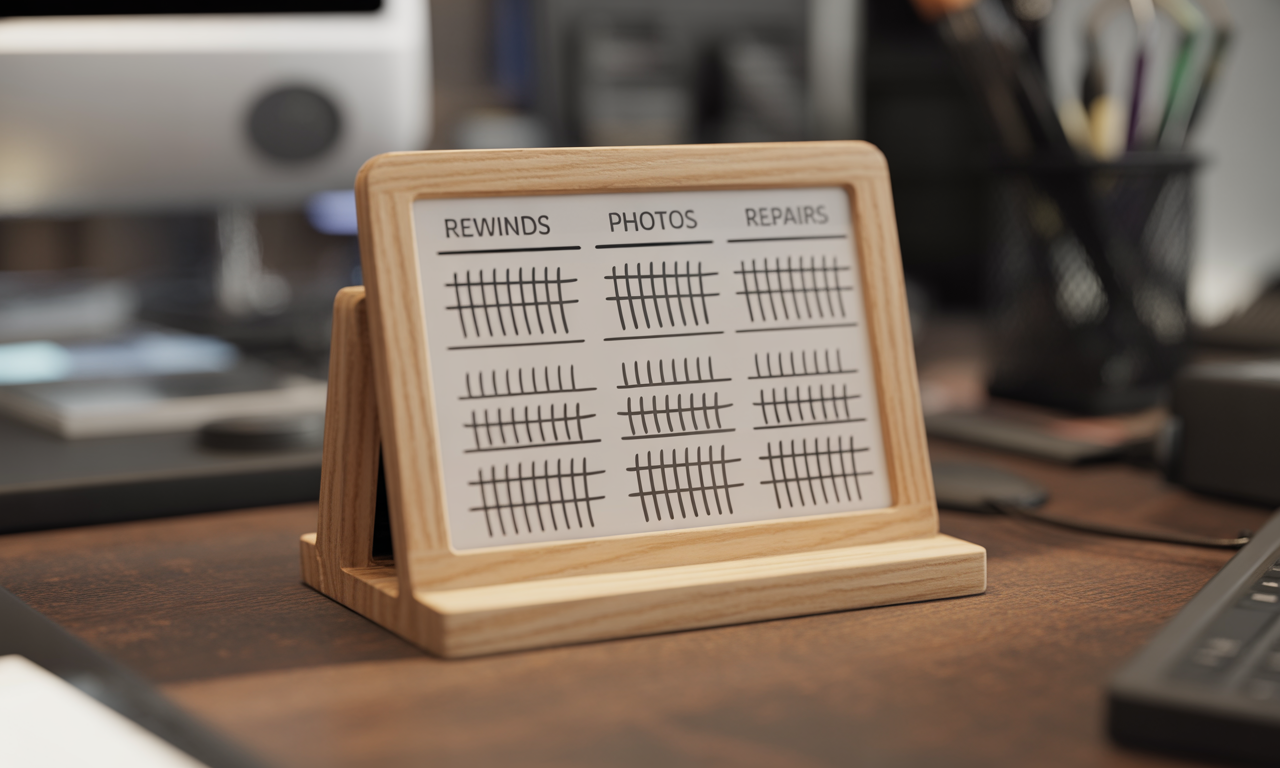
    • Number of Five-Minute Rewinds this week
    • Nights you did Before Bed One Photo
    • One-line Receipts added
    • Minutes of phone-free connection
    • Repair speed after friction (time from argument to small gesture)

    Use a tiny note or whiteboard. When you can see care piling up, the future feels less abstract, so future-visualization backfires less. A practical template sits inside Build Momentum in Marriage at https://blog.liveyourbestmarriage.com/momentum/build-momentum-small-metrics.


    Frequently Asked Questions

    Gentle FAQs show how to avoid future-visualization pitfalls and build safety first.Are we avoiding goals by not visualizing the future right away-
    No. We’re sequencing goals after regulation. Once your body feels safe, planning works again.

    What if our past is complicated-
    Curate. Choose strengthening memories and skip seasons that sting. Use neutral cues (scenery, pets, food rituals) and consider support from a counselor if needed.

    How often should we do this-
    Daily in sips. Five-Minute Rewind after friction. Before Bed One Photo nightly. Month-in-a-Minute monthly.

    Can we still dream big-
    Yes-after Recall/Re-experience/Re-apply. Start with a 72-hour picture, then expand horizons.

    What if one partner thinks this is cheesy-
    Invite, don’t insist. Try one throwback clip and one small action. Let results-not convincing-do the persuading.


    Bringing It Home: Hope Is a Muscle You Train

    Hope returns when couples replace future-visualization with recall, re-experience, and re-apply.When hope feels impossible, you don’t need louder pep talks or prettier Pinterest boards. You need evidence-and a way to feel that evidence again. That’s what this cornerstone is for. When future-visualization backfires, you’ll now know the swap:

    • Recall a real moment that proves “we can.”
    • Re-experience it until your body believes it.
    • Re-apply it in one tiny action today.

    Run that rhythm and your next step appears on its own. Do it again tomorrow. With each repetition, your marriage remembers itself.

    If you want the gentlest place to begin tonight, open your Memory Bank and pick one photo. Name one feeling. Do one small act that fits. That’s how couples who are tired, busy, or discouraged still move forward-not by imagining a perfect future, but by carrying yesterday’s warmth into today’s choices.

  • What You Quit, What You Build: Designing New Rhythms After You Drop Old Habits

    What You Quit, What You Build: Designing New Rhythms After You Drop Old Habits

    You’ve done the hard work of seeing what needs to change.

    You’ve started quitting the things that were slowly poisoning the atmosphere in your home-
    the rushing, the interrupting, the quiet competition, the sarcastic “jokes” that weren’t really jokes.

    That’s huge.

    But once you stop doing those things, you’re left with a very real, very important question:

    “Now what-”

    If you don’t answer that question on purpose, old patterns will quietly slip back in and reclaim their territory. You’ll get tired, life will get busy, and your marriage will drift back to the “before” version-not because you didn’t care, but because empty spaces don’t stay empty for long.

    Husband and wife sitting at a kitchen table with notebooks and coffee, designing new marriage rhythms togetherWhat You Quit, What You Build is about what happens after you drop harmful habits. This cornerstone article walks you through the transition from subtracting to designing. We’ll explore how to create small, sustainable rhythms that match the new story you want your marriage to tell-rhythms of patience instead of rush, listening instead of control, partnership instead of rivalry.

    You’ll learn how to replace old habits with new scripts, micro-practices, and shared rituals that fit your real life, not a fantasy schedule. This post anchors the “What You Quit, What You Build” series and ties together earlier articles like “Quit to Win: Why Stopping the Wrong Things Can Save Your Marriage” at https://blog.liveyourbestmarriage.com/quitting/quit-to-win-save-your-marriage and “Stop Talking Over Each Other: How to Build a Marriage Where Both Voices Matter” at https://blog.liveyourbestmarriage.com/quitting/stop-talking-over-each-other.


    Why “What You Quit, What You Build” Matters in Marriage

    Most change conversations focus on one side: quit.

    Quit being a jerk.
    Quit talking over each other.
    Quit competing.
    Quit the little digs.
    Quit the scorekeeping.

    That’s the heart behind “Quit to Win: Why Stopping the Wrong Things Can Save Your Marriage.” In that cornerstone, you began to see that subtracting certain behaviors-snapping, rushing, mocking, interrupting-can transform your home faster than adding more date nights ever could.

    But quitting is only half a transformation.

    • You quit rushing… but what replaces rush on Monday mornings-
    • You quit interrupting… but what’s the new rhythm of listening-
    • You quit competing… but what does partnership look like on a random Wednesday-

    That’s where What You Quit, What You Build comes in.

    You’re not just walking away from old habits-you’re walking toward a new story. And that story needs structure: tiny, repeatable choices that quietly become the culture of your marriage.

    Think of it like renovating a house:

    • Step 1: You tear out what’s rotten or unsafe.
    • Step 2: You don’t just stare at the empty space. You rebuild something better.

    This article is about Step 2.


    From Quit to Design: Why Subtraction Isn’t Enough

    You’ve already seen what happens when you only subtract.

    You decide to quit snapping. You have a few great days. Then:

    • You get stressed.
    • The kids melt down.
    • Emails pile up.
    • You’re exhausted.

    And suddenly, the old snap is back.

    Not because you wanted it.
    Because nothing replaced it.

    Here’s a simple truth behind What You Quit, What You Build:

    If you don’t design a new rhythm on purpose, your brain will default to the old one.

    Your nervous system loves familiarity-even if familiar hasn’t been healthy.

    So if you used to:

    • rush every conversation
    • interrupt with solutions
    • roll your eyes and keep score

    and now you’ve decided to quit those things, your brain will keep reaching for them when it feels stressed, unless you’ve rehearsed what comes next.

    What You Quit, What You Build is about pre-deciding:

    • “When I’m tempted to rush, this is what I do instead.”
    • “When I want to interrupt, this is the phrase I use to slow myself down.”
    • “When I feel competitive, this is how I move back toward team.”

    That’s where rhythms, scripts, and micro-practices come in.


    What You Quit, What You Build in Everyday Rhythms

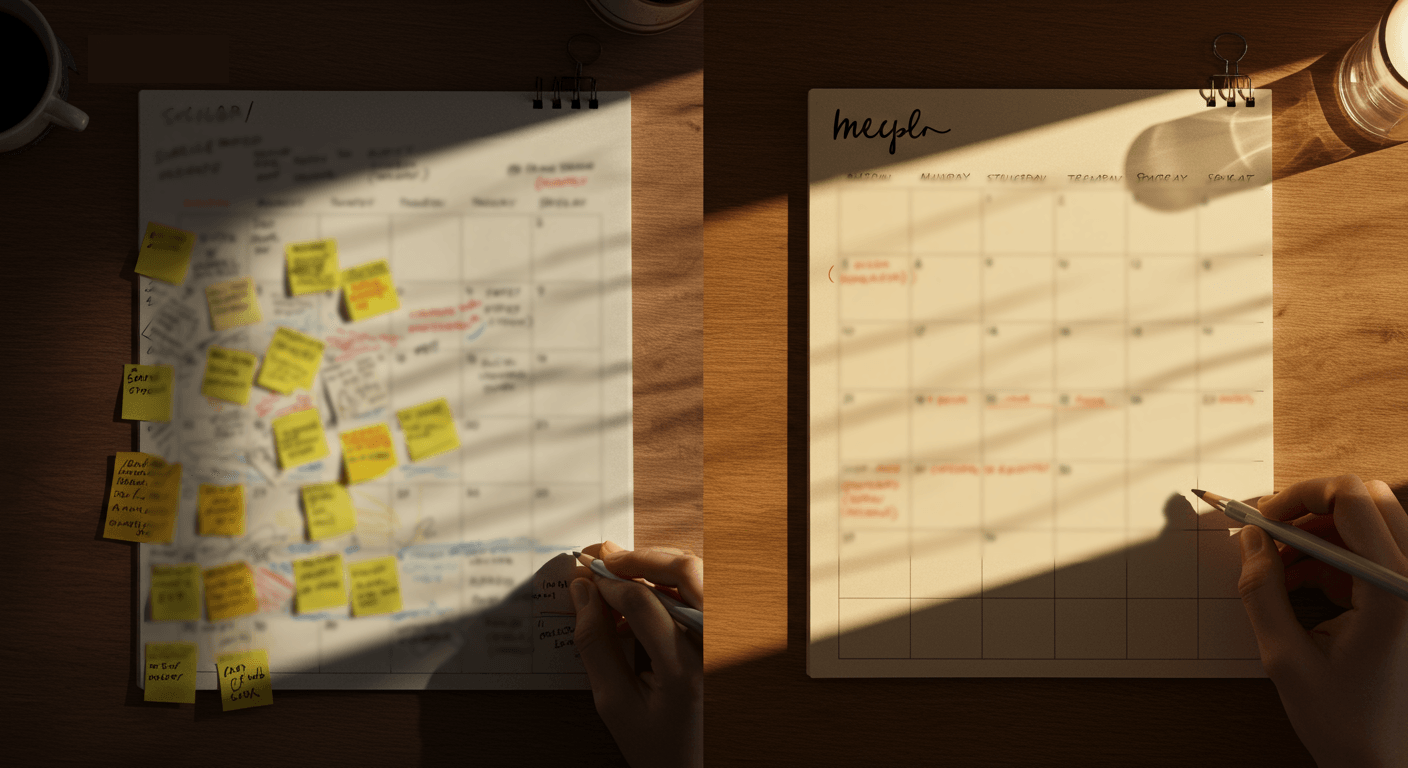
    Side-by-side image of a cluttered calendar next to a simple weekly planner with connection time highlighted, representing what you quit and what you build in your rhythmsLet’s make this tangible.

    Here’s how What You Quit, What You Build plays out across a few of the key areas you’ve already been working on in the quitting series:

    • Rush → Presence
      From “hurry through everything” to “built-in pockets of unhurried connection.”
      (Connected to “From Busy to Present: Quit the Rush and Reclaim Your Home Atmosphere.”)
    • Interrupting → Listening
      From “jumping in with answers” to “letting both voices matter.”
      (Built on “Stop Talking Over Each Other” and “Quit Interrupting: Simple Ways to Let Your Spouse Finish a Sentence.”)
    • Fixing → Curiosity
      From “Here’s what you should do” to “Help me understand more.”
      (Flowing from “From Fixer to Listener: Quitting the Urge to Tell Your Spouse What to Do.”)
    • Competition → Partnership
      From “who’s right/who does more/who parents better” to “same team.”
      (Anchored in “Your Spouse Is Not Your Rival: Quitting the Competition in Marriage” and “Quit Keeping Score: How Letting Go of ‘Who Does More’ Brings You Closer.”)
    • Disrespect → Honor
      From sarcasm and little digs to thoughtful, safer-than-a-punchline humor.
      (Rooted in “Drop the Disrespect,” “Quit the Little Digs,” “From Eye-Rolls to Empathy,” and “Safer Than a Punchline: How to Be Playful Without Putting Your Spouse Down.”)

    Every one of those shifts is a What You Quit, What You Build moment.

    You’re not just taking bricks out of a wall. You’re using those same bricks to build a new room.


    What You Quit, What You Build: Replacing Rush with Presence

    Let’s start with one of the loudest habits in modern marriages: rush.

    In “From Busy to Present: Quit the Rush and Reclaim Your Home Atmosphere,” you saw how constant hurry quietly turns your home into an airport terminal-always moving, never landing. Quitting the rush matters. But what do you build in its place-

    What You Quit

    • Rushing through breakfast while half-listening
    • Rushing your spouse’s story because you “already know where it’s going”
    • Rushing transitions: in the door, out the door, into bed, out of bed

    What You Build

    1. Presence Pockets

    Instead of promising “hours of connection,” you design tiny, specific presence pockets:

    • 5 unrushed minutes when one of you gets home-no phones, no multitasking, just a greeting, a hug, and one real question
    • A 10-minute “wind-down chat” in bed where you each share one high and one low from the day

    You can borrow from your weekly rhythms you may already be building for check-ins, like in your other series, and simply make sure these presence pockets are protected.

    1. Transition Rituals

    You build small rituals to mark the shift from one part of your day to another:

    • Before walking in the door: three deep breaths in the car and a simple prayer-“Help me bring presence, not pressure, into this house.”
    • Before screens at night: one brief, face-to-face check-in-“What do you need from me before we zone out-”
    1. A “No Rush” Phrase

    To support your What You Quit, What You Build work around rush, choose a phrase you can say out loud:

    • “Let’s not rush this one-tell me the whole story.”
    • “I’m tempted to hurry you right now; I want to slow down and actually hear you.”

    When you say it, you’re reminding both of you that you’re building something different now.


    What You Quit, What You Build: Letting Both Voices Matter

    Husband listening attentively as his wife speaks across a small table, illustrating what you build after quitting interruptionsIn “Stop Talking Over Each Other: How to Build a Marriage Where Both Voices Matter,” you started quitting the habit of interrupting, correcting, and finishing each other’s sentences.

    To make that last, you need new listening rhythms.

    What You Quit

    • Cutting them off with “Right, but-”
    • Jumping in with solutions before they finish
    • Talking over your spouse when they’re slower to find words

    What You Build

    1. The “Finish Line” Rule

    You both commit:
    “If you’re sharing something important, I won’t respond until you say, ‘Okay, I’m done for now.’”

    This builds directly on your work in “Quit Interrupting: Simple Ways to Let Your Spouse Finish a Sentence.” You’re giving each other a clear marker that both voices get space.

    1. Listening Posture

    You design a physical posture as part of your What You Quit, What You Build practice:

    • Sitting down
    • Turning your body toward them
    • Putting your phone face down

    Your body becomes a script that says: “I’m here. I’m listening.”

    1. Reflect Before You Respond

    New default:

    • “What I hear you saying is…”
    • “So the main thing that hurt was…”

    This slows you down and helps your spouse feel heard before you share your view. That’s the heart of the move from “fixer” to “listener” that you explored in “From Fixer to Listener: Quitting the Urge to Tell Your Spouse What to Do.”


    What You Quit, What You Build: From Competition to Partnership

    If you’ve been living in a low-grade competition-over chores, parenting, who’s right, who’s more tired-then Your Spouse Is Not Your Rival: Quitting the Competition in Marriage has already invited you to step off the scoreboard.

    Now What You Quit, What You Build helps you design what comes after the rivalry.

    What You Quit

    • The “secret spreadsheet” of who does more
    • Correcting details in front of others to prove you’re right
    • Competing over who’s the “better” parent

    You’ve also started working through this in “Quit Keeping Score: How Letting Go of ‘Who Does More’ Brings You Closer” and “Smart Together: Quitting the ‘Who’s Right’ Battle So You Can Actually Solve Problems.”

    What You Build

    1. Weekly “Team Huddle”

    You intentionally build a once-a-week rhythm (10–20 minutes) where you:

    • Look at the week ahead
    • Name the heaviest loads each of you is carrying
    • Ask, “How can we support each other better this week-”

    Instead of tracking who’s losing, you’re planning how to win together.

    1. Shared Language: “Same Team”

    You choose a phrase-“Same team”-to use when you feel competition rising.

    • In a disagreement: “Okay, we’re slipping into ‘who’s right.’ Same team-let’s go back to the problem, not each other.”
    • In parenting conflict: “We both want what’s best for our kids. Same team. Let’s step back and talk how to combine our strengths.”
    1. Problem-Solving as Partners

    You design a simple Smart Together process:

    • Step 1: Each share your view without interruption
    • Step 2: Name the shared goal (“We both want evenings to feel less rushed”)
    • Step 3: Brainstorm solutions where both of you make reasonable adjustments

    That’s What You Quit, What You Build at work: you quit rival energy and build a culture of collaboration.


    What You Quit, What You Build: From Disrespect to Honor

    Close-up of a handwritten note by a coffee mug reading “I see how hard you’re trying,” illustrating daily honor deposits after quitting disrespectThe disrespect work has been deep and wide:

    • “Drop the Disrespect: Why Sarcasm and ‘Jokes’ Hurt More Than You Think”
    • “Quit the Little Digs: How Micro-Comments Create Macro Distance”
    • “From Eye-Rolls to Empathy: Quitting the Habit of Quiet Contempt”
    • “Safer Than a Punchline: How to Be Playful Without Putting Your Spouse Down”
    • “Quitting Being a Jerk: Why Kindness Matters More Than Roses”

    You’ve started to quit the sarcasm, micro-digs, eye-rolls, and cheap shots.

    Now, What You Quit, What You Build asks: What goes in their place-

    What You Quit

    • Sarcastic “jokes” that mask real contempt
    • Little digs: “Of course you forgot,” “Why am I not surprised-”
    • Quiet contempt: the inner “Here we go again” attitude

    What You Build

    1. Daily Honor Deposits

    You design a tiny daily rhythm:

    • Once a day, you name something you admire, appreciate, or respect in your spouse. Out loud.

    It can be as simple as:

    • “Thank you for the way you handled that call today.”
    • “I’m really grateful for how steady you were with the kids earlier.”

    Over time, this directly counters the contempt that “From Eye-Rolls to Empathy” helped you identify.

    1. Public Covering

    You deliberately build a “no-humiliation” culture in public:

    • You decide what’s off-limits for jokes (their body, deep insecurities, past wounds).
    • You make it a rhythm to brag on your spouse in front of others-without pretending they’re perfect.

    This is how “Safer Than a Punchline” moves from theory into ritual.

    1. Repair Scripts After You Slip

    Because you will slip, you design what you’ll say:

    • “Hey, I joked about you being irresponsible with money earlier. That wasn’t fair. You’ve actually grown a lot there, and I don’t want to talk about you like that.”

    That’s What You Quit, What You Build: you quit defending your jokes and build quick repair into your normal rhythm.


    What You Quit, What You Build: From Little Digs to Daily Deposits

    “Quit the Little Digs” helped you see how micro-comments become macro distance. What You Quit, What You Build asks: What do you sprinkle into your day instead-

    What You Quit

    • Eye rolls, sighs, “Of course you…”
    • Exaggerated stories that make your spouse the clown
    • Micro-sarcasm that hints at contempt

    What You Build

    1. Micro-Encouragements

    You set a quiet personal goal:

    • For every correction or complaint, aim for at least one specific encouragement.

    This isn’t fake positivity-it’s re-training your eyes to see your spouse as more than their flaws.

    1. Soft Start-Ups

    Instead of letting a little dig slip out, you build a new default:

    • From: “You’re always on your phone.”
    • To: “I miss you when we’re next to each other but not really together. Could we have 15 minutes tonight with no phones-”
    1. Gentle Signals for When It Hurts

    As a couple, you design a simple phrase that means, “That landed like a little dig”:

    • “Ouch.”
    • “That stung more than it sounded.”

    That phrase helps you course-correct in real time before the distance spreads.


    What You Quit, What You Build: From Scorekeeping to Shared Load

    Couple writing tasks on a shared notepad under “My load,” “Your load,” and “Shared,” reflecting what you build after quitting scorekeeping“Quit Keeping Score: How Letting Go of ‘Who Does More’ Brings You Closer” revealed how exhausting the secret spreadsheet can be.

    To make that shift real, What You Quit, What You Build leads you into new patterns of support.

    What You Quit

    • Replaying a mental list of everything you do
    • Weaponizing your contributions in arguments
    • Constantly looking for ways your spouse is “lagging behind”

    What You Build

    1. Load-Mapping Conversations

    Once a week or once a month, you sit down and map the load:

    • “Here are the tasks and mental loads I’m carrying.”
    • “Here are the ones you’re carrying.”
    • “What feels heavy to you- What feels heavy to me-”

    Then you ask: “What can we shift, share, or simplify-”

    1. Gratitude for Invisible Work

    You intentionally look for and name things your spouse does that nobody sees:

    • Emotional labor with kids
    • Scheduling appointments
    • Handling extended family drama

    These appreciation moments are What You Quit, What You Build embodied-less focus on tallying, more focus on honoring.

    1. Crisis Rules

    You design simple rules for high-stress seasons:

    • “If one of us is in a crunch week at work, the other automatically takes more of X task.”
    • “We check in Sunday night: who’s in the heavier week, and what can we clear for them-”

    That way the load isn’t decided by who complains loudest-it’s decided by the team you’ve committed to be.


    Designing Your Own “What You Quit, What You Build” Plan

    Now let’s bring this home.

    You don’t need a perfect system. You need a living plan-simple enough to remember, specific enough to act on.

    Here’s a way to build your own What You Quit, What You Build roadmap.

    Step 1: Name 2–3 Things You’ve Quit (or Want to Quit)

    Individually or together, list a few:

    • “I’ve been quitting interrupting.”
    • “I want to quit using sarcasm when I’m angry.”
    • “I’m quitting the habit of keeping score in my head.”

    You can pull these directly from the series: maybe “From Busy to Present,” “Quit Interrupting,” “Your Spouse Is Not Your Rival,” or “Drop the Disrespect” stood out most to you.

    Step 2: For Each, Ask “What Do I Want to Build Instead-”

    Example:

    • Quit: Interrupting
      Build: Reflective listening and “finish line” rule
    • Quit: Scorekeeping
      Build: Weekly load-mapping and regular “thank you for…” moments
    • Quit: Little digs
      Build: Daily honor deposit and “ouch” phrase when something stings

    Step 3: Turn Each “Build” into a Tiny, Repeatable Rhythm

    Ask:

    • “How often-” (daily, weekly, during conflict, etc.)
    • “What’s the smallest version of this we can realistically do-”

    Write it like this:

    • “Every workday, when I get home, 5 minutes of phone-free check-in.”
    • “Once a week, ask: ‘What felt heavy for you this week, and how can I support you-’”
    • “In hard talks, I will pause and ask one curiosity question before responding.”

    Step 4: Share and Adjust Together

    Sit down and share your What You Quit, What You Build thoughts with your spouse:

    “I’ve been thinking about quitting ____. Here’s what I’d love to build instead. How does that sound to you- What would make it feel more doable for both of us-”

    You’re not making a contract. You’re shaping a culture.

    Step 5: Revisit and Refine

    Once a month-or even once a quarter-ask:

    • “Which new rhythms have been helpful-”
    • “Which ones felt forced or unrealistic-”
    • “What do we want to tweak, strengthen, or let go-”

    This keeps What You Quit, What You Build aligned with your actual life, not your fantasy life.


    Keeping What You Build Alive When Life Gets Messy

    You’re going to have weeks where:

    • The presence pockets disappear
    • You interrupt more than you listen
    • Your jokes get sharper
    • The scoreboard quietly opens back up in your mind

    That doesn’t mean What You Quit, What You Build has failed.

    It means you’re human.

    Here are a few ways to protect what you’re building when life gets messy:

    1. Assume You’ll Drift-and Plan for Reset

    Decide now:

    • “When we notice old patterns creeping back, we won’t panic. We’ll take it as a cue to pause and reset.”

    Maybe that reset is a walk around the block together, a Sunday night chat, or revisiting one of the cornerstone articles like “Quit to Win” or “Stop Talking Over Each Other” as a refresher.

    1. Measure by Direction, Not Perfection

    Ask:

    • “Are we drifting closer to the marriage we want, or further away-”

    Even if you’re at 60% of the rhythms you dreamed up, that’s different than 0%. Let What You Quit, What You Build be about trajectory, not flawless execution.

    1. Use Your Language as a Compass

    When your words start to sound more like old you-sharp, rushed, competitive-it’s a signal, not a verdict.

    You can say:

    • “I hear my old tone coming back. Can we pause- I want to respond differently.”

    That kind of moment is itself part of the new structure you’re building.


    How “What You Quit, What You Build” Ties the Whole Quit Series Together

    Row of small photos of a couple cooking, walking, and talking together, representing the everyday rhythms you build after quitting old habitsThis cornerstone sits at the crossroads of everything you’ve been working on:

    • “Quit to Win: Why Stopping the Wrong Things Can Save Your Marriage” gave you the courage to subtract harmful habits.
    • “From Busy to Present: Quit the Rush and Reclaim Your Home Atmosphere” showed you how hurry changes the air your family breathes.
    • “Stop Talking Over Each Other”, “Quit Interrupting”, and “From Fixer to Listener” helped you honor both voices instead of controlling the conversation.
    • “Your Spouse Is Not Your Rival,” “Quit Keeping Score,” and “Smart Together” moved you from opposition to collaboration.
    • “Drop the Disrespect,” “Quit the Little Digs,” “From Eye-Rolls to Empathy,” “Quitting Being a Jerk,” and “Safer Than a Punchline” invited you to clean up the tone, jokes, and micro-reactions shaping your emotional climate.
    • “Parenting Without the Power Struggle” extended this into how you show up as a united front for your kids.

    What You Quit, What You Build is where all of that becomes a way of life-where quitting turns into designing, and designing into rhythms, and rhythms into a new normal.

    You’re not just trying to “be nicer” or “fight less.”
    You’re building a marriage identity:

    • The couple that slows down enough to notice each other
    • The couple that listens longer than they talk
    • The couple that plays as a team instead of keeping score
    • The couple that is genuinely safer than a punchline
    • The couple who doesn’t just quit what’s harmful, but faithfully builds what’s healing

    That’s the long game of What You Quit, What You Build.

    Not a single big moment, but a thousand small ones that quietly reshape what it feels like to be married to you.

  • Raise the Floor, Not Just the Ceiling: Minimums that Protect Marriage

    Raise the Floor, Not Just the Ceiling: Minimums that Protect Marriage

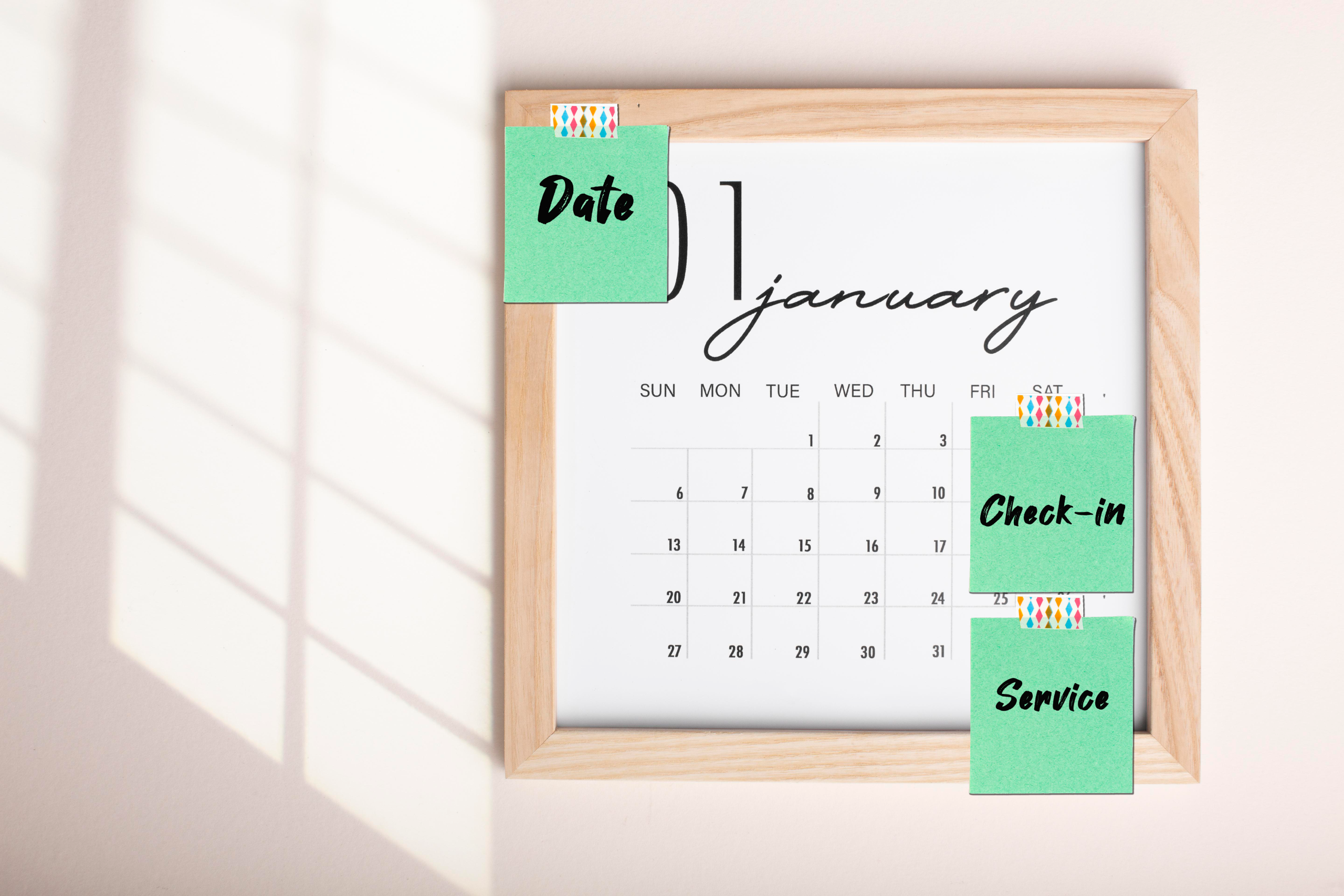
    A simple weekly plan-date, check-in, service-that raises the floor on busy weeks.Big dreams are exciting; strong minimums are protective. Raise the Floor, Not Just the Ceiling is a simple shift: define non-negotiable practices that still happen on bad weeks-one date night, one check-in, one act of service-so your connection doesn’t live at the mercy of schedules, sniffles, or late deliveries. When you raise your floor, you stop riding the emotional rollercoaster of “great week = great marriage, tough week = distant marriage.” Instead, you get steady warmth that accumulates over time.

    If you’ve ever relied on a single “special night” only to watch it evaporate, you already know why a higher floor matters. A monthly plan is fragile. A weekly rhythm is resilient. To see how redundancy multiplies your odds of connection, you can explore a trio framework in The Power of Redundancy: Why Three Touchpoints Beat One Grand Gesture. And for a dependable date rhythm that actually survives real life, the nuts and bolts live in Weekly Date Night Works Because Life Won’t.


    Why “Raise the Floor, Not Just the Ceiling” Works

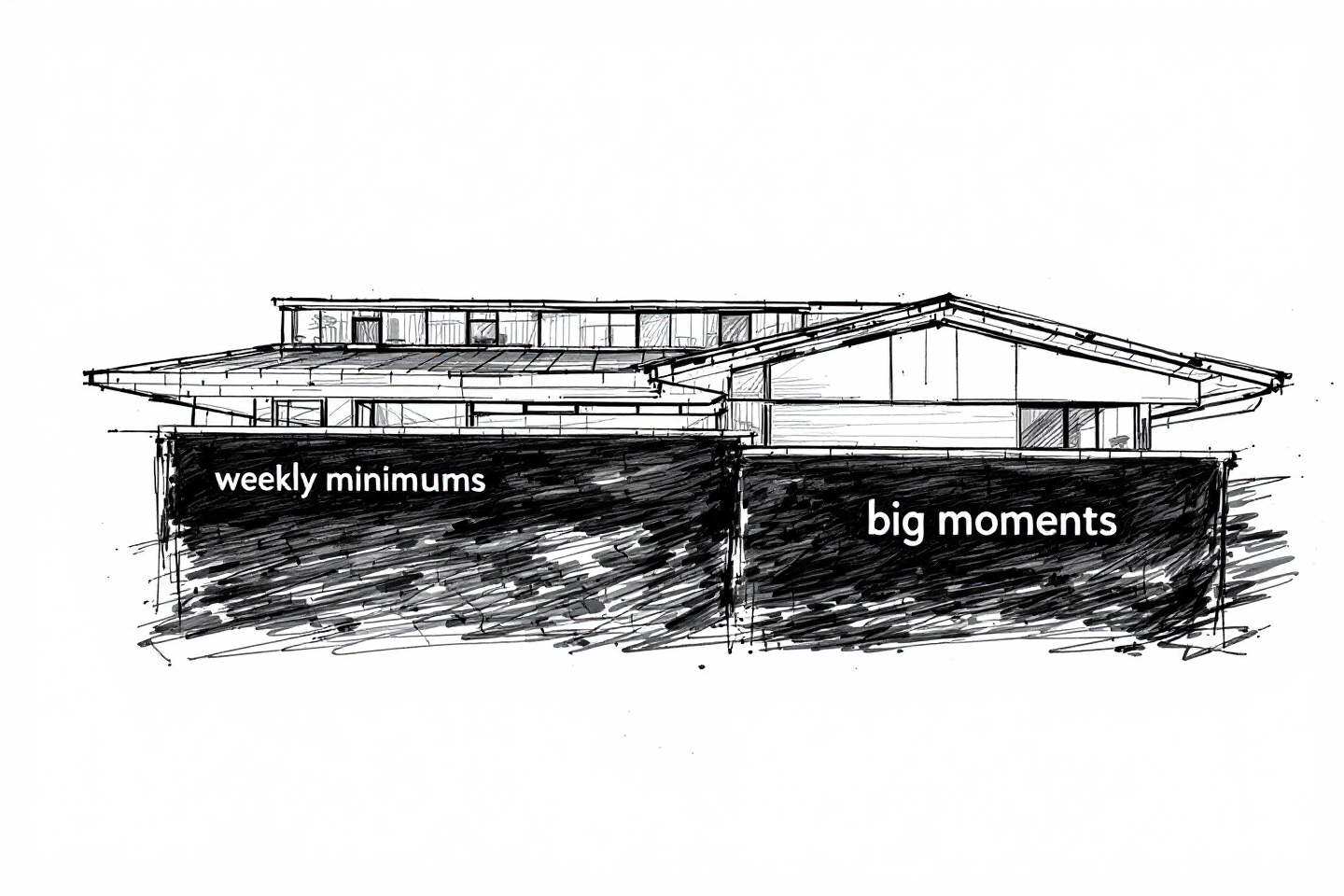
    Strong foundations (minimums) support the beautiful moments (ceiling).Grand plans feel thrilling, but they fail the Tuesday test. The floor is the dependable close-to-effortless minimum you can keep even when this week is heavy. The ceiling is what you do when life cooperates. Without a floor, your connection collapses under minor turbulence. With a higher floor, you preserve warmth, trust, and safety-even when everything else runs late.

    Raising the floor doesn’t mean lowering your dreams; it means making your dreams deliverable. A high ceiling without a strong floor is a chandelier bolted to drywall; it looks good until gravity wins.


    The Three Non-Negotiables That Raise Your Floor

    Three non-negotiables-date, check-in, service-anchored to a weekly calendar.A raised floor rests on three lightweight, high-yield habits. They’re small by design so they survive headwinds.

    1) One Weekly Date (90 minutes).
    Same day/time window each week, with two backups you actually enjoy (Saturday brunch; home picnic after bedtime). The point is dependable time that says, “Us, on purpose.”

    2) One Weekly Check-In (10 minutes).
    A short agenda-calendar, money, mood, gratitude, next steps-so surprises stay small and expectations align. This is your weekly cockpit. You can follow the simple agenda outlined in The Check-In Habit.

    3) One Weekly Act of Service (plus daily micro-thank-you).
    Choose one practical lift for your spouse (errand, chore, childcare block) that will noticeably lighten their load. Pair it with one specific “thank you” daily to warm the tone.

    These three minimums already raise the floor. Add tiny reinforcements-5-minute micro-connections during the week-from the menu in Micro-Connections.


    Set Minimums, Then Add Slack So Minimums Don’t Break

    Minimums are easier to keep when there’s margin. Build a little slack around each commitment:

    • Time buffer: Reserve a 2.5-hour block for a 90-minute date so traffic and lines don’t steal connection.
    • Logistics buffer: Keep a home “date kit” (snacks, playlist, candle, blanket).
    • Celebration buffer: Order gifts early; if they’re late, run a “reveal night”-a note + dessert + “promise date” on the calendar.
    • Energy buffer: Take 10 minutes of solo quiet before your check-in or date so you arrive kind, not frayed.

    Small margins make minimums feel natural. If you need a simple padding plan, see the practical ideas inside Weekly Date Night Works Because Life Won’t.


    “Raise the Floor” Scripts You Can Use Tonight

    Language lowers activation energy. Try:

    • Date pivot: “I want to keep our time this week. If Friday’s tight, can we do Saturday brunch instead-”
    • Check-in ask: “Ten minutes to line up the week-calendar, money, mood, gratitude, next steps-”
    • Service offer: “What’s one thing I can take off your plate before Thursday-laundry, lunch prep, car drop-off-”
    • Micro-thank-you: “When you handled bedtime solo, I felt looked after. Thank you.”

    These scripts are how you raise the floor without drama.


    A 30-Day Plan to Raise the Floor, Not Just the Ceiling

    After 30 days, steady practice lifts consistency, tone, and repair speed.Week 1: Choose the Minimums

    • Put your weekly date on a recurring day/time and add two backups you enjoy.
    • Schedule a 10-minute check-in (same slot weekly).
    • Decide your weekly act of service (name it in the check-in).

    Week 2: Add Slack

    • Create a date kit at home and a shared list of favorite low-effort dates.
    • Order one celebration essential early (card, small gift for the next birthday/anniversary).
    • Add a 15-minute pre-connection buffer before your date/check-in.

    Week 3: Micro-Connections & Energy

    • Try two walk-and-talks (15–20 minutes).
    • Institute two no-phone wind-downs this week (first 15 minutes phones in a bowl).
    • Send a daily specific thank-you.

    Week 4: Review & Adjust

    • In the check-in, rate each minimum (1–5).
    • Improve one element by one point (e.g., better babysitter plan, earlier reservation, simpler home-date).
    • Celebrate with a short note to each other: “What helped most this month.”

    By day 30, these minimums will feel like muscle memory-light to keep, costly to skip.


    “Raise the Floor” in Hard Seasons (Travel, Illness, Holidays)

    When turbulence increases, shrink but don’t skip:

    • Date: A 20-minute dessert in a hotel lobby or at the kitchen island.
    • Check-in: A 5-minute voice note exchange (calendar/money/mood/gratitude/next steps).
    • Service: “I’ll take the morning school run for two days” or “I’ll manage meds and refills.”

    Even mini versions keep the rhythm of care alive. That’s the point of Raise the Floor, Not Just the Ceiling-your minimums still land even when conditions are rough.


    Minimums vs. Perfection: Avoid All-or-Nothing Traps

    Simple home date-minimums are small by design so they repeat.Perfectionism is a floor destroyer. If your rule is “only a perfect date counts,” you’ll count too few. Trade “impressive” for “repeatable.” The couples who look effortlessly close aren’t fancier; they have dependable minimums that keep the soil warm. Then big moments land in soil that’s ready.


    Protect Your Minimums with Gentle Boundaries

    Boundaries aren’t walls; they’re calendars. To raise your floor, guard the time you’ve already given each other:

    • Decline politely: “We have a standing Friday commitment; could we join next time-”
    • Nudge arrivals: “Let’s plan to be home by 8; we’ve got our check-in at 8:15.”
    • Plan babysitting earlier: Book 30 minutes longer than you think you’ll need.
    • Normalize Plan B: If the sitter cancels, the home picnic isn’t “lesser”-it’s equal and expected.
      This tone-gentle, firm-keeps minimums intact without making them brittle.


    What to Track (Because What You Measure Improves)

    You don’t need a spreadsheet-just a few signals:

    • Date attempts kept (out of 4). Aim for 3/4.
    • Check-in streak. Count weeks in a row you kept the 10-minute meeting.
    • Service completion. Did the weekly lift happen-
    • Micro-thanks. How many days did you name a specific thank-you-
    • Repair speed. Minutes from friction to a repair attempt.

    If numbers dip, don’t blame each other; fix the design-add buffer, switch to simpler Plan Bs, or make the service task smaller.

    Case Study A: The Cancel-Prone Couple

    Before: One big monthly date; sitter often falls through; disappointment spirals.
    After: A higher floor-weekly date with two backups; 10-minute check-in; one service task; nightly micro-thanks.
    Result: Even “bad” weeks still include two connection wins. Tone warms, resentment fades.

    Case Study B: The Roommate Rut

    Before: Evenings dissolve into parallel scrolling; both feel unseen.
    After: A raised floor with two no-phone wind-downs per week; 5-minute bedtime ritual; Sunday check-in; one act of service.
    Result: Small consistency reduces defensiveness; natural affection returns.

    If parallel scrolling keeps winning, the tiny fixes in Micro-Connections help you reclaim five minutes at a time.

    Case Study C: Culture Clash Over “What Counts”

    Before: One partner wants elaborate dates; the other prefers simple routines. Fights about “effort.”
    After: Floor and ceiling language-“Let’s make our minimum simple and repeatable; we’ll plan one special night quarterly.”
    Result: The minimums happen. Special nights feel fun again because they’re not tasked with saving the whole month.


    Upgrade Path: After You Raise the Floor

    Once your minimums feel steady, you can gently layer in “ceiling” moments again:

    • Quarterly special date (tickets, overnight, workshop).
    • Monthly theme (cooking night, bookstore date, local trail walk).
    • Shared growth (read a chapter together, a class, a service project).

    Ceilings are where you play. Floors are how you stay. Keep the sequence right and you’ll feel the difference.


    Sticky Spots and How to Smooth Them

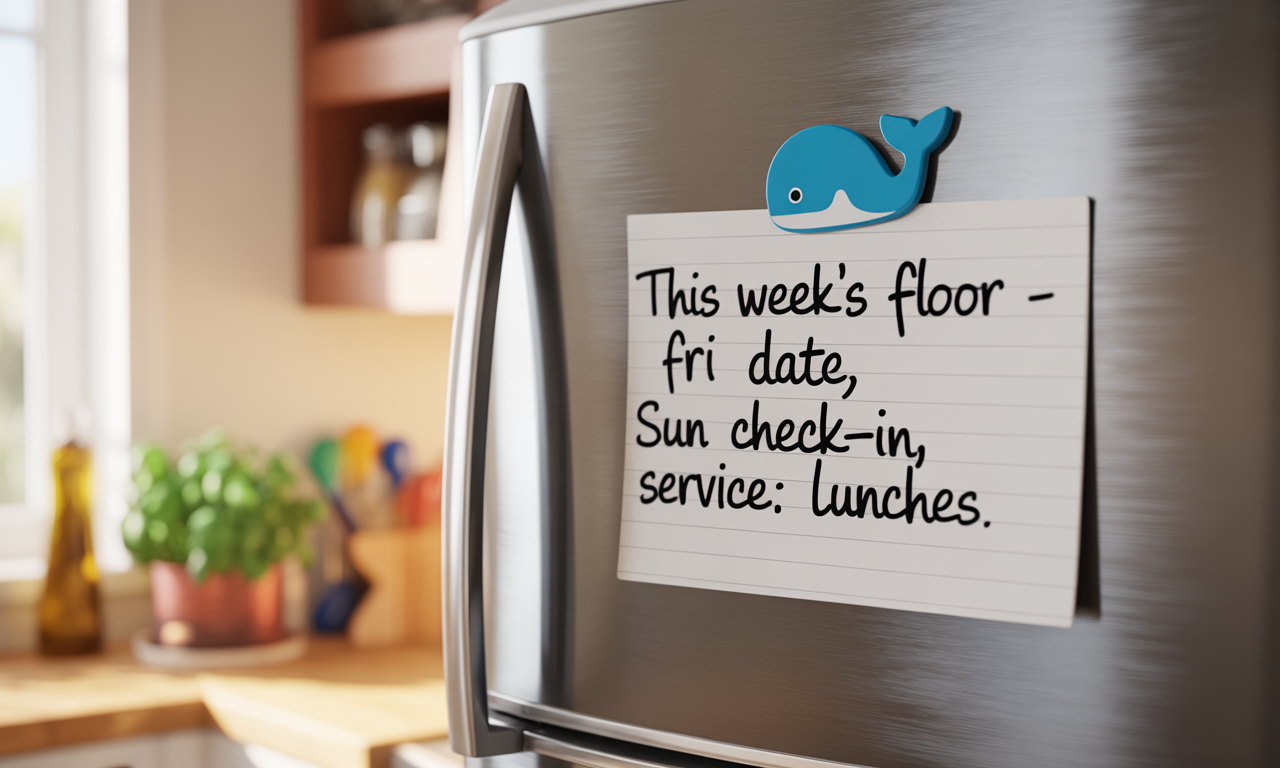
    A visible, friendly reminder of the weekly floor.

    • “We missed our date.”
      Don’t treat it like failure-treat it like weather. Shift to your backup. Keep the promise by changing the plan. If this keeps happening, you’ll find mindset help in the route-ownership tools here: Stop Blaming the Weather: Owning Your Route Through Resistance.
    • “We argued during the check-in.”
      Shrink it to five minutes and start with gratitude. Add a 10-minute solo reset before you meet. If emotions are hot, do a voice-note check-in while walking separately.
    • “The service task gets forgotten.”
      Make it smaller and name it early in the week. “I’ll take Wednesday lunches” beats “I’ll help more.”
    • “This feels unromantic.”
      What’s unromantic is disappointment. Minimums protect delight; they don’t replace it.


    Gentle Add-Ons That Strengthen the Floor

    • Two-question text at 3 PM: “How’s your energy- What would help tonight-”
    • Bedtime blessing: One sentence-“God, thank you for my spouse; help us rest well.”
    • Gratitude photo: Snap one pic weekly of your spouse doing something ordinary you appreciate; share it with a thank-you note.

    These are tiny and optional-but they weave a strong net under your week.


    If Your Spouse Isn’t Ready-Lead Softly

    You can raise some of the floor alone and let the results invite your spouse:

    • Put the check-in on the calendar and keep it to ten minutes.
    • Prepare a home date kit and suggest a 20-minute dessert tonight.
    • Do one act of service quietly and name your “thank you” daily.

    Most partners respond to warmth plus reliability. You don’t need a speech; you need a pattern.


    The Long View: Safety First, Spark Next

    The feeling of a raised floor-steady warmth without pressure.When your floor rises, safety grows. Safety makes room for curiosity, playfulness, and desire. You’ll notice fewer “repair marathons,” more laughter, and a sense that you’re on the same team. Then the ceiling moments-the weekend trip, the surprise reservation-start to feel like dessert again, not medicine. That’s the quiet power of Raise the Floor, Not Just the Ceiling: it turns love from a lottery into a rhythm.

    Soft next steps if you want to keep momentum: build a three-touchpoint rhythm with The Power of Redundancy, and make your date system sturdy with Weekly Date Night Works Because Life Won’t.

  • Tiny Steps, Sweet Fruit: Daily Habits That Grow Patience in Marriage

    Tiny Steps, Sweet Fruit: Daily Habits That Grow Patience in Marriage

    You don’t wake up one day suddenly patient. Patience is grown-one small choice at a time. One unsent text. One softened tone. One extra minute of listening before you defend yourself.

    The beautiful secret of a patient marriage is this: you don’t need grand gestures or dramatic breakthroughs. You just need a few small, steady habits that slowly reshape how you respond to each other.

    The good news- Those habits don’t take hours or special tools. They’re woven into the rhythms of your normal day. Whether you’ve been married five years or fifty, it’s the tiny moments that shape your emotional climate.

    Married couple sitting quietly with morning coffee, symbolizing calm daily habits that build patienceThis post takes the big, abstract idea of patience and translates it into something you can actually live. You’ll get a menu of small, practical habits-like the “slow answer rule,” micro-prayers before tough conversations, or a nightly moment of appreciation-that gradually shift the atmosphere of your home.

    Because patience isn’t a trait-it’s a rhythm. It’s a muscle that grows every time you choose stillness over reaction. Over time, what once felt like “holding your tongue” becomes peace. The “bitter” discipline of waiting your turn to speak transforms into the sweet fruit of safety and trust.

    This post connects with Slow Is Not Broken (https://blog.liveyourbestmarriage.com/rhythms/slow-is-not-broken), which explores how growth in marriage happens at a human pace, and with Sullen Endurance vs. Living Patience (https://blog.liveyourbestmarriage.com/mindset/living-patience), which helps you tell the difference between true patience and quiet resignation.


    Why Small Habits Matter More Than Big Promises

    Hand gently watering a sprouting plant, representing small daily habits that nurture patience in marriagePatience doesn’t grow through speeches or resolutions-it grows through repetition.

    You can read a dozen marriage books or pray for more peace, but if you don’t practice the small pauses that create that peace, nothing sticks.

    Most couples fail to grow in patience not because they don’t care-but because they aim too big. They try to overhaul communication overnight or fix every pattern in a week. When that fails, they give up.

    But your marriage doesn’t need massive transformation. It needs micro-consistency.

    In Slow Is Not Broken, we explored how “steady” beats “fast.” The same truth applies here. Every time you choose a one-degree shift-a softer tone, a pause before reacting-you’re rewiring your emotional default.

    The question isn’t, “How can I become patient-” but “What’s one small behavior that would make patience easier today-”


    The “Slow Answer Rule”: Creating Space Before You React

    Wife pausing and breathing deeply before responding, demonstrating emotional regulation in conversationOne of the simplest and most powerful patience habits is what we call the Slow Answer Rule.

    It’s simple: before responding to your spouse-especially in moments of tension-take a brief pause. Even three seconds of silence can transform the tone of a conversation.

    Why It Works

    Those seconds give your brain time to move from emotion to intention. You can catch yourself before reacting defensively or harshly.

    Try this: when your spouse says something that triggers you, inhale slowly and think, “I’m not required to answer fast.”

    This habit trains your nervous system to stay calm. It models respect. It creates the emotional space where your spouse feels heard instead of attacked.

    Over time, the Slow Answer Rule replaces instant reactions with intentional ones-and that change can ripple through every area of your communication.

    For more on mastering this rhythm in everyday interactions, revisit Sullen Endurance vs. Living Patience (https://blog.liveyourbestmarriage.com/mindset/living-patience), where we explore how living patience keeps you emotionally present instead of shutting down.


    Micro-Prayers for Patience

    Husband or wife praying quietly before a difficult conversation, symbolizing faith-filled patienceSometimes patience breaks down not because you’re unwilling-but because you’re overwhelmed.

    That’s why micro-prayers-short, simple breaths of intention-can make a huge difference. You don’t need a long devotional. Just five seconds of centering can shift your response.

    Try These:

    • Before a hard conversation: “God, help me listen before I speak.”
    • When you feel misunderstood: “Lord, let me choose peace over pride.”
    • After a disagreement: “Give me humility to repair quickly.”

    These short prayers aren’t magic formulas. They’re anchors-reminders that you’re not navigating this alone.

    And the more you whisper them, the more they shape your instincts.

    As Slow Is Not Broken reminds us, the pace of grace is slow-but steady. Every micro-prayer brings your focus back to love in the middle of frustration.


    The 60-Second Appreciation Habit

    Married couple expressing gratitude to each other at home, reinforcing appreciation and connectionPatience grows faster in a home where gratitude is visible.

    When couples stop noticing each other’s efforts, impatience multiplies. But when appreciation becomes daily, even the smallest gestures feel seen.

    Try the 60-Second Appreciation Habit:
    Every evening, take one minute to name something your spouse did that helped, blessed, or encouraged you that day.

    Examples:

    • “Thanks for making dinner even though you were tired.”
    • “I noticed you didn’t get defensive earlier. That meant a lot.”
    • “Thanks for being gentle with me this morning.”

    Why it matters: Gratitude trains your brain to look for goodness instead of gaps. The more you focus on what’s going right, the less room impatience has to take root.

    You’ll find that when you practice gratitude daily, conflict becomes softer-and recovery faster.


    The One-Minute Check-In

    Married couple maintaining emotional connection through nightly one-minute check-in conversation

    When life gets busy, impatience thrives in silence.

    That’s why it helps to schedule a One-Minute Check-In each evening. Just sixty seconds to reconnect emotionally.

    Ask:

    • “How’s your heart tonight-”
    • “What do you need from me tomorrow-”
    • “Anything still bothering you from today-”

    These micro-conversations prevent emotional buildup. You’ll catch small irritations before they turn into resentment.

    The secret isn’t the length-it’s the regularity. When you do it nightly, your marriage stays tuned in even during stressful weeks.

    And when both of you start expecting this brief rhythm, you won’t dread the “big talks” anymore-they’ll just be natural extensions of everyday trust.


    The “Pause Touch”: Using Physical Connection to Reset

    Spouse reaching to hold partner’s hand as a sign of reassurance during a tense conversationPatience isn’t just mental-it’s physical.

    When tension rises, your body needs cues of safety. The Pause Touch is a quick way to reconnect without words.

    During conflict or stress, gently place your hand on your spouse’s shoulder, arm, or hand-not to interrupt, but to reassure: I’m still here. I still care.

    This small, nonverbal habit lowers emotional intensity and increases oxytocin (the bonding hormone). It reminds both of you that you’re on the same team.

    In time, that simple gesture becomes shorthand for “Let’s stay calm together.”


    Choosing 2–3 Habits That Fit Your Season

    Husband and wife writing reflections in notebooks together, tracking growth in patience habitsYou don’t need to adopt every habit at once. In fact, trying to do too much too quickly can create more stress.

    Here’s how to start small and make progress stick:

    Step 1: Choose Two or Three Habits

    Scan this list and ask, “Which of these would bring the most peace right now-” Start with no more than three.

    Step 2: Track the Change

    At the end of each week, ask:

    • “What’s working-”
    • “What felt forced-”
    • “Did I notice any difference in how we handled conflict or connection-”

    Step 3: Adjust Without Shame

    Patience isn’t perfection-it’s persistence. When you forget or fail, don’t quit. Just restart tomorrow.

    In Sullen Endurance vs. Living Patience, we explored how true patience is active and hopeful, not sullen or numb. Daily habits are how you keep that hope alive when progress feels invisible.


    The Sweet Fruit of Slow Growth

    Married couple walking through a blooming garden, symbolizing the sweet fruit of patience cultivated over timeEvery time you practice one of these tiny habits, you’re doing more than managing behavior-you’re reshaping your marriage’s emotional DNA.

    Small acts of patience-one slow answer, one micro-prayer, one minute of gratitude-accumulate. They become the tone of your relationship.

    You’ll start noticing:

    • Fewer escalations during small disagreements
    • More laughter between stressful moments
    • A sense of safety that makes both of you more honest

    And one day, you’ll realize something beautiful: you’re no longer fighting to be patient-you simply are.

    Because the fruit of patience isn’t control-it’s peace.

    As Slow Is Not Broken reminds us, love that moves slowly often lasts the longest. And the patience you’re practicing today isn’t wasted effort-it’s the soil where tomorrow’s sweetness grows.


    When You Slip Back Into Old Patterns

    Married couple embracing warmly after apology, demonstrating grace and repair in marriageEven with the best intentions, you’ll have days when impatience wins. You’ll raise your voice, roll your eyes, or respond sharply.

    But here’s the good news: failure doesn’t reset your progress-it reveals your humanity.

    When you slip, repair quickly.

    • “I said that too harshly. I’m sorry.”
    • “Can we start over-”
    • “I lost my patience, but I want to try again.”

    Every repair is another habit in itself-proof that you’re willing to grow.

    Patience doesn’t mean you’ll never get angry. It means your anger no longer drives your story.

    In Sullen Endurance vs. Living Patience, we learned that patience isn’t about tolerating-it’s about staying emotionally engaged through imperfection. These daily habits help you live that truth, one moment at a time.


    Your Patience Plan for the Week Ahead

    Husband and wife walking together at sunrise, symbolizing a new beginning and daily commitment to patienceHere’s a simple guide to begin applying these habits starting today:

    Day 1: Practice the Slow Answer Rule at least once.
    Day 2: Say one micro-prayer before a difficult conversation.
    Day 3: Use the Pause Touch during a tense moment.
    Day 4: Share your 60-second appreciation before bed.
    Day 5: Ask your One-Minute Check-In question.
    Day 6: Reflect on which habit felt easiest.
    Day 7: Rest, celebrate, and thank each other for showing up.

    By the end of one week, you’ll already sense a shift-a little less reactivity, a little more peace.

    Because you’re not trying to build a perfect marriage. You’re building a patient one. And that’s where the sweetest fruit grows.