Tag: marriage wisdom

  • Wait Before You Speak: The Discipline That Protects Love

    Wait Before You Speak: The Discipline That Protects Love

    Patience isn’t passive-it’s powerful. When you learn to wait before you speak, you protect your marriage from words that can’t be taken back. The discipline of waiting doesn’t silence truth-it strengthens it. It ensures that when you speak, your words carry wisdom instead of heat.

    This cornerstone post explores the deep layers behind that pause-the neuroscience of emotional reactivity, the spiritual practice of restraint, and the daily tools that help you create peace instead of punishment. Waiting before you speak doesn’t mean ignoring problems; it means approaching them in a way that preserves safety, respect, and connection.

    In marriage, every conversation has two possible outcomes: healing or harm. And the difference often comes down to timing.


    Why Waiting Before You Speak Is So Hard

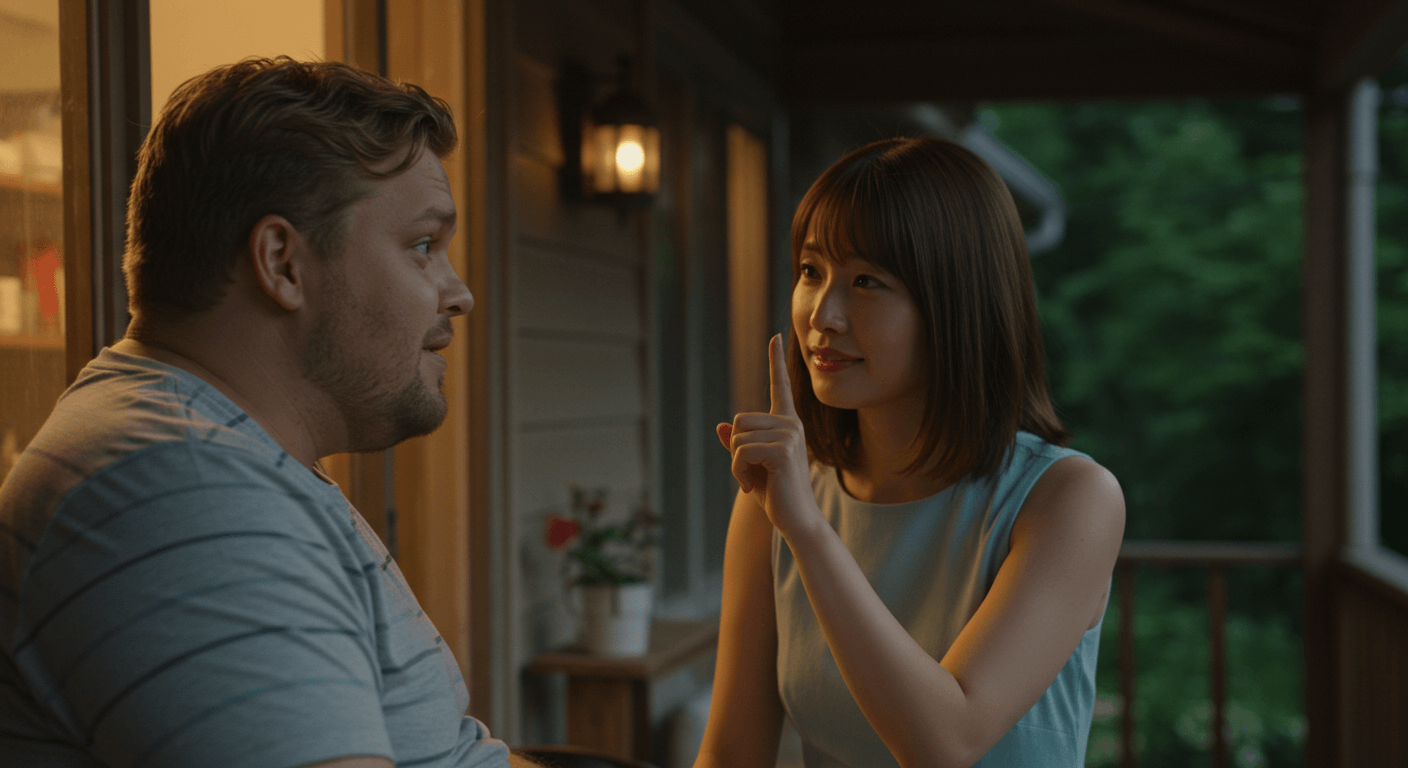
    Practicing patience before speaking to protect emotional connection.Most couples know the regret that follows words spoken too soon. You can almost feel the sentence leaving your lips before your mind has caught up-and by the time you realize it, the damage is done.

    When we’re hurt or frustrated, silence feels unbearable. We want closure, understanding, or at least acknowledgment-now. That’s the emotional reflex that drives so many arguments.

    But in that moment, your nervous system isn’t wired for clarity-it’s wired for defense. You’re not listening; you’re surviving. And that’s why immediate reactions rarely lead to connection.

    Waiting before you speak interrupts that survival loop. It tells your brain, “I’m safe enough to slow down.”

    In “The Criticism Trap: Why Your Words Are Costing You Connection”, we saw how criticism-even when intended as helpful-often backfires because it’s spoken too quickly. The same principle applies here: when your emotions speak before your wisdom does, even truth can sound like an attack.


    The Neuroscience Behind Emotional Reactivity

    Balancing emotion and reason before speaking during conflict.Your brain’s emotional center, the amygdala, activates within milliseconds when you feel threatened or disrespected. It floods your body with cortisol and adrenaline, priming you for fight, flight, or freeze.

    This automatic surge makes you feel compelled to say something-anything-to release tension. But what you say in those moments comes from instinct, not insight.

    When you wait before speaking, you give your prefrontal cortex-the reasoning part of your brain-time to re-engage. That pause, even a few seconds, can transform the entire trajectory of a conversation.

    Neuroscientists call this “emotional regulation,” but in marriage, it looks like wisdom. It’s the space where you choose connection over control, humility over heat.

    The same skill is at the heart of the follow-up post “Respond, Don’t React”, which builds on this principle by teaching couples how to stay grounded when emotions run high. Together, these two practices-waiting and responding-form the emotional architecture of a peaceful home.


    The Spiritual Practice of Restraint

    Couple practicing restraint through prayer before a difficult talk.Restraint doesn’t mean suppressing your feelings; it means submitting them to love. Scripture repeatedly connects wisdom with slow speech: “Everyone should be quick to listen, slow to speak, and slow to become angry.” (James 1:19).

    In marriage, restraint is a sacred discipline. It turns moments of tension into opportunities for spiritual growth. When you hold your tongue, you’re not bottling emotion-you’re offering it to God to filter.

    The act of waiting becomes a prayer: “Lord, give me words that heal, not harm.”

    You may find that during this pause, what you wanted to say changes. Sometimes God replaces sharpness with softness. Other times, He replaces words altogether with quiet understanding.

    Restraint protects not only your spouse’s heart but also your own peace. It keeps you from speaking words you’ll later have to apologize for-and preserves the spiritual atmosphere of your home.


    The 5-Second Window: How Micro-Pauses Build Macro-Peace

    Using a five-second pause to regain calm during conflict.You don’t always have 24 hours to cool down, but you always have five seconds. Those micro-pauses are small but mighty.

    Before responding, take a deep breath. Count silently to five. This short delay interrupts your emotional momentum and gives you a moment to ask: “Will what I’m about to say bring us closer or drive us apart-”

    The more often you practice micro-pauses, the more naturally they come. Over time, your brain learns to associate calmness with safety and speed with regret.

    It’s not about holding back forever-it’s about releasing words only when they’re ready.

    In “Before You Speak: The 24-Hour Rule That Saves Marriages”, we saw how even longer pauses-like a full day-can transform emotionally charged situations. Micro-pauses are the moment-to-moment version of that wisdom.


    Why Waiting Before You Speak Is Not Weakness

    Patience and emotional restraint symbolized in a calm marriage moment.Many people equate waiting with weakness-as if staying quiet means surrendering. But in marriage, silence can be one of the strongest forms of love.

    Anyone can react. It takes discipline to wait. It takes strength to hold truth until it can be spoken with tenderness.

    Waiting before you speak doesn’t mean you don’t care about the issue; it means you care about how the issue is handled. You’re choosing timing over tension, strategy over spontaneity.

    When you respond from patience, your words land softer, your spouse listens longer, and the chance for healing grows stronger.


    The Art of Listening While You Wait

    Active listening as part of waiting before responding in marriage.Silence isn’t just absence of words-it’s presence of listening. When you wait before speaking, fill that space by tuning into what your spouse is truly saying (and not saying).

    Most people listen to reply. Mature love listens to understand.

    Ask questions like:

    • “Can you tell me more about what you meant-”
    • “What were you hoping I’d hear in that-”
    • “How can I make this better-”

    Active listening disarms defensiveness. It shifts focus from self-protection to shared understanding.

    The ability to listen calmly even when you disagree is a mark of emotional intelligence-and it’s directly connected to waiting before you speak.


    What Happens When You Don’t Wait

    Healing emotional damage caused by speaking too quickly.When words come too quickly, wounds follow closely behind.

    Speaking in the heat of anger may feel satisfying in the moment, but it leaves emotional bruises that linger. You can say “I didn’t mean it,” but the echo remains.

    Without the habit of waiting, small irritations can escalate into major conflicts. What could have been a five-minute misunderstanding becomes a five-day standoff.

    That’s the hidden cost of impatience-lost peace, damaged trust, and lingering tension.

    Waiting before you speak prevents this cycle. It protects your marriage from unnecessary scars. It ensures that when issues arise, they’re addressed in an atmosphere of safety, not hostility.


    Waiting as an Act of Emotional Stewardship

    Reflecting on emotions before speaking as emotional stewardship.Your emotions are valid, but they are not always accurate. Feelings flare fast and fade slowly. That’s why emotional stewardship-the ability to manage feelings with wisdom-is essential in marriage.

    Waiting before you speak is emotional stewardship in action. It allows feelings to settle so facts can surface.

    During that pause, ask yourself:

    • “What story am I telling myself about this moment-”
    • “What might my spouse’s story be-”
    • “Is this worth the cost of conflict-”

    You’ll often discover that your initial reaction wasn’t the full truth. That’s what makes waiting sacred-it reveals reality through the lens of love instead of anger.


    How Waiting Protects Emotional Safety

    Creating emotional safety through patience and gentle conversation.Emotional safety is the invisible foundation of every strong marriage. It’s what makes it possible to share openly without fear of being shamed, corrected, or dismissed.

    When you wait before you speak, you signal to your spouse: “You’re safe with me.”

    It tells them that their feelings won’t be met with impulsive reactions. That you care more about understanding than defending.

    Over time, this builds trust. Your spouse begins to relax, knowing that conversations won’t explode but will unfold.

    In “When Words Wound”, we learned that tone can harm even more than content. Waiting before you speak allows tone to align with tenderness.


    The Connection Between Waiting and Wisdom

    Wisdom and timing symbolized by new growth emerging from the soil.Wisdom is not knowing what to say-it’s knowing when to say it. The best timing for truth is when both hearts are ready to receive it.

    Waiting refines your timing. It helps you deliver truth in a way that builds, not breaks.

    Think of your words as seeds. Even the right seed fails to grow if planted in hard soil. Waiting before you speak softens the soil of the moment so truth can take root.

    This is the same posture we explored in “The 24-Hour Rule That Saves Marriages”. Waiting creates room for clarity, humility, and grace to guide your timing.


    The Gentle Start: Beginning Hard Conversations Well

    Couple beginning a difficult conversation with a gentle approach.When it’s finally time to speak, how you begin sets the tone for how it ends. That’s where the “gentle start” comes in-a practice that replaces accusation with invitation.

    Instead of, “You never listen,” try, “Can we talk about something that’s been on my mind-”
    Instead of, “You always ignore me,” try, “I feel unseen when this happens.”

    Gentle starts signal safety. They invite collaboration instead of conflict.

    Waiting before you speak gives you time to craft this gentle beginning. It ensures that your words serve the relationship instead of sabotage it.


    Waiting as Worship: Slowing Down to Honor Love

    Waiting before speaking as an act of honoring love.Love is patient for a reason-it’s how it lasts.

    When you wait before speaking, you honor your marriage covenant. You protect what’s holy by slowing down what’s human.

    In moments of frustration, remember: restraint is reverence. Every pause says, “Our bond matters more than my momentary relief.”

    That’s not avoidance-it’s adoration. It’s what keeps your words aligned with your heart.


    What the 24-Hour Wait Reveals About You

    Finding clarity and peace after practicing a 24-hour pause.Longer pauses-like a 24-hour wait-reveal what’s really in your heart. After emotions settle, you begin to see your true motives. Was this issue about your spouse’s behavior, or about your need to control-

    The clarity that comes from waiting is transformative. You realize that not everything needs to be said-and that some things are best expressed through kindness, not conversation.

    Waiting helps you discern the difference between necessary truth and unnecessary tension. It filters your reactions through love before they ever reach your spouse’s ears.


    When Waiting Heals More Than Words

    Healing emotional distance through calm silence and patience.Some wounds in marriage can’t be fixed with quick explanations. They need space-time for the heart to process, the soul to breathe.

    Waiting before you speak gives healing that chance. Silence, when filled with compassion, can be more powerful than the perfect apology.

    You don’t have to rush resolution to prove you care. Sometimes love looks like patience, presence, and peace.


    The Long Game of Love

    Long-term peace and connection nurtured by patience and restraint.The discipline of waiting before you speak isn’t a short-term fix-it’s a lifelong rhythm. Each pause strengthens emotional resilience. Each moment of restraint deepens trust.

    Marriages thrive when both partners create room for grace. When they learn to wait, breathe, and choose words that build rather than break.

    In the long game of love, timing becomes tenderness. You stop trying to win and start trying to understand. You stop reacting to prove and start responding to protect.

    Waiting before you speak is not silence-it’s strategy. It’s how mature love stays steady through every storm.


    The Reward of a Measured Response

    Emotional reconnection after a calm, thoughtful conversation.When you master the art of waiting, you gain more than peace-you gain perspective.

    You start to realize that your spouse is not your opponent but your partner. That your goal isn’t to win arguments but to win each other’s hearts again and again.

    Waiting creates a sacred rhythm in marriage: pause, pray, proceed. And in that rhythm, love breathes easier.

    Words will always have power-but when you learn to time them well, they become instruments of healing instead of harm.

  • The Marriage Serenity Code: Finding Power in Acceptance

    The Marriage Serenity Code: Finding Power in Acceptance

    When arguments spiral over politics, news, or something your spouse said about the past, it’s rarely about the topic-it’s about control. The Marriage Serenity Code invites couples to step out of the powerless zone and rediscover peace through acceptance. It’s not passive surrender; it’s wise redirection. You can’t change the mayor’s decision, but you can change the atmosphere in your living room tonight.

    Couple finding calm together after conflict in marriage.Acceptance doesn’t mean apathy-it means maturity. It’s the ability to say, “I can’t fix everything, but I can protect what matters most.” In marriage, that perspective turns tension into teamwork and chaos into calm.

    This cornerstone post will guide you through what the Marriage Serenity Code looks like in real life-how to recognize where your energy goes, how to stop arguing about what you can’t change, and how to reclaim the power you already have.


    The Heart of the Marriage Serenity Code

    Morning peace symbolizing the serenity code in marriage.The Serenity Prayer-“God, grant me the serenity to accept the things I cannot change, courage to change the things I can, and wisdom to know the difference”-isn’t just for individual peace. It’s a powerful map for marriage.

    At home, serenity doesn’t mean silence; it means clarity. Acceptance doesn’t make you passive-it makes you wise. When couples practice serenity together, they stop wasting energy on what’s outside their control and invest that energy in connection.

    In marriage, that shift can feel small at first. But it changes everything.


    Control vs. Connection: The Hidden Battle in Every Argument

    Choosing connection over control in marriage.Every couple faces this invisible tug-of-war: the urge to be right versus the desire to be close. When control wins, connection suffers. The Marriage Serenity Code teaches you to recognize that pattern before it steals your peace.

    Imagine this: you’re both winding down for the night, scrolling through headlines. A political story comes up that fires you up. You make a comment. Your spouse rolls their eyes. Suddenly, you’re both knee-deep in an argument neither of you planned to have.

    The issue isn’t politics-it’s power. You’re frustrated by something you can’t change, so you try to reclaim power by proving your point. It’s human. But it’s also exhausting.

    Real power isn’t found in out-arguing your spouse-it’s in choosing peace over proof.

    When you learn to notice the moment your focus shifts from connection to control, you can pause, breathe, and re-center. That pause is the birthplace of wisdom-the very heart of the Marriage Serenity Code.

    If you’d like to explore this deeper, the post Control or Connection- The Choice You Make Every Night expands on how to spot that shift and make a conscious choice toward connection.


    When Arguments Aren’t About What They Seem

    Learning to listen beneath the argument in marriage.Most fights in marriage have a front story and a back story. The front story is the topic-politics, parenting, spending. The back story is what’s really happening beneath the words-feelings of being dismissed, unseen, unheard, or powerless.

    When your spouse gets fired up about an issue that has nothing to do with you, it’s easy to feel attacked. But often, that passion is a displaced emotion. It’s energy that feels safer directed at the world than at the real vulnerability underneath.

    The Serenity Code helps you recognize this and respond with empathy, not defensiveness.

    Ask yourself: What is this really about- Is this about the news-or about how helpless we both feel right now- Is this about the traffic-or about how disconnected we’ve been this week-

    Sometimes, your partner just needs to feel that they’re being heard, not corrected.

    If this pattern sounds familiar, you’ll love reading When Arguments Aren’t About What They Seem for a closer look at how emotional undercurrents shape our conversations.


    The Serenity Shift: From Powerless to Peaceful

    The serenity shift from reacting to responding in marriage.Every marriage reaches a point where you realize you can’t control everything-not your partner’s reactions, not their emotions, not the world outside your door. That realization can feel discouraging, or it can feel liberating.

    The Serenity Shift is the moment you stop focusing on external control and start nurturing internal calm. You can’t rewrite the past, but you can rewrite the tone of tonight’s dinner conversation. You can’t fix your spouse’s stress at work, but you can create a home that feels safe to land in.

    Acceptance is not the end of effort-it’s the beginning of effective effort.

    When couples practice serenity, they spend less time reacting and more time responding. They listen more deeply. They pause more often. They learn to protect their shared peace like something sacred.

    This mindset ties closely with Stop Fighting Ghosts: When You’re Angry at What You Can’t Change, which explores how much energy couples waste reliving old frustrations instead of investing in what’s still within reach.


    The Wisdom to Know the Difference (And How It Saves Your Sanity)

    Couple practicing discernment using the serenity code filter.One of the hardest things in marriage is discernment-knowing what’s worth discussing, what’s worth changing, and what’s worth letting go. The Marriage Serenity Code depends on this wisdom.

    Not every argument deserves airtime. Not every frustration needs to be fixed tonight.

    The secret isn’t in ignoring problems-it’s in triaging them. Ask three questions before reacting:

    1. Is this something I can control right now-
    2. Is this something my spouse and I can influence together-
    3. Or is this something we simply need to accept and move through peacefully-

    Couples who learn this skill argue less because they’ve developed the humility to focus on what’s real. They don’t get trapped in mental whirlpools of “what should have been.” They live in “what is”-and that’s where healing happens.

    If you want a practical framework for this discernment, check out The Wisdom to Know the Difference: A Daily Marriage Filter, which teaches how to build a daily reflection habit that filters emotion through purpose.


    Serenity Isn’t Surrender-It’s Strategic Peace

    Choosing peace over control in marriage.Many people misunderstand acceptance. They think it means giving up or lowering standards. But serenity in marriage is strategic-it’s how couples decide where to invest their emotional capital.

    When you accept what you can’t change, you free up energy to pour into what you can. Instead of exhausting yourself trying to rewrite history or control your spouse’s opinions, you can focus on your tone, your habits, your presence, your peace.

    Strategic peace is choosing long-term connection over short-term control.

    It’s the discipline of saying, “We can’t solve that tonight, but we can end this evening with kindness.” It’s recognizing that peace isn’t a lack of problems-it’s the strength to stay kind in their presence.


    The Courage to Change What You Can (Without Forcing What You Can’t)

    Courage and acceptance bringing couples closer.The middle line of the Serenity Prayer-“courage to change the things I can”-is the bridge between peace and growth.

    Marriage thrives when courage meets humility. It takes courage to apologize first, to drop a topic that’s gone nowhere, or to choose love over being right.

    When both partners commit to changing what they can-attitude, effort, communication patterns-everything shifts. Small changes ripple outward.

    Courage doesn’t always roar. Sometimes it whispers, “Let’s stop here.” Sometimes it shows up as a soft smile instead of another comeback.

    To see what this looks like in practice, explore Radical Acceptance: The Secret Strength Happy Couples Share, which breaks down how acceptance and courage intertwine to create lasting peace.


    Recognizing Power in the Present Moment

    Choosing present power through connection in marriage.You may not control world events, but you do control how you speak to your spouse. You can set the tone of your home, shape the mood of the evening, and decide whether tonight ends in peace or tension.

    The Serenity Code reminds you that your real power is right now.

    You can:

    • Turn off the argument and turn on a favorite song.
    • Replace commentary with compassion.
    • Choose a gentle tone even when you disagree.
    • Protect the peace in your home as fiercely as you protect your opinions.

    Each small act of serenity builds relational resilience. It teaches your marriage how to breathe again after emotional storms.

    For practical steps to build that peace daily, visit Shift the Atmosphere: How to Bring Peace Back Home. It pairs perfectly with this section, offering tangible ways to transform tension into calm.


    Practicing the Marriage Serenity Code in Real Life

    Evening ritual symbolizing serenity and gratitude in marriage.Here’s how to begin using the Serenity Code at home:

    1. Name your triggers.
      Notice which topics always pull you into frustration.
    2. Pause before reacting.
      Breathe before responding.
    3. Ask if this is within your control.
      If not, release it.
    4. Choose one thing you can change.
      Your tone, your facial expression, your posture, your energy.
    5. Practice gratitude daily.
      Gratitude grounds you in the present.
    6. Create a shared serenity ritual.
      A 2-minute evening prayer, a shared breath before dinner, or simply a rule that no politics are discussed after 8 p.m.

    These micro-practices anchor serenity in your routine, not just your intentions.

    If you’d like a beautiful example of how to transform nightly routines into emotional anchors, the article From Rants to Rituals: Reclaiming Your Evenings from Negativity shows step-by-step how couples trade complaint time for connection time.


    What Happens When Both Partners Practice Serenity

    Couple rebuilding peace and connection through serenity practice.When both partners commit to serenity, marriage becomes less about fixing and more about flowing. You start noticing small kindnesses again. The atmosphere in your home softens. Conversations become safer.

    You learn to let go of the scoreboard and instead protect your shared peace.

    This doesn’t mean you stop having opinions or convictions-it means you stop letting them rob your connection.

    Couples who embody the Serenity Code are grounded, compassionate, and emotionally wise. They know that love is built in moments of restraint as much as in moments of passion.


    The Long-Term Gift: Emotional Stability as a Shared Superpower

    Couple finding emotional strength and serenity through shared prayer.Emotional stability is one of the most underrated marital superpowers. It’s what allows two people to stay calm under pressure, recover from miscommunication, and rebuild trust faster.

    Practicing the Marriage Serenity Code gives you that gift. It’s emotional strength rooted in spiritual humility.

    When you and your spouse learn to discern between what you can control and what you can’t, you gain back hours of peace, countless nights of rest, and a renewed sense of partnership.

    Your marriage becomes a sanctuary in a noisy world-a place where acceptance is not weakness, but wisdom.


    The Marriage Serenity Code in Summary

    Hands open in acceptance, symbolizing peace and wisdom in marriage.At its core, this code teaches three sacred habits:

    • Acceptance: Let go of what’s outside your reach.
    • Courage: Change what’s within your power.
    • Wisdom: Learn to tell the difference daily.

    Together, these principles form the foundation of calm, resilient marriages. They help you stop fighting the world and start protecting your home.

    As you continue this journey, explore the full Power You Still Have series-each post builds on this foundation:

  • How Long-Lasting Couples Create Peace Without Perfection

    How Long-Lasting Couples Create Peace Without Perfection

    Introduction

    Long-time married couple walking hand-in-hand, symbolizing peace without perfection You don’t need a psychology degree or a shelf full of marriage books to build a strong relationship. Some of the happiest, longest-lasting couples have built their lives around grace, timing, and mutual respect, not rigid rules. Their wisdom often flies under the radar-quiet but powerful. In this post, we’ll share what we’ve learned from couples who’ve been married for decades-and how their lived experience can help you create peace in your marriage, even when your relationship is far from perfect.


    The Myth of the Perfect Marriage

    Married couple quietly enjoying coffee together, embracing simplicity and peace"Many modern couples struggle under the pressure of unrealistic expectations. Social media highlights flawless moments: anniversary trips, perfectly dressed kids, date-night selfies. But behind the scenes, real marriages are built on messy conversations, missteps, and a commitment to keep showing up.

    Long-lasting couples didn’t stay together because they were perfect. They stayed because they understood this: peace doesn’t come from perfection-it comes from grace.


    Peace in Marriage Starts with Perspective

    Long-term couples know that perspective is everything. Instead of expecting their partner to fulfill every emotional need or be flawless in communication, they accept that people are human.

    This doesn’t mean settling for dysfunction-but it does mean giving room for mistakes, moods, and change. Perspective allows you to zoom out and see your spouse as a whole person-not just someone who occasionally forgets to take out the trash or says something clumsy.


    Grace Over Grievances: The Core of Peaceful Relationships

    Married couple holding hands and reconnecting, showing grace over grievancesOne common trait in long-lasting marriages- A high grace-to-grievance ratio.

    That doesn’t mean these couples never speak up. It means they don’t major in the minors. They pick their battles. They let small annoyances go. They extend grace where they once may have pointed fingers.

    Grace looks like:

    • Giving your spouse the benefit of the doubt
    • Refraining from using past mistakes as weapons
    • Choosing kindness even when you’re tired or irritated
    • Repairing quickly after disagreements


    How Long-Lasting Couples Handle Conflict Without Losing Peace

    Husband and wife in a calm discussion, showing healthy conflict resolutionMany assume that peaceful couples avoid conflict-but in reality, they handle conflict differently.

    They fight fair. They stay respectful, even when upset. They know when to pause the conversation and revisit it with calm hearts. Long-lasting couples don’t let conflict define their marriage. They see it as a tool for growth.

    Here’s what they do well:

    • They pause instead of pouncing. Rather than reacting in anger, they take a break to breathe and return with clearer minds.
    • They aim for resolution, not victory. Their goal is understanding-not being “right.”
    • They make repair a habit. Apologies and amends are common and sincere.


    Emotional Safety: The Hidden Ingredient to Lasting Peace

    Couple having an intimate emotional conversation, building emotional safety in marriageEmotional safety is the foundation of any peaceful marriage. It’s what allows you to be vulnerable without fear of ridicule, honest without fear of judgment, and expressive without fear of punishment.

    Couples who’ve been married for decades tend to foster emotional safety by:

    • Listening without interrupting or fixing
    • Responding with empathy
    • Respecting each other’s emotional needs
    • Creating a safe space for difficult feelings

    When you feel emotionally safe, you’re more likely to speak from the heart-and more likely to hear your spouse’s heart in return.


    The Power of Rituals and Rhythms

    Long-married couple walking at sunset, enjoying daily ritual of togethernessLong-lasting couples often have simple rituals that keep them grounded. These might include:

    • Morning coffee together
    • Praying before bed
    • Weekly walks or meals out
    • Saying “I love you” before leaving the house

    These rhythms create predictable connection, reducing stress and reinforcing the bond between spouses.


    How to Respond When Your Spouse Falls Short

    Couple in quiet moment of forgiveness after disagreement, showing how to respond with graceSpoiler alert: your spouse will disappoint you at times. They’ll say the wrong thing, forget an important detail, or fail to support you in the way you hoped.

    Peaceful couples handle this with truth and tenderness. They express hurt without attacking. They name their needs without shaming. They forgive-again and again.

    Responding with curiosity (“What made you feel that way-”) instead of condemnation (“How could you do that-”) creates a bridge instead of a wall.


    The Importance of Shared Values

    Couple in quiet moment of forgiveness after disagreement, showing how to respond with graceWhile long-lasting couples aren’t always in sync on the little things, they often agree on the big things: faith, family priorities, financial stewardship, and long-term goals.

    This alignment creates peace of purpose. Even when daily life feels chaotic, they’re anchored by a shared vision.

    Couples who live peacefully without needing to be perfect understand that their values, not their compatibility on every detail, keep them united.


    Accepting Change and Growing Together

    Mature couple trying something new together, embracing growth and changeOver decades, people change. Peaceful marriages adapt. Long-lasting couples don’t cling to the past-they evolve, support each other’s growth, and embrace new chapters together.

    This could mean:

    • Supporting a career change
    • Navigating health challenges
    • Adapting to empty nest years
    • Embracing spiritual or emotional growth

    Instead of resenting change, they respond with curiosity and support.


    Why Letting Go Builds Lasting Peace

    Couple releasing balloons, symbolizing emotional release and freedom in marriageSometimes, the best way to protect your peace is to let something go. It could be a grudge, an old wound, or a past mistake. Couples who stay together for life are masters of moving forward without dragging yesterday behind them.

    They talk it through, forgive, and then move on. They don’t replay arguments or keep score. They know that peace isn’t about winning-it’s about loving well, even when it’s hard.


    Final Thoughts: Building a Marriage that Lasts

    You don’t need to have it all figured out to build a peaceful, lasting marriage. The couples who’ve made it 40, 50, even 60 years didn’t have all the answers. But they had willing hearts, humble spirits, and a shared desire to live in peace without perfection.

    They chose to stay. They chose grace. They chose love on the days when it was inconvenient or uncomfortable.

    And you can too.