Tag: micro-adventures

  • Design Your Marriage Rhythms: The Rituals & Resets Handbook

    Design Your Marriage Rhythms: The Rituals & Resets Handbook

    Closeness isn’t a feeling you chase; it’s a rhythm you design. This handbook shows you how to build a light, repeatable system-weekly anchor date, 10-minute check-in, monthly micro-adventure, and a 24-hour repair rule-that makes connection the default, even in peak seasons. You’ll discover how to size each practice to your actual life, layer them without overwhelm, and bounce back when a week gets messy. We’ll also give you language for protecting these rhythms with kindness (and a few playful scripts when you need a firm “no”). Think of this as your operating manual for staying warm together when the world gets cold.


    Why Designing Marriage Rhythms Matters

    Many couples wait for closeness to show up naturally, but life doesn’t leave much margin. Work deadlines, family obligations, and financial pressures all pull at your attention. Without intentional rhythms, even strong couples can drift into roommate mode-efficient, but emotionally thin.

    By designing marriage rhythms, you’re choosing to make connection automatic instead of accidental. Just like brushing your teeth prevents cavities, daily and weekly rituals prevent relational decay. They don’t need to be elaborate; they just need to be consistent.

    Couple planning weekly rituals together on a calendar as part of designing marriage rhythms.This principle underpins the 90-Day Holiday Stress-Proof Plan, where couples install anchors before December chaos begins. Rhythms aren’t seasonal hacks; they’re foundations you can build for a lifetime.


    The Four Core Rhythms That Keep Love Alive

    Couple keeping connection alive through a weekly anchor ritual at home.To keep your marriage warm year-round, you don’t need dozens of habits. You need four core rhythms:

    1. Weekly Anchor Date – A repeatable, non-negotiable touchpoint.
    2. 10-Minute Check-In – A daily or near-daily space to stay emotionally aligned.
    3. Monthly Micro-Adventure – A playful ritual that fights numbness with novelty.
    4. 24-Hour Repair Rule – A shared agreement not to let conflict sit longer than a day.

    These rhythms are designed to cover different layers of connection: stability, emotional safety, novelty, and repair.


    Rhythm 1: The Weekly Anchor Date

    The weekly anchor date is your relational baseline-a repeatable ritual that signals, “We show up for us.” Unlike elaborate date nights, anchors thrive on low prep and high consistency.

    Examples include:

    • Saturday morning pancakes at home.
    • Friday coffee walk before work.
    • Sunday evening couch-and-blanket ritual.

    The goal isn’t luxury; it’s predictability. When you know connection is coming, you both relax.

    Couple building consistency with a simple weekly anchor date at home.In fact, the importance of anchors is explored in Rituals That Hold When Life Gets Loud. Anchors are what keep couples grounded when everything else feels overwhelming.


    Rhythm 2: The 10-Minute Check-In

    Arguments rarely erupt from major issues; they come from the pileup of small unspoken frustrations. The 10-minute check-in is designed to clear those pileups daily.

    Use three simple prompts:

    1. “What colored your mood today-”
    2. “What’s one thing I can help carry tomorrow-”
    3. “What would feel like a connection in the next 24 hours-”

    No fixing, no lectures-just empathy and presence. End each check-in with a micro-win, like making tea together or taking a short walk.

    Couple staying emotionally aligned with a daily 10-minute check-in.”If you want the full guide, the dedicated post The 10-Minute Check-In explains exactly how to structure conversations, balance talk time, and adapt around kids or shift work.


    Rhythm 3: The Monthly Micro-Adventure

    Routines stabilize, but too much sameness numbs. The monthly micro-adventure injects novelty and play without requiring expensive trips or all-day outings.

    Examples include:

    • A thrift-store $10 challenge.
    • A sunrise cocoa walk.
    • A holiday light scavenger hunt.
    • Visiting a local landmark you’ve never explored.

    These adventures work best when paired with a debrief prompt: “What part of this adventure surprised you most-” Novelty creates memories, but reflection turns memories into meaning.

    Couple enjoying novelty with a monthly micro-adventure at a bookstore.For a full 12-week menu of ideas, see Micro-Adventures, Major Bond, which lays out dozens of simple adventures that reignite curiosity.


    Rhythm 4: The 24-Hour Repair Rule

    Conflict isn’t the enemy of marriage-distance is. The 24-hour repair rule prevents distance by setting a shared boundary: no rupture sits longer than a day.

    The script is simple:

    • Name: “I snapped at you earlier in the car.”
    • Own: “That was my fault.”
    • Ask: “Did it hurt you more than I realized-”
    • Plan: “Next time, let’s leave earlier.”

    This doesn’t require full resolution in 24 hours. It requires repairing the bond-showing your spouse that the relationship matters more than the fight.

    Couple practicing the 24-hour repair rule to protect closeness.The full guide, Repair Fast: A 24-Hour Rule for Arguments, explores scripts for public friction and restarting physical affection safely after conflict.


    How to Layer Rhythms Without Overwhelm

    Trying to adopt all four rhythms at once can feel daunting. The key is layering.

    Step 1: Start with the weekly anchor date-the easiest to install.
    Step 2: Add the 10-minute check-in-short and lightweight.
    Step 3: Introduce a monthly micro-adventure-something fun to anticipate.
    Step 4: Agree on the 24-hour repair rule-a culture shift for conflict.

    Think of it as stacking blocks. Each layer strengthens the others, creating a structure that holds under stress.

    Couple layering small rhythms onto their weekly calendar for connection.This layering method is echoed in the 12 Dates in 12 Weeks challenge, which uses urgency and countdowns to build momentum without overwhelm.


    Protecting Your Rhythms with Kindness

    Even the best rhythms won’t last if you can’t protect them. Invitations, family obligations, and fatigue will always compete. That’s why you need kind but firm scripts.

    Examples:

    • With Friends: “We’d love to join, but Friday night is our couple time. Can we see you Saturday instead-”
    • With Family: “We’ll be there from 3 to 6-we’re saving the evening for us.”
    • With Each Other: “I’m tempted to cancel, but I know we’ll feel better if we keep it.”

    Protection isn’t selfish-it’s stewardship of your marriage.

    Couple using boundary scripts to protect their marriage rhythms with kindness.This principle also shows up in Money, Expectations, and In-Laws, where couples learn to set boundaries before holiday stress hits.


    Bouncing Back When Rhythms Slip

    No couple keeps rhythms perfectly. Kids get sick, jobs run late, and weeks fall apart. The difference is whether you spiral or bounce back.

    Bounce-back language matters:

    • “We missed last week-let’s restart with a simple cocoa walk tonight.”
    • “That slipped, but we’re not starting from scratch. We’re continuing.”

    Small resets protect the larger culture.

    Couple bouncing back to their rhythms after a missed week.For more recovery scripts, the post When the Plan Slips: Bounce-Back Scripts provides ready-to-use phrases for real-life detours.


    Designing Rhythms for Your Season of Life

    Parents adapting marriage rhythms to fit their current season with kids.Every couple has a unique season-new parents, empty nesters, shift workers, or caregivers. The trick is to size rhythms to your reality.

    • With young kids: Keep anchors short and at home.
    • With shift work: Rotate check-ins to mornings or lunch breaks.
    • With financial pressure: Lean on free micro-adventures.
    • With travel-heavy schedules: Adapt rituals into travel routines (hotel walks, phone check-ins).

    There’s no one-size-fits-all rhythm. There’s only the rhythm that fits your life right now.


    Building a Culture, Not Just Habits

    Couple thriving in their marriage culture of rituals and resets.The ultimate goal isn’t just stacking habits-it’s building a marriage culture. A culture says, “This is who we are.” When rituals become culture, you don’t have to negotiate them every week. They’re simply part of your identity as a couple.

    • “We’re a couple who does weekly anchors.”
    • “We’re a couple who repairs within 24 hours.”
    • “We’re a couple who always makes space for novelty.”

    That culture becomes your shield against stress, numbness, and drift.

  • Date Night with a Deadline: How 12 Dates in 12 Weeks Rebuild Warmth

    Date Night with a Deadline: How 12 Dates in 12 Weeks Rebuild Warmth

    Romance doesn’t disappear-it gets crowded out. A 12-week countdown creates urgency and play before the holiday storm. This guide gives you a ready-to-run “12 Dates in 12 Weeks” plan that fits real budgets and busy calendars. You’ll mix easy at-home themes with short micro-adventures so novelty does the heavy lifting. Each date includes a tiny prompt that builds emotional safety and trims old arguments at the root. The goal isn’t fancy; it’s frequency. When you hit December, affection will feel warm and familiar, not performative. Bonus: a printable tracker and two “rainy day” alternates for weeks that go sideways.


    Why 12 Dates in 12 Weeks Works

    Couple planning 12 dates in 12 weeks together on a calendar.The psychology of urgency is powerful. When you know you only have a limited window, you show up differently. A 12-week countdown frames romance as a shared project with a built-in finish line, not an endless obligation. Instead of “someday we’ll go out,” it becomes, “This week is Date 4-we’re on track.”

    Couples who embrace the “12 Dates in 12 Weeks” challenge often notice three changes:

    • Consistency beats intensity. Frequent small connections create more warmth than sporadic grand gestures.
    • Novelty breaks autopilot. Even tiny changes-a new board game, a new park-reboot energy.
    • Deadlines drive action. When the calendar is ticking, you make space instead of waiting for it.


    How to Prepare for the 12 Dates in 12 Weeks Challenge

    Preparation doesn’t mean overplanning. It means setting yourself up for success:

    • Agree on your “why.” Are you rebuilding warmth, preventing stress, or adding fun-
    • Set a consistent rhythm. One date per week, same day if possible.
    • Budget realistically. Mix free at-home nights with occasional splurges.
    • Create accountability. Print a tracker, post it on the fridge, and check off each date.

    12 dates in 12 weeks tracker on fridge for accountabilityIf you want to pair this with a broader seasonal playbook, see Stop the December Spiral: A 90-Day Holiday Stress-Proof Plan, which shows how weekly dates become anchor rhythms that hold under holiday pressure.


    The 12 Dates in 12 Weeks Plan

    Here’s a ready-to-run framework. Each date is short, simple, and designed to spark warmth without draining time or money.

    Date 1: Coffee Shop Kickoff

    Couple enjoying first coffee shop date in 12 dates in 12 weeks challenge.Start with something easy and low-stakes. Go to a café, order your favorites, and share one small story you’ve never told before.

    Date 2: At-Home Movie Swap

    Each partner picks a favorite film the other hasn’t seen. Watch with popcorn and pause once to explain why it matters.

    Date 3: Micro-Adventure Walk

    Pick a new neighborhood, park, or trail. Walk for 45 minutes. End by sharing one “high” and one “low” from your week.

    Date 4: Cook Together Night

    Choose a recipe you’ve never tried. Cook side by side, even if messy. The process is the date.

    Date 5: Memory Box

    Look through old photos or keepsakes. Share one story you’ve never mentioned before.

    Date 6: Game Night Twist

    Couple enjoying game night as part of their 12 dates in 12 weeks plan.Try a new card or board game. Loser gives winner a silly “coupon” (back rub, breakfast in bed).

    Date 7: Night Drive + Playlist

    Go for a short drive at night. Each person curates five songs and explains why they chose them.

    Date 8: Bookstore Blind Pick

    Visit a bookstore. Each chooses a book for the other to read 10 pages from later that week.

    Date 9: Local Free Event

    Check a community calendar-farmers market, art fair, free concert. Show up with curiosity.

    Date 10: Candlelit Dinner at Home

    Make a simple meal but set the table like a restaurant-candles, music, dress up a little.

    Date 11: Dream Swap

    Over dessert or wine, share one dream for the next five years. Listen without fixing.

    Date 12: Celebration Date

    Couple celebrating last date in their 12 dates in 12 weeks challenge.Revisit your favorite of the past 11 dates. Repeat it with gratitude for completing the challenge.


    Tiny Prompts That Build Emotional Safety

    Couple building emotional safety during their 12 dates in 12 weeks plan.Each date includes a short prompt to encourage deeper connection without overwhelming the night. Examples:

    • “One thing you appreciated about me this week was…”
    • “One thing I’ve been carrying that I could use help with is…”
    • “One dream I rarely talk about is…”

    These prompts aren’t therapy-they’re mini bridges. Used weekly, they shrink distance and prevent small frustrations from growing into big fights.


    Rainy Day Alternates for the 12 Dates in 12 Weeks Challenge

    Couple using a rainy-day alternate date to stay consistent with 12 dates in 12 weeks.Life will get messy. Kids will get sick, jobs will run late, events will overlap. That’s why having two “rainy day” dates ready ensures consistency:

    • Rainy Day Option 1: Living Room Dance Party – Put on your wedding playlist or current favorites. Dance for 15 minutes.
    • Rainy Day Option 2: Story Swap – Each tells a childhood story not shared before.

    Consistency is the goal. Perfection is not.


    Common Roadblocks and How to Overcome Them

    Couple scheduling around busy calendars to protect their 12 dates in 12 weeks.Roadblock 1: Busy Calendars
    Solution: Schedule dates in advance, treat them as immovable.

    Roadblock 2: Tight Budgets
    Solution: Emphasize at-home dates and free adventures.

    Roadblock 3: Energy Slumps
    Solution: Keep dates short. Even 45 minutes counts.

    Roadblock 4: Different Interests
    Solution: Take turns picking. Stretch into each other’s world.


    Tracking Your Progress Together

    Couple tracking progress through 12 dates in 12 weeks challenge.Accountability keeps the challenge fun. Use a printable tracker with 12 boxes. Each week, check off your date and jot a two-word memory. By December, you’ll have a playful log of connection.

    If you want to see how to integrate this into a larger holiday rhythm, check out Rituals That Hold When Life Gets Loud, which shows how weekly anchors protect closeness when schedules explode.


    Why This Challenge Matters Before the Holidays

    Couple feeling warm and connected after completing 12 dates in 12 weeks.The weeks leading to the holidays test every couple: finances, expectations, family, logistics. By running 12 dates in 12 weeks, you build warmth and stability before those triggers peak. When December comes, affection will feel natural, not forced.

    Think of it as “training season” for your marriage-short practices that make game day smoother.

  • Micro-Adventures, Major Signals: New Foods, New Cities, New Us

    Micro-Adventures, Major Signals: New Foods, New Cities, New Us

    Novelty trains your identity to expect growth. When you and your spouse explore something new for 30–120 minutes-a cuisine you’ve never tried, a neighborhood you haven’t walked, a free class you’ve been curious about-you’re not just making memories; you’re sending your relationship a message: we try things; we adapt; we have fun together. Micro-Adventures, Major Signals is your practical playbook for bite-sized outings that inject energy without blowing the budget, plus a debrief script that turns those outings into closeness that lasts long after the selfie.

    Micro-Adventures, Major Signals moment as a couple explores a new café together


    Why Micro-Adventures, Major Signals Works (novelty → identity)

    Time-boxed micro adventures create novelty that your relationship can trustIdentity is built from evidence. Do what curious, connected couples do-sample a new street taco, walk a different river path, sit side-by-side in a free museum talk-and your nervous system updates the story: we’re the kind of couple who learns, explores, and enjoys the small stuff. That’s why Micro-Adventures, Major Signals changes the feel of the week without demanding heroic energy. Short, local, low-stakes experiences deliver proof your relationship can trust.


    Design Principles for Micro-Adventures, Major Signals (small, local, easy)

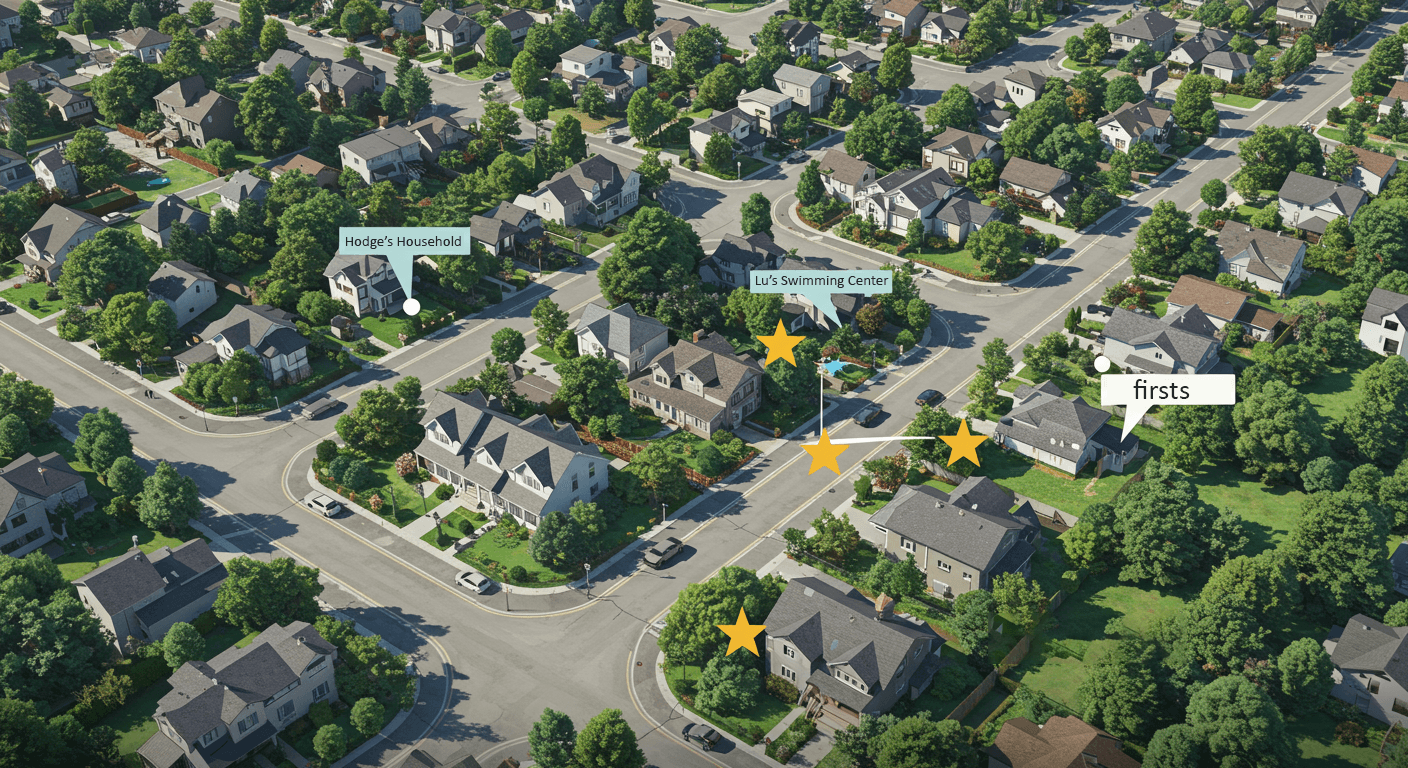
    Visible one-hour micro-adventure card makes action easyThink of micro adventures as firsts that fit real life. Keep them nearby, time-boxed, and cheap so you actually go.

    • Small: 30–120 minutes is plenty; many great micro-adventures take under an hour.
    • Local: Choose spots within 15–30 minutes of home, work, or childcare.
    • Easy: Decide route and budget in advance; pack nothing but comfortable shoes and curiosity.
    • Specific: Name the exact first: “tom yum at Noon Thai → read that historic plaque across the street.”
    • Visible: Put the plan on your calendar with start and stop times so it’s real.


    The 30–120 Minute Menu: New Foods, New Rooms, New Routes (major signals)

    Micro-adventures map shows new foods, new rooms, and new routes within one mileUse this starter menu to spark ideas you can repeat in different flavors all year.

    New Foods (45–90 minutes)

    • Share one new appetizer at your regular spot; talk about texture and spice for two minutes.
    • Order from a country you’ve never tried; each picks one dish-no second-guessing.
    • Dessert-only date: choose a bakery item you’d usually skip and split it on a park bench.

    New Rooms (60–120 minutes)

    • Sit in on a free library author talk or museum gallery lecture.
    • Drop into an open house at a community studio-pottery, dance, woodworking, photography.
    • Browse a neighborhood bookstore and each pick (or wishlist) one postcard or zine.

    New Routes (30–75 minutes)

    • Walk a different block of your city: window-shop one side going out and the other coming back.
    • Ride public transit two stops, hop off, wander for twenty minutes, and return.
    • Use the “street you’ve never turned on” rule for one loop.


    Debrief That Turns Firsts into Closeness (micro-adventure debrief)

    Simple café napkin prompts help couples debrief micro adventures in minutesWhat you say after an outing determines how much closeness you keep. Use this two-minute debrief before you reenter normal life:

    1. Notice: “One thing I enjoyed about tonight was ___.”
    2. Name: “A moment that felt like us was when ___.”
    3. Next: “Let’s repeat ___ and tweak ___ next time.”

    That’s it-short, kind, forward-looking. You’re training your relationship to look for delight and design.


    Courage Reps: Micro-Adventures as Confidence Training (brave together)

    Courage reps card tracks small firsts that grow designed confidenceEvery small first is a courage rep that tells your body, we try; we recover; we can do new. If you want a step-by-step ladder of tiny risks that make bravery feel easy, you can layer in the tiny-risk menu we outline in Confidence by Design: Tiny Risks That Teach Your Marriage Who You Are; those quick reps pair beautifully with the Micro-Adventures, Major Signals menu here.


    Budget-Smart Micro-Adventures (tight season, big signals)

    Firsts Fund jar keeps micro adventures budget-friendly and intentionalMicro means affordable by design. Keep novelty high and cost low with a few moves:

    • Pick a price cap (e.g., $10 or $0); constraints spark creativity.
    • Go dessert-only or coffee-only to sample a place without a full bill.
    • Stack freebies: library talks, gallery nights, outdoor concerts, markets, neighborhood festivals.
    • Share one new dish or split two small plates; the goal is try, not feast.
    • Use daytime windows (lunch breaks, school hours) to avoid childcare costs.


    Micro-Adventures for Every Season (year-round novelty)

    Seasonal micro-adventures give couples fresh, low-cost novelty year-roundSpring: Farmer’s market stroll + one new ingredient; debrief while splitting berries on the steps.
    Summer: Sunset benches + neighborhood ice cream crawl; choose one flavor you’d rarely pick.
    Fall: Mural walk + cider flight; share a “memory I want to repeat this year.”
    Winter: Museum late-night or indoor garden; warm up with tea and two napkin questions.


    Inclusive Micro-Adventures (kids, constraints, and comfort)

    Family-friendly micro-adventure combines a short park visit with a new pastryYour life stage shouldn’t block novelty; just adjust the container.

    • With little kids: Aim for 30–45 minutes; fenced park + new bakery is a win.
    • With teens: Let them pick the first (ramen, retro arcade, thrift hunt) and run the debrief.
    • Mobility constraints: Accessible waterfronts, botanical gardens, museum benches with audio tours.
    • Anxiety or sensory needs: Preview photos, set an exit option, choose off-peak times, bring familiar snacks.
    • Tight health margins: Scenic drive + ten-minute lookout sit with warm drinks.


    Put Micro-Adventures, Major Signals on Your Calendar (cadence that compounds)

    Calendar with recurring micro-adventure stickers anchors novelty into your monthMomentum beats motivation. When you place two to four micro adventures on your calendar each month, novelty becomes normal. Many couples weave this rhythm into a simple quarter-long cadence; if you’d like a template that shows exactly where these firsts fit, you can drop them straight into the weekly windows we outline in Stop Waiting for Time: Create It Together (A 90-Day Identity Reset) so Micro-Adventures, Major Signals becomes a sustained habit-not a one-off burst.


    18 Ready-to-Run Micro-Adventure Playlists (plug-and-play)

    Save these in your notes app and plug them in as-is.

    1) Dessert & Stroll (45–60 minutes)

    Dessert-only micro-adventure sparks conversation and delight

    • Dessert-only order at a new bakery.
    • Walk two blocks; swap one “I noticed.”
    • Debrief on a bench: enjoyed / us / next.

    2) Two-Stop Transit Loop (60–90 minutes)

    Transit mini-loop turns routine into an urban micro adventure

    • Ride transit two stops; get off in a new area.
    • Window-shop one side of the street out, the other back.
    • Tea to-go; debrief while waiting for the return ride.


    3) Gallery Night (60 minutes)

    Gallery micro-adventure invites curiosity and shared meaning

    • Free gallery or museum late-night.
    • Each pick one piece to explain.
    • One-sentence takeaway at the exit.


    4) Neighborhood Triangle (75 minutes)

    Triangle itinerary samples a neighborhood without overspending

    • New appetizer at Spot A.
    • Walk to Spot B for coffee.
    • End at Spot C for a postcard or zine.


    5) Park + Podcast (45 minutes)

     Park-and-podcast micro-adventure combines movement and shared learning

    • Download a short episode you both enjoy.
    • Walk a loop; pause once to discuss one idea.


    6) Thrift Hunt (60–90 minutes)

    Thrift hunt micro adventure turns browsing into playful discovery

    • Set a $10 cap; each finds one “conversation object.”
    • Share why you picked it over coffee.


    7) Sunset Circuit (45 minutes)

    Sunset micro-adventure adds romance in under an hour

    • Choose a lookout; arrive 15 minutes before sunset.
    • Share one memory you want to repeat this year.


    8) Bookstore Bingo (60 minutes)

    Bookstore bingo micro-adventure mixes serendipity with taste-sharing

    • Draw three prompts: “red cover,” “set in a city you love,” “short essays.”
    • Find one title that matches; swap elevator pitches.


    9) Coffee Crawl (60–90 minutes)

    Coffee crawl micro adventure samples vibes more than caffeine

    • Two cafés, one drink each; compare one feature (music, mugs, barista art).


    10) Little Lecture (60–120 minutes)

    Little lecture micro adventure turns curiosity into a couple habit

    • Free campus talk or community class; sit side-by-side.
    • Debrief with one “surprised me” and one “we could try.”


    11) Murals + Market (90 minutes)

    Murals-and-market micro-adventure mixes color, flavor, and a take-home plan

    • Street art stroll + farmers market sample plate.
    • Choose one ingredient to cook this week.


    12) Map Roulette (30–60 minutes)

    Map roulette micro-adventure keeps novelty simple and spontaneous

    • Open a map, close your eyes, point; explore a 10-block radius.
    • Set a strict time-box so it stays easy.


    13) Library Passport (60 minutes)

    Library micro-adventure pairs low cost with quiet delight

    • Visit a branch you’ve never entered.
    • Each finds one “staff pick” to sample on-site.


    14) Park Bench Interviews (45 minutes)

    Bench question prompts deepen conversation during a short outing

    • Each writes one playful question on a card (e.g., “What small risk paid off for you-”).
    • Read and answer on a bench.


    15) Window-Seat World Tour (60 minutes)

    Low-cost taste tour turns dinner into a tiny world trip

    • Choose a cuisine new to both of you.
    • Share one detail each about the country while you eat (language, music, holiday).


    16) Soundtrack Stroll (45 minutes)

    Soundtrack stroll micro-adventure mixes music and memory

    • Make a 30-minute playlist for the walk.
    • Trade stories tied to songs.


    17) Photo Prompts (60 minutes)

    Photo prompt micro adventure turns a walk into playful noticing

    • Walk with a shared prompt list: “blue door,” “reflection,” “tiny plant.”
    • Pick three favorite shots together.


    18) “Two-Napkin Night” (45–60 minutes)

    Two-napkin micro adventure keeps conversation fresh and focused

    • Each writes a question on a napkin at a low-key café.
    • Swap halfway; answer honestly.


    Tracking the Signals: What to Measure (momentum, not vibes)

    Simple scoreboard makes micro-adventure progress visible and motivatingKeep metrics light and encouraging:

    • Firsts count: How many micro-adventures this month-
    • Debriefs done: Number of two-minute debriefs completed.
    • Repeat-worthy moments: One-liners you add to a “keep list.”
    • Repair speed: Minutes from a tense moment to first repair attempt during the outing.
    • Budget kept: Stayed within your cap- ✔️

    Post a small scoreboard on your fridge. Snap a photo at month’s end. Those check marks are micro-evidence that becomes macro-identity.


    The 21-Day Micro-Adventures, Major Signals Starter

    Three-week micro-adventures checklist helps couples start-and keep-noveltyDay 1: Put a “Firsts Fund” jar on the counter; set a $10 cap.
    Day 2: Choose a New Foods plan (30–60 minutes).
    Day 3: Debrief; add one line to the keep list.
    Day 4: Try a New Routes walk (30–45 minutes).
    Day 5: Debrief; schedule next week’s outing now.
    Day 6: Create an ultra-light “date kit” (napkins, tea light, pens).
    Day 7: Rest or do an at-home novelty (cook a new ingredient).
    Day 8: Visit a New Room (library talk or gallery).
    Day 9: Debrief; post one photo where you’ll see it daily.
    Day 10: Invite one micro-adventure with friends (dessert-only).
    Day 11: Debrief; log a short reflection (“one surprise,” “one repeat”).
    Day 12: Make a neighborhood triangle (appetizer → stroll → postcard).
    Day 13: Debrief; pre-schedule two firsts for next month.
    Day 14: Sunset circuit with a shared memory prompt.
    Day 15: Bookstore bingo with three prompts each.
    Day 16: Park + podcast loop; pause once to discuss one idea.
    Day 17: Coffee crawl; compare music or mugs.
    Day 18: Map roulette; time-box to 45 minutes.
    Day 19: Thrift hunt with a $10 cap; share your finds.
    Day 20: Two-napkin night; ask and answer with curiosity.
    Day 21: Celebrate with a low-cost treat and read your keep list aloud.


    Troubleshooting: When Novelty Makes You Nervous (keep it humane)

    Two-minute pause restores safety during a micro-adventure wobble

    • Too tired- Shrink the plan. A 20-minute bench-and-bakery counts.
    • Anxious- Preview photos of the place; set an exit plan; choose off-peak times.
    • Schedules exploded- Do a 30-minute at-home variant (foreign film short + dessert).
    • Fight mid-outing- Call a two-minute pause, name one feeling, own one slice, propose one next step. Then enjoy what you can.
    • One partner hesitant- Offer two options and a no: “market walk or café window- ‘Neither’ is okay; we can stay home and try a new tea.”


    Weaving Courage Reps and Cadence Into Your Season 

    Hub sketch shows how courage reps and cadence make micro-adventures sustainableMicro novelty sticks best when it lives inside simple systems. If you need small, kind ways to build courage so new places feel safe, you can borrow the tiny-risk ladders we share in Confidence by Design: Tiny Risks That Teach Your Marriage Who You Are and then turn those reps into playful firsts with this Micro-Adventures, Major Signals menu. And when you’re ready to make these firsts a reliable part of your quarter, you can slot two or three “firsts windows” straight into the weekly cadence we outline in Stop Waiting for Time: Create It Together (A 90-Day Identity Reset) so novelty becomes habit, not accident.


    Bring It Home: New Foods, New Cities, New Us (choose one now)


    Visible cues make the micro-adventure plan hard to miss and easy to keepMicro-adventures aren’t expensive or epic; they’re small and steady, like a heartbeat. One new thing, one short window, one tiny debrief-that’s enough to teach your identity to expect growth and your marriage to expect delight. Pick one outing right now. Put it on the calendar with a start and stop time. Tuck two napkin prompts in your pocket and go.

  • Stop Waiting for Time: Create It Together (A 90-Day Identity Reset)

    Stop Waiting for Time: Create It Together (A 90-Day Identity Reset)

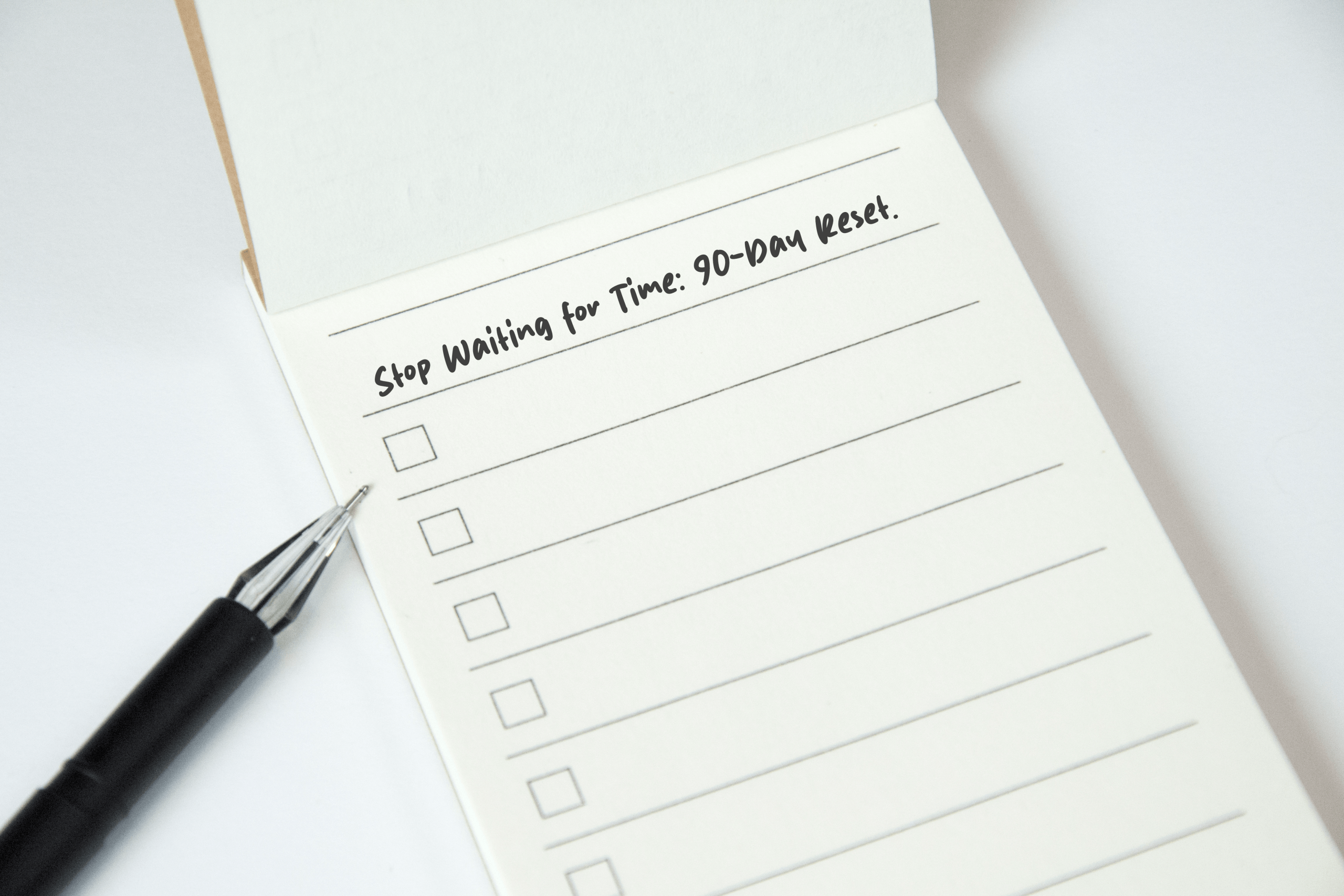
    Time isn’t found; it’s made. Most couples keep hunting for a mythical free weekend, a calmer quarter, or a magical burst of motivation-and lose another season to logistics. Stop Waiting for Time flips that script. This 90-day identity reset installs three anchor rhythms-a weekly date, a weekly micro-adventure, and a weekly check-in/retro-so your calendar broadcasts a new identity: we are the couple that shows up for us. You won’t add heavy routines or complicated systems. You’ll design small, repeatable moves that fit your tired days, survive real interruptions, and steadily create time together.

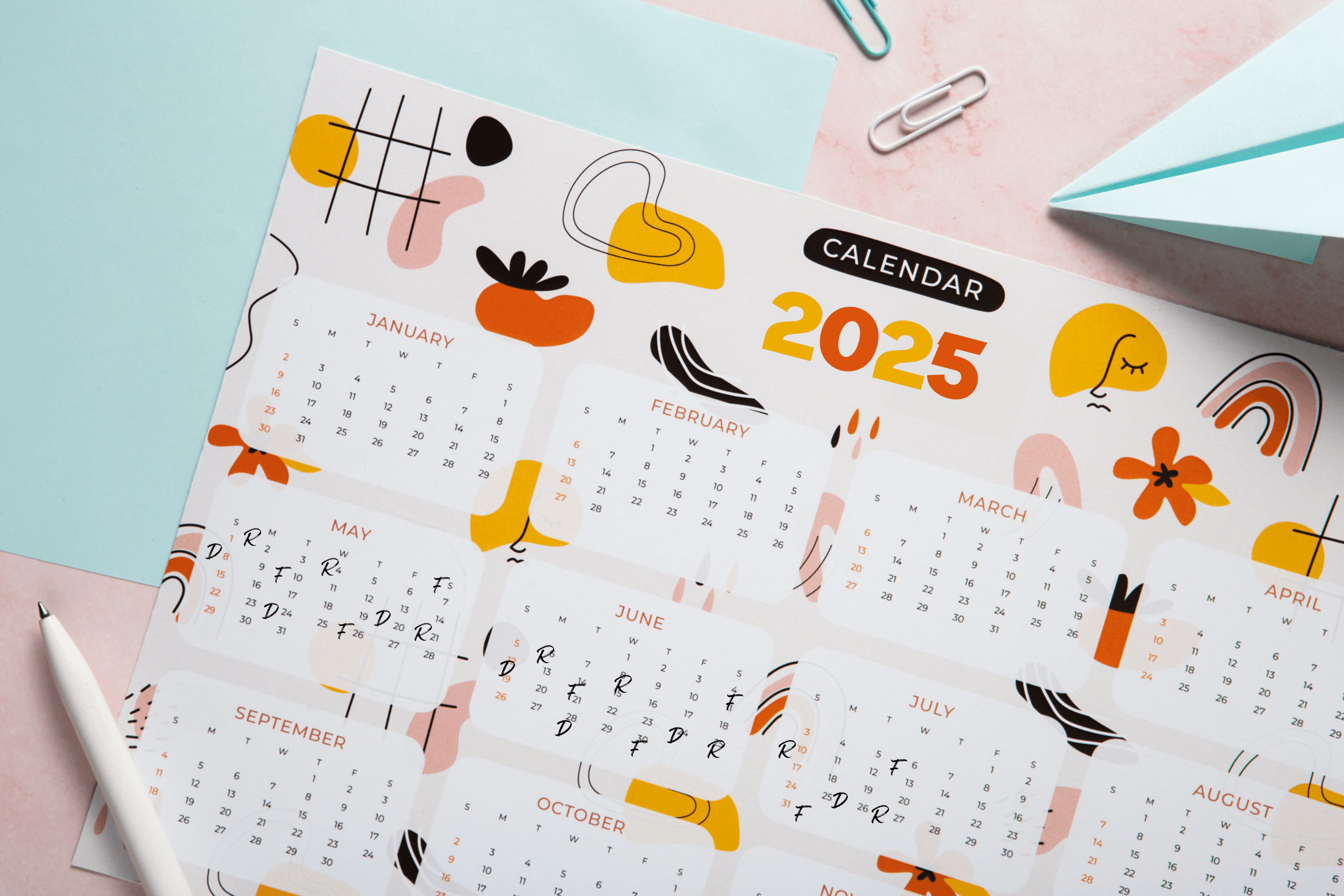
    Month calendar showing how a 90-day identity reset creates time with repeating date, micro-adventure, and check-in rhythms


    Why “Stop Waiting for Time” Works (identity → rhythms → proof)

    Self-signaling loop card illustrating how Stop Waiting for Time converts identity into actionWaiting to feel ready is a trap. Feelings are lagging indicators; proof is the lead domino. When you stack tiny proofs-“we kept date night,” “we tried one new thing,” “we checked in for ten minutes”-your nervous system updates its forecast: this is who we are now. If you want the mindset model behind this (belief → behavior → proof → stronger belief), it helps to ground your strategy in the cornerstone on self-signaling; many couples start by skimming the loop in Who We Think We Are: Self-Signaling and Your Marriage Identity and then come back here to install the 90-day cadence.


    “Stop Waiting for Time”: The 90-Day Identity Reset at a Glance

    Three-phase blueprint showing how to create time together in 90 daysThe 90-day reset is intentionally light. It creates time by installing and protecting three anchors:

    • Weekly Date (60–120 minutes): A standing appointment that says “we chose us.”
    • Weekly Micro-Adventure (30–90 minutes): One low-cost “first” that wakes up your connection.
    • Weekly Check-In / Retro (10 minutes): A brief steering wheel that prevents drift.

    The reset unfolds in three phases:

    1. Month 1 – Install: Put the anchors on repeat and run the simplest versions.
    2. Month 2 – Stabilize: Remove friction, shrink to fit, and protect the cadence.
    3. Month 3 – Compound: Add variety and track a few small metrics so momentum starts carrying you.


    Anchor #1: A Weekly Date-because Date Night Is a Decision

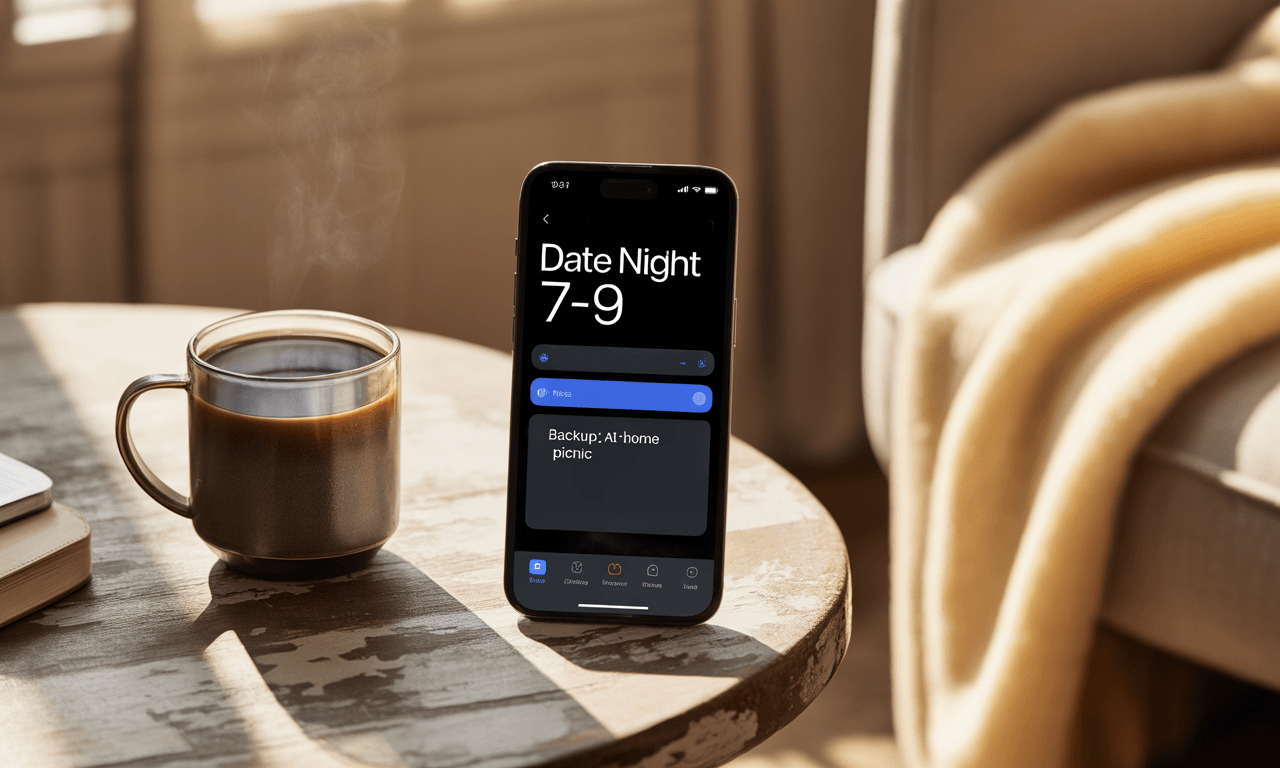
    Recurring calendar event illustrating a pre-decided weekly date with a built-in backupA weekly date is not a reward for having margin-it’s how you create margin. Treat it as a decision, not a vibe. Pick one night, set it to repeat, and protect a simple template plus a clear backup.

    • Night: Choose the least conflict-prone evening; lock it for 12 weeks.
    • Template: Decide the shape once-walk + dessert, appetizer hop, at-home picnic + two questions.
    • Backup: If childcare or energy collapses, trigger the at-home version (blanket on the floor, playlist, phones away).
    • Budget: Set a cap for the quarter (even $0). Constraints create creativity.

    If you want a step-by-step friction-removal guide so this anchor never turns into a debate, you can adopt the system we outline in Date Night Is a Decision; couples often say, “we used the exact four pre-decisions in Date Night Is a Decision: Building a Weekly Signal of ‘Us’ and then plugged that decision back into our 90-day reset.”


    Anchor #2: A Weekly Micro-Adventure-small firsts, major signals

    Local micro-adventure map showing how a weekly first fits in 45 minutesNovelty trains your identity to expect growth. One 30–90 minute “first” each week-new pastry, new path, new room-adds energy without blowing the budget. Keep it local, time-boxed, and specific (“Fri 6:30–7:30: tom yum at Noon Thai → mural on Cedar”).

    Quick menu ideas:

    • New foods: Share one appetizer you’ve never ordered; talk textures for two minutes.
    • New routes: Two-stop transit loop; window-shop one side of the street out, the other back.
    • New rooms: Free library author talk; pick one “staff pick” and swap one-sentence reactions.

    To keep novelty easy all quarter, some couples borrow ideas-and a two-minute debrief-from Micro-Adventures, Major Signals, saying things like, “we scheduled two ‘firsts windows’ per month using the menu in Micro-Adventures, Major Signals: New Foods, New Cities, New Us, and the quarter flew by in the best way.”


    Anchor #3: A Weekly Check-In / Retro-ten minutes that steer the ship

    Cozy conversation nook designed for a weekly ten-minute retro that keeps the quarter on trackA short, kind conversation keeps little problems little. Run it the same day every week (many couples choose Sunday evening).

    Four-question script (10 minutes total):

    1. What worked this week- (name it, keep it)
    2. What didn’t- (facts, not blame)
    3. One tweak for next week- (shrink it until it’s a sure win)
    4. One appreciation to close- (specific effort + impact)

    Tip: Sit side-by-side facing the room; phones face-down and out of reach. You’re on the same team, literally looking in the same direction.


    Stop Waiting for Time by Installing Cues (rituals that raise the standard)

    Phone tray and candle cue a tech-free meal and a calm tone for weekly rhythmsTools beat willpower. A few environmental cues make your anchors almost automatic:

    • Timer on the counter (normalize 5–10 minute efforts).
    • Shoes by the door (erase friction before walks).
    • Date-night drawer (cloth napkins, tealights, lighter, tiny speaker).
    • Phone tray on the sideboard (tech-free meals become easy).
    • Conversation nook with two chairs and a soft lamp (weekly retro has a home).

    If you want simple rituals that elevate the atmosphere so your anchors feel special-without spending more time or money-you can lift two or three ideas from Dressed for the Marriage You Want; readers often note, “after adding a greeting routine and a five-minute evening reset from Dressed for the Marriage You Want: Rituals That Raise the Standard, our 90-day cadence became second nature.”


    Month 1 (Install): Make It Real, Make It Visible

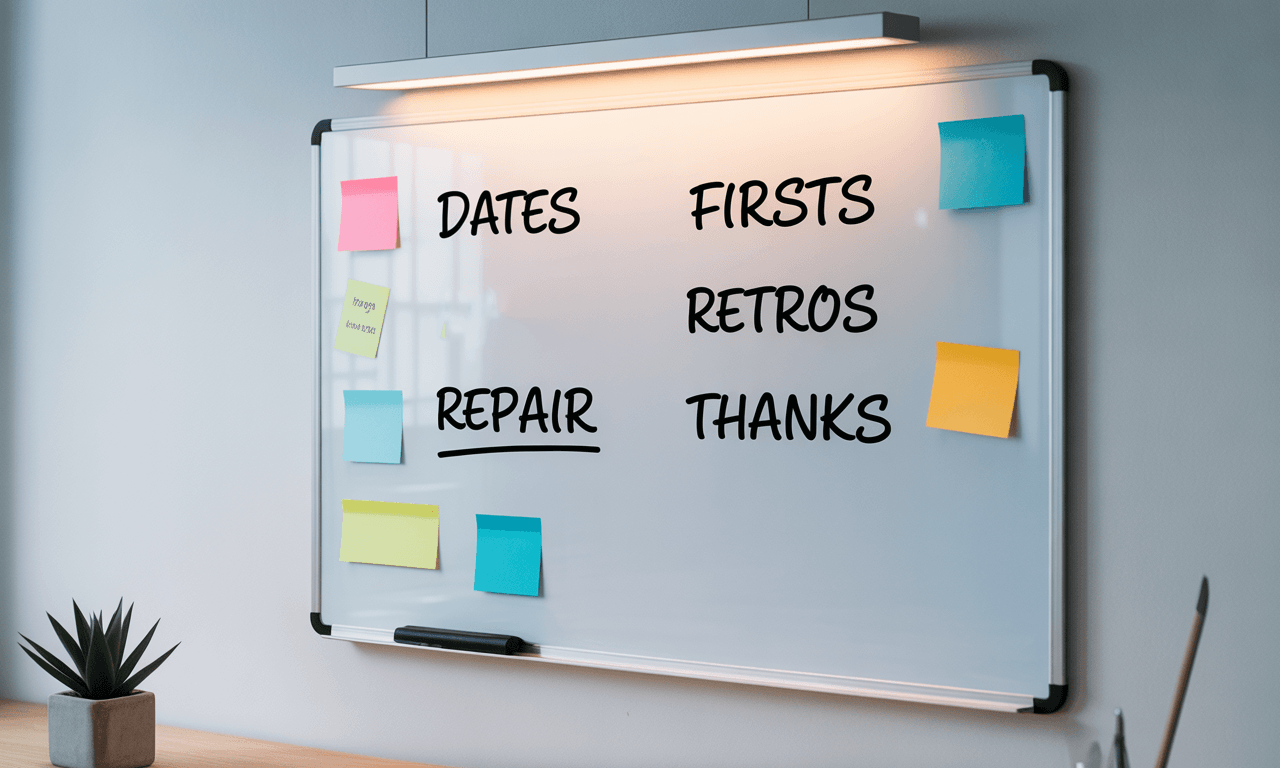
    Simple household scoreboard that tracks the three anchors during Month 1 of the 90-day resetGoal: Put the three anchors on your calendar, run the easiest versions, and collect early proof.

    Week 1 – Decide & Display

    • Choose the date night; set it to repeat 12 weeks.
    • Schedule one micro-adventure window (30–60 minutes).
    • Add a weekly retro (10 minutes).
    • Post a quarter scoreboard on the fridge with three rows: Dates, Firsts, Retros.

    Week 2 – Run the Simplest Templates

    • Date: at-home picnic + two napkin questions.
    • First: dessert-only at a new bakery + 10-minute walk.
    • Retro: four-question script with a timer.

    Week 3 – Add Backups & Budgets

    • Write your at-home date backup steps on a card.
    • Confirm childcare or create a “movie kit” for kids.
    • Set a per-date budget cap (even $0 counts).

    Week 4 – Capture the Wins

    • Take one photo each week (bench selfie, napkin questions, scoreboard checkmarks).
    • Read the “keep list” aloud: one small thing to repeat next month.


    Month 2 (Stabilize): Shrink to Fit, Remove Friction

    Reminder card that normalizes smaller doses to stabilize the 90-day cadenceGoal: Keep the cadence alive by making everything smaller, faster, and clearer.

    • Shrink time boxes: If energy is low, run a 30-minute at-home date, a 20-minute “bench + bakery” first, and an 8-minute retro.
    • Move admin off date night: Park chores/budget for a separate 15-minute “ops slot.”
    • Pre-pack the date drawer: Napkins, candle, lighter, playlist card, pens.
    • Upgrade the environment: Angle the chairs, set the lamp, add the phone tray.
    • Install language guards: Replace “we never” with “tonight we will.” If “we never” keeps creeping in, many couples defuse that trap by running the catch–count–commit swap as described in The “We Never” Script: How Labels Become Loops in Love, then immediately choosing a tiny step that keeps the week hopeful.

    Checkpoint at Day 45:

    • How many Dates so far-
    • How many Firsts–
    • How many Retros–
    • What friction can you remove this week (childcare, shoes, timer, playlist)-


    Month 3 (Compound): Make Momentum Do the Heavy Lifting

    Paper chain visualizing quarter-long momentum as the three anchors accumulateGoal: Keep the cadence and lightly layer variety + measurement so momentum takes over.

    • Add one “themed month” idea: Outdoor June (walk + bench), Bookstore February (browse + cocoa), Gallery September (free nights).
    • Track repair speed during the quarter: minutes from tension to first repair attempt (aim for faster).
    • Celebrate half-doses: Late isn’t never; a smaller version still counts.
    • Run one novelty “triangle”: appetizer at Spot A → stroll → postcard at Spot C.
    • Do a 20-minute Month-End Retro: What we’ll keep, what we’ll tweak, what we’ll try next.

     

    Daily Micro-Behaviors That Support the Three Anchors

    Five-minute evening reset preparing mugs and notes to support a calmer morning and easier connectionSmall daily moves make weekly anchors easier to keep.

    • One-minute morning check-in: “One most / one constraint / what makes today 10% easier-”
    • 30-second appreciation: “Thanks for ___; it helped ___.”
    • Five-minute evening reset: Timer on; clear surfaces; set tomorrow’s mugs; dim lights.


    The “Create Time Together” Toolkit (scripts you can copy)

    Copy-ready script cards that make the 90-day reset words quick and kindDate ask: “Could we lock Thursdays 7–9 for the quarter- If sitter falls through, let’s trigger the at-home picnic so we don’t lose the signal.”
    Backup switch: “Weather just turned-calling the backup: blanket + two questions at 7:30.”
    Boundary: “I want to give us attention; can we park logistics for tomorrow’s ops slot-”
    Retro open: “Two minutes-what worked- one tweak- one appreciation-”
    Micro-adventure invite: “Sat 10–11: new bakery + mural, then bench debrief-game-”


    The 90-Day Identity Reset Calendar (week-by-week guide)

    Quarter calendar showing how the anchors repeat week after week to create time togetherWeeks 1–2 (Install): Decide & display; run simplest templates; start the scoreboard.
    Weeks 3–4 (Install): Add backups/budgets; try one at-home date on purpose; capture a bench selfie.
    Weeks 5–6 (Stabilize): Shrink times; add the date-night drawer; start tracking repair speed.
    Weeks 7–8 (Stabilize): Protect date night from admin; test a new “first” (library talk or river path).
    Weeks 9–10 (Compound): Pick a theme; add a triangle itinerary; celebrate any half-dose.
    Weeks 11–12 (Compound): Read your “keep list” aloud; choose one gentle upgrade for next quarter.


    Metrics That Matter (light, visible, encouraging)

    Fridge scoreboard that makes proof visible during the 90-day resetMeasure actions, not vibes:

    • Date streak: consecutive weeks with any form of date (backup counts).
    • Firsts count: micro-adventures completed this month.
    • Retros completed: ten-minute check-ins done.
    • Repair speed: average minutes from friction to first repair attempt.
    • Appreciations/day: target 1+.

    Post the numbers on your fridge. Snap a photo at month’s end. Those checkmarks are identity bricks.


    Troubleshooting: When Real Life Collides with Good Intentions

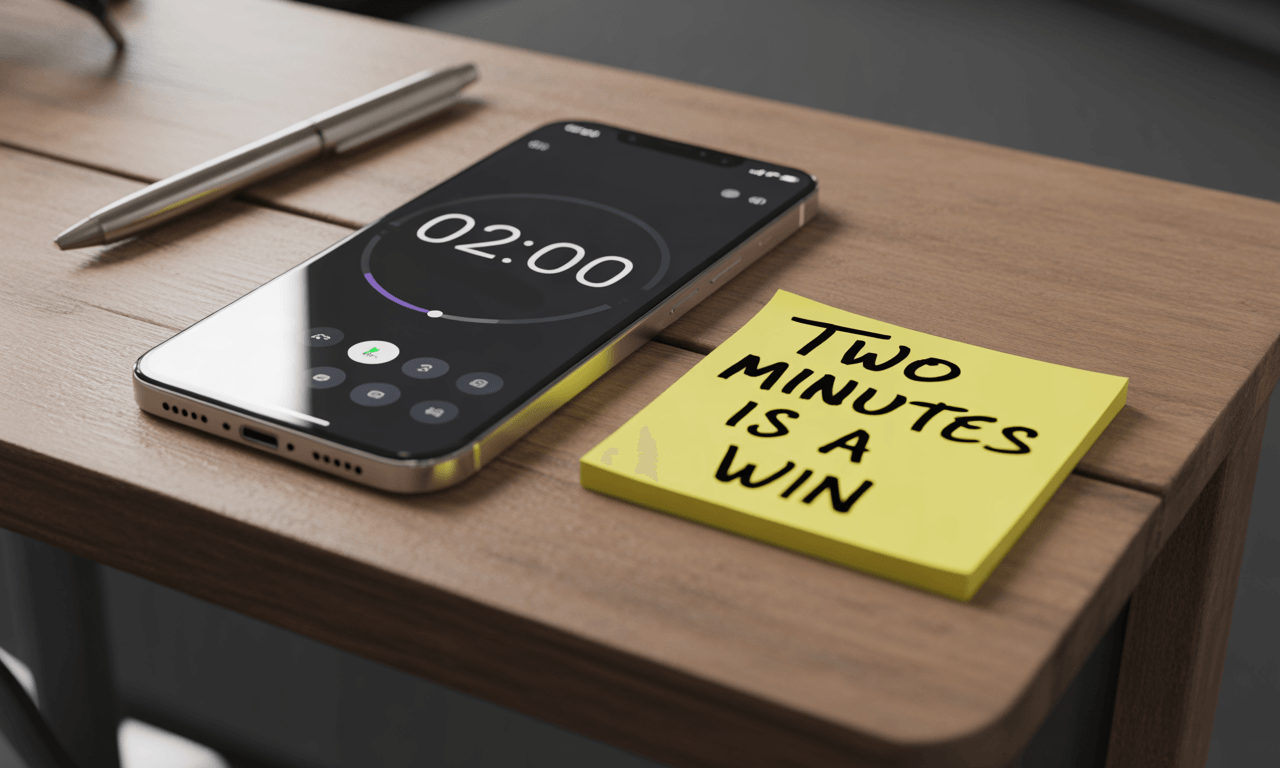
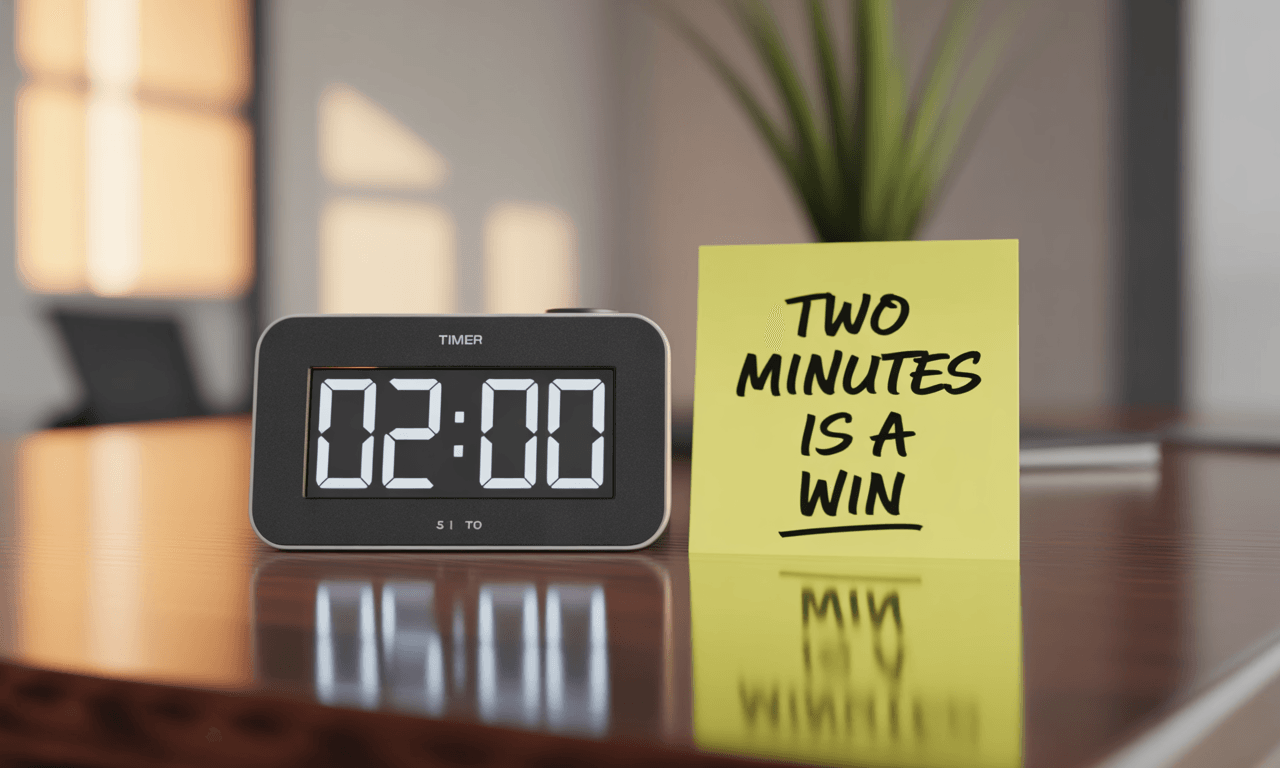
    Two-minute timer emphasizing micro-repairs and half-doses to keep the quarter alive“We’re exhausted.”
    Shrink to half-doses: 30-minute date at home, 20-minute first, 8-minute retro. Small counts.

    “Childcare fell through.”
    Trigger the backup instantly-floor picnic, candle, playlist. Put a “movie kit” (popcorn + blanket) in the kids’ room.

    “We fought right before date night.”
    Run a two-minute pause: breathe, summarize the other once, own one slice, decide one small next step. If tense language pops up, redirect it with the catch–count–commit swap you practiced from the We Never Script article.

    “We missed a week.”
    Late isn’t never. Do a half-dose tomorrow and mark it as kept. Streaks survive with grace.

    “It feels cheesy.”
    Cheesy for a week beats resentful for a year. Rituals feel authentic once your body associates them with relief.


    Case Studies: Three Couples, One Quarter

    Quarter collage of small proofs-photos and checkmarks-showing the 90-day reset at workCam & Jae (shift work, two kids)
    They locked Thursday 7–9 with an at-home backup. Their firsts were dessert-only and park benches. Retros ran Sunday 8:30pm with the four questions. Day 45: fewer Sunday meltdowns. Day 90: eight dates, six firsts, ten retros, and a calmer tone.

    Ish & Priya (money stress, little margin)
    Budget cap: $10. Date templates: walk + share one plate. Firsts: library talk and coffee crawls. They tracked repair speed, celebrating any repair under five minutes. By quarter’s end, “we never have time” had become “we create time in small doses.”

    Lena & Drew (awkward with ‘romance’)
    They used two-napkin questions for structure and the date-night drawer to make setup fast. When energy dipped, a 30-minute at-home date still counted. Weekly firsts were bookstore bingo and a transit two-stop loop. They finished with a photo strip and a “keep list” taped to the fridge.


    Frequently Asked Questions About the 90-Day Identity Reset

    Small operations slot card that protects date night from admin creepDo we need money for this to work-
    No. Some of the best versions are free: walk + bench + two questions, free museum nights, library talks.

    What if one of us is hesitant-
    Offer two yeses and an out: “Bench + bakery or river + cocoa- ‘Neither’ is okay; we’ll try a half-dose at home.” Model a calm tone, own your intensity, and celebrate attempts.

    Can we do this with babies or teens-
    Yes. Shorten windows (30–45 minutes), lean into at-home backups, and involve kids with roles (“candle lighter,” “napkin captain”) so the house culture lifts everyone.

    How do we keep logistics from hijacking date night-
    Create a separate 15-minute ops slot (paper calendar + two bullet points) and protect the date for presence and play.

    What happens after 90 days-
    Keep the anchors. Change the flavor (themes, new firsts), and continue tracking light metrics. Many couples keep running the next quarter with one gentle upgrade.


    Other Articles Across the Series 

    Cornerstone hub diagram showing how the 90-day reset connects to identity, date night, micro-adventures, and home ritualsThis is your cornerstone for cadence. Use it like a hub, and let the other guides deepen specific skills at the moment you need them:


    The “Stop Waiting for Time” Starter Pack (printable checklist)

    Printable checklist summarizing the steps for installing the 90-day identity reset at home

    • Choose the night; set “Date Night 7–9” on repeat for 12 weeks.
    • Add “Firsts Window” (30–60 minutes) and “Retro 10:00” every week.
    • Create a date-night drawer (napkins, candle, lighter, pens, tiny speaker).
    • Place a phone tray on the sideboard; add a kitchen timer.
    • Post the quarter scoreboard; mark ✔️ for any half-dose.
    • Learn two scripts (ask + backup) and two questions (kind + 10% easier).
    • Schedule a 20-minute Month-End Retro; read the “keep list” aloud.


    Bring It Home: Choose Your Night, Choose Your First, Choose Your Seat

    Fridge card with the three anchors posted beside a couple photo to reinforce the new identityOpen your calendar. Pick the night you’re most likely to keep. Add your at-home backup to the event notes. Choose one micro-adventure that fits this week-dessert-only + bench is plenty. Put two chairs side-by-side and a soft lamp where you’ll do the retro. That’s Stop Waiting for Time in action: three small anchors that teach your marriage to expect connection-and then deliver it, week after week.

  • Confidence by Design: Tiny Risks That Teach Your Marriage Who You Are

    Confidence by Design: Tiny Risks That Teach Your Marriage Who You Are

    Confidence isn’t a feeling you wait for; it’s a memory of kept promises. When you and your spouse choose tiny, low-friction risks-new foods, new rooms, new conversations-you teach your relationship to remember, “We do brave things together.” Confidence by Design is the practice of engineering small experiences that are easy to attempt, quick to recover from, and rich in evidence. Over time, those micro-evidences stack into trust: trust in yourself, trust in your spouse, and trust in the “us” you’re building.


    Why “Confidence by Design” Beats Waiting for Feelings (designed confidence)

    Confidence by Design starts with small wins at the kitchen tableIf you wait to feel confident before you try something new, you’ll wait forever. Feelings follow evidence, and evidence follows action. That’s why Confidence by Design starts with small, winnable steps that produce quick proof. When you collect proof-“we tried,” “we recovered,” “we learned”-your nervous system updates its story about what’s possible.


    The Identity Engine: Self-Signaling Creates Confidence (self-signaling → Confidence by Design)

    Self-signaling phrase on a fridge reminds couples to design confidence dailyBefore we list any tiny risks, understand the engine behind them: self-signaling. The story you repeat about yourselves quietly directs what you notice, attempt, and expect. If your internal narration says, “We’re not adventurous” or “We’re awkward with new people,” your behavior tries to make that true.

    The good news: the loop also works in your favor. Act your way into a better story with tiny risks that are almost too small to fail. Each small success broadcasts a new identity signal to your brain: “We keep our promises. We try things. We recover quickly.” For a deeper dive on how identity loops form (and how to interrupt them), see our cornerstone: Who We Think We Are: Self-Signaling and Your Marriage Identity.


    The Tiny-Risk Ladder: A Toolkit for Micro-Bravery (learn fast together)

    Tiny-risk ladder helps couples learn fast together with micro-bravery stepsThink of confidence like a ladder. The first rungs should be so low you can step onto them on your hardest day. Build your own Confidence by Design ladder by choosing micro-actions in three arenas: new foods, new rooms, and new conversations.

    Rung 1: Almost Effortless (30–90 seconds)
    • Try a new condiment or tea flavor during a meal.
    • Sit on the front porch together for two minutes before dinner.
    • Ask each other one non-routine question: “What felt easy today-”
    • Send a 15-word appreciation text in the afternoon.

    Rung 2: Light Lift (5–15 minutes)
    • Split a new appetizer at your regular restaurant.
    • Rearrange one small corner: a reading chair by the window, a lamp on a timer.
    • Ask a friend couple to share a favorite walk route and go once this week.
    • Practice a soft start-up: “I’m not upset; I’m curious-can we look at the budget together for five minutes-”

    Rung 3: Meaningful, Still Manageable (20–60 minutes)
    • Try a new café in a nearby neighborhood and journal a few lines about it together.
    • Host a low-effort game or dessert night for one couple.
    • Attend a free community class or talk.
    • Switch roles for an evening routine (you cook, I do cleanup; you read, I prep tomorrow).

    The point isn’t the size of the risk; it’s the signal: we try. Repetition matters more than ambition.


    The Five-Part Micro-Bravery Script (Confidence by Design in action)

    Confidence by Design uses short timers to keep new experiences easy and funDesign your tiny risks with this five-part script. It keeps things kind, quick, and concrete.

    1) Approach (name one tiny experiment).
    “Tonight let’s try the new taco truck and share one dish we’ve never had.”

    2) Ask (invite consent and input).
    “Would you be up for that- If not tacos, what’s one easy switch you’d enjoy-”

    3) Act (keep the promise small).
    “Let’s set a 20-minute timer and call it good.”

    4) Acknowledge (say what worked).
    “I liked seeing that mural on the way and trying the pineapple salsa.”

    5) Anchor (preserve the win).
    “Want to pin a ‘firsts’ list on the fridge so we remember what to repeat-”

    This flow turns novelty into a repeatable ritual. It’s Confidence by Design: small, kind, consistent.


    Design the Room, Reduce the Risk (environmental cues for brave together)

    Home cues make it easier for couples to be brave together with low-friction outingsYour space can either argue for comfort or nudge you toward micro-bravery. Make the room do the heavy lifting:

    • Put a small basket by the door with “adventure items”: park map, deck of cards, and a picnic blanket.
      • Keep a “firsts list” on the fridge-add a new line each week for one tiny novelty.
      • Use a visible timer in the kitchen to normalize short experiments (15–20 minutes).
      • Create a “distraction-free corner” for five-minute debriefs after trying something new.

    Small, visible props make “let’s try” easier to say and simpler to start.


    Confidence by Design in Daily Life (micro-bravery you’ll actually use)

    Designed confidence grows as couples explore a new nearby park togetherMeals
    Add a single new ingredient to a familiar dish. Talk for two minutes about what you noticed: taste, smell, texture.

    Commute & Errands
    Pick a different route once a week. Find one thing to appreciate and one thing to repeat.

    Evening Wind-Down
    Swap 10 minutes of scrolling for a “firsts” brainstorm: “What’s one tiny thing we could try tomorrow-”

    Weekends
    Visit a new park for 20 minutes. Take a photo, then write a one-sentence caption describing the moment.


    Communication Firsts: New Conversations, Not New Conflicts (fast-learning marriage skills)

    Conversation nook supports a fast-learning marriage with gentle, focused dialogueYou don’t need “deep talk” every night. You need new talk sometimes-questions that open windows instead of rehashing yesterday’s hallway. Try these:

    • “What’s a small risk you’re glad you took in the last year-”
      • “What could make weekdays feel 10% lighter-”
      • “What’s a story we tell about us that feels too small now-”
      • “What do you want me to understand about your stress this week-”

    After one question, practice the “reflect and ask” loop: reflect a sentence back, ask a follow-up, and stop before advice. That restraint is its own tiny risk-and a big relational payoff.


    Confidence by Design Date Nights (brave together without the drama)

    Date-night micro-bravery with napkin questions builds designed confidence togetherDate nights can slip into autopilot (same place, same talk) or pressure (perfect or bust). Design middle ground:

    • The 60-Minute Wander: Pick a block you’ve never walked together. Enter one shop or café you’ve never tried.
      • Two-Napkin Night: Each writes one new question on a napkin; swap halfway through.
      • $10 Twist: In addition to whatever you do, spend $10 on an unfamiliar item-snack, magazine, postcard-and talk about it.

    If you need ideas that scale from 30–120 minutes and cost almost nothing, queue up this follow-up read: Micro-Adventures, Major Signals: New Foods, New Cities, New Us. It’s the natural companion to Confidence by Design.


    The 30-Day Confidence by Design Plan (learn fast together)

    30-day Confidence by Design planner with tiny risks and simple checkboxesHere’s a simple month that stacks tiny risks into real momentum.

    Week 1: Start Tiny
    • Pick one Rung 1 action daily (new condiment, porch sit, one question).
    • End the day with a 30-second appreciation.
    • Debrief each tiny risk in 60 seconds: “What did we notice-”

    Week 2: Add Rung 2
    • Two Rung 2 actions this week (rearrange a corner; try a new walk route).
    • One 10-minute “firsts list” brainstorm.
    • One soft start-up conversation about the budget, calendar, or chores.

    Week 3: One Rung 3 + One Date
    • Choose one Rung 3 action (host dessert, one local class, or a new neighborhood café).
    • Do a “Two-Napkin Night.”
    • Track repair speed if something goes sideways.

    Week 4: Consolidate & Celebrate
    • Repeat the easiest wins from Weeks 1–3.
    • One 10-minute “retro”: What worked- What didn’t- What will we repeat-
    • Celebrate with a low-cost treat that marks your progress (photo, postcard, playlist).


    Metrics That Make Confidence Visible (proof fuels designed confidence)

    Simple fridge scoreboard shows a fast-learning marriage stacking small winsMeasuring feelings can be slippery; measuring actions is straightforward. Try these four for a month:

    • Firsts count: How many “firsts” did we do this week-
      • Repair speed: Minutes from friction to first repair attempt.
      • Appreciations: Daily count of specific thank-yous.
      • Debriefs done: Number of 60–120 second debriefs after trying something new.

    Don’t weaponize the numbers; use them to notice momentum. Every uptick is a vote for the identity you’re building.


    What If One Partner Is Hesitant- (safety-first brave together)

    Gentle, low-pressure invitation makes it easy to be brave together at a safe paceIf your spouse is reluctant, design your asks for safety, not spectacle:

    • Offer two options and a veto: “Would you prefer trying the new tea or a 10-minute porch sit- ‘Neither’ is fine too.”
      • Shrink the risk until it’s a near-guarantee.
      • Own your slice of pressure: “I’m excited and can get intense-help me pick a calmer pace.”
      • Reinforce consent: “We can stop anytime.”
      • Praise attempts, not outcomes: “Thanks for trying-want to keep or tweak-”

    If there’s contempt, chronic stonewalling, or any emotional/physical abuse, prioritize safety and seek support. Confidence by Design thrives in an environment of respect, not fear.


    Troubleshooting: When Tiny Risks Feel Silly (fast-learning friction)

    Two-minute reset timer supports a fast-learning marriage on tough daysIt’s normal to think, “This is too small to matter.” Remind yourselves: small is sustainable. On rough days, tiny is all you have-and tiny still counts. If you miss a day or bicker halfway through a new plan, use the fast-learning pivot:

    1. Name the moment: “We got tense.”
    2. Own one slice: “I pushed too fast.”
    3. Shrink the plan: “Two-minute reset on the porch-”
    4. Try again: “Timer set; afterwards we’ll pick one thing we liked.”

    The goal isn’t a perfect plan; it’s a forgiving system.


    Conversation Scripts for Everyday Micro-Bravery (brave together words)

    Confidence by Design conversation cards make new words easy to tryBudget Tension
    “I felt anxious when I saw the balance. I grabbed takeout twice too. Could we try a two-minute nightly check-in for three days and see if that helps-”

    Bedtime Meltdown
    “I snapped when I felt rushed. I’m going to start 10 minutes earlier tonight. If I heat up, I’ll step out for one minute and come back.”

    In-Law Stress
    “I love your family and get overwhelmed by long visits. Could we try a 90-minute visit plus a 15-minute walk afterward-”

    Intimacy Rhythm
    “I want closeness and froze yesterday. Could we start with five minutes of cuddling tonight and see where we want to go-”

    These scripts are tiny risks too: new words, small plans, repeatable rhythms.


    From Tiny Risks to Micro-Adventures (your next step)

    Micro-adventures map helps couples build designed confidence beyond the homeOnce you’re comfortable stacking little wins, graduate to micro-adventures-30 to 120-minute firsts that fit real life and real budgets. They’re the natural extension of Confidence by Design, and they supercharge your momentum: Micro-Adventures, Major Signals: New Foods, New Cities, New Us.


    Put a Bow on It: Confidence by Design Is a Choice

    Kitchen fridge displays a firsts list and reminders that reinforce designed confidence dailConfidence isn’t waiting for you somewhere down the road; it’s built at your kitchen table, in your neighborhood, across tiny promises you keep. Choose one tiny risk today. Ask kindly. Time-box it. Notice what worked. Anchor the win. Repeat tomorrow. That’s Confidence by Design-and it will quietly teach your marriage who you really are.

  • Who We Think We Are: Self-Signaling and Your Marriage Identity

    Who We Think We Are: Self-Signaling and Your Marriage Identity

    What you repeatedly do is teaching your marriage who you are. This cornerstone breaks down self-signaling and your marriage identity-how beliefs → behaviors → proof → stronger beliefs-and shows how to interrupt the loop with one small, public promise at a time so your actions start authoring a truer identity together. Instead of waiting to feel different, you’ll learn to behave different in ways that are small, visible, and repeatable-so your identity follows your evidence.


    Self-Signaling and Your Marriage Identity 101

    Self-Signaling and Your Marriage Identity shown as a fridge board of small promisesSelf-signaling is the process by which your daily actions send messages back to your brain about the kind of person (and couple) you are. Do what “organized people” do, and your brain updates: we’re organized. Skip, delay, and hedge, and the brain nods: yep, that’s us. Over weeks, those messages congeal into a marriage identity-the lived sense of “we always,” “we never,” and “that’s just who we are.”

    In a relationship, these signals multiply. One person’s action becomes shared evidence. That’s why a five-minute ritual can feel weightier than a passionate speech-it’s proof, not promise.


    The Identity Loop: Beliefs → Behaviors → Proof → Stronger Beliefs

    Identity loop diagram explains self-signaling and your marriage identityThe loop is simple and stubborn:

    1. Beliefs (our story): “We’re too busy for us.”
    2. Behaviors (our choices): skip date night, talk logistics only, collapse on screens.
    3. Proof (our evidence): “See- No energy, no time.”
    4. Stronger beliefs (our identity): “We’re not a romantic couple.”

    Flip the script:

    1. Beliefs (a better story): “We protect us in small ways.”
    2. Behaviors: 12-minute walk after dinner, one question each, phones face-down.
    3. Proof: “We did it three nights this week.”
    4. Stronger beliefs: “We follow through-even when tired.”

    Your actions are the curriculum your identity studies. The more often you teach “we show up,” the more “we show up” becomes who you are.


    Why Feelings Follow Evidence (and Why That’s Great News)

    Feelings follow evidence illustrated with a five-minute timer and a tiny proof noteWaiting to feel ready is a trap. Feelings are lagging indicators; evidence is the leading indicator. Add one piece of concrete proof (we walked, we asked, we cuddled for five minutes, we sat side-by-side to plan) and your nervous system quietly updates its forecast: we can do this again. This is the engine of Self-Signaling and Your Marriage Identity-tiny proofs, stacked.


    Catch the Old Story in Your Words

    Language pivot from We Never Script to specific tiny commitmentLanguage is the front door of identity. Phrases like “we never have time,” “we always fight on Sundays,” or “we’re just not those people” are forecasts your brain tries to fulfill. The moment you catch one of these phrases, you can pivot the story and the day.

    If you want a focused guide to swapping those sticky labels, read our companion piece, where we teach a two-minute method to break the loop: in the article on spotting and replacing unhelpful labels, we explain how to “catch–count–commit” so your words stop shrinking your future; you’ll find it here in The “We Never” Script: How Labels Become Loops in Love (see the identity language guide at https://blog.liveyourbestmarriage.com/identity/we-never-script).


    The One-Small, Public Promise Method

    Calendar entries for tiny, public promises that build a stronger marriage identityHere’s the practical heartbeat of Self-Signaling and Your Marriage Identity: make one small, public promise that is too tiny to fail and so visible you can’t forget it.

    Step 1: Choose a promise you can keep on your tired day.
    Examples: “After dinner we’ll walk around the block once.” “At 7:30 we’ll sit side-by-side for five minutes to plan tomorrow.” “Before bed I’ll name one specific appreciation.”

    Step 2: Make it public, not private.
    Write it on the fridge, put it on the calendar, or set a labeled timer. Visibility turns a wish into a commitment.

    Step 3: Keep it small, keep it kind, keep it today.
    If it feels heroic, shrink it. If it feels vague, time-box it. If it feels future-tense, bring it to tonight.

    Step 4: Close with connection.
    After you keep it, high-five, hug, or take a photo of the whiteboard. You’re teaching your bodies that proof ends in closeness.


    Building Your Self-Signaling Menu

    Self-signaling menu card keeps connection, operations, and fun tiny and visibleA self-signaling menu is a short list of five to nine micro-behaviors you can pull from under stress. Keep them on an index card, the fridge, or in a notes app.

    Connection (5–12 minutes)
    • 12-minute walk after dinner
    • 5-minute cuddle before sleep
    • One “I see” appreciation (e.g., “I saw you call the dentist-thank you.”)

    Operations (5–10 minutes)
    • 7-minute tomorrow plan (meals, kid rides, one constraint)
    • Two-minute budget peek (one number, no debate)
    • 10-minute Sunday huddle

    Fun (15–60 minutes, weekly)
    • One micro-adventure (new bakery, new park, free community talk)
    • Two-Napkin date question swap (each writes a question)
    • $10 novelty: buy one unfamiliar item and discuss why you chose it


    Design Your Environment to Nudge Identity

    Environment set up to make the next right step easy in a self-signaling marriageEnvironments argue loudly. Arrange your space so the next right thing is the easiest thing.

    • Timer on the counter (so “five minutes” is real).
    • Shoes by the door (walk friction = zero).
    • Two chairs angled toward each other (a conversation nook).
    • Idea Jar on the counter (short micro-adventures at your fingertips).
    • Visible whiteboard (tonight’s promise, this week’s date, one win).

    When you’re ready to formalize home cues into ongoing rituals, build on this with the guide to raising standards through simple rhythms at home in Dressed for the Marriage You Want: Rituals That Raise the Standard (you can find those standard-raising rituals at https://blog.liveyourbestmarriage.com/consistency/dress-for-the-marriage-you-want).


    Confidence Grows from Kept Promises

    Micro-bravery café ritual reinforces Self-Signaling and Your Marriage Identity with tiny risksConfidence isn’t a mood; it’s a memory of kept promises. That’s why the fastest way to feel more capable together is to design tiny, low-friction risks you can succeed at today: try a new tea, change a route, ask a new question, sit in a new room. To go deeper on micro-bravery, you’ll love our guide to building confidence through small experiments in Confidence by Design: Tiny Risks That Teach Your Marriage Who You Are, which shows exactly how to make novelty easy and safe (see https://blog.liveyourbestmarriage.com/identity/confidence-by-design).


    The Language Lab: Rewrite Your Identity Script

    Visible micro-commitments help couples rewrite the We Never Script with concrete actionsTry these swaps this week. Read them aloud; post your favorites.

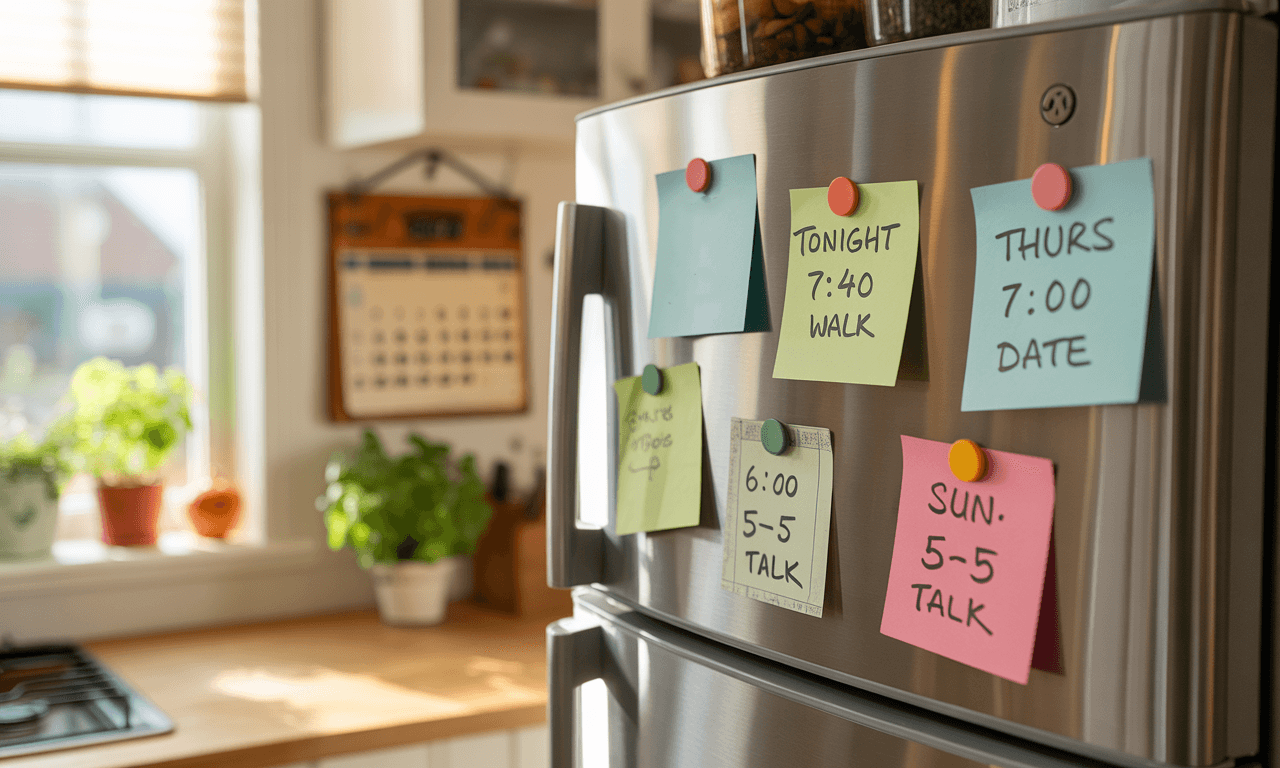
    • From “We never have time” → “We create time in small doses. Tonight at 7:40: walk 12 minutes.”
    • From “We always fight on Sundays” → “Sunday at 6:00 we do a 5–5 summary talk and close with one plan.”
    • From “We’re not the date-night type” → “We’re the couple that chooses a night and protects a simple plan.”
    • From “We never meet new people” → “We sample one new room for 25 minutes this month.”

    If your “we never” phrases are entrenched, practice the three-step swap we teach in the label-breaking article referenced above in The “We Never” Script: How Labels Become Loops in Love (naturally woven into your reading flow at https://blog.liveyourbestmarriage.com/identity/we-never-script).


    Metrics That Make Identity Visible

    Identity dashboard on a fridge shows how small proofs stack into a stronger marriage identityWhat you measure gains meaning. A self-signaling dashboard turns fuzzy hope into concrete progress.

    Track these for two weeks:

    • Repair speed: minutes from friction to first repair attempt
    • Appreciations: one specific thank-you per day
    • Tiny commitments kept: ✔️ marks on the fridge
    • Micro-adventures done: count per month
    • Date streak: consecutive weeks

    You’re not grading each other; you’re noticing momentum. Celebrate any uptick. Those tallies are identity bricks.


    The 7-Day Self-Signaling Quickstart

    Seven-day checklist to jumpstart Self-Signaling and Your Marriage IdentityDay 1 (Name it): Say the identity you’re building: “We protect us in small ways.” Put it on the fridge.
    Day 2 (One promise): Choose a 5–12 minute promise for tonight and write it where you’ll see it.
    Day 3 (Language): Catch one “we never” and swap it for a tiny commitment today.
    Day 4 (Environment): Set the nook, the timer, and the Idea Jar.
    Day 5 (Micro-bravery): Try one tiny new thing (route, food, room, question).
    Day 6 (Huddle): 10-minute Sunday plan: lock the date, one micro-adventure, two walks.
    Day 7 (Celebrate): Name three proofs you gathered this week; choose one habit to keep.


    Case Studies: How Couples Changed the Loop

    Visual souvenirs and streak calendars reinforce a couple’s new identity proofsCam & Jae (The Time-Starved Parents)
    They described themselves as “always behind.” They set one visible promise: 12-minute walks M/W/F at 7:40. After two weeks, they weren’t magically rested-but they had a streak and two more laughs per week. The identity copy shifted from “we never have time” to “we keep small dates.”

    Noah & Tori (The Money Dreaders)
    Their “we always fight about money” label kept them in avoidance. They tried our three-minute nightly check-in with a single number. No debates, just visibility. The fights didn’t vanish, but dread softened; decisions sped up. Their identity: “We look together.”

    Rae & Micah (The Silent Roommates)
    They felt like ships passing. A chair-nook, phones face-down, and a 5–5 talk every Sunday brought back a feeling they hadn’t named in months: together. Their loop went from “we’re just busy” to “we create touch points.”

    Lena & Drew (The Post-Burnout Rebuilders)
    They thought they needed a huge relational overhaul. Instead, they stacked tiny victories-two appreciations a day, one micro-adventure per month, and a rotating at-home date. Trust returned as a memory, not a theory.


    When Your Partner Isn’t On Board (Yet)

    Gentle invitation keeps self-signaling safe and pressure-free for hesitant partnersYou can still set the temperature of the room:

    • Model the promise aloud: “I’m writing ‘walk 7:40’ on the board, join me if you want.”
    • Shrink the experiment: two minutes counts.
    • Offer two yeses and a no: “Tea on the porch or a five-minute cuddle- ‘Neither’ is okay.”
    • Praise attempts: “Thanks for trying; keep or tweak-”

    Over time, safety breeds curiosity. Curiosity breeds participation.


    Red Flags vs. Tough Days

    Prioritizing safety and support while working on self-signaling and your marriage identitySelf-Signaling and Your Marriage Identity works best inside safety. If there’s contempt, chronic stonewalling, or any emotional/physical abuse, get qualified help. This framework is not a substitute for safety planning or therapy. It is a way to turn everyday intent into everyday proof-once safety exists.


    Stack Identity with Rituals (Design a Culture, Not Just Moments)

    Date night plan card shows how rituals glue identity proofs into a dependable rhythmProofs are the bricks; rituals are the mortar. Lock one weekly date (protect it like a standing appointment), one 10-minute Sunday huddle, and one nightly appreciation. If you want a step-by-step rhythm that “just runs,” pivot to the 90-day plan that shows you how to create time instead of waiting for it in Stop Waiting for Time: Create It Together (A 90-Day Identity Reset)-it’s the Series-2 cornerstone that operationalizes your identity (walk through that actionable blueprint at https://blog.liveyourbestmarriage.com/consistency/create-time-90-day-reset).


    Micro-Adventures: Proof with a View

    Micro-adventures map, a practical tool for stacking identity-building firstsNovelty is rocket fuel for identity. The nervous system wakes up when you step into a new alley, taste a new pastry, or sit in a new room. After you’ve built a base of tiny promises, graduate to micro-adventures (30–120 minutes, low cost, local). If you want a curated list and a debrief script that turns fun into closeness, head to our companion article on bite-sized adventures that build momentum in Micro-Adventures, Major Signals: New Foods, New Cities, New Us (explore that next step at https://blog.liveyourbestmarriage.com/consistency/micro-adventures-major-signals).


    Dress the Intention: Standards Speak Without Sound

    Standard-raising table setup shows value without saying a wordHow you show up-groomed, present, prepared-broadcasts value to each other. You don’t need luxury; you need deliberateness. If you’d like help turning that into effortless habits, see the standard-raising rituals guide referenced above for simple, repeatable ways to elevate the feel of home (in Dressed for the Marriage You Want, at https://blog.liveyourbestmarriage.com/consistency/dress-for-the-marriage-you-want).


    Identity Dashboard: The Four Numbers That Matter

    Four-number identity dashboard makes growth obvious and motivatingDon’t let progress hide. Pick four numbers for the next month and post them where you live:

    1. Promises kept / week (target: 3–7)
    2. Repair speed (average minutes to first repair attempt)
    3. Date streak (consecutive weeks)
    4. Firsts count (micro-adventures this month)

    At the end of the month, ask: What worked- What will we keep- What will we tweak- That question is an identity in motion.


    The 30-Day Self-Signaling Plan (Cornerstone Edition)

    Monthly planner page to embed self-signaling and your marriage identity into daily lifeWeek 1 – Start Small, Start Tonight
    • Write the identity: “We protect us in small ways.”
    • Keep three tiny promises (walk, cuddle, appreciate).
    • Catch two “we never” phrases and swap each for one specific, time-boxed act.
    • Create your environment: nook, timer, Idea Jar, shoes by the door.

    Week 2 – Install the Ops
    • Add a 10-minute Sunday huddle.
    • Try two micro-bravery moments (new food, new room).
    • Start the identity dashboard; tally daily.
    • One at-home date (Two-Napkin questions).

    Week 3 – Sample the Wider World
    • One micro-adventure in your city (30–60 minutes).
    • Pilot the 5–5 conversation structure on a tough topic.
    • Keep the three tiny promises.
    • Refresh your self-signaling menu with two new options you actually enjoyed.

    Week 4 – Lock the Culture
    • Choose a standing date night and set it to repeat.
    • Plan a 30-day celebration ritual (photo strip, postcard, or playlist).
    • Review the dashboard; pick one habit to protect next month.
    • Make one public statement to yourselves: “We show up for us-small and steady.”

    If you’re ready to stretch beyond 30 days into a proven cadence, the Series-2 cornerstone offers a 90-day identity reset that weaves these elements into a simple operations system for your relationship (you’ll find it in Stop Waiting for Time: Create It Together, at https://blog.liveyourbestmarriage.com/consistency/create-time-90-day-reset).


    Troubleshooting: When the Day Goes Sideways

    Two-minute micro-promise keeps momentum alive on hard days

    • Too tired- Shrink the promise. Two minutes counts.
    • Forgot the promise- Late isn’t never. Do a half-dose and mark it done.
    • Fought mid-promise- Name it, own a slice, restart a smaller version.
    • Partner declined- Keep your side-kindly-and invite again tomorrow.
    • Shame spiral- Name one proof from the last seven days. Shame hates evidence.


    From Cornerstone to Network: How This Article Interlinks

    Cornerstone hub diagram shows how self-signaling links to the rest of the series Because this is a cornerstone for Self-Signaling and Your Marriage Identity, it’s meant to be your hub:

    This is the hub; those are the spokes. Move between them as your season allows.


    Your Next Right Step

    Visible proofs-photo and recurring date-anchor the couple’s new identity in daily lifePick one sentence, one timer, one walk, one cuddle, one question-tonight. Write it where you will see it. Keep it even if you keep nothing else. Smile and call it “proof.” Tomorrow, repeat.

    That humble pattern is how Self-Signaling and Your Marriage Identity becomes more than a phrase. It becomes you.