Tag: monthly minis

  • Metrics That Keep Firsts Going: Make Progress Visible, Not Pressure-Filled

    Metrics That Keep Firsts Going: Make Progress Visible, Not Pressure-Filled

    What gets measured gets repeated-but only if the metrics feel kind. In marriage, the goal of tracking isn’t to “optimize love.” It’s to notice what brings you closer so you can do more of it with less effort. This guide gives you Metrics That Keep Firsts Going-lightweight ways to log tries per month, repair speed after friction, minutes of eye contact, and more-so novelty stays fuel, not a chore. If you want a tiny, repeatable system to support these numbers, block your weekly spark and monthly mini with the prompts inside The First-Time Calendar, and to keep your momentum visible, borrow one or two templates from Build Momentum in Marriage.

    Metrics That Keep Firsts Going-lightweight tally of connection metrics in a notebook


    Why Gentle Metrics Beat Big Goals (So Novelty Stays a Joy, Not a Job)

    Gentle tracking-calendar dots that connect time blocks to simple connection metrics Classic goals can turn romance into homework. Gentle metrics do the opposite: they make your favorite moments easier to repeat by surfacing what worked, not what you “should” be doing. Light tracking helps you notice the week you laughed more because your spark was short, nearby, and free; it helps you see that four “firsts” this month felt better than one big night you had to recover from.

    Just as a rhythm makes novelty effortless, a kind scoreboard makes momentum obvious. For a simple way to place these moments on rails, you can mirror your tracking lines against the time blocks you’ve saved inside The First-Time Calendar, so your “what we track” lines up with “when it happens.”


    The Four Core Metrics That Keep Firsts Going

    Core connection metrics-four cards for firsts per month, eye contact, repair speed, and laughter countThese are the lowest-effort, highest-value numbers most couples can keep in under a minute a week. Each exists to reinforce connection, not to score performance.

    1) Firsts per Month (Frequency of Novelty)

    Firsts per month-simple visual to track weekly sparks and one monthly miniWhat it is: The number of first-time experiences you shared this month-aim for 4 sparks + 1 mini in a typical month.
    Why it works: Frequency (not size) keeps anticipation alive.
    How to track: Draw four tiny boxes each month; fill one per weekly spark. Circle the box for your monthly mini.

    2) Minutes of Eye Contact (Quality of Presence)

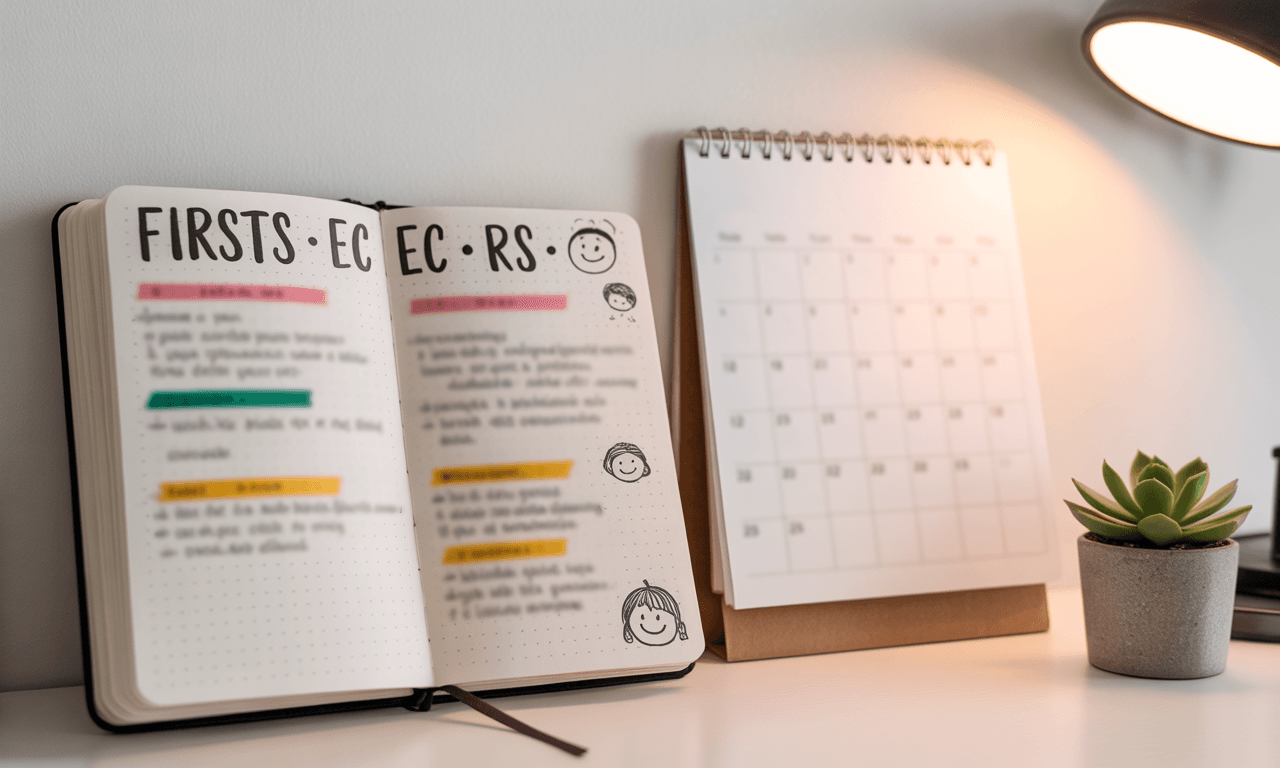
    Eye contact minutes-tiny tally recorded right after the dateWhat it is: The 5–10 minutes of sustained eye contact you share during or after a first.
    Why it works: Eye contact is a trust signal; it speeds emotional regulation and intimacy.
    How to track: Jot “EC 6” or “EC 8” on the calendar event after the date.

    3) Repair Speed After Friction (Resilience in Real Life)

    Repair speed-gentle timing that helps you see resilience improve

    What it is: The time from tension to repair-measured in minutes/hours.
    Why it works: Over time, couples who try small firsts often repair faster because shared play protects goodwill.
    How to track: If there’s a bump, write “RS: 25m” or “RS: 2h” beside the day. Look for the trend, not perfection.

    4) Laughter Count (Playfulness You Can Feel)

    Laughter count-playful metric that nudges lightness without pressureWhat it is: The number of shared laughs you notice during your spark or mini.
    Why it works: It’s the simplest joy proxy. Counting it makes you celebrate it.
    How to track: Draw three tiny dots; shade how many you hit (0–3). It’s silly-and surprisingly motivating.


    Bonus Metrics (Pick One Only If It Helps)

    Optional metrics-tiny toggles to capture anticipation, energy fit, budget, outdoor time, and gentle touchThe magic of Metrics That Keep Firsts Going is their lightness. Consider just one of these add-ons if you’re already consistent with the core four.

    • Anticipation Pings: Did one of you send a playful “can’t wait” text before the spark- (Y/N)
    • Energy Fit: Did the plan match your energy (Low/Med/High)- (✔/✖)
    • Budget Guardrail: Free/Low/Treat. (Tag the event, not your worth.)
    • Outside Minutes: How long did you spend outdoors- (15, 30, 60)
    • Touch Check: Did you share non-demanding touch (hand-hold, shoulder lean)- (Y/N)

    If a mini-dashboard helps you actually enjoy this, try a two-line template from Build Momentum in Marriage and paste it into your month.


    How to Track Without Making It Weird

    Tracking where plans live-tiny list beside the shared calendarMake it tiny. One minute on Sundays is enough.
    Make it visible. Keep the tally where the plans live-on your shared calendar or a page taped inside a cabinet.
    Make it playful. Use stickers, dots, or initials.
    Make it mutual. Switch who marks the dots each week.
    Keep veto power. Either person can skip tracking any week, no questions asked.

    If you want a friction-proof pairing of plans and tracking, drop two A/B options for this month into The First-Time Calendar and add a line under each event for your core metrics-no separate spreadsheet needed.


    Cadence + Metrics: The Flywheel That Keeps Going

    Cadence + metrics flywheel-small plans and tiny notes compound into momentumCadence provides the inputs (weekly sparks, monthly minis); metrics amplify the feedback (“that worked-do that again”). Here’s a simple loop you can adopt:

    1. Plan: Protect time for a spark and mini in your calendar.
    2. Do: Keep firsts short, nearby, and kind to your budget.
    3. Note: After each, mark eye contact, laughter, and (if relevant) repair speed.
    4. Tune: Swap next week’s option if the energy/budget tag felt off.
    5. Repeat: The dot pattern becomes a story of steady connection.

    If you want a deeper primer on cadence, the weekly/monthly/quarterly rhythm in our “how often” guide shows exactly where your Metrics That Keep Firsts Going sit inside the 1–1–1 structure.


    Live Examples: What the Numbers Actually Tell You

    Mini case studies-month snapshots that surface what to repeat and what to tweakExample A-“Free wins big”

    • Firsts: 4 (three free, one low-cost)
    • Eye contact: 6–9 minutes each time
    • Repair speed: shrank from 2h to 35m across the month
    • Laughter: 2 dots on three of four nights
      Takeaway: Keep sparks free/nearby. Splurge later on a monthly mini.

    Example B-“Too long, too far”

    • Firsts: 2 (both 3+ hours away)
    • Eye contact: 4–5 minutes; both tired
    • Repair speed: 90m → 90m (no change)
    • Laughter: 1 dot; felt forced
      Takeaway: Shorten to 60–90 minutes, local. Try a two-stop snack crawl or a docent hour.

    Example C-“Gentle novelty helped trust”

    • Firsts: 4 gentle-stretch ideas
    • Eye contact: 7–10 minutes
    • Repair speed: 45m → 18m
    • Laughter: 1–2 dots (quiet but present)
      Takeaway: Keep Low-Risk, High-Delight formats; add one soft monthly mini like tea-blending.

    To keep the stories visible, you can adapt the examples in Build Momentum in Marriage and add two lines that motivate you most.


    Tools That Keep It Light (Analog or App-Your Choice)

    Analog or digital-put tracking next to planning so it takes secondsAnalog:

    • Bullet journal page taped inside a cabinet
    • Wall calendar with colored dots for firsts and micro-annotations (“EC 7,” “RS 25m”)
    • Index card on the fridge: four boxes for sparks, one circled for the monthly mini

    Digital:

    • Shared calendar events with a “Notes” line
    • Phone reminders on Sundays (“Mark dots: firsts/EC/RS/laughs”)
    • Lightweight notes app with a recurring template (paste once, reuse monthly)

    If booking is your bottleneck, the three-tap flow in our tooling guide compresses choosing and ticketing, so your calendar already contains the where/when and your metrics can live right there.


    Using Metrics to Personalize Your “Firsts” Menu

    Insight to action-small changes guided by last week’s numbersNumbers are only useful if they change your next choice. Use your dots to personalize:

    • Low EC + low laughs- Add a conversation prompt or a quieter venue.
    • High RS (slow repairs)- Shorten the plan; add a familiar bookend (dessert at your usual spot).
    • Firsts boxes empty- Make the spark smaller and closer; protect the time in the calendar first.
    • Energy mismatches- Label next week’s option Low/Med/High in the title so you can downshift without canceling.
    • Budget stress- Tag next three sparks “Free”; plan one “Treat” for the monthly mini.

    This is where Metrics That Keep Firsts Going shine: they turn vague vibes into clear, compassionate tweaks.


    Integrate With Your Idea Bank (So You Never Start From Zero)
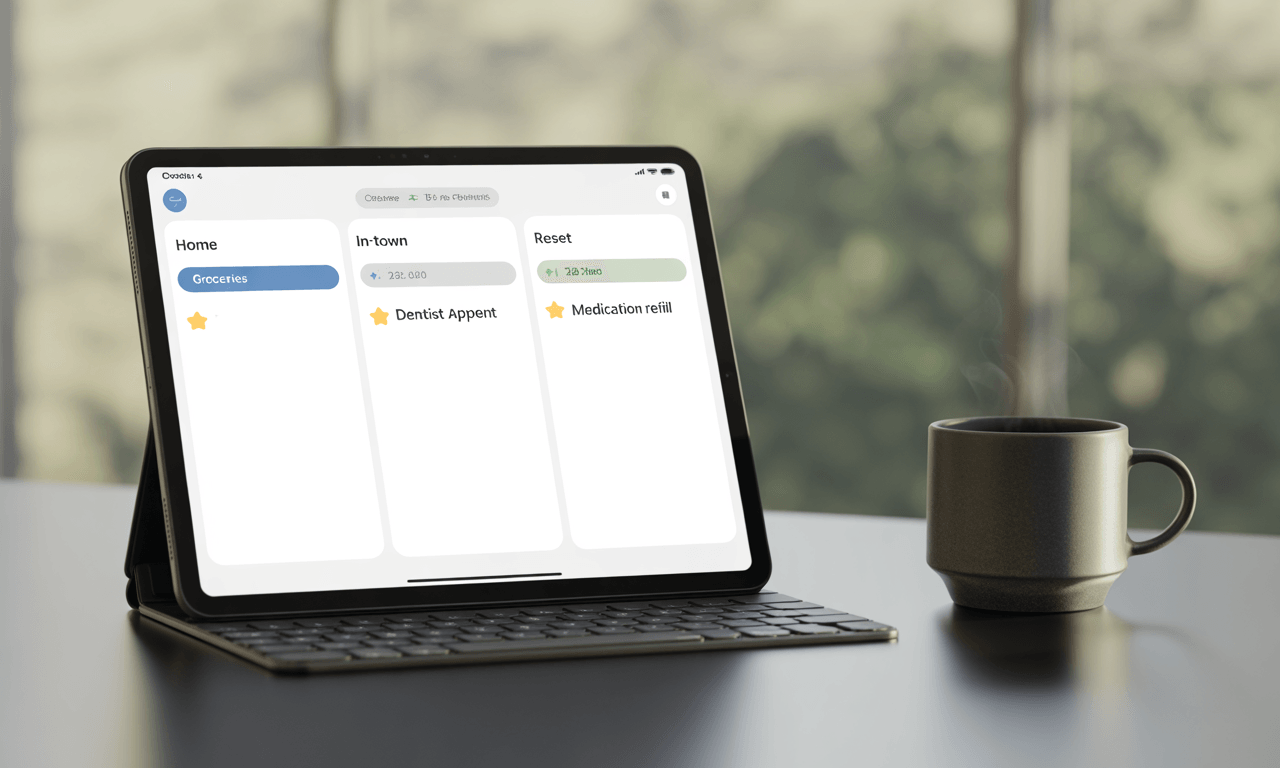
    Idea pipeline-curated lists aligned to what your numbers say you loveTracking nudges you to repeat what works. When ideas run low, steal fresh options that match your patterns:

    • If you learned you thrive on close, calm nights, borrow from Home & Neighborhood Micro-Adventures-porch tastings, balcony stargazing, shorts festivals.
    • If your dots spike with two-hour windows, grab a ready loop from In-Town, 2-Hour Dates-gallery + gelato, docent hour + bookshop.
    • If you’re ready for seasonal breathers, turn eye-contact-rich evenings into a 24–36 hour escape using the blueprint in our Quarterly Reset Weekend guide.


    The One-Minute Sunday Ritual (Review • Replace • Reserve)

    One-minute Sunday-review, replace, reserve to keep momentum effortlessKeep the habit feather-light:

    1. Review: Circle the week’s favorite first; underline any dot you want more of.
    2. Replace: Swap any stale option for a new A/B choice.
    3. Reserve: Confirm next week’s spark (attach tickets if needed); tag energy/budget.

    Done in under a minute. For couples who like a friendly nudge, the templates in Build Momentum in Marriage include one-liners to make this ritual fun, not formal.


    Troubleshooting: When Metrics Feel Like Pressure

    ow-pressure tracking-one gentle dot is still a win

    • Shrink the scope: Track only firsts per month for two weeks.
    • Switch the surface: Move from app to paper (or paper to app).
    • Drop a metric: If one number nags you, retire it.
    • Rename the game: From “tracking” to “treasuring”-same dots, different heart.
    • Take a week off: Come back when curiosity returns.

    If you’re in a heavy season (grief, illness, caregiving), your whole dashboard might be one dot: “We sat on the porch with a new tea.” That dot counts. Let it be enough.


    Case Studies (Names Changed): How Couples Used Metrics That Keep Firsts Going
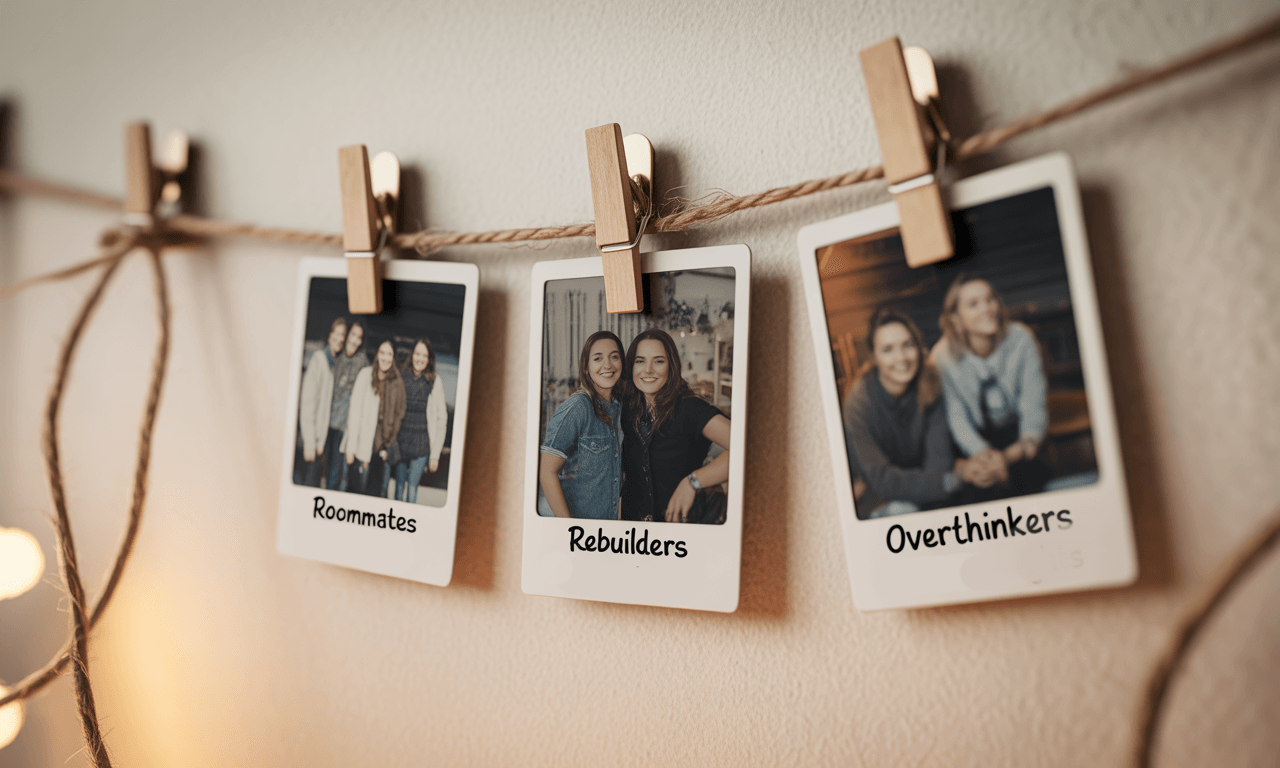
    Mini portraits-three couples, three ways simple metrics created momentumThe Busy Roommates (M & J).
    They tracked only firsts per month and laughs. After four weeks of free, nearby sparks, laughs rose from 1 dot to 2–3. They kept the free/nearby formula and saved splurges for monthly minis.

    The Rebuilders (S & L).
    They added eye contact and repair speed during a tender season. Eye contact rose from 4 to 8 minutes; repairs shrank from 120 to 30 minutes. They kept Low-Risk, High-Delight dates and added one tea class next month.

    The Overthinkers (R & T).
    They attached a notes line under every calendar spark. Tracking “EC 6 / Laughs 2 / RS 40m” nudged them to shorten plans to 75 minutes and pick closer venues. Their “firsts” boxes filled for the first time all year.


    30-Day Challenge: Make Metrics That Keep Firsts Going Your Own
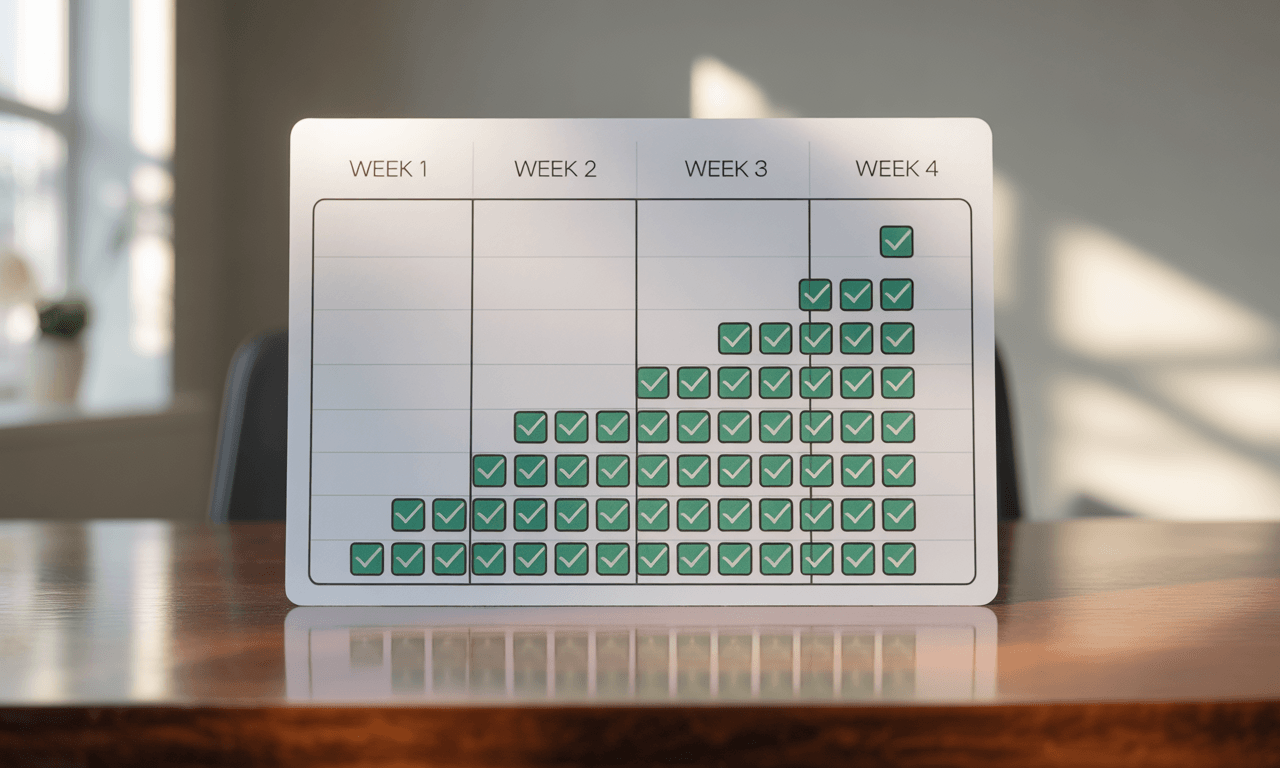
    30-day challenge-simple grid that turns kind metrics into a habit

    • Week 1: Track firsts per month and add two A/B options to the calendar.
    • Week 2: Add eye contact minutes; aim for 5–8 once this week.
    • Week 3: Note repair speed if a bump happens; keep plans short and nearby.
    • Week 4: Add laughter dots and star your favorite spark; reserve next month’s mini.

    At the end, open Build Momentum in Marriage and pick one template you’ll actually enjoy using. Keep only what encourages you.


    Closing: Measure What You Want More Of

    Progress you can feel-small dots add up to a year of shared storiesMetrics That Keep Firsts Going aren’t about scoring love; they’re about spotlighting joy so it’s easier to repeat. Two dots for laughter. A smaller number for repair. A steady run of “firsts” boxes filled. That is the picture of a relationship paying attention to what works. Protect the time. Keep the dots tiny. Let the numbers cheer you on.

  • Consistency + Novelty: The Balanced Marriage Playbook

    Consistency + Novelty: The Balanced Marriage Playbook

    You don’t need chaos for a vibrant love life; you need choreography. The marriages that feel most alive tend to pair consistency (predictable routines that make life work) with novelty (small, first-time experiences that keep attention and anticipation awake). This cornerstone-Consistency + Novelty: The Balanced Marriage Playbook-shows you how to blend bedrock predictability (kids, work, budgets) with everyday excitement (micro-adventures, monthly minis, quarterly resets) so connection stays effortless instead of occasional.

    Consistency + Novelty calendar-steady routine marked with simple first-time experiencesAs you read, stock your idea pipeline straight from 52 Firsts for Married Life and keep progress visible-without turning love into homework-using the gentle dashboards in Build Momentum in Marriage.


    What “Consistency + Novelty” Really Means (and Why It Works)

    Contrast plus rhythm-small novelty layered on reliable routineConsistency is the set of rhythms that keep your shared life humming: wake/sleep windows, childcare handoffs, a standing budget chat, a weekly planning huddle. Novelty is the gentle contrast that prevents your spouse from fading into the “predictable background”-a two-stop snack crawl within a mile, a docent hour, a porch tasting, a 36-hour mini-getaway once a quarter.

    Together, Consistency + Novelty build a flywheel: routines safeguard energy; firsts aim that energy at each other. Neurologically, your brain flags contrast; relationally, anticipation fuels attention, and attention feeds connection. If you want the research-backed “why” behind first-time experiences, the primer inside From Rut to Renewal connects the dots beautifully-and then sends you back here to choreograph consistency around those firsts.


    Spot the Traps: Efficiency, Coasting, and the “Forever House” Rut

    Common traps mapped to low-effort fixes that blend consistency and noveltyBefore we build the playbook, name the usual culprits:

    • The Efficiency Trap: When every hour is optimized, there’s nothing to look forward to. If “productive” has quietly replaced “playful,” our friendly diagnosis in The Autopilot Marriage explains how a single weekly first resets anticipation without wrecking your schedule.
    • Coasting (Stability → Stagnation): Calm on the outside, empty on the inside. If you feel “we’re fine, just flat,” our early-warning checklist in Signs You’re Coasting helps you catch drift before distance.
    • The Forever House, Forever Rut: You won the school district, the commute, the routine-and accidentally walled off adventure. The Forever House, Forever Rut shows how to turn home base into a launchpad again using small, close-to-home contrasts.


    The Consistency + Novelty Framework (The 1–1–1 Cadence)

    1–1–1 cadence-weekly spark, monthly mini, quarterly reset planned in advanceHere’s the core of the playbook: a 1–1–1 cadence that scales to any season.

    • One Weekly Spark (60–120 minutes): Near home, low prep, often free or low cost. This is the heartbeat. Pull from In-Town, 2-Hour Dates or Home & Neighborhood Micro-Adventures.
    • One Monthly Mini (2–4 hours): A slightly bigger new thing-gallery + gelato, tea-blending class, night swim + dessert.
    • One Quarterly Reset (24–36 hours): Not a sabbatical; a curated exhale that fits around Monday morning. The blueprint in The Quarterly Reset Weekend shows exactly how.

    Block these in your shared calendar first using the step-by-step prompts in The First-Time Calendar-then paste two A/B options into each slot so deciding is a coin flip, not a committee.


    Consistency Anchors: The Routines That Protect Connection

    Consistency anchors-simple routines that keep novelty easy and safeConsistency without novelty can feel flat; novelty without consistency burns out fast. Protect connection with these anchors that make firsts easy:

    1. The Sunday 10-Minute Huddle: Quick review of the week; confirm spark day/time; assign A/B options.
    2. A Shared Calendar: The time slot exists before the energy does. Add QR codes, addresses, and Plan B notes.
    3. Budget Guardrails: Pre-decide Free/Low/Treat for each week so delight isn’t derailed by money guilt; for a ready framework, skim First-Time Experiences on Any Budget.
    4. Bookends: Familiar start/end cues (your go-to dessert, a porch debrief, a short walk) make novelty feel safe.
    5. Veto Power: Each person gets one no-questions-asked veto per month. Safety > novelty.


    Novelty Streams: Where Your Weekly Spark Actually Comes From

    Novelty streams-organized idea bank that feeds the weekly sparkThink of novelty as streams you can dip into depending on bandwidth:


    Consistency + Novelty in Hard Seasons (Soft Rhythm, Gentle Firsts)

    Gentle cadence-soft, low-risk firsts that respect hard seasonsWhen grief, illness, or caregiving presses in, Consistency + Novelty must turn tender. Keep the cadence, shrink the scope:

    • Weekly spark: 20–60 minutes, porch tea flight, window picnic, sunrise drive.
    • Monthly mini: bench-based garden visit or discount-hour museum (one wing only).
    • Optional reset: only if supportive (close to home, soft itinerary).

    If you’re there now, design for kindness using When Life Is Heavy and trim to low-risk, high-delight options from Low-Risk, High-Delight so novelty brings comfort, not pressure.


    The Three-Tap Planning Flow (Consistency + Novelty Without Friction)

    Three taps to yes-apps make Consistency + Novelty effortless to scheduleFriction kills romance; apps remove friction. Use Discover → Decide → Drop In:

    • Discover: saved searches like “tonight,” “nearby,” “discount hour,” “beginner class.”
    • Decide: keep a two-option A/B menu per slot; flip a coin on the day.
    • Drop In: book in three taps, add QR/parking to the calendar, attach one conversation prompt.

    For a full walkthrough, our tooling guide in The App Advantage shows how to compress discovery, availability, and payment so your 1–1–1 cadence runs on rails.


    Low-Risk Design: Safety Scripts for Stretching Kindly

    Decision-light safety-A/B menu and veto rule keep novelty kindYou can stretch without spiking anxiety. Try these:

    • “On a 1–10, that sounds like a 6-stretchy but safe.”
    • “Could we add a familiar bookend-milkshakes at our usual spot-”
    • “I want a gentle win tonight; can we keep it under 90 minutes-”
    • “I’m a no on crowds, yes on a bench and tea.”
    • “What’s the smallest version of this that still feels new-”

    If you want a ready-made gentle menu that slots right into your weekly spark, the curated list in Low-Risk, High-Delight is built for 10% new, 0% panic.


    Parents & Caregivers: Consistency + Novelty With Real-World Constraints

    Caregiver design-at-home sparks matched to real bandwidthShort windows and unpredictable nights are design inputs, not deal breakers. Lean into at-home sparks and swap-sits:

    • At-home: porch tasting, shorts festival, balcony stargaze, the two-chair reading salon.
    • Swap-sits: trade 75-minute windows with another family twice a month; back before bedtime.
    • Energy labels: mark spark slots “Low/Med/High” so you can downshift without canceling.

    When you’re carrying a lot, this pairing-Home & Neighborhood Micro-Adventures + Firsts for Parents & Caregivers-keeps connection growing without extra guilt.


    Faith, Community, and First-Time Experiences (Deeper Roots, Not Just New Tricks)

    Belonging firsts-community spaces that refresh a couple’s shared identitySometimes the “new” you need is deeper roots: serving together, joining a small group, attending a local musical, or trying a couples’ workshop. These firsts build shared identity as much as they deliver fun. If that resonates, browse Faith, Community, and First-Time Experiences to add one low-pressure belonging first to your monthly mini.


    Budget Guardrails: Free • Low • Treat (Spend on Purpose)

    Budget guardrails-spend on purpose so novelty stays joyfulDelight doesn’t require a blank check. Pre-decide a monthly pattern-Free/Low/Low/Treat-then tag your spark slots accordingly:

    • Free/Low: library speed-browse, mural walk + milkshakes, discount museum hour, porch coffee flight.
    • Treat: night swim + dessert, chef’s small-plate bar, balcony seats at a local show.

    For plug-and-play tiers (and the psychology of why “guardrails, not limits” works), skim First-Time Experiences on Any Budget and paste one Free, one Low, and one Treat into next month right now.


    Metrics That Keep Firsts Going (Progress Visible, Not Pressure-Filled)

    Gentle tracking-tiny dots that make momentum obvious without pressureWhat gets measured gets repeated-if the metrics are kind. Track only what builds connection:

    • Firsts this month: aim for 4 sparks; circle the monthly mini.
    • Eye-contact minutes: note “EC 5–8” after each spark.
    • Repair speed: time from tension to repair (“RS 30m”).
    • Laughter dots: shade 0–3 dots per spark.

    Drop these lines into your calendar events (right under the address/QR) so tracking lives where planning lives. For copy-ready templates, borrow what you like from Metrics That Keep Firsts Going and mirror them in the dashboards inside Build Momentum in Marriage.


    A Guided Journey Through the Series (How Everything Interlocks)

    Series map-how each guide supports the Consistency + Novelty playbookUse this cornerstone as your map:

    • If life is optimized but flat, start by naming the pattern in The Autopilot Marriage and copy one 2-hour loop from In-Town, 2-Hour Dates into this Friday’s spark slot.
    • If you’ve “won” the routine and lost the excitement, skim The Forever House, Forever Rut, then try two Home & Neighborhood Micro-Adventures next week to prove you can feel alive without leaving your ZIP code.
    • If stability feels like stagnation, pick one gentle stretch from Low-Risk, High-Delight and one budget-friendly win from the Any Budget playbook to stack an easy momentum week.
    • When you’re ready to systematize, open The First-Time Calendar and drop in the 1–1–1 cadence; then connect your dots in Build Momentum in Marriage so progress is visible, not theoretical.


    Case Studies: How Couples Built Consistency + Novelty (Names Changed)

    Real couples-three paths to balanced rhythm with tiny firstsThe Busy Roommates (Maya & Joel): Two kids, rotating shifts. They added a Sunday 10-minute huddle, labeled a Thursday spark “Low,” and pasted two A/B options from Home & Neighborhood Micro-Adventures (porch tasting vs. shorts festival). Four weeks later, their laughter dots jumped from 0–1 to 2–3, and repairs shrank from 90 minutes to 30.

    The Rebuilders (Sam & Lila): Post-conflict, they ran Low-Risk, High-Delight sparks with familiar bookends (docent hour + their café), and set budget guardrails to Free/Low/Low/Treat. By month two, eye-contact minutes rose from 4 to 9, and they felt safe enough to book a Quarterly Reset Weekend anchored by a quiet garden and a bookstore.

    The Overthinkers (Renee & Theo): Planning dread killed date night. They used the three-tap method from The App Advantage, attached QR codes to calendar events, and limited sparks to 90 minutes. Suddenly “we should” became “we did.”


    The 90-Day Consistency + Novelty Experiment (Your On-Ramp)

    90-day experiment-time-boxed way to make the playbook a lived rhythmCommit for a quarter, not forever. Use this simple arc:

    Month 1 – Rhythm Over Heroics

    • Protect one weekly spark; paste A/B options (home + in-town).
    • Track only firsts and eye-contact minutes.
    • Add one monthly mini (gallery + gelato).

    Month 2 – Layer in Gentleness and Budget

    • Keep sparks short and near.
    • Add the Free/Low/Treat tag to each.
    • Introduce one Low-Risk, High-Delight option per week.

    Month 3 – Add the Reset and Momentum

    • Plan one 24–36-hour reset with soft anchors.
    • Start logging repair speed and laughter dots.
    • Star your favorite spark and repeat it next month.

    At the end of 90 days, hold a 20-minute retro: “What surprised us- What did our dots say- What do we keep, tweak, replace-”


    The 7-Day Mini-Challenge (Start Tonight)

    7-day on-ramp-tiny actions that make the playbook real

    • Day 1 (5 min): Add a single spark block this week using The First-Time Calendar.
    • Day 2 (2 min): Paste two A/B options (gallery + gelato vs. sunset loop + cocoa).
    • Day 3 (1 min): Save three searches for the three-tap method (“tonight,” “nearby,” “discount hour”).
    • Day 4 (60–90 min): Do the spark; end with a familiar bookend.
    • Day 5 (1 min): Note EC 6 and 😂 2 on the event.
    • Day 6 (10 min): Pick a Free idea for next week; screenshot the confirmation.
    • Day 7 (5 min): Quick retro: keep, tweak, replace. Then star the favorite.


    FAQs: Consistency + Novelty (Quick Answers for Real Life)

    FAQs-clear, kind answers that keep momentum lightIsn’t consistency the enemy of surprise-
    No-consistency funds surprise. Reliable rhythms protect the energy that novelty spends.

    What if we hate planning-
    Use the A/B + coin flip rule and the three-tap flow. Your calendar holds the time; the options take seconds.

    We’re broke. Can this still work-
    Yes. The engine is contrast, not cost. Run Free/Low three weeks and save Treat for the mini.

    We’re exhausted-should we wait-
    Start smaller. A 30-minute porch tasting beats a canceled big plan.

    What if one of us is novelty-resistant-
    Use Low-Risk, High-Delight. Add a familiar bookend and one veto. Safety first; progress second.


    Closing: Choreography, Not Chaos

    Choreographed marriage-small firsts threaded through predictable weeksThe couples who feel most alive are not the ones with the fullest passports; they’re the ones with the clearest rhythms. Consistency + Novelty gives you choreography: steady routines that lower strain and small firsts that lift attention. Protect the time. Keep decisions light. Spend on purpose. Measure only what encourages. In 90 days, your calendar will look the same-but your stories will be different.

  • 52 Firsts for Married Life: A Year of Micro-Adventures You Can Actually Do

    52 Firsts for Married Life: A Year of Micro-Adventures You Can Actually Do

    Here’s your done-for-you idea bank-52 firsts for married life that actually fit real calendars, real budgets, and real energy. Each pick is a small lift with a big connection return: a night swim, a two-stop food crawl, a sunrise loop, a tea-blending mini-class. Use this list as your personal menu for the next 12 months. The magic happens when you pair the ideas with a simple rhythm, so as you skim, drop your favorites directly into the weekly, monthly, and quarterly slots inside The First-Time Calendar. Then, to keep progress visible (and motivation high), track just a couple of tiny metrics using the playful dashboard in Build Momentum in Marriage.

    52 Firsts for Married Life-simple planning board that turns ideas into a year of micro-adventures


    How to Use This Cornerstone (So 52 Firsts Become 52 Memories)

    Decision-light system-A/B options make it easy to choose this week’s firstThis cornerstone is organized into six categories-at home, in town, nature, arts & culture, food & drink, and playful movement-so you can match novelty to tonight’s bandwidth. Most items take 60–120 minutes and many cost little or nothing. The list is modular: pick a weekly spark from any section, a monthly mini that stretches you gently, and a quarterly reset that gives your season a story.

    A quick pro tip before you dive in: if your life runs smoothly but love feels flat, you might be bumping into the “efficiency trap.” You can name the pattern and learn how tiny firsts fix it in our friendly explainer on autopilot-and then return here to select a soft-start idea for this week.


    Why 52 Firsts for Married Life Works (The Psychology in Plain Language)

    Contrast to connection-small novelty brings color back to ordinary weeksYour brain is a contrast detector; it notices what’s new, varied, and emotionally meaningful. When weeks repeat, your nervous system quietly files your partner under “predictable background.” First-time experiences-even tiny ones-reintroduce contrast. That contrast fuels anticipation, anticipation sharpens attention, and attention feeds connection. If you’d like a warm, research-backed tour of why this cycle is so reliable, read the “why novelty works” primer in From Rut to Renewal-then come back and pick your next two firsts from this list.


    How to Fit 52 Firsts Into Real Life (Cadence Over Heroics)

    Three taps to booked-turn 52 Firsts for Married Life into actual plans in secondsThink 1–1–1: one weekly spark (60–120 min), one monthly mini (evening or half day), one quarterly reset (24–36 hours). If you want a step-by-step guide to that rhythm, the cadence blueprint in How Often Should We Try Something New- shows exactly where a weekly spark and a quarterly mini-getaway slot into your month. Then, let your phone do the heavy lifting: the three-tap “discover → decide → drop in” flow in The App Advantage compresses discovery, availability, and payment so you move from “we should” to “we did” in minutes.


    52 Firsts for Married Life – The List (Organized by Real-Life Energy)

    Below are 52 firsts for married life, grouped into six sections so you can grab what fits tonight. We keep the descriptions tight, the logistics light, and the joy high. For best results, paste two favorites per week into The First-Time Calendar as Option A/B so deciding takes a coin flip, not a committee.

    A) Home & Neighborhood Micro-Adventures (12 firsts you can do in sweatpants)

    Home & Neighborhood Micro-Adventures-porch tasting flight ready for a cozy firstFor a full deep dive on this vibe, you can borrow formats-and scorecards-from Home & Neighborhood Micro-Adventures and adapt them to your block.

    1. Porch Coffee Flight – Brew three single-origin beans; compare aroma, body, and “after-smile.” Crown a winner and add it to your morning rotation.
    2. Backyard Shorts Festival – Curate 40 minutes of mini-docs and performances. A candle + popcorn turns “phone clips” into an actual premiere.
    3. Sunrise Loop – Thermos + 20-minute walk. One question: “What tiny first would lift this week-”
    4. Balcony Stargaze – A constellation app, one blanket, and five minutes of quiet looking. Name your favorite star for the night.
    5. Snack-Flight Taste Test – Chocolate ladder (55%, 70%, 85%) or citrus trio (orange, blood orange, grapefruit). Keep silly scorecards.
    6. Two-Stop Snack Crawl Within a Mile – Savory at stop #1, sweet at stop #2. Walk between for a micro-wander.
    7. Living-Room Gallery Opening – Print 6–8 photos (phone or public domain art), tape them up, and do a 10-minute “opening night.”
    8. Two-Chair Reading Salon – Read first pages from new authors aloud; share one favorite sentence.
    9. Board-Game First (Co-op) – Try a cooperative game so the stakes are “us.” Timebox to 60 minutes.
    10. Kitchen Five-Ingredient Supper – Pick a cuisine, cap ingredients at five, and plate like you’re guest judges.
    11. Neighborhood Mural Hunt – Find three pieces you’ve never seen; selfie at the winner; treat yourselves to a milkshake split.
    12. Tea-Blending Night – Mix jasmine/oolong/mint in tiny jars; invent a house blend with a funny name.

    Interlinking note: If you’re experimenting at home because energy is low, the gentle-stretch picks in Low-Risk, High-Delight keep novelty sweet instead of stressful, and they drop right into this section’s formats.

    B) In-Town, 2-Hour Dates (12 firsts that beat the “we don’t have time” excuse)

    In-Town, 2-Hour Dates-micro-adventure corridor with art and treats in walking rangeIf you want more quick-win templates you can book today, the ready-made loops in In-Town, 2-Hour Dates were built for this exact window.

    1. Museum Micro-Tour – One wing only, last-hour pricing if available. Leave wanting more, stop for a café split.
    2. Docent Hour + Bookshop – Guided mini-tour followed by 10 minutes each finding a “you’ll love this” book.
    3. Campus & Coffee Loop – Walk the prettiest quad, then a coffee flight. Pretend to pick your major.
    4. Neighborhood Art Walk + Milkshakes – Three murals you haven’t seen; winner chooses next week’s theme.
    5. High-School Lights – Football or band night; nostalgia included. Share a churro.
    6. Neon Mini-Golf – Playful and short; winner chooses dessert.
    7. Rooftop View (Public) – Sunset lookout + hot cocoa on a bench.
    8. Plant Nursery “Adopt a Green Friend” – Name it; give it a silly origin story.
    9. Farmers’ Market Loop → Market Pasta – Shop three stalls; cook a five-ingredient dinner at home.
    10. Public Art Audio Tour – Headphones + plaques; finish with a pretzel split.
    11. Thrift Hunt with a $5 Cap – Pick a “find” for each other; pitch its backstory.
    12. Two-Stop Espresso + Gelato Flight – Compare notes like you’re on a travel show-no passport needed.

    Interlinking note: If two hours feel tight, block a standing “spark” slot in The First-Time Calendar so picking an Option A/B takes seconds instead of willpower you don’t have.

    C) Nature & Neighborhood Outdoors (10 firsts that trade four walls for fresh air)

    Nature micro-adventures-short trail with a view and a simple treatFor a bigger seasonal breath-still within real life’s limits-steal a 36-hour template from The Quarterly Reset Weekend and anchor it with one of these outdoor firsts.

    1. State-Park Starter Trail – A short loop (2–4 miles) with a viewpoint. Pack a thermos; share what surprised you.
    2. Guided Garden Stroll – Docents do the talking; you do the noticing.
    3. Boardwalk Bikes – Rent for an hour; cap with a churro.
    4. Kayak Hour on Calm Water – Early evening, flat conditions, slow loop.
    5. Birding 101 – A borrowed guide, one new species, a celebratory pastry.
    6. Sunset Overlook Drive – Park, breathe, list five colors as the sky changes.
    7. City Stair or Bridge Climb – Short, scenic exertion; photo at the top.
    8. Waterfront Promenade – Add an audio tour; finish with take-home treats.
    9. Night Lantern Walk – If your town’s garden hosts one, share warm drinks afterward.
    10. “Secret Park” Picnic – Pick a tiny green you’ve never visited; bring a blanket and a new-to-you spread.

    Interlinking note: When energy is fragile (or one of you is hesitation-prone), the “10% rule” ideas in Low-Risk, High-Delight help you choose outdoor firsts that feel safe and fun, not performative.

    D) Arts & Culture Micro-Adventures (8 firsts that feed curiosity)

    Arts & culture micro-adventures-local show with a shared dessert afterwardWhen the ticket search feels heavy, the “three-taps” flow in The App Advantage turns discovery and booking into a 60-second sequence-perfect for this section.

    1. Community Theater or Local Musical – Go in blind; review at the snack bar.
    2. Gallery Joy Hunt – Find three pieces that make you smile; selfie with the favorite.
    3. Historical House Mini-Tour – One docent stop and out; discuss the quirkiest detail.
    4. Small-Museum After-Hours – One wing, discount window; cappuccino afterward.
    5. Poetry + Pie Night – Open mic (or just listen); split a slice.
    6. Indie Bookstore Challenge – Each picks a surprise for the other; 60-second pitch.
    7. Lantern Festival or Night Market – Wander, taste one new thing, and people-watch.
    8. Public Piano or Busker Pause – Five minutes of listening, a dollar in the case, a shared smile.

    Interlinking note: If your weeks are optimized but flat, the diagnosis-and the fix-live side-by-side: name the autopilot pattern in our efficiency piece, then schedule one culture micro-adventure via The First-Time Calendar to reintroduce anticipation.

    E) Food & Drink Adventures (6 firsts built for tastebuds and talk)

    Food & drink micro-adventures-espresso and chocolate pairing for playful conversationYou don’t need deep pockets; you need guardrails. For more $0-to-treat structure, the free-to-splurge menu in First-Time Experiences on Any Budget makes spending decisions quick and kind.

    1. Two-Stop Food Crawl – Savory bite → dessert bite; walk between.
    2. Chef’s Small-Plate Bar – Two plates, one dessert; talk about textures like you’re critics.
    3. Night Swim + Dessert Window – Boutique pool pass, then a single sweet to share.
    4. Coffee & Chocolate Pairing – Compare notes like it’s a tasting lab, because it is.
    5. Farm-to-Porch Picnic – Market finds → simple board → porch lights.
    6. International Grocery Safari – Pick five “never tried” items; rank favorites.

    Interlinking note: For family seasons, many of these scale into kid-friendly weekend mini-adventures; when you’re ready, borrow ideas from our “with kids (and sanity)” guide and book a nearby overnight that still respects bedtime.

    F) Play & Movement (4 firsts that get you laughing again)

    Play & movement firsts-open-gym paddle sports for a quick hit of funWhen stakes stay low, laughter comes back faster.

    1. Puzzle Café Hour – Tea, a 300-piece puzzle you’ve never opened, and a timer.
    2. Pickleball or Badminton Open Gym – 45 minutes, loser picks dessert.
    3. Mini-Golf Challenge – Neon, goofy, and delightfully unserious.
    4. Photo “3 Shots Each” Walk – Pick a theme (doors, reflections, textures); swap favorites over milkshakes.

    Interlinking note: If two or three of these “play” firsts revive your banter, lock the habit in by logging easy wins with the trackers in Build Momentum in Marriage-most couples love counting laughter as a metric.


    Make 52 Firsts for Married Life Repeatable (Keep It Light, Keep It Visible)

    Cadence on a calendar-weekly, monthly, and quarterly firsts planned at a glanceProtect the time. Add three weekly “spark” placeholders to your shared calendar right now.
    A/B the options. Paste two choices into each slot-gallery + gelato or sunset loop + milkshakes-and flip a coin on the day.
    Attach the details. Screenshots, QR codes, parking notes; friction killed more date nights than budgets ever did.
    End with a staple. Same sweet or same walk, so the night has a reliable exhale.
    Track two tiny metrics. In your momentum dashboard, try “firsts this month” and “eye-contact minutes.” Two dots per line is enough.

    If it helps to see cadence in action, the 1–1–1 structure in our rhythm guide connects weekly sparks from this list with a monthly mini (likely from arts or in-town) and a quarterly reset (nature or food anchored) so your year tells four fresh stories without burning you out.


    Budget Guardrails (Free • Low • Treat) That Fit 52 Firsts for Married Life

    Budget guardrails-pre-decide spend level so experimenting stays joyfulThe engine is contrast, not cost. That said, budgets breathe better with boundaries:

    • Free / $0–$10: sunrise loop, mural hunt, porch tasting, library speed-browse, public art audio tour.
    • Low ($10–$25): discount-hour museum, two-stop snack crawl, coffee flight + mini dessert, puzzle café.
    • Treat ($30–$60+): boutique night swim + dessert, chef’s small-plate bar, concert balcony seats.

    If money is the sticking point, set a month-long “Free/Low/Low/Treat” pattern; the budget playbook shows how that cadence delivers consistent delight without dread.


    Gentle-Stretch Safety (Because Trust and Energy Matter)

    Gentle-stretch guardrails-familiar cues make small firsts feel safeNot every week is a high-energy week. That’s why Low-Risk, High-Delight exists in this series: we curated gentle firsts that are 10% new, 0% panic, perfect for rebuilding, recovering, or just being kind to yourselves. Pair them with familiar bookends (your go-to café, a usual walk) so novelty feels safe and sweet.


    Booking Without Burnout (Let The Apps Carry the Planning)

    Three taps to yes-apps compress planning so 52 firsts become real nights outWhen decision fatigue hits, your phone can be the hero. The three-taps flow in The App Advantage–Discover → Decide → Drop In-turns “we should” into “we did”: filter for “tonight” or “nearby,” choose between two viable options, book and attach the QR to your calendar. Use saved searches like “free tonight,” “discount hour,” and “beginner class” to keep your pipeline fresh.

    Image suggestion: A thumb hovering over a “Confirm” button while a calendar invite fills in.
    Alt text: “Three taps to yes-apps compress planning so 52 firsts become real nights out”


    Family Season- Scale 52 Firsts for Married Life for Kids (and Sanity)

    Kid-friendly firsts-market scavenger hunt adapts your micro-adventures for family seasonsMany firsts here turn into family fun with minimal tweaking: market scavenger lists, garden lantern walks, sunrise loops with cocoa, and porch cinema with shorts. When you’re ready for a tiny getaway that respects bedtime, you can copy a weekend template from our “with kids (and sanity)” playbook and pick one anchor from this list.


    Keep the Momentum (You’re Writing a Year-Long Story)

    Write your shared story-small firsts, many nights, big connectionYou don’t need giant gestures. You need a rhythm that says, “We’re the kind of couple who tries new things.” That’s what 52 firsts for married life is: an easy supply of small contrasts that create outsized anticipation. Reserve two “spark” slots for this month, add one “mini,” and pencil in a “reset.” By the time you’re halfway through this list, inside jokes will be multiplying and repairs will be faster-not because you tried harder, but because anticipation became routine.


    Cornerstone Interlinking: Where This Idea Bank Connects

    Cornerstone map-how 52 Firsts connects with calendar, budget, apps, cadence, and resets

    • When you want a short, friction-proof plan for tonight, pull a 120-minute loop from In-Town, 2-Hour Dates and paste it into the weekly spark slot you’ve saved inside The First-Time Calendar.
    • If energy is fragile this month, skim Low-Risk, High-Delight for gentle-stretch picks and swap them into three or four items from 52 Firsts for Married Life so novelty feels kind, not costly.
    • When your appetite grows for a seasonal exhale, lift one nature anchor from this list and build a 24–36-hour plan using The Quarterly Reset Weekend-you’ll be back by Sunday lunch.
    • If you catch yourself muttering “we’re fine, just flat,” name the pattern with our efficiency-trap explainer and use the A/B menu approach from The First-Time Calendar to convert ideas here into real nights.
    • On a tight budget- The free-to-treat guardrails in First-Time Experiences on Any Budget make it painless to tag each spark “Free,” “Low,” or “Treat” so you can enjoy the month without money dread.
    • To stay encouraged, log two tiny metrics after each first using Build Momentum in Marriage-most couples love counting “laughter moments” because it rises fastest.


    FAQ: 52 Firsts for Married Life

    52 Firsts FAQ-clear answers that make starting simpleDo firsts have to be expensive or far away-
    No. The engine is contrast, not cost or distance. Most picks here are free or low-cost and within a short walk or drive.

    What if one of us resists new things-
    Use the 10% rule: choose ideas just outside your norm, add a familiar bookend, and keep a no-questions-asked veto.

    How do we keep this going for a year-
    Protect the slots in The First-Time Calendar, keep A/B options ready, and track two playful metrics so wins are visible.

    We’re exhausted. Should we wait-
    No. Start with a 45-minute porch tasting or a sunrise loop. Momentum creates energy; waiting rarely does.

    Can we adapt these for kids-
    Absolutely-market scavengers, lantern walks, porch cinema, and sunrise treats are instant family wins.

  • The First-Time Calendar: A Practical System to Make Novelty Normal (Cornerstone)

    The First-Time Calendar: A Practical System to Make Novelty Normal (Cornerstone)

    Romance doesn’t need grand gestures; it needs a rhythm. When weeks blur and date night turns into “same place, same order,” the problem isn’t that you don’t care-it’s that your life lacks a steady cadence of first-time experiences. The First-Time Calendar is a simple, repeatable scheduling system that bakes novelty into weekly, monthly, and quarterly slots so connection becomes inevitable. In this cornerstone guide you’ll learn the psychology behind novelty, the exact calendar structure, plug-and-play templates, budgeting and energy-matching tricks, and trouble-shooters for busy seasons. If you want an idea bank to stock your plan, you can pull ready-to-try options from 52 Firsts for Married Life, then track your progress using the playful measurements in Build Momentum in Marriage so the rhythm sticks.

    The First-Time Calendar-home as launchpad with a visible cue for a first-time experience


    Why Your Marriage Needs The First-Time Calendar (Novelty With a Rhythm)

    Why novelty needs rhythm-contrast reawakens attention when it appears on a scheduleWhen routine wins, anticipation loses. Your brain is a contrast detector; it flags what’s new, varied, or emotionally meaningful. Without regular “firsts,” a loving partnership can feel oddly flat-kind, coordinated, and low on spark. The First-Time Calendar answers this with a rhythm that’s small enough to keep, strong enough to matter: weekly sparks, monthly minis, and a quarterly reset. Instead of hoping you’ll “think of something,” you pre-decide when novelty happens and keep a lightweight pipeline of what to try.

    You’ll find the big-picture “why” behind all of this in our series hub on novelty and anticipation; when you’re ready to connect the dots from psychology to practice, The First-Time Calendar is the missing bridge between intention and experience.


    What Exactly Is The First-Time Calendar- (Definition & Promise)

    The First-Time Calendar-color-coded cadence that protects weekly, monthly, quarterly noveltyThe First-Time Calendar is a scheduling template that allocates three repeating slots:

    • Weekly Spark (60–120 minutes): a small, first-time experience you can do tonight.
    • Monthly Mini (one evening or half day): a local class, tour, or event that gently stretches you.
    • Quarterly Reset (24–36 hours): a mini-getaway with one new anchor activity and two cozy rituals.

    The promise is not drama; it’s dependability. By protecting the when, you reduce decision fatigue about the what. And by right-sizing novelty, you ensure real life (school pickup, budgets, Monday mornings) stays livable while love stays lively.


    The Science That Powers The First-Time Calendar (Attention → Anticipation → Connection)

    Attention loves contrast-scheduled firsts keep anticipation alive without chaosAttention follows novelty; anticipation fuels desire; consistent anticipation creates connection. That’s the loop. When every Friday looks identical, your nervous system files your spouse under “predictable background.” But one first-time experience a week-new café, new trail, new play-adds just enough contrast to pull attention back toward each other. The calendar makes this repeatable, which is what converts nice moments into a durable bond.

    If your efficient life occasionally feels flat, the pattern has a name-the efficiency trap. For a compassionate breakdown (and an easy fix using small weekly firsts), browse our companion essay on getting out of autopilot; then come back to this cornerstone to make the rhythm permanent.


    The 1–1–1 Structure: How Often Your Firsts Happen (Weekly • Monthly • Quarterly)

    1–1–1 structure-a simple cadence card that answers ‘how often’ at a glanceOur simplest answer to how to use The First-Time Calendar is the 1–1–1 structure:

    • 1 spark every week (60–120 minutes)
    • 1 mini every month (evening or half day)
    • 1 reset every quarter (24–36 hours)

    This cadence is strong enough to change your story and light enough to survive busy seasons. If you like step-by-step prompts for blocking these slots, the calendar checklist in this guide pairs perfectly with the routines you already keep.


    Weekly Sparks: Micro-Adventures You Can Actually Do Tonight

    Weekly spark-shared dessert as an easy first-time experience that fits a busy weekA weekly spark is a tiny first designed to be easy: brief, nearby, budget-friendly, and decided in seconds. A few examples you can schedule this week:

    • Two-stop snack crawl within a mile (one appetizer + one dessert)
    • Gallery joy hunt (find three pieces that make you smile; share why)
    • Porch coffee flight (three beans/roasts, crown a winner)
    • High-school game under the lights-nostalgia included
    • Sunset loop in a neighborhood you’ve never walked

    When you want a fast menu, open our local-friendly list and pull two options from the ideas in In-Town, 2-Hour Dates-then paste them into this Friday’s calendar slot as Option A and Option B so picking takes a coin flip, not a committee.


    Monthly Minis: Local Classes, Tours, and Shows That Gently Stretch You

    Monthly mini-class confirmation transforms ‘someday’ into a scheduled first-time experienceMonthly minis are your chance to expand your shared identity without draining your energy. Think beginner-friendly and nearby:

    • Cooking class with a plated dish you’ll recreate next month
    • Pottery or tea-blending workshop (take-home memento = story that continues)
    • Community theater or local musical (snack bar mandatory)
    • Docent tour at a small museum followed by a bookstore browse
    • Guided neighborhood walk (architecture, murals, or gardens)

    If planning is the part that stalls you, let app-based booking do the heavy lifting. Our practical “three-taps” approach in The App Advantage shows how to move from discovery to “Booked!” without a planning hangover.


    Quarterly Reset: 24–36 Hours That Change the Tone of a Season

    “Quarterly reset-packed light for a 36-hour mini-getaway that fits real schedulesA Quarterly Reset is your smallest hinge with the biggest payoff. Go within a two-hour radius, pick one new anchor (trail, class, concert, market) and add two cozy staples (slow breakfast, bookstore, porch time). You’ll return to Monday feeling like teammates again-not because you did a marathon itinerary, but because you shared one new story in a fresh setting.

    For ready-made itineraries and budget tiers (lean, smart, treat-yourself), the detailed guide in The Quarterly Reset Weekend walks you through booking 36 hours of novelty without upending life.


    The A/B Menu: The First-Time Calendar’s Secret Weapon Against Decision Fatigue

    A/B menu-coin flip between two pre-vetted firsts eliminates decision paralysisMost “we should do something” nights die at the point of choosing. Beat that with an A/B menu:

    1. Save two vetted options for each protected slot (e.g., Option A: Gallery + Gelato, Option B: Sunset Drive + Milkshakes).
    2. When the time arrives, flip a coin.
    3. Use veto rights sparingly-one per person per month, no explanation required.

    The A/B menu is where The First-Time Calendar stops being a nice idea and starts being a habit: you decide once (in planning mode), then act many times (in life mode).


    Build Your Pipeline: Keep Firsts On Tap (Home • In-Town • Mini-Getaway)

    Firsts pipeline-pre-saved ideas organized by distance and durationDecision fatigue disappears when you maintain a firsts pipeline:

    • Home & Neighborhood (0–$20): porch flights, board games new to you, living-room film shorts, balcony stargazing
    • In-Town (2 hours): gallery + gelato, community theater, docent tour, bookstore challenge
    • Mini-Getaway (24–36 hours): small-town art loop, state-park trail + café crawl, tea-house + bookstore weekend

    If you want to fill that pipeline in minutes, borrow liberally from the categorized menus inside 52 Firsts for Married Life and paste a dozen favorites straight into the upcoming slots on The First-Time Calendar.


    Energy-Smart Scheduling: Match the Plan to the Week (Low • Medium • High)

    Energy-smart novelty-choose firsts that fit this week’s bandwidth so the rhythm survives real lifeNot every Friday is created equal. Keep your cadence durable by matching energy to novelty:

    • Low energy: porch tasting, discount-hour museum, short sunset loop, open-air concert in the park
    • Medium energy: community theater, docent tour, two-stop snack crawl, guided garden walk
    • Higher energy: salsa class, neon mini-golf, kayak hour on a calm lake, night swim pass + dessert

    If you like a one-page answer to “how often should we try something new,” our cadence explainer shows the 1–1–1 rhythm in action with examples for each energy tier; it slots neatly onto The First-Time Calendar so your week’s bandwidth meets the right kind of first.


    Budget Guardrails: Free-to-Splurge Without Losing Rhythm

    Budget guardrails-free, low, and splurge envelopes keep novelty affordable and consistentMoney should set guardrails, not limits. Keep most weekly sparks free or low-cost, choose smart minis under a gentle cap, and sprinkle a worth-it reset each quarter. If you’d like a full playbook from $0 to treat-yourself-with examples you can paste into The First-Time Calendar-our budget guide is your best friend: it shows how free frequency plus occasional splurges outperforms big, rare trips.


    Apps That Make The First-Time Calendar Friction-Proof (Three Taps)

    Three taps to booked-apps turn planning into a 60-second flow you’ll actually useLet your phone reduce the planning tax. The App Advantage compresses discovery, availability, and payment into a tiny flow-Discover → Decide → Drop In-so you go from “we should” to “we did” in minutes. Save searches like “free tonight,” “nearby classes,” and “discount hour,” then paste your wins into calendar slots.

    For a walk-through of the three-taps method that respects real life, you can crib the steps in The App Advantage and let your pipeline refill itself while you’re waiting for coffee.


    Home & Neighborhood Micro-Adventures: Launchpad, Not Cage

    Home micro-adventure-snack flight turns a living room into a first-time experienceWhen energy is scarce, treat your home as a launchpad rather than a cage. Stock The First-Time Calendar with at-home firsts:

    • International snack flight with rating cards
    • Candle + playlist + new author reading night
    • Shorts festival-curate 40 minutes of short documentaries
    • Balcony stargazing with a constellation app

    For fast, cozy ideas you’ll actually do on a Tuesday, your one-stop buffet is in Home & Neighborhood Micro-Adventures; grab two that fit tonight and drop them into your next two weekly slots.


    The First-Time Calendar for Parents & Caregivers (Reality-Friendly)

    Caregiver-friendly rhythm-short, nearby firsts keep the cadence even with little onesYou can keep the rhythm in heavy seasons-just soften the edges:

    • Weekly spark: porch flight after bedtime, balcony stargaze, 30-minute walk with one prompt.
    • Monthly mini: swap-sit with friends or use a two-hour respite window.
    • Quarterly reset: close-by stay; ultra-gentle anchor like a tea workshop or botanical garden.

    If you’d like kid-compatible options (for next month’s “with-kids” mini and a future “just-us” reset), the sanity-saving suggestions inside our Airbnb with kids piece transition smoothly onto The First-Time Calendar.


    The First-Time Calendar Review Ritual: 15 Minutes on Sundays

    15-minute review-simple weekly huddle keeps The First-Time Calendar hummingKeep the engine tuned with a 15-minute Sunday huddle:

    1. Review: What was our favorite first this week-
    2. Remove: Which option felt stale-replace it now.
    3. Reserve: Lock one A/B pair for the next spark.
    4. Reset: Confirm the date of your next quarterly mini-getaway.

    This ritual keeps novelty on rails. If you like tracking that doesn’t kill the vibe, adopt two tiny metrics from Build Momentum in Marriage-for example, firsts per month and eye contact minutes-and jot them as quick checkmarks after you debrief.


    Metrics That Keep Firsts Going (Without Turning Love Into a Spreadsheet)

    Momentum metrics-lightweight dashboard that makes wins visibleMeasure lightly; repeat what works:

    • Firsts per month: 4 sparks + 1 mini is a healthy target.
    • Eye contact minutes: 5–10 during/after a first.
    • Repair speed: time from tension to repair (watch it shrink).
    • Laughter count: silly, motivating, surprisingly predictive.

    For examples you can copy into your notes app, the quick dashboard in Build Momentum in Marriage shows how to see progress without pressure; if you want a deeper dive just on “keeping firsts alive,” our metrics companion piece offers a few more playful trackers you can rotate.


    Seasonality: Rotate Themes So The First-Time Calendar Never Feels Stale

    Seasonal rotation-Nature, Arts, Food, Cozy themes keep novelty fresh all yearGuarantee variety by rotating a simple set of themes-Nature → Arts → Food → Cozy-across the year:

    • Spring: garden tour spark, cooking class mini, trail-and-café reset
    • Summer: outdoor concert spark, small-town theater mini, city-stroll reset
    • Fall: mural walk spark, apple market mini, tea-class reset
    • Winter: tea-blending mini, fireplace reading spark, cozy-cabin reset

    For a full play-by-play on “how often” and “what goes where,” our cadence explainer dovetails with The First-Time Calendar and offers ready cluster ideas for each season.


    Case Studies: Three Couples, One Calendar-Different Lives

    Real couples, real calendars-the same cadence adapted to three different seasons1) The Efficient Roommates (M & J).
    They ran a flawless household and felt flat. They pasted two options from In-Town, 2-Hour Dates into each Friday slot of The First-Time Calendar. After four weeks, they reported more inside jokes and shorter sulks after conflict-without spending more time.

    2) The New-Home Plateau (S & L).
    They’d landed the dream school district; weekends felt identical. They scheduled a monthly mini (docent tour or theater) and a Quarterly Reset Weekend within 90 minutes of home. The home didn’t change; their stories did.

    3) The Caregiver Crunch (R & T).
    They used respite care to schedule two “just-us” hours every other week and one 24-hour reset per quarter. Home-based sparks plus gentle minis kept the rhythm realistic; energy returned slowly-and so did laughter.


    Troubleshooting The First-Time Calendar (When The Rhythm Slips)

    Downshift, don’t delay-shorter, closer, cheaper options keep the cadence alive

    • Canceled sparks: shrink to 45 minutes, keep it hyper-local, and pick a backup home-based plan.
    • Minis feel heavy: alternate with a “free mini” (library program, park tour).
    • Resets keep stalling: downshift to a 24-hour close-to-home version this quarter.
    • Budget friction: run free/low for sparks and minis this month; save a small splurge for the next reset.
    • Decision dread: enforce the A/B menu and coin flip; each person gets one veto per month.

    If your life is optimized but your love feels flat, the early-warning checklist in our coasting article can help you name the drift; once you see it, the calendar makes the fix automatic.


    The First-Time Calendar Setup: 15 Minutes to Liftoff

    15-minute setup-month view with weekly, monthly, and quarterly novelty locked inStep 1: Reserve slots. Open your calendar and block three weekly sparks, one monthly mini, and your next quarterly reset.
    Step 2: A/B each slot. Paste two options per spark from In-Town, 2-Hour Dates or Home & Neighborhood.
    Step 3: Add guardrails. Note budget caps (Free, Low, Splurge) and energy tags (Low, Medium, High).
    Step 4: Attach details. Link tickets or screenshots; add parking notes; pre-decide the dessert.
    Step 5: Sunday review. In 15 minutes, review, remove, reserve, and reset for the coming week.

    If you want to feed the system as you go, keep 52 Firsts for Married Life open while you plan; then pick two momentum metrics from Build Momentum in Marriage to watch the rhythm take root.


    Where The First-Time Calendar Fits in the Series

    Cornerstone map-The First-Time Calendar connects and powers the rest of the series


    Frequently Asked Questions About The First-Time Calendar

    FAQ-clear answers that make The First-Time Calendar easy to keepIs routine bad for marriage-
    No. Routine carries logistics; scheduled novelty renews desire. The First-Time Calendar protects both.

    Do firsts have to be expensive-
    Not at all. The engine is contrast, not cost. Keep most sparks free or low; splurge strategically on resets.

    What if one of us resists new things-
    Use the 10% rule-choose firsts that are just outside your norm. Keep a no-questions-asked veto to build trust.

    We’re exhausted. Should we wait for more energy-
    No. Choose gentle, short firsts this month and a 24-hour reset. Momentum creates energy.

    How do we keep this going-
    Protect the slots, keep an A/B menu, and track two tiny metrics. The system does the rest.


    Closing Encouragement: Rhythm Over Heroics

    Rhythm over heroics-scheduled firsts turn ordinary weeks into a steady stream of shared storiesGrand gestures are fun; rhythms are faithful. When you commit to The First-Time Calendar, you stop begging for inspiration and start banking anticipation. A 60-minute spark now. A simple mini next month. A cozy reset next quarter. That’s how connection becomes the natural outcome of an ordinary, well-designed life. Decide once. Do together. Delight often.