Tag: staying in marriage

  • Love Without Convenience: Choosing Commitment Over Comfort

    Love Without Convenience: Choosing Commitment Over Comfort

    In a world that values convenience, staying committed when marriage gets hard feels radical. Everything from our groceries to our entertainment is one tap away-and that mentality has crept into our relationships. But love-real love-isn’t defined by how easy it is. It’s defined by how deeply you’re willing to stay when things aren’t.

    At Live Your Best Marriage, we believe that choosing love is a revolutionary act in a culture of comfort. This post is a call to take a fresh look at what it means to fight for your relationship and to redefine love as a daily decision-not just a fleeting feeling.


    The Age of Convenience-and the Cost to Relationships
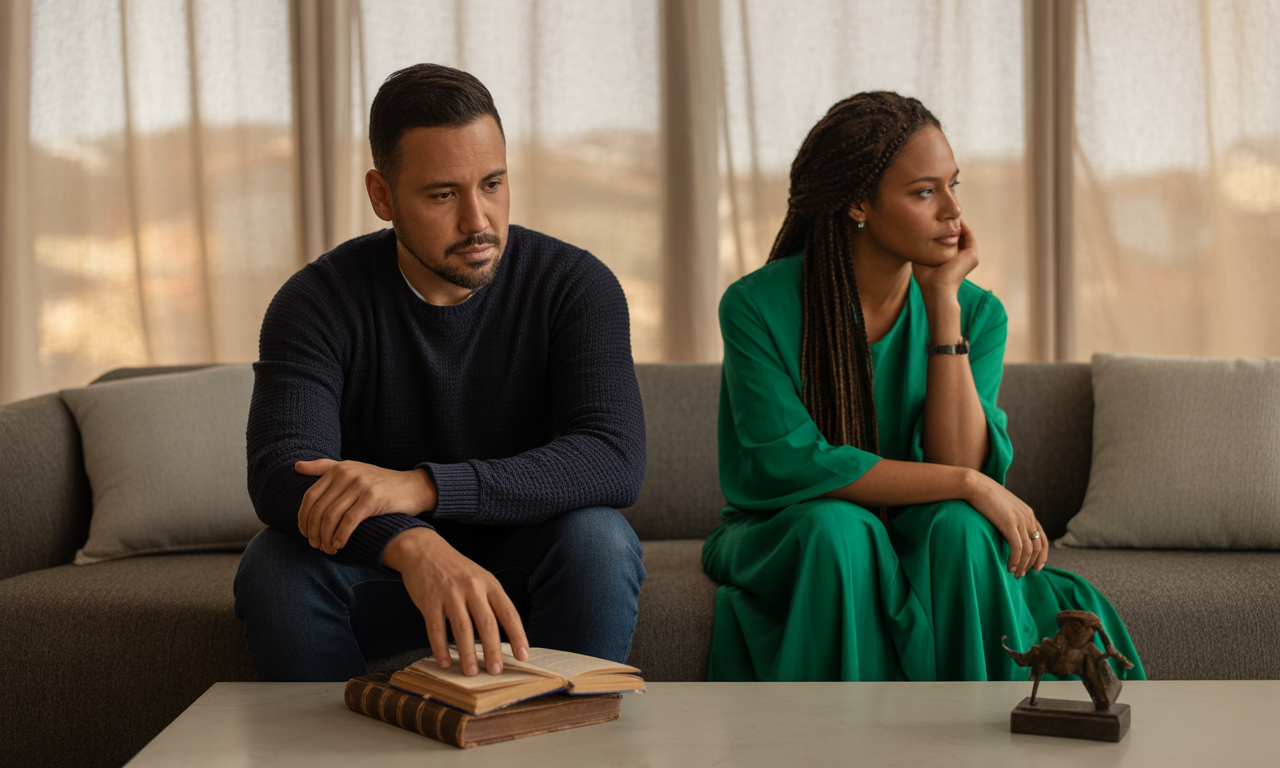
    Distant married couple experiencing emotional disconnection, reflecting modern relationship strugglesWe live in an era where everything is optimized for ease. If something is too hard or doesn’t make us feel good quickly, we’re encouraged to move on. From same-day delivery to instant swipes on dating apps, commitment has been replaced by consumption.

    Unfortunately, that attitude has infected our marriages. When conflict arises or the emotional high wears off, many couples are tempted to conclude that they’ve chosen the wrong person-or that love has died.

    But what if the problem isn’t love- What if the problem is that we’ve made comfort the measure of love-


    Love Is Not Meant to Be Easy

    Married couple having a serious talk, choosing to stay connected despite challengesLove was never supposed to be easy. It’s one of the most courageous, demanding, and transformative things we do. And just like anything meaningful-parenting, faith, or personal growth-it comes with seasons of strain.

    But those hard moments don’t signal failure. They signal opportunity. Opportunity to grow, to stretch, to choose your spouse again, even when you don’t feel like it.

    The beauty of love is not in its convenience-but in its resilience.


    Comfort Is Overrated

    Married couple supporting each other up a mountain path, symbolizing effort and commitment in loveWe often believe that if love is right, it will feel good. And while it’s true that healthy love should be safe and respectful, it won’t always feel easy or comfortable.

    Discomfort in marriage can stem from growth. From revealing hard truths. From learning how to disagree without disconnecting. From facing your own flaws and triggers. These aren’t signs of incompatibility-they’re signs of two humans learning to love well.

    Comfort may keep things easy. But commitment builds something lasting.


    What Commitment Really Looks Like

    Spouses gently holding hands during a quiet moment, symbolizing emotional connection and daily choiceCommitment is more than staying legally married. It’s staying emotionally present. It’s leaning in when it would be easier to check out. It’s choosing patience over withdrawal, forgiveness over resentment, and empathy over judgment.

    Real commitment isn’t loud. It’s not grand gestures. It’s found in the daily choice to show up. To reach out. To work through.

    Commitment is what sustains you when feelings fluctuate. It’s the foundation that holds you steady when the storms hit.


    Why Love Without Convenience Is So Rare-But So Worth It

    Couple hugging during a rainy day, symbolizing weathering emotional storms togetherMany people never experience the depth of committed love because they leave too early. They walk away when things get tough, not realizing that the strongest relationships are forged through fire, not fantasy.

    Love without convenience means:

    • Showing up when you’re tired
    • Listening when you feel misunderstood
    • Choosing grace when you’ve been hurt
    • Holding on when part of you wants to run

    These moments are where trust is deepened, intimacy is built, and love becomes something stronger than romance-it becomes home.


    Letting Go of the “What Ifs”
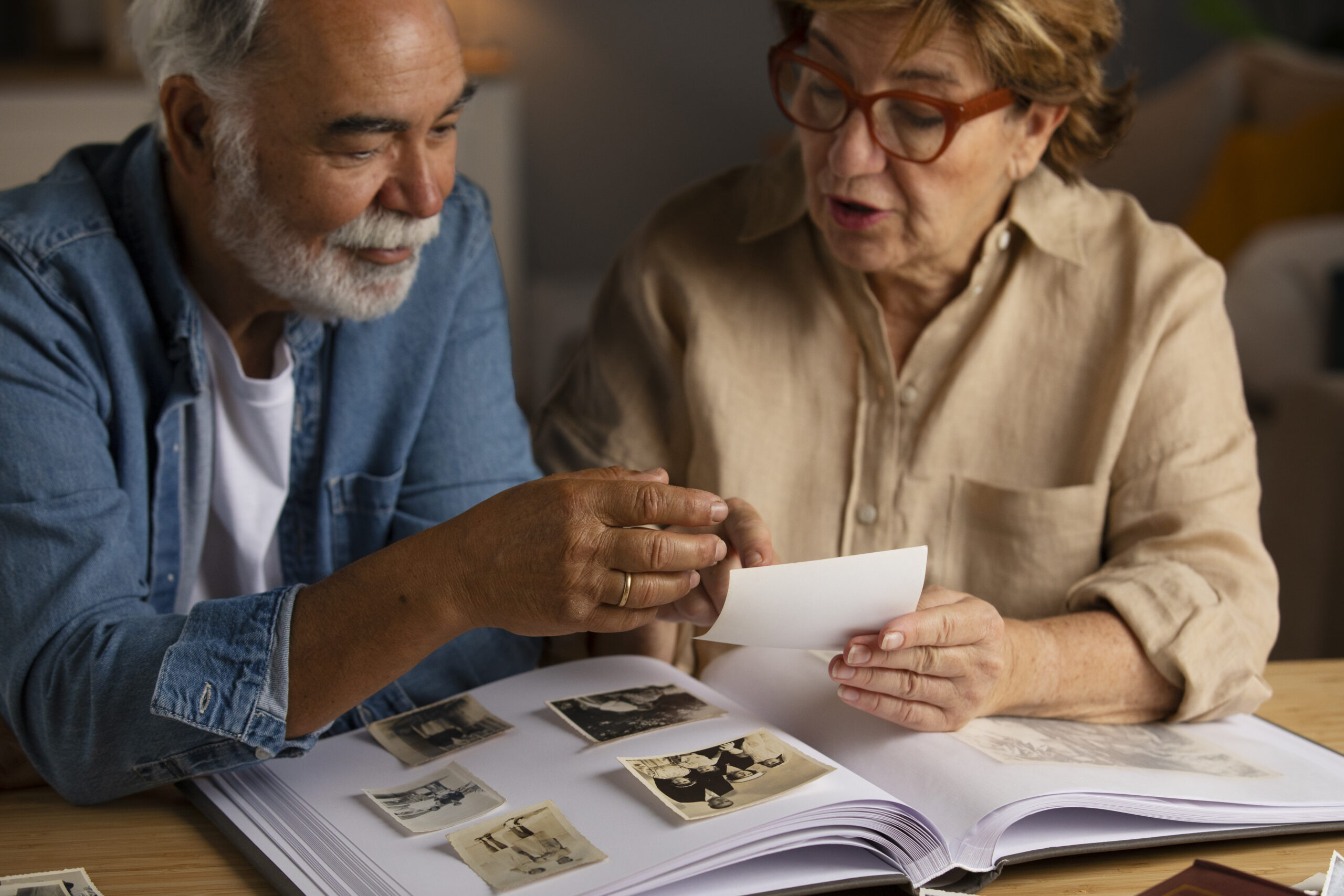
    Married couple reminiscing over their wedding photos, reflecting on the journey and their decision to stayIt’s easy to romanticize leaving. We imagine a fresh start, someone who “gets us,” or a life free of tension. But the truth is, every relationship will eventually require the same kind of work: communication, compromise, forgiveness, humility.

    Instead of asking, “What if things were easier with someone else-”-try asking, “What if staying is the best decision I’ll ever make-”

    Because on the other side of hard is depth-a love that’s tested, seasoned, and stronger than anything you imagined in the beginning.


    The Difference Between Red Flags and Rough Seasons
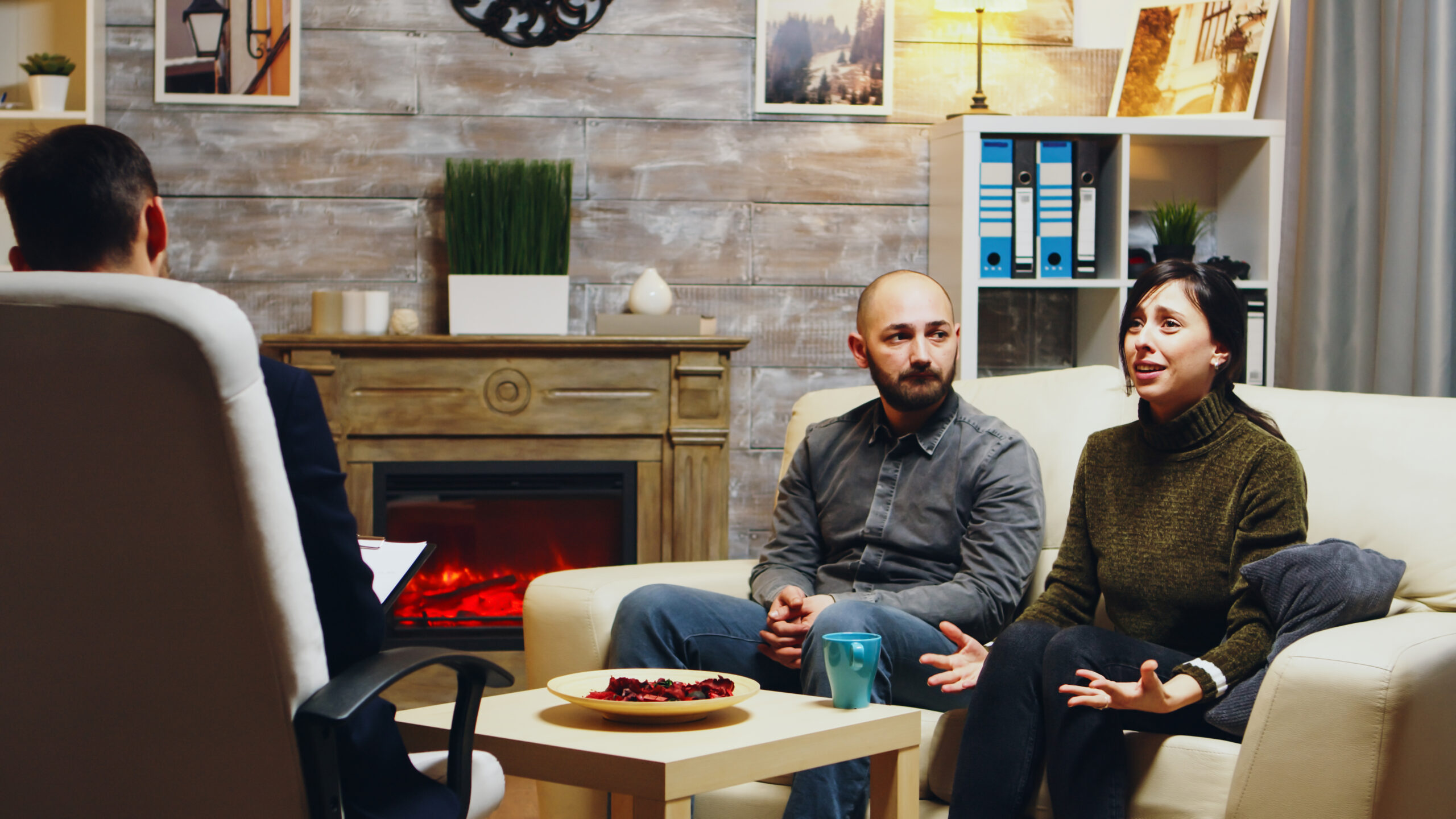
    Marriage counseling session in progress, couple working through conflict with professional guidanceNow, let’s be clear: Not all relationships should be endured. Abuse, manipulation, and repeated betrayal are not signs of a relationship worth preserving-they are signs of harm that must be addressed and, in many cases, walked away from.

    But rough seasons-disconnection, miscommunication, emotional fatigue-are not the same as toxic ones. Don’t confuse inconvenience with danger. Don’t mistake emotional growing pains for incompatibility.

    Ask: Is this hard because we’re both human and hurting- Or is this hard because it’s unhealthy- Get wise counsel if you’re not sure.


    Practical Ways to Choose Commitment Over Comfort

    Husband and wife journaling together during a marriage-building exerciseStaying committed in an uncomfortable season doesn’t mean you just grit your teeth and endure. It means taking action-small, intentional steps toward reconnection.

    Here are some ways to choose commitment:

    • Say “I’m sorry” first. Humility paves the way for healing.
    • Turn toward instead of away. Check in, offer a hug, ask how they’re doing.
    • Remind yourself why you chose them. Make a gratitude list.
    • Invest in your own emotional health. Often, we project our unrest onto our partner.
    • Seek help together. A good counselor can help you untangle what’s happening beneath the surface.


    The Hidden Joy in Choosing to Stay
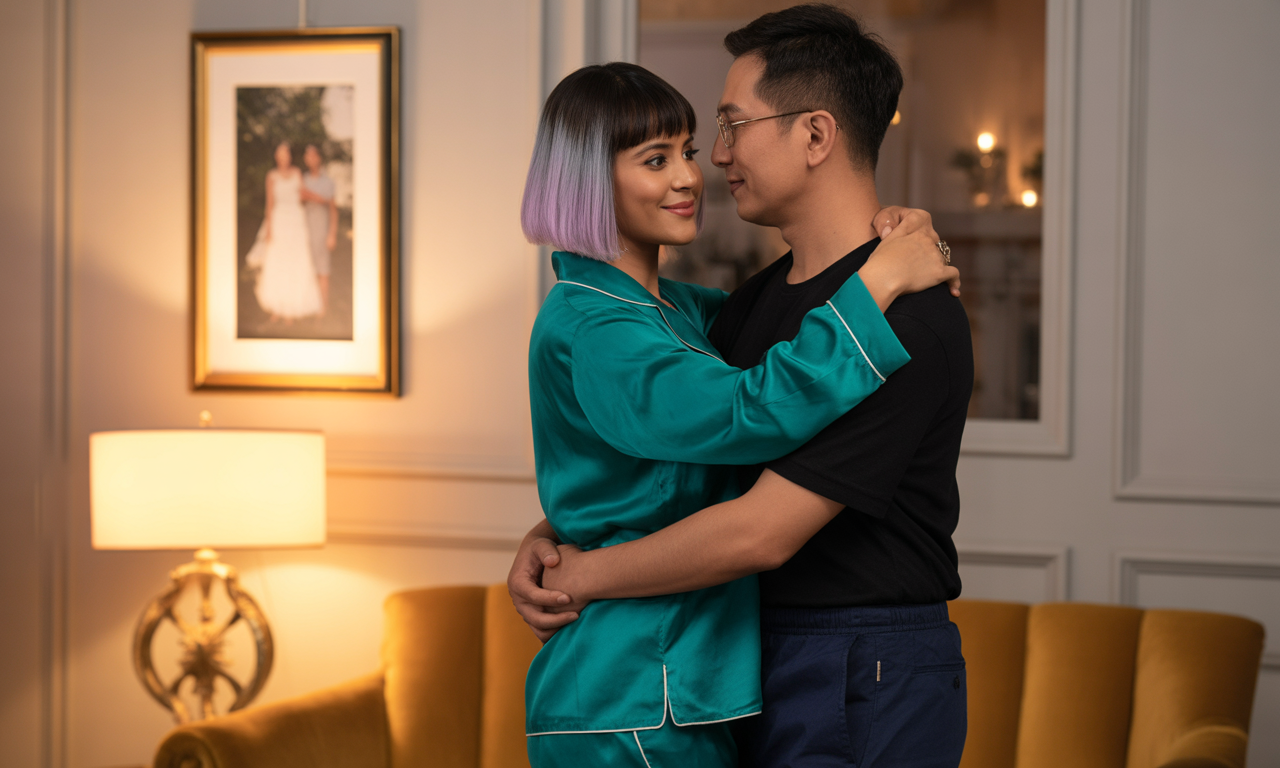
    Married couple dancing in a cozy space, enjoying a joyful moment after reconnecting emotionallyStaying doesn’t always bring instant joy-but it can lead to joy you couldn’t have reached any other way. There’s a unique satisfaction that comes from rebuilding something instead of walking away. From knowing you both fought for your love when it wasn’t easy.

    That kind of joy is different from fleeting happiness. It’s deeper. Rooted. Stable. And it makes the laughter more meaningful, the touch more tender, the life together more sacred.


    Teaching the Next Generation What Real Love Looks Like
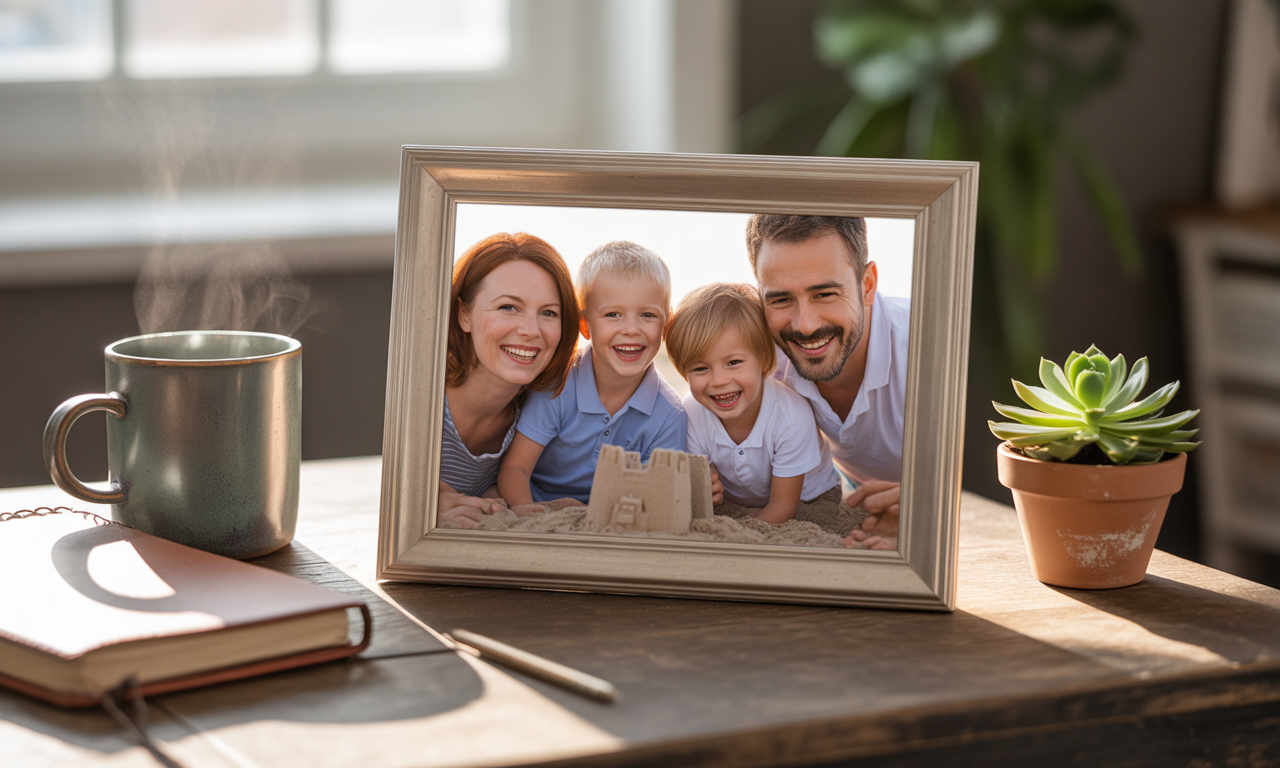
    Family enjoying a happy moment, symbolizing the ripple effect of marital commitment on future generationsWhen you stay committed through uncomfortable seasons, you’re not just strengthening your own marriage-you’re setting an example. Your kids, friends, church, and community are watching. They’re learning from you.

    In a culture that glorifies quitting, your loyalty is countercultural. It says something powerful: Real love is possible-and worth it.


    What If Love Is Actually Strongest in the Struggle-

    Elderly couple showing enduring love during a health crisis, symbolizing lifelong commitmentSome of the most beautiful love stories didn’t begin in a fairytale-they were forged in fire. Through financial hardship, grief, infertility, betrayal, illness-and still, they stayed.

    And in staying, they discovered something extraordinary: love that isn’t convenient is often the love that counts the most.


    Final Thoughts:

    Love without convenience is the kind of love that changes lives. It’s the kind of love that builds legacies, heals wounds, and stands the test of time.

    If your marriage is in a hard place, don’t assume it’s broken. Maybe it’s just growing. Maybe you’re growing. And maybe the most loving thing you can do today is to stay, to show up, and to choose your spouse again.

    Comfort is fleeting. Commitment is forever.
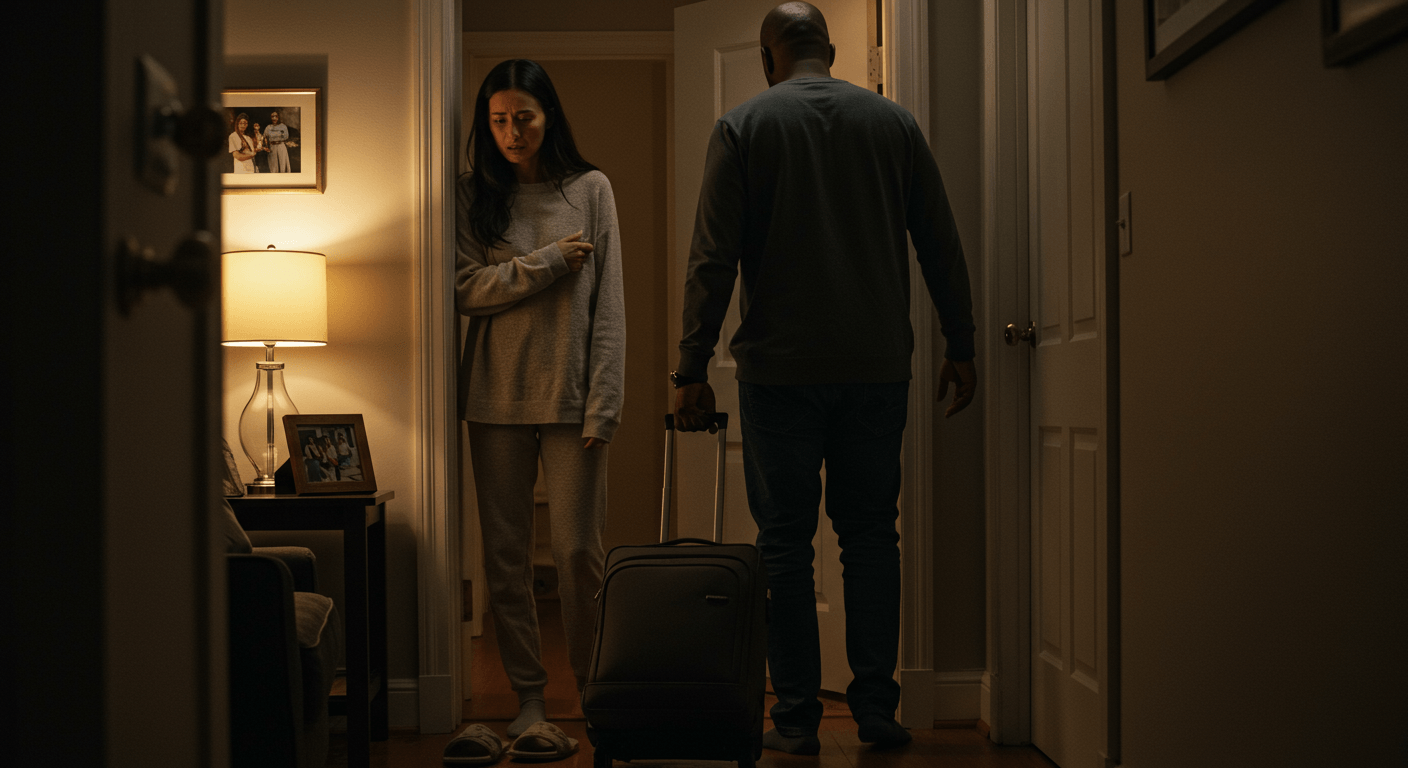
     

  • Leaving for Convenience- Why That Might Be the Problem, Not the Marriage

    Leaving for Convenience- Why That Might Be the Problem, Not the Marriage

    Introduction

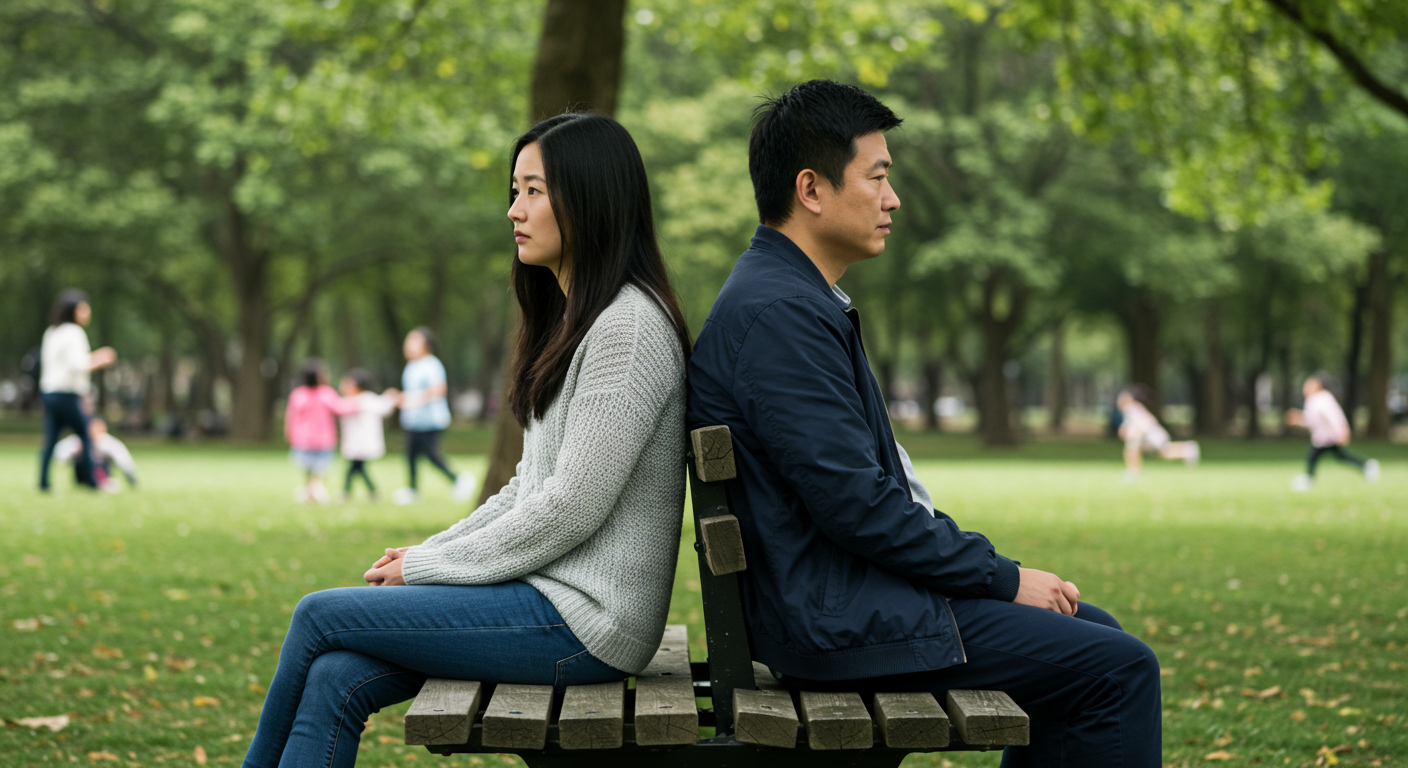
    Married couple sitting apart on a bench, symbolizing emotional distance during a challenging season in their relationshipWhen the going gets tough, too many couples believe the answer is to walk away. But leaving a marriage for convenience often overlooks the real issue: an unwillingness to stay committed when things aren’t easy. In this post, we challenge the narrative that “starting over” fixes everything and explore how staying can often be the real breakthrough.


    The Rise of the Convenience Culture in Marriage

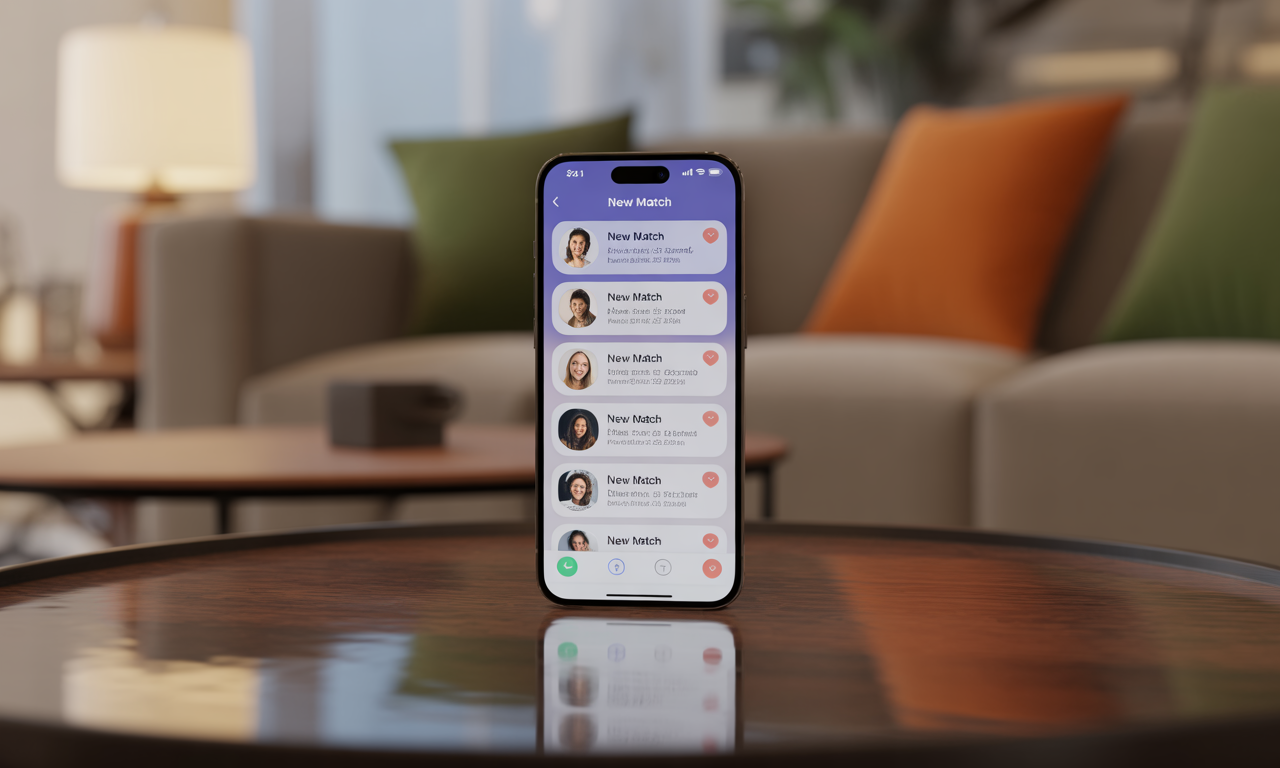
    Phone screen with dating app alerts, representing the temptation to exit marriage for an easier, more exciting optionIn today’s fast-paced world, we are used to quick solutions. We swipe, scroll, and cancel with ease. But relationships aren’t subscriptions you can just opt out of when they’re no longer fun or convenient. Marriage is meant to be a long-haul journey-not a weekend getaway.

    Convenience culture has conditioned us to avoid discomfort. But love is forged in fire, not ease. When we start viewing difficulty as a reason to leave, we miss out on the growth, healing, and intimacy that come through working through pain together.


    When “Starting Over” Becomes a Pattern

    Open suitcase on a bed, symbolizing the desire to escape rather than deal with underlying issues in a marriageSome people believe that leaving and starting over will finally bring them happiness. And for a while, it might. New relationships feel exhilarating. But over time, the same issues tend to resurface-because the root of the problem often follows you.

    If you never confront your fears, communication habits, or emotional immaturity, those traits will show up in the next relationship. You may change partners, but the patterns remain. Sometimes, staying is the real act of transformation.


    Discomfort Isn’t Always a Sign Something Is Wrong

    Couple journaling during a therapy session, reflecting on personal and relational growth in their marriageFeeling stuck or uncomfortable in your marriage doesn’t always mean something is broken-it might mean something is being stretched. Growth hurts. Vulnerability is awkward. Conflict is messy. But these are the places where transformation happens.

    Instead of fleeing from discomfort, lean into it. Ask yourself: What am I being invited to learn right now- What does my spouse need from me- What unhealthy responses am I contributing to this dynamic- Often, the problem isn’t your spouse-it’s your resistance to growth.


    The Myth That the “Next One” Will Be Better

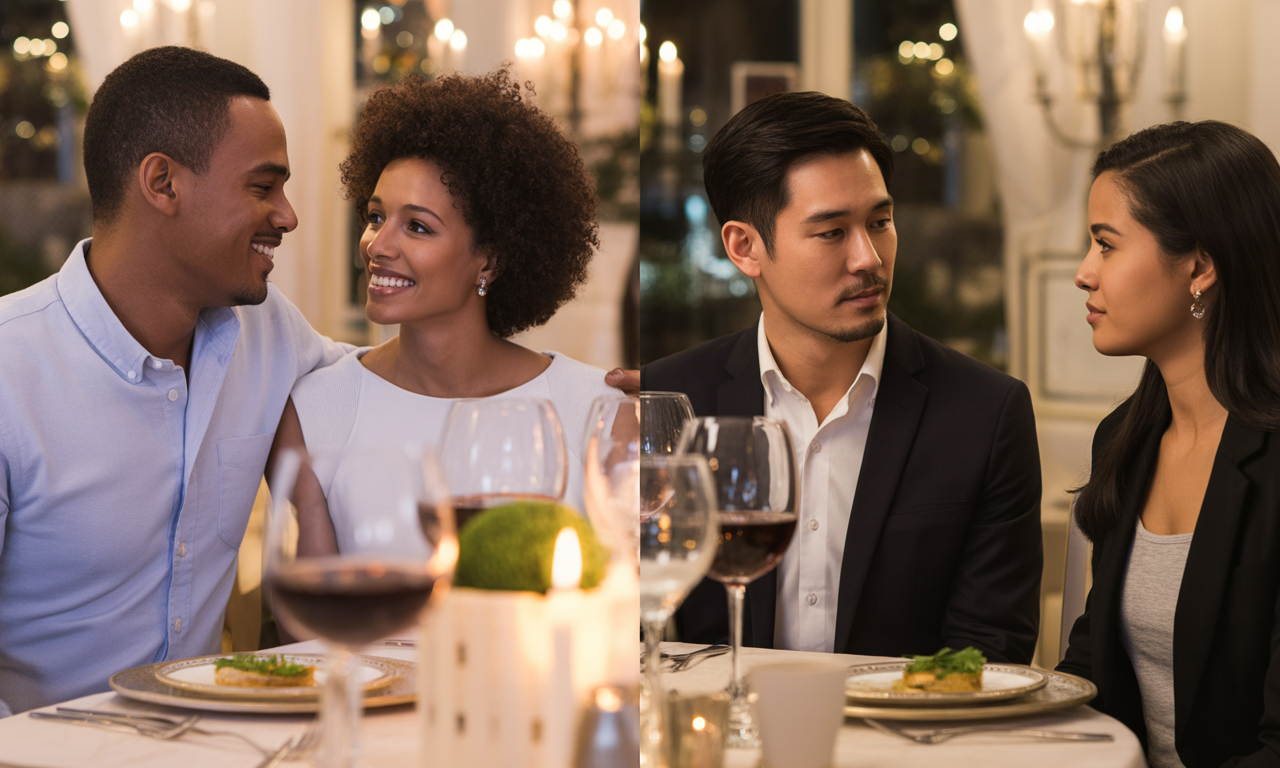
    Two contrasting images of a couple: joyful on a first date, then frustrated during an argument, showing the arc of every relationshipIt’s easy to idealize someone new. But once the honeymoon phase fades, reality sets in. No person is perfect. Every marriage will have seasons of frustration, boredom, stress, and miscommunication.

    If your definition of love relies on continual happiness, you’re setting yourself up for disappointment. The “next one” may look shinier, but eventually, they too will have flaws. True love isn’t about finding the perfect person-it’s about committing to an imperfect one and learning how to grow together.


    What You Lose When You Walk Away Too Soon

    Family and wedding photo albums on a table, representing the legacy and memories built in a long-term marriageWhen you walk away for convenience, you risk leaving behind the very foundation of what could’ve been a great marriage. The history, the shared dreams, the inside jokes, the trust built over years-all of it is worth fighting for.

    Leaving might save you from immediate discomfort, but it also robs you of long-term reward. Staying doesn’t mean tolerating abuse or ongoing harm-but it does mean pushing through seasons that are simply hard, not toxic.


    The Courage to Stay: Choosing Commitment Over Comfort

    Married couple holding hands during a hard conversation, showing strength and emotional vulnerability in choosing to stay"It takes courage to stay. To face yourself. To own your role in the conflict. To forgive when you’d rather run. It’s not weakness-it’s strength.

    Staying says, “I’m in this with you. I’ll wrestle through the hard conversations, the misunderstandings, and the growing pains because I believe our story is worth it.” That kind of resilience isn’t praised enough in our culture-but it’s the foundation of a love that lasts.


    When Leaving Is the Right Choice

    Therapist’s office providing a safe space, acknowledging the importance of support for those in unsafe marriagesThis conversation wouldn’t be complete without acknowledging that some marriages need to end. Abuse, chronic infidelity, addiction without recovery-these are serious issues that may require separation for safety and healing.

    But those cases are different from convenience-driven exits. This post is not a call to stay in harmful or abusive environments. It’s an invitation to reexamine whether leaving is truly necessary-or simply easier.


    Staying Doesn’t Mean Settling-It Means Investing

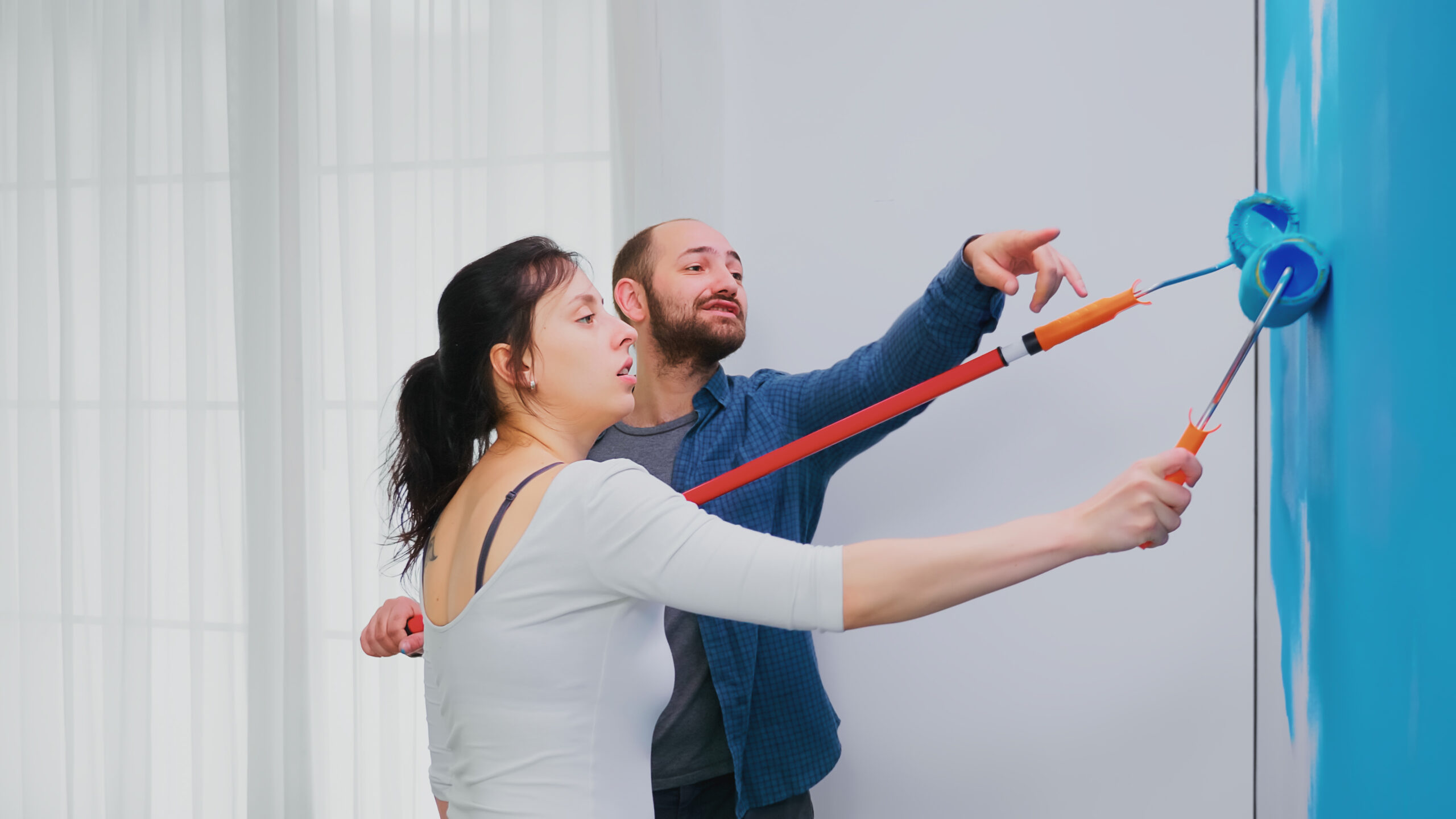
    Married couple painting a room together, representing investment and shared effort in building a stronger relationshipStaying doesn’t mean giving up your needs, voice, or identity. It means choosing to invest in the relationship with intention. It’s waking up each day and asking, “What can I give- What can I build- What kind of spouse do I want to be today-”

    When both partners commit to staying and growing, something beautiful happens. The marriage deepens. The connection becomes richer. You realize you’re not just surviving-you’re evolving together.


    Real Breakthrough Comes Through the Storm

    Spouses holding each other close after a hard moment, showing healing and connection built through shared struggleThe couples who make it through the hardest seasons often say that’s where they found the greatest intimacy. It wasn’t during the vacations, the date nights, or the milestones-it was in the storms. That’s where they learned how strong they really were. That’s where they became teammates.

    When you choose to stay and work through the hard stuff, you create a bond that can’t be replicated by a new relationship. It’s earned. It’s sacred. And it’s worth the fight.


    How to Begin the Work of Staying

    Individual journaling and reflecting near a window, symbolizing self-awareness and personal responsibility in marriageIf you’ve been tempted to leave, ask yourself these questions:

    • Am I expecting my spouse to make me happy all the time-
    • Have I communicated my needs clearly and consistently-
    • Am I willing to look at my own patterns before blaming-
    • Have we tried counseling, coaching, or community support-
    • Am I leaving because it’s unhealthy-or just uncomfortable-

    The answers can lead you back to the heart of your marriage-and to a new beginning inside the relationship you already have.


    Your Greatest Growth May Be on the Other Side of Staying

    Married couple dancing in the kitchen, showing joy rediscovered in everyday moments after choosing to stayWe often look for transformation in new beginnings-but some of the most profound change happens when we don’t start over. When we stay. When we fight for what we’ve built. When we discover that the commitment we made wasn’t the end of romance-it was the beginning of real love.

    It’s not glamorous. But it’s life-changing. And it might just be exactly what your heart-and your marriage-needs.

  • It’s Okay to Limp-Just Don’t Leave the Field

    It’s Okay to Limp-Just Don’t Leave the Field

    Some days you’ll show up with your full heart. You’ll feel patient, passionate, generous, and open. Other days, you’ll show up tired, sore, emotionally drained, and a little distant. And that’s okay. A healthy marriage doesn’t demand you be unhurt-it asks you to be present, even when showing up feels like the hardest thing to do. This is for the couples who’ve had the wind knocked out of them but refuse to walk away. The ones who are limping, not leaving. The ones who know love is worth staying on the field for-even with a limp.


    Limping Is Still Moving: Progress Doesn’t Have to Be Perfect

    Married couple walking slowly together, supporting each other through emotional strain, representing progress through pain.We’ve been taught to measure love in dramatic gestures and bold declarations. But most days, love looks quieter. Slower. It looks like doing the dishes when you’re mad. Or sending a kind text after a rough night. Or offering a small smile when your heart still aches. That’s progress. That’s movement. And even if it’s not perfect, it still counts. Limping means you’re hurt-but you’re here. You haven’t checked out. You’re not quitting. You’re still moving toward your spouse, even if it’s not as fast or as fluid as before.


    Marriage Doesn’t Require Wholeness-Just Willingness

    Spouse offering silent emotional support to their partner, reflecting the strength of being present without needing perfection.You don’t have to wait until you’re emotionally healed to be a good spouse. You don’t have to feel strong every moment. You just have to be willing. Willing to show up. Willing to try. Willing to keep your heart soft even when it’s been bruised. So many people disqualify themselves from growth by saying, “I’m not in the right headspace right now.” But healing often begins in the doing. Not before it. Showing up with a limp is still showing up. And that willingness can spark healing faster than waiting to feel ready ever will.


    Emotional Limping Happens-Don’t Let Shame Make You Quit

    Emotionally overwhelmed spouse battling shame but still present, showing the internal conflict of trying again after failure.Sometimes, the hardest part of showing up in marriage isn’t your spouse-it’s the shame you carry. Maybe you’ve messed up. Maybe you’re the one who spoke sharply or shut down. And now you feel like you have to earn your way back into connection. But shame lies. It tells you you’re not worthy of showing up. It says, “What’s the point- You’ll just fail again.” Limping with shame feels heavier-but you can still move. And the truth is, there’s room for both accountability and compassion. You don’t have to wait until you’ve “proven” yourself to try again.


    Letting Your Spouse See You Limp Builds Intimacy

    Intimate moment between spouses offering mutual emotional support during a season of pain and honesty.There’s something powerful about being seen in your weakness-and still being loved. When you try to mask the limp, you create emotional distance. You pretend to be strong, but inside, you’re breaking. The deeper connection happens when you say, “I’m struggling, but I still want us.” That kind of honesty opens the door for empathy. For grace. For shared strength. Vulnerability is the birthplace of intimacy-and that includes emotional limping. When your spouse sees you keep showing up, even when you’re not okay, it builds trust that’s deeper than words.


    You Don’t Have to Match Energy-You Just Have to Be Available

    Married couple in peaceful togetherness, representing support and acceptance during uneven emotional energy.One of the greatest lies in marriage is that things have to be “even” to work. That you have to give 50% and your spouse gives 50%. But real love doesn’t work that way. Some days, one of you brings 80% and the other can barely manage 20%. The key is not to resent the imbalance but to honor the effort. If you’re limping, and your spouse is running, that’s okay. Don’t push them away out of guilt. Let their strength be yours today. And when the roles reverse-and they limp-you’ll be there, steady and strong.


    Don’t Leave the Field Just Because It Hurts

    Spouses choosing to stay together after a painful moment, showing commitment despite emotional strain.Marriage is not a series of highlight reels. It’s a long game. There will be injuries. There will be seasons when things feel off. You’ll go through misunderstandings, exhaustion, grief, and misalignment. But none of those are automatic signs that the relationship is over. Too many couples walk away when they’re just in a dip. Limping seasons can make you question everything-but that’s when you need your vow the most. Stay on the field. Rest when needed. Bandage the wound. But don’t leave just because you’re sore.


    Rest, Don’t Run: Why Pausing Is Better Than Quitting

    Spouses choosing quiet reflection to recover emotionally without detaching, demonstrating healthy rest in marriage.Sometimes, the healthiest choice is not to push harder-but to pause intentionally. Limping isn’t sustainable forever. If your marriage is in a tough spot, and you’re exhausted emotionally or spiritually, rest doesn’t mean retreat. It means creating safe space to breathe without cutting the connection. That could mean counseling. Time away from constant triggers. A reset weekend together. It’s okay to say, “I need a minute.” It’s not okay to disappear emotionally or punish your spouse with distance. Resting says, “I still care enough to recover well.”


    Limping Together Is Better Than Pretending Alone

    Married couple physically leaning on each other while walking, symbolizing emotional support during mutual struggle.When you both admit you’re not okay-and still choose to walk forward-you create something sacred. A limp doesn’t mean the relationship is weak. It means it’s being honest. Strong marriages aren’t the ones without wounds. They’re the ones that walk wounded together. Limping is a shared language. It says, “I’m hurt, but I’m still here. And I see that you are too.” There’s something beautiful about two people stumbling forward, choosing each other again and again, when everything in them wants to turn inward or run.


    Imperfect Love Is Still Love

    Small act of care during emotional distance, showing that love can still be expressed through imperfect efforts.We sometimes believe that if love isn’t cheerful, romantic, and strong, it doesn’t count. But that’s not true. Imperfect love is still love. Showing up cranky but committed still counts. Having a tough conversation through tears still counts. Holding hands with frustration still counts. If all you can give today is a nod, a warm dinner, or a small act of kindness-it counts. Don’t dismiss the love that limps. It may be slower. It may be quieter. But it’s no less real.


    The Strength Is in Staying

    Warm reconciliation between spouses who weathered emotional difficulty, showing the reward of staying committed.Staying when you’re not 100%. Showing up when it would be easier to emotionally check out. Choosing your spouse even when you don’t feel fully “together.” That’s where the strength is. That’s where marriages are built. Limping love says, “This hurts-but we’re worth it.” It’s not weakness. It’s not failure. It’s just a season. And if you don’t leave the field-if you stay-you’ll eventually find your rhythm again. The limp may lessen. The heart may soften. And what was once survival might become joy again.


    Conclusion: Limping Is a Season-Not the End

    There’s nothing wrong with you if you’re not thriving every day. If your marriage feels slower, heavier, or more fragile than it used to, it doesn’t mean you’re failing. It means you’re human. And humans get tired. Hurt. Overwhelmed. But when you stay in the game-when you limp instead of leave-you give love a chance to deepen. A chance to prove itself in the fire. So if you’re bruised, show up bruised. If you’re weary, show up weary. Just don’t leave. Because marriages that limp together often learn to run again-stronger, softer, and more sure than ever.