
Reframing Hurt into Help: How Meaning-Making Fuels Intimacy

In This Article
- Why Reframing Hurt into Help Changes Everything
- What Meaning-Making Really Is (and Why It Fuels Intimacy)
- The 150-Word “We Story” Blueprint
- Step-by-Step: How to Write Your “We Story” Together
- Two Sample “We Stories” You Can Borrow and Adapt
- Rules of the Road: Keep Your “We Story” Safe and Useful
- Using Your “We Story” to Guide Decisions (Money, Time, Intimacy)
- When Your Stories Don’t Match (Alignment in 30 Minutes)
- Micro-Rituals That Keep the Meaning Alive
- Reframing Hurt into Help in Tough Conversations (Scripts)
- Pressure-Testing Your “We Story” (Gently, Without Drama)
- Metrics That Show Your Meaning Is Working
- The 30-Day Meaning-Making Plan (Bare-Minimum Beautiful)
- Faith, Values, and the Courage to Keep Meaning-Making
- Common Stalls-and Gentle Resets
- Gentle Interlinks That Naturally Support This Work
- Quick Reference: “We Story” One-Pager (Copy/Paste)
- Your Takeaway
Why Reframing Hurt into Help Changes Everything
 Meaning-making turns pain into wisdom. When couples don’t make meaning after a hard season, the nervous system keeps scanning for danger and every small frustration feels like a return to the worst day. Reframing Hurt into Help is the gentle pivot from “What went wrong defines us” to “What we learned directs us.” You’re not rewriting history; you’re rewriting your use of history. By crafting a short, shared “we story,” you create a living map for how you’ll speak, decide, and care for each other going forward. It reduces blame, increases alignment, and gives you a tone you can return to when emotions run high.
Ready to identify your next best step?
The United Front Audit gives you a personalized picture of what needs work - and a clear path forward as a couple.
Take the Audit - It's Free →What Meaning-Making Really Is (and Why It Fuels Intimacy)
 At its core, meaning-making is the process of reframing hurt into help-extracting lessons from painful experiences and converting them into habits that nurture safety and connection. It’s not positive spin; it’s honest sense-making that includes grief, responsibility, and new commitments. Because intimacy thrives on shared language and predictable behavior, a concise meaning-held by both of you-reduces guesswork and lowers threat. When both partners can say, “Here’s what happened, here’s what it meant, and here’s how we’ll live differently,” the relationship stops reliving the past and begins rehearsing a wiser future.
The 150-Word “We Story” Blueprint
 A good “we story” is short enough to remember and strong enough to steer. Aim for ~150 words and three parts:
- What happened (facts, one short paragraph).
- What it cost and taught us (impact + learning).
- How we’ll live differently (two or three concrete moves).
Keep blame minimal and behavior specific. This “we story” is not a verdict; it’s an operating manual. You’ll revisit it monthly to tighten the fit as you grow.
Step-by-Step: How to Write Your “We Story” Together
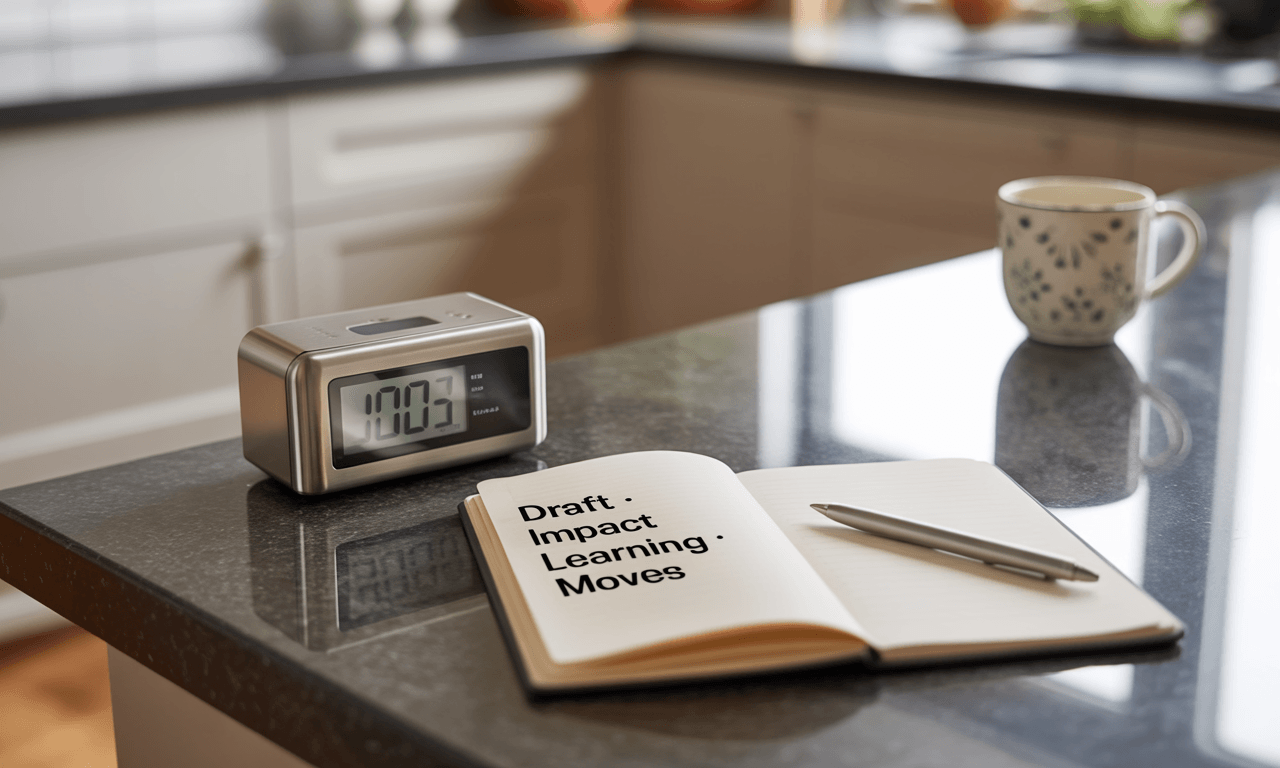
- Set the container. Schedule 30 minutes, phones face down, water nearby. Open with: “We’re here to reframe hurt into help so future us has better tools.”
- Draft the facts. In 3–4 sentences, write only what happened. Avoid adjectives; stick to verifiable events.
- Name impact honestly. Each shares two impacts (feelings or consequences) without commentary from the other.
- Extract the learning. Agree on 1–3 lessons (“We minimize late-text anxiety by sending an ETA and a single thumbs-up receipt”).
- Choose new behaviors. Turn lessons into micro-moves (e.g., budget sprints, arrival hugs, 10-minute check-ins).
- Pick a review date. “We’ll reread and revise this on the first Sunday of next month.”
- Use traffic lights to keep it safe. If anyone needs to slow down or pause, say the color and its meaning out loud:
- Green = resourced and ready (okay to continue for the planned time).
- Yellow = tender but willing (go slower, keep scope small).
- Red = pause and return (take a 10-minute break with a specific resume time: “Back at 7:40; I’ll initiate.”)
Two Sample “We Stories” You Can Borrow and Adapt
 Example 1: The Budget Spiral → From Pressure to Predictability

The “we story” text (150 words, as posted on the fridge):
What happened. We postponed money talks for months, then argued under pressure. Bills were paid, but we felt adversarial.
What it taught us. We both equate surprise bills with danger. When stressed, one of us fixes fast; the other needs comfort first.
How we’ll live. We’ll do a 10-minute budget sprint weekly (one decision, timer visible). We’ll mirror once before responding. If voices rise, we pause and resume at a set time. We’ll end with a high-five and a written decision.
How they actually ran it (step-by-step):
- Pre-brief (2 minutes). “Tonight is one decision. If tension rises, we’ll call a color with meaning: Yellow = tender but willing (slow down, keep scope tiny); Red = pause and return (break, then resume at 8:15).”
- Run (10 minutes). Timer on; one question (e.g., “Do we cap groceries at $X this week-”). Each mirrors once before suggesting solutions.
- Close (1 minute). Write the decision on a sticky note; high-five; place note where you’ll see it.
What “colors” sounded like in real life:
- “I’m yellow = tender but willing-mirror me once before we decide.”
- “I’m red = pause and return-I’ll be back at 8:15; I’ll restart us.”
Results (first six weeks):
- Time-to-repair after money tension dropped from 24–36 hours to 60–90 minutes.
- Bid response rate (turn-toward moments) rose above 60%-because the topic felt survivable.
- They skipped zero weeks; if a sprint night was rough, they ran a shorter yellow sprint the next night.
Why it worked: Tiny scope, visible end, and color meanings spoken aloud so no one had to guess what yellow or red meant.
Example 2: The Intimacy Freeze → From Avoidance to Affection Ritual
 The “we story” text (150 words):
What happened. After harsh words last year, we pulled away. Attempts felt risky; we avoided affection.
What it taught us. Our bodies need safety cues. Pressure backfires; tenderness builds trust.
How we’ll live. Three-night affection ritual (no agenda: music, touch, kind words). Sunday “pace talk” (what helped, what was too much, next small step). We’ll ask for reassurance directly: “Remind me we’re a team.”
How they ran the ritual:
- Design (2 minutes). Choose three weeknights, 6–10 minutes each, zero sexual agenda.
- State color at the start (with meaning):
- “Green = resourced and ready-open to a longer cuddle.”
- “Yellow = tender but willing-go slow; shorter time; lighter touch.”
- “Red = pause and return-let’s stop kindly and resume tomorrow at 8:15.”
- Sunday pace talk (10 minutes). “What worked- What wobbled- What 10% upgrade for next week-”
Results (four weeks):
- Tenderness minutes rose from ~6/week to ~30–35/week.
- Because yellow meant “tender but willing,” closeness didn’t require pretending to be resourced; it only required honesty and pacing.
- Red pauses stayed short because a specific return time was named and kept.
Why it worked: Safety was rhythmic, not episodic. Colors were always defined out loud, which prevented mind-reading and shame.
Example 3 : The “Where Were You-” Fights → From Panic to Protocol
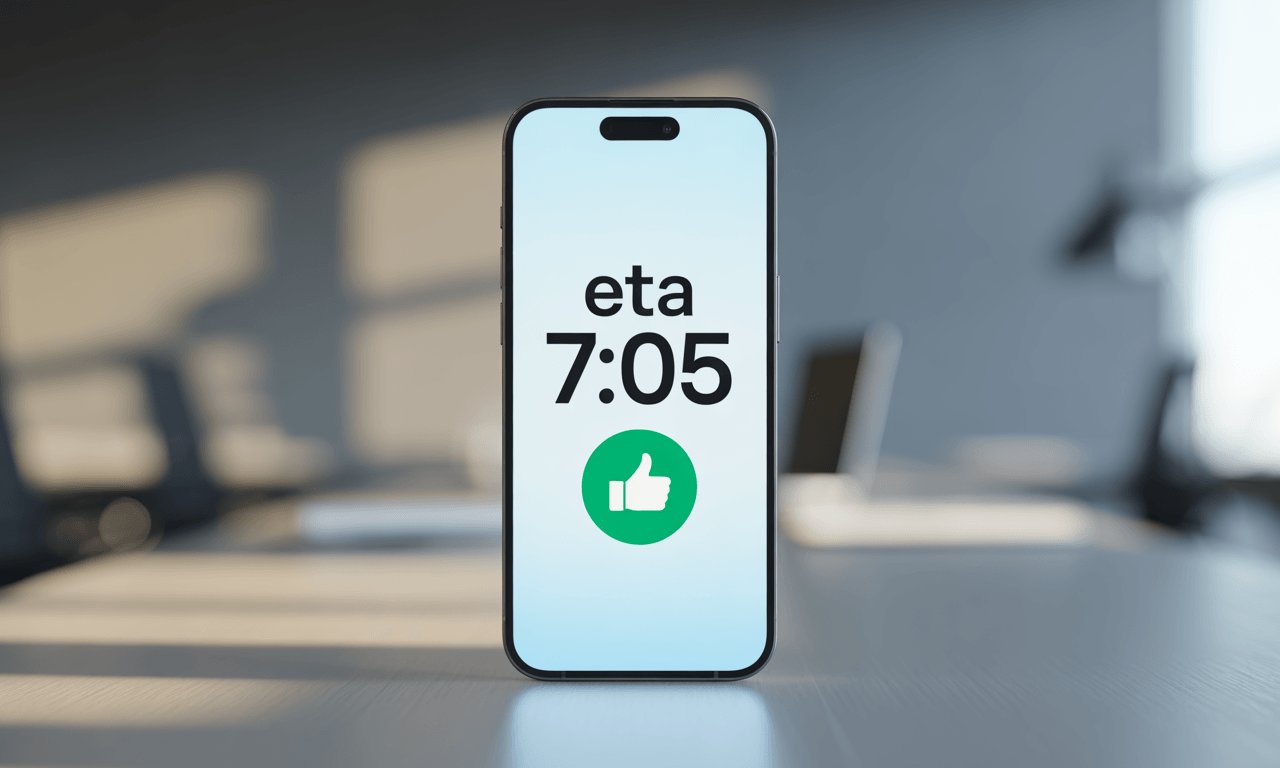 The “we story” text (120 words):
What happened. Late arrivals and missed texts led to spirals. We both felt unsafe and accused.
What it taught us. Uncertainty spikes panic; clarity calms.
How we’ll live. We’ll use a late-text protocol: send an ETA and one 👍 receipt on arrival. If either gets flooded, we say a color with meaning–Yellow = tender but willing (I need reassurance first); Red = pause and return (I’ll be back in 10 minutes; I’ll initiate).
Protocol in practice:
- If running late: “ETA 7:05; see you soon.” On arrival: send 👍.
- If anxiety spikes: “I’m yellow = tender but willing-say ‘We’re okay; I’ll be there shortly’ first.”
- If flooded: “Red = pause and return-back at 7:40; I’ll call.”
Result: Arguments about lateness dropped to near zero; time-to-repair shrank to under an hour because the meaning of each color was always spoken, never assumed.
Rules of the Road: Keep Your “We Story” Safe and Useful

- Short over exhaustive. If it won’t fit on your fridge or phone screen, it’s too long.
- Behavior over biography. Focus on choices you can change now.
- We > me. “We learned” and “we will” reduce blame and increase ownership.
- Concrete over vague. “Two 10-minute check-ins each week” beats “communicate more.”
- Revisable over rigid. Post a review date; growth updates are the point.
Using Your “We Story” to Guide Decisions (Money, Time, Intimacy)

- Money. Apply “weekly sprint, one decision only” the next time a new expense pops up-timer on, mirror once, decide, done. If tension rises, call a color with meaning: Yellow = tender but willing (slow down) or Red = pause and return (break + specific resume time).
- Time. If your story names “connection before logistics,” schedule a light-load date (30–45 minutes, phones away) before planning the month. Name Green = resourced and ready if you have energy; use Yellow if you need a shorter, gentler version.
- Intimacy. If your story includes a pace plan, keep your affection ritual even in busy weeks. Use Yellow = tender but willing to right-size expectations and Red = pause and return if anyone gets flooded.
For boundary phrases and safety signals that keep these moments wise, not risky, see Reopening the Heart-Safely: https://blog.liveyourbestmarriage.com/vulnerability/reopen-heart-safely
Discover what's fueling tension in your marriage
It's rarely just one thing. The United Front Audit maps the pressure points so you know exactly where to focus.
See Your Results →When Your Stories Don’t Match (Alignment in 30 Minutes)

- Two solo drafts, 7 minutes each. Write “what happened / impact / learning” without interruption.
- Read and mirror. Partner A reads; Partner B mirrors (“What I hear is… it matters because…”). Switch.
- Circle overlaps. Highlight shared sentences-start your joint draft there.
- If stuck, reduce scope. Agree on a single lesson to act on this week; test it.
- Schedule the fuller draft. Return after the test lowers the temperature.
If anyone feels activated during this process, say a color with meaning: Yellow = tender but willing (go slower), Red = pause and return (10-minute break with a resume time).
Micro-Rituals That Keep the Meaning Alive

- Arrival minute. 10-second hug + one appreciation.
- Two weekly check-ins. 5–10 minutes: state (say the color and its meaning–Green = resourced and ready; Yellow = tender but willing; Red = pause and return), choose aim (comfort/clarity/decision), scope (one topic).
- Sunday reset. “What worked- What wobbled- What’s our small upgrade-”
- One micro-win celebration. High-five after any kept promise (even tiny).
These keep your “we story” from becoming wall art. For a complete rhythm, use The Rehab Routines Your Marriage Needs: https://blog.liveyourbestmarriage.com/habits/rehab-routines-marriage
Reframing Hurt into Help in Tough Conversations (Scripts)

- Open: “I’m yellow = tender but willing; what’s the one thing you want me to understand before we finish-” (Green = resourced and ready; Yellow = tender but willing; Red = pause and return at a specific time.)
- Contain: “One topic, one decision. Timer 10 minutes.”
- Mirror: “What I hear is __; it matters because __.”
- If flooded: “Red = pause and return for me; I’ll be back at 7:40 and I’ll initiate.”
- Close: “Our next tiny step is __. Thanks for trying with me.”
Pressure-Testing Your “We Story” (Gently, Without Drama)
 You don’t need a crisis to learn whether your new meaning holds under pressure. Design tiny pressure tests: a late-text update protocol, a mini calendar sprint, a short family visit with a yellow hand squeeze (always say what yellow means: “tender but willing-go slower”). Pre-brief intent, keep scope tiny, and debrief afterwards (“what worked, what wobbled, what to tweak”). Then adjust your “we story” if new data emerges. For a full guide, visit Pressure Tests: Gentle Ways to Prove We’re Different Than Before: https://blog.liveyourbestmarriage.com/trust/pressure-tests
Metrics That Show Your Meaning Is Working
 Track the signals that intimacy is growing because you’re reframing hurt into help:
- Time-to-repair. Minutes/hours, not days.
- Bid response rate. % of small bids noticed and answered.
- Tenderness minutes/week. Affection without agenda.
- Risk attempts. Number of micro-reps or pressure tests tried (success optional).
- Rhythm kept. Check-ins, date, reset (yes/no).
Numbers don’t judge; they reassure your bodies that the new story is true.
The 30-Day Meaning-Making Plan (Bare-Minimum Beautiful)
 Week 1: Draft & Display
- Write your 150-word “we story” (two passes max).
- Choose three micro-moves from the story (e.g., arrival minute; weekly budget sprint; Sunday reset).
- Post the story where you’ll see it (fridge, shared note).
Week 2: Practice & Pace
- Run two 10-minute check-ins (comfort first). State colors with meanings at the start (Green = resourced and ready; Yellow = tender but willing; Red = pause and return).
- Keep a light-load date (30–45 minutes, phones away).
- Practice flood-pause: if red, name a specific resume time.
Week 3: Test & Tune
- Try one tiny pressure test (late-text ETA + 👍 receipt).
- Do a planned 5-minute repair drill on a minor miss (name, validate, confirm next rep/time).
- Celebrate one micro-win.
Week 4: Review & Revise
- Reread the story; tighten one sentence.
- Upgrade one micro-move by 10–20% (e.g., add a second weekly check-in).
- Choose next month’s single focus.
Not sure what's really going wrong?
The United Front Audit helps you pinpoint exactly where your marriage unity is breaking down - in just 3 minutes.
Take the Free Audit →Faith, Values, and the Courage to Keep Meaning-Making
 For many couples, faith or shared values provide the courage to stay open while staying wise. A two-minute nightly prayer, a verse, or a gratitude practice at bedtime tells your bodies, “We are more than this moment, and we have a North Star.” Meaning-making isn’t about being unfazed by pain; it’s about letting love and truth co-author the next chapter. If either partner needs to pause, say the color and its meaning: Yellow = tender but willing (speak softly, go slow), Red = pause and return (break with a specific resume time).
Common Stalls-and Gentle Resets

- “We can’t agree on the facts.” Shrink scope; write a 75-word story about one event.
- “Our draft sounds corporate.” Speak it out loud; replace any word you wouldn’t say in the kitchen.
- “We keep forgetting to use it.” Make the headline your lock screen.
- “One of us is faster.” Pace to the slowest nervous system; use Yellow = tender but willing to protect momentum without pressure.
- “We relapsed.” Deload to Week-1 rituals for 14 days; name Red = pause and return when flooded, then resume the plan.
Gentle Interlinks That Naturally Support This Work
 When you’re ready to install the safety scaffolding that helps you apply your “we story,” go to Reopening the Heart-Safely: https://blog.liveyourbestmarriage.com/vulnerability/reopen-heart-safely
For a growth vision beyond “back to normal,” explore Better Than Before: Post-Traumatic Growth for Real-World Marriages: https://blog.liveyourbestmarriage.com/growth/better-than-before-marriage
Quick Reference: “We Story” One-Pager (Copy/Paste)
 Purpose: Reframing hurt into help for wiser daily choices.
What happened (≤4 sentences): ______
What it taught us (2–3 insights): ______
How we’ll live (3 micro-moves): ______
Review date: ______
Emergency phrases: “Yellow = tender but willing.” “One topic, one decision.” “Red = pause and return at :.”
Repair (3 steps): Name the miss → Validate the impact → Confirm the next rep/time.
Your Takeaway
 You can’t undo what happened, but you can decide what it means and how you’ll live because of it. Reframing Hurt into Help is not a slogan-it’s a practice: write a 150-word “we story,” keep three micro-moves, say color meanings out loud every time you use them (Green = resourced and ready; Yellow = tender but willing; Red = pause and return), track five signals, and review monthly. When you do, the past stops steering and starts serving; intimacy becomes safer, clearer, and more deeply alive.
Read next: https://blog.liveyourbestmarriage.com/vulnerability/reopen-heart-safely
Related: https://blog.liveyourbestmarriage.com/growth/better-than-before-marriage





Keep Reading

Reopening the Heart-Safely: Boundaries, Signals, and Repair Routines
Why Reopening the Heart-Safely Changes Everything Safety isn’t the absence of conflict; it’s the presence of reliable repair.…

Relearning Vulnerability: Micro-Moments That Reopen the Heart
Why Relearning Vulnerability Changes Everything Vulnerability doesn’t return with a grand gesture; it returns in tiny disclosures that…

Take Down the Walls, Not the Wisdom: Safe Ways to Become Available Again
Why “Take Down the Walls, Not the Wisdom” Changes Everything Walls keep danger out, but they also keep…