
Introduction: Emotional Loyalty—The Often Forgotten Faithfulness
 Most couples agree that physical faithfulness is non-negotiable in a healthy marriage. Don’t cheat. Don’t flirt. Don’t cross boundaries. But many people overlook another kind of loyalty—one that can make or break the emotional foundation of a relationship.
Emotional loyalty is just as vital as physical fidelity. It’s about how you show up for your spouse, protect their heart, and stay present—not just in body, but in spirit.
Are you mentally present when your spouse speaks, or are you halfway checked out? Do you praise them publicly and privately, or do you leave their emotional well-being unguarded? Do you admire them out loud, or only in your thoughts?
In this post, we’re diving deep into what emotional faithfulness looks like—and why it might be the missing piece in your relationship.
Emotional Infidelity: More Common Than You Think
 When people hear “infidelity,” they think of physical betrayal. But emotional infidelity is just as dangerous—and often more subtle.
It can start with:
- Turning to someone else for comfort instead of your spouse
- Sharing intimate details with a coworker instead of your partner
- Daydreaming about a different life where someone else “understands you better”
- Withholding affection or admiration at home, but giving it freely elsewhere
These acts slowly drain emotional intimacy and trust. They signal that your spouse is no longer your first emotional priority—which, over time, leaves a gap in the relationship.
Emotional loyalty means making your spouse your primary connection—your person. The one you think of first, turn to first, and protect with your thoughts, attention, and heart.
Emotional Presence: Being All There
 You can be in the same room and still feel miles apart.
When your spouse talks, are you really listening? Or are you planning your response? Thinking about work? Half-glancing at your phone?
Emotional presence is about more than hearing words—it’s about making your partner feel seen and heard. It’s about giving them your full attention—not just when it’s convenient, but when it’s needed most.
Even subtle signals of distraction can erode trust over time:
- Checking notifications mid-conversation
- Offering surface-level responses to deep thoughts
- Avoiding eye contact or physical touch during discussions
Loyalty in marriage means showing up with your heart open. Even if the conversation is difficult. Even if you’re tired. Even if you’re not sure how to respond.
True faithfulness is attentiveness.
Gratitude and Admiration: Your Marriage Needs It
 Admiration is oxygen for emotional loyalty. It says, I see you. I value you. I appreciate who you are and what you do.
In many marriages, admiration fades not because the partner changed—but because the other stopped noticing.
We get used to each other. We begin to take things for granted. The things that once made us say “wow” now get passed over with silence. And eventually, the silence begins to sound a lot like disapproval.
Gratitude is one of the simplest but most powerful tools to reignite emotional connection.
Try this:
- Thank your spouse for their consistency
- Tell them what you love about their character—not just what they do
- Say out loud the things you appreciate, even if they seem “small”
When your spouse feels admired, they are more likely to draw closer, not pull away. Emotional loyalty thrives in a climate of appreciation.
Guarding Their Reputation—Even in Private
 Are you emotionally loyal when your spouse isn’t around?
What you say about your partner in front of others matters deeply. It can either fortify their sense of emotional security—or slowly tear it down.
Loyal spouses don’t “joke” at their partner’s expense. They don’t vent about them in public forums. And they certainly don’t diminish them in front of the kids, friends, or family.
Instead, they:
- Speak well of their spouse to others
- Shut down gossip or complaining about marriage
- Gently steer conversations back to what’s positive
This doesn’t mean hiding problems. It means choosing the right time, place, and tone to talk about them. A wise spouse seeks counsel, not a sympathetic audience to bash their partner.
Emotional loyalty says: I protect your name, your dignity, and your heart—especially when you’re not here to defend yourself.
Protecting Their Emotional Safety Like You Would Their Body
 If someone tried to harm your spouse physically, you’d do everything you could to protect them. But emotional harm is often more subtle—and easier to overlook.
True loyalty means safeguarding your spouse’s emotional well-being with the same level of care.
This might look like:
- Refusing to use sarcasm or mockery during conflict
- Not threatening the relationship in heated moments
- Being someone they feel safe being vulnerable with
- Not comparing them to others—especially in their presence
A loyal spouse creates an emotionally secure environment—one where mistakes are forgiven, differences are respected, and feelings are not weaponized.
If your spouse shares something tender with you and gets met with ridicule or indifference, they’ll stop sharing. And when emotional safety disappears, so does emotional intimacy.
Support Over Silence: Standing With Them, Not Just Near Them
 When your spouse is struggling, what do you do?
Emotional loyalty says, I will walk through this with you—even if I don’t understand it all.
You don’t need to fix everything. You don’t need all the right words. But you do need to show up.
Support can look like:
- Encouraging words when your spouse feels insecure
- Stepping in when they feel overwhelmed
- Praying with them, not just for them
- Celebrating their wins with genuine joy
Silence during your spouse’s struggle can feel like abandonment. But small gestures of empathy and effort send a loud message: I’m on your side.
Protecting Emotional Space: Boundaries With Others
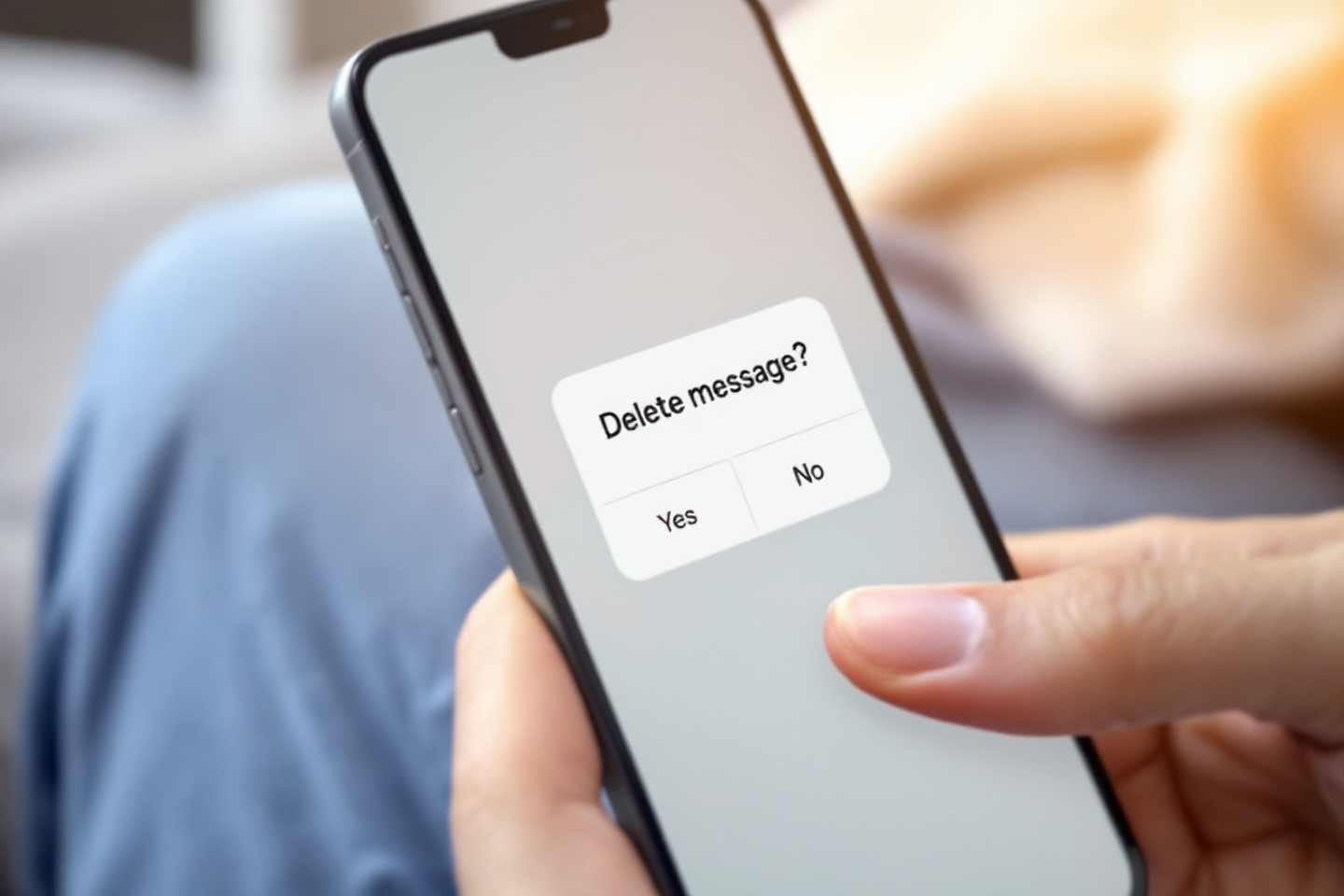 Emotional loyalty also means setting healthy boundaries with others—especially those who could pull your emotional energy away from your spouse.
That coworker who “just gets you.”
That old friend who suddenly messages you about personal stuff.
That innocent flirtation that you know would hurt your spouse if they saw it.
Loyal spouses draw clear lines—not because they’re insecure, but because they know emotional affairs often begin with subtle connections.
You protect your marriage not just by avoiding physical lines—but by guarding emotional ones too.
Don’t give someone else what belongs to your spouse: your heart, your admiration, your time, or your emotional vulnerability.
Emotional Loyalty Is a Daily Choice
 Faithfulness isn’t just something you are. It’s something you do—day in and day out.
You choose it in how you respond.
You choose it in how you protect your spouse.
You choose it in how you invest, admire, and show up.
No marriage is perfect. You’ll both have bad days. You’ll mess up sometimes. But emotional loyalty is about choosing each other over and over—even when it’s inconvenient, uncomfortable, or unrecognized.
You may never receive applause for emotional loyalty. But your marriage will be better because of it. Stronger. Deeper. Safer.
And that’s more rewarding than any spotlight.
Conclusion: Choose to Be Their Safe Place
 In a world filled with distractions, temptations, and emotional drift, being emotionally loyal might be one of the most powerful gifts you can offer your spouse.
Not just your body. But your heart. Your admiration. Your attention. Your presence.
Today, ask yourself:
- Am I creating emotional safety or emotional tension?
- Do my actions reflect admiration or indifference?
- Have I made my spouse my emotional priority?
The answers to those questions shape your marriage.
So be their cheerleader. Be their advocate. Be their safe place. Be their first call, their biggest fan, and the one who knows their heart best.
That’s what emotional loyalty looks like.
And your marriage will thank you for it.