

Introduction
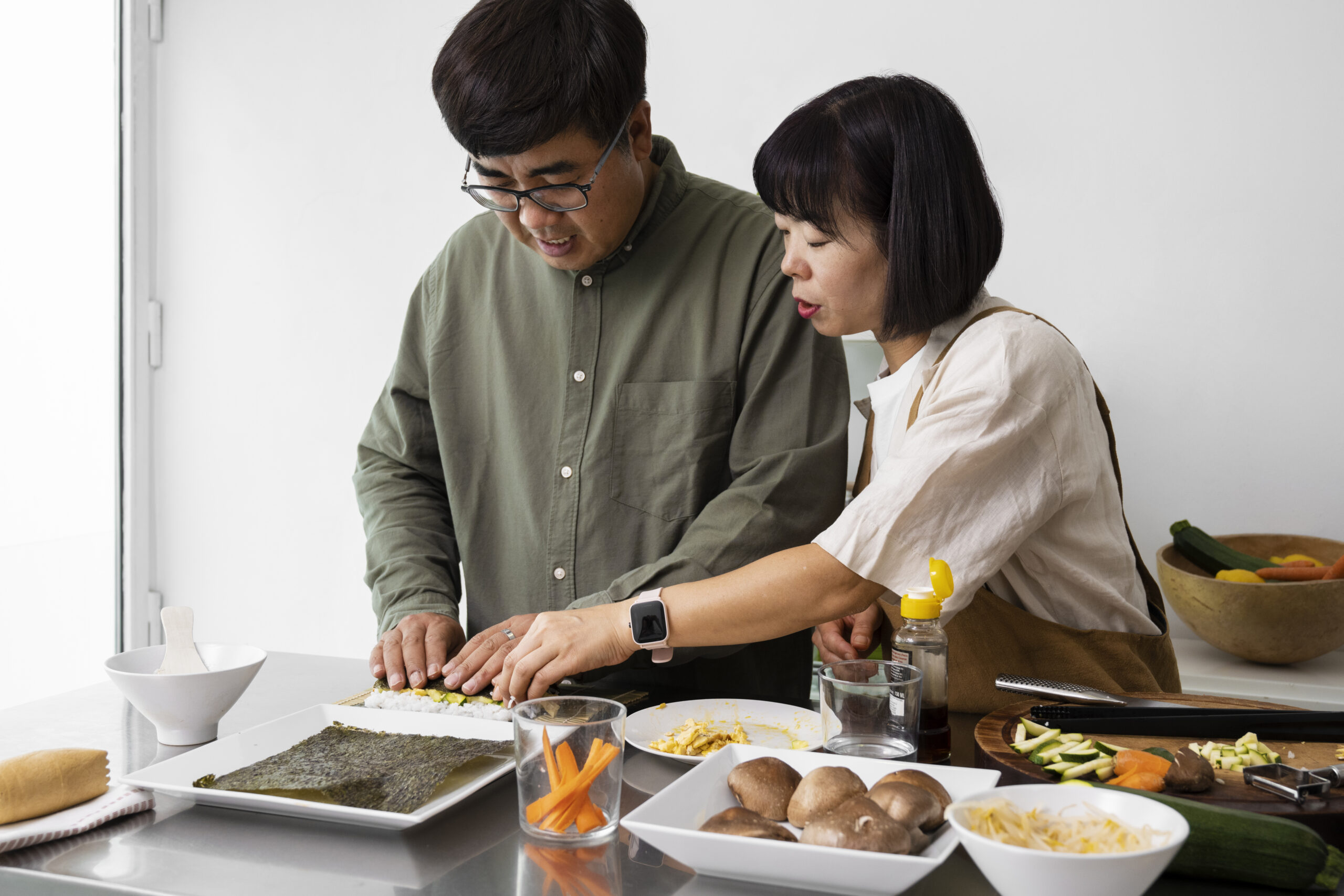
Falling out of love rarely happens overnight—it’s a slow drift that begins when we stop appreciating the small moments. But the opposite is also true: falling back in love starts by noticing again. Did your spouse fix the sink, tuck in the kids, or simply bring your favorite snack from the store? These aren’t just chores—they’re quiet love notes.
When we allow stress, routine, and distractions to pull our attention away, we risk losing sight of the beauty in our spouse’s daily efforts. In this post, we’ll explore how tuning into the little things your spouse does can radically transform your marriage and renew your emotional connection.
The Silent Drift Away
 Many couples don’t even realize they’re drifting apart until the emotional distance feels insurmountable. It doesn’t start with yelling or cheating—it begins when appreciation fades. When we stop noticing, we stop cherishing. Over time, this can lead to a growing sense of loneliness—even while sharing the same home.
This emotional drift isn’t a sign that you’re doomed. It’s a gentle wake-up call. And the antidote is surprisingly simple: learn to see again.
The Hidden Language of Love: Acts of Service
 Love often hides in plain sight. It’s in the lunches packed without asking, the car filled with gas, the laundry folded, or the way your spouse keeps track of the kids’ activities. When you overlook these things, you risk seeing your partner as a roommate. But when you recognize these quiet acts of service, you start seeing your spouse as your greatest gift again.
Every couple has a “love language”—but noticing the little things is universal. It bridges communication gaps and fosters gratitude.
Why the Brain Naturally Notices the Negative
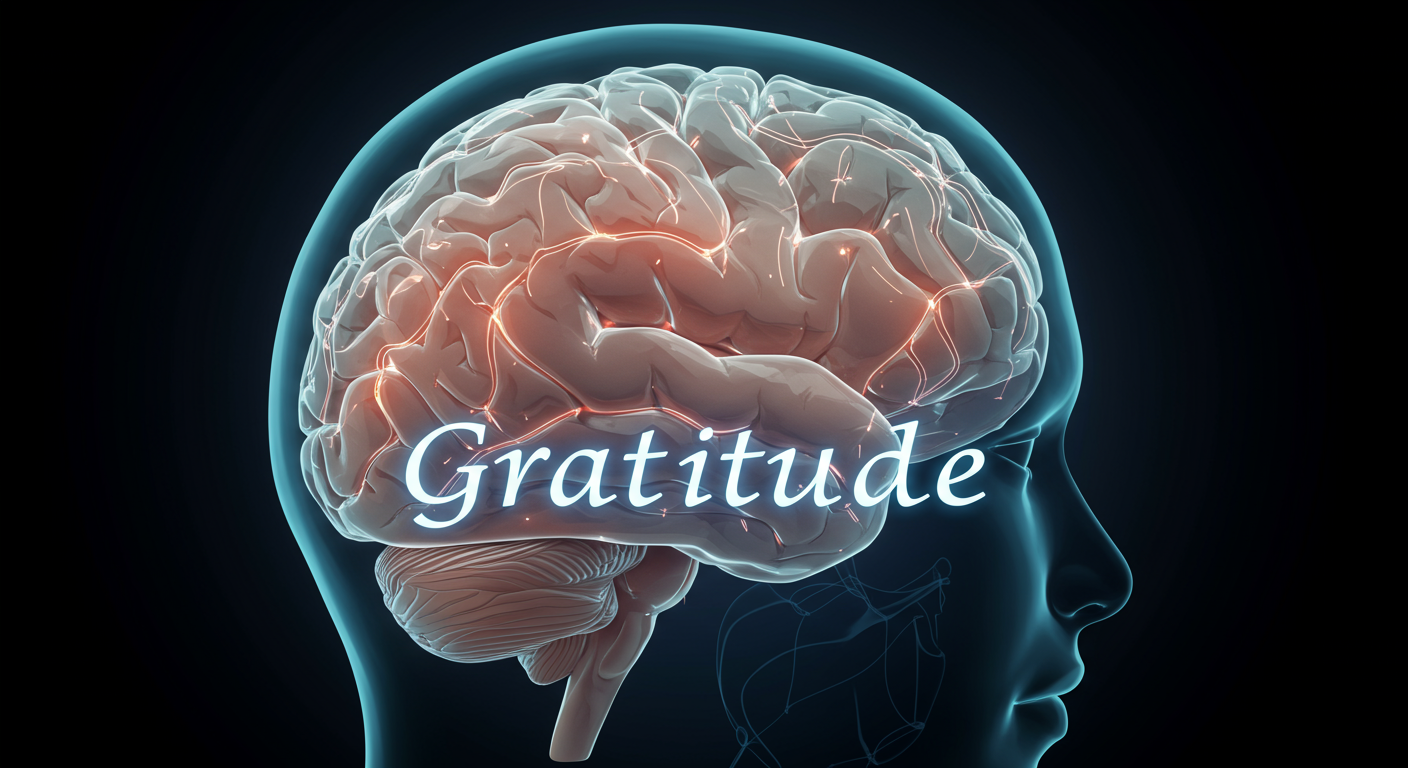 Here’s the truth: your brain is wired to spot problems. It’s a survival instinct. That’s why you remember the one time your spouse snapped at you but forget the ten kind things they did that week. But just because this reaction is natural doesn’t mean it’s helpful.
Intentionally focusing on the positive can literally rewire your brain. According to neuroscience, gratitude activates the brain’s reward system and improves emotional resilience. In marriage, this means the more you practice noticing and appreciating the good, the easier it becomes to see—and feel—love.
How to Start Noticing Again
1. Slow Down
 When life gets busy, love gets blurry. Intimacy thrives in slowness. Start by being fully present during simple moments. Watch your spouse without judgment. Linger in conversation. Put down your phone when they walk in the door. Eye contact and attention say, “I see you.”
2. Keep a Gratitude Journal
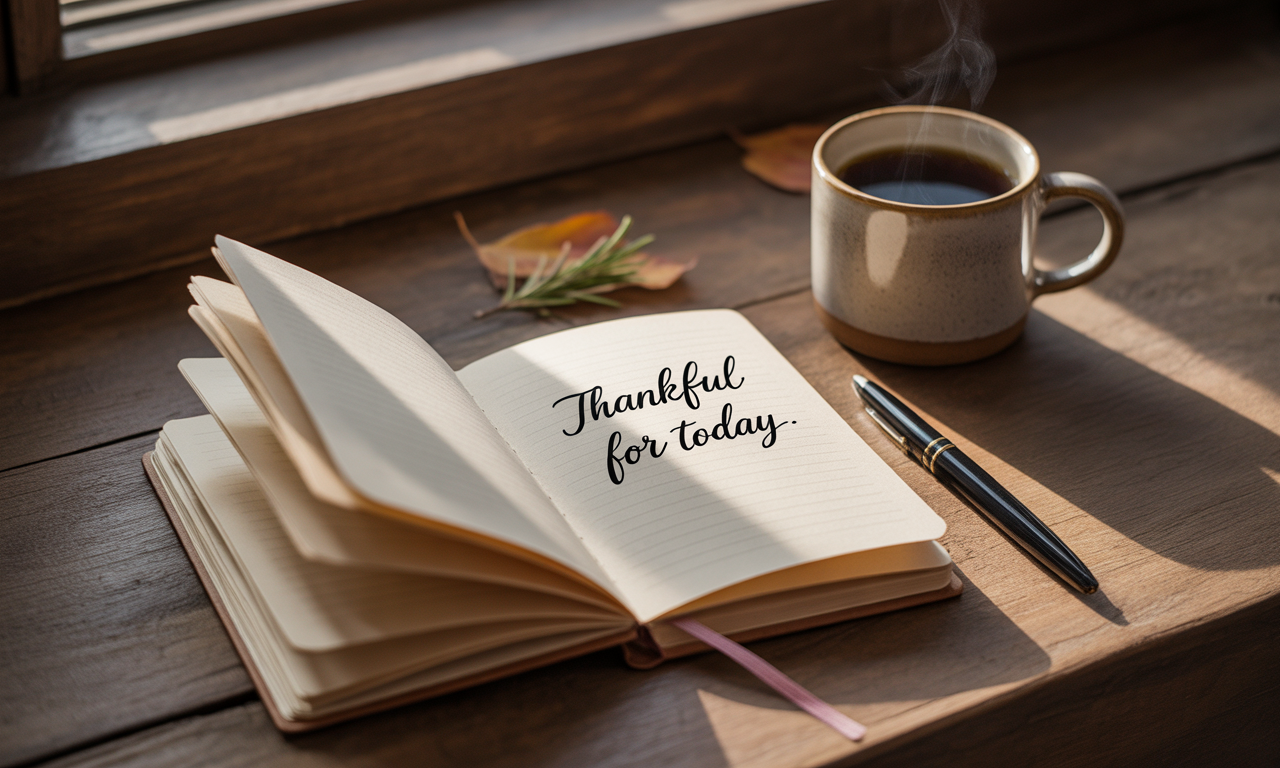 Start a small notebook—or even a note in your phone—called “Why I Love My Spouse.” Every day, write down one thing you appreciated about them. It could be as small as how they smiled at you, how they calmed the baby, or how they sent you a funny meme. These little reflections retrain your heart to cherish again.
3. Say It Out Loud
 Don’t just think it—say it. Out of the blue, thank your spouse for something they did a week ago. Compliment their character. Acknowledge their efforts. Say, “I saw that,” “I appreciate you,” or “Thank you for doing that for us.” These words build emotional safety.
4. Write a Love Note
 Sticky note on the mirror. Card in the lunch bag. Message on the dashboard. It doesn’t have to be poetic—just personal. When your spouse receives a written reminder that they’re loved and noticed, it becomes something they carry with them all day.
5. Celebrate the Mundane
 Romance doesn’t have to mean rose petals or candlelit dinners. It can mean folding towels together, running errands as a team, or watching a documentary you know they’ll love. The more you treat these moments as meaningful, the more your spouse will feel valued.
What Happens When You Start Noticing Again
When you shift from criticism to appreciation, everything changes. Your spouse feels seen, valued, and respected. And you begin to see them as the person you fell in love with—not because they’ve changed, but because your focus has.
Appreciation is contagious. As you begin affirming your spouse, they’re more likely to affirm you. This creates a cycle of emotional generosity instead of emotional withholding. Walls come down. Conversations become lighter. Even conflicts are softened by a foundation of mutual respect.
Real Life Testimonies
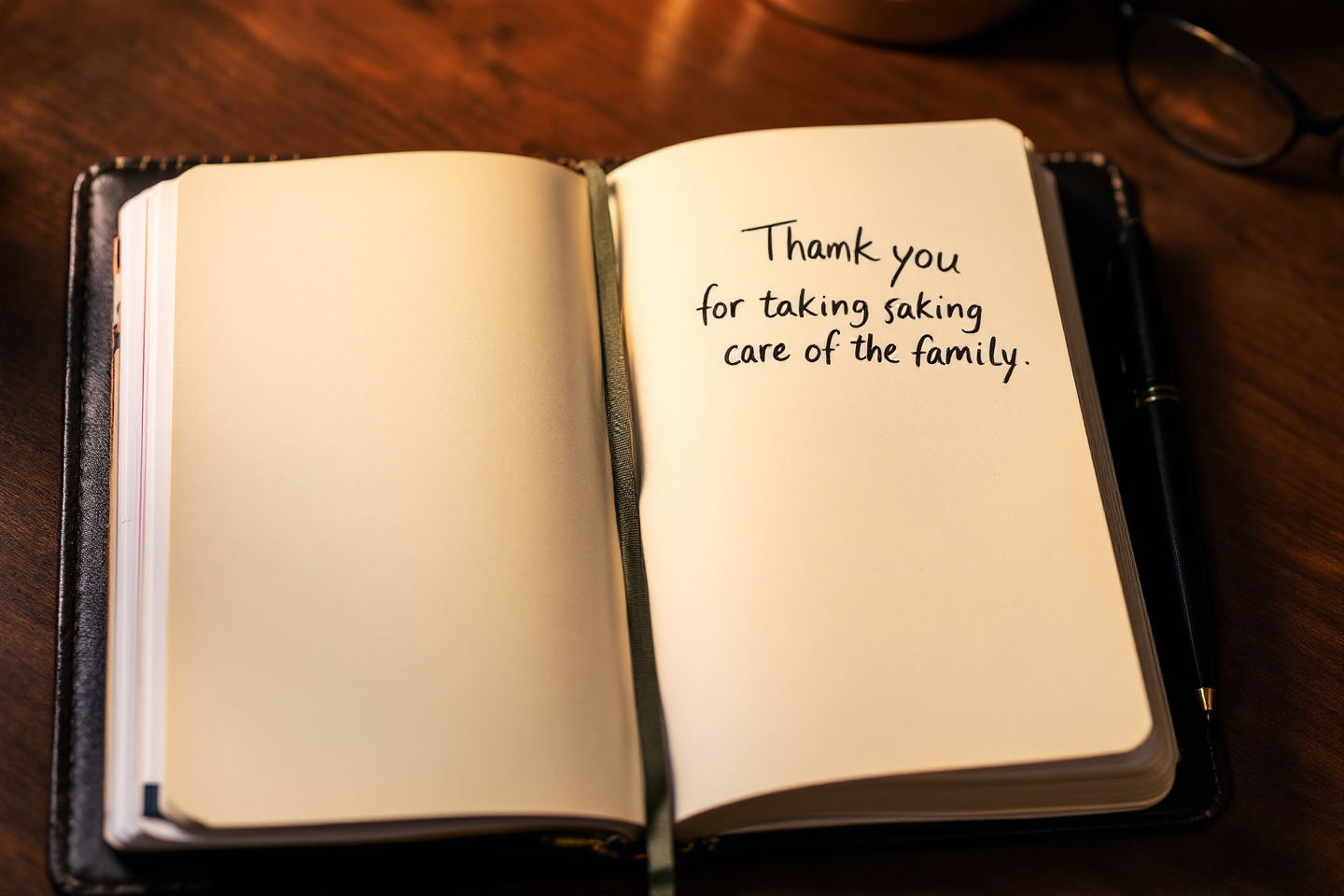 “We Were Just Going Through the Motions…”
“After 12 years of marriage, my husband and I were like ships passing in the night. But one day, I left a sticky note on his laptop saying, ‘Thank you for being our rock.’ The next day, he made breakfast and left me a note that said, ‘Thank you for seeing me.’ That started a new chapter for us.”
— Rachel, 39
When It’s Hard to Appreciate
Let’s be honest—some days it’s difficult to see the good, especially if there’s been tension or emotional fatigue. Here’s what to remember:
- Appreciation is a choice, not a feeling. Start with a small thank-you—even if you don’t feel like it.
- You don’t have to ignore issues. Appreciation doesn’t mean pretending everything is perfect. It means balancing honesty with honor.
- Healing starts with one shift. Even if your spouse isn’t reciprocating yet, your consistency in gratitude can soften hearts over time.
Falling Back in Love Isn’t a Mystery—It’s a Mindset
 You don’t need a big trip, a new wardrobe, or couple’s therapy to feel close again. Sometimes, you just need to shift your focus. Falling back in love doesn’t mean going back to how things were. It means creating something new—something deeper—based on mutual appreciation.
Final Thoughts: The Little Things Are the Big Things
Your marriage doesn’t need to be flashy to be fulfilling. The little things—when noticed and appreciated—become the glue that holds you together. So today, take a breath. Look around. What’s one thing your spouse did this week that deserves a thank-you?
Say it. Write it. Show it. Because love doesn’t have to fade—it can flourish, right where you are.