
“He changed.”
“She didn’t grow with me.”
“We just became different people.”
These are some of the most common reasons given when marriages dissolve. And on the surface, they seem legitimate. People do change. Life does shift. Growth doesn’t always happen at the same pace.
But at Live Your Best Marriage, we believe there’s a deeper issue beneath the surface of “incompatibility.” In this post, we unpack the myth of compatibility and why many people leave their marriages not because they truly can’t grow together—but because they choose not to try.
The Compatibility Myth
 We’ve been conditioned to believe that good relationships come down to compatibility. We look for someone who shares our interests, lifestyle preferences, values, and even love languages. And while these things do matter, they’re not the full picture.
Compatibility has become a catch-all excuse. When the excitement fades, when effort is required, or when growth becomes uncomfortable, it’s easier to say “we’re just not compatible anymore” than to admit we’ve stopped choosing each other.
People Grow—And So Can Relationships
 Growth is inevitable. No one stays the same. But that doesn’t mean two people can’t grow in the same direction.
The key is intentionality. Growth doesn’t just happen—it’s shaped. You can choose to grow with your spouse or to grow away from them.
When one partner feels left behind or outpaced, resentment can build. But instead of walking away, we should ask: Have we stopped inviting each other into our personal growth? Have we stopped dreaming, evolving, and adapting together?
What People Mean When They Say “We Grew Apart”
 More often than not, “we grew apart” translates to:
- We stopped communicating.
- We stopped sharing goals.
- We stopped listening and learning from each other.
- We stopped choosing to pursue one another intentionally.
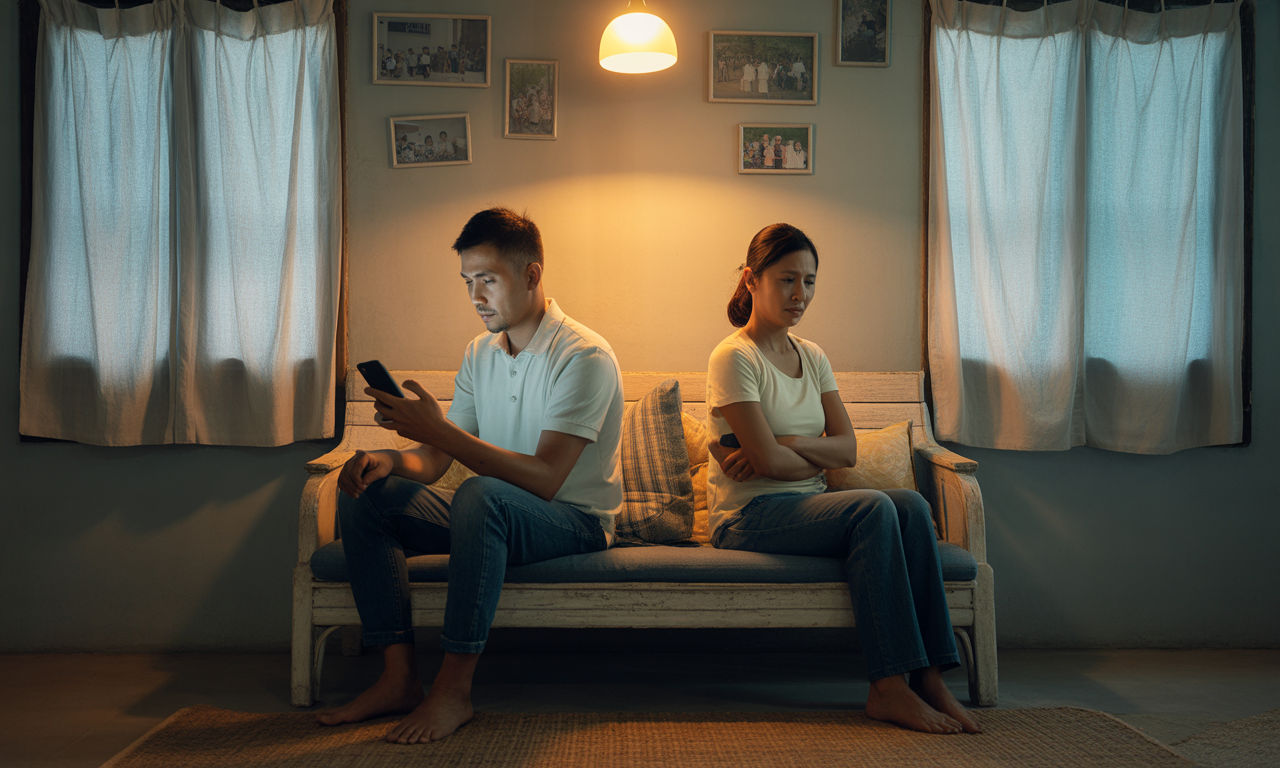
It’s not that you suddenly became two different people. It’s that emotional distance replaced curiosity. That once-shared intimacy became passive coexistence.
But here’s the good news: if you grew apart, you can grow back together—if both people are willing.
Compatibility Isn’t Static—It’s Built
 Compatibility isn’t something you “have” or “don’t have.” It’s something you nurture. Just like trust or intimacy, compatibility requires effort, self-awareness, and a willingness to adapt.
Over time, every couple will encounter changes in:
- Personality
- Career goals
- Parenting styles
- Sex drives
- Health and energy
- Friendships and values
The question isn’t if change will happen. The question is whether you’ll work through those changes as a team.
The Difference Between Growing Apart and Giving Up
 Here’s the real tension: most couples don’t actually “grow apart”—they drift. Drifting happens when you stop showing up. When busyness replaces intentionality. When distractions replace emotional presence.
Drifting isn’t a sign of doom. It’s a wake-up call. A signal that the connection needs attention—not abandonment.
Giving up is when you see the distance and decide it’s too hard to bridge. But choosing to lean in—especially when it feels inconvenient—is the first step toward rebuilding closeness.
What “Incompatibility” Often Masks
 When couples cite incompatibility, it often hides deeper challenges:
- Unresolved conflict: Conversations that never happened turn into walls of silence.
- Unspoken resentment: Bitterness grows where forgiveness hasn’t been offered.
- Emotional neglect: Lack of affection, appreciation, or interest slowly hardens the heart.
- Fear of vulnerability: Choosing distance over the discomfort of honest conversation.
Incompatibility is rarely the core problem. It’s often the symptom of needs going unmet, stories going untold, and effort being withheld.
Choosing to Rebuild Compatibility
 The good news is that couples can rebuild compatibility by choosing curiosity, humility, and action.
Here’s how:
- Get curious again. Ask your spouse open-ended questions. What are they thinking about lately? What are they struggling with? What excites them?
- Relearn their love language. It may have changed over time.
- Schedule intentional connection. Weekly check-ins, date nights, shared hobbies—anything that builds “us” time.
- Address unspoken hurts. Seek healing through honest conversations or professional support.
- Choose new dreams together. Set fresh goals—travel, health, finance, spiritual growth—and build toward them.
There’s No “Perfect Fit”—There’s Just Faithful Effort
 Let go of the idea that compatibility means “never struggling.” Every strong couple has faced seasons where they felt mismatched. The difference is, they didn’t quit. They adjusted. They committed. They learned how to dance to a new rhythm.
The real fit comes not from sameness—but from shared willingness.
Why Walking Away Feels Easier—But Isn’t Always Better
 It’s tempting to believe that someone new will be a better fit. But every new relationship will eventually require the same work—trust-building, conflict resolution, emotional vulnerability, and compromise.
The question isn’t, “Could I be happier with someone else?”
The better question is, “Have I truly given my best to what I already vowed to build?”
Leaving may feel like freedom at first—but the cost of regret can last much longer than the pain of growing together.
When Change Is Good—and When It’s Just Escape
 There are valid reasons to separate—abuse, chronic betrayal, or dangerous emotional dynamics. If safety or dignity are repeatedly threatened, separation may be the most loving choice.
But many marriages dissolve not out of necessity—but out of discomfort. We mistake our partner’s evolution as abandonment, or use “I’ve changed” as a shield for escape.
Instead of rushing to leave, ask yourself:
- Am I being honest about what I’ve contributed to the distance?
- Have we truly tried to reconnect?
- Are we both open to counseling or coaching?
- Have I shut down emotionally to protect myself from disappointment?
The Gift of Growing Together
 There’s something powerful about choosing to grow together—not because it’s easy, but because it’s worth it. When you lean into the awkward, imperfect, inconvenient process of knowing and being known, your marriage becomes more than a romantic arrangement.
It becomes a place of transformation.
It becomes a home for your evolving selves. A space where two imperfect people are allowed to change, to stumble, to stretch—and still be loved.
Final Thoughts: Compatibility Is a Choice, Not a Coincidence
You don’t find compatibility. You build it. Brick by brick. Moment by moment. Choosing grace over blame. Curiosity over judgment. Commitment over comfort.
So the next time you hear someone say, “We just weren’t compatible,” remember: what they might really mean is, “We gave up before we gave it our all.”
You deserve more than a convenient exit. You deserve a love that stays. A love that grows. A love that chooses you, over and over—even when it’s hard.
And if you’re willing, you can choose that kind of love too.