

When things go wrong in a marriage, it’s tempting to assign blame. “If only they would change,” we think. But pointing fingers only leads to deeper division. What if the way forward wasn’t about changing your spouse—but about looking inward? At Live Your Best Marriage, we’re helping couples discover the power of personal accountability. In this post, you’ll learn why taking ownership of your own actions, words, and even silence can create space for healing, connection, and lasting change.
Blame Feels Good—Until It Doesn’t
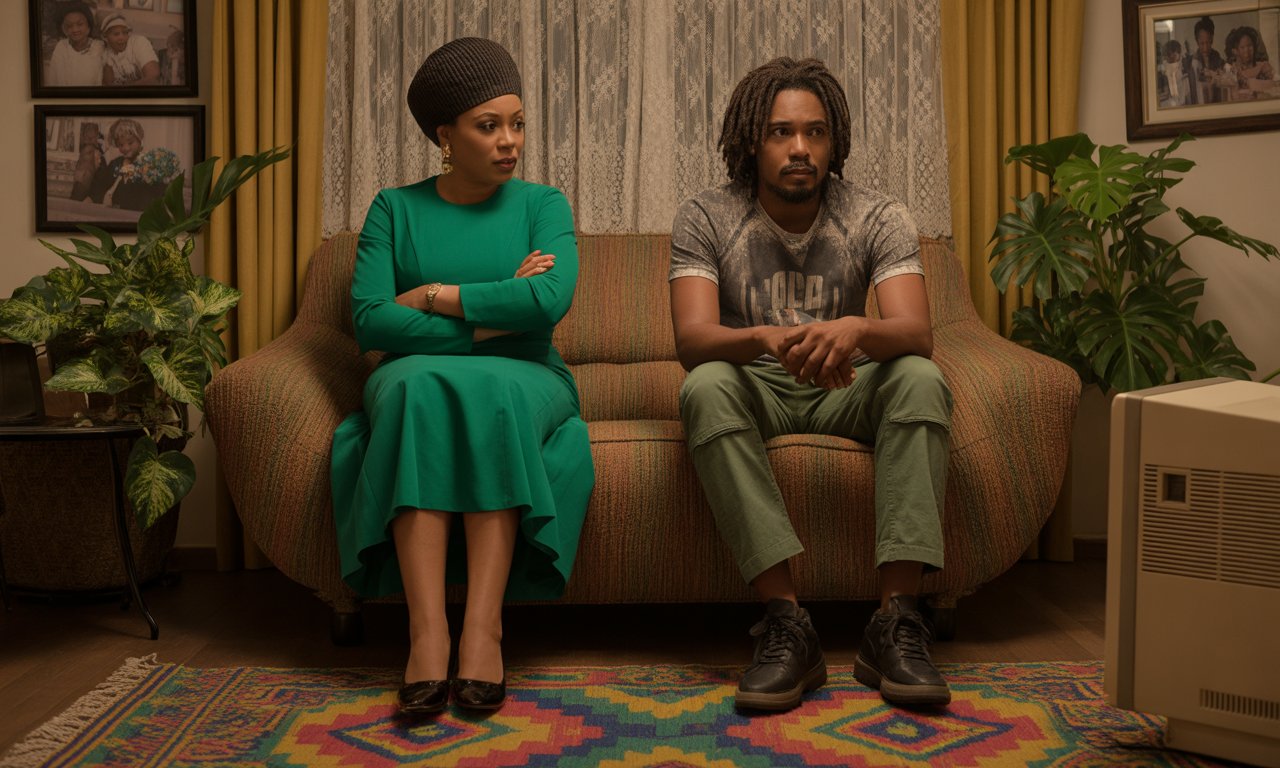 Blame is a natural reaction. When something hurts, we want to identify the cause. We search for answers that justify our pain. And often, the easiest explanation is: “It’s their fault.”
Blame can feel like a form of protection. It allows us to avoid the discomfort of admitting our own flaws or missteps. But over time, blame becomes a barrier. It builds emotional walls, creates resentment, and stifles growth.
The reality is this: blame might win the argument, but it will lose the relationship.
The Danger of the Victim Mindset in Marriage
Blame traps us in a victim mindset. This mindset says:
- “I can’t do anything until they change.”
- “It’s not my fault things are this way.”
- “If they loved me more, this wouldn’t be happening.”
While these thoughts may feel valid, they strip us of our power. They leave us stuck, waiting on someone else to fix the problem.
The truth? You don’t need your spouse to change in order for things to improve. You just need to start with you. That’s the power of personal responsibility—it puts the steering wheel back in your hands.
Personal Accountability Is the Real Game-Changer
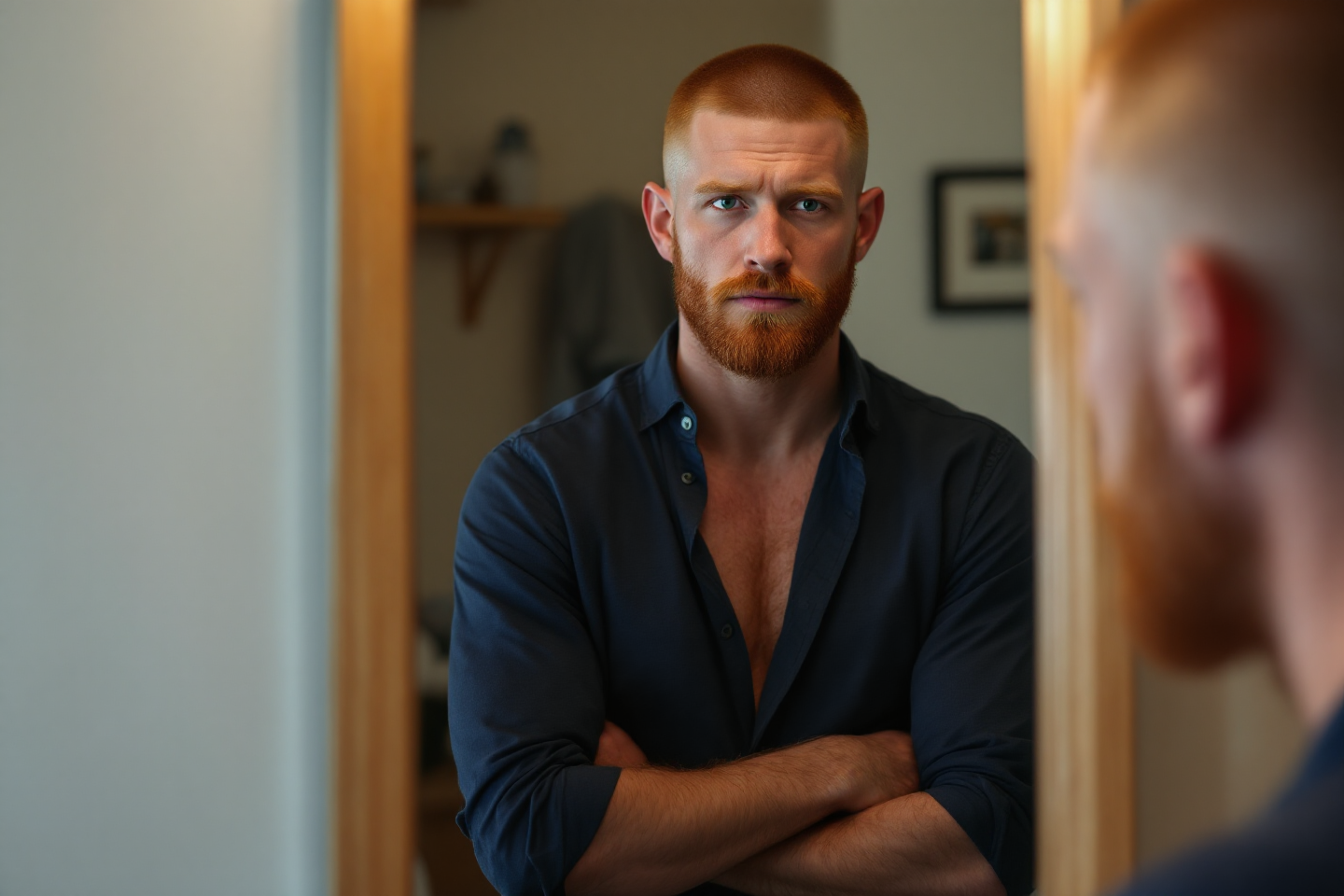 Taking ownership of your role in the marriage doesn’t mean you’re the only one at fault. It means you’re willing to acknowledge where your choices, behaviors, or reactions have impacted the relationship.
Ask yourself:
- Have I contributed to emotional disconnection?
- Did I respond with love or with defensiveness?
- Have I communicated clearly, or expected them to read my mind?
- Am I holding onto unforgiveness that’s coloring everything else?
These reflections are not about shame. They’re about courage. When you step into accountability, you make room for healing—and you model maturity that invites your spouse to do the same.
Words, Actions, and Even Silence Matter
Responsibility in marriage isn’t just about what you did. It’s also about what you didn’t do. Silence, avoidance, and emotional withdrawal can be just as harmful as harsh words or open conflict.
Did you avoid an important conversation because it felt uncomfortable?
Did you shut down emotionally rather than express your needs?
Did you allow resentment to build instead of seeking resolution?
These moments might feel small, but they add up. The absence of connection is a form of disconnection.
Accountability invites you to become aware of these patterns and take responsibility—even when it would be easier to explain them away.
The Power of “I” Statements
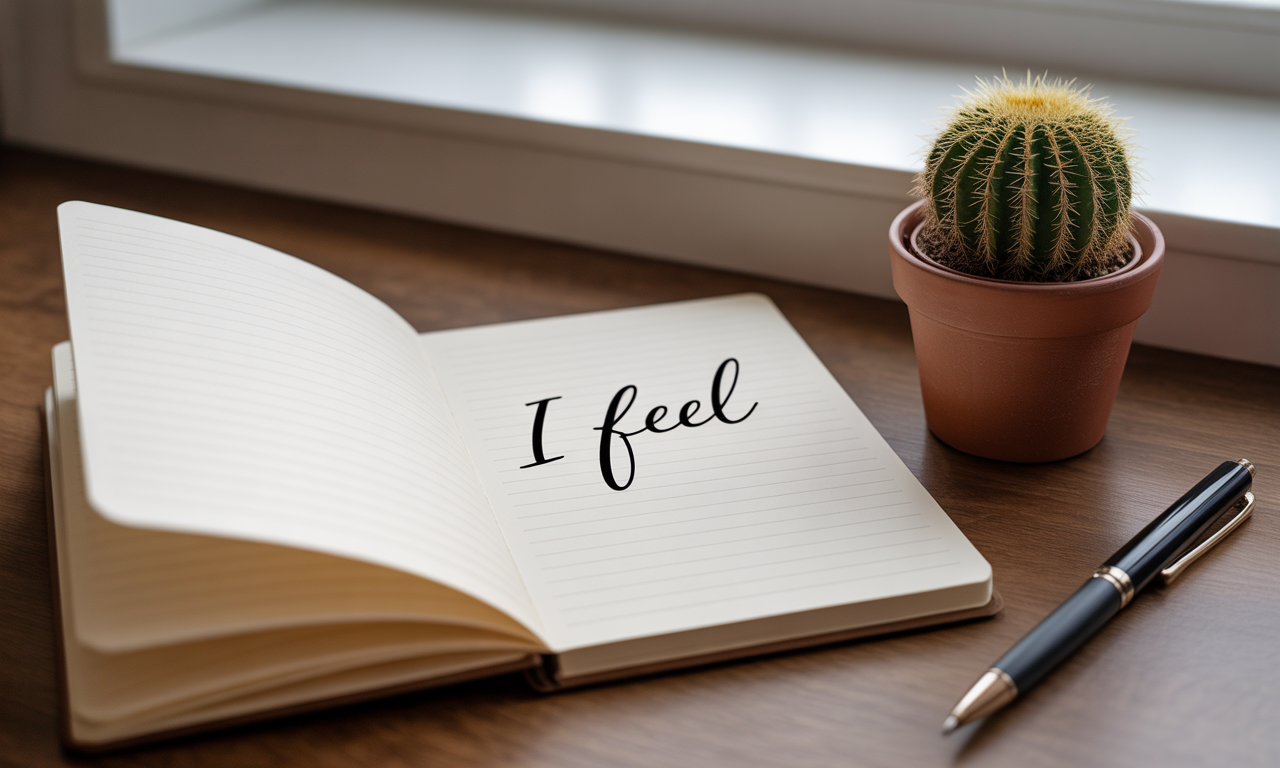
One of the simplest, most powerful tools for owning your role is to replace blame-based language with “I” statements.
Instead of:
- “You never listen to me.”
Try:
- “I feel unheard when I share something important.”
Instead of:
- “You always make everything worse.”
Try:
- “I notice I get triggered during our arguments, and I want to understand why.”
“I” statements do two things:
- They reduce defensiveness in your spouse.
- They keep the focus on your own experience, not their faults.
When Both Spouses Take Ownership
When both people in a marriage take ownership, transformation happens. Conflict no longer feels like combat—it becomes collaboration. You’re not opponents; you’re partners navigating life together.
In this environment:
- Misunderstandings become opportunities for deeper connection.
- Apologies are offered freely.
- Growth becomes mutual.
- Trust is rebuilt, not broken further.
This kind of relationship feels safe, grounded, and deeply respectful.
What If Your Spouse Doesn’t Take Ownership?
 It’s a common fear: “Why should I take responsibility when they won’t?”
Here’s why: because you value your own growth. Accountability is not something you do to manipulate change in your spouse—it’s something you do because it aligns with your integrity.
And surprisingly, your consistency might just create a ripple effect. When one partner begins showing up differently, it shifts the dynamic for both.
Remember, someone has to go first. Let it be you—not because you’re more wrong, but because you’re more willing to lead with love.
From Accusation to Curiosity
Blame operates on assumptions. Accountability invites curiosity.
Instead of assuming your spouse’s actions mean they don’t care, ask:
- “What might they be feeling?”
- “Is there something going on I haven’t understood?”
- “Have I created space for them to share safely?”
When you shift from accusation to curiosity, your entire perspective changes. You begin to respond instead of react. And that shift can de-escalate tension and lead to more honest, heartfelt dialogue.
Emotional Maturity Requires Inner Work
Owning your role in your marriage is emotional work. It requires humility, reflection, and a willingness to face your own discomfort. But the rewards are immense.
You’ll gain:
- Greater self-awareness
- Increased empathy
- A deeper connection with your spouse
- A sense of peace knowing you’re contributing, not just complaining
Personal accountability is a mark of emotional maturity. It’s not always easy—but it’s always worth it.
Practical Ways to Practice Accountability
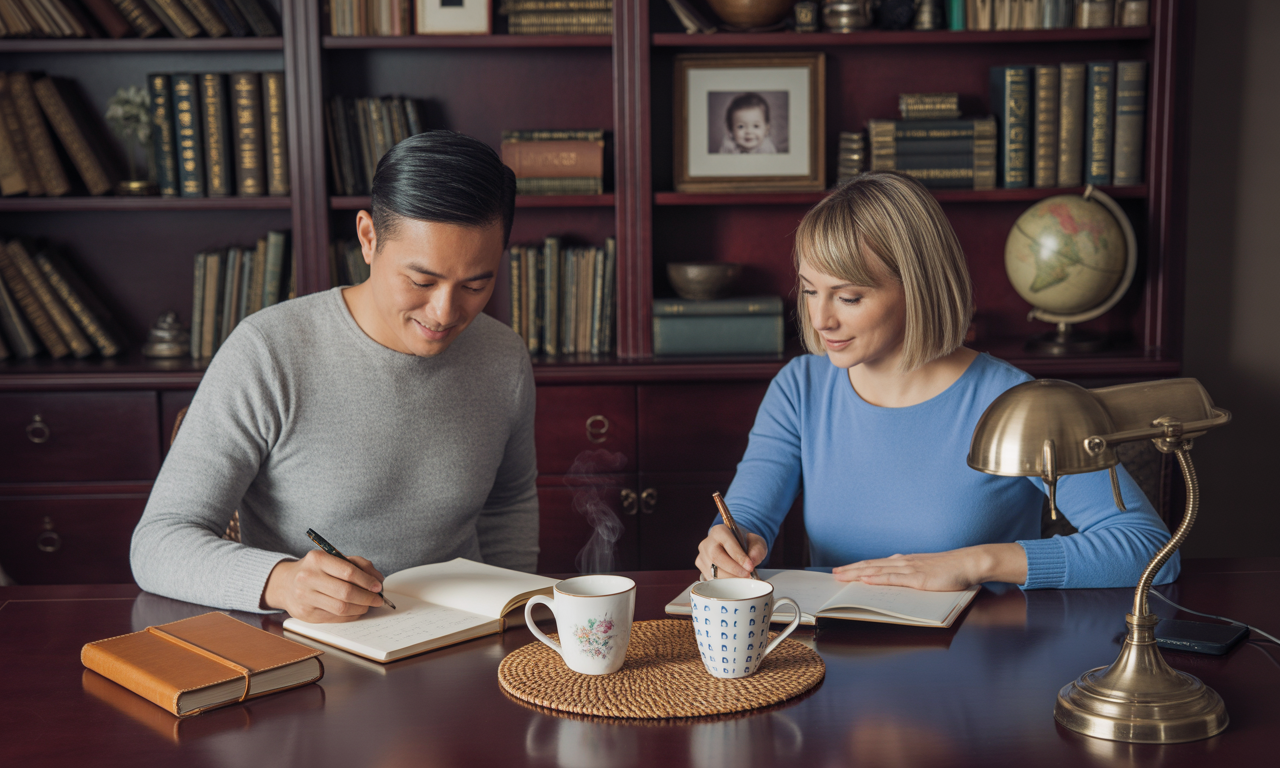 Here are a few ways to start owning your role in your marriage:
- Daily Check-Ins
Ask yourself, “What did I bring into this relationship today? Peace or tension?” - Post-Conflict Reflection
After a disagreement, write down your part in what happened. Even if it’s small. - Open Apologies
Get comfortable saying, “I was wrong. I’m sorry for how that affected you.” - Set Growth Goals
Choose one area to improve in (patience, communication, listening) and work on it intentionally. - Welcome Feedback
Invite your spouse to share—without defense—how you could love them better.
Accountability Heals What Blame Cannot
 Ultimately, blame is a dead end. It might feel justified, but it doesn’t build anything lasting. Accountability, on the other hand, is fertile ground for change. It’s a bridge that leads you and your spouse out of conflict and into connection.
You don’t have to wait for the other person to take the first step. You can create a new direction for your marriage by simply asking:
“What’s my part in this—and what can I do differently starting today?”
That question alone has the power to soften hearts, open doors, and heal wounds that blame could never touch.