Are You in Love or Just Infatuated? A Wake-Up Call for Newlyweds and Long-Term Couples
By Pesa Shayo ·
Why This Question Matters
 That flutter in your chest, the rush of excitement when you see their name pop up, the way everything feels new and perfect—that’s what many people associate with love. But what if those intense feelings are actually something else?
At Live Your Best Marriage, we believe asking whether you’re truly in love or just infatuated isn’t just for teenagers or new couples. It’s a question every couple—yes, even those married for decades—should revisit. Why? Because emotional confusion can create hidden disappointment, unrealistic expectations, and long-term disconnection.
Infatuation is emotional intensity based on how someone makes you feel. Love is emotional depth built on what you’re willing to give. One fades quickly; the other strengthens with time and intentionality. In this post, we’ll help you identify the difference and give you practical steps to build a love that lasts.
What Does Infatuation Look Like?
 Infatuation shows up in surprising ways. It may look like love, sound like love, and feel overwhelmingly powerful. But at its core, infatuation is all about you—how you feel, what you want, and the fantasy you’ve built in your mind.
Here are the most common signs you might be infatuated:
- You idealize your partner. You overlook their flaws, red flags, or warning signs.
- You’re obsessed with how they make you feel. It’s not about who they are—it’s about how they make you feel seen, wanted, or validated.
- You’re scared of losing the spark. You chase intensity and worry when things settle into routine.
- You get bored or restless quickly. When the excitement fades, your interest begins to dwindle.
- You avoid conflict. You’d rather keep things “good” than deal with uncomfortable truth.
Infatuation is emotionally addictive—but it’s not sustainable. The good news? You don’t have to stay stuck in it.
How Love Is Different—And Stronger
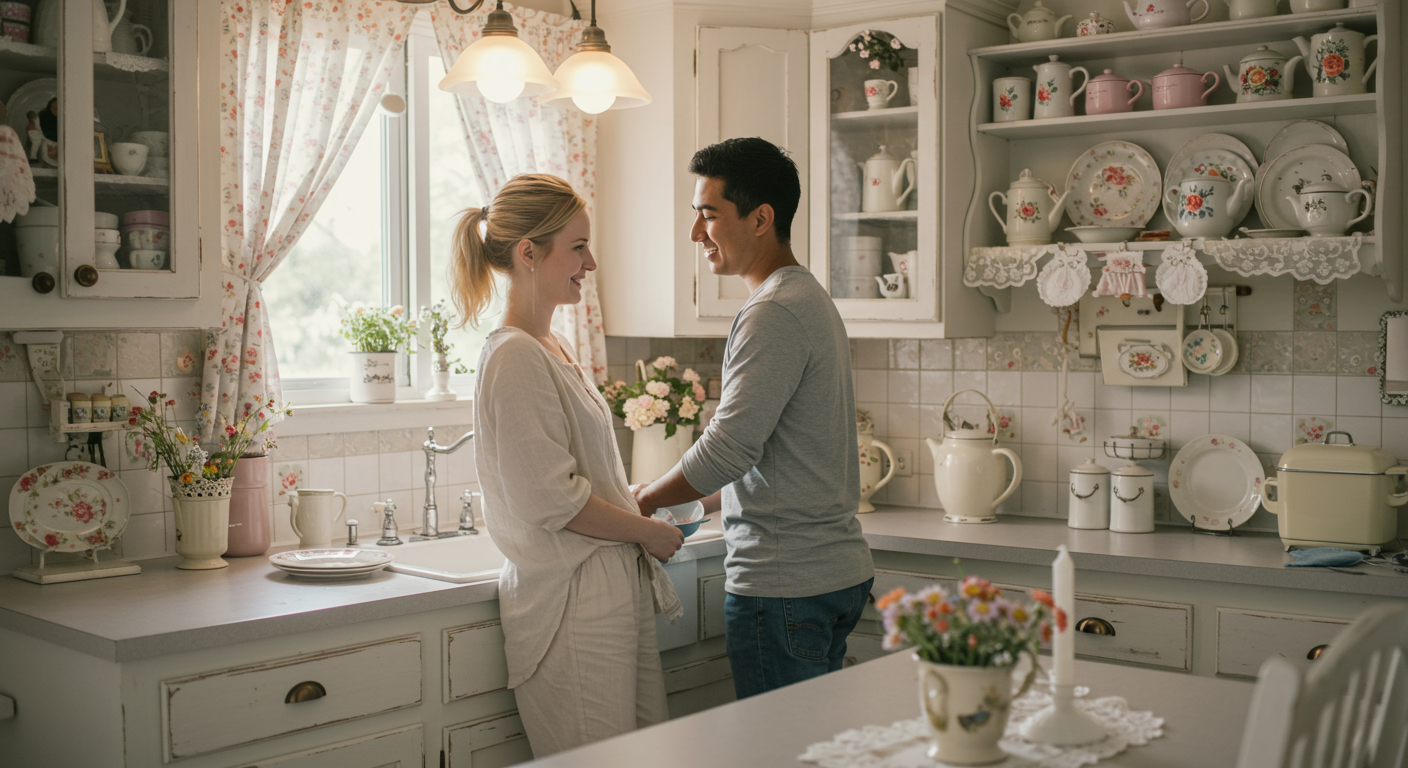 Love is much quieter than infatuation, but far more powerful. It grows slowly, deepens over time, and doesn’t depend on emotions alone. Real love shows up when it’s inconvenient. It stays when it’s hard. And it chooses the other person again and again—on days filled with joy, and on days filled with stress.
Here’s what sets love apart:
- Love is rooted in commitment, not convenience. You’re in it even when it’s uncomfortable.
- Love makes space for imperfection. You accept your partner as a whole person, not an idealized version.
- Love includes conflict. You’re willing to work through the hard stuff because the relationship is worth it.
- Love values service over self. You ask, “What can I do to support my spouse?” not just, “What can I get out of this?”
Infatuation can ignite a spark. Love builds a life.
Why Infatuation Can Linger—Even in Marriage
 Many people assume infatuation ends after a few months of dating. But it can resurface in marriage, especially during emotionally vulnerable times.
Here’s how it shows up:
- Comparison on social media: You see filtered highlights of other people’s marriages and feel dissatisfied with your own.
- Daydreaming about someone else: You feel drawn to someone who gives you a new emotional “spark,” and begin wondering, “What if?”
- Nostalgia for the early days: You miss the butterflies and think something is wrong because your marriage feels ordinary.
Infatuation tricks your mind into thinking love is missing—when in reality, your relationship might just be transitioning into something deeper.
The Danger of Confusing the Two
 When couples don’t distinguish between infatuation and love, they often fall into destructive patterns:
- They chase emotional highs instead of building emotional depth.
- They question their relationship when the spark fades.
- They blame their spouse for not “making them feel” the same anymore.
- They withdraw or detach emotionally in search of something “more exciting.”
This confusion creates a revolving door of unmet expectations, conflict, and loneliness. The antidote? Awareness and maturity. When you understand what love actually looks like, you stop expecting infatuation to do love’s job.
How to Strengthen Your Marriage With Clarity and Purpose
 So what do you do if you realize your relationship has been more about infatuation than love? You start building.
- Start by being honest—with yourself and each other.
Talk about what you’ve been feeling. Be vulnerable about your fears and desires. Don’t accuse—invite connection. - Shift your mindset from “getting” to “giving.”
Ask daily: What can I give today to show love, support, or understanding? - Make space for emotional safety.
Stop performing or pretending. Let your spouse see the real you—and meet them with compassion when they show you theirs. - Rebuild intimacy on purpose.
Date nights, deep conversations, shared goals, physical touch—tend the garden of your marriage with intention. - Accept the natural evolution of relationships.
Don’t grieve the loss of infatuation. Celebrate the growth of love. Stability is not boring—it’s beautiful.
A Word for Newlyweds
 If you’re in the early stages of marriage, it’s tempting to chase the emotional high you felt while dating. But don’t be alarmed when it fades—it’s not a failure. It’s an invitation to something better.
Marriage isn’t about maintaining butterflies. It’s about building a shared life. Your love will evolve—and that’s a good thing.
A Word for Long-Term Couples
 If you’ve been married for a while, you might wonder where the spark went. But ask yourself: Has love actually faded—or has it matured?
Look for the signs:
- Are you still showing up for each other?
- Do you choose your spouse daily, even without fanfare?
- Do you feel secure, even when it’s not thrilling?
These are the hallmarks of real love—not the excitement of infatuation, but the peace of deep connection.
Final Thoughts: Choose Love That Lasts
 Infatuation is exciting. But it’s not enough.
Love is what remains when the excitement fades—and what grows when you water it daily. Love forgives. Love serves. Love stays. And love transforms a home into a safe haven.
If your relationship feels off, don’t rush to end it. Ask first: Am I chasing a feeling? Or am I ready to build something real?
At Live Your Best Marriage, we’re here to help you recognize the difference and do the work that leads to joy, healing, and lasting love.