Be Their Safe Place: What It Really Means to Stand By Your Spouse
By Pesa Shayo ·
Introduction: Choosing Loyalty in the Storm
Every marriage will face moments of conflict, stress, disappointment, or even deep heartache. There will be times when your spouse seems distant, moody, or overwhelmed—and you’ll feel the pull to withdraw, protect yourself, or fight back.
But loyalty doesn’t leave the room when it gets uncomfortable.
True love—godly, faithful love—chooses to stay.
It leans in, not away.
At Live Your Best Marriage, we believe that standing by your spouse means becoming their safe place. A harbor in the storm. Someone who responds with grace, not just when it’s easy—but especially when it’s hard.
Just as loyal fans don’t abandon their team after a tough loss, loyal spouses don’t abandon each other when things don’t go according to plan.
In this post, we’ll explore what it really looks like to stand by your spouse—through presence, patience, and unwavering love.
Loyalty Isn’t Passive—It’s Presence in Action
 Standing by your spouse doesn’t mean just physically being in the same room—it means being emotionally available.
It means:
- Noticing their mood and checking in with care
- Choosing not to escalate when they’re overwhelmed
- Staying close when they feel ashamed, stressed, or unsure
When life gets hard, many people retreat into distraction or defensiveness. But real loyalty shows up—not to fix everything, but to say, “I’m here. You’re not alone.”
Sometimes, standing by your spouse simply looks like sitting next to them without saying a word, just offering your presence and love.
Presence says: You matter more than my comfort.
When They Feel Unsafe, Be the Calm—Not the Critic
 No one feels strong all the time.
Your spouse will have moments when they are not their best self—moments of anxiety, discouragement, exhaustion, or doubt.
In those moments, your response is everything.
Criticism will push them deeper into isolation.
Silence may feel like abandonment.
But calm, compassionate love will invite connection and trust.
Being a safe place means becoming predictably kind.
Not perfect. Not passive. But dependable in your kindness, even when emotions are high.
Ask yourself:
- Do I speak peace when my spouse is anxious?
- Do I defend or dismiss when they express pain?
- Am I gentle when I could be harsh?
You don’t need all the right words. You just need a heart that chooses understanding over correction.
Real Loyalty Doesn’t Keep Score
 One of the fastest ways to destroy emotional safety in marriage is by keeping score.
You did this, or you did that. So, I’ll withdraw until you prove yourself again.
This tit-for-tat mindset turns marriage into a competition instead of a covenant.
And it turns your relationship into a power struggle instead of a partnership.
Standing by your spouse means choosing forgiveness—even when it’s hard.
It means remembering that you’re both human, and that grace is not just a gift—it’s a glue.
That doesn’t mean ignoring patterns that need change. But it does mean not weaponizing past mistakes. When your spouse knows they can come to you without fear of shame or punishment, the bond between you grows stronger.
Loyalty says: I choose us—even when times get tough.
Gratitude Is the Foundation of Safety
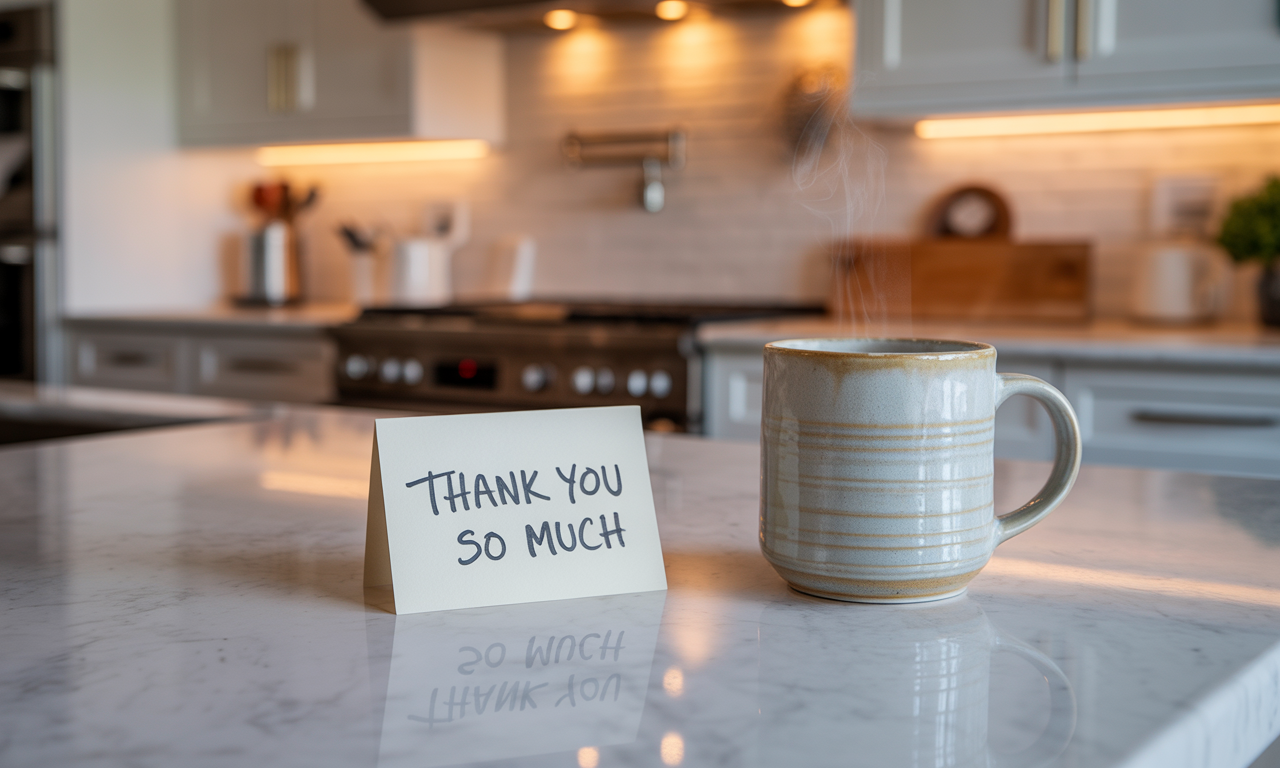 You might not think of gratitude as a form of loyalty—but it is.
When you regularly affirm, admire, and appreciate your spouse, you create an atmosphere of emotional safety.
Gratitude reminds your spouse:
- They are seen
- Their efforts matter
- They’re not being taken for granted
Most people don’t leave relationships out of boredom—they leave when they feel unappreciated.
So if you want to stand by your spouse, start with simple, intentional thank-yous:
- “Thank you for always working so hard.”
- “I love how you show up for the kids.”
- “You’re doing better than you think.”
It costs nothing, but the return is priceless.
Defending Their Heart—Even When They’re Not Around
 One of the truest signs of loyalty is how you speak about your spouse when they aren’t in the room.
Do you protect their reputation—or poke fun at their flaws for laughs?
Do you build them up—or bond with others over mutual spouse complaints?
Being a safe place means:
- Refusing to air your spouse’s dirty laundry
- Steering conversations away from negative spouse-bashing
- Highlighting their strengths, even in imperfect seasons
It’s okay to seek counsel or support in private, healthy ways. But mocking your spouse to friends, coworkers, or online is a betrayal of emotional trust—even if they never hear about it.
Words have weight.
Use yours to build trust, not tear it down.
Being the One Who Comes Closer—Not Pulls Away
 When your spouse is hurting, distant, or overwhelmed, your response matters more than you realize.
Many people retreat—waiting for the other to “snap out of it” or “come back when they’re ready.”
But safe spouses don’t wait for the perfect moment to reconnect—they take the first step.
That could look like:
- A simple “I know things are hard—just wanted you to know I’m here.”
- A gentle touch on the shoulder
- Sitting beside them in silence
Don’t underestimate the power of proximity.
Your physical and emotional nearness sends a powerful message: I’m not giving up on us.
Even if your spouse doesn’t respond right away, your consistent closeness builds trust over time.
Loyalty Doesn’t Always Feel Glamorous—But It’s Always Worth It
 Being someone’s safe place doesn’t always feel heroic.
Most of the time, it looks ordinary:
- Listening instead of interrupting
- Making coffee even when you’re tired
- Sitting together without screens
- Saying “I’m sorry” even when you’re not the only one at fault
These little acts of loyalty form the quiet strength of a lasting marriage.
Culture often highlights grand gestures—elaborate proposals, dramatic makeups, picture-perfect anniversaries.
But the strongest marriages are built on quiet consistency.
The ones where each spouse knows: You’re safe with me. I’ll keep showing up.
When It’s Hard to Be a Safe Place
 Let’s be real: it’s not always easy to stand by your spouse.
Especially when you’re also hurting.
Especially when they’ve let you down.
Especially when the connection feels one-sided.
Being a safe place doesn’t mean becoming a doormat. But it does mean seeking strength from a deeper source—especially when you feel empty.
If you’re in a season where it’s hard to stay tender:
- Ask God for the grace to keep loving
- Seek wise counsel from trusted mentors
- Make space for your own emotional processing
- Set healthy boundaries without abandoning your role as a loving spouse
Even in the hardest moments, God can use your quiet loyalty to bring healing—not only to your marriage, but to your heart.
Conclusion: Standing By Means Staying Close
 To be someone’s safe place is no small calling.
It’s a daily decision to stay, to soften, to show up.
It’s choosing patience when your spouse is frustrating.
Grace when they fall short.
Presence when they need comfort.
And gratitude when it feels easier to complain.
When you stand by your spouse in these small, consistent ways, you’re building more than a strong marriage—you’re building a home. A safe one. A sacred one.
So today, ask yourself:
- Am I a safe place for my spouse’s heart?
- Do they feel defended, not just loved?
- Am I showing up with presence, or just coexisting?
Because being loyal isn’t just about staying married—it’s about staying connected.
And that starts with choosing to be the safe place they never have to earn.