From Stuck to Strong: The First Step is Taking Responsibility
By Pesa Shayo ·
Feeling stuck in your marriage can be disheartening. It’s easy to believe that things will only get better if your partner changes. But there’s one powerful move that can shift everything: taking personal responsibility. At Live Your Best Marriage, we teach that accountability is not a punishment—it’s a pathway to strength and clarity. In this post, you’ll discover how owning your part in the relationship dynamic—no matter how small—can be the catalyst for growth, forgiveness, and deeper intimacy.
Why Feeling Stuck Happens in Marriage
 Every relationship goes through seasons. Some feel light and full of connection, while others feel heavy, stale, or even hopeless. When you hit a wall in your marriage, it can feel like nothing is working—like no matter how many conversations you have or how many compromises you make, the progress is minimal.
You may feel:
- Tired of repeating the same arguments
- Unseen or unheard
- Disconnected from your spouse
- Afraid things will never change
And in that place, it’s easy to think, “This is their fault. They’re not even meeting me halfway.” But what if the first step forward isn’t waiting for them to change—but deciding to change how you show up?
The Power of Personal Responsibility
Personal responsibility means owning your contribution to the current state of your marriage—without excusing or blaming your partner. It’s a bold shift from “Why won’t they fix this?” to “What can I do differently?”
This isn’t about taking all the blame. It’s about taking back your agency. When you take responsibility, you:
- Regain clarity
- Disarm conflict
- Reconnect with your own values
- Stop playing the waiting game
Responsibility means saying, “I may not be able to change them, but I can change me—and that change might change everything.”
Blame Is Easy—But It Keeps You Stuck
 It’s natural to want to point fingers. Blame gives us temporary relief because it makes our pain someone else’s responsibility. But blame also keeps us from growing. It shuts down self-awareness and fuels bitterness.
When blame is the default, it:
- Builds emotional walls
- Prevents real communication
- Turns every problem into a power struggle
- Drains your energy and hope
Responsibility, on the other hand, empowers you. It helps you see clearly what’s in your control—and it brings peace, even in chaos.
Start Small: What You Can Own Today
You don’t need to overhaul your marriage in a day. Start with the small things you can control:
- Your tone of voice
- Your choice to listen without interrupting
- Your attitude toward your spouse
- Your willingness to apologize without conditions
- Your decision to show up with love, even when it’s hard
Small acts of personal accountability send a clear message: I’m not giving up—I’m showing up differently.
That energy is contagious. It shifts the dynamic. It invites new responses instead of reinforcing old ones.
The Link Between Responsibility and Intimacy
 When you take responsibility, you build trust. And trust is the foundation of intimacy. Why? Because your spouse feels safer around someone who’s honest about their flaws, quick to own their mistakes, and open to growth.
Taking responsibility says:
- “I care more about this marriage than my ego.”
- “I want to grow, not just win.”
- “I’m invested in us—not just in being right.”
This kind of emotional maturity deepens connection. It softens your spouse’s defenses. It creates a space where real closeness can thrive.
Responsibility Doesn’t Mean Tolerating Bad Behavior
Let’s be clear: taking responsibility doesn’t mean accepting abuse, manipulation, or ongoing mistreatment. It doesn’t mean excusing your spouse’s choices or carrying the entire burden.
It means asking yourself:
- “Am I showing up in ways that reflect who I want to be?”
- “Where can I lead with love, without losing myself?”
- “What boundaries do I need to reinforce to protect my well-being?”
Personal accountability helps you stay grounded, even as you hold others accountable for their actions.
Taking Responsibility Isn’t Weak—It’s Brave
In a culture that rewards pride, taking responsibility can feel like weakness. But it’s actually a sign of incredible strength. It requires:
- Humility
- Emotional intelligence
- Willingness to grow
- Courage to be honest with yourself
It’s easier to pretend you have nothing to change. But the strongest people—the ones who build unshakable marriages—are the ones who dare to look inward and keep learning.
How to Have a Responsibility-Focused Conversation
If you want to bring this mindset into your marriage, start by modeling it. Here’s what that might sound like:
- “I’ve been thinking about my role in our arguments, and I realize I haven’t always listened well.”
- “I want us to feel more connected, and I see ways I could do better.”
- “I’m sorry for the times I shut down instead of engaging—I want to change that.”
These conversations disarm defensiveness. They make it easier for your spouse to reflect, too. Responsibility creates safety—and safety leads to breakthrough.
The Ripple Effect of Self-Leadership

When you change, the marriage changes—even if your spouse doesn’t right away. Why? Because the emotional tone of the relationship starts to shift.
Instead of tension, there’s steadiness.
Instead of blame, there’s curiosity.
Instead of disconnection, there’s vulnerability.
This is self-leadership. And over time, it often encourages your spouse to show up differently too.
What If You’re the Only One Trying?
This is a tough place to be. But even if your spouse isn’t yet participating, your responsibility still matters. It still benefits you—by helping you:
- Regain peace of mind
- Stay true to your values
- Stop feeling like a victim
- Clarify your next best steps
Taking responsibility is about your character, not their cooperation. It’s about leading with love, regardless of the outcome.
And in many cases, one person’s shift is the exact spark that leads to the other’s awakening.
Owning Your Story, Writing a New One
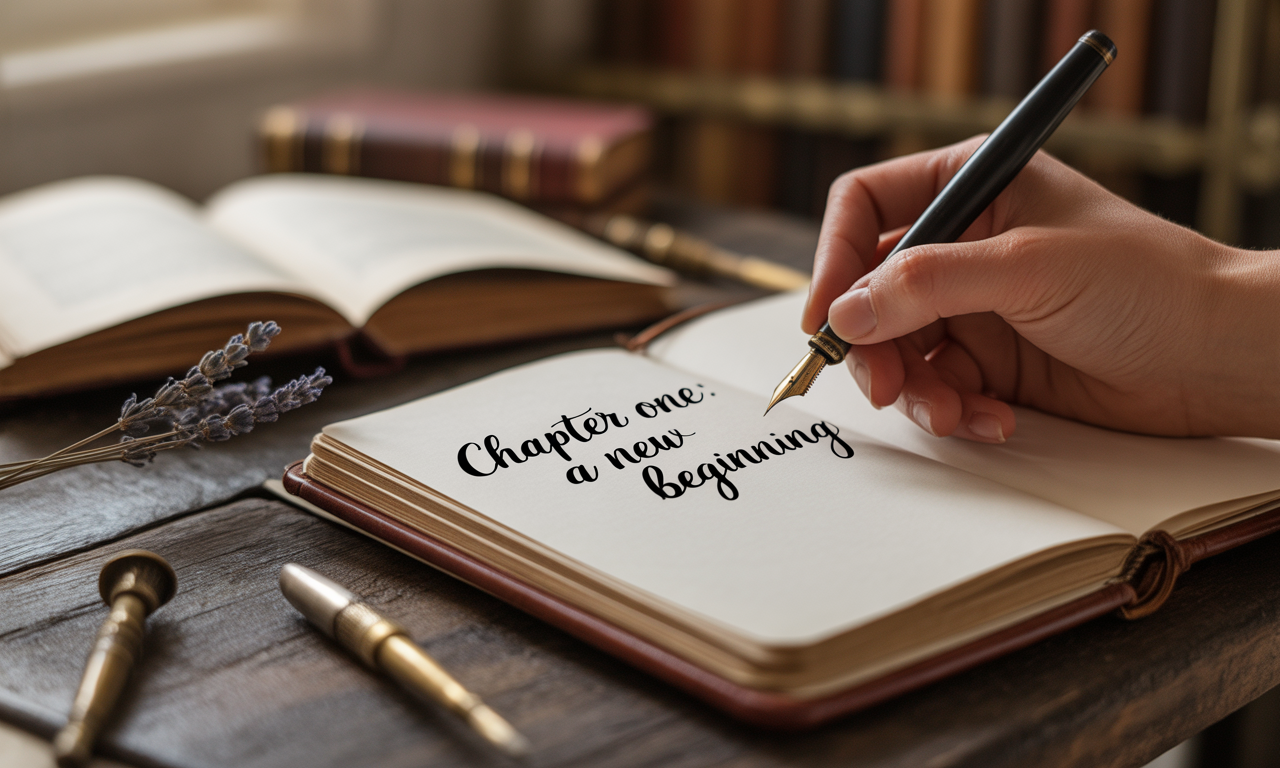 Personal responsibility isn’t about staying stuck in guilt—it’s about writing a new story. One where you’re not reacting, blaming, or waiting… but creating, leading, and loving.
It sounds like:
- “I won’t wait for perfect conditions to show up with grace.”
- “I can’t change the past, but I can choose how I respond now.”
- “This marriage matters to me, and I’m willing to go first.”
That kind of resolve changes everything.
A Strong Marriage Starts with a Strong “Me”
At Live Your Best Marriage, we believe that the path from stuck to strong always begins with personal ownership. When you become emotionally anchored—when you stop waiting and start leading—you create the space your marriage needs to breathe, heal, and thrive.
So if you’re feeling stuck right now, don’t despair. The next chapter of your marriage doesn’t depend on your spouse’s behavior. It starts with a brave decision inside of you.
Take the step. Own your role. And watch strength begin to rise.