

Introduction
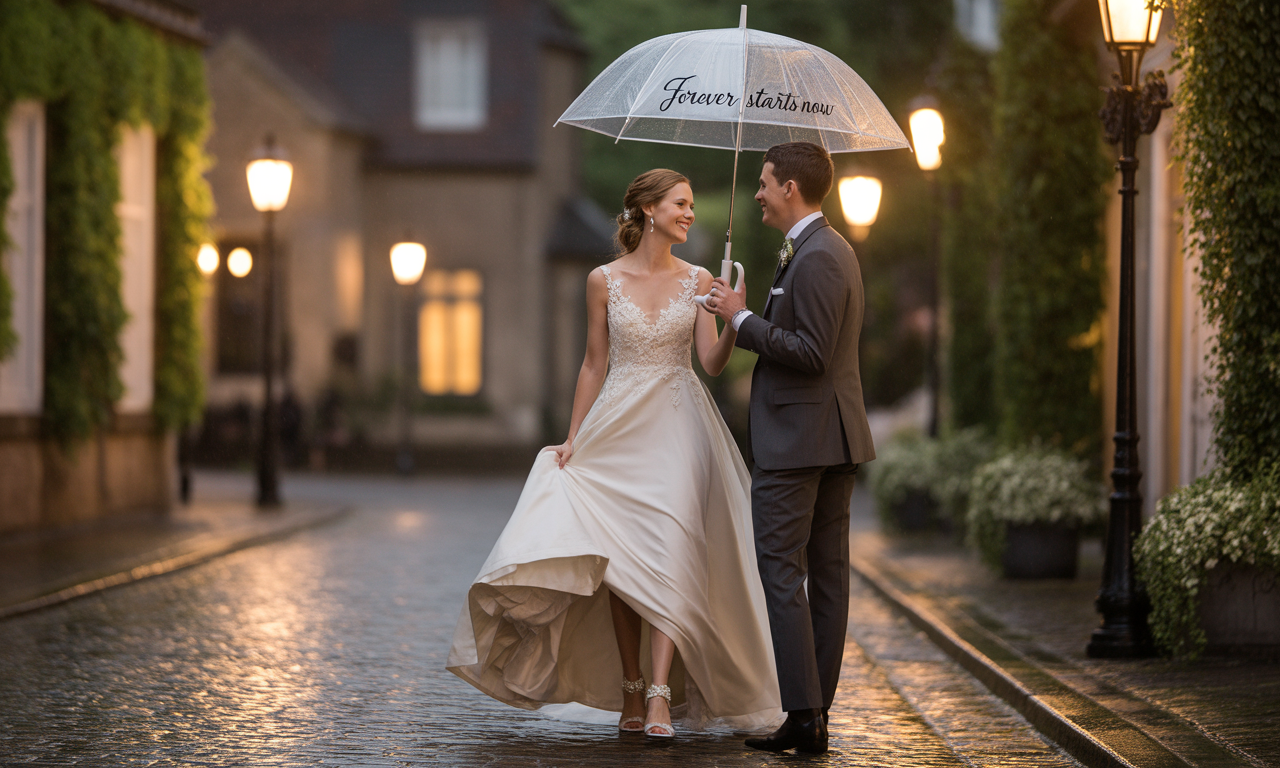 Many confuse love with passion or infatuation, but marriage requires something deeper. It requires showing up for your spouse when they’re sick, tired, frustrated, or afraid—not just when everything feels perfect. This post will help you reflect on what it really means to love your partner through service and unwavering commitment.
The Problem With Mistaking Lust for Love
 Lust is easy. It’s intense, exciting, and emotionally intoxicating. Lust thrives in early attraction—when everything is new, and the flaws are still hidden. But lust doesn’t last. It was never designed to.
Love, on the other hand, begins where lust ends. It takes over when the butterflies settle, when routines replace rushes of passion, and when your spouse is no longer on a pedestal but a partner in real life.
When people confuse lust for love, they’re setting themselves up for disillusionment. The excitement fades, and they assume love has died. In reality, that’s just the beginning of the deeper work of building a lasting bond.
Love Is Showing Up, Not Just Lighting Sparks
 Romantic passion can get you to the altar, but it won’t carry you through a hospital stay, a financial crisis, or a season of depression. That’s where real love begins to speak. It shows up when your spouse is at their lowest—not just when they’re attractive, upbeat, and fun.
Loyalty in marriage means standing by your partner when they’re scared, angry, or overwhelmed. It means being faithful not just with your body, but with your time, your words, and your attention. That kind of love can’t be microwaved—it’s slow-cooked over years of service, sacrifice, and empathy.
What Commitment Looks Like Beyond the Honeymoon
 In the early days of marriage, everything feels new and exciting. You plan trips, decorate your home, and dream about the future. But eventually, life gets busy. Careers, children, aging parents, and everyday stress can dull the sparkle of new love.
This is where loyalty becomes the anchor. Choosing to stay emotionally present—even when you’re exhausted—builds trust. Loyalty is waking up and deciding again, “I’m in this with you.” It’s bringing home groceries, fixing the broken faucet, sitting through hard conversations, and protecting your spouse’s heart when they’re vulnerable.
From Temporary Passion to Lifelong Purpose
 Infatuation is self-focused—it’s about how the other person makes you feel. Love, by contrast, is about how you show up for the other person. Passion says, “I love what you do for me.” Loyalty says, “I love you, period.”
When a marriage matures, it moves from the thrill of chemistry to the depth of commitment. Your love becomes less about how they excite you and more about how you serve them. You begin to see your marriage as a mission—to grow together, raise a family, leave a legacy, and become better versions of yourselves.
Love That Endures Is Rooted in Service
 You know what builds emotional connection over time? Service. Not big romantic gestures (though those have their place), but the small, unseen acts of kindness that say, “I see you. I choose you. I’m here.”
Doing the dishes without being asked. Warming up their car on a cold morning. Sitting beside them in silence when they’ve had a hard day. These aren’t glamorous acts—but they are sacred ones.
Service is love in motion. It takes love out of the realm of emotion and places it squarely in the day-to-day moments that make up real life.
Loyalty Requires Forgiveness
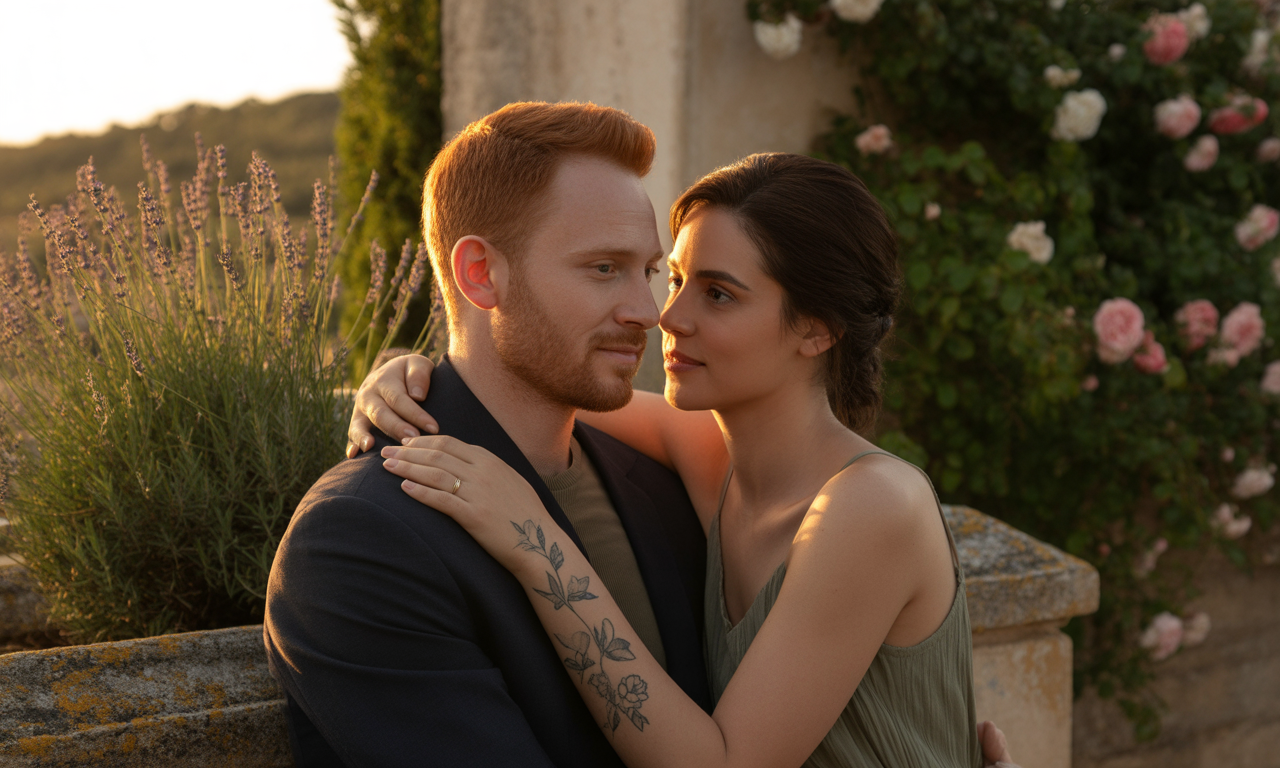 You can’t stay loyal in marriage without forgiving—over and over again. Your spouse will hurt you. You’ll hurt them. Sometimes unintentionally, sometimes in deep ways. But loyalty means you work through it.
Forgiveness doesn’t mean pretending the hurt didn’t happen. It means choosing to move forward, choosing to heal, and choosing to rebuild trust. Without forgiveness, loyalty becomes conditional. With forgiveness, it becomes a sacred bond.
How Loyalty Protects the Heart
 When your spouse knows you’re loyal, it creates emotional safety. They don’t have to perform to be loved. They don’t fear being abandoned for having a bad day. They don’t wonder if your love will shift when life gets tough.
Loyalty is a shield. It protects your marriage from comparison, discontent, and temptation. It reminds your spouse that they are your priority, and it tells the world that your love isn’t on trial—it’s sealed by choice.
The Impact of Loyalty on Intimacy
 Ironically, when you stop chasing the thrill and start building real loyalty, intimacy deepens. Emotional security leads to physical connection. Consistent presence leads to passionate moments. Loyalty isn’t the death of romance—it’s the soil that allows it to grow again and again.
When your spouse knows they are safe with you—safe to be flawed, safe to speak honestly, safe to rest—then true intimacy flourishes. Not just in the bedroom, but in every part of your relationship.
When Loyalty Is Tested
 Every marriage will be tested. Life brings change, loss, stress, and unmet expectations. During these times, you may be tempted to believe that love has faded. But what’s really happening is that your love is being refined.
Loyalty is choosing not to give up during the dry spells. It’s choosing to seek counseling when communication breaks down. It’s holding your spouse’s hand at a funeral, or crying with them after a diagnosis. Loyalty doesn’t run from the fire—it walks through it together.
Moving From Emotion to Devotion
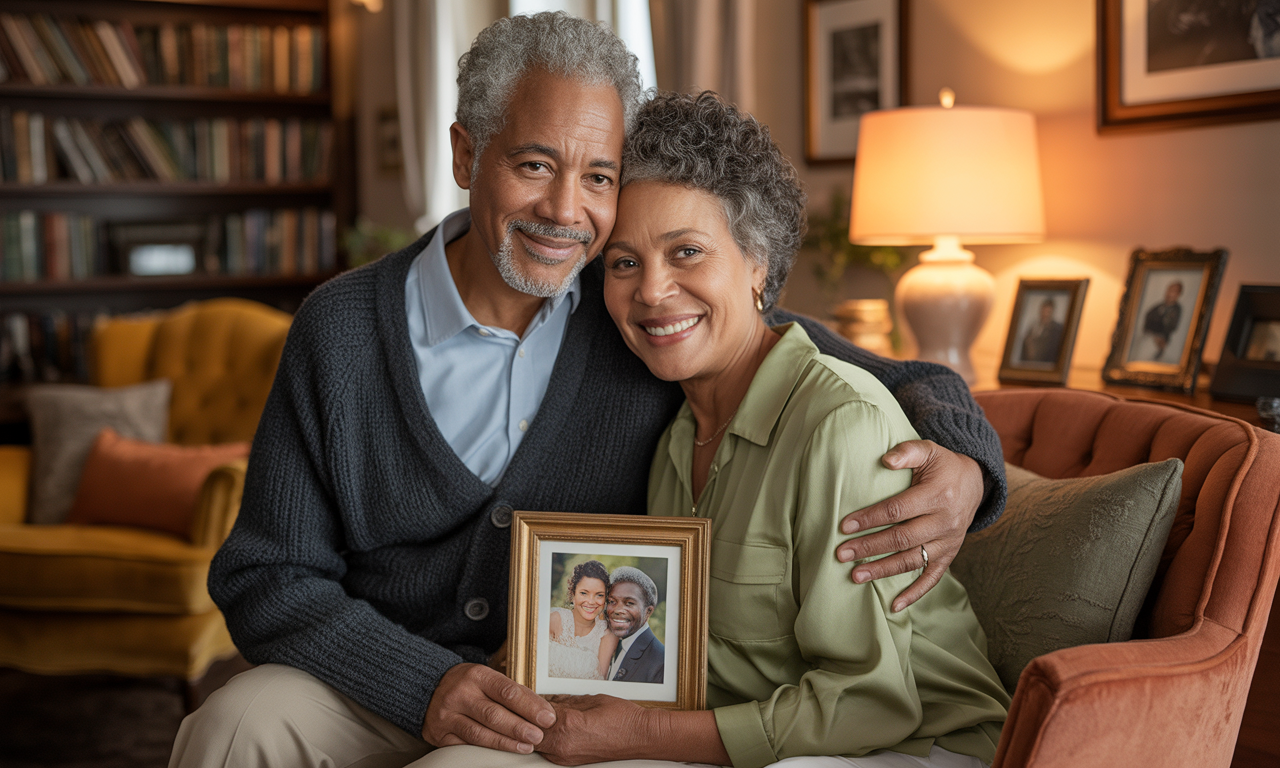 Devotion is love that doesn’t flinch. It’s not performative. It’s not dependent on how lovable the other person seems that day. It’s a vow fulfilled through action.
To be devoted means you’re not keeping score. You’re not waiting for them to deserve your love—you’ve already decided they’re worthy because you chose them. It’s a powerful, countercultural form of love that has the potential to heal and transform.
What Real Love Demands of You
 Real love demands patience when you’re irritated. Compassion when you’re busy. Faithfulness when you’re tempted. Real love asks you to sacrifice and stay—not because your spouse is perfect, but because you’ve made a promise to love them in an imperfect world.
And that love? It’s worth it. It may not be flashy, but it’s fierce. It may not always feel passionate, but it’s profoundly powerful. It’s the kind of love that shapes children, strengthens families, and leaves a legacy long after feelings fade.
Final Thoughts: Choosing Loyalty Over Lust
 Lust is temporary. Loyalty is longterm. The thrill of attraction may spark a relationship, but only loyalty sustains it. Love is proven not in the easy moments, but in the hard ones. It’s in the choice to stay, to forgive, to serve, and to keep choosing each other no matter what.
From lust to loyalty—that’s the journey of true love in marriage. A journey worth taking. A journey that will change you.