

In marriage, we often hear about “50/50 partnerships,” but that mindset might be holding your relationship back. At Live Your Best Marriage, we believe in the 100/100 Rule—where both partners take full responsibility for the state of their marriage. It’s easy to blame your spouse for the problems you’re facing. But real transformation starts when each person accepts that they contribute to the dynamic—both positively and negatively. This post will explore how radical responsibility can breathe new life into your relationship and help you build a stronger, more honest foundation together.
What Is the 100/100 Rule?
 The 100/100 Rule is the idea that each spouse is responsible for 100% of their side of the relationship. It’s not about dividing duties or tracking who did what. It’s about showing up with the mindset that “I am fully responsible for my part in this marriage.”
This principle flies in the face of the traditional “50/50” mindset. In that model, there’s a built-in expectation of keeping score: “I’ll do my half if you do yours.” But marriage isn’t a contract of minimum effort. It’s a covenant of full commitment. The 100/100 Rule means that regardless of what your spouse does or doesn’t do, you bring your best self—your full self—into the relationship every day.
Why the 50/50 Mindset Falls Short
At first glance, 50/50 seems fair. Split the chores. Share the decisions. Take turns making sacrifices. But when stress hits or resentment builds, this math quickly becomes emotional accounting. One person feels like they’re doing more, giving more, sacrificing more. And that perceived imbalance starts to breed bitterness.
In the 50/50 mindset:
- You’re always measuring whether your spouse is pulling their weight.
- You justify your inaction when you feel like they’ve dropped the ball.
- You withhold love or affection as a form of silent protest.
When both spouses do this, the relationship stalls. The connection weakens. And trust becomes conditional.
The Power of Radical Responsibility
 Radical responsibility is the game-changer. It’s the practice of taking ownership—not just for your actions, but also for how you respond, how you show up emotionally, and how you contribute to the environment of the relationship.
You can’t control your spouse’s choices, but you can control:
- Your tone of voice
- Your patience (or lack of it)
- Whether you choose to forgive
- Whether you listen or dismiss
- Whether you contribute to peace or conflict
When both partners operate from this mindset, something beautiful happens: no one waits for the other to go first. Both are all-in. Both are proactive. Both own the outcome.
Accountability Doesn’t Mean Taking the Blame
It’s important to note that the 100/100 Rule doesn’t mean one spouse takes the blame for everything or accepts mistreatment. Accountability isn’t about shame. It’s about empowerment. It says, “I may not be the cause of every issue, but I will take full ownership of my part in it—and I will take the initiative to grow.”
When things go wrong in a relationship, it’s often because both partners are unintentionally reinforcing unhealthy cycles:
- One shuts down, the other lashes out.
- One avoids, the other chases.
- One criticizes, the other withdraws.
When each person starts to ask, “What’s my part in this pattern?” healing begins.
Personal Reflection: The Turning Point
 Think back to the last conflict you had with your spouse. What were you feeling? What were you thinking? How did you react? Now—here’s the hard part—how did your reaction contribute to what happened next?
The turning point for many couples is the moment they stop pointing fingers and start looking in the mirror. That level of honesty is hard—but it’s the key to real growth.
You might discover:
- You spoke out of frustration instead of vulnerability.
- You expected your spouse to read your mind.
- You were focused on being right rather than being loving.
These insights are not weaknesses—they’re opportunities.
The Gift of Humility in Conflict
Humility is the doorway to intimacy. When you take ownership of your flaws, you create space for your spouse to do the same. Imagine a disagreement where instead of defending your position, you said:
“I see how I contributed to this.”
“I realize I wasn’t fully present.”
“I reacted instead of responding. I’m sorry.”
That posture disarms defensiveness. It invites connection. It builds trust. And it shifts the entire emotional tone of your marriage.
Building a Culture of Accountability
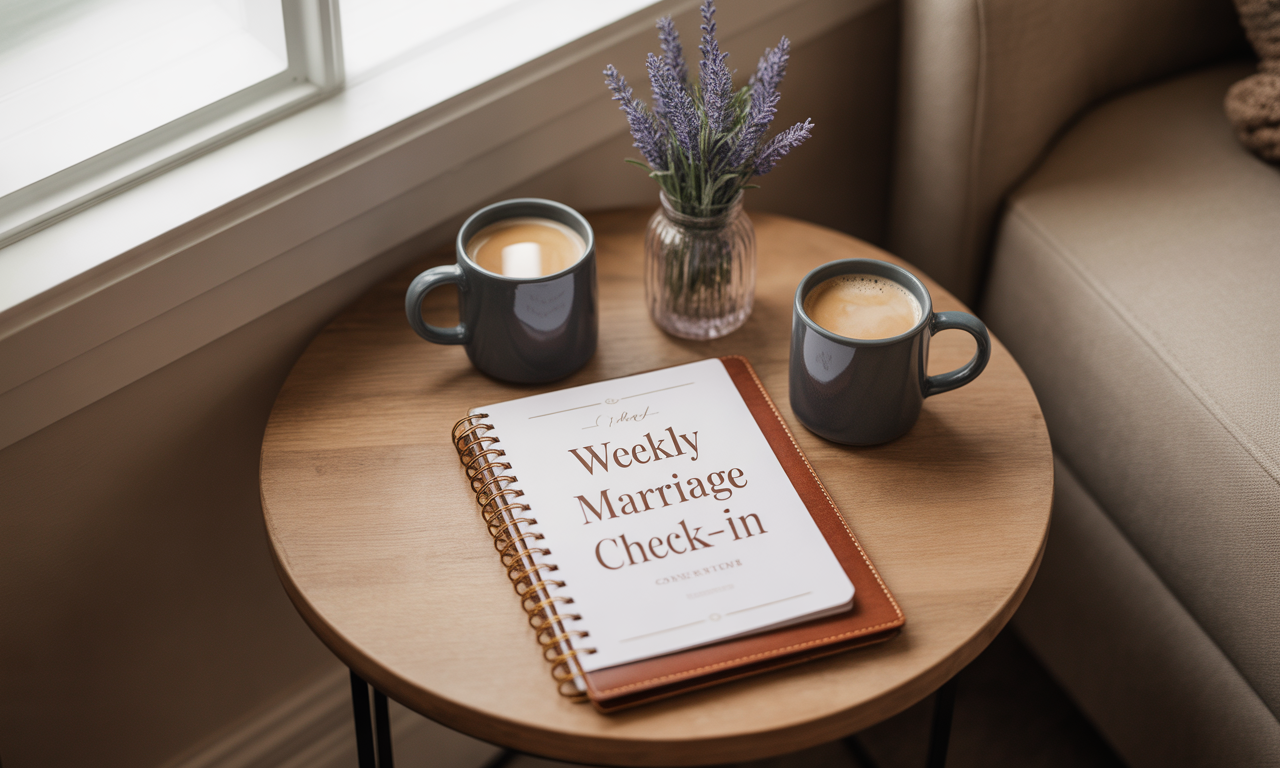
Accountability in marriage isn’t just a one-time admission. It’s a culture you build—through daily habits, language, and shared values. Here are some ways to cultivate it:
- Start with “I” statements
Instead of “You always…” say, “I feel…” or “I realize…”
- Practice self-check-ins
Regularly ask yourself, “What kind of energy am I bringing into this moment?”
- Create accountability rituals
Weekly check-ins, gratitude journals, or a simple end-of-day debrief can keep communication clear and honest.
- Celebrate ownership
When your spouse admits a shortcoming or apologizes, thank them for being honest. Don’t punish their vulnerability.
When One Spouse Is Resistant
Let’s address a common frustration: “What if I’m the only one taking responsibility?”
It’s painful when you feel like you’re doing the inner work and your spouse isn’t. But here’s the truth—real accountability is never wasted. When you own your part, you:
- Regain your peace of mind
- Model maturity
- Break toxic cycles
- Keep your heart soft and open
Often, your consistency will eventually invite your spouse to match your energy. And even if it takes time, you’ll know you’re acting in alignment with your values.
Accountability and Forgiveness Go Hand in Hand
Once you begin taking ownership, you’ll realize how much room there is for grace. You’ll understand your own blind spots more clearly—and that will make it easier to forgive your spouse’s.
Forgiveness is not saying that what happened was okay. It’s saying, “I’m choosing to release this so we can heal.” And accountability makes that release feel less risky, because you’ve created a foundation of trust.
The Outcome: A Marriage Without Excuses
 When both spouses live out the 100/100 Rule:
- Conflicts become opportunities for growth.
- Trust deepens.
- Walls come down.
- Intimacy expands.
It’s not about being perfect—it’s about being present, honest, and willing to do the work. Because at the end of the day, a great marriage isn’t built on excuses. It’s built on two people who take full ownership of their love story.