The Choice to Love: Why Feelings Aren’t Enough in Marriage
By Pesa Shayo ·
Introduction
 Feelings can be fleeting, but the commitment to love your spouse must be firm. Many couples walk away from their marriages believing they’ve “fallen out of love”—but love isn’t something you fall into. It’s something you practice. In this post, we’ll explore how to build a marriage that lasts by making love a consistent decision, not just a passing emotion.
Why Feelings Make a Poor Foundation
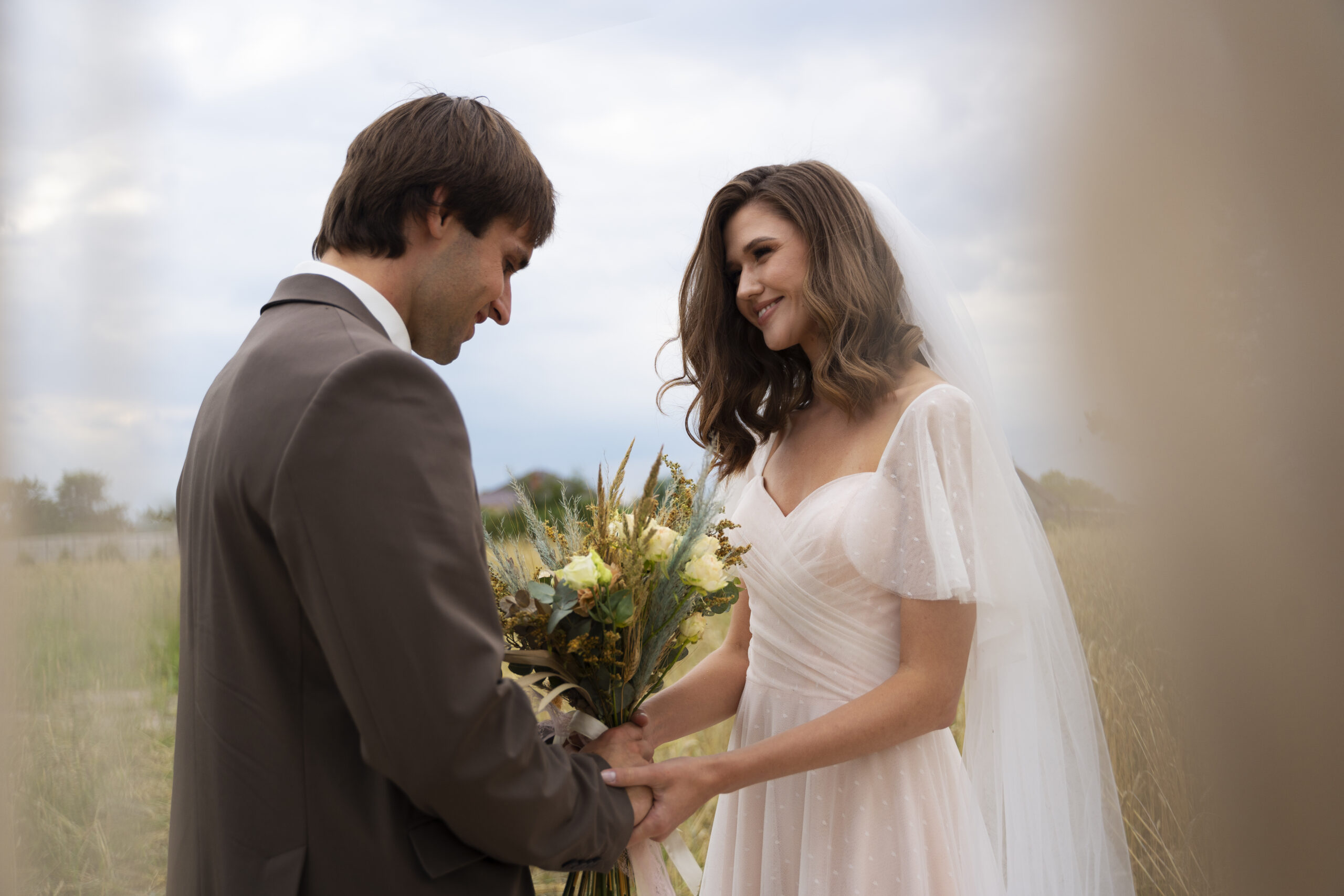 Modern culture often portrays love as an overwhelming emotion—a force that sweeps you off your feet. But while those initial feelings of passion and infatuation are beautiful, they are not sustainable on their own. Life will test your emotional highs with challenges, routines, and responsibilities. If love is only about how you feel, then love will vanish the moment you’re tired, stressed, or disappointed.
Love that endures is built on something more stable than feelings: it’s built on choice. The decision to love your spouse isn’t a one-time vow you made at the altar—it’s a daily act of the will.
Choosing to Stay Even When You Don’t Feel Like It

There will be days when your spouse frustrates you. Days when you don’t feel connected. Days when you’re tempted to give up. In those moments, love isn’t about butterflies in your stomach—it’s about the quiet choice to stay committed, respectful, and present.
Staying doesn’t mean ignoring problems. It means working through them together. It means recognizing that emotional distance can be temporary if you’re willing to reconnect. Often, the very act of choosing to stay—even in emotional dryness—is what reignites emotional closeness.
Practicing Love as a Daily Habit
 Just like exercise strengthens your body and practice improves your skills, love must be practiced daily. Choosing love means doing the small, intentional things that build connection: making your spouse’s favorite meal, offering a compliment, listening without interrupting, or saying “I love you” even when you’re tired.
These habits don’t require a surge of emotion—they require effort and thoughtfulness. Over time, they lay the foundation for a deeply satisfying relationship that’s rooted in more than just how you feel in the moment.
Love Is a Verb, Not Just a Noun
 Love is often talked about as a feeling, but it’s also a verb. To love someone is to act in their best interest, even when it’s not convenient. That might mean forgiving an offense, speaking kindly even when upset, or supporting your spouse during their personal struggles.
When you think of love this way, it becomes less about what you’re getting and more about what you’re giving. The best marriages are filled with two people who are committed to being givers—not just recipients—of love.
The Danger of Following Your Feelings
 When people say they’ve “fallen out of love,” they often mean they’ve stopped feeling emotionally fulfilled. But chasing feelings can become an endless loop of dissatisfaction. You can always find someone new who gives you that temporary high—but if you never commit to the hard work of love, the cycle will repeat.
Feelings are valid, but they are not guides. They should inform us, not rule us. Mature love acknowledges feelings while still choosing the good of the relationship, even in seasons when emotions run cold.
Emotional Seasons in Marriage Are Normal
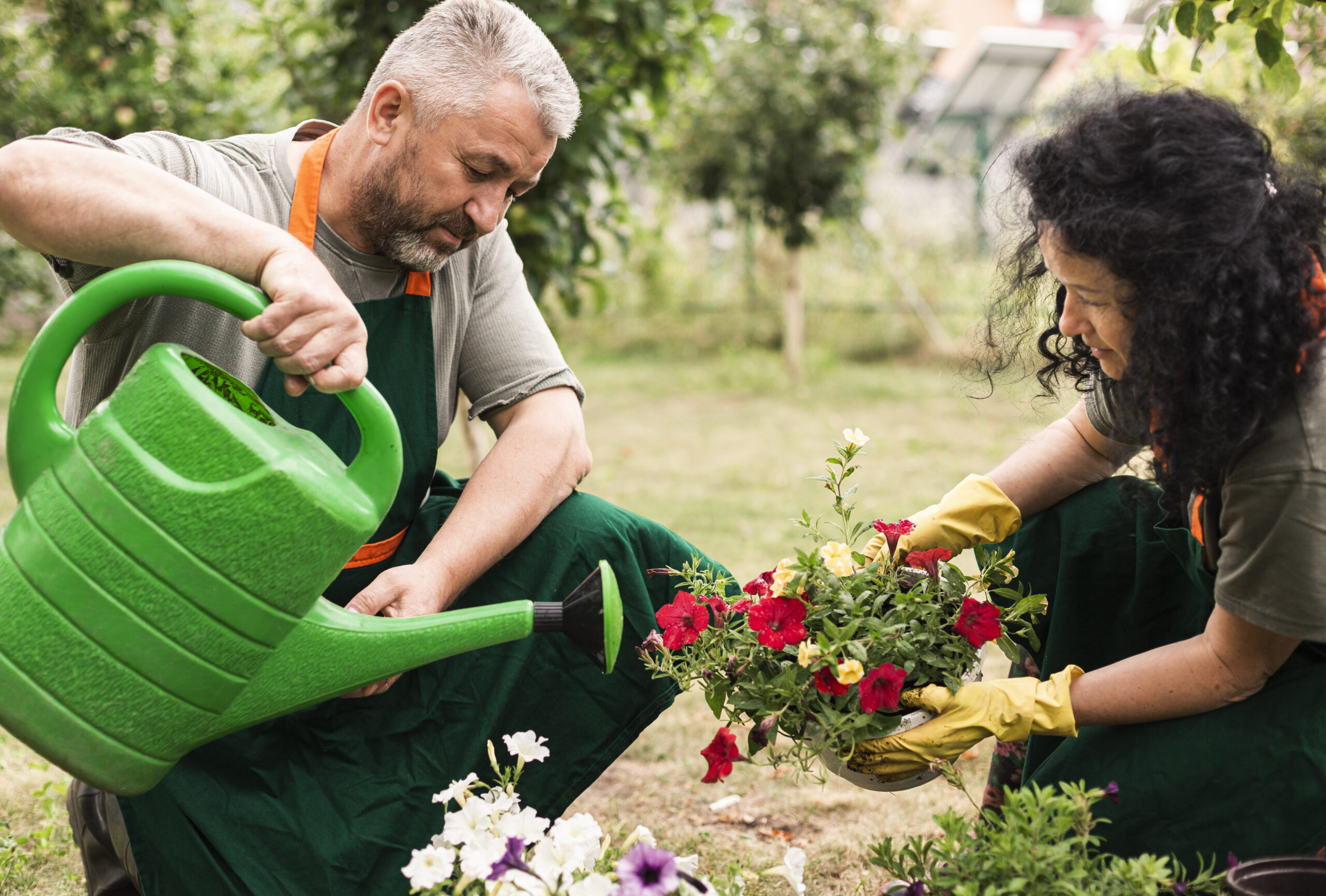 No couple stays in a honeymoon phase forever. Marriage has emotional seasons—some feel warm and passionate, others feel dry and distant. This doesn’t mean your marriage is broken. It means you’re human.
Choosing love means continuing to water your relationship during dry seasons so it can bloom again in the next. Just like a garden requires tending, marriage requires consistent care—especially when it isn’t thriving on its own.
What Choosing Love Looks Like in Real Life
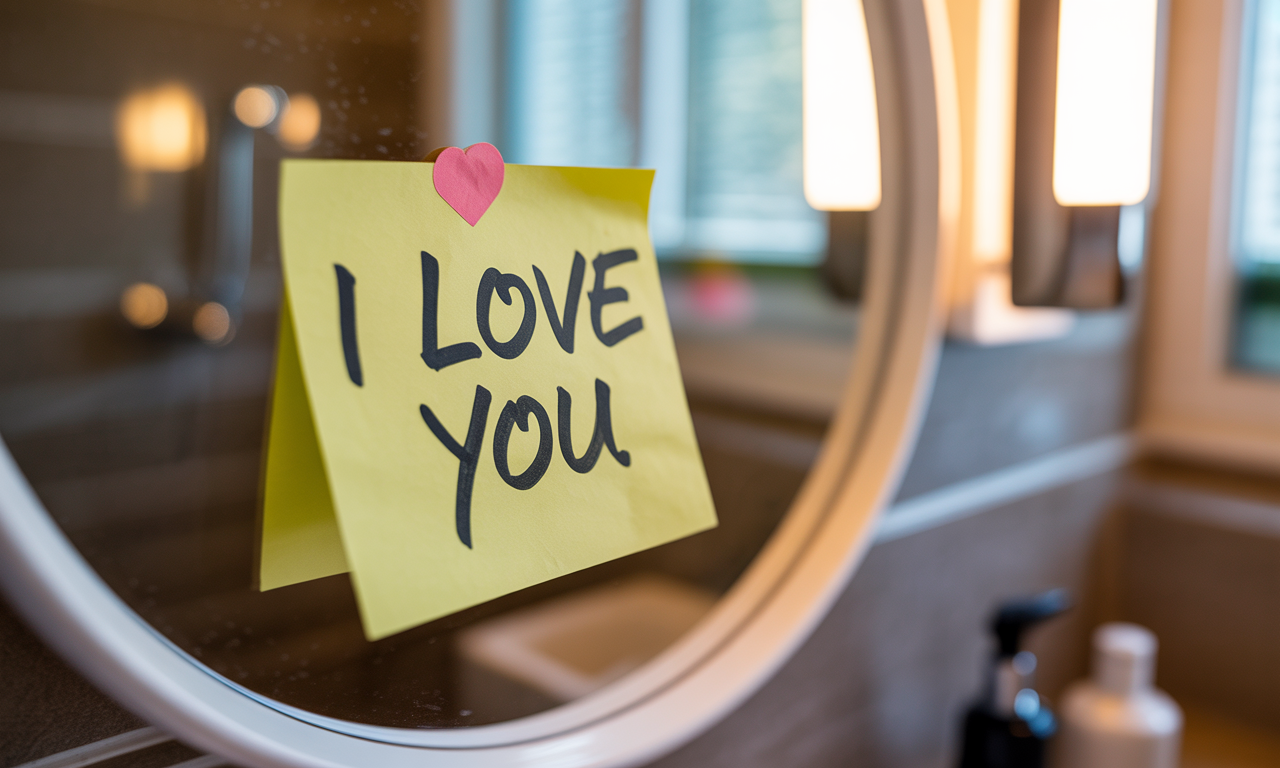 Choosing love is shown in everyday decisions:
- Waking up early to make coffee for your spouse
- Holding your tongue instead of lashing out
- Writing a quick note of encouragement before they head to work
- Taking responsibility for your part after an argument
- Staying emotionally present when they’re struggling
These are not grand gestures. They are quiet acts of faithfulness. They may not feel dramatic, but over time, they shape a marriage that is unshakeable.
When Emotions Follow the Decision
 Here’s a beautiful truth: when you choose love consistently, emotions often return. Kindness fosters warmth. Sacrifice fosters gratitude. Humility fosters intimacy. The decision to act in love creates the environment for feelings of love to grow again.
Love is like a fire. It doesn’t burn without fuel. When you invest time, service, and intention into your spouse, you’re fueling something that can continue to burn—sometimes quietly, sometimes passionately—but always with strength.
Building Emotional Safety Through Commitment
 Your spouse needs to know that they are safe with you—not just physically, but emotionally. When you choose love during disagreements, forgive past hurts, and continue to show up even when it’s hard, you create a safe environment.
This emotional safety allows your spouse to be vulnerable, honest, and authentic. And when both partners feel secure, deeper connection follows. Trust isn’t built by intense emotions—it’s built by consistent choices.
Choosing Love Doesn’t Mean Neglecting Yourself
 Choosing your spouse daily doesn’t mean abandoning your own needs or becoming a martyr. It means honoring your spouse and yourself. A healthy marriage requires both people to practice self-care, voice their needs, and grow as individuals.
The choice to love includes setting boundaries, expressing your truth, and inviting your spouse to do the same. Love that lasts is not codependent—it’s collaborative. It’s two whole people choosing each other day after day.
When You Need Help Making the Choice Again
 There may be times when the emotional gap between you and your spouse feels too wide to bridge alone. That’s when reaching out for help—through counseling, mentoring, or community—can be vital. There’s no shame in needing guidance. Sometimes love means asking for support so you can learn how to choose well again.
Healing takes time, but even broken marriages can be rebuilt if both spouses are willing to try. If you’re struggling to love, remember: one small choice today can lead to a big breakthrough tomorrow.
Final Thoughts: You Don’t Have to Feel Love to Give Love
 At the end of the day, feelings come and go—but the choice to love remains powerful. You don’t have to feel love to give it. When you give it anyway, you often rediscover the beauty that brought you together in the first place.
Marriage isn’t about perfect harmony—it’s about consistent harmony-seeking. It’s about choosing each other through fatigue, frustration, joy, and silence. When you practice that choice day after day, you’re not only keeping your marriage alive—you’re making it thrive.