Love vs. Infatuation: Why Knowing the Difference Can Save Your Marriage
By Pesa Shayo ·
The Emotional Trap of Infatuation
 Infatuation can feel like a whirlwind—an intoxicating blend of passion, desire, and emotional intensity. It’s what makes hearts race and minds obsess. In the early stages of a relationship, this emotional high is often mistaken for true love. But here at Live Your Best Marriage, we’ve seen how this misunderstanding can be harmful to couples who are building—or rebuilding—a life together.
Infatuation is rooted in what someone does for you. It’s all about the thrill, the fantasy, and the way that person makes you feel. Love, however, is rooted in what you’re willing to give. Love asks, “How can I serve and support my partner today?” Infatuation wonders, “What’s in this for me?”
Understanding this difference is not just a philosophical exercise—it’s a marriage-saving mindset shift. Couples who recognize the fading nature of infatuation and anchor themselves in the deeper, lasting truth of love are more likely to weather storms, recover from conflict, and grow stronger over time.
What Is Infatuation?
 Infatuation is a powerful emotional experience, often sparked by physical attraction, novelty, or idealized fantasy. It’s that “can’t stop thinking about you” phase of a relationship, where flaws are overlooked and desires run high. While infatuation is common and even enjoyable at the beginning of a relationship, it’s important to understand its nature:
- Short-lived: Infatuation has an expiration date. It’s often intense but temporary.
- Self-centered: The focus is on how you feel, not on the needs or well-being of the other person.
- Idealized: You tend to put the other person on a pedestal, seeing them not as they are, but as you want them to be.
- Emotion-driven: Decisions are made based on feelings rather than long-term values or commitments.
It’s no wonder that when the high of infatuation fades, many couples find themselves disoriented or disillusioned. They say, “I don’t feel the same anymore,” and assume the relationship has run its course—when really, it’s just time to grow up from emotional fantasy into mature love.
What Is Love?
 Love is far deeper than a fleeting feeling. It’s a choice, an action, and a commitment. Love shows up when it’s hard. Love gives when it doesn’t feel like giving. And love stays when it would be easier to walk away.
Here are a few defining traits of love:
- Servant-hearted: Love asks, “How can I support you even when I don’t get what I want?”
- Rooted in commitment: Love continues even when feelings fade or change.
- Sees reality clearly: Love acknowledges flaws but chooses connection anyway.
- Builds trust and safety: Love creates a secure foundation that allows both partners to grow.
When you shift from chasing emotional highs to building emotional depth, you create a marriage that is not just enjoyable—but enduring.
How Infatuation Disguises Itself in Marriage
 Infatuation doesn’t just show up at the beginning of a relationship. Sometimes, even in marriage, it can creep in under the radar—especially when there’s comparison, temptation, or emotional discontent.
Examples of how this happens:
- Social media distractions: Seeing idealized versions of other people’s relationships can create dissatisfaction with your own.
- Emotional affairs: Feeling a “spark” with someone new may feel exciting, but it’s often just infatuation—not real love.
- Disappointment in your spouse: When real life sets in—kids, stress, chores—you may feel like “something is missing.” Often, what’s missing is the thrill of infatuation, not the presence of love.
It’s important to recognize that when infatuation rears its head, it’s not a sign that something is wrong—it’s a sign that something needs to grow.
Signs You May Be Operating Out of Infatuation
 In your marriage, ask yourself:
- Am I more focused on what my spouse does for me than on who they are?
- Do I often feel bored, disappointed, or emotionally checked out unless there’s excitement?
- Do I long for the early days of the relationship, not because of the connection, but because of the feelings?
- Do I compare my marriage to others or daydream about someone new?
- When there’s conflict, do I feel like giving up instead of pressing in?
If these resonate, you may be leaning into infatuation-based thinking. The good news? Shifting from infatuation to love is absolutely possible—and powerful.
How to Cultivate Love in Your Marriage
- Choose Service Over Self
Ask, “What does my spouse need today that I can provide?” Small acts of service—like making coffee, taking something off their plate, or even just listening—build love through consistent giving. - Anchor in Commitment
Feelings come and go. Your vow is the anchor. Remind yourself that love is not about staying when it’s easy; it’s about staying when it’s worth it—which is almost always. - Accept and Appreciate
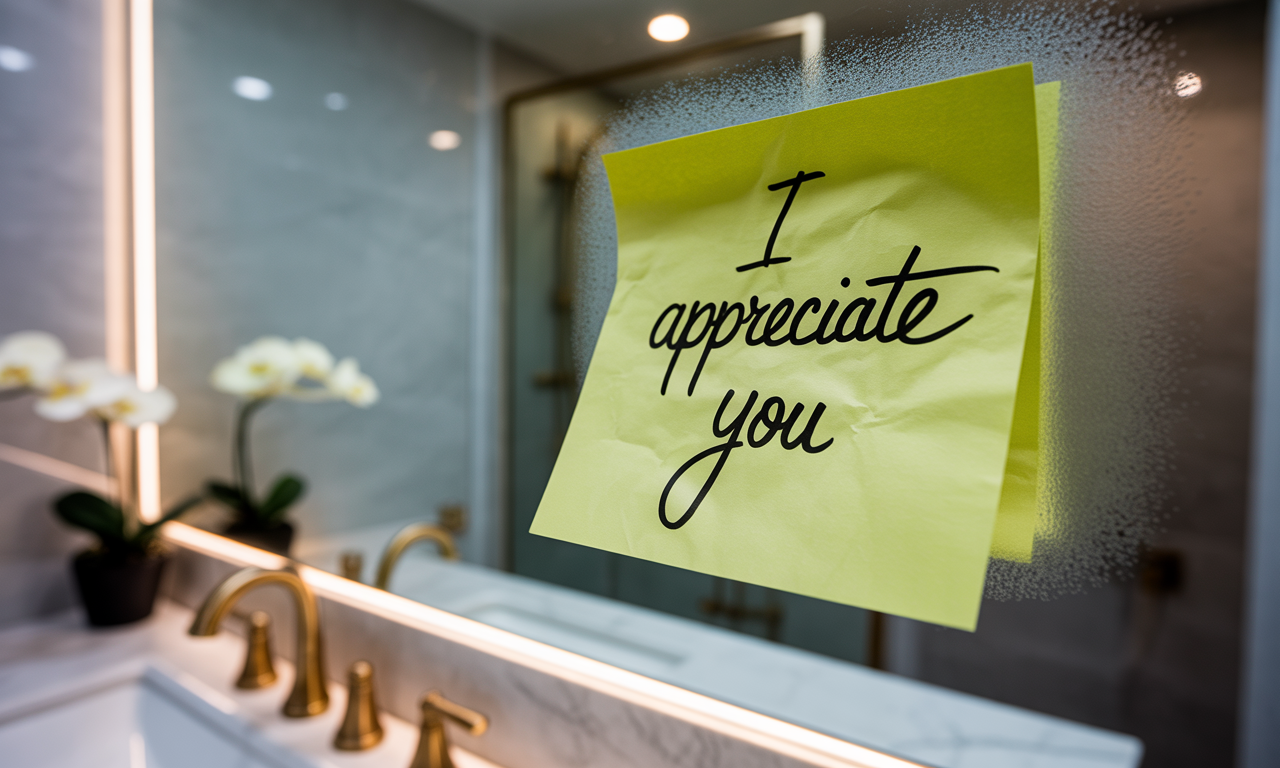
Rather than resenting your spouse’s flaws or wishing they were different, lean into appreciation. Love says, “I see you fully—and I’m still choosing you.” - Reignite Connection Intentionally
Set aside time for regular connection. Date nights, shared goals, spiritual growth—these nurture love beyond just romantic gestures. - Let Feelings Follow Actions
You don’t have to feel loving to act lovingly. Often, the feelings return after you put in the effort.
Why This Matters for Your Marriage
 At Live Your Best Marriage, we’ve seen time and again that couples who understand the difference between love and infatuation are equipped to go the distance. They don’t panic when the butterflies fade. They don’t chase after emotional highs. Instead, they root themselves in daily, deliberate love—and as a result, they thrive.
Your marriage doesn’t need to be emotionally thrilling all the time. It needs to be emotionally safe, spiritually anchored, and consistently nurtured.
When love becomes the foundation—not just infatuation—you’ll experience:
- Deeper trust
- Better conflict resolution
- Greater emotional intimacy
- Renewed joy in everyday life
- Confidence in your shared future
Final Thoughts: Building Love That Stays
 Infatuation is exciting, but it’s not sustainable. Love may seem quieter, but it’s infinitely more powerful. Love will hold your hand through the storms. Love will speak truth in hard moments. Love will keep showing up—again and again.
If you’ve been wondering why the spark has faded or why the emotional highs aren’t what they used to be, don’t panic. It doesn’t mean your marriage is broken. It means it’s ready to go deeper.
Choose love. Cultivate it. And watch your marriage transform.